





Kosher Protein Products
(0 Results)
Discover a range of kosher protein products that cater to your dietary needs while supporting your fitness goals. With options suitable for various lifestyles, these protein supplements align with kosher dietary standards and may offer the nutritional benefits you seek. Whether you're looking to build muscle, maintain weight, or simply add more protein to your diet, explore the possibilities with our selection of kosher protein products.









 Chewable Tablets_Front.jpg?sw=305&sh=305&sm=fit "ChildCalm - 60 Chewable Tablets (30 Servings) | GNC")


_Front.jpg?sw=305&sh=305&sm=fit "Pure Way-C Vitamin C and Bioflavonoids 1000+ mg - 90 Tablets (90 Servings) | GNC")

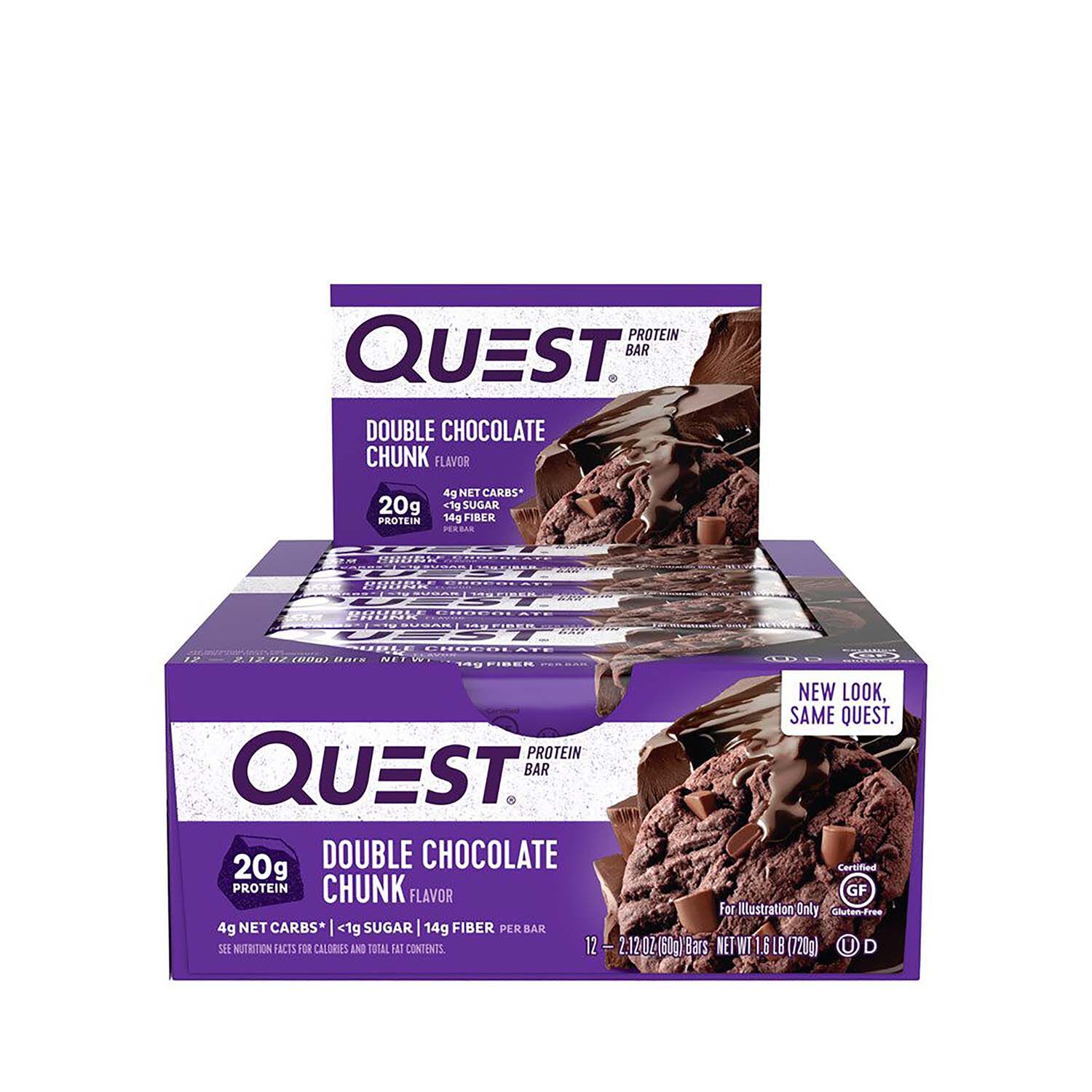
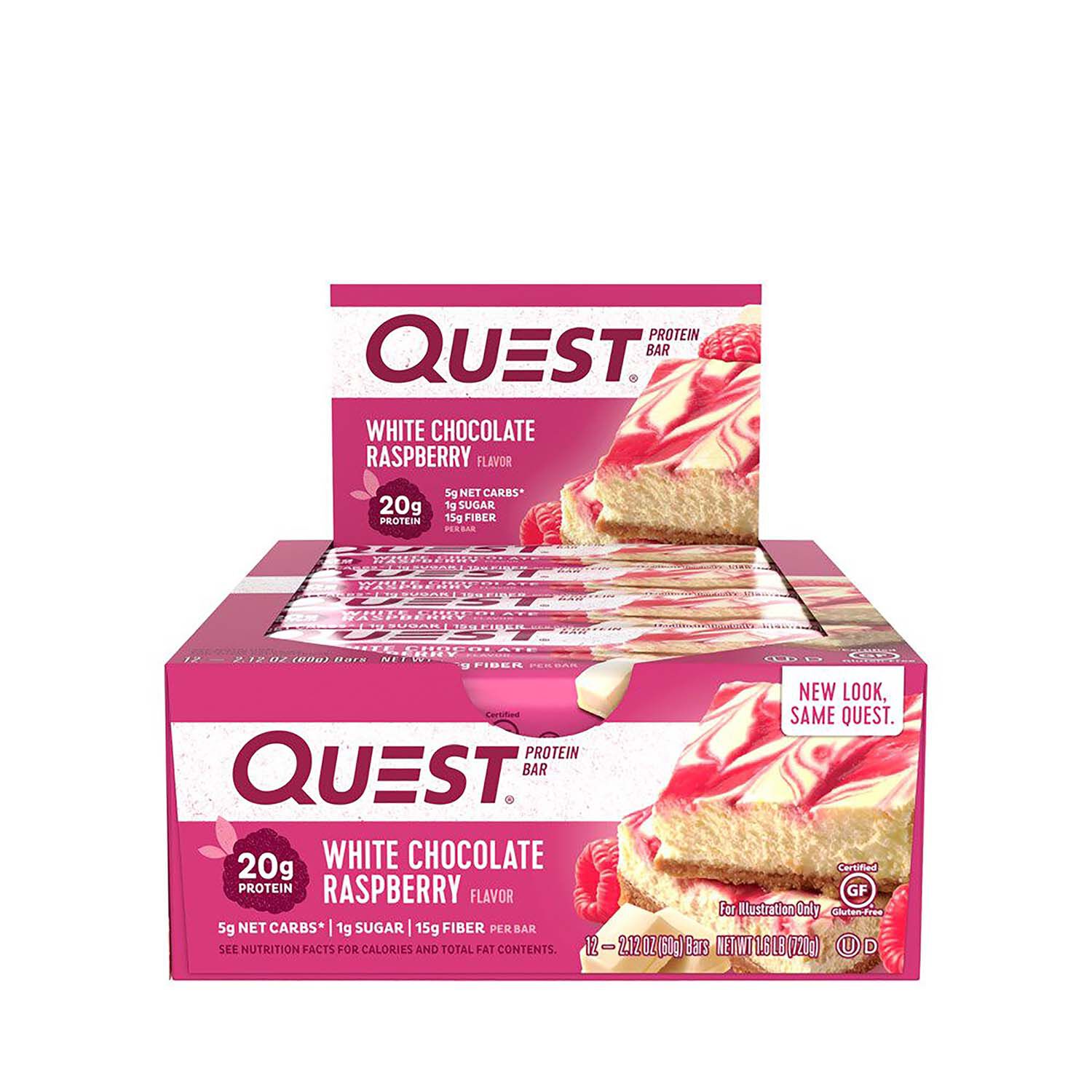
Kosher protein products are packaged protein foods and supplements made with ingredients and production practices that meet kosher dietary requirements, as verified by a kosher certifying authority. The category can include protein powders, ready-to-drink shakes, and protein bars, with dairy-based or plant-based formulas suited to different eating preferences. For these processed products, the protein source alone does not establish kosher status. Flavorings, processing aids, other ingredients, and manufacturing equipment also matter, which makes the certification mark on the package an important point of comparison. Whey and casein come from milk and generally carry a dairy designation when certified kosher. Plant proteins can come from peas, soy, rice, or other sources, but a plant-based ingredient list is not a substitute for kosher certification. Some certified formulas are labeled pareve, meaning they are neither meat nor dairy under kosher dietary rules. A vegan designation and a pareve designation answer different questions, so neither should be treated as interchangeable with the other. Dairy-equipment designations also require attention, particularly for households with specific standards for separating meat and dairy. Shoppers who observe Cholov Yisroel should look for that designation rather than assuming every kosher dairy protein meets that standard. Kosher certification is also distinct from allergen labeling: a kosher symbol does not, by itself, establish whether a formula is suitable for someone avoiding milk, soy, or another ingredient. The certification mark, ingredient list, allergen statement, and nutrition information each provide a different part of the picture. Together, these details make it easier to distinguish a dairy-based powder intended for a milk shake from a certified pareve option intended for a different place in a kosher kitchen. Certification applies to the particular formula and package, not automatically to every flavor or format within a product family. Checking the label on each selection matters even when the packaging looks familiar, especially when choosing between flavors with different inclusions or coatings.
The right format depends on how and where the protein will be used. A kosher protein powder offers flexibility in portioning and preparation, with the package directions establishing the serving size and suggested mixing method. A ready-to-drink shake requires no measuring, while a wrapped protein bar needs neither a shaker nor a cup. Those differences matter during ordinary routines: a commuter carrying a work bag, a student heading between classes, or someone packing a gym bag may prefer different formats even when their ingredient preferences are similar. Protein grams per serving are useful to compare alongside serving size, calories, carbohydrates, sugars, fats, and sodium. Comparing scoops alone can be misleading because scoop sizes vary, and some formulas call for more than one scoop per serving. Protein content also does not tell the whole story of a bar or shake; coatings, nut pieces, oats, sweeteners, and added oils contribute to the finished food. For powders, the liquid used in preparation changes the nutrition of the prepared serving. Mixing with water differs from mixing with milk or a plant-based beverage, and any additions need to fit the intended kosher use. Texture and flavor deserve just as much attention as the nutrition panel when choosing something for repeated use. A cocoa-flavored powder might suit a shake with banana, while a more neutral flavor could work with oats or yogurt when the preparation directions allow it. Whey, casein, and plant protein blends can differ in thickness, mouthfeel, and mixing behavior; the ingredient list and preparation instructions offer useful context for those differences. A finely milled powder may blend differently in a shaker than in a countertop blender, and a formula with gums or fibers may produce a thicker drink. Shoppers who prefer a lighter consistency might favor a different formulation than those seeking a spoonable mixture. These practical distinctions help connect the product format to its intended use without treating every kosher protein product as interchangeable.
Everyday handling is another part of choosing kosher protein products, particularly when packages move between a kitchen cabinet, an office drawer, and a travel bag. Powder containers need a secure closure and storage according to the label, with a clean, dry scoop kept away from moisture. Single-serving packets may be convenient for carrying a measured portion, while a larger container calls for space to store it upright and reseal it after use. Ready-to-drink packaging has its own storage instructions, including directions for handling after opening, and bars should remain in intact wrappers until they are eaten. The package date and any instructions about use after opening deserve attention rather than assuming all protein formats keep in the same way. For shared kitchens, the utensils, blender jar, shaker cup, and serving dishes used in preparation should align with the household’s kosher practices. A pareve powder mixed with dairy milk becomes part of a dairy preparation; the powder’s original designation does not describe everything added to the finished drink. That distinction is especially relevant when a shake accompanies a meal or when several people share preparation equipment. For someone selecting a practical gift, familiarity with the recipient’s accepted certification, dairy practices, ingredient preferences, and favorite flavors matters more than an assortment chosen only for variety. The same considerations apply when stocking a shared office snack area or setting aside individually wrapped options for visitors. A clearly labeled package gives the person eating it the opportunity to review those details themselves. Shoppers considering other certified supplements and related categories can also explore Kosher Health Products, while evaluating each package on its own labeling. Within kosher protein products, the most useful comparisons remain specific: the certifying authority, dairy or pareve status, protein source, serving information, flavor, texture, and preparation needs. Attention to those details supports a selection that fits both the household’s dietary practices and the small practical moments in which the product will be used.


