

Whey Protein Powders For Kosher Diets
(0 Results)
Finding the right protein supplement to fit your lifestyle can be important, especially when following specific dietary guidelines. Whey protein powders for kosher diets offer a convenient way to support your nutrition goals while aligning with kosher standards. Explore a variety of options that may help you meet your daily protein needs and complement your balanced routine, all while maintaining your commitment to a kosher lifestyle.
-

-
-
-
-

-
-
-

-

-
-
-

-
-

-
 $34.99
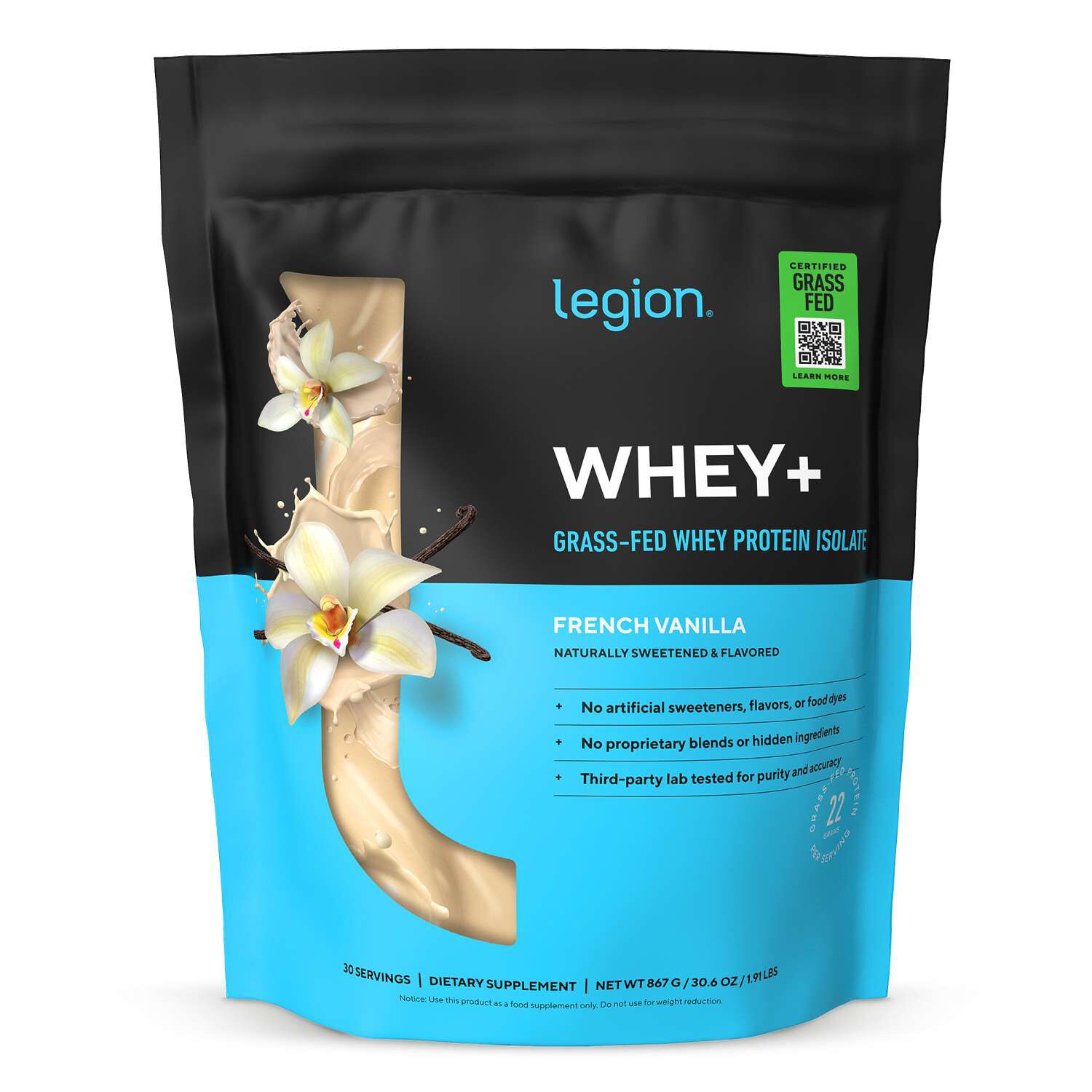
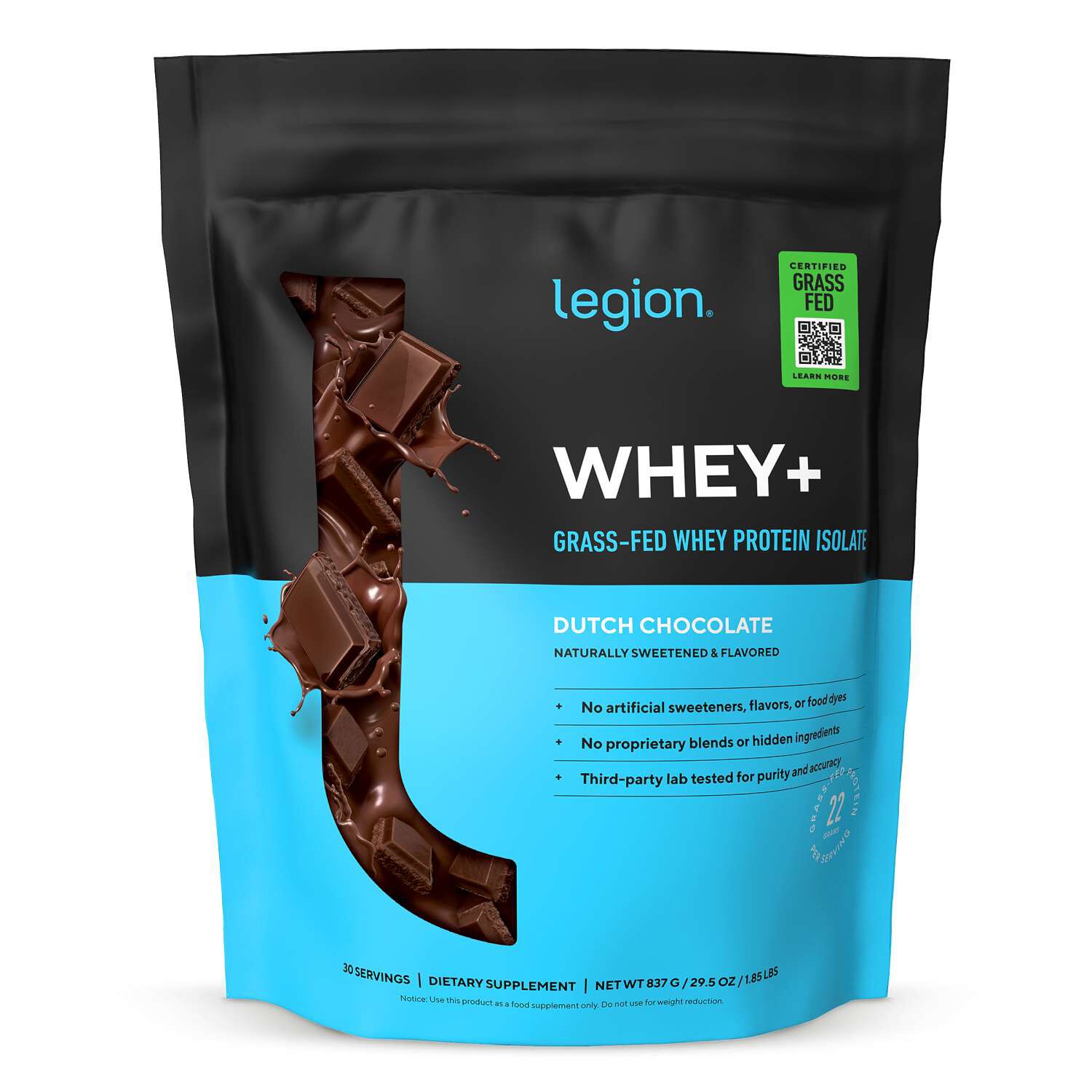
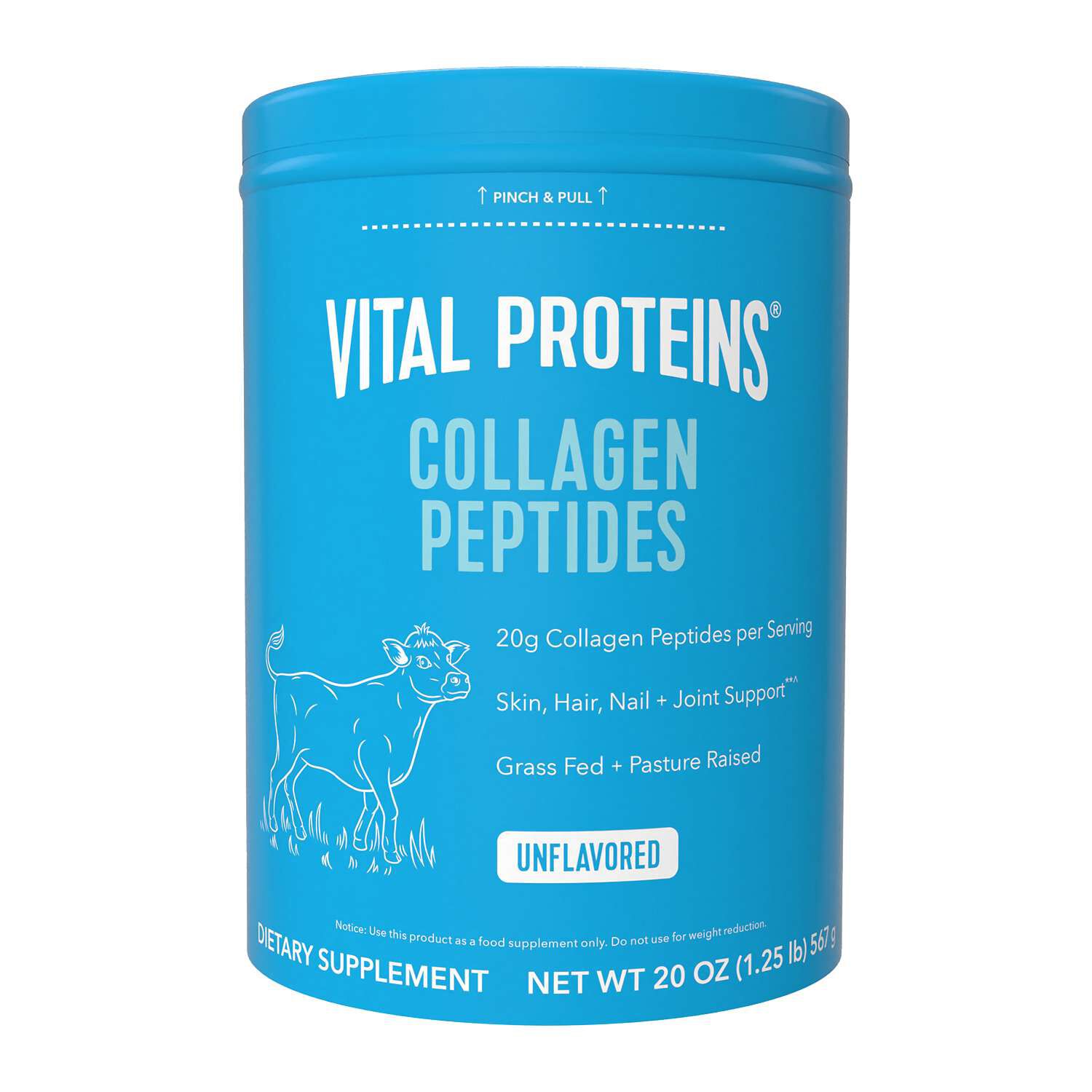
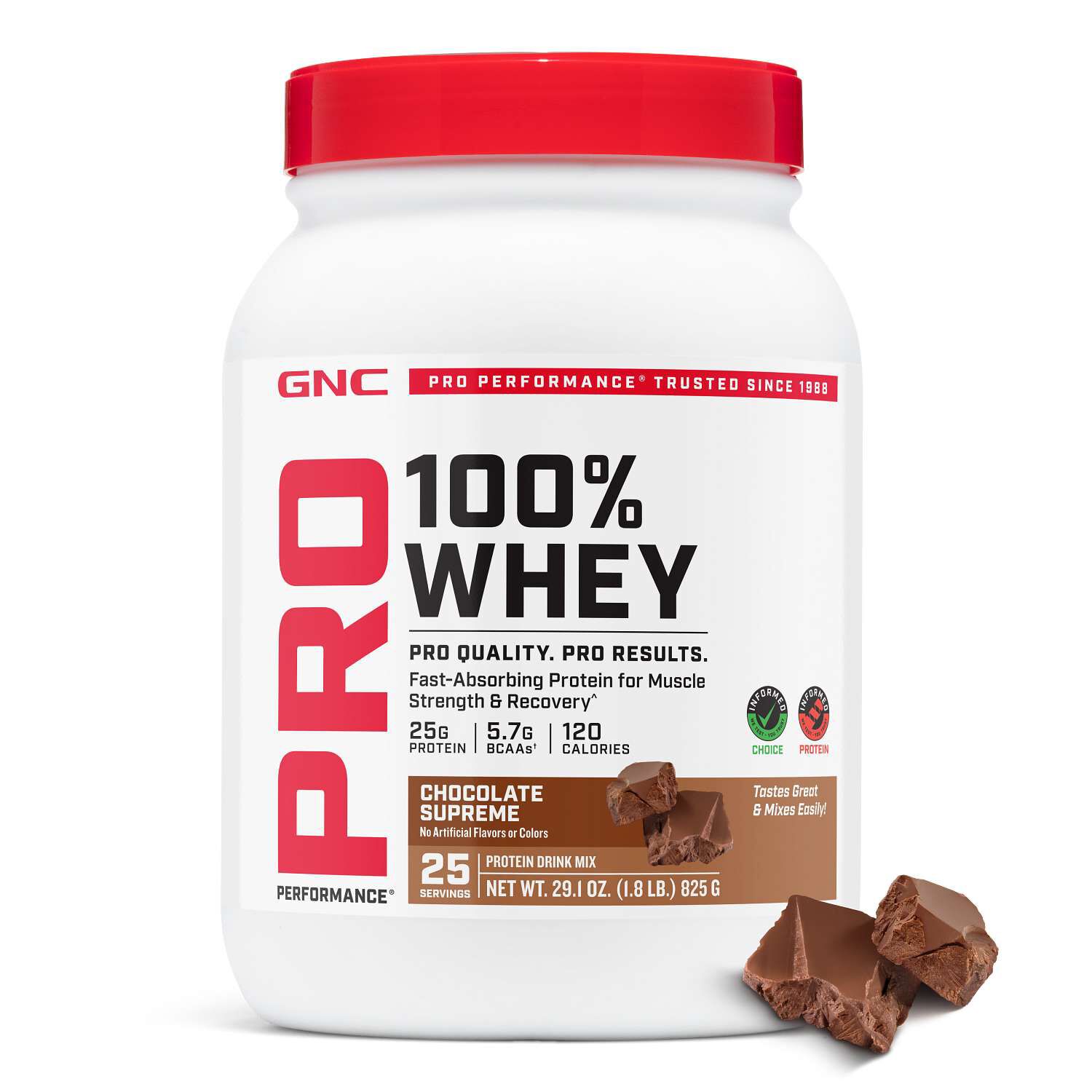
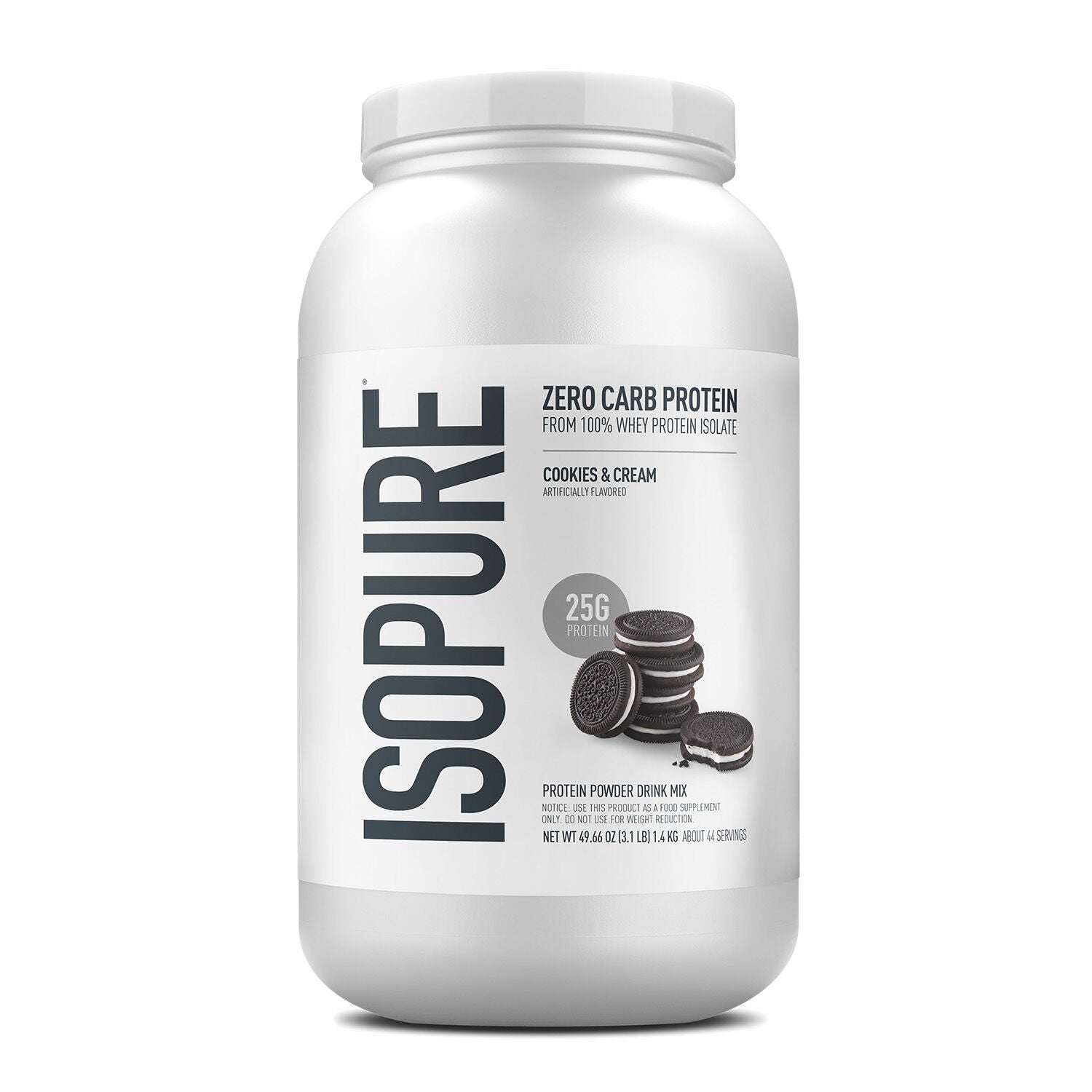
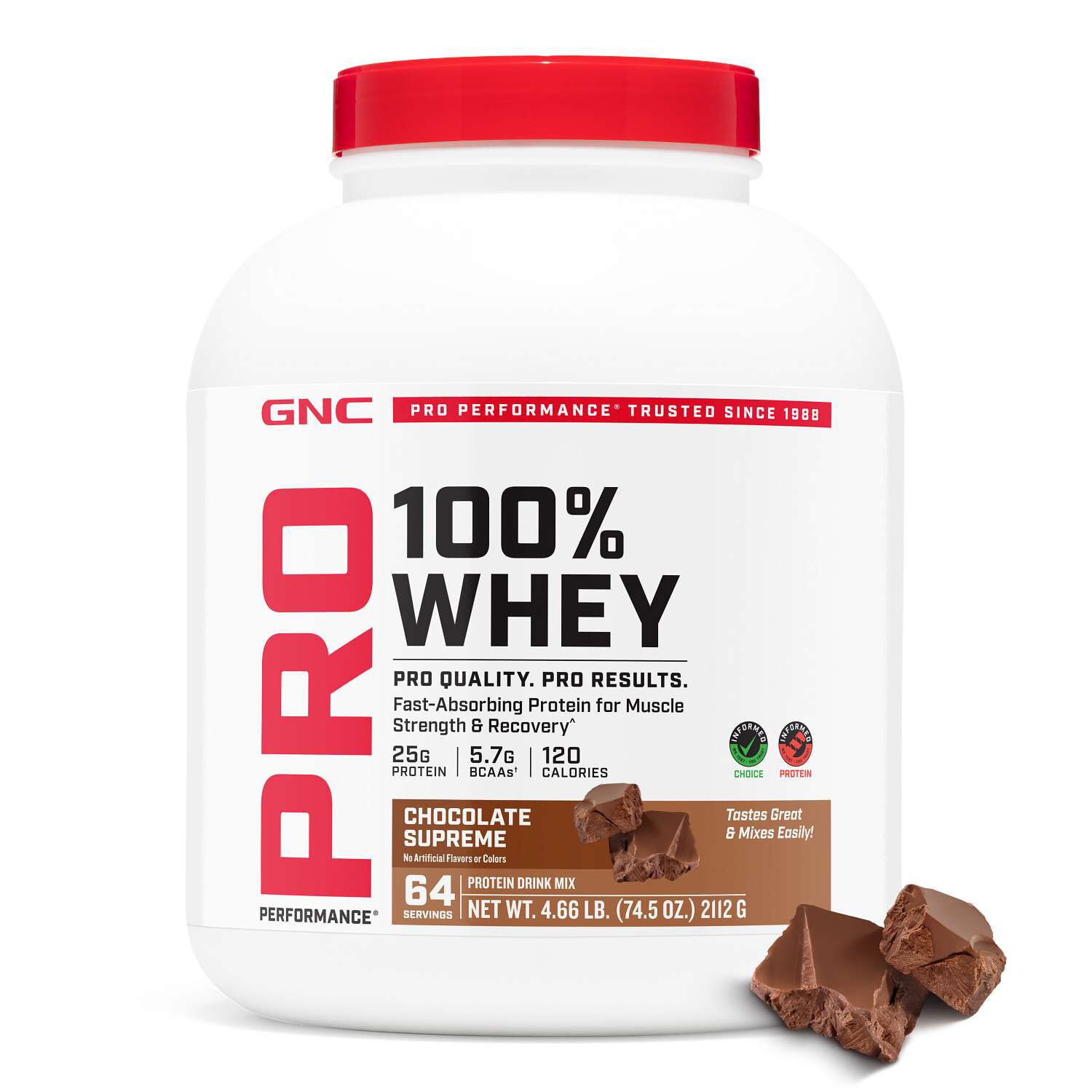
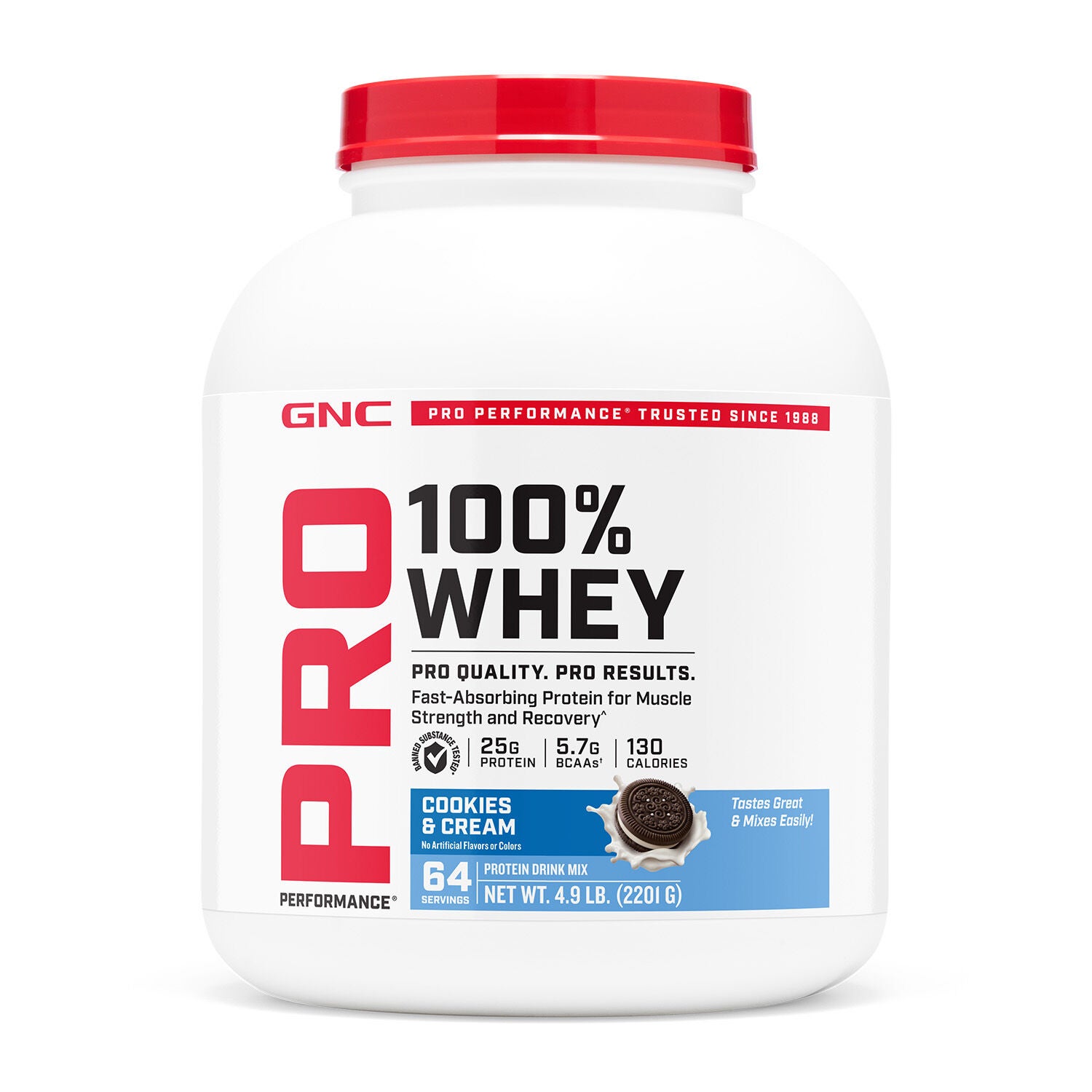
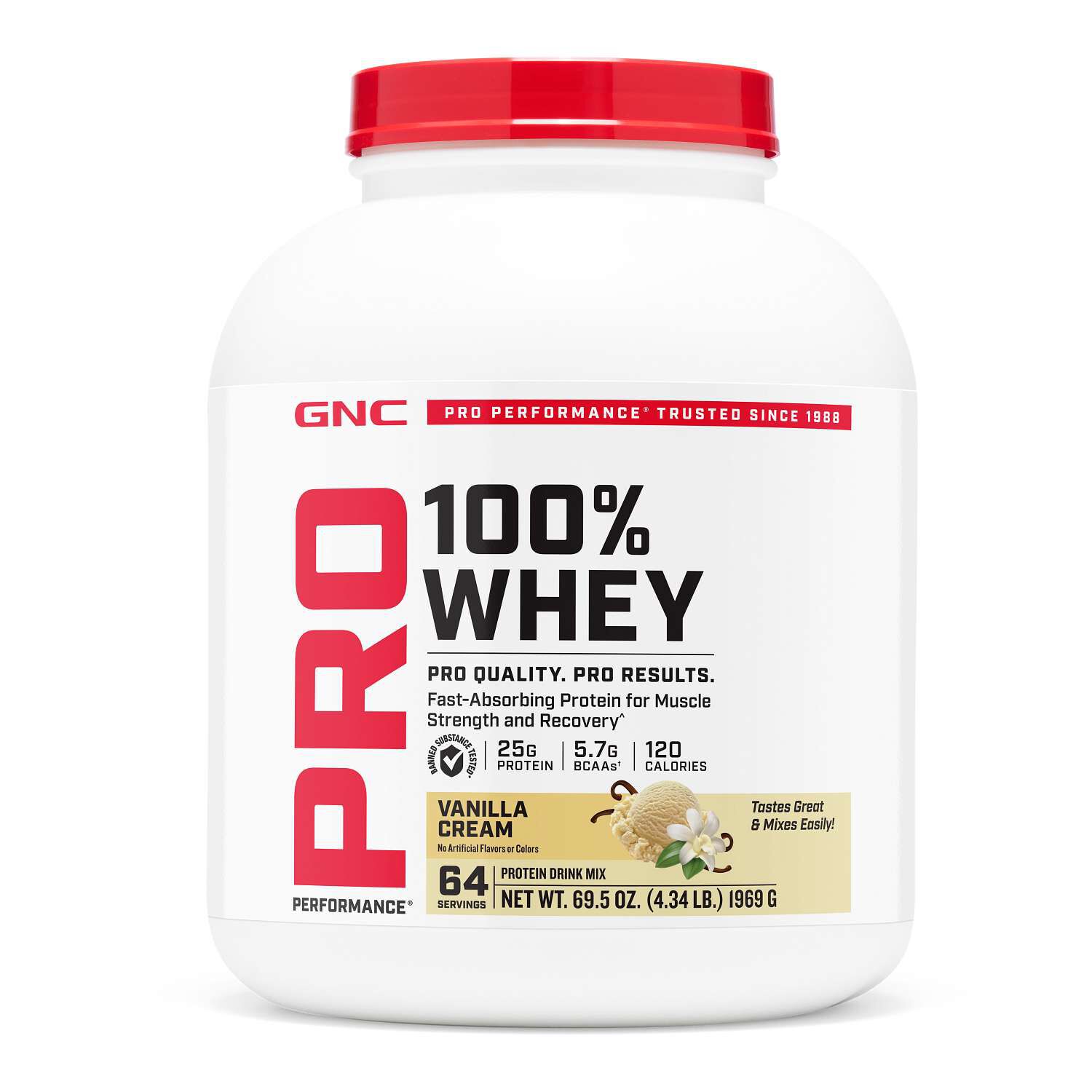
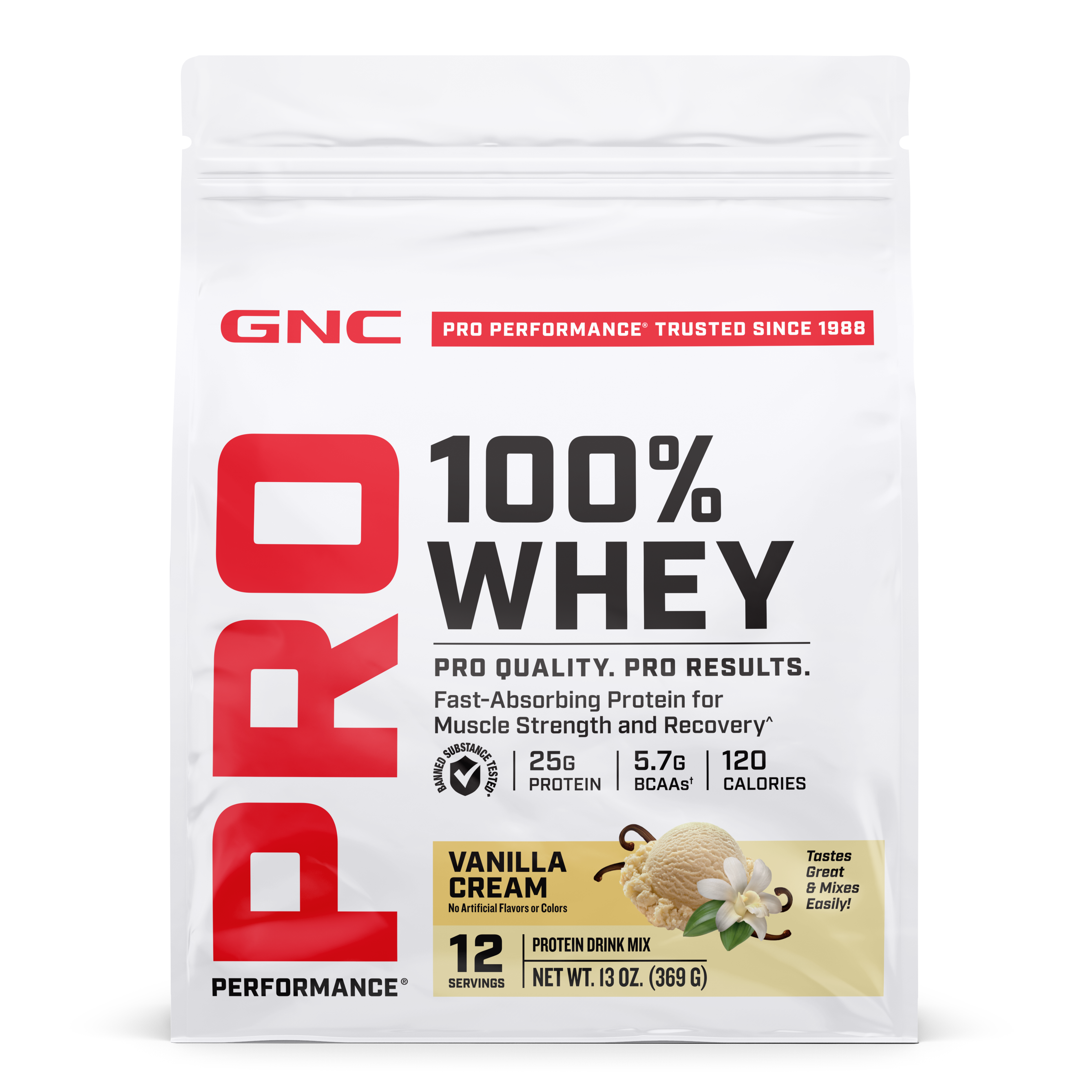
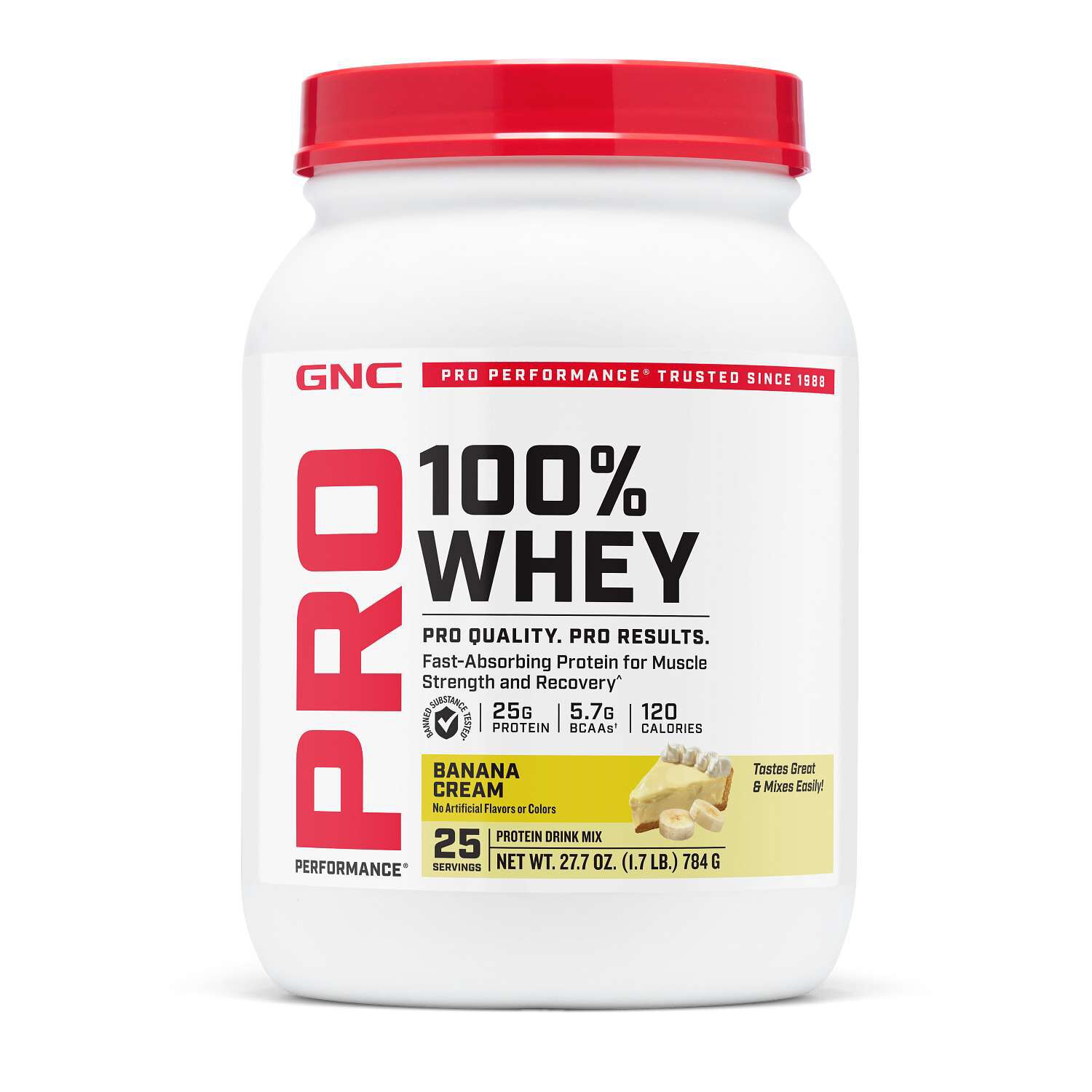
Whey protein powders for kosher diets pair a familiar dairy ingredient with certification that matters to the way a household eats. Whey comes from milk and is commonly separated during cheesemaking before being processed into a powdered ingredient. Because of that origin, whey protein is dairy, including whey isolate; additional filtration does not turn it into a pareve food. Kosher status involves more than the source of the protein. Other ingredients, processing equipment, and production practices also matter, which is why certification on the finished powder is an important distinction from a statement about the whey ingredient alone. A recognizable kosher certification symbol, often called a hechsher, identifies the organization supervising the product, while the accompanying designation indicates its dairy status. Certification can differ among flavors and formulas, even within the same product family, so the label on the particular container deserves attention. Chocolate flavoring, cookie pieces, and other additions introduce ingredients beyond the whey itself. For households that follow Cholov Yisroel standards, a general kosher dairy designation is not a substitute for explicit confirmation of that additional supervision. Likewise, everyday kosher certification does not establish suitability for Passover, which involves separate requirements. These distinctions make the package label more useful than a broad description such as “dairy protein” or “vegetarian.” Whey belongs within a household’s dairy eating routine, with separation from meat meals governed by its own observance and accepted religious guidance. Someone planning a breakfast shake, a dairy afternoon snack, or a drink after a workout may find this category relevant, but the intended occasion does not change the powder’s classification. For shoppers comparing whey with other protein formats, Kosher Protein Products offers a broader category to explore, with each formula’s ingredients and certification remaining the basis for determining whether it fits a particular kosher diet.
Beyond certification, the main differences among kosher whey protein powders are the form of whey, the amount of protein per serving, the accompanying ingredients, and the drinking experience. Whey concentrate generally retains more of milk’s naturally occurring carbohydrate and fat than whey isolate, while isolate undergoes additional processing to separate more of the protein from those components. Exact amounts vary by formula, so the Nutrition Facts panel provides a more useful comparison than the front label alone. A blend may combine concentrate and isolate in different proportions. Hydrolyzed whey has undergone processing that divides proteins into smaller pieces, but that description does not establish kosher status or make one formula the right choice for every shopper. Serving size is another practical detail: two powders with similar protein amounts per scoop may use different scoop sizes, making the serving weight in grams worth comparing alongside protein, carbohydrate, fat, and added sugar. Ingredient lists also reveal sweeteners, cocoa, flavorings, lecithin, and thickening agents that may influence sweetness, texture, and how a shake mixes. A short ingredient list and kosher certification answer different questions; neither replaces the other. The milk origin also remains relevant when considering personal dietary requirements, regardless of how extensively the whey has been filtered. Flavor choice often comes down to the setting in which the powder will be used. Vanilla may suit a blender drink with banana and cinnamon, while chocolate may pair with milk and a spoonful of nut butter for a richer texture. Unflavored whey still has its own dairy character and is not necessarily neutral in every recipe. Someone who prefers a lighter drink may favor a formula mixed with water, while another shopper may prefer the fuller texture of a milk-based shake. The package’s preparation directions provide the starting ratio, with the liquid amount adjusted to personal taste rather than assuming every powder behaves the same way.
The most useful kosher whey protein powder for a routine is one that fits the kitchen, the schedule, and the way it will actually be prepared. A shaker bottle suits a straightforward drink at home or after a gym visit, while a blender gives more room for fruit, oats, or other ingredients. A powder intended mainly for shakes may behave differently when stirred into yogurt or added to batter, so preparation directions and recipes developed for protein powder are helpful reference points. Adding liquid first and powder afterward may make hand mixing easier, and using a spoon to press dry pockets against the side of a bowl may help when preparing a thicker mixture. Very hot liquid may produce clumps, making a small test portion useful before stirring a full serving into a warm breakfast. During the cooler months, flavors such as vanilla, cocoa, and cinnamon may fit comfortably into familiar dairy snacks without requiring a different daily routine. Household kosher practices remain part of preparation, including the choice of blender jar, shaker, utensils, and other equipment used with dairy foods. Portability matters, too: a tightly closing shaker and a separate dry portion container may suit a commute better than carrying a prepared drink for an extended period. Once mixed with liquid, the drink needs handling appropriate to its ingredients and the package directions. For the dry powder, a securely closed container, a dry scoop, and storage away from heat and moisture may help preserve its intended texture and quality. Package size is worth matching to frequency of use and the printed date, especially when a flavor is unfamiliar or several household members have different preferences. An adult who regularly prepares dairy breakfasts may want something different from someone who only mixes a shake after weekend exercise. As a gift, protein powder is a personal choice, best matched to a recipient’s known certification standards, ingredient preferences, and favorite flavors. Attention to those everyday details keeps the focus on a powder that belongs naturally in an established kosher eating routine.