





Kosher Dietary Powders
(0 Results)
Explore the world of kosher dietary powders, where nutrition meets tradition. These versatile powders may offer a convenient way to support your wellness goals while adhering to kosher dietary laws. Whether you're looking to supplement your daily intake with vitamins, minerals, or proteins, kosher dietary powders could provide a solution that aligns with your lifestyle and values. Discover a range of options that might help you maintain balance and vitality in your everyday routine.
-
-
-

-

-
-

-

-

-
-

-
-

-
-

-
-

-
-
 $34.99
-
 $34.99
-
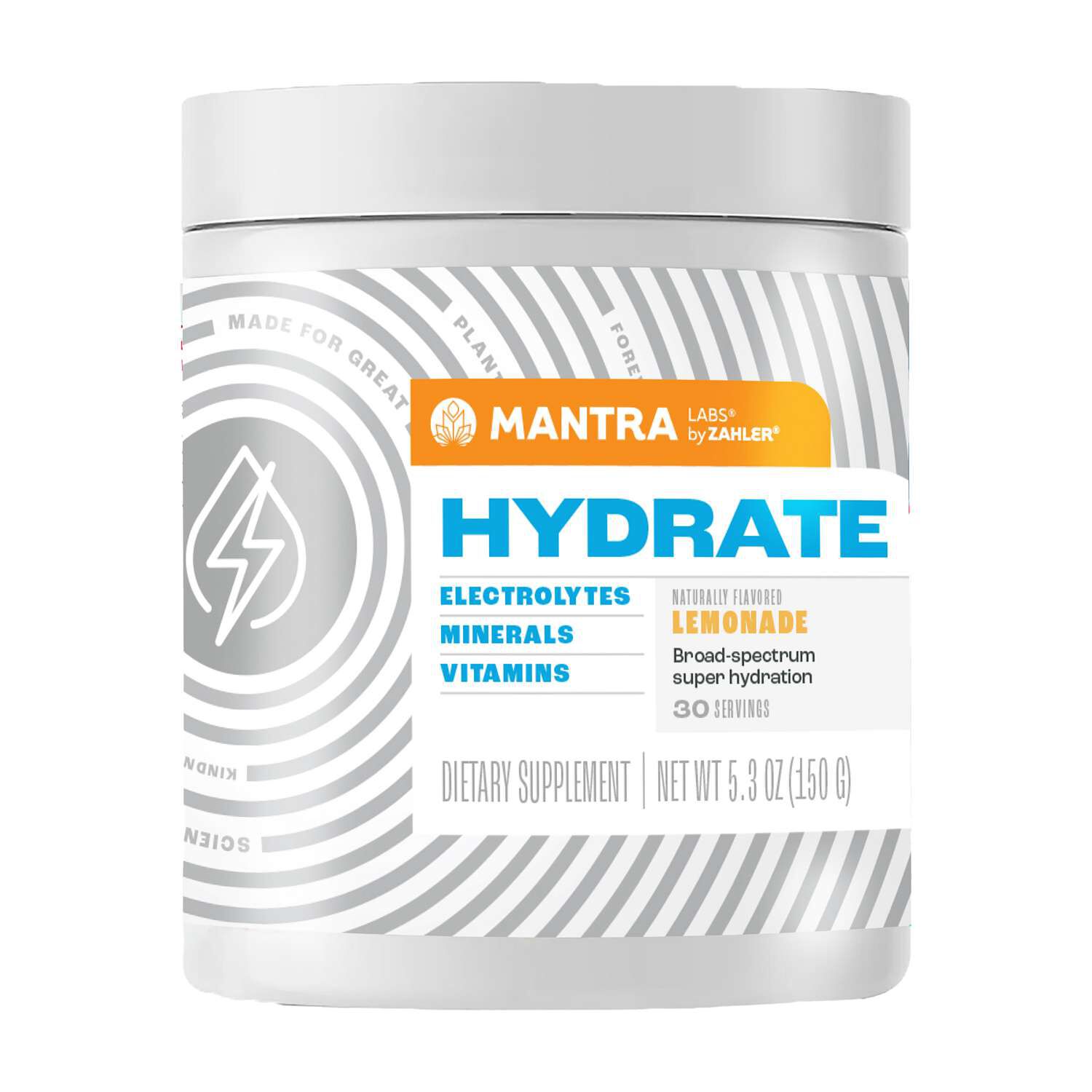 $34.99
-
 $32.99
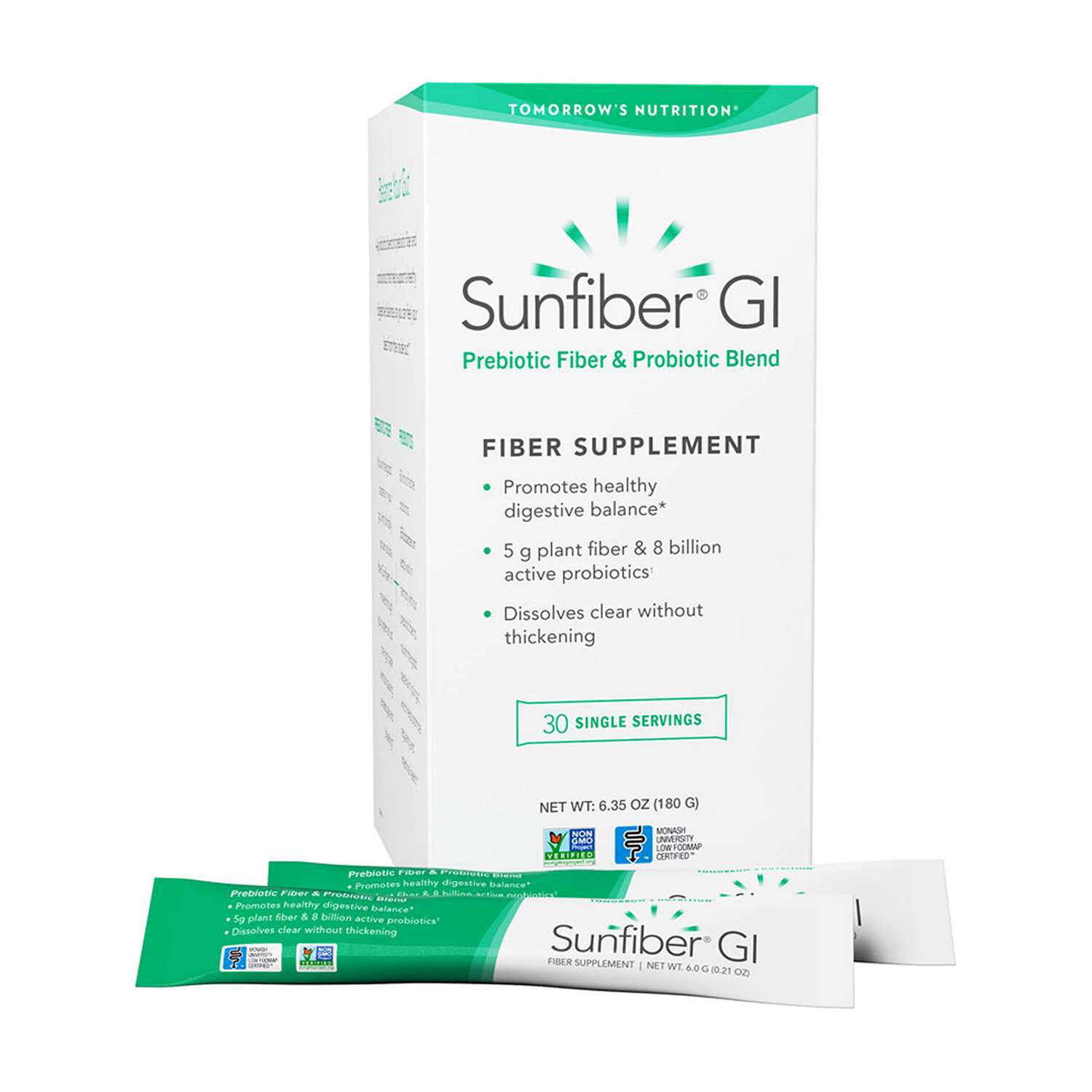
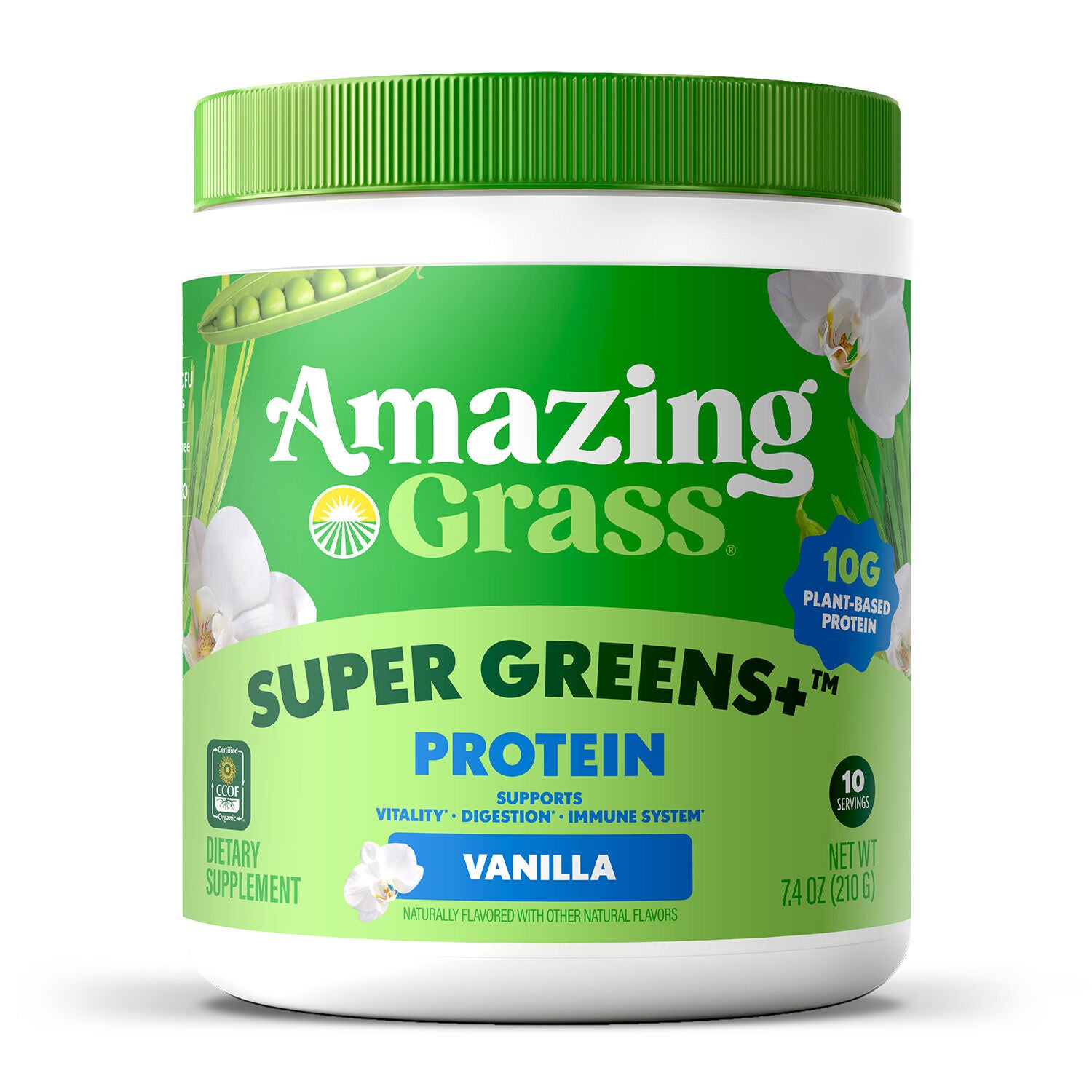
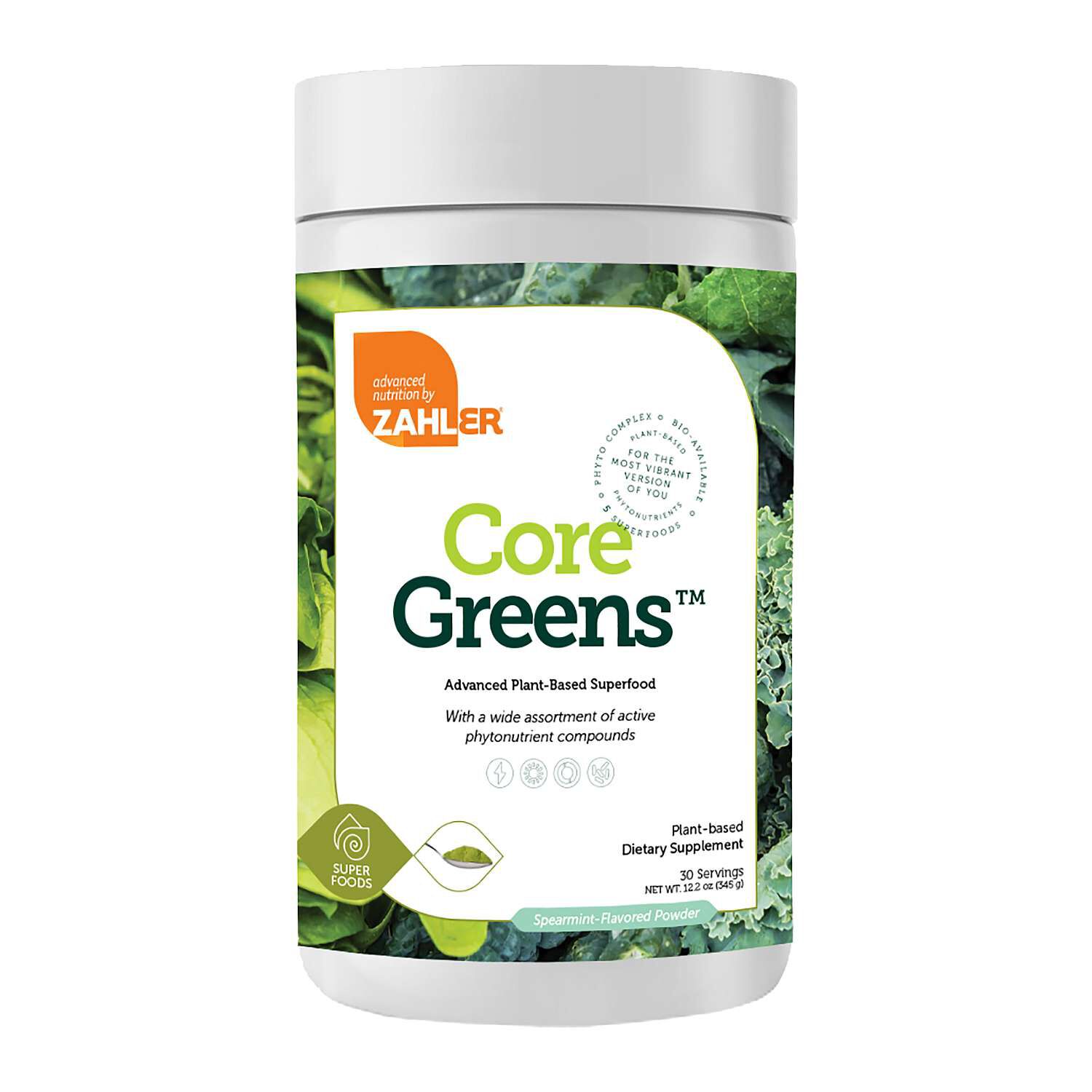
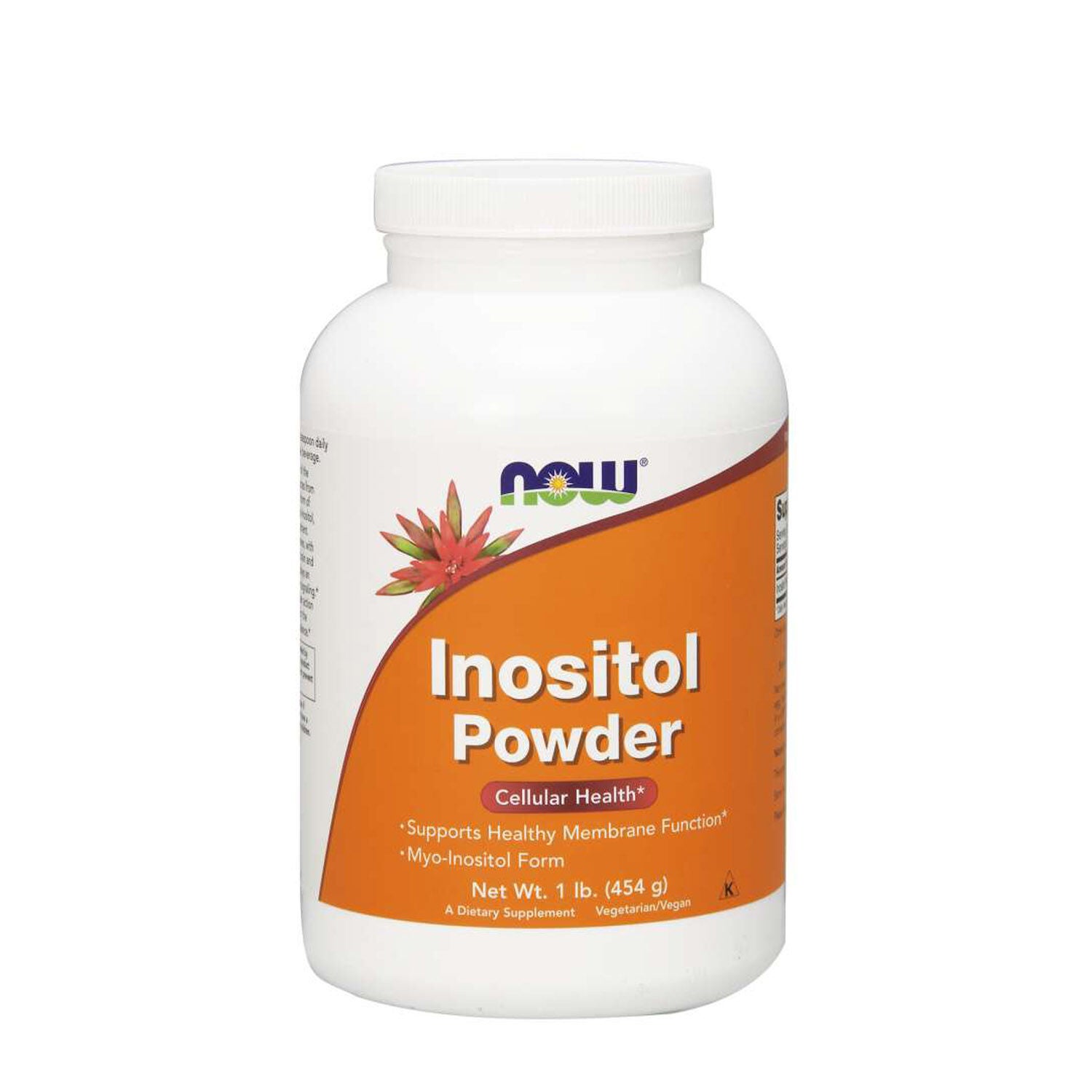
Kosher dietary powders are powdered foods and dietary supplements certified as meeting Jewish dietary requirements for their ingredients and production process. The category can include protein powders, powdered greens, fiber blends, and other nutritional mixtures, but kosher certification describes how a product meets those requirements rather than its nutrient content, flavor, or texture. Certification considers ingredient sources, processing equipment, and components used in flavoring, making the symbol on the package an important part of product selection. Recognizable certification symbols include those of the Orthodox Union, OK Kosher, KOF-K, and STAR-K. Any designation accompanying the symbol also matters. A dairy designation, often shown with a D alongside the certification symbol, is particularly relevant for whey and casein powders because these proteins come from milk. Pareve certification identifies a powder as neither meat nor dairy under kosher standards. Plant-based powders and egg-white powders can be pareve, but their classification depends on the certified formula and production process; a plant-based description does not establish kosher status by itself. Some certifying agencies also use a designation for dairy equipment, which is distinct from a formula containing dairy ingredients. The agency’s explanation provides useful context when a marking is unfamiliar. These distinctions have practical significance for a powder blended into a dairy breakfast, a beverage served alongside a meat meal, or ingredients used in a household with separate preparation utensils. Standard kosher certification is also distinct from certification for Passover, so an ordinary kosher symbol does not establish suitability for that observance. For people who keep kosher, households preparing food for guests, and shoppers choosing nutritional powders for specific dietary preferences, the package label connects the ingredient profile with the product’s place in the kitchen. Certification, serving size, flavor, and intended use all contribute to a powder’s suitability for an established eating routine.
Ingredient sources give kosher dietary powders much of their variety. Whey concentrate, whey isolate, and casein are dairy-derived options, while pea, rice, and soy proteins provide plant-based alternatives. Egg-white protein offers another ingredient profile, subject to the certification and designation on its package. Dairy-based choices are the focus of Whey Protein Powders For Kosher Diets, while other powder categories accommodate different ingredient preferences and uses. Whey concentrate and isolate can differ in protein concentration and the amounts of other milk components remaining after processing; the Nutrition Facts panel provides the relevant details for each formula. Plant-based blends may combine several protein sources, and their texture may differ from a dairy-based mixture. An unflavored powder may suit recipes where cocoa, fruit, or nut butter supplies the dominant taste, while vanilla or chocolate flavors may work well in a simple beverage. Sweeteners, added sugars, flavorings, and thickeners can vary considerably, even among powders with the same main protein source. Serving weights matter when comparing labels because a scoop is not a standardized measure across containers. Protein grams, calories, carbohydrate content, and fat content are best understood in relation to the stated serving size. Powdered greens, fruit-and-vegetable mixtures, and fiber blends have different compositions from protein powders and should be considered according to their labeled purpose rather than treated as interchangeable. Likewise, a protein powder is not automatically a meal-replacement formula simply because it mixes into a drink. A household using powder in breakfast recipes may prioritize a neutral taste and a short ingredient list, while someone preparing a shake between scheduled activities may prefer a flavored formula with straightforward mixing directions. Kosher status and allergen information also answer different questions: a certification symbol does not replace the milk, egg, soy, or other allergen statements on the label. Together, these details distinguish powders that share a certification but differ substantially in composition.
Everyday use often comes down to how a powder fits the foods, utensils, and preparation habits already in place. A scoop stirred into oatmeal, blended with banana and milk, or incorporated into a yogurt bowl creates a different eating experience from powder shaken with water. The liquid and other ingredients matter to the kosher status of the finished preparation, as do the utensils used. A pareve powder mixed with milk becomes part of a dairy preparation, while a certified plant-based beverage may suit a different intended use, depending on its own designation. Texture preferences are equally personal. A shaker bottle may suit a relatively simple drink, whereas a blender may help distribute powder through a thicker mixture containing fruit or nut butter. Some formulas may leave a more noticeable graininess than others, and additional liquid may produce a thinner consistency. The package’s mixing directions provide a practical starting point without assuming that every powder behaves the same way. For baking, a powder may alter moisture, sweetness, and texture, so a recipe developed for that type of ingredient is often more predictable than substituting it directly for flour. Packaging and storage deserve attention as well. A sturdy container or securely resealed pouch may help protect powder from moisture between uses, and a clean, dry scoop avoids introducing liquid into the contents. Keeping the label legible preserves access to the certification, ingredient list, serving information, and storage directions; keeping powder in its original packaging also reduces confusion in a shared pantry. The printed date and manufacturer’s handling instructions provide a better basis for storage decisions than appearance alone. Kosher dietary powders may also make a thoughtful food-related gift for someone who already uses them, particularly when the recipient’s preferred certification, dairy or pareve requirements, and flavor preferences are known. Whether intended for a shared kitchen, a familiar breakfast recipe, or a portable drink, the most relevant differences are the ones that match the recipient’s actual routine.
Best Sellers
Related Pages

Top Collections
- Daily Collagen Supplements | Top Brands & Deals | GNC
- Joint Mobility Supplement Packs
- Zinc Supplements | Top Brands at Great Prices | GNC
- Supplements For Yoga Joint Flexibility
- Supplements For Balance
- Chronic Fatigue Supplements
- Capsule Supplements For Energy And Stamina
- Cortisol Supplements
- NAD+ Supplement Tablets
- Iron Supplements