Kosher Superfood Powder Blends
(0 Results)
Kosher superfood powder blends offer a convenient way to incorporate a variety of plant-based ingredients into your daily routine. These blends are crafted to align with kosher dietary preferences, making them a versatile option for those seeking mindful nutrition choices. Whether added to smoothies, baked goods, or other recipes, kosher superfood powder blends may support a balanced lifestyle and help you explore new flavors in your wellness journey. Discover how these blends could fit into your everyday habits and bring more variety to your nutrition plan.
-
-
-

-
-
 $34.99
-

-
-
 Divine Health$44.99
-

-
-
-

-
-
-

-

-
 4$59.99
-
 4$59.99
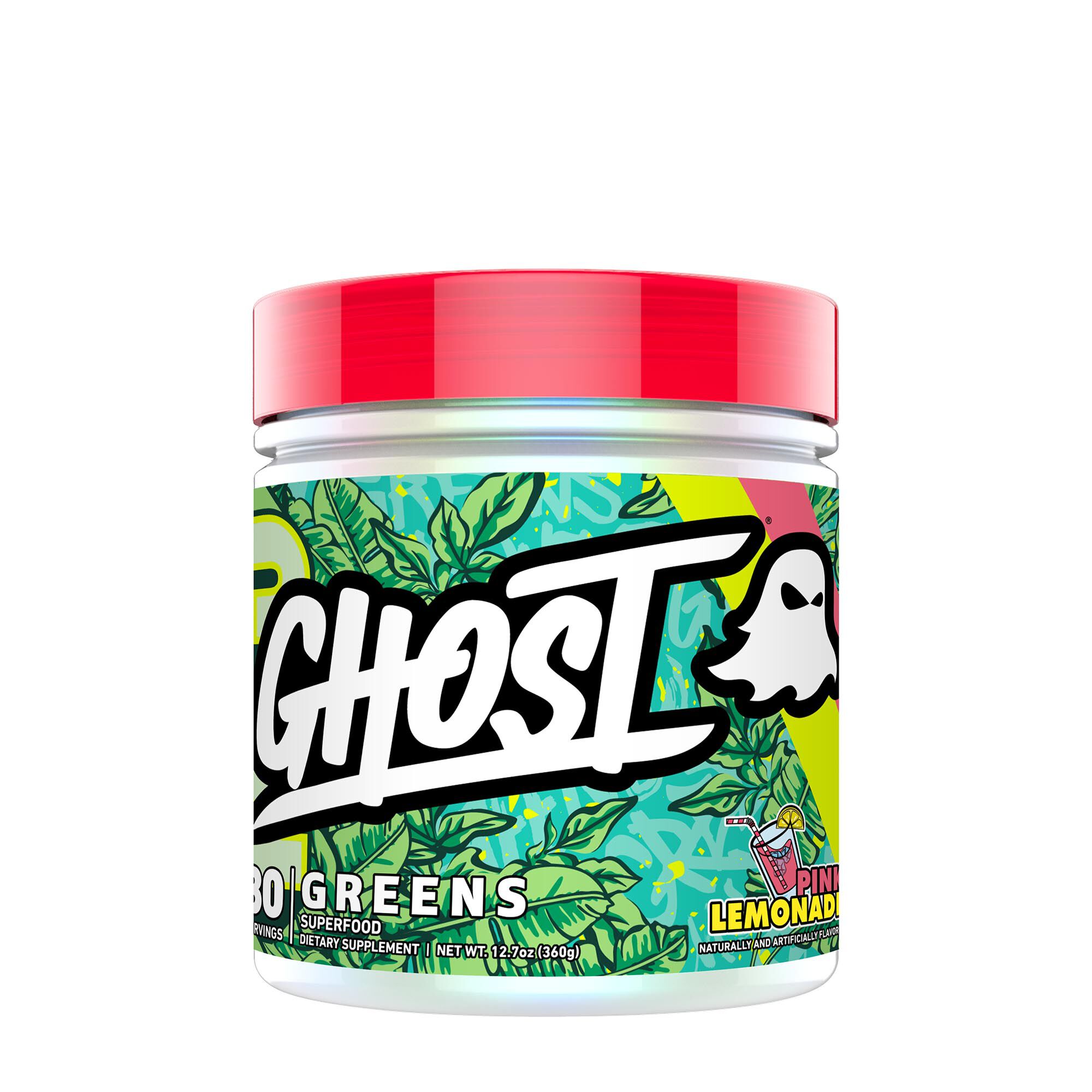
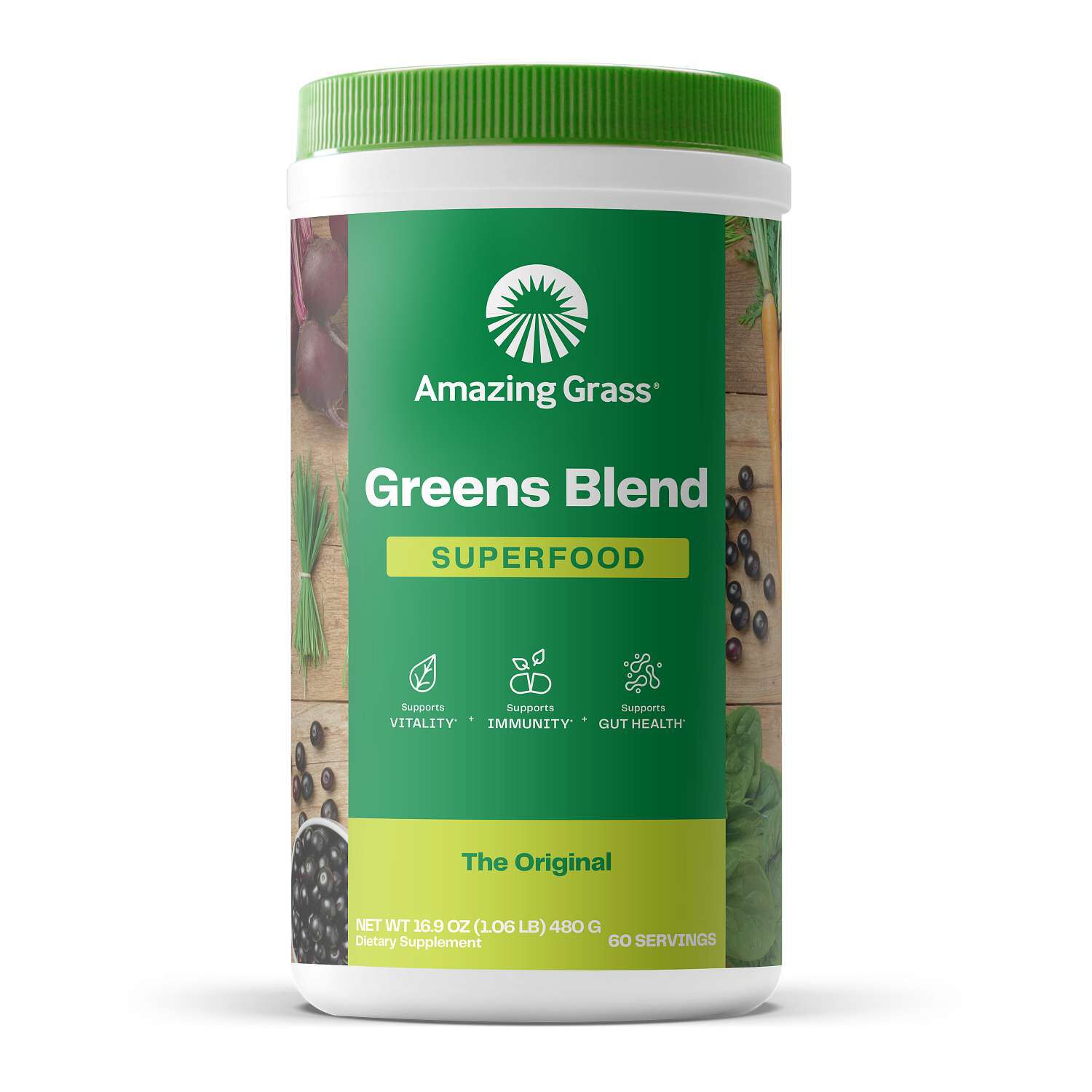
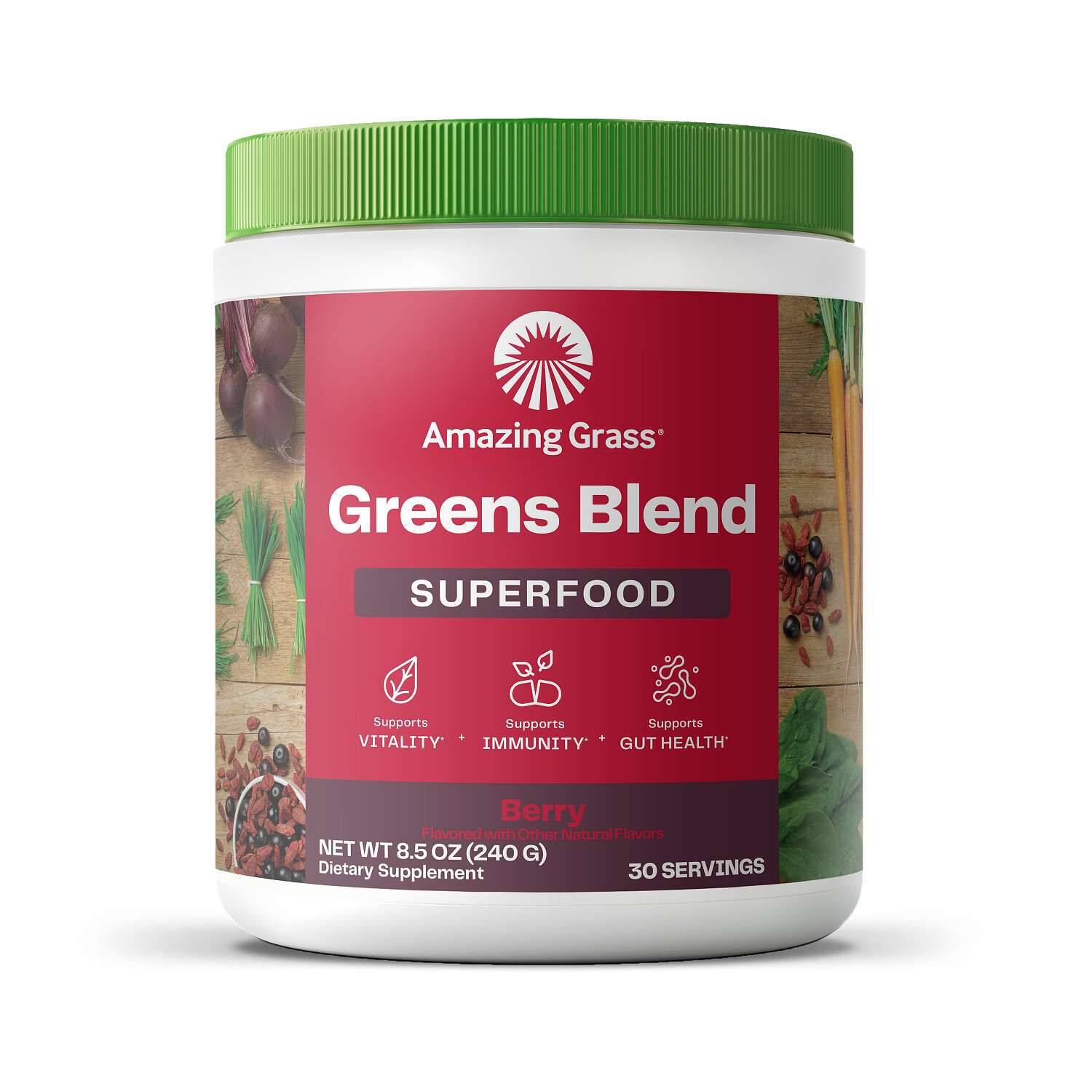
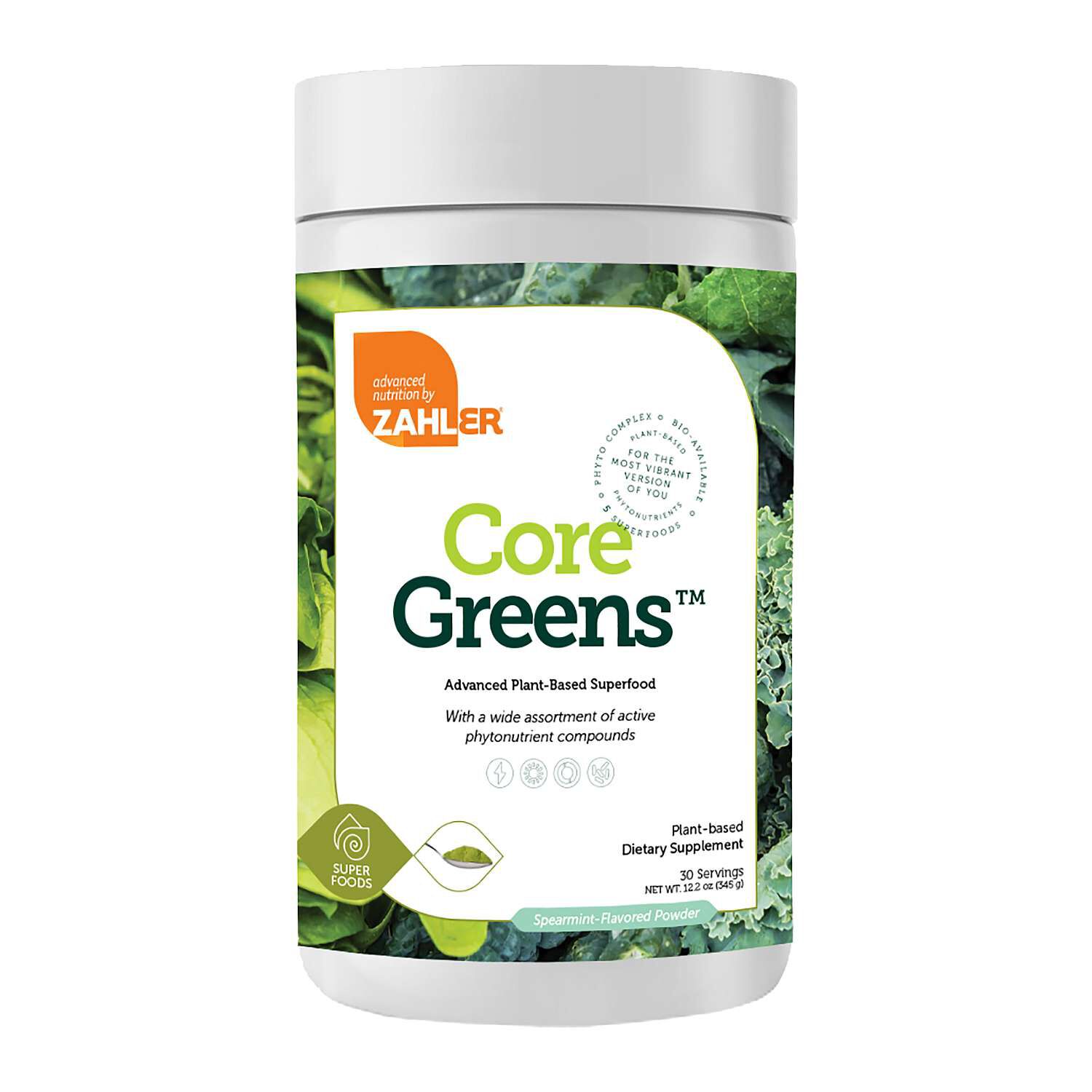
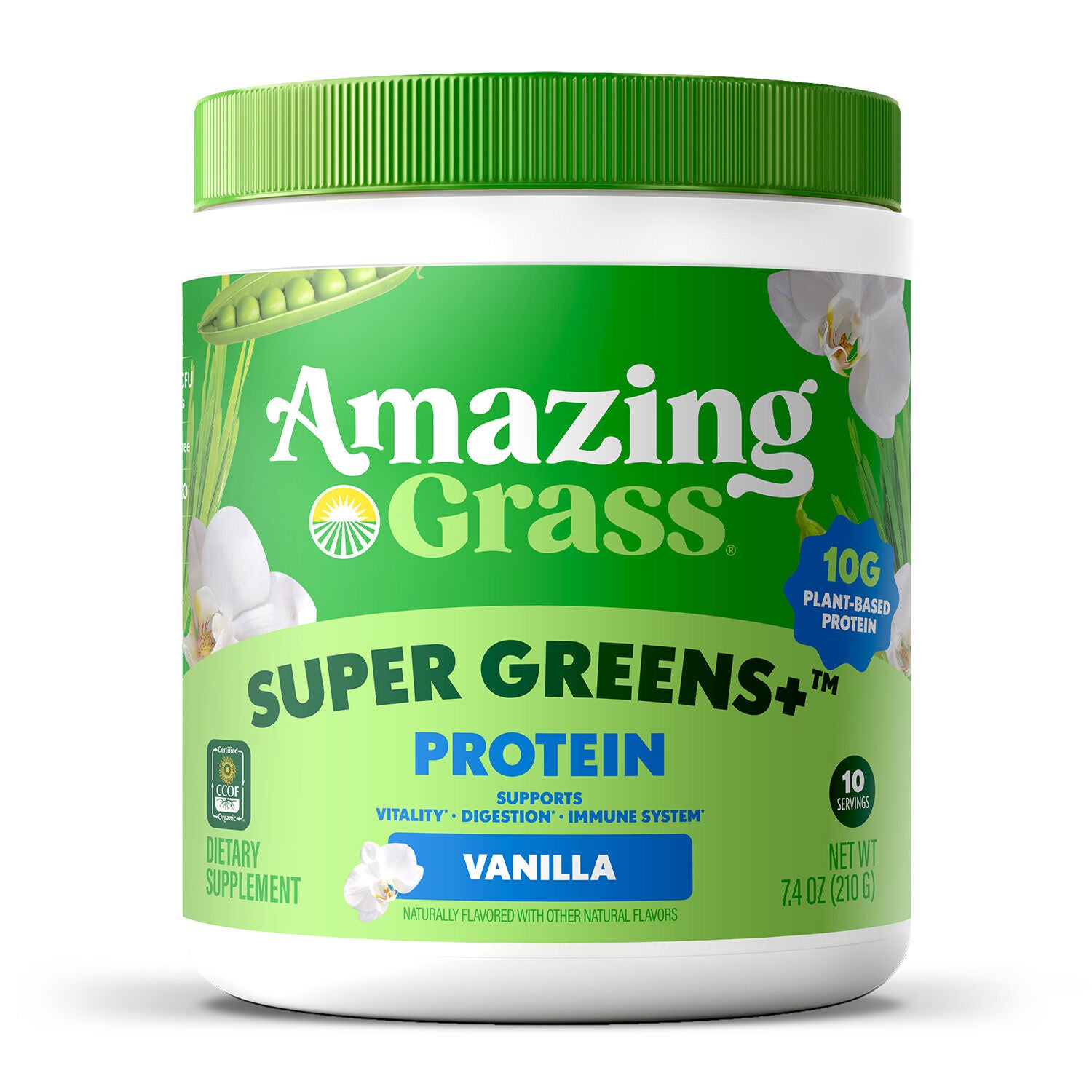
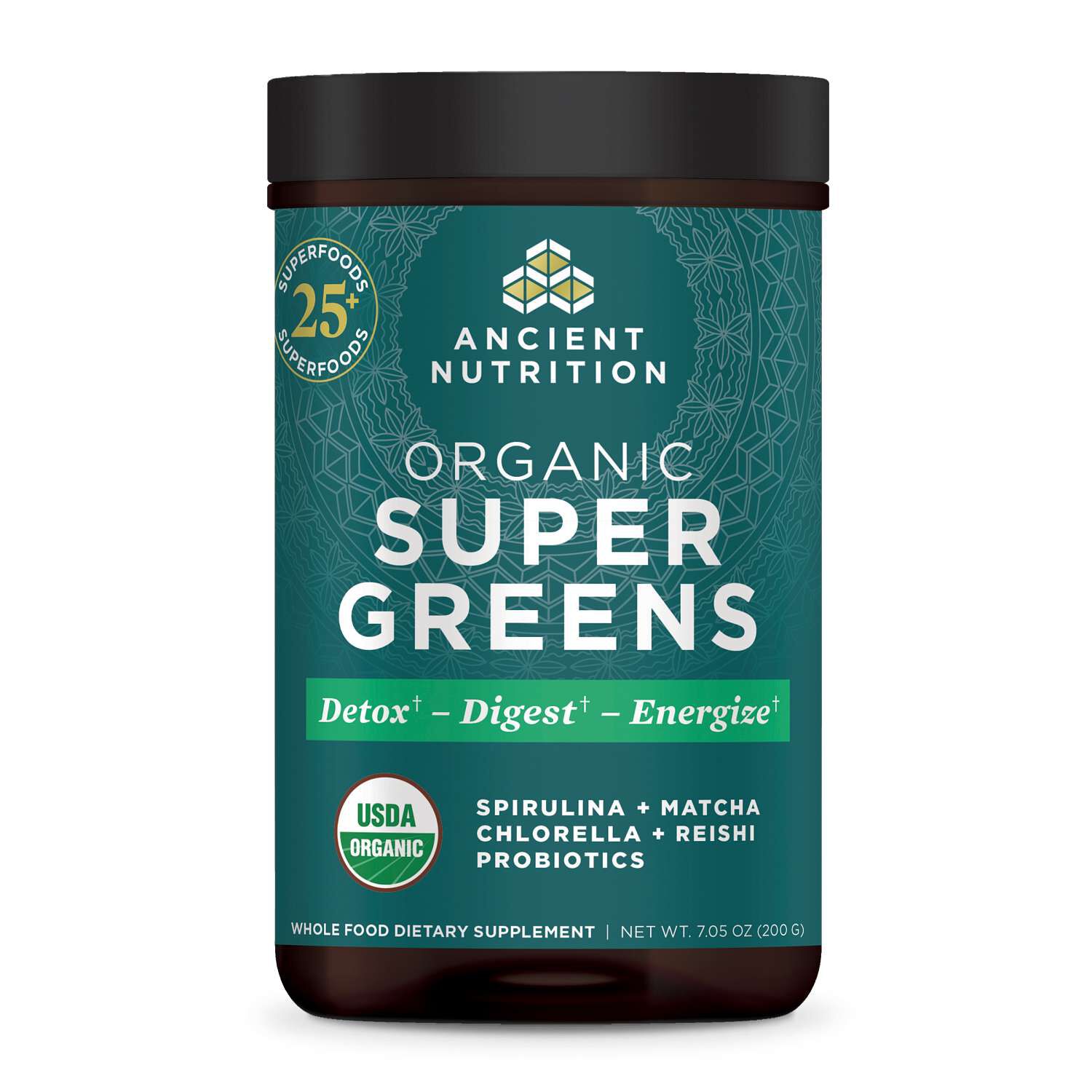
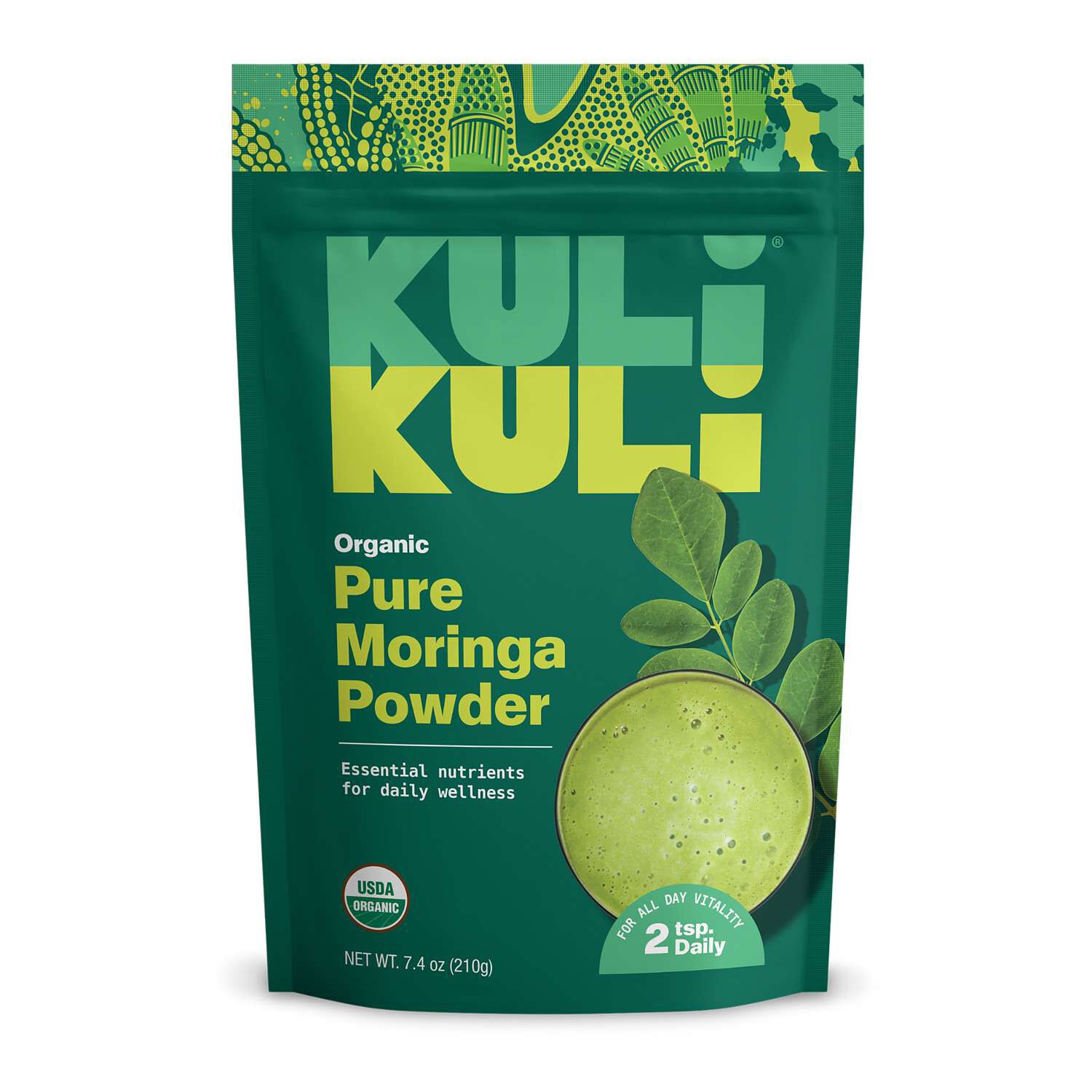
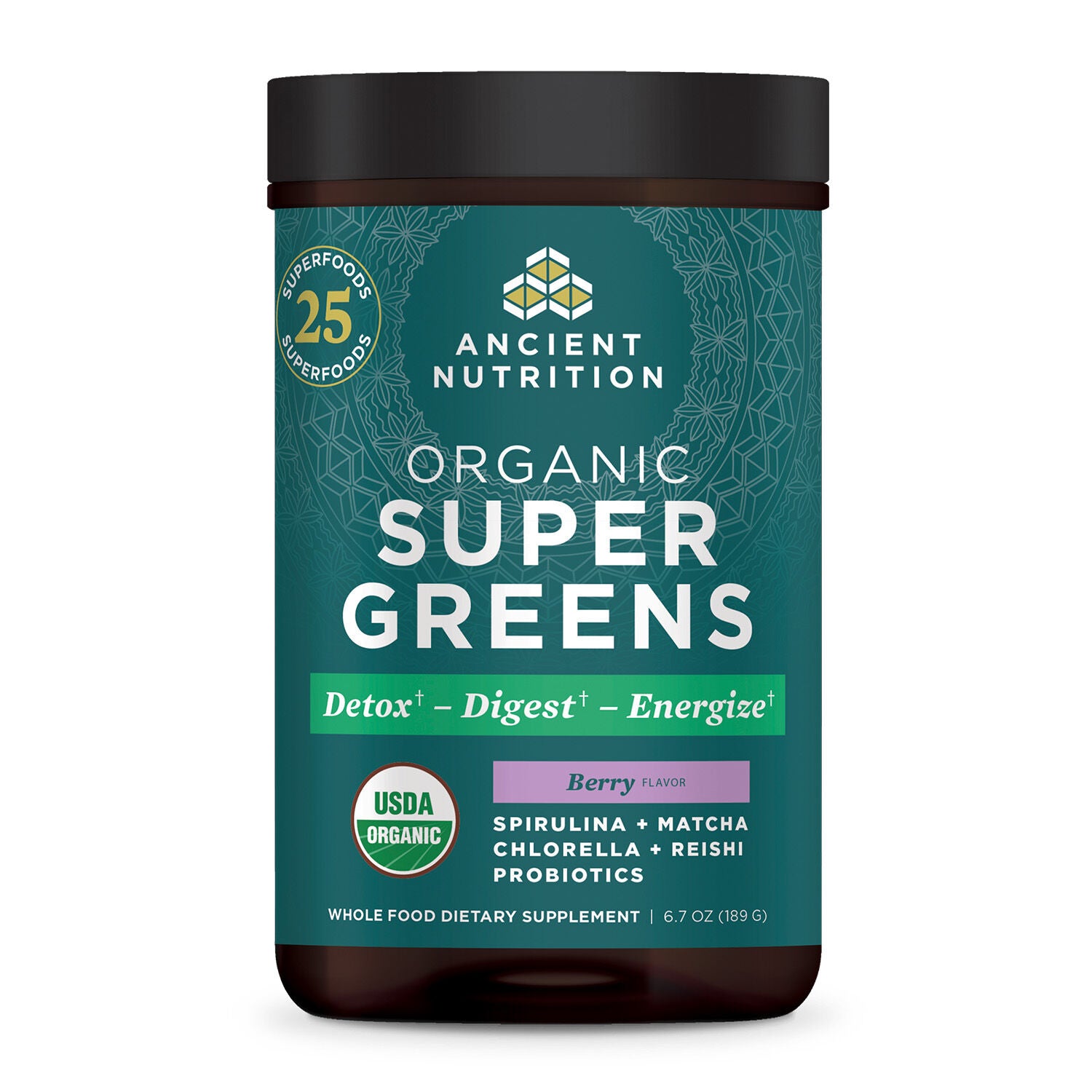
Kosher superfood powder blends typically combine dried greens, fruits, vegetables, and other ingredients in a measured powder format produced under kosher dietary supervision. Recipes vary considerably: one blend might center on wheatgrass, barley grass, spinach, and kale, while another includes spirulina, chlorella, berries, beetroot, or mushrooms. Some formulas use powdered whole ingredients, while others incorporate juice powders or botanical extracts. These distinctions matter because the phrase “superfood blend” does not describe a standardized recipe or a uniform nutrient profile. The ingredient list and the package’s Supplement Facts or Nutrition Facts panel provide more specific information than the category name alone. Kosher certification is a separate consideration from the blend’s flavor, plant content, or nutritional composition. It concerns ingredients and production requirements under kosher dietary law, rather than indicating that every certified powder has the same characteristics. Recognized certification symbols, including OU, Star-K, and Kof-K, identify the supervising organization; the symbol and any accompanying designation should be read together. A pareve designation identifies a product as neither meat nor dairy under kosher law, but it does not independently establish that a formula is vegan. Dairy designations and statements about production equipment also deserve attention when choosing a powder for a particular household or meal. Organic certification, vegan labeling, and non-GMO verification address different attributes and should not be assumed from a kosher symbol. Likewise, a grass-based formula should be evaluated through its own ingredient and allergen disclosures rather than assumptions about its name. For shoppers who keep a kosher kitchen, these details connect the convenience of a powdered format with the dietary practices already shaping everyday meals. The category also suits people comparing plant-focused pantry additions, smoothie ingredients, or measured blends for an established breakfast routine. The most useful distinctions remain concrete: what the powder contains, how it is certified, what a labeled serving provides, and how the formula fits its intended preparation. A lengthy ingredient list is not a substitute for that information, and a shorter recipe is not automatically a better match for every preference.
Flavor and texture give kosher superfood powder blends much of their individual character. Grass and leafy vegetable ingredients may contribute an earthy, grassy, or slightly bitter taste, while berry, citrus, mint, or cocoa flavoring may change the overall impression. An unflavored powder is not necessarily tasteless; its character still comes from the ingredients in the blend. Sweeteners, added sugars, fruit powders, and flavor ingredients are worth considering together, particularly when the finished drink already includes juice or sweet fruit. In a banana-and-berry smoothie, a greens blend may sit behind the fruit flavors, whereas the same powder mixed with water may taste more pronounced. A spoonful stirred into yogurt or a bowl of oats creates a different eating experience from a drink prepared in a shaker bottle. Where those uses suit the package directions, the choice comes down to the texture and flavor someone enjoys repeating. Finely milled powders may disperse differently from blends containing more fibrous particles, and some plant material may remain suspended rather than dissolve. A darker green color, a thicker consistency, or a stronger aroma does not establish a particular nutritional value. Preparation instructions offer a more practical point of comparison, including the recommended liquid amount, labeled serving size, and mixing method. Scoop dimensions can differ between formulas, so the serving weight printed on the package is more informative than scoop size alone. Ingredient amounts also vary: a label might identify individual quantities or list several ingredients within a combined blend. Those formats provide different degrees of detail for shoppers interested in a particular component. Protein, fiber, carbohydrates, sodium, and any listed vitamins or minerals should be compared using the stated serving, not the visual size of the container. A greens-focused powder and a protein-centered powder are distinct formats even when both contain plant ingredients. Understanding those differences keeps attention on the actual formula rather than treating every powdered pantry addition as interchangeable.
Packaging and everyday handling are practical considerations for a product that may become part of a familiar kitchen routine. Tubs offer a wide opening for scooping, while resealable pouches have a flexible shape for cupboard storage. Individually portioned packets provide a premeasured format for a work bag or a kitchen shared with other people, when that packaging is part of the selection. The useful comparison is not simply a large container beside a small one, but the labeled serving weight, number of servings, closure style, and space each package requires. Storage directions and the printed date belong in that comparison as well. Plant powders can absorb moisture, so a clean, dry utensil and a securely closed package are sensible handling practices. Keeping the original label accessible preserves ingredient information, preparation directions, certification details, and lot information throughout use. For a household with established kosher kitchen practices, the utensils and foods used alongside the powder are part of its intended setting, whether that means a fruit smoothie, a dairy-based breakfast, or another preparation consistent with the product’s designation. Personal preferences matter just as much in a shared kitchen: one person might favor a lightly flavored drink, while another prefers a pronounced berry taste or a simple ingredient list. Someone making a smoothie before leaving for work may prioritize straightforward preparation; someone adding powder to a weekend breakfast may care more about how it pairs with yogurt, oats, or fruit. Neither scenario calls for the same recipe or package format for everyone. Shoppers comparing neighboring categories can also explore Kosher Dietary Powders for a broader look at powdered formats with kosher labeling. Within superfood blends, the clearest points of distinction remain certification, ingredient composition, serving information, flavor, texture, and preparation requirements. Together, those details describe what belongs in the container and how it might fit the foods and routines already familiar at home.
Best Sellers
-
Ancient Nutrition
-
Amazing Grass