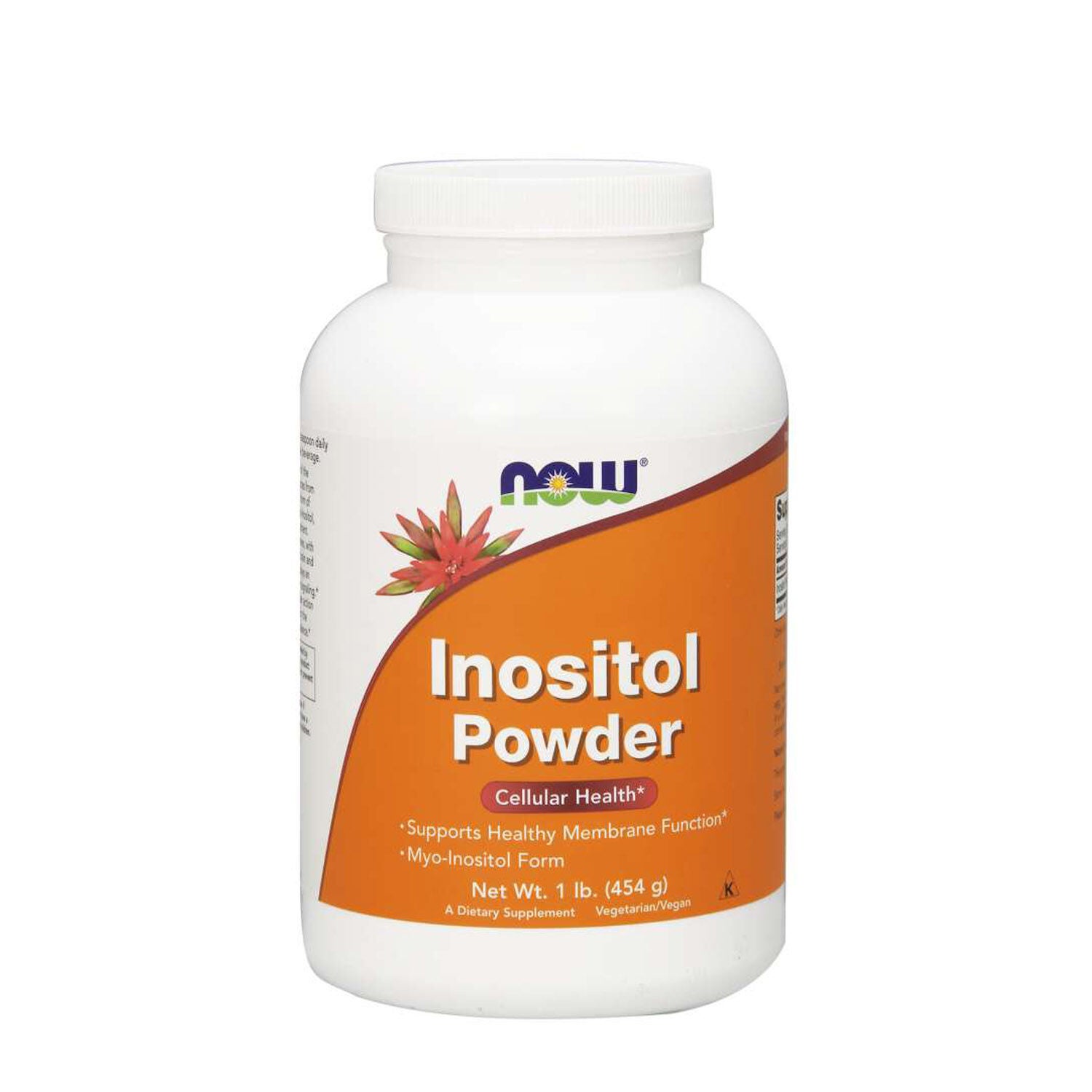
Kosher Greens Powder Supplements
(0 Results)
Kosher greens powder supplements offer a convenient way to incorporate a variety of plant-based ingredients into your daily routine while aligning with kosher dietary preferences. These supplements may fit seamlessly into different lifestyles, making it simple to add greens to smoothies, shakes, or recipes. With options that cater to various tastes and needs, kosher greens powder supplements could be a supportive addition for those looking to maintain their wellness journey in accordance with kosher standards.
-
-

-

-
-

-
-

-
-
-

-

-

-
 4$59.99
 -
 $34.99
 -
 $34.99
 -
 $32.99
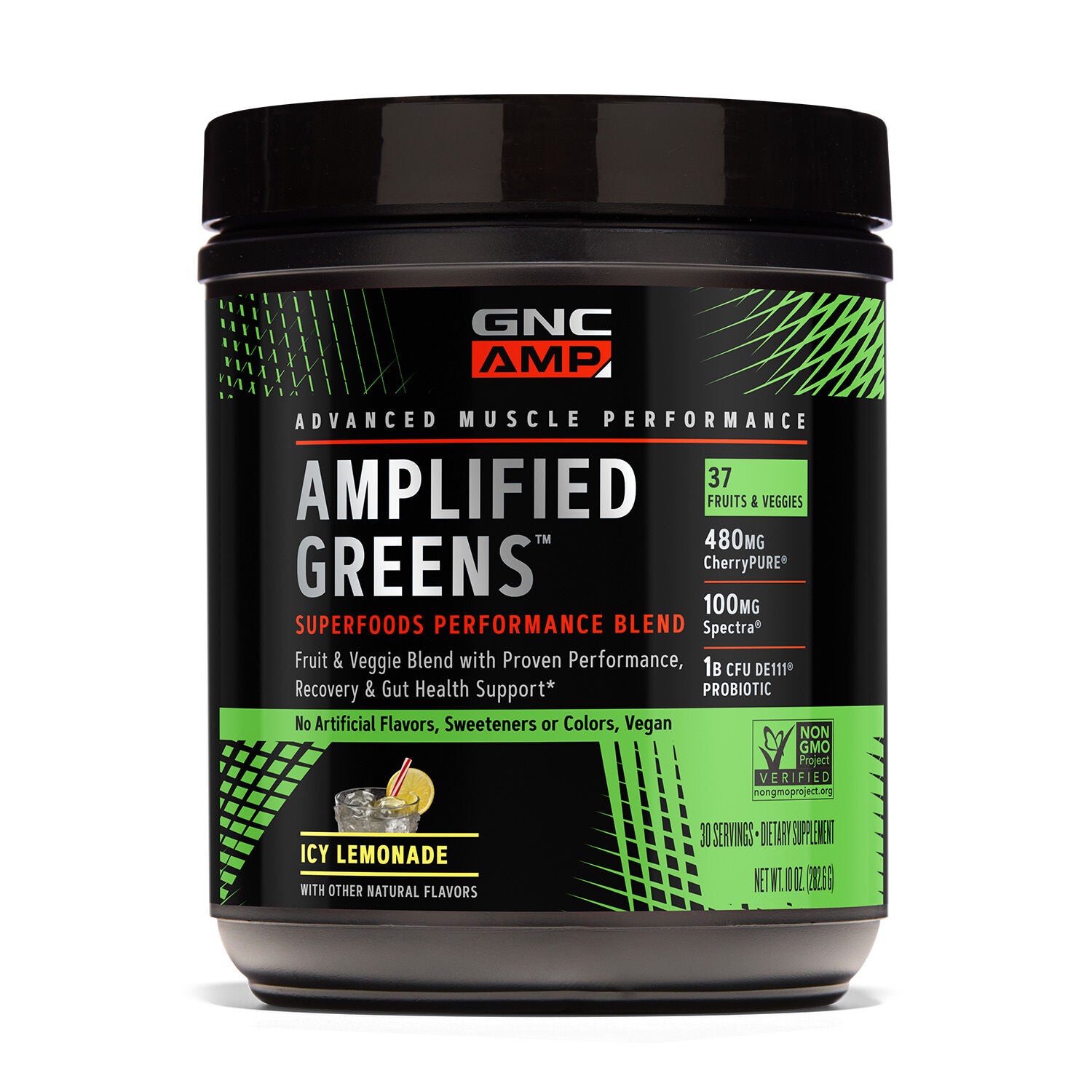
Kosher greens powder supplements are blends of powdered plant ingredients intended for people seeking a greens supplement that fits kosher dietary practices. Depending on the formula, ingredients may include leafy vegetables, grasses, algae, fruits, herbs, or other botanical ingredients. Spinach, kale, barley grass, wheatgrass, spirulina, and chlorella are examples of ingredients found in this category, though each blend has its own composition. The word “greens” describes the general type of formula rather than a uniform ingredient list, so two powders with similar names may differ substantially. Kosher certification concerns both ingredients and production practices, making the certification mark an important part of evaluating a formula. Recognized symbols such as OU, Star-K, or Kof-K indicate oversight by a kosher certification organization; the symbol may appear near the Supplement Facts panel or elsewhere on the packaging. Check the exact formula and flavor rather than assuming that every powder from the same manufacturer carries the same certification. A pareve designation generally identifies a product as neither meat nor dairy under kosher standards, while other markings may indicate dairy ingredients or dairy equipment. Those distinctions matter for shoppers who follow particular household practices around meals and food preparation. Kosher status is also separate from organic certification, vegan suitability, and allergen information. A powder described as plant-based is not automatically kosher, and a kosher powder is not automatically suitable for every dietary preference. Ingredient lists and allergen statements remain useful for identifying milk, soy, wheat, or other ingredients a shopper chooses to avoid. Some formulas also contain added vitamins, minerals, probiotics, or enzymes, while others focus primarily on powdered plants. For households that keep kosher, the most relevant comparison starts with a recognizable certification mark, a clear ingredient list, and a designation consistent with how the powder will be used. These details distinguish a formula’s dietary status from the broader language used to describe its ingredients.
Flavor, texture, and preparation are practical considerations when choosing a kosher greens powder for everyday use. Unflavored formulas often have earthy, grassy, or vegetal notes, while flavored blends may feature berry, citrus, or other fruit profiles. “Unflavored” does not necessarily mean tasteless; it usually means the formula does not have an added flavor profile. Sweeteners also vary, and the ingredient list identifies whether a blend contains ingredients such as stevia, monk fruit, or sugar. Someone who enjoys the sharpness of citrus may prefer a different blend than someone who wants a subtle addition to a banana smoothie. A small kitchen routine makes these differences tangible: a glass and spoon for a powder prepared as directed, a shaker bottle for an office break, or a blender for a drink with fruit and a liquid that fits the household’s dietary practices. Depending on the formula and preparation method, plant powders may leave some sediment or have a slightly grainy texture. Follow the package directions for serving size and mixing volume rather than assuming that every scoop or packet represents the same amount. Scoops are specific to their containers, and a serving measured by weight offers a more precise reference than the scoop’s appearance alone. For a blended drink, adding the liquid before the powder may help with mixing, but the product’s directions should take priority. The intended role of a greens supplement is as an addition to a varied eating pattern, not a replacement for vegetables, fruit, or regular meals. Whole foods have their own textures, flavors, and uses that a powdered blend does not replicate. People who already prepare smoothies, pack meals for work, or maintain a kosher kitchen may find this format convenient for an existing routine. The choice is less about finding one universal blend and more about matching certification, ingredients, serving format, and taste to the way the powder will actually be prepared.
Packaging and label detail matter just as much as flavor when comparing kosher greens powder supplements. A resealable tub suits a dedicated place in a kitchen cabinet, while individual packets offer premeasured portions for a work bag or travel pouch. Compare the stated serving size and number of servings, since container size alone does not describe how much powder is used at a time. The Supplement Facts panel provides amounts for listed nutrients and other dietary ingredients, while the ingredient statement identifies additional components such as flavors and sweeteners. Some blends disclose the amount of each botanical ingredient; others list a blend with a combined weight. That distinction is useful for shoppers who want a closer look at the formula’s composition. Kosher certification and product testing address different questions. When testing information is provided, look for a clear explanation of what was tested, whether an independent laboratory was involved, and whether the information applies to the relevant formula or batch. Testing may address ingredient identity or contaminants, but a general testing statement is not the same as a detailed report. For a broader comparison of powdered supplement formats with kosher considerations, Kosher Dietary Powders provides a related category to explore. Once a powder becomes part of a routine, storage deserves attention. Follow the package instructions, keep the container securely closed, and use a clean, dry scoop. Moisture introduced by a wet utensil may contribute to clumping, so avoid dipping a scoop into liquid before returning it to the container. Keep the original packaging when possible so the certification, ingredient information, serving directions, lot number, and date remain easy to check. For shared kitchens, a clearly labeled container and a designated utensil make preparation more straightforward. Thoughtful selection includes not only what is inside the powder, but also whether its packaging, preparation requirements, and dietary designation suit the person using it.
Best Sellers
-
 Ancient Nutrition
 -
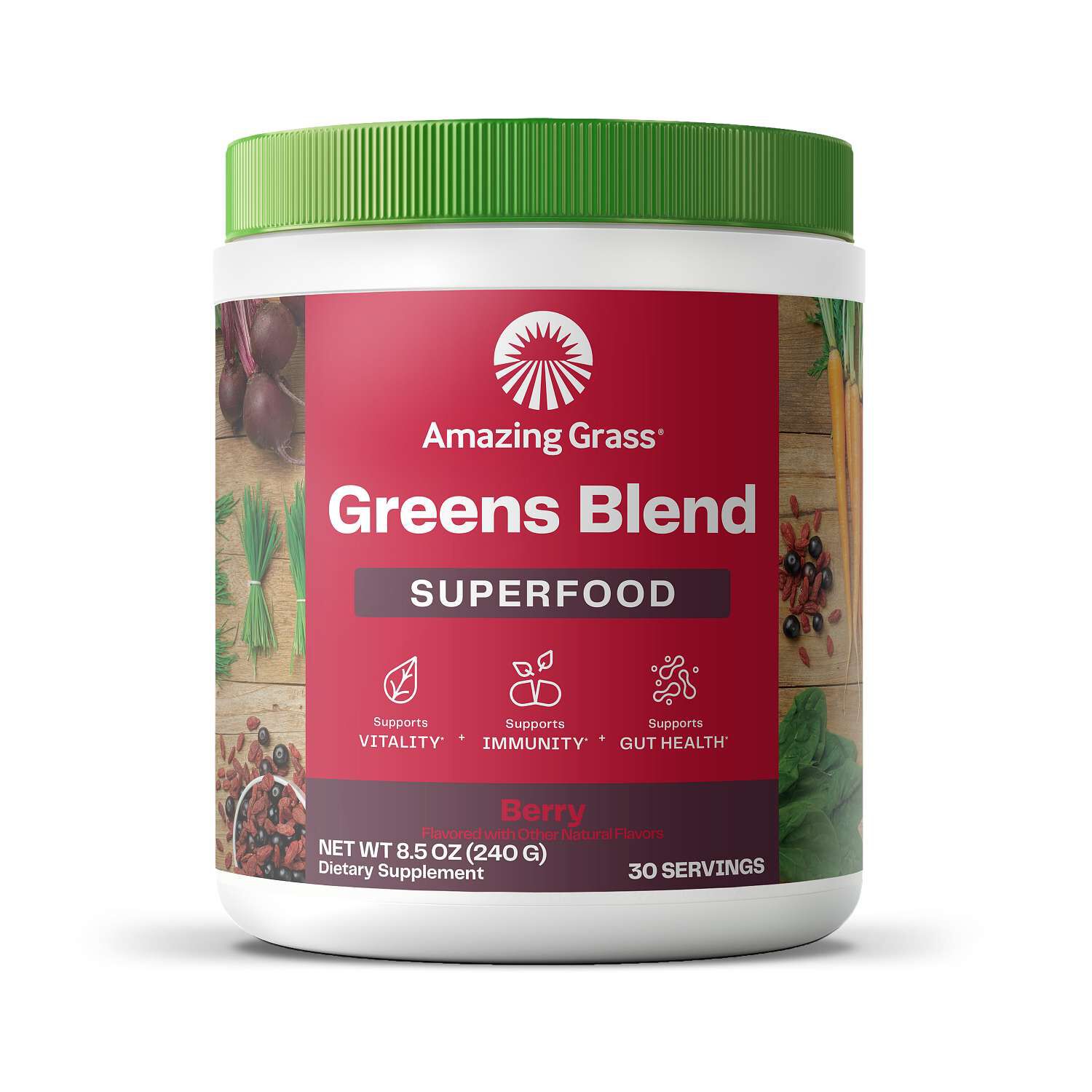
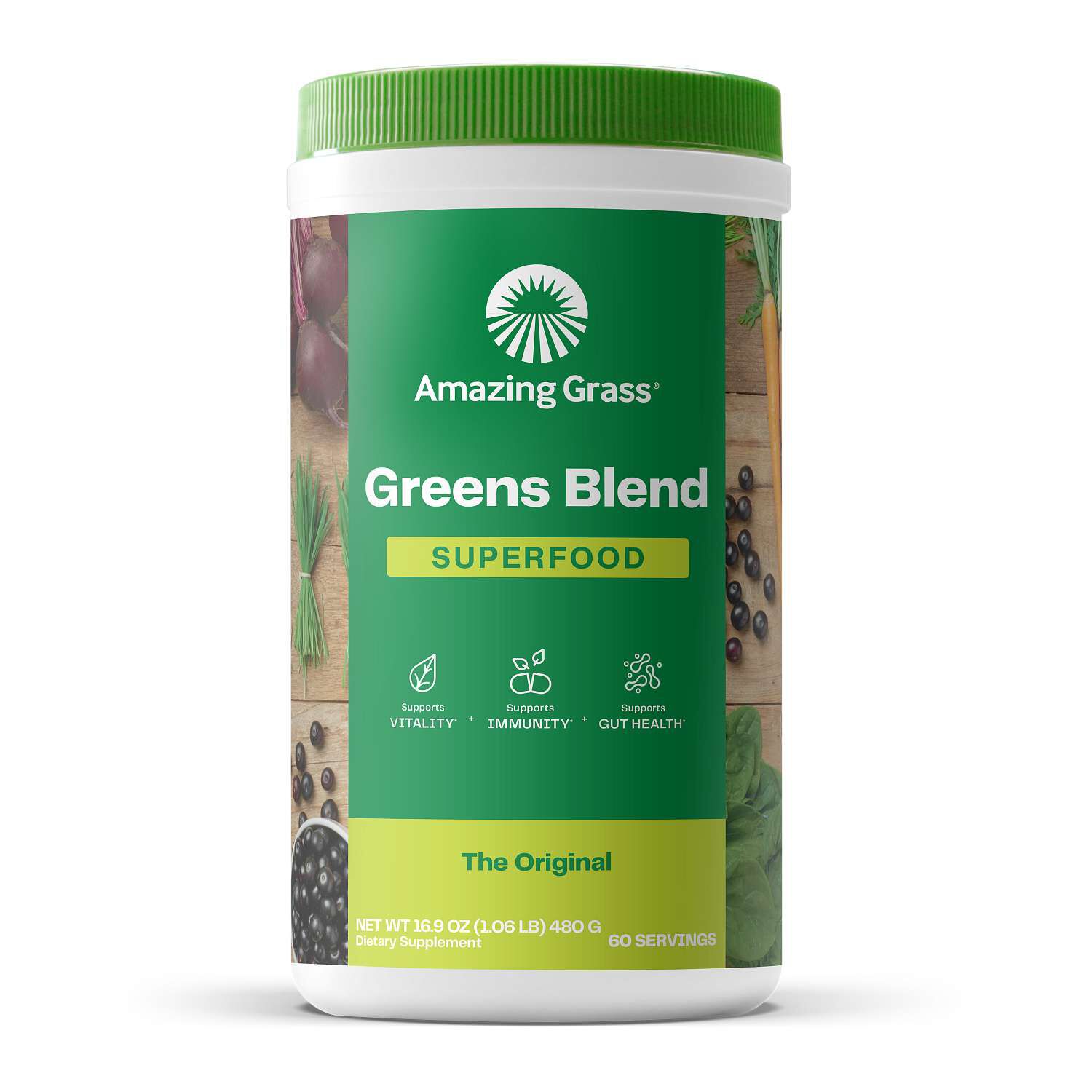
Amazing Grass