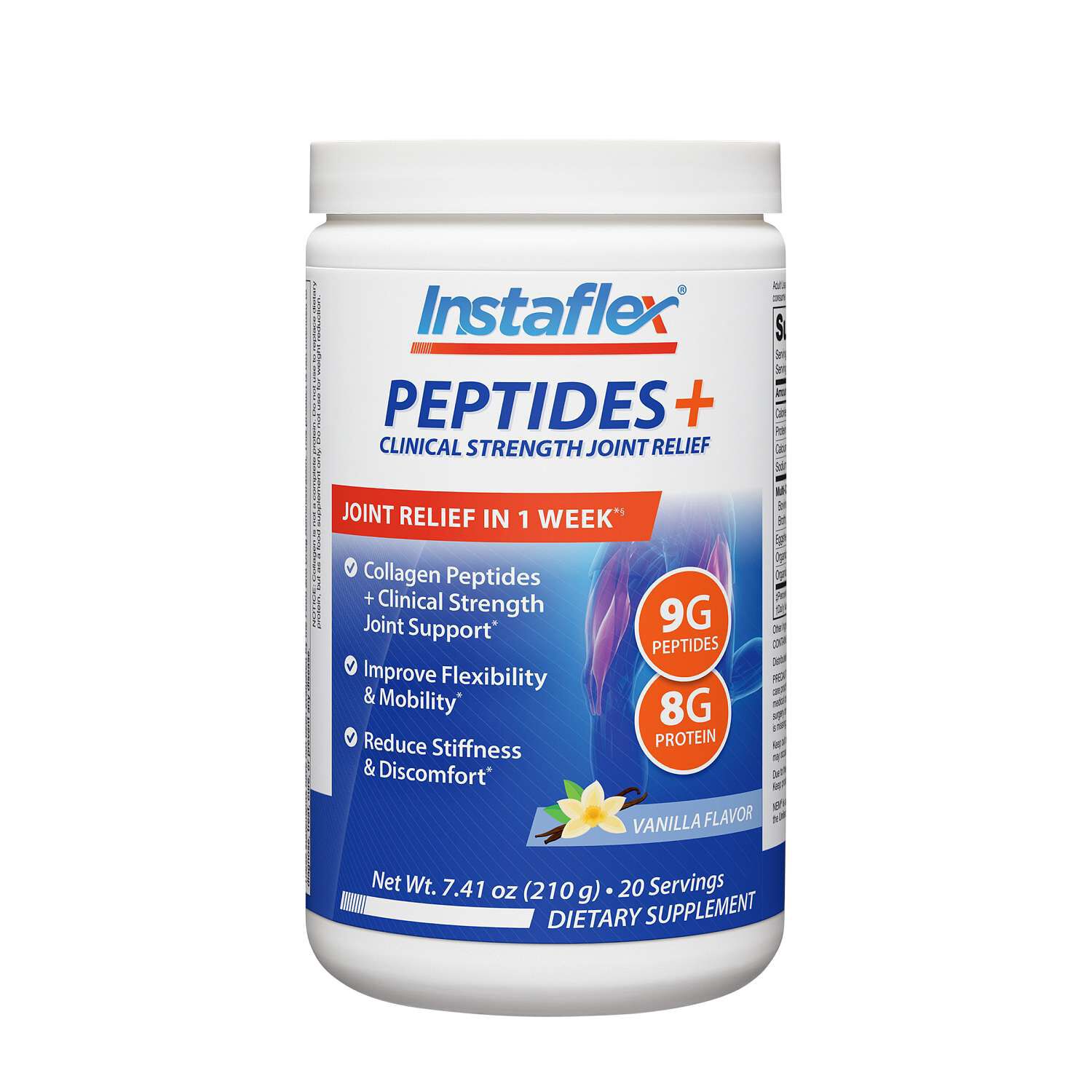
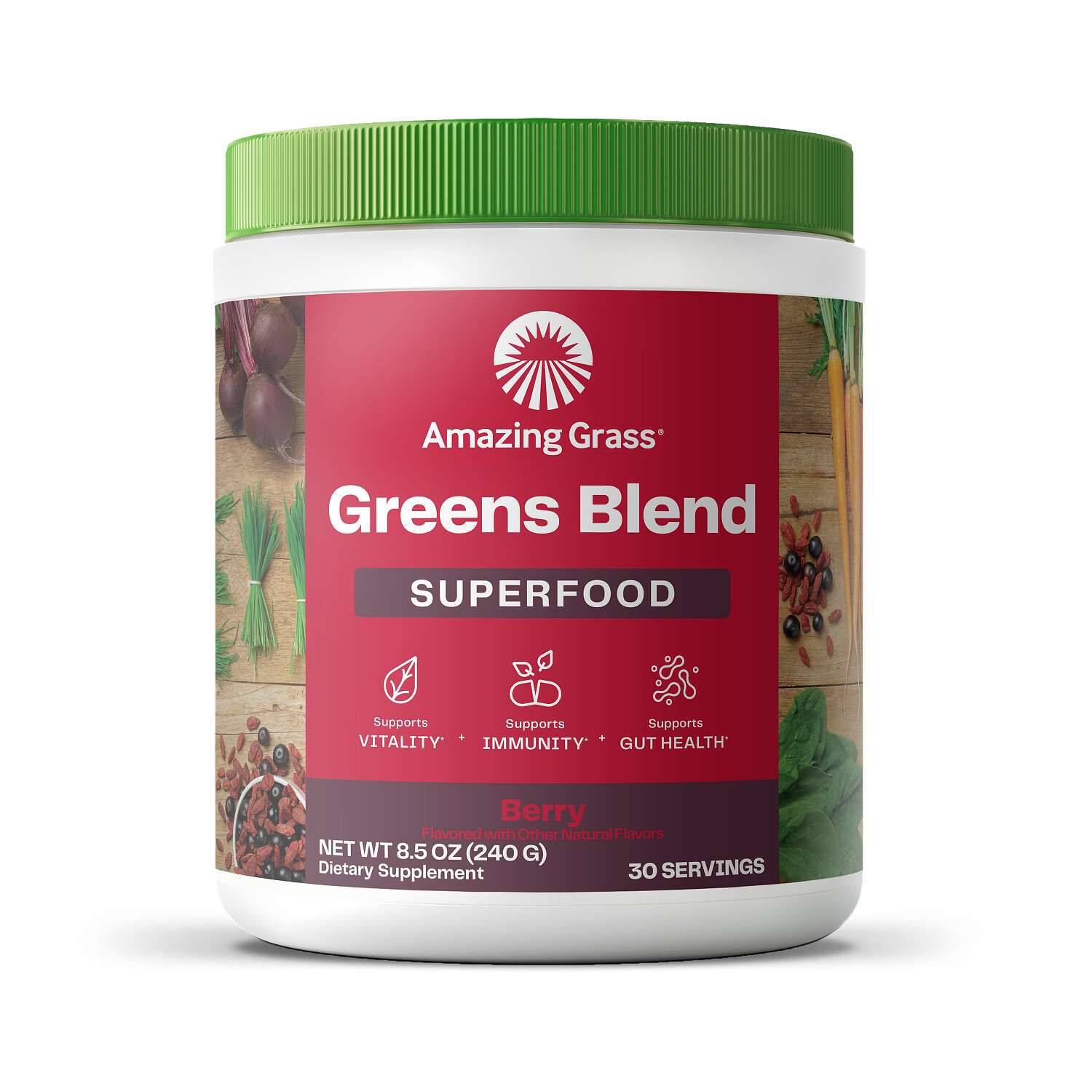
Kosher Collagen Peptide Powders
(0 Results)
Discover a selection of kosher collagen peptide powders that may fit seamlessly into your daily routine. These thoughtfully sourced options are designed for those who seek products that align with kosher dietary preferences. Whether you’re looking to mix them into smoothies, coffee, or recipes, kosher collagen peptide powders could offer a simple way to support your wellness journey. Explore a variety of choices and find the one that suits your lifestyle.
-
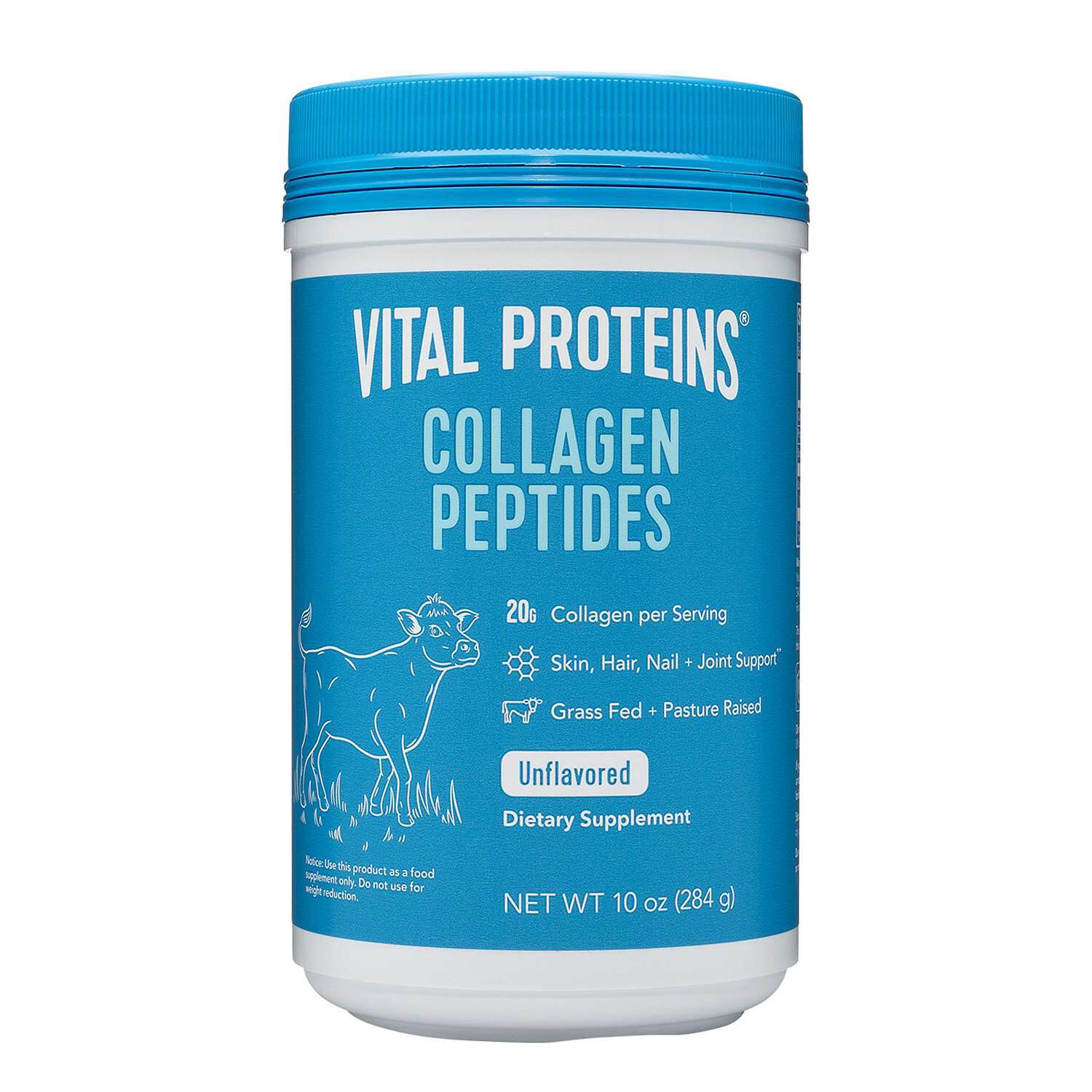
-
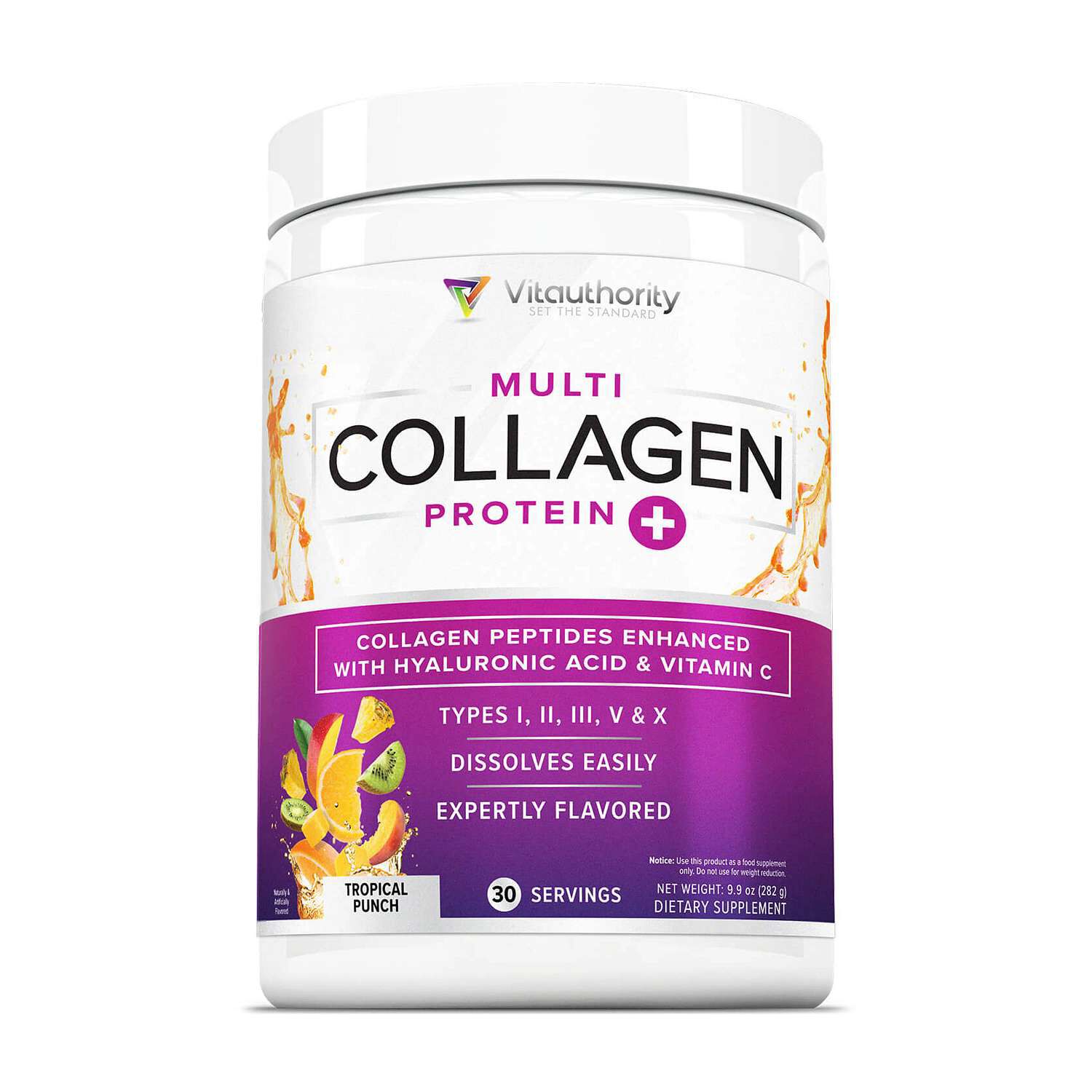
-

-
-

-

-
-
 44$44.99
-

-

-

-
-
-
 $24.99
-
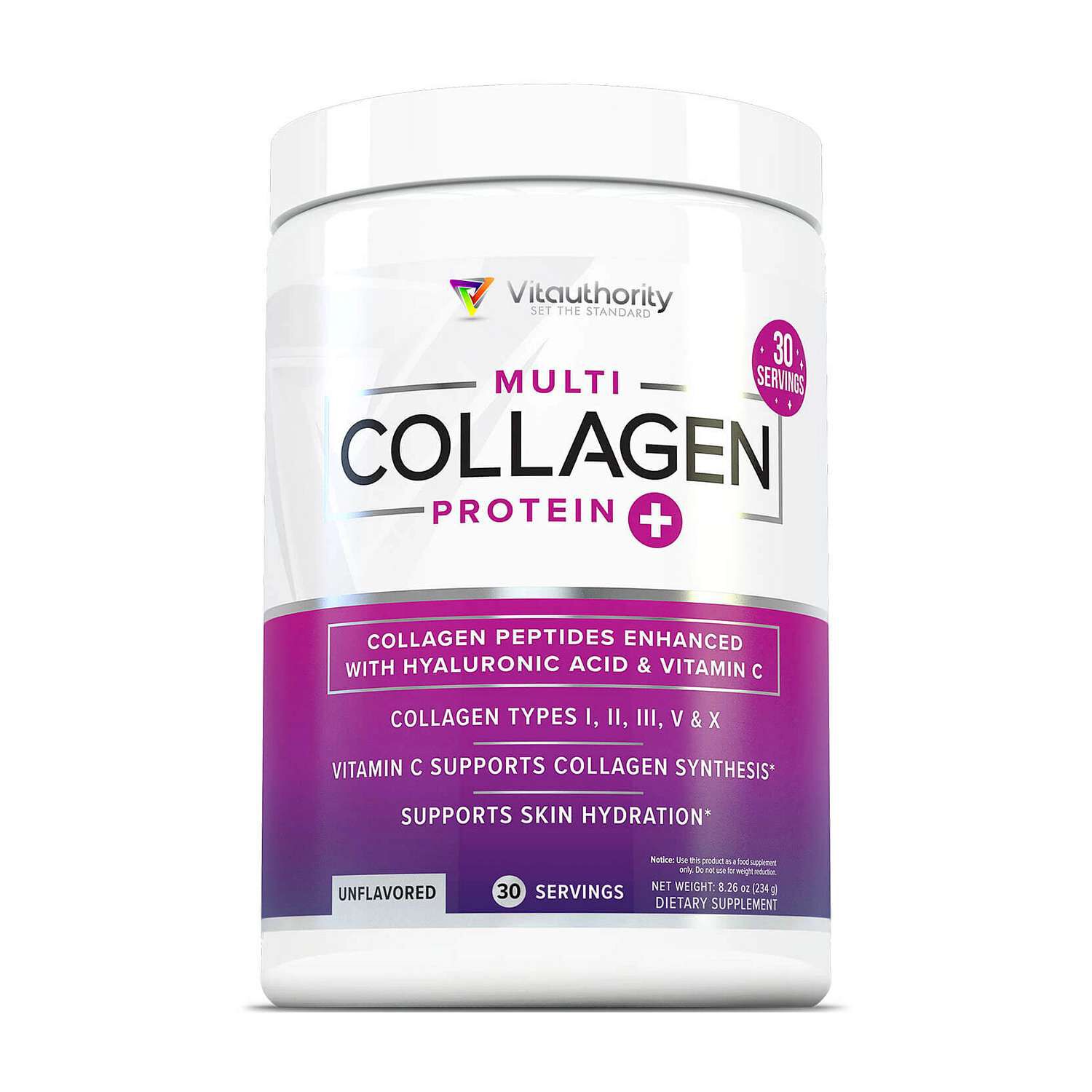
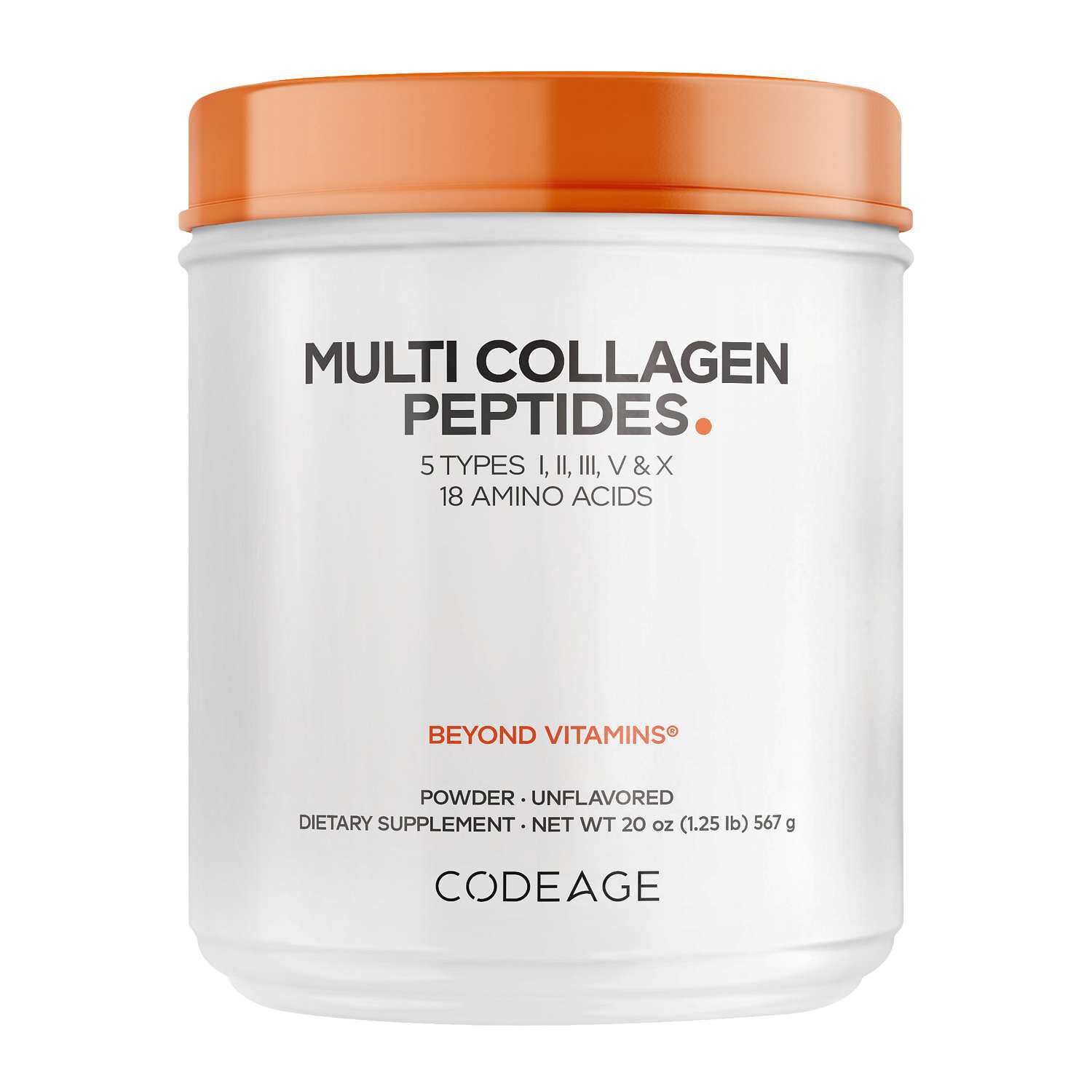
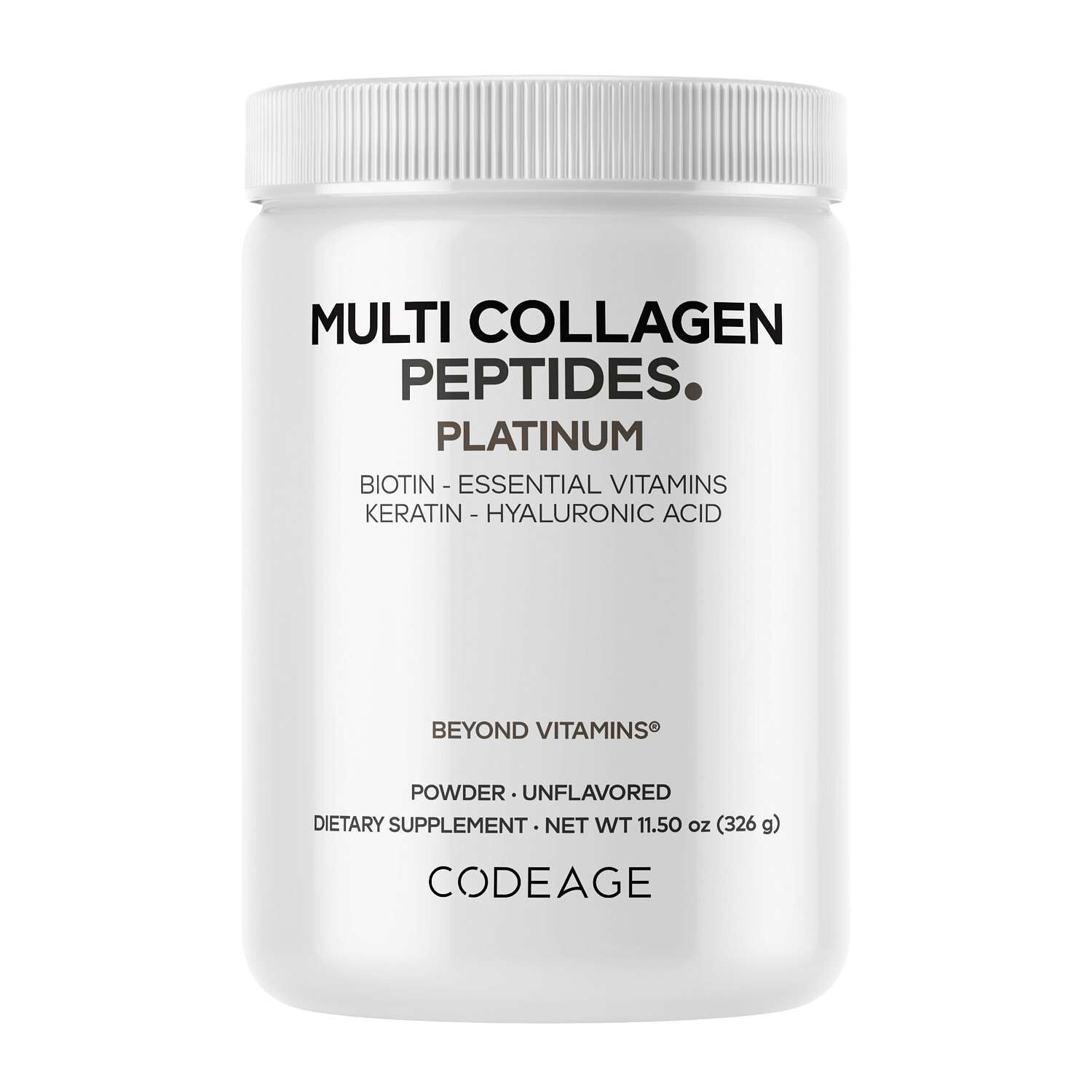
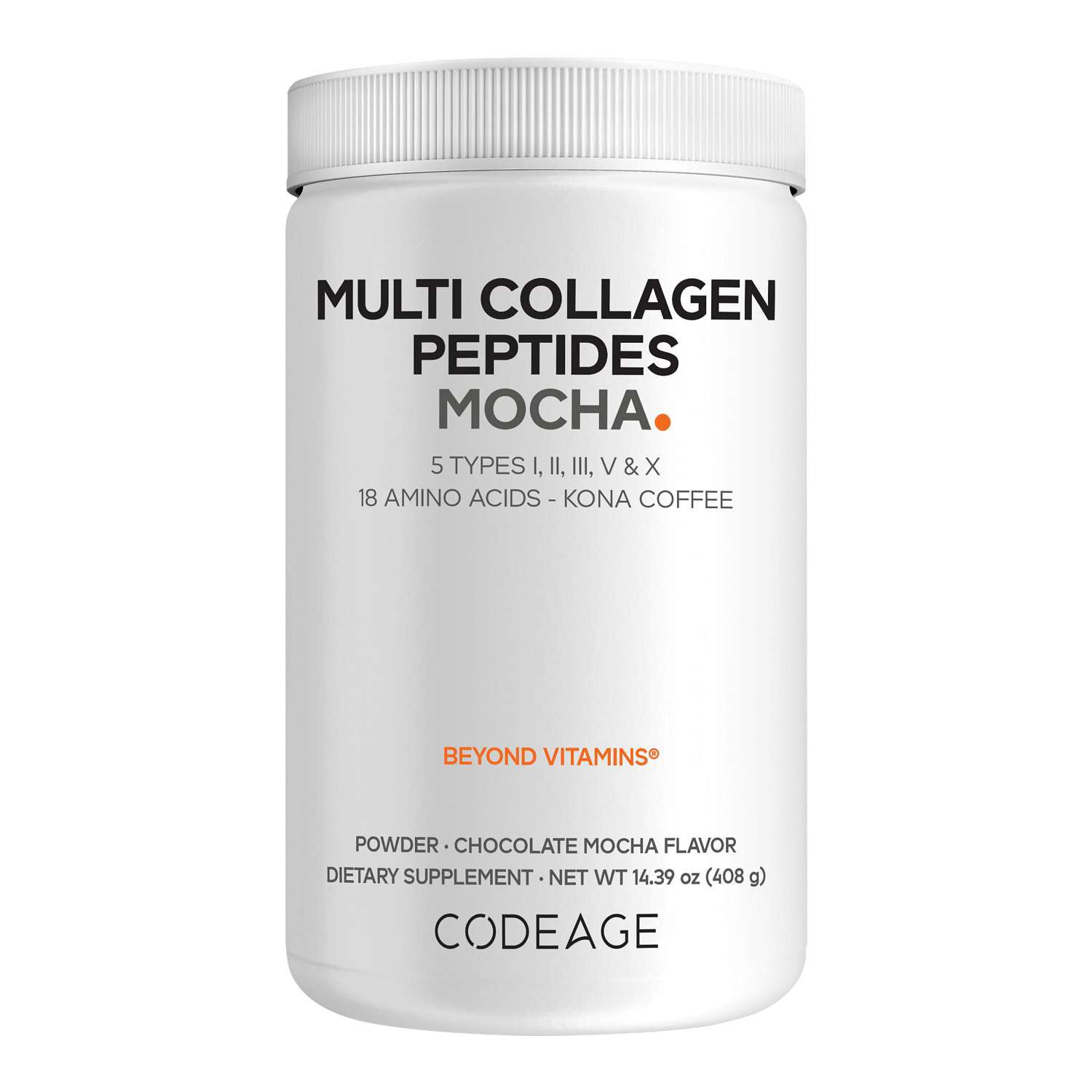

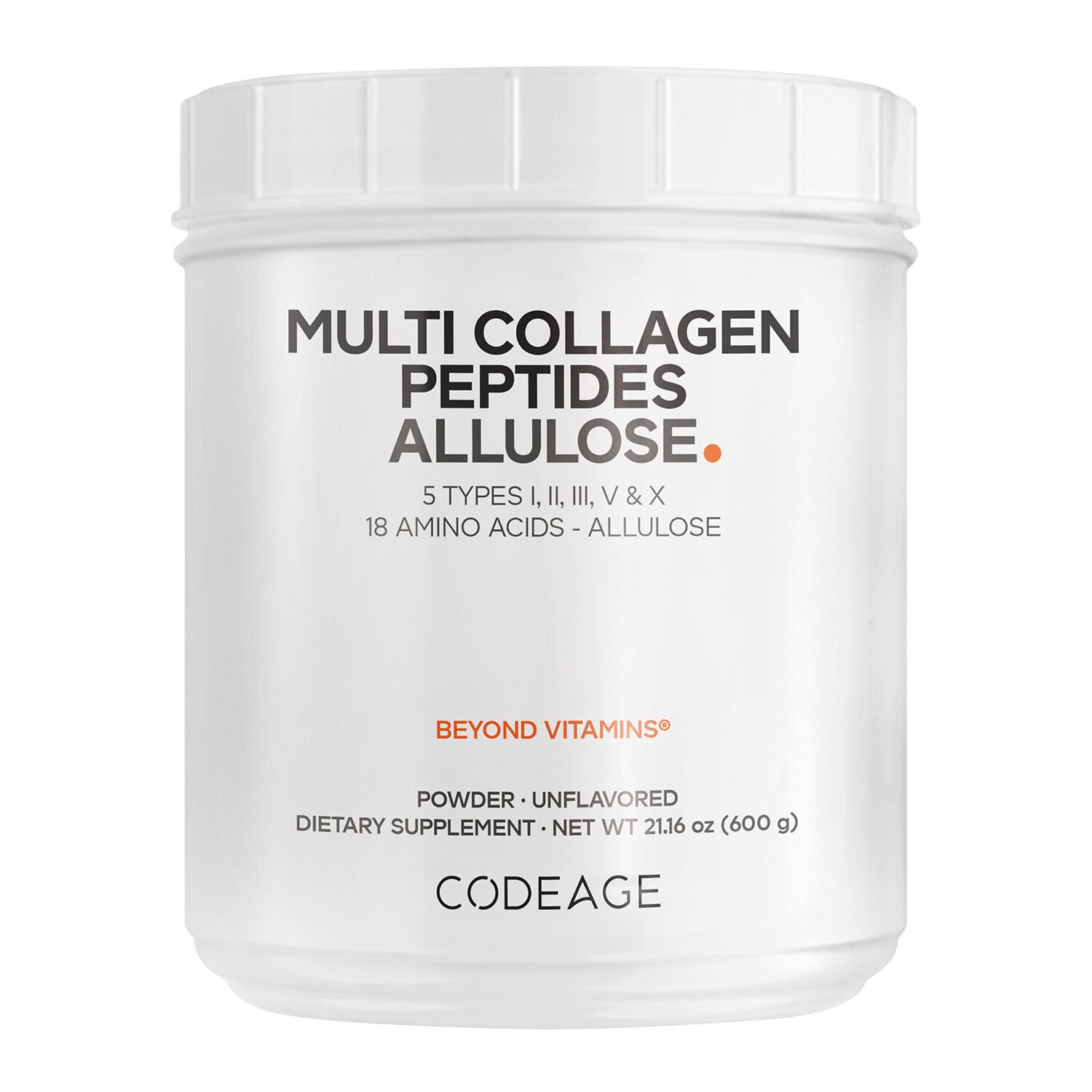
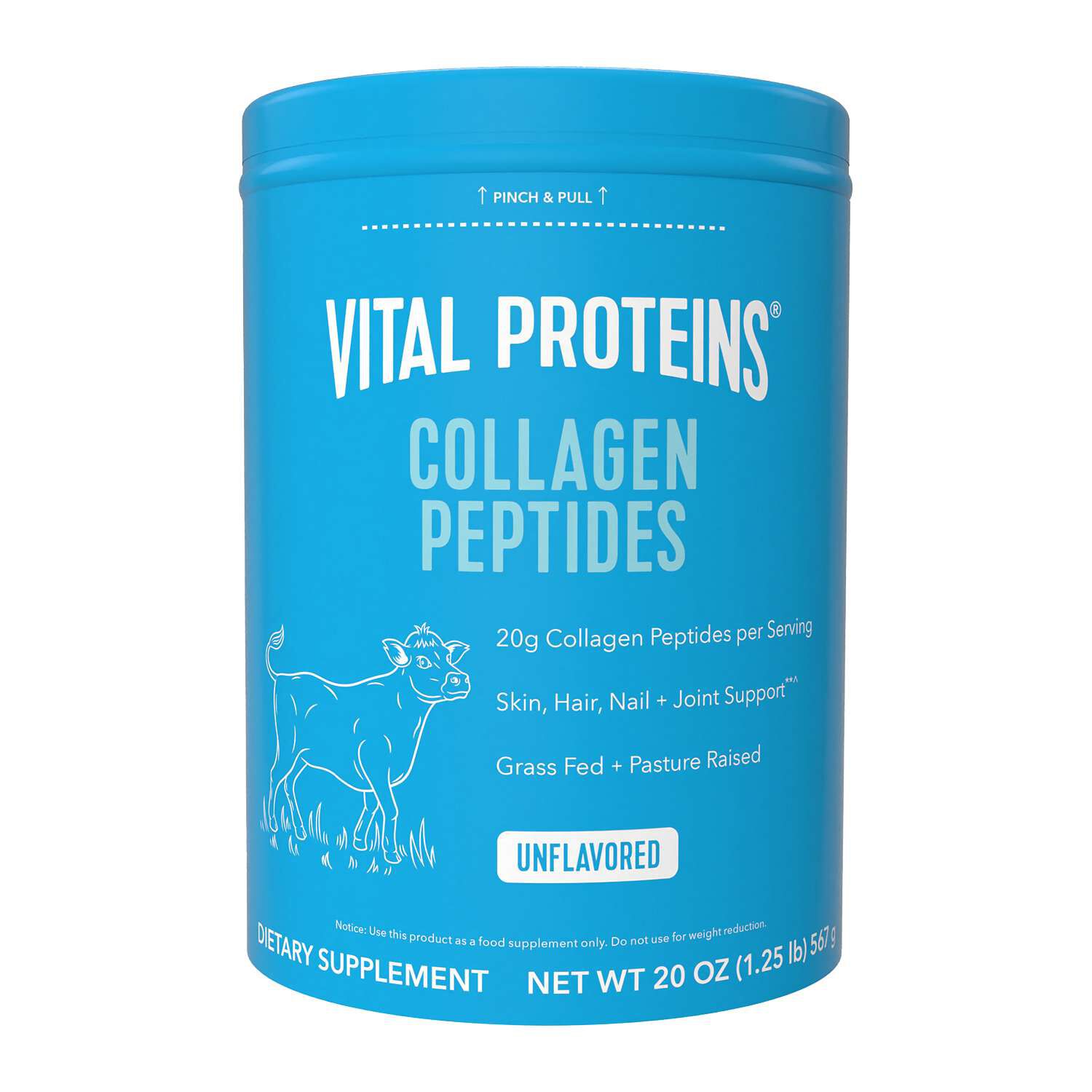
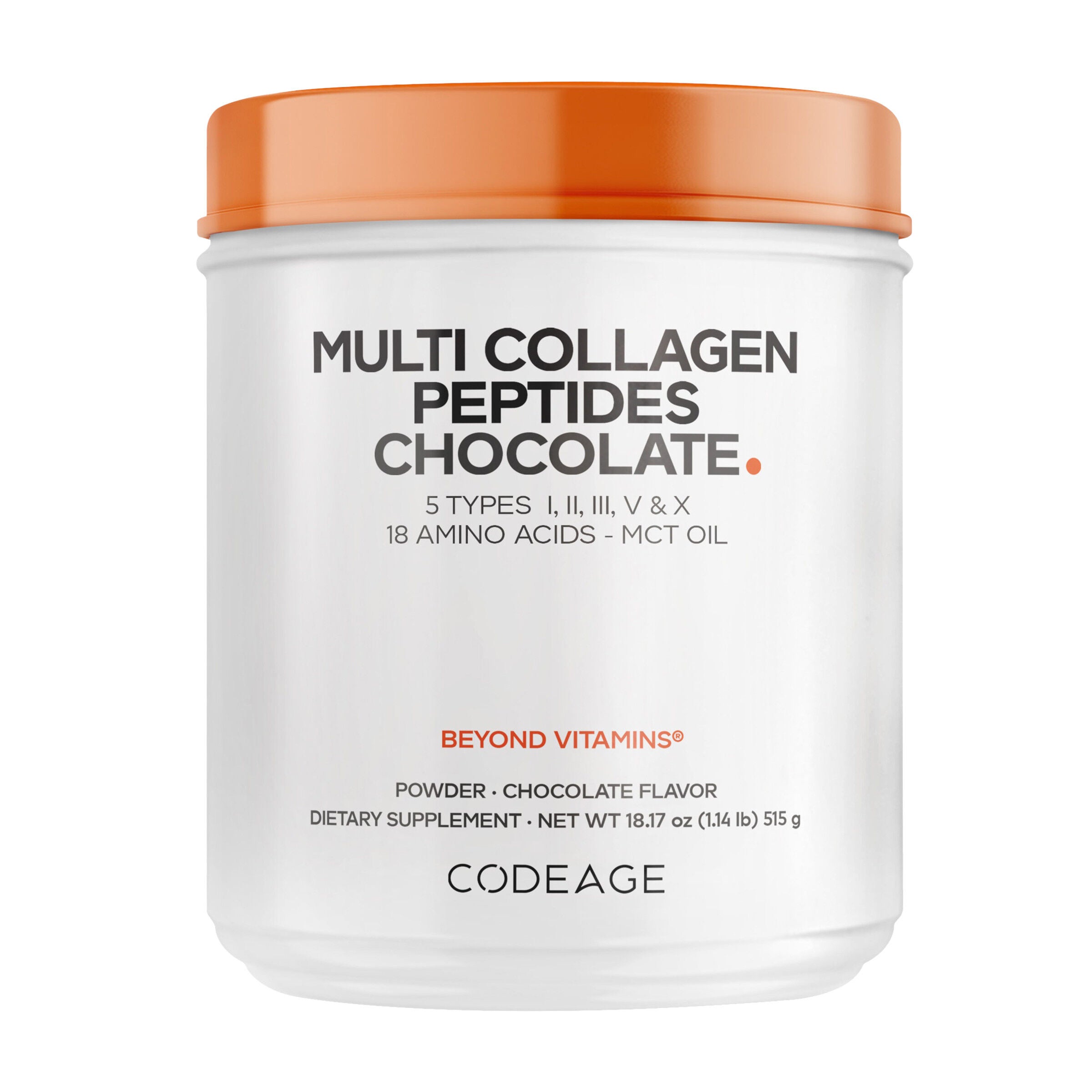
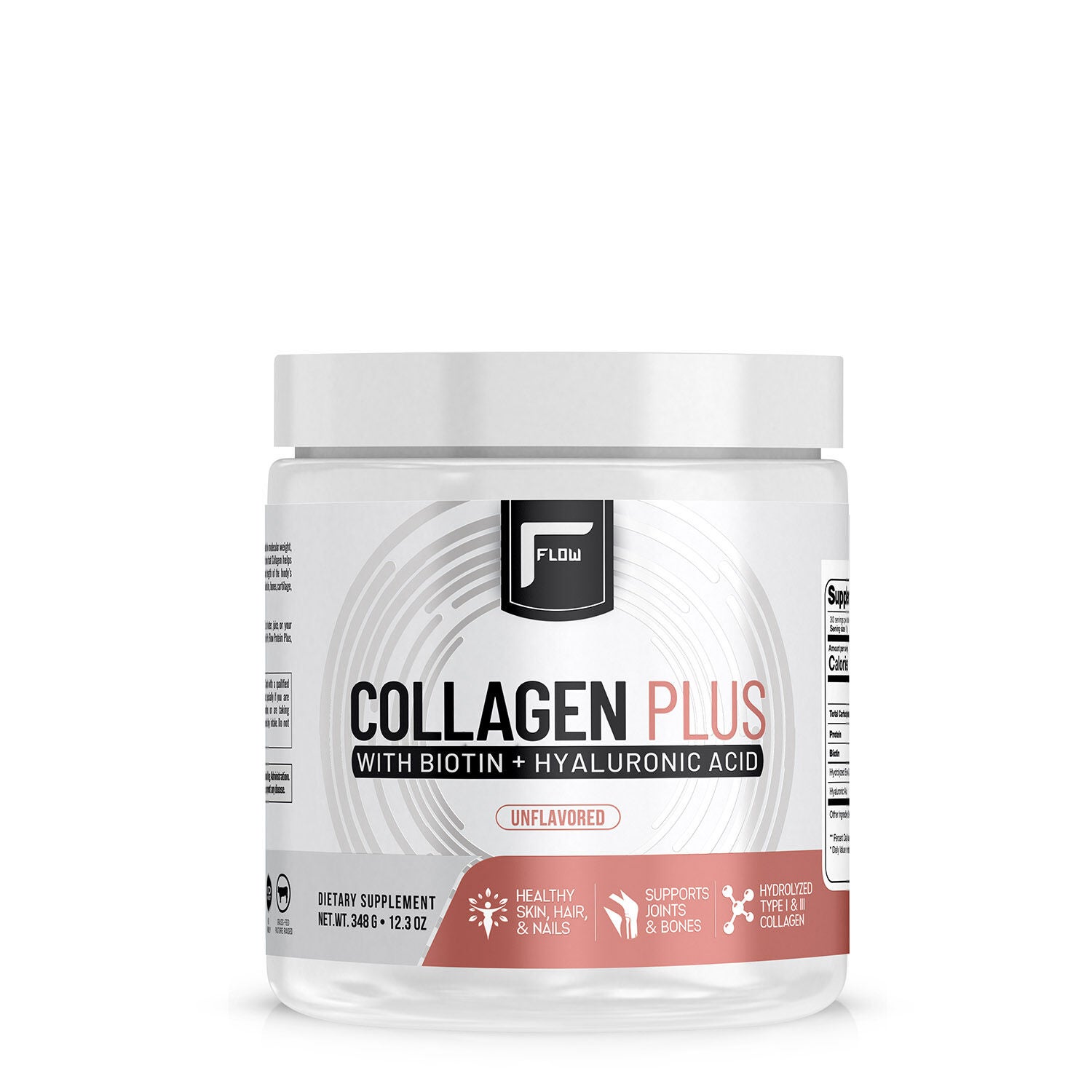
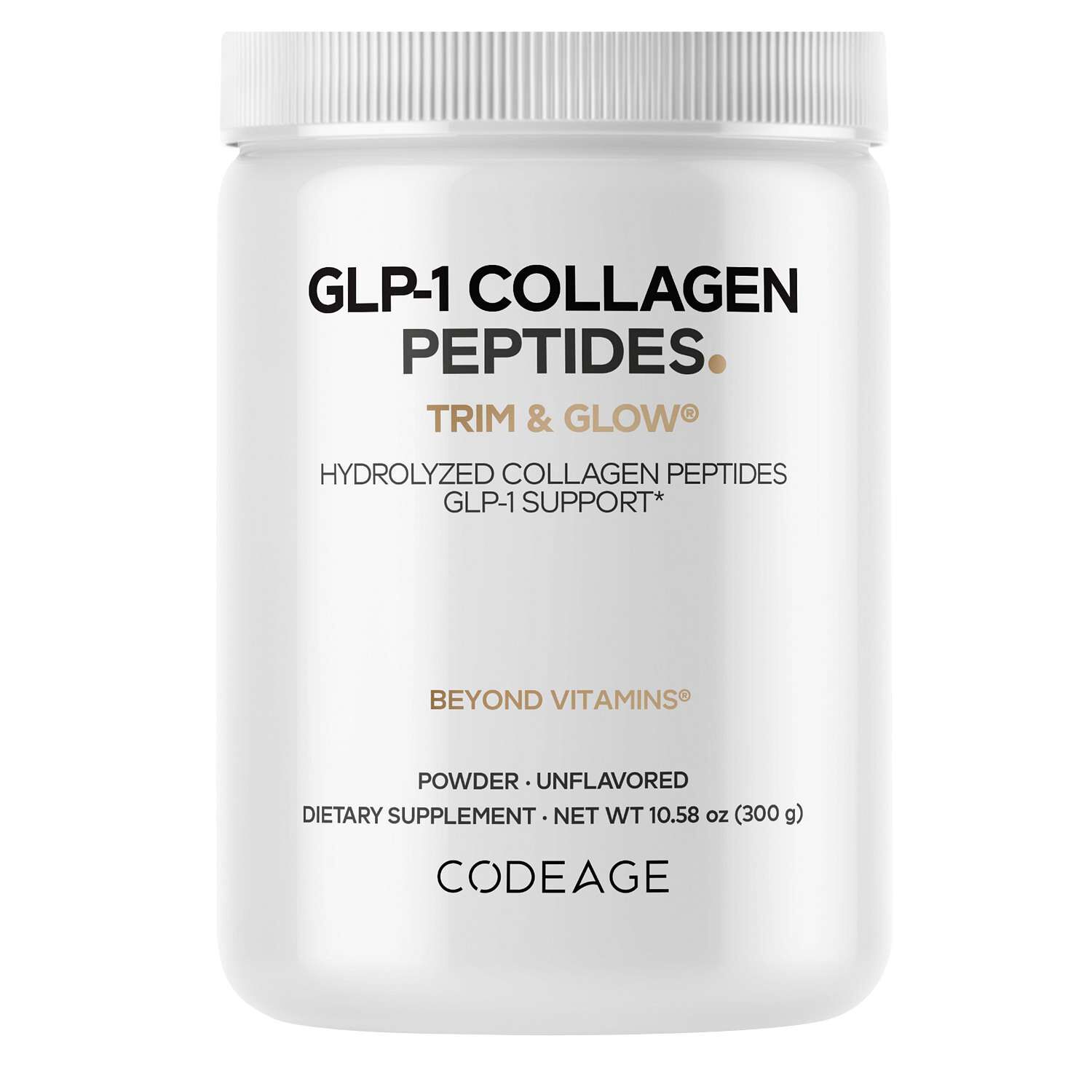
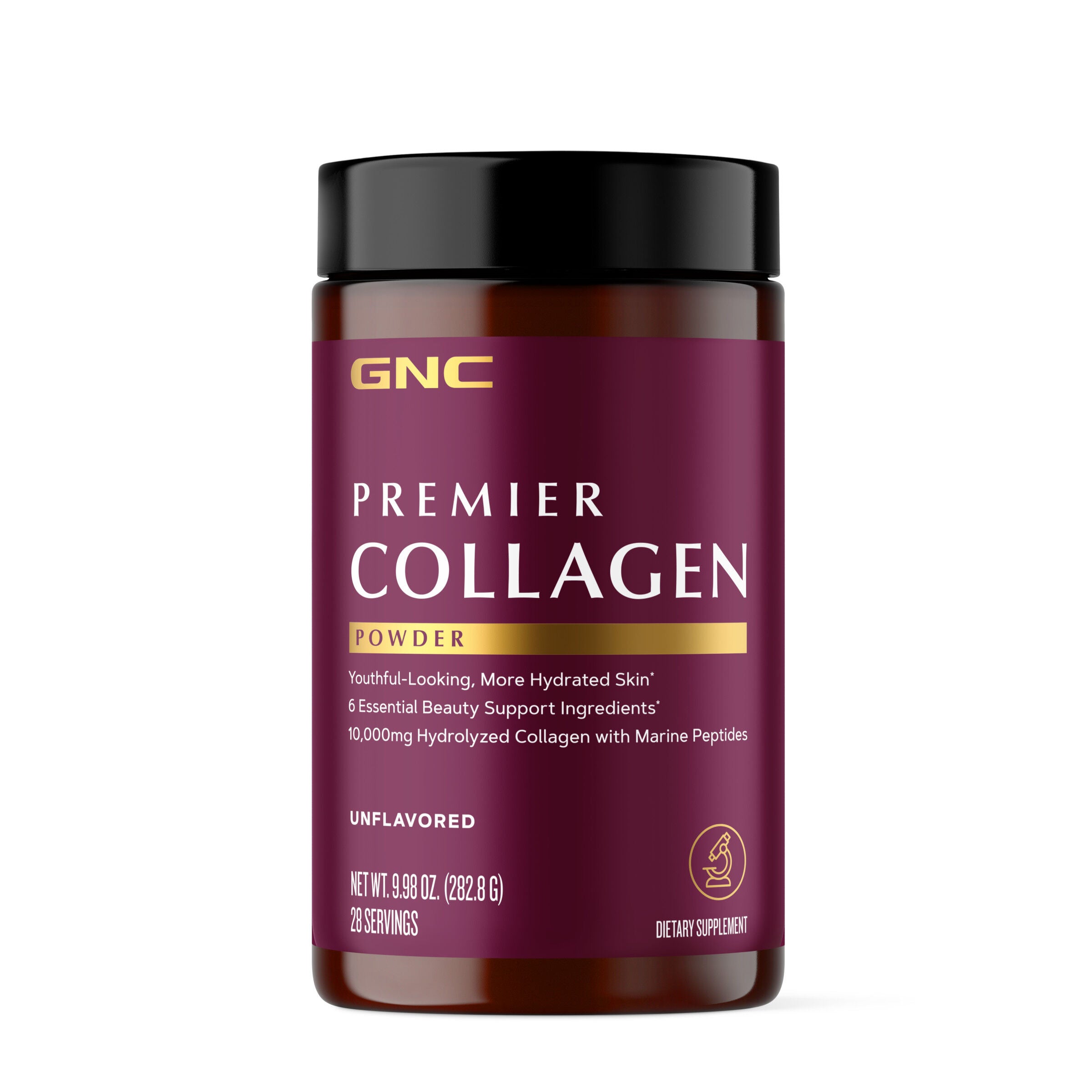
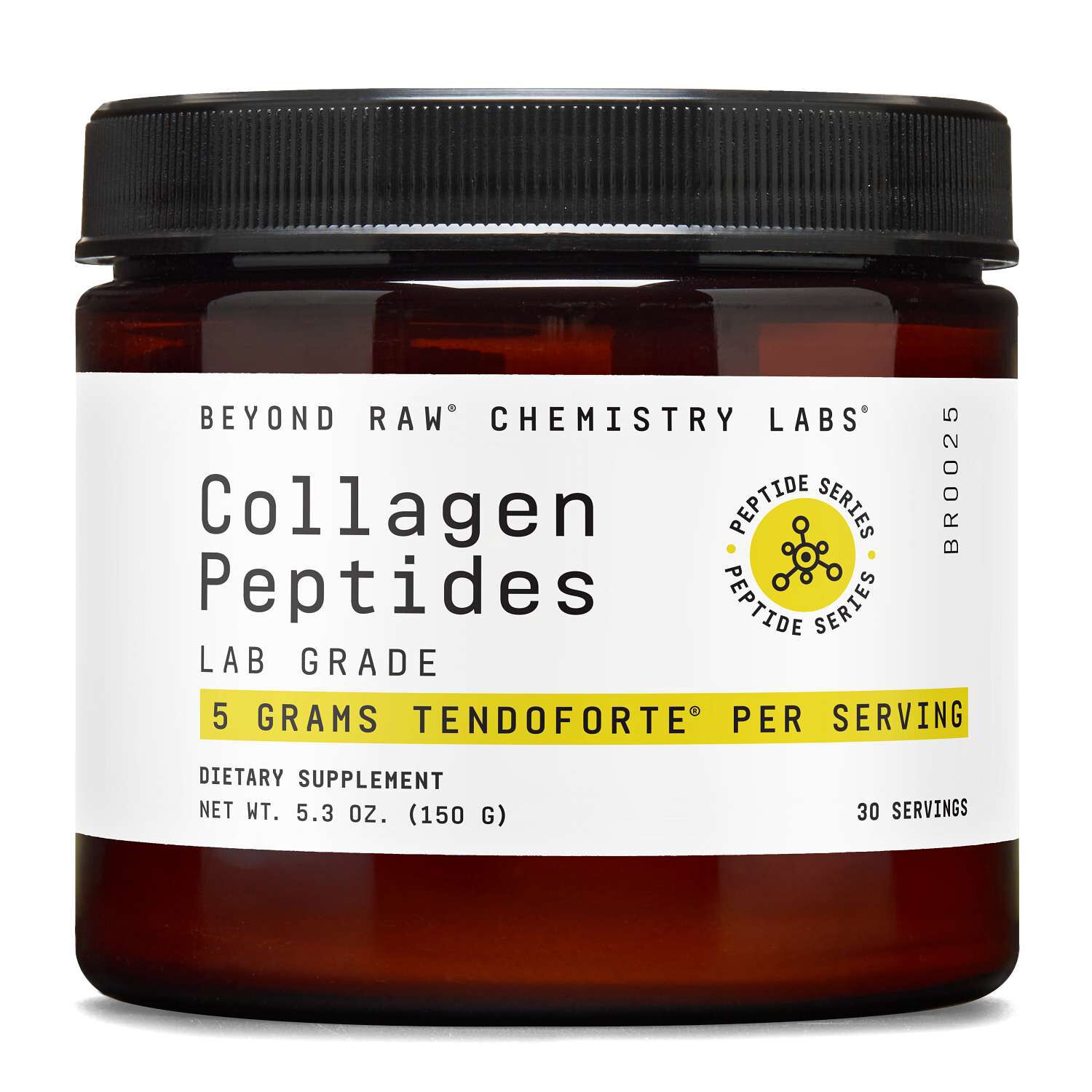
Kosher collagen peptide powders are animal-derived protein powders whose sources, ingredients, and production processes are verified under rabbinic supervision to meet kosher dietary requirements. The word “collagen” alone does not establish kosher status, and neither does a bovine or marine source listed on the front of a container. Certification applies to the formulation and its production, including supporting ingredients and relevant equipment. For shoppers who keep kosher, a recognizable certification mark on the actual package is a more meaningful detail than broad language about purity or sourcing. Different households follow different certification standards, so the certifying organization and any meat, dairy, or pareve designation belong alongside flavor and serving size in a thoughtful comparison. Bovine collagen is generally sourced from cattle tissues, often hide, while marine collagen is commonly derived from fish skin. Both require appropriate sourcing and processing for kosher certification; an animal’s identity by itself is not enough. The related selection of Fish Collagen Peptide Powders offers another way to explore source preferences, although fish origin and kosher certification remain separate attributes. A marine powder is not automatically certified kosher, and its dietary designation should come from the label or certifier rather than an assumption. Hydrolyzed collagen has been processed into smaller protein fragments known as peptides, a format used in powders intended for mixing with foods and beverages. That processing description explains the form of the ingredient, not its kosher standing. The same distinction applies to descriptions such as grass-fed, wild-caught, or single-ingredient: each describes a particular sourcing or formulation attribute, but none substitutes for kosher certification. For someone balancing religious dietary practice with a preference for straightforward ingredients, the most useful package information brings those separate details together clearly. A powder’s source, certifying mark, ingredient list, and dietary designation tell different parts of its story, and a close match across those details may make it a more suitable choice for a particular kitchen.
Flavor and formulation also matter when comparing kosher collagen powders for everyday use. An unflavored powder may suit someone who prefers to use the same ingredient in several recipes, from a berry smoothie to a bowl of oatmeal. Unflavored does not necessarily mean undetectable, however; the source and formulation may contribute a subtle aroma, taste, or change in texture. Flavored versions may work better for someone who wants a more defined taste in a simple drink, while a strongly flavored powder might be less versatile in savory foods. Cocoa, vanilla flavoring, sweeteners, and other additions belong on the ingredient list, and the kosher certification should apply to the finished formulation rather than only its collagen ingredient. Some powders contain collagen alone, while others include additional nutrients or ingredients for texture and flavor. That distinction matters for shoppers seeking a short ingredient list or avoiding overlap with other products in their routine. Protein grams per serving, serving weight, and the number of servings per container offer more useful points of comparison than container size alone. Collagen also has a different amino acid profile from proteins such as milk, egg, or soy, so equal protein amounts do not make those ingredients nutritionally identical. For preparation, the package directions provide the appropriate starting point. Stirring powder into a small amount of liquid before adding the rest may help create a smoother mixture, depending on the formulation. A shaker bottle may suit a drink prepared before leaving home, while a blender may be more convenient for a smoothie with fruit and yogurt. Some powders may disperse readily with a spoon; others may require more mixing. These practical differences matter when the intended use is a quick breakfast rather than a recipe with several preparation steps. A serving scoop also belongs with its own container, since scoop sizes and powder densities vary between formulations.
Packaging, storage, and household habits round out the comparison. A resealable pouch or lidded tub may suit a regular countertop routine, while individually portioned packaging, when offered, may be convenient for a work bag or travel. Keeping the original packaging preserves access to the ingredient list, certification mark, serving directions, lot information, and date marking. Those details are particularly useful in a shared kitchen, where several powders might otherwise look alike after transfer into matching jars. A clean, dry scoop and a firmly closed package may help limit moisture exposure during ordinary handling. Storage directions vary, so the instructions on the container take precedence over a general pantry habit. The package’s condition also matters: a closure that stays secure and an opening that accommodates the scoop may make repeated use less cumbersome. Fish-derived collagen calls for attention to the fish allergen declaration, which is separate from kosher certification, and animal-derived collagen is not a plant-based ingredient. Pareve status likewise describes a kosher dietary classification, not a vegan formulation. For households that maintain separate utensils or preparation spaces, the powder’s designation and the ingredients used alongside it remain relevant to how it fits into an established kitchen routine. Someone planning to stir collagen into a dairy drink, for example, would need a formulation whose certified designation aligns with that use and the household’s observance. These powders may appeal to adults who already use powdered supplements and want their ingredient choices to reflect kosher dietary practices, as well as shoppers seeking a particular animal source or a simpler formulation. The strongest match is not necessarily the longest ingredient list or the largest container. It is a powder with clearly documented certification, an appropriate source and dietary designation, understandable serving information, and a flavor and format that may fit the foods and beverages already part of everyday life.
Best Sellers
-
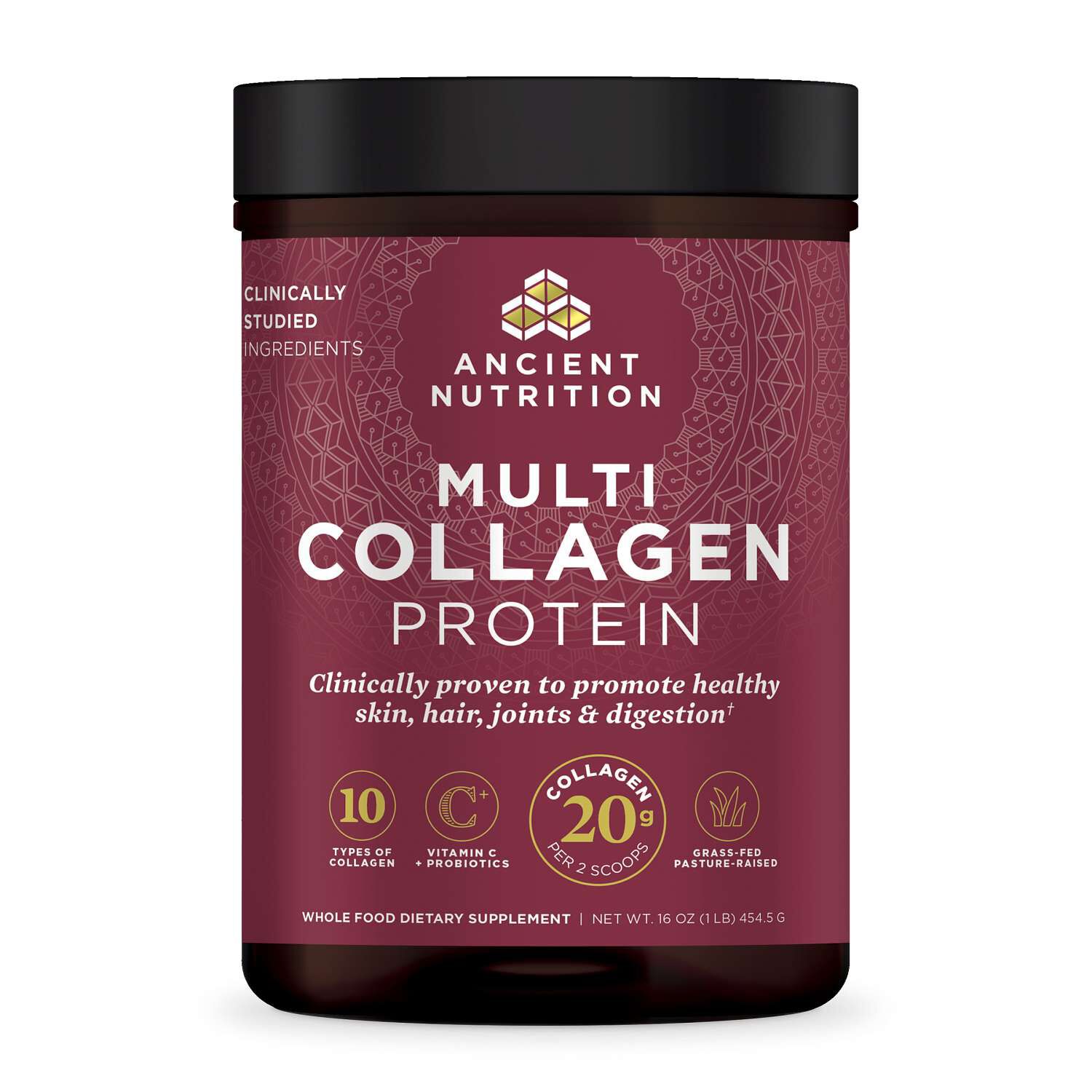 Ancient Nutrition
-
Vital Proteins