





L Glutamine
(0 Results)
L Glutamine is a powerhouse amino acid that plays a crucial role in supporting overall muscle health and recovery. Whether you're an athlete looking to speed up post-workout muscle repair or simply seeking to boost your immune system, L Glutamine offers a wide range of benefits. Known for its ability to aid in protein synthesis and reduce muscle breakdown, this essential supplement is a must-have for anyone looking to optimize their fitness routine. Discover how L Glutamine can help you achieve your wellness goals and enhance your performance.
-
-
-

-

-
-

-

-

-

-
 MRI Performance$49.99
-
 Prolab$39.99
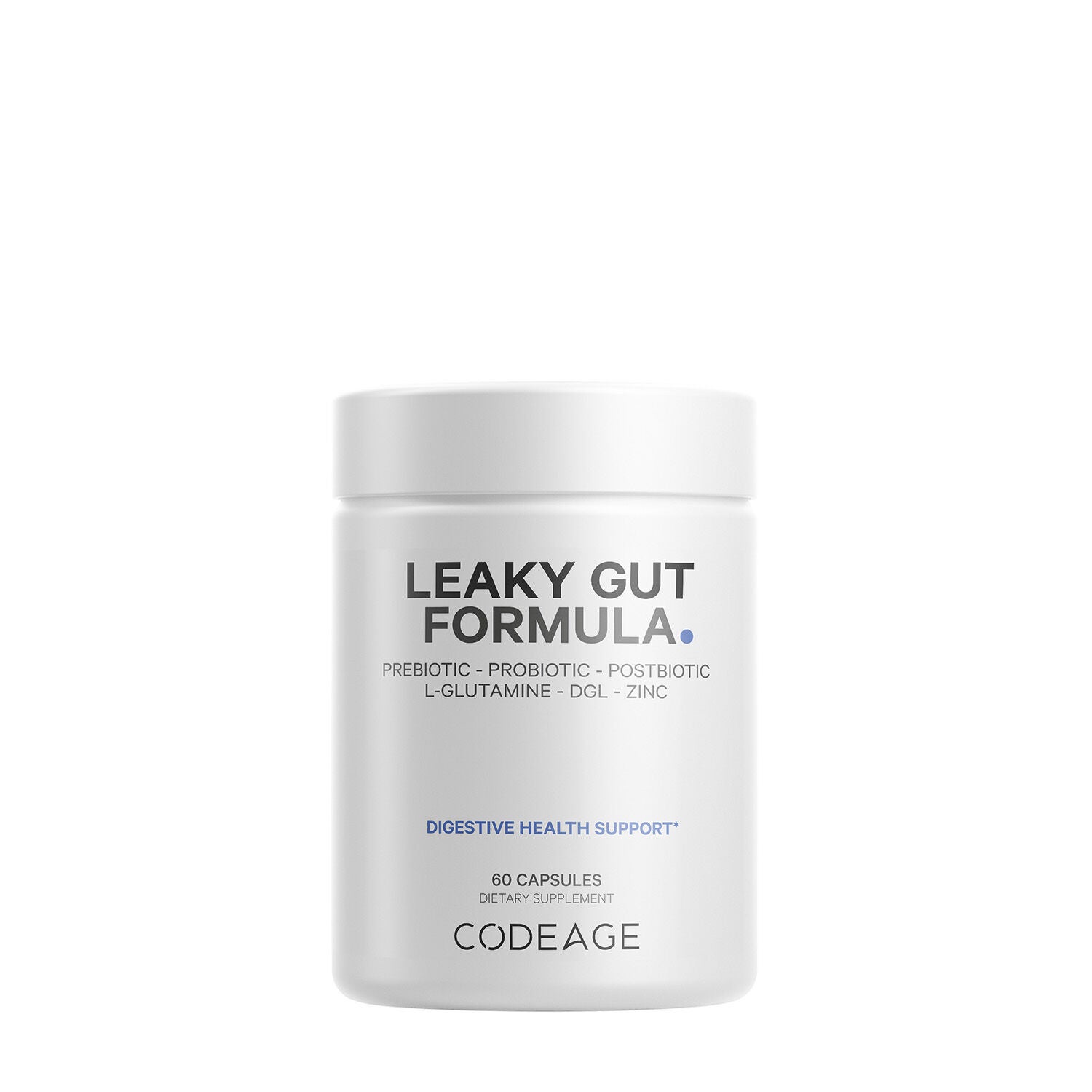
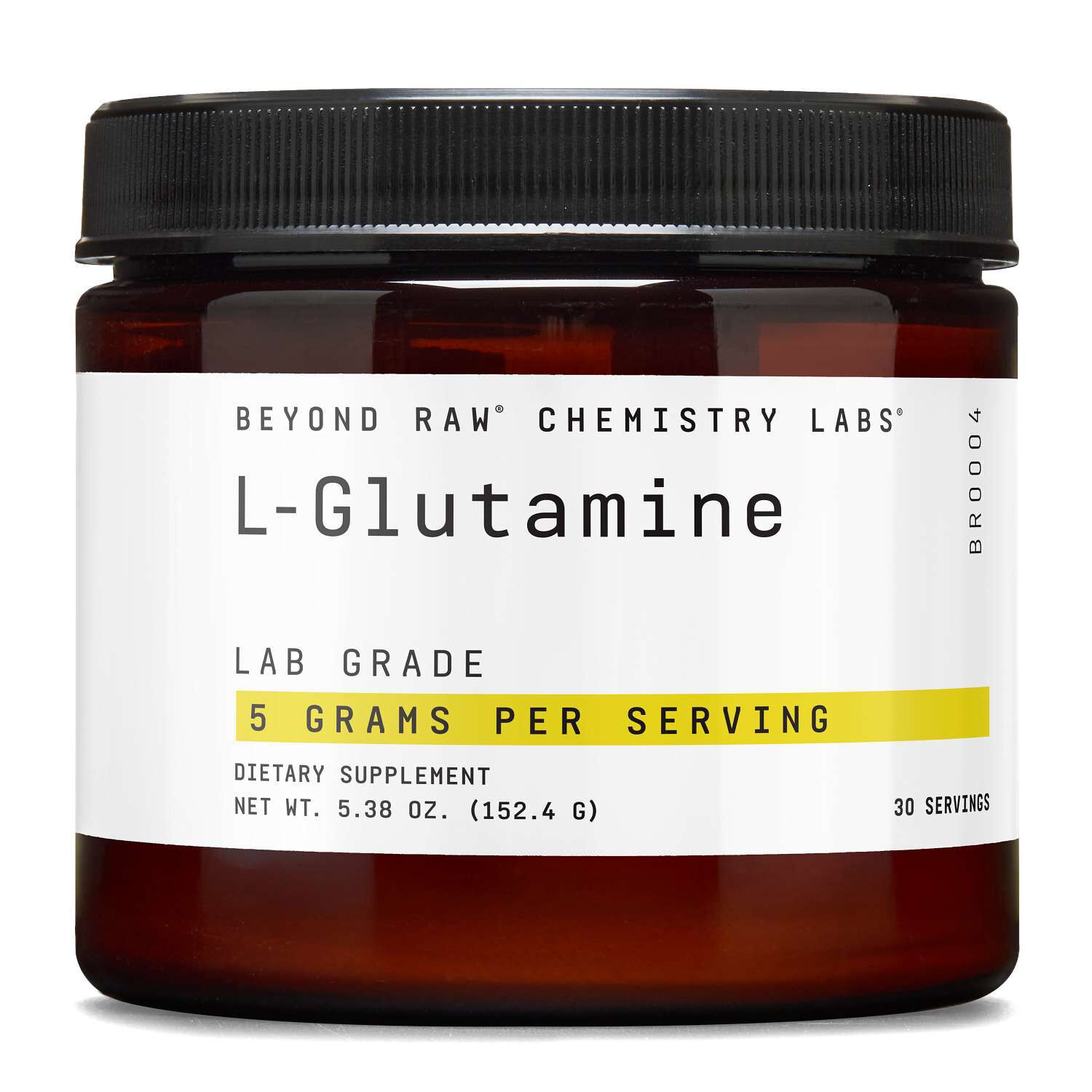
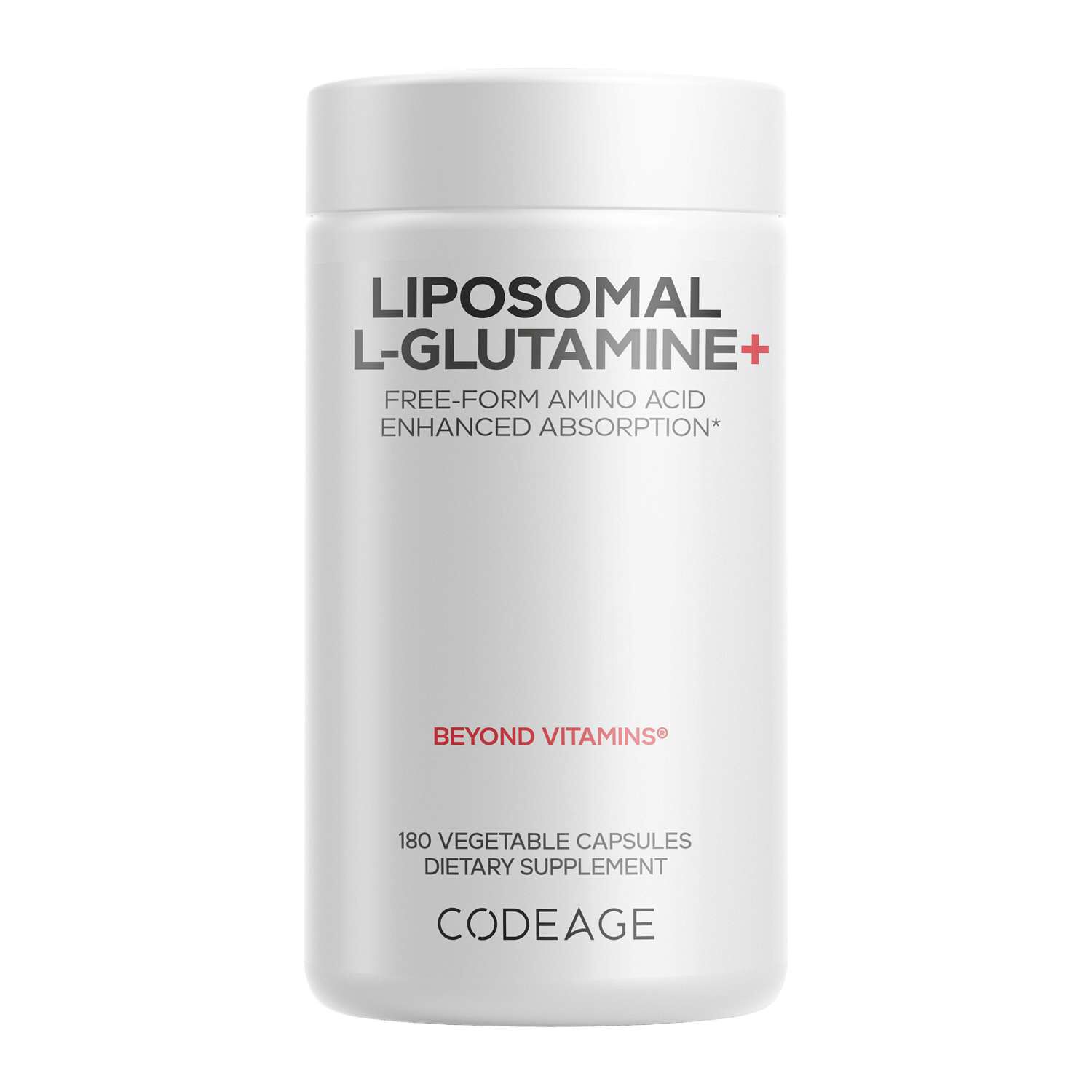
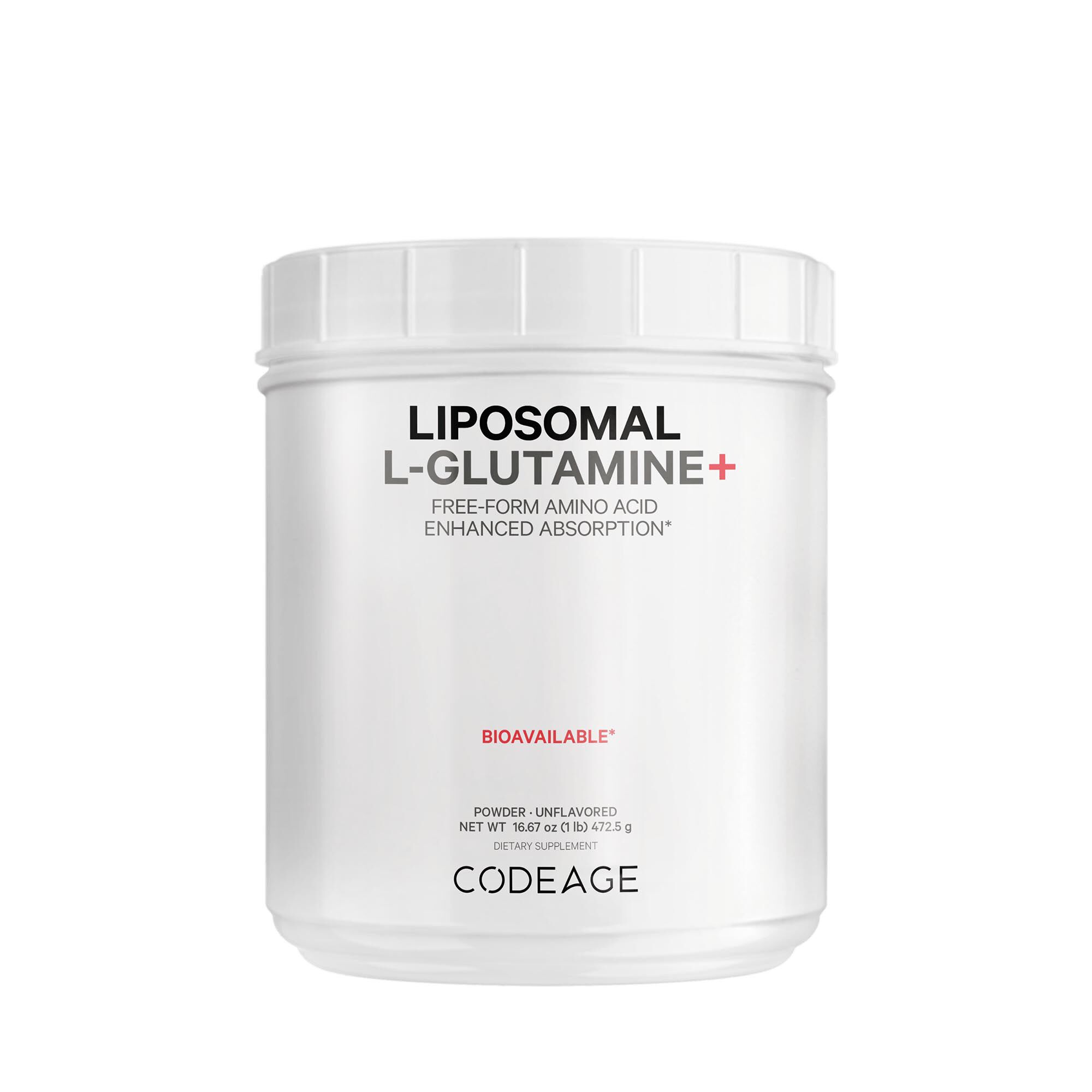
L-glutamine is an amino acid found naturally in the human body and in foods that contain protein, including meat, fish, eggs, dairy foods, tofu, and beans. Amino acids are the building blocks of proteins, and the body produces glutamine as part of its normal processes. As a supplement ingredient, L-glutamine appears in powders, capsules, tablets, and formulas that combine several ingredients. These formats offer different ways to organize a supplement routine, rather than different definitions of the amino acid itself. An L-glutamine powder and an L-glutamine capsule may contain the same named ingredient, but their serving sizes, additional ingredients, and preparation requirements can differ considerably. Adults who lift weights, participate in recreational sports, or maintain a regular exercise schedule may consider L-glutamine supplements alongside their broader nutrition habits. Research on supplemental glutamine for routine athletic performance has produced mixed findings, so the ingredient name alone should not be treated as evidence of a particular outcome. A supplement may complement an exercise-focused routine, but it does not replace varied meals, adequate hydration, or regular rest. When comparing options, the most useful starting point is the Supplement Facts panel: the amount of L-glutamine per serving, the number of capsules or scoops in that serving, and the other ingredients included in the formula. The serving amount deserves particular attention because one scoop is not a standardized measurement across different powders, and one capsule does not necessarily equal one serving. A formula containing L-glutamine alongside other amino acids also differs from a formula centered on L-glutamine alone. Looking at those details makes the category easier to understand without relying on prominent front-label wording. It also keeps the comparison grounded in what the container actually holds, rather than assuming that every supplement with glutamine in its name has the same composition or intended use. For shoppers accustomed to protein powders, that distinction matters: a serving of an isolated amino acid is not nutritionally interchangeable with a serving of dietary protein.
Powder is a familiar format for shoppers who already use a shaker bottle or measure supplements as part of a daily routine. Its practical appeal is the ability to measure the labeled serving and prepare it with the liquid specified in the directions. Unflavored does not necessarily mean tasteless, and the final texture may vary with the formula, the amount of liquid, and the mixing method. Someone who prefers a simple drink after a workout may value a short ingredient list, while someone who dislikes measuring powders may find capsules a better match for their routine. Capsules require no mixing, although the number needed for a labeled serving is worth checking before choosing a container. Tablets offer another measured format, with dimensions and serving counts that vary by formula. Personal preferences around swallowing, preparation, and portability are practical considerations here, not measures of how well a supplement might work. Additional ingredients matter, too. A flavored powder may include sweeteners, flavoring ingredients, or colors; an unflavored version may have a shorter list, but that should be confirmed on the label rather than assumed. Capsule shells may contain gelatin or plant-derived materials, which can be relevant to vegetarian eating preferences. Shoppers following particular dietary preferences can look for explicit statements about ingredients and sourcing instead of drawing conclusions from the front of the package. Allergen information deserves a separate look, including any statements about milk, soy, wheat, or shared manufacturing equipment. For powders, the supplied scoop and the stated weight per serving should be read together. Scoops from other containers are not interchangeable measuring tools. The directions also clarify whether the powder is intended to be mixed immediately before use and how it should be stored afterward. Small details like these shape the everyday experience: opening the container, measuring a serving, mixing a drink, and cleaning the shaker afterward. A format that fits those ordinary steps may be easier to incorporate into an established routine.
Packaging and storage are also part of comparing L-glutamine supplements, especially for a container that will be opened repeatedly. A lid that closes securely, a readable label, and clear storage directions are useful features for everyday handling. Powders should be stored according to their label directions, with the container closed between uses and the measuring scoop kept clean and dry. Leaving a damp scoop inside a powder container introduces moisture that does not belong there. Capsules and tablets also belong in packaging that preserves their labeling and keeps the contents protected during ordinary handling. For a gym bag or an overnight trip, the practical question is how to transport the supplement while retaining access to its serving directions and ingredient information. Keeping the original labeled container is often simpler than carrying an unidentified portion. Container size is another consideration, but the number of servings is more informative than the package’s outward dimensions. Two containers with similar appearances may hold different serving counts, particularly when one formula uses a larger serving or combines multiple ingredients. The printed date, lot information, and any clearly described independent testing are additional label details worth reviewing. Testing statements should be read for what they actually cover, such as ingredient identity or manufacturing checks, rather than interpreted as evidence of exercise results. Shoppers comparing options connected with training routines can also explore Glutamine Recovery for a related selection within the category. Across formats, a useful comparison stays focused on the named ingredients, amount per serving, preparation, dietary preferences, and storage requirements. A plain powder beside a shaker bottle and a capsule container tucked into a designated cabinet represent different approaches to the same practical task: choosing a supplement format that suits an existing routine. The strongest basis for that choice is clear product information and realistic expectations, with attention to the details that will matter each time the container is opened.
Best Sellers

Related Pages


Top Collections
- Joint Mobility Supplement Packs
- Daily Collagen Supplements | Top Brands & Deals | GNC
- GLP 1 Support For Adults
- Zinc Supplements | Top Brands at Great Prices | GNC
- Supplements For Yoga Joint Flexibility
- Supplements For Balance
- Capsule Supplements For Energy And Stamina
- Adult Mobility Supplements
- Chronic Fatigue Supplements
- Vitamins For Hair Loss