





L Tyrosine For Cognitive Performance
(0 Results)
L tyrosine for cognitive performance is gaining attention as a supplement choice for those looking to support mental focus and clarity. Often included in wellness routines, L tyrosine is an amino acid that may play a role in helping the body manage stress and maintain alertness during busy or demanding days. Explore a variety of L tyrosine options that could fit into your daily regimen as you prioritize cognitive well-being and overall vitality.
-
-
-

-

-

-

-
-

-
-
-

-
-
-
-
-
-

-
-
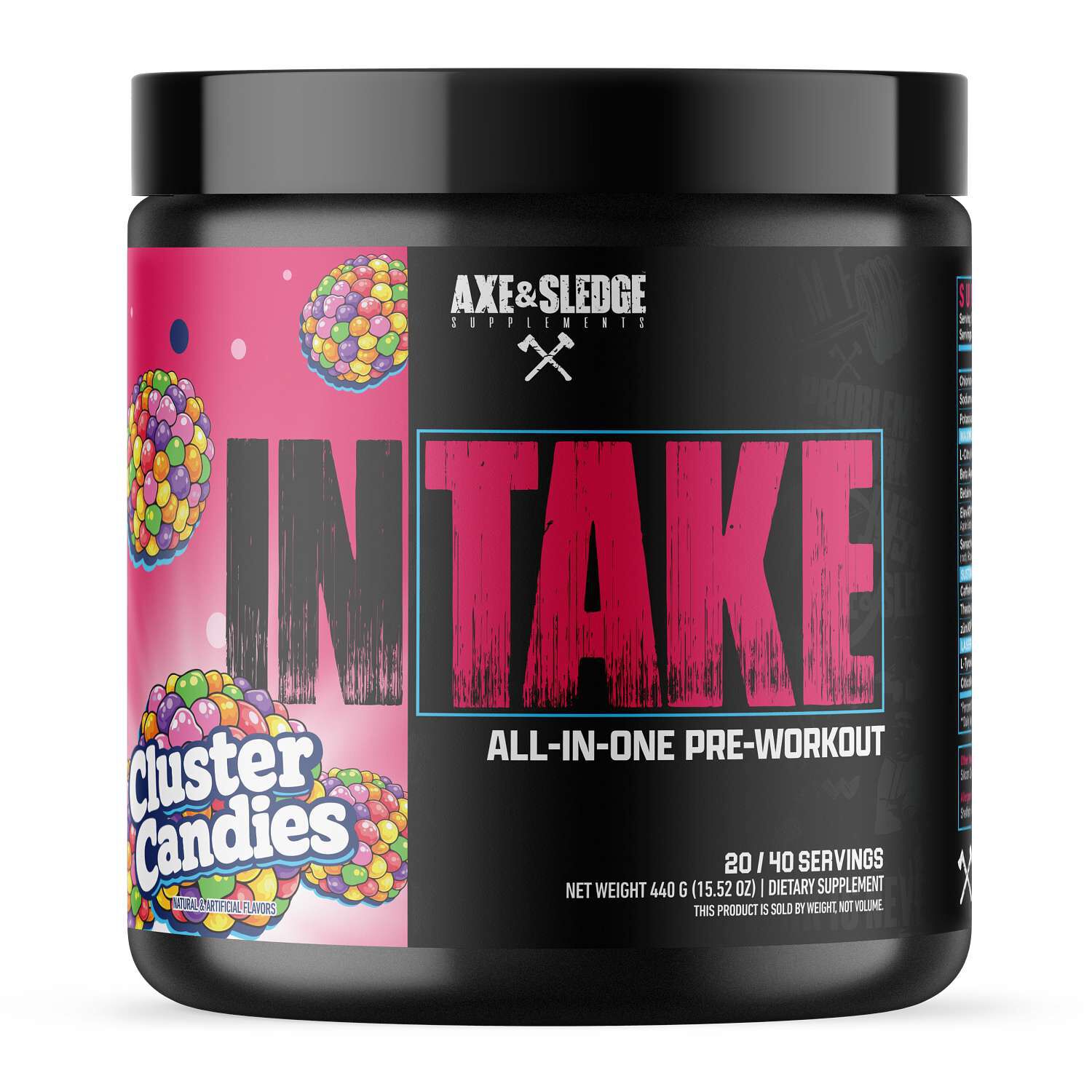 Axe & Sledge Supplements20$49.99
-
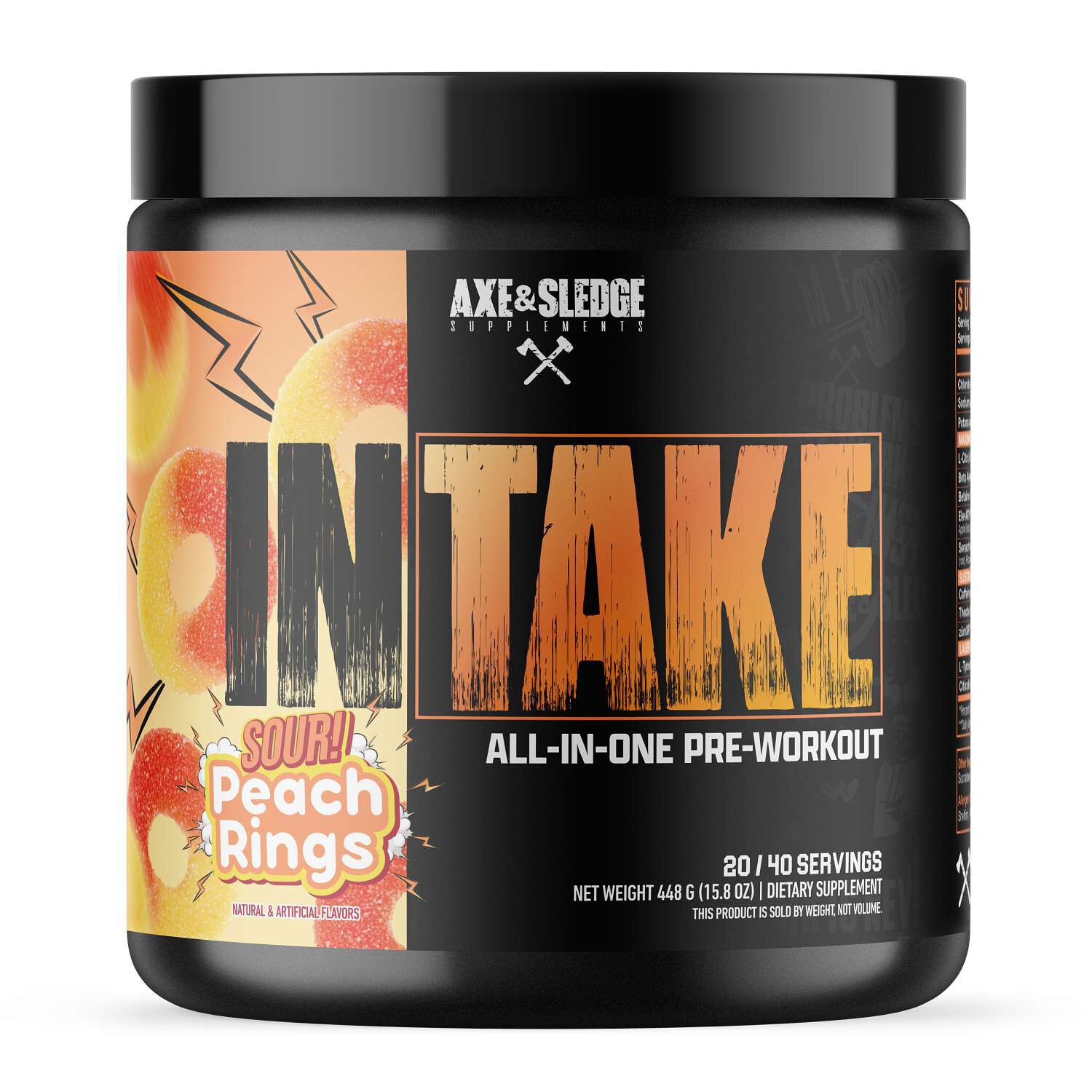 Axe & Sledge Supplements20$49.99
-

-
-

L-tyrosine is an amino acid that the body uses to make dopamine and norepinephrine, chemical messengers involved in normal attention and other functions. L-tyrosine supplements may support cognitive performance during certain mentally demanding situations, although results can vary by person and circumstance. The ingredient occurs naturally in protein-containing foods, including dairy foods, eggs, meat, fish, and legumes, and the body can also produce it from another amino acid, phenylalanine. That background helps explain the interest in L-tyrosine for cognitive performance, but an ingredient’s role in normal body chemistry does not establish that taking more will produce better results. Cognitive performance encompasses several different abilities: keeping track of information, sustaining attention, moving between tasks, and using what has just been read or heard. Working memory, for example, involves holding information in mind briefly while using it, such as remembering the first part of a calculation while finishing the next step. Focus involves directing attention toward a task, whether that means reviewing a dense document or following a detailed presentation. These abilities overlap, but they are not interchangeable, and a supplement associated with one area should not automatically be understood as supporting every aspect of cognition. Research on tyrosine has often examined short-term, demanding conditions rather than consistent improvements in everyday memory or intelligence. That distinction matters when comparing products for a study routine, an afternoon of analytical work, or a project that involves frequent task switching. A student sorting through lecture notes and an adult checking figures across several spreadsheets might be interested in the same ingredient for different reasons. Neither scenario establishes a need for supplementation or predicts a particular outcome. This category is best approached as a selection of products centered on L-tyrosine, with attention to their actual ingredient information rather than broad expectations about productivity. The most useful comparisons connect the stated purpose of a formula with its composition, format, and labeled use.
Comparing L-tyrosine supplements starts with the Supplement Facts panel, where the amount per serving and the serving size belong together. An amount shown prominently on packaging may refer to a serving containing more than one capsule or tablet, so a front-label number alone does not tell the whole story. The ingredient list also distinguishes a formula centered on L-tyrosine from a blend containing several amino acids, vitamins, botanical ingredients, or other components. A longer ingredient list is not, by itself, evidence of better cognitive performance, and two formulas with similar names may differ considerably in composition. Some blends include caffeine, making that detail relevant for shoppers who already drink coffee or tea and want a clear understanding of what a formula contains. Capsules, tablets, and powders bring different practical considerations to the comparison. Capsule shell materials can vary, including gelatin or plant-derived materials, while tablets may contain binders or coatings that affect their physical characteristics. Powders call for attention to the stated serving measure, preparation directions, and whether the formula is flavored. These are format differences, not evidence that one option will produce a stronger cognitive effect than another. For someone carrying supplements in a work bag, packaging dimensions and a secure closure may matter more than a flavored format. Someone organizing a home routine may place greater importance on straightforward labeling and a serving format that fits an existing schedule. Dietary preferences belong in that same comparison: capsule materials, allergen declarations, and added ingredients are more informative than assumptions based on the product name. Any testing or certification statement is worth reading for its specific scope, since a statement about manufacturing or ingredient identity is different from evidence about cognitive outcomes. Clear labels also make it easier to distinguish what is actually measured from broader descriptive language. A stated amount of L-tyrosine is a composition fact; a phrase about mental performance describes an intended area of interest. Keeping those two kinds of information separate gives shoppers a more grounded way to compare formulas without treating packaging language as a prediction.
Intended use, storage, and the practical details of a routine deserve the same attention as ingredient selection. L-tyrosine supplements should be considered within the audience and directions stated on their labels, rather than treated as suitable for everyone who has a demanding schedule. Serving directions, cautions, and storage instructions are part of the product information, not small details to overlook after purchase. Label-directed storage helps establish where a bottle belongs: a dry cabinet away from a sink presents a different environment from a humid bathroom shelf, and a tightly closed original container preserves access to the ingredient panel, serving information, and date markings. Powder packaging also deserves attention because the measuring utensil, closure, and preparation instructions are part of its everyday handling. Supplements are consumable products, so packaging integrity and date information are more relevant than the kind of durability comparison used for clothing or equipment. A bottle carried between home and work needs careful handling, while a container kept in one place needs a suitable storage location. For adults browsing this category, the intended occasion may be ordinary rather than exceptional: reading technical material, preparing a presentation, or keeping track of several parts of an assignment. Those situations provide context for an interest in focus, but they do not make a supplement a substitute for sleep, meals, or a workable schedule. Shoppers whose interest centers more specifically on remembering information can also explore L Tyrosine Supplements For Memory Support while keeping the distinction between memory, attention, and broader cognitive performance in mind. Across either collection, useful product details remain concrete: the ingredient form, amount per labeled serving, accompanying ingredients, capsule or powder format, and stated cautions. A thoughtful comparison gives those details more weight than dramatic descriptions of mental output. L-tyrosine may fit some adults’ supplement preferences, but the category does not establish that any formula will make a busy day effortless or change a person’s underlying abilities. Clear expectations and careful attention to labeling keep the focus on the products themselves and the routines they are intended to accompany.
Best Sellers
-
Gorilla Mind
-
Gorilla Mind
-
Gorilla Mind