





L Tyrosine Supplements For Work Productivity
(0 Results)
L tyrosine supplements for work productivity are gaining attention from those looking to support their focus and mental performance during busy days. Whether tackling demanding projects or navigating daily tasks, many professionals are exploring how L tyrosine may help them stay on top of their game. With a variety of options available, finding the right supplement to fit your routine could be a step toward optimizing your workday. Explore L tyrosine supplements for work productivity and discover what they might offer for your daily workflow.
-
-
-
-

-

-

-
-
-

-

-
-

-
-
-
-
-
-

-
-
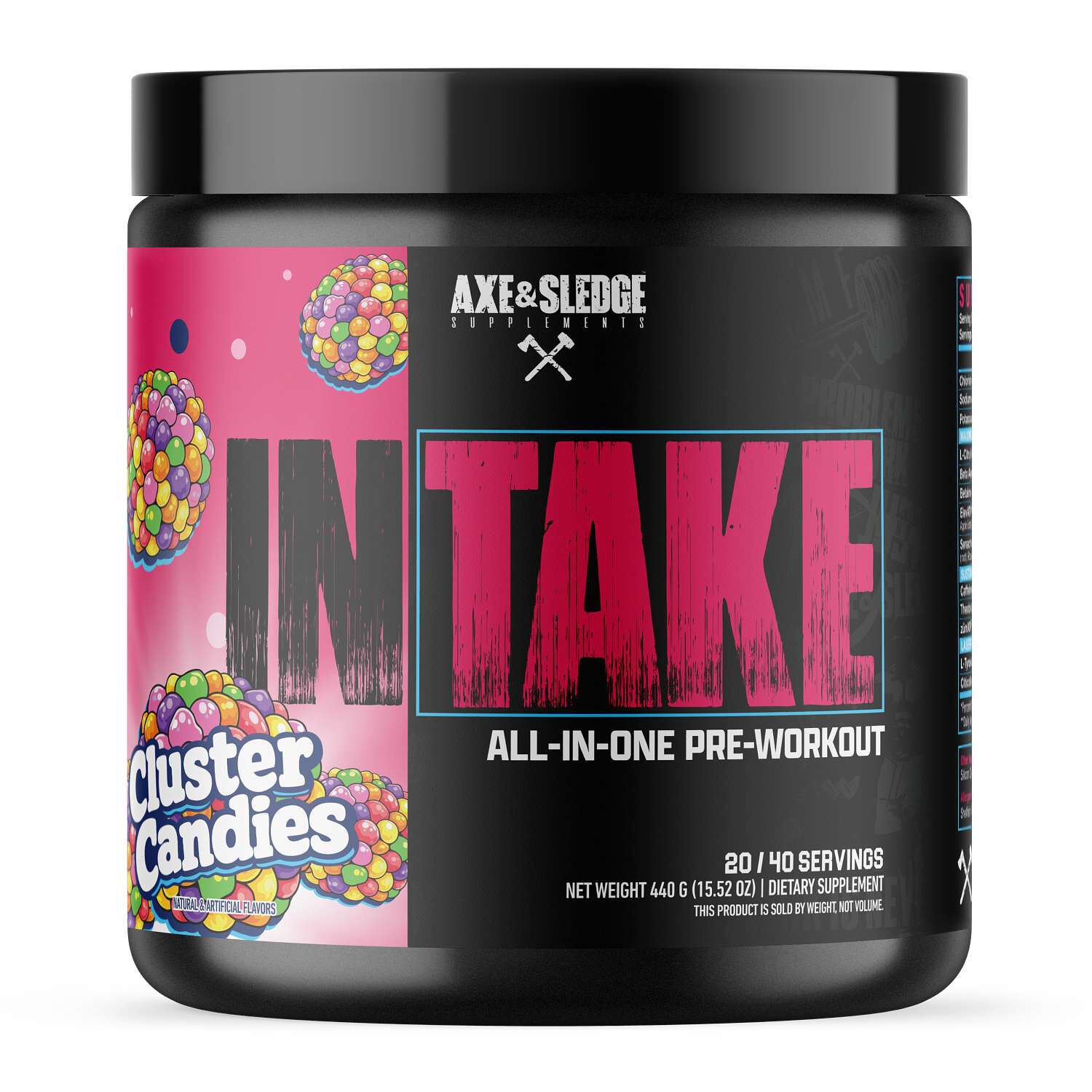 Axe & Sledge Supplements20$49.99
 -
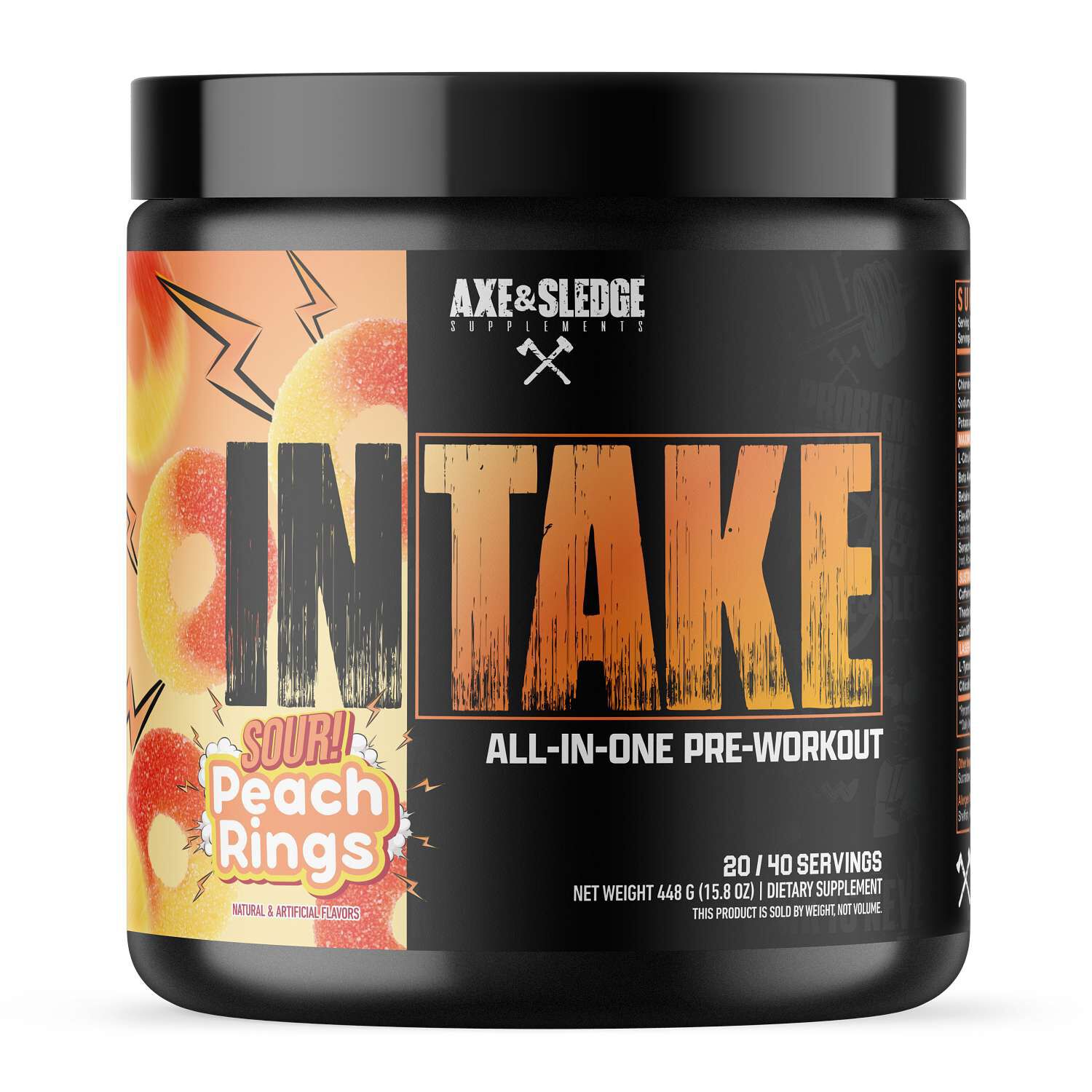 Axe & Sledge Supplements20$49.99
 -

-
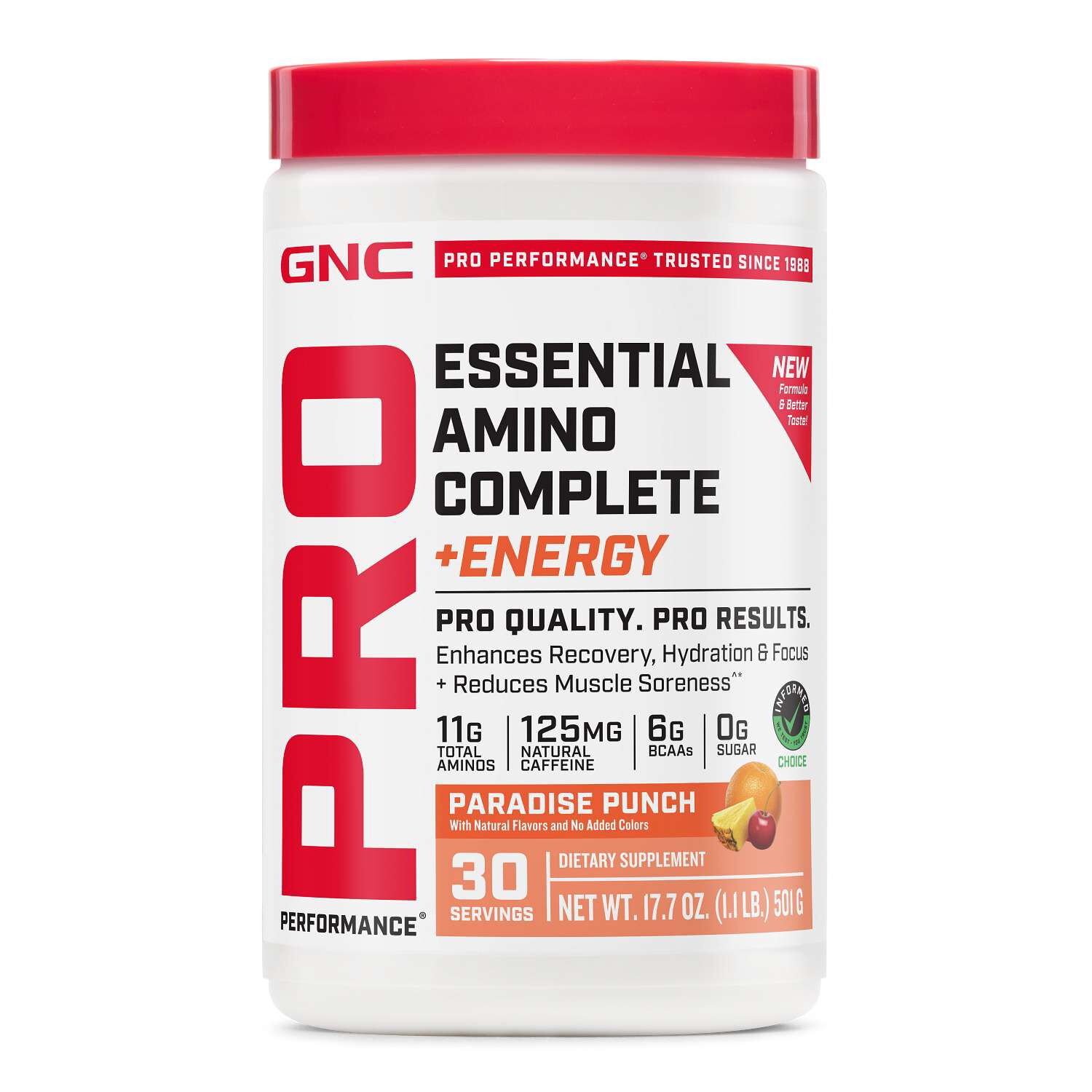

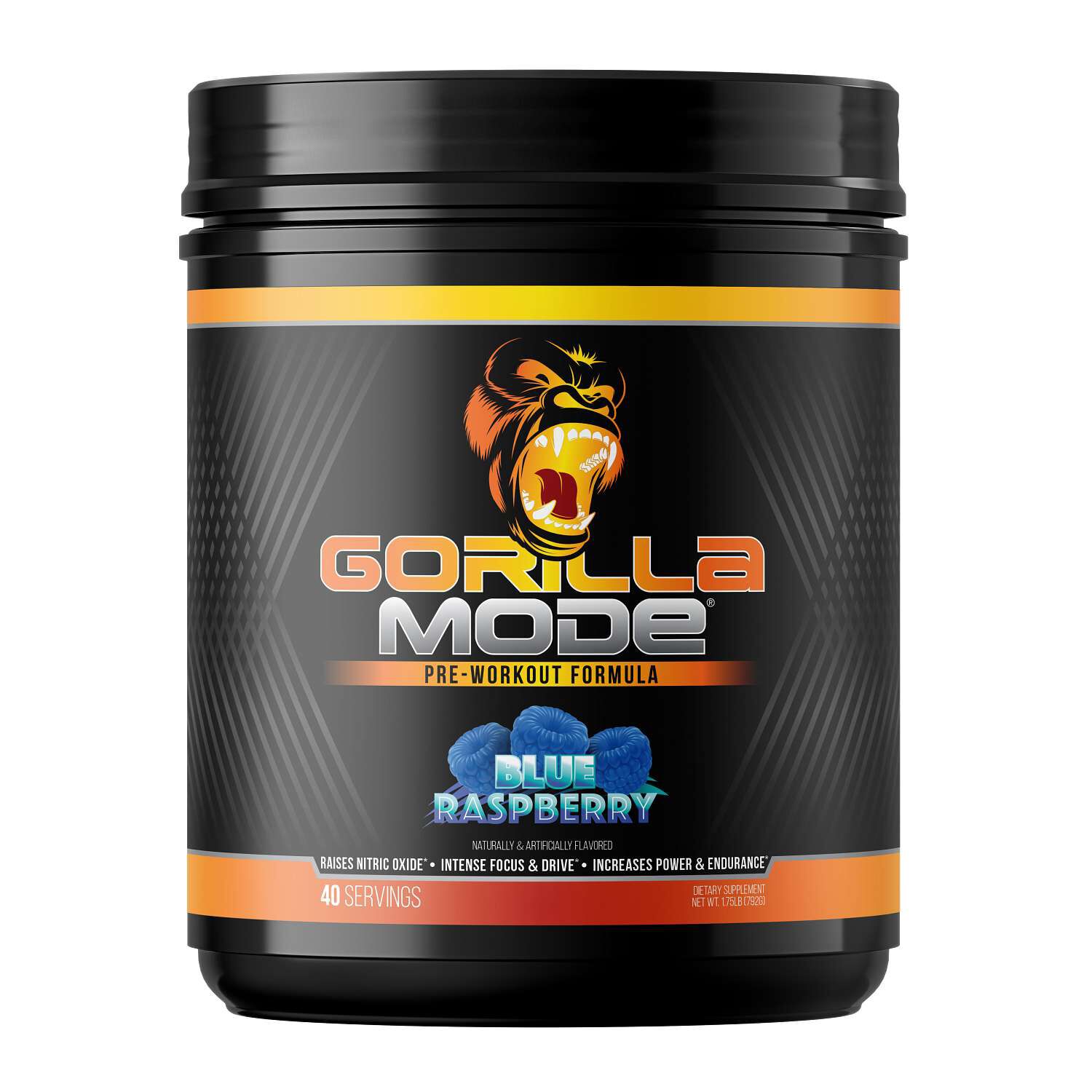
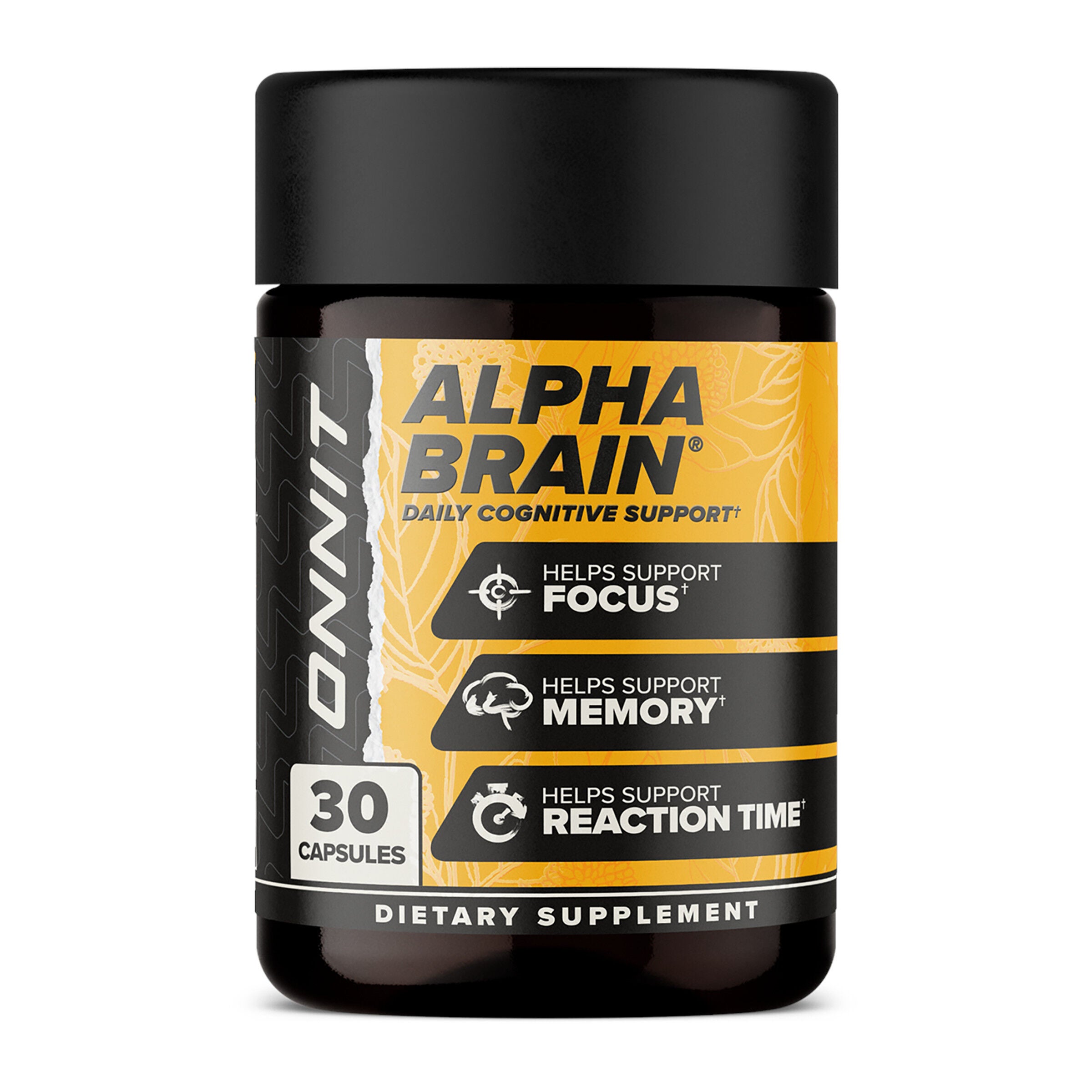
L-tyrosine supplements for work productivity bring an amino acid into the conversation about focused work, busy schedules, and everyday nutrition. Tyrosine occurs naturally in protein-containing foods, including dairy products, eggs, fish, poultry, and soy, and the body can also make it from another amino acid called phenylalanine. As a supplement, L-tyrosine is offered in formats such as capsules, tablets, and powders, either on its own or alongside other ingredients. Interest in this category often comes from adults looking at nutrition as one part of a workday that involves sustained attention: reviewing a lengthy proposal, moving between client calls, organizing a detailed spreadsheet, or settling into an afternoon writing session. That context matters, but a work-oriented product description is not evidence that a supplement will increase output or make difficult assignments easier. Productivity also involves sleep, meals, manageable workloads, and an environment suited to the task. A useful starting point when comparing L-tyrosine supplements is therefore the formula itself rather than an ambitious statement on the front of the container. The Supplement Facts panel identifies the amount of L-tyrosine per serving, while the serving size shows how many capsules, tablets, or measured portions that amount represents. Those details are different from the number of servings in the package, and reading them together gives a clearer picture of the format. A single-ingredient formula centers the comparison on L-tyrosine; a blend calls for a closer look at each listed ingredient and its stated amount. Neither a longer ingredient list nor a larger milligram number, by itself, establishes a better match for a particular person or work routine. For shoppers comparing several formulas, consistent label reading is more informative than treating every focus-oriented description as interchangeable. It also helps distinguish straightforward amino acid supplements from broader formulas positioned around energy or concentration, which can have substantially different ingredient profiles despite appearing in the same category.
The physical format deserves as much attention as the front-label wording, especially when a supplement needs to fit into an ordinary workday. Capsules and tablets have a fixed amount in each unit, although one labeled serving may contain more than one unit. Size, shape, and coating can differ, so package descriptions are worth checking rather than assuming every capsule or tablet has the same dimensions. Capsule shells may use gelatin or plant-derived materials; the other ingredients section is the place to look for that distinction. Tablets can contain binders and coatings, while powders may include flavorings, sweeteners, or other ingredients depending on the formula. For someone who prefers fewer preparation steps, the difference between a tablet and a powder may matter more than the appearance of the container. Powders involve measuring and any preparation specified on the label, along with access to a suitable container and space for cleanup. Their texture, flavor, and mixing characteristics can vary, and an unflavored description does not necessarily mean there is no noticeable taste. These are practical considerations for an adult working from a shared office, a home desk, or several locations throughout the day. Dietary preferences also warrant a careful look at the entire label. A plant-derived capsule shell does not, on its own, establish the suitability of every ingredient in the formula, and allergen statements provide information that a front-panel description may not capture. With blended supplements, check whether caffeine or other ingredients are included rather than assuming that all L-tyrosine formulas are alike. If individual ingredient amounts are not disclosed, direct comparisons become less straightforward. Quality information can offer another point of distinction: clearly identified manufacturing information and independently verified testing, when stated on the package, provide details to evaluate beyond marketing language. Any testing seal is best understood by its specific scope, not as proof of a workplace outcome. The most useful comparison brings together composition, serving format, dietary preferences, and the transparency of the information provided.
Intended use and storage round out the comparison of L-tyrosine supplements for work productivity. These products belong in the dietary supplement category, not among substitutes for meals, rest, or a workable schedule. A calendar crowded with meetings and a quiet morning reserved for detailed analysis present different demands, yet neither scenario establishes a particular supplement amount or timing. Package directions describe the intended use of the individual formula; a category name is not a personalized schedule. There is also no single workplace result that every shopper should expect from L-tyrosine. Keeping expectations measured leaves room to consider the less glamorous details that often shape the shopping decision: whether the label is easy to read, whether the serving format suits the setting, and whether the ingredient list is clear enough to compare with other supplements already being considered. For an office desk or home workspace, follow the storage conditions stated on the package and keep the original label with the product. A securely closed container, readable expiration date, and intact packaging are more relevant measures of product condition than the style of the bottle. Powders also call for attention to the package’s handling instructions, including keeping measuring utensils clean and dry where directed. A large container is not automatically the most practical choice if its serving count does not align with the intended use described on the label. Supplements are a personal purchase, so choosing one as a workplace gift requires more care than selecting a notebook or desk organizer; the recipient’s stated preferences matter more than assumptions about a demanding job. Shoppers browsing adjacent themes can also explore L Tyrosine Supplements For Fall Energy, while comparing each formula by its own ingredients and directions rather than its collection title. Across related categories, the same fundamentals remain useful: understand what is in the container, distinguish the amount per unit from the amount per serving, and consider how the format fits the intended setting. That approach keeps the selection grounded in tangible product details rather than expectations about how much work a supplement might help someone accomplish.
Best Sellers
-
Gorilla Mind
-
Gorilla Mind
-
Gorilla Mind