





Lactose Free Protein Shakes
(0 Results)
Looking for a delicious and convenient way to boost your protein intake without worrying about lactose intolerance? Our selection of Lactose-Free Protein Shakes has got you covered. Packed with high-quality protein sources, these shakes are perfect for those who are looking to support their fitness goals or simply add more protein to their diet. Whether you're an athlete, fitness enthusiast, or just someone seeking a nutritious and easy-to-digest option, our Lactose-Free Protein Shakes offer a tasty solution to help you fuel your body and crush your wellness goals.

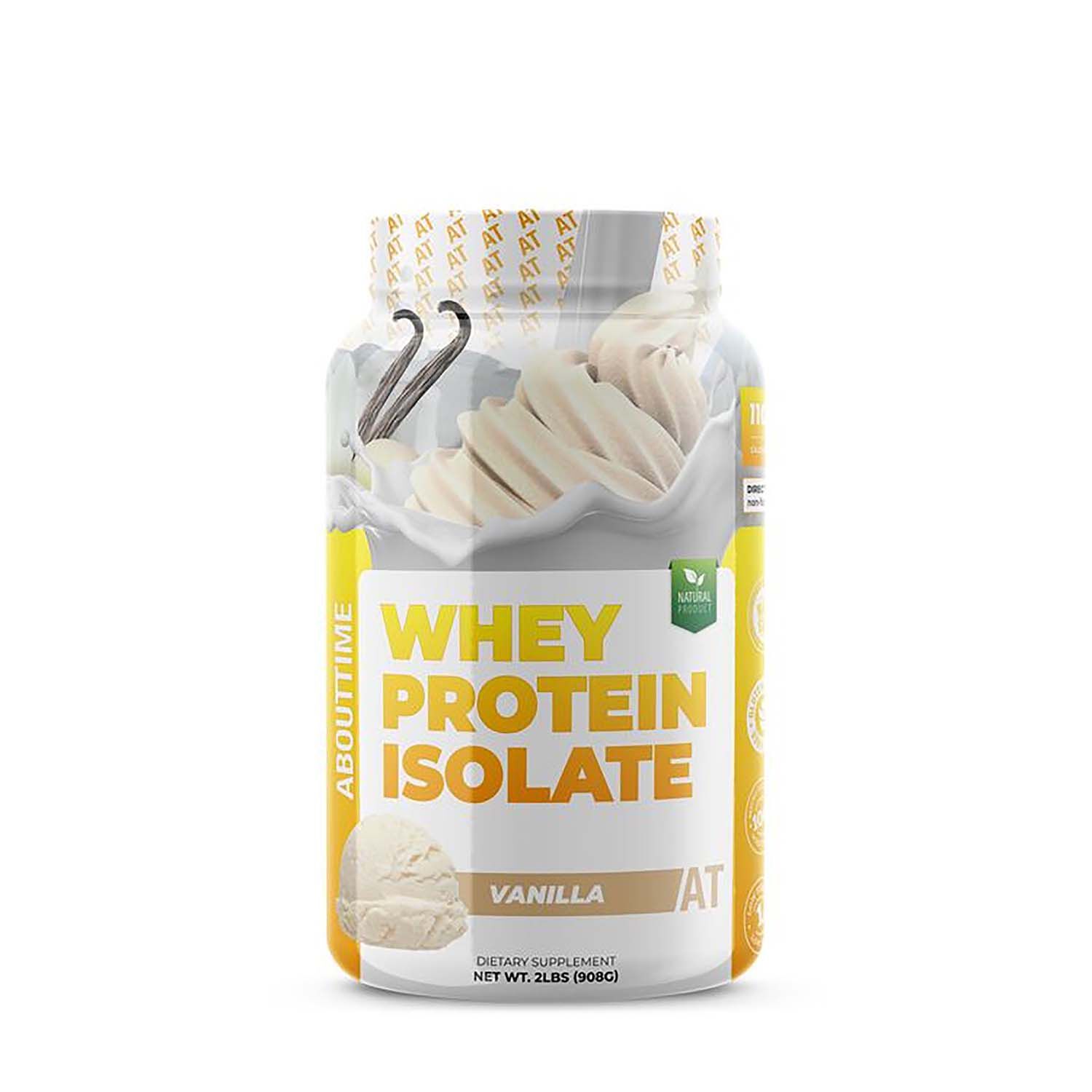
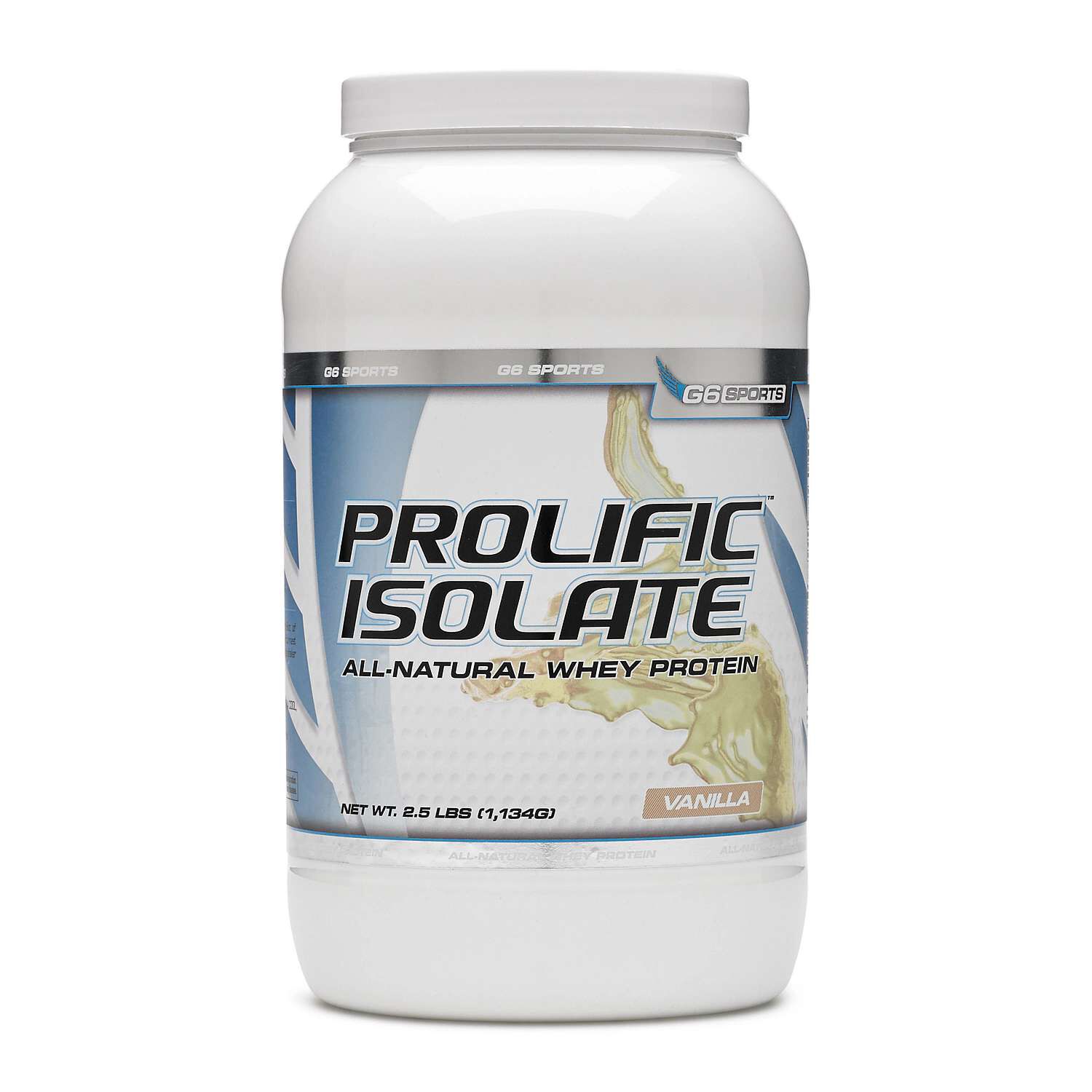
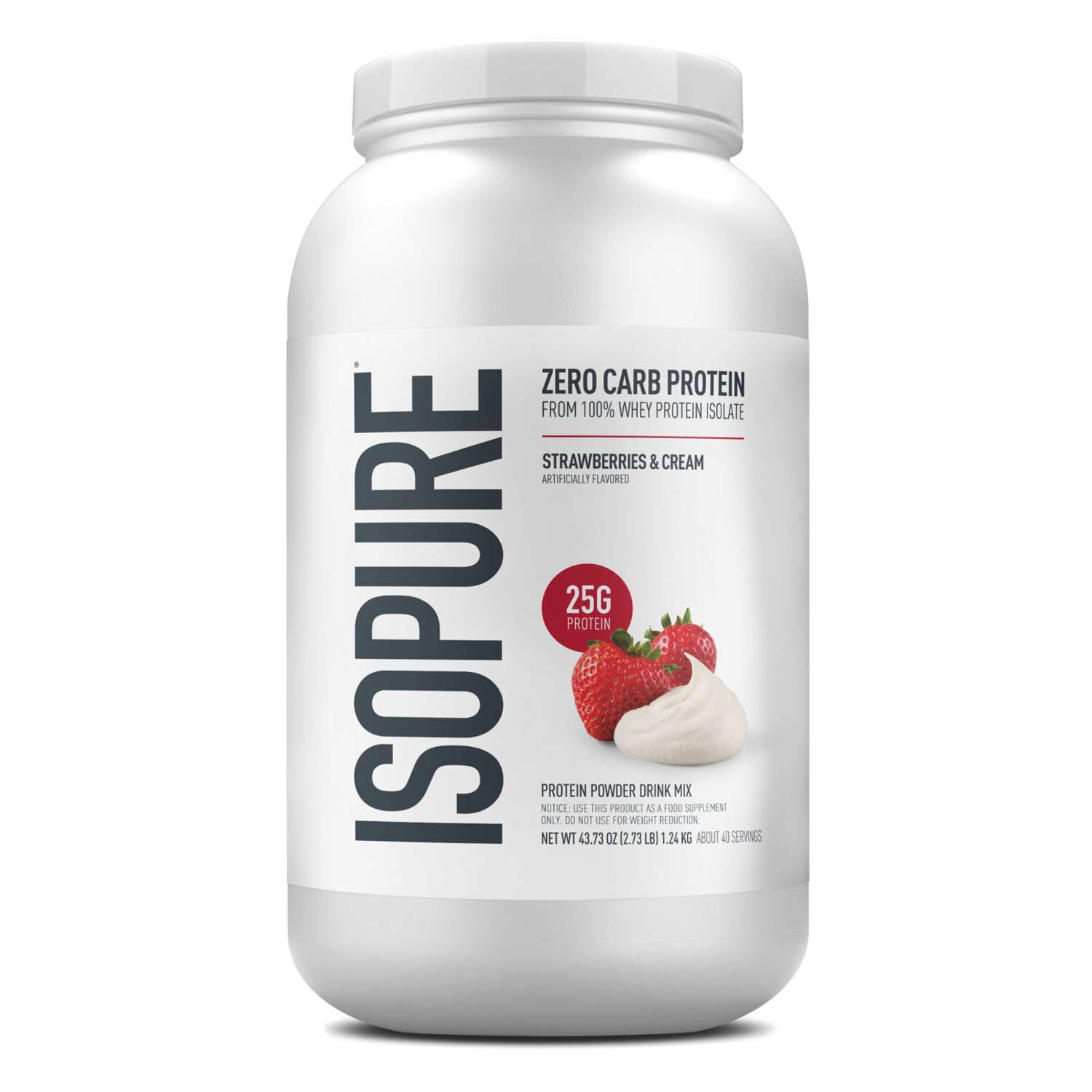
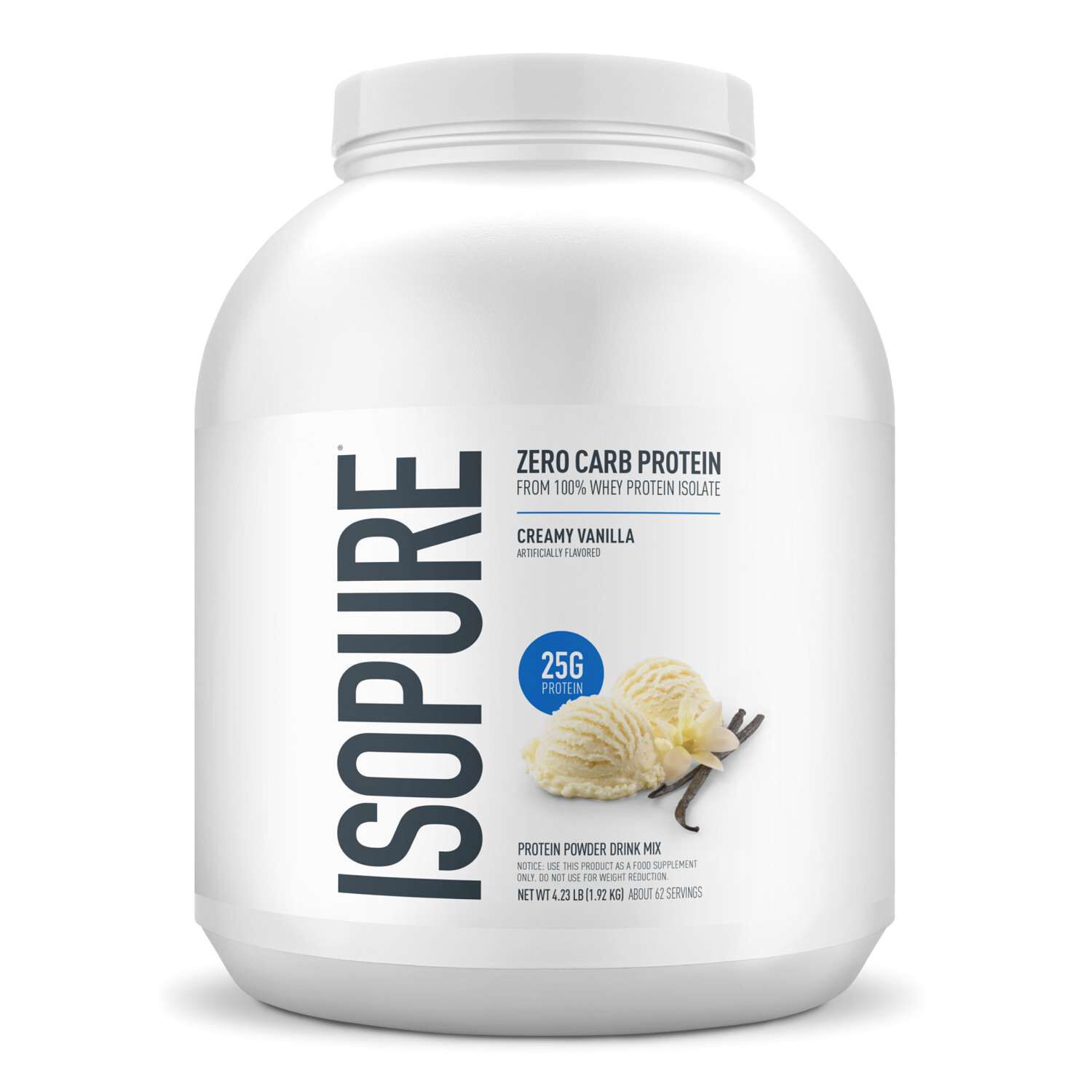
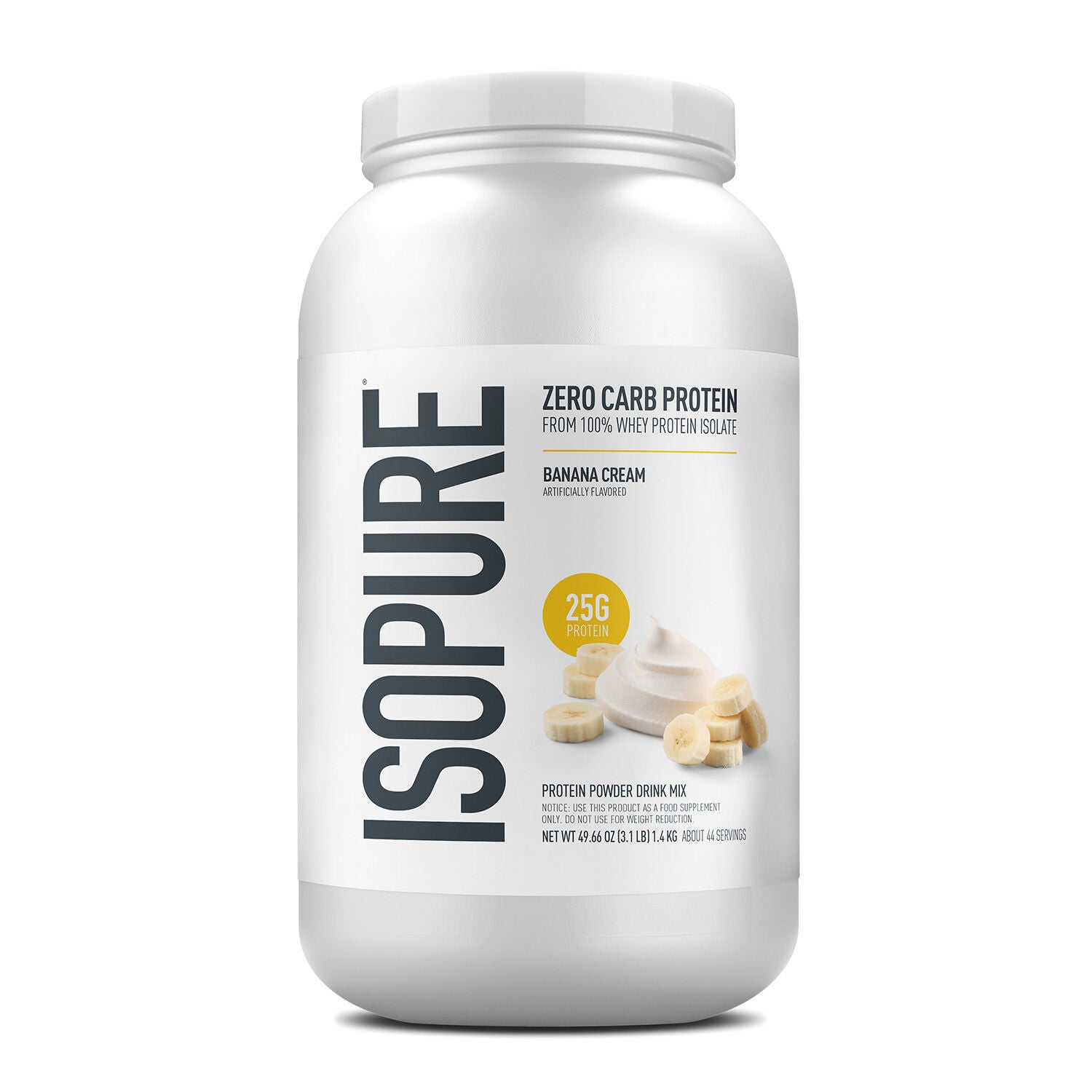
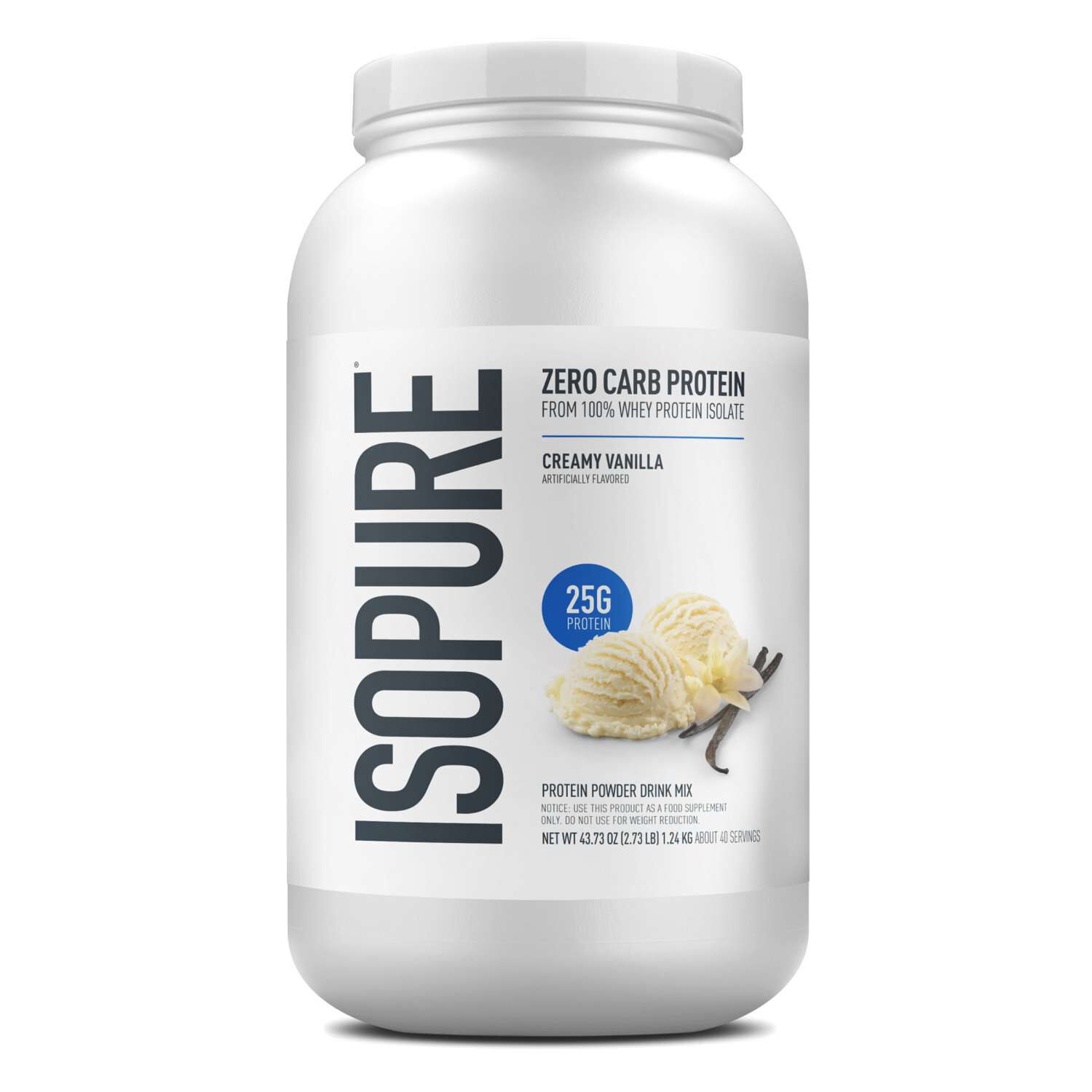


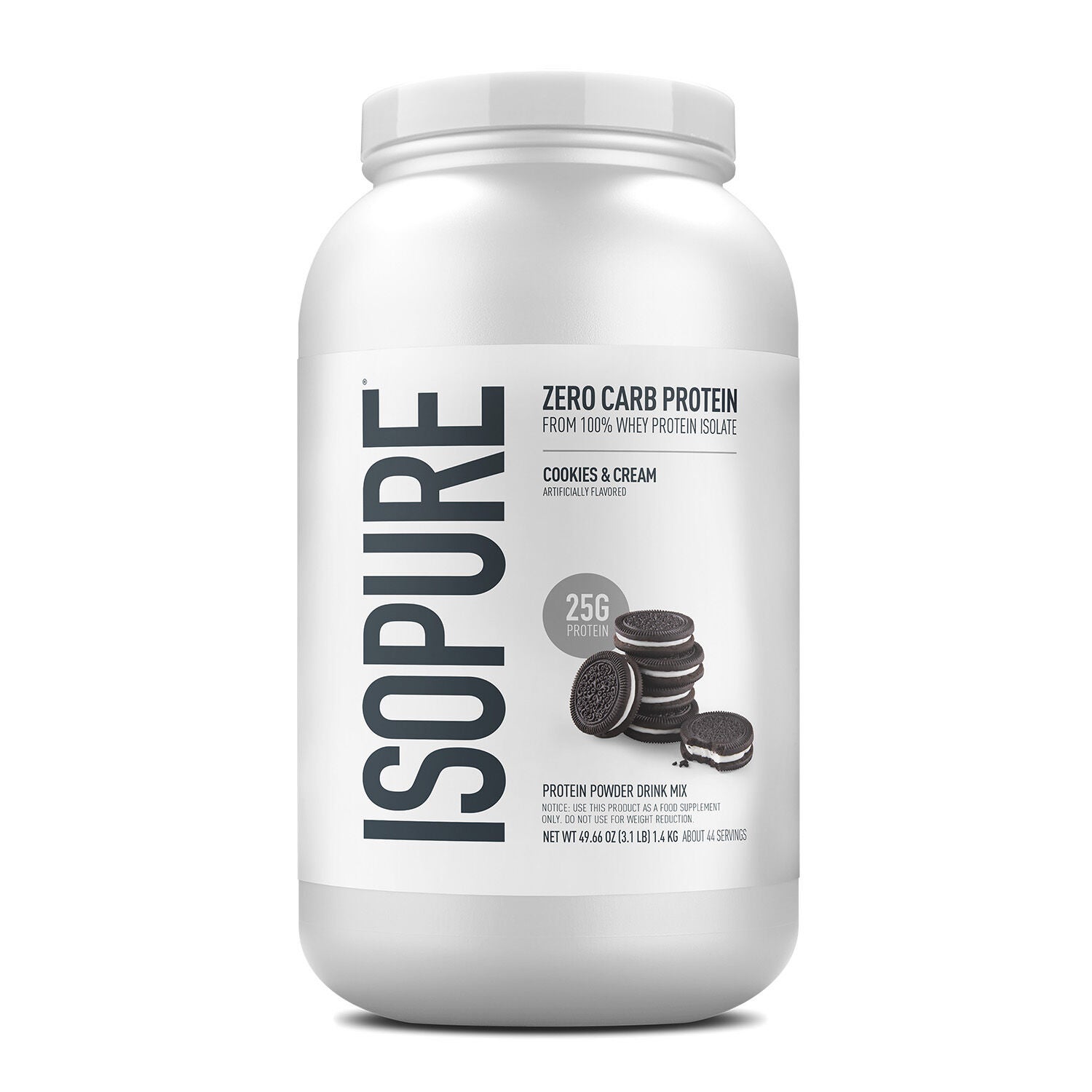
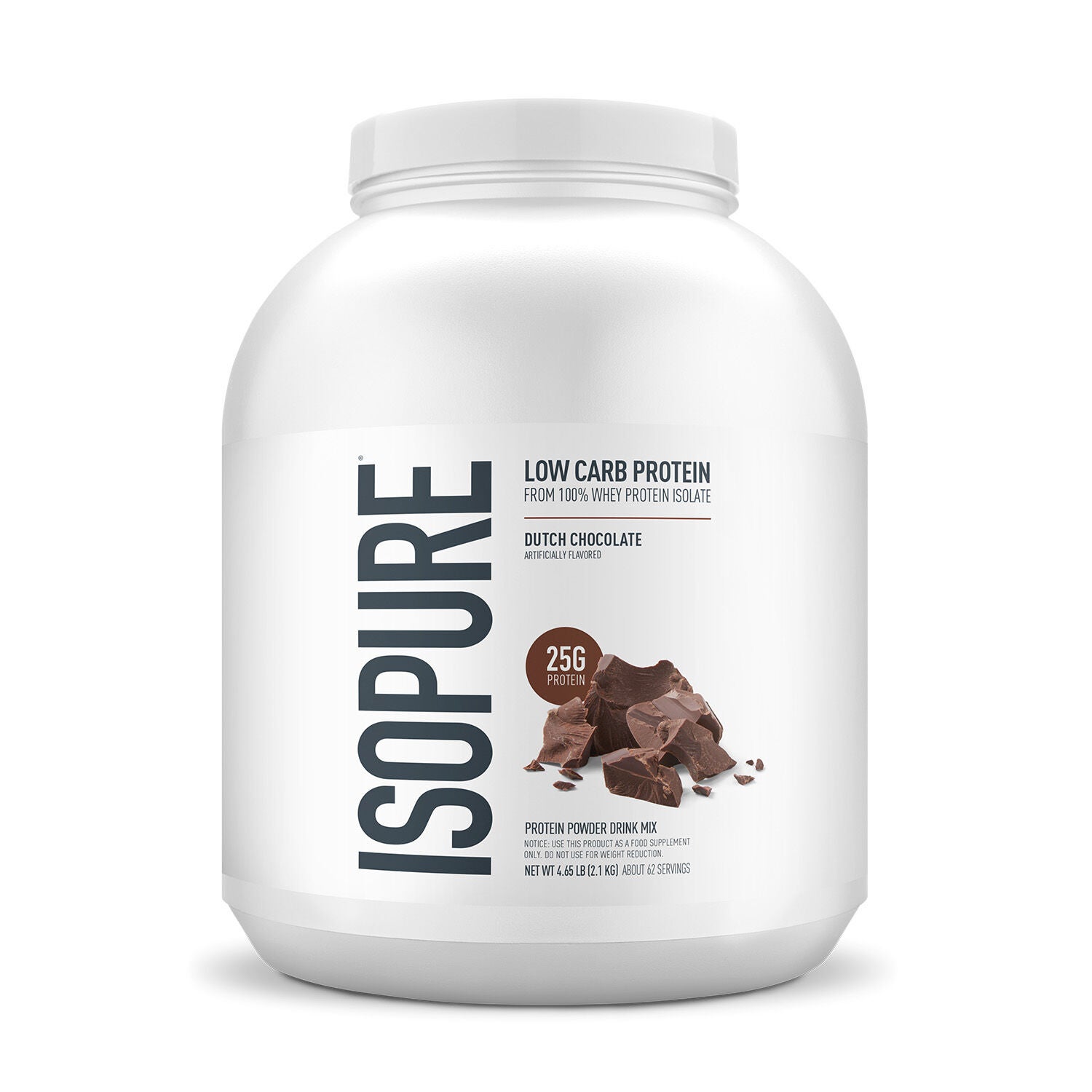

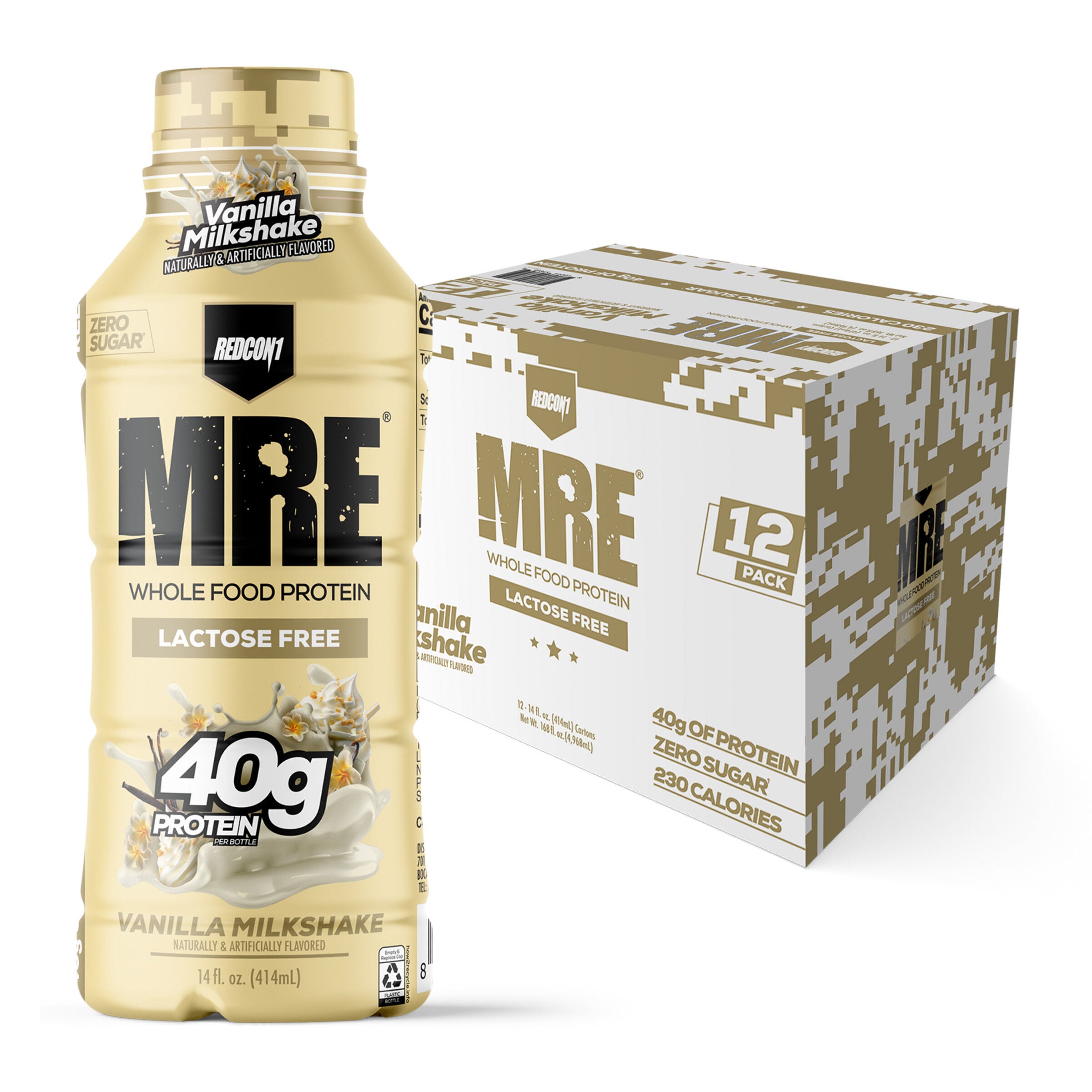
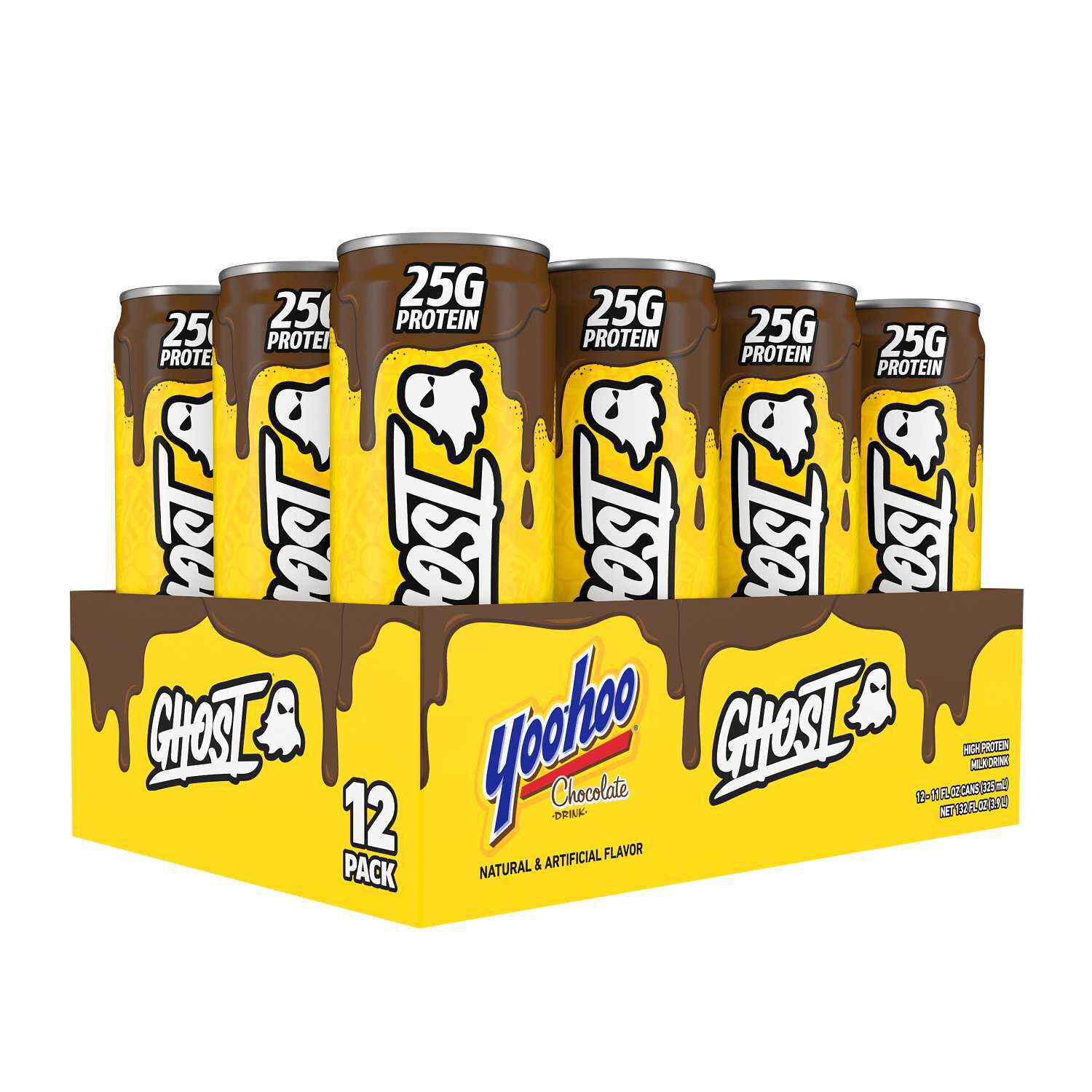
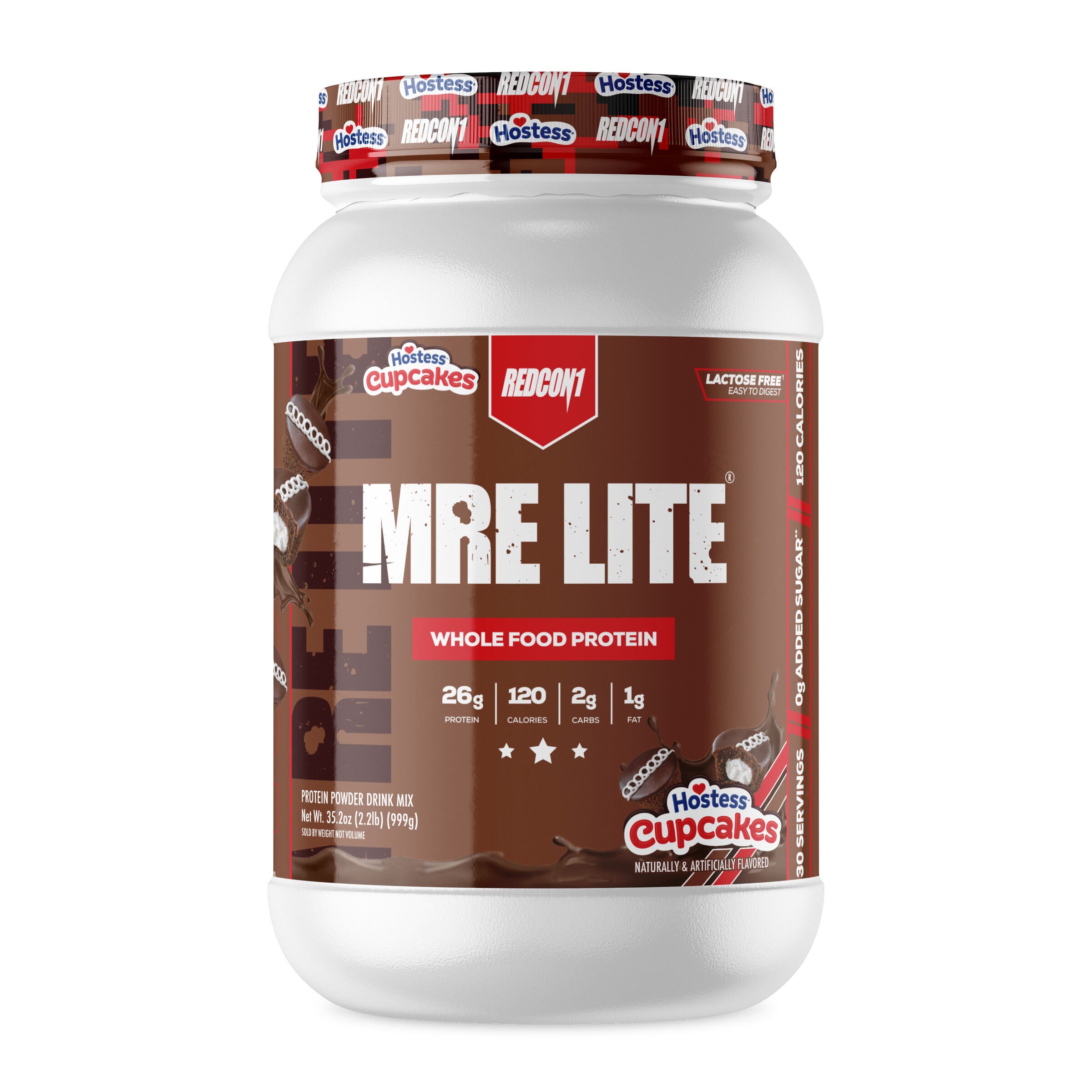

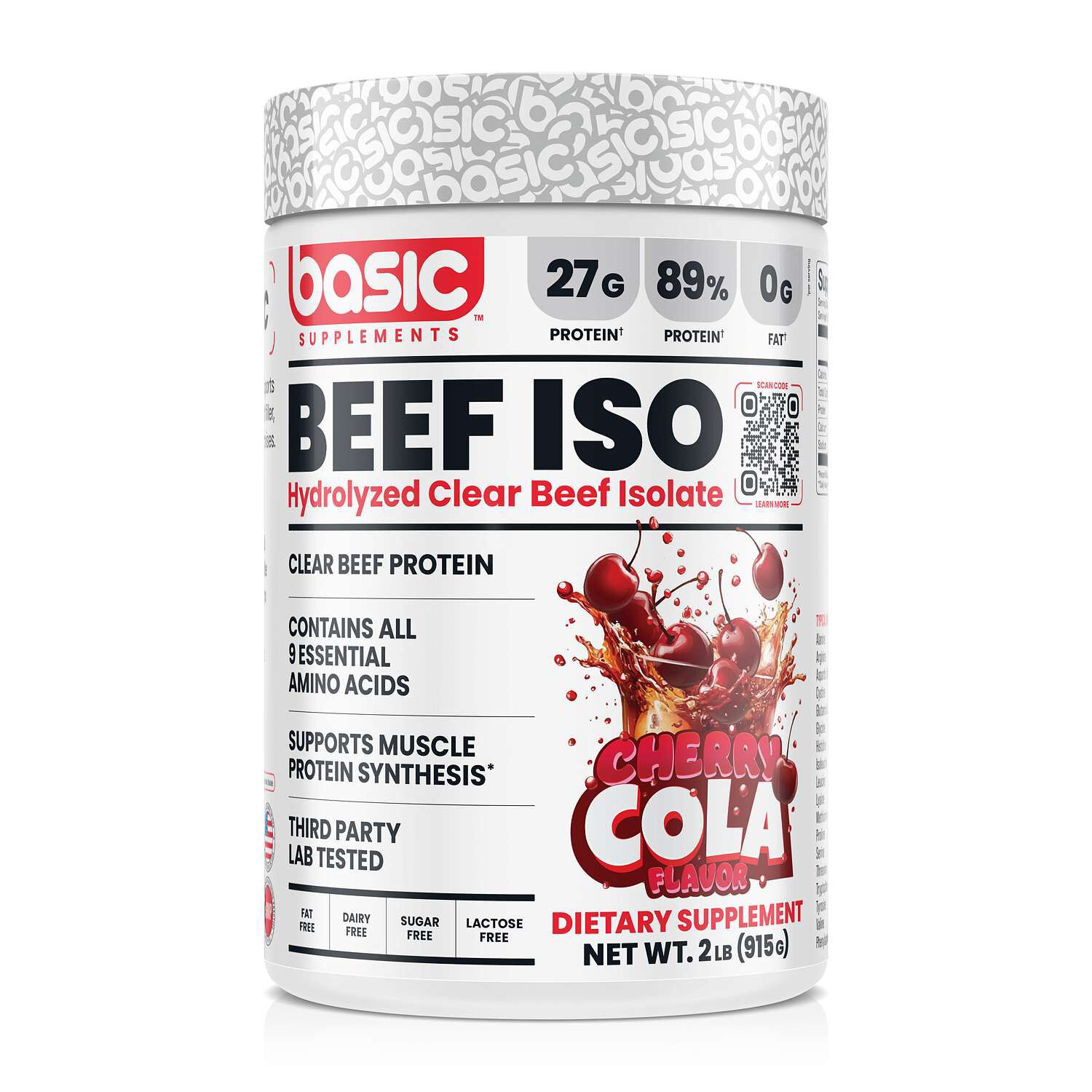
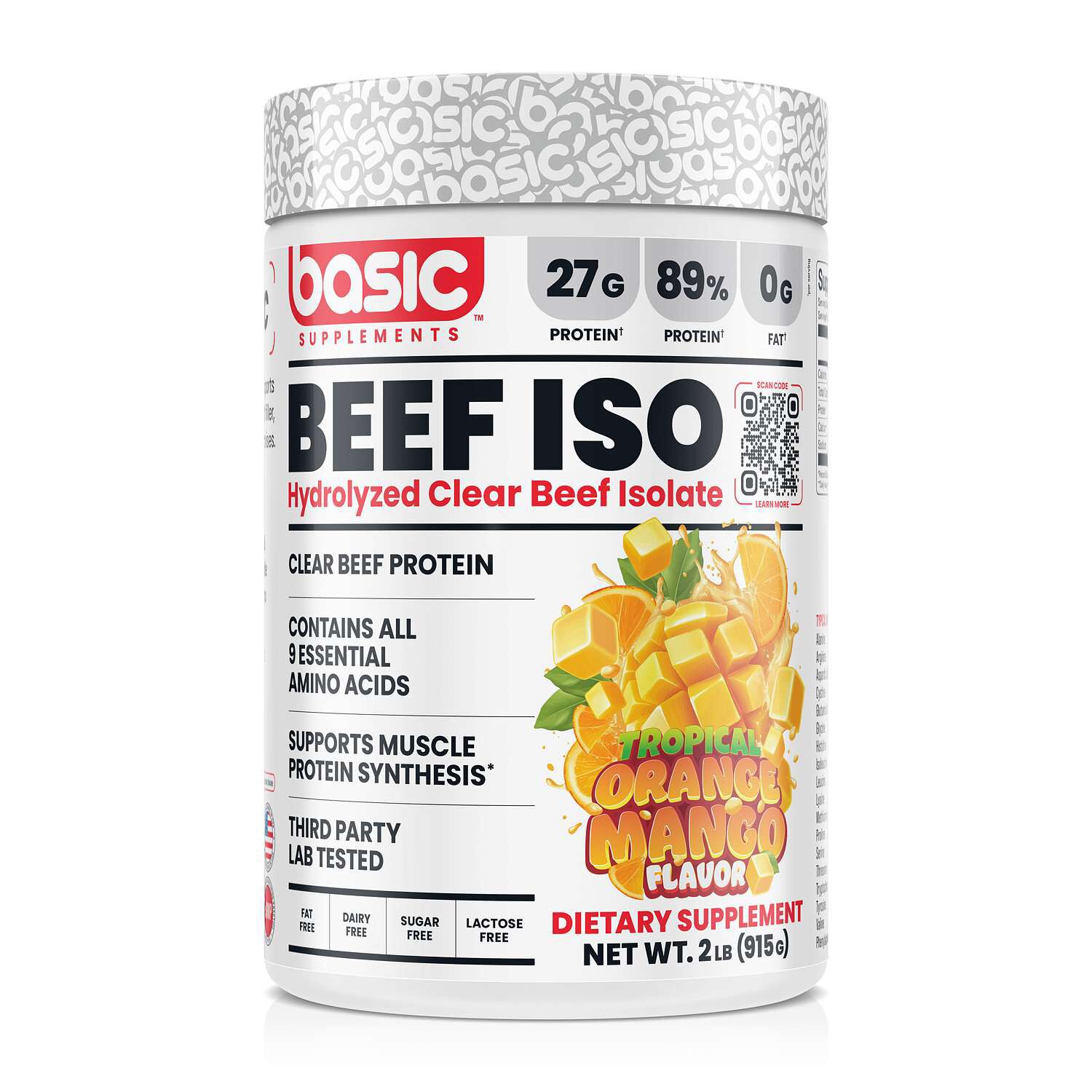

Protein shakes without lactose are beverages made with protein sources and ingredients chosen to exclude lactose, the naturally occurring sugar in milk. They include plant-based formulas as well as dairy-based formulas processed to remove or break down lactose. That distinction matters when comparing shakes: avoiding lactose and avoiding milk are different preferences, and a drink made with dairy protein still contains milk ingredients even when lactose is absent. Plant-based options commonly use pea, soy, brown rice, or pumpkin seed protein, sometimes combining several sources in one formula. Their liquid base might include water, coconut milk, or another plant-derived beverage. Dairy-based options may use milk protein, whey, or casein, with filtration, the enzyme lactase, or a combination of processing methods used to address lactose. Lactase breaks lactose into simpler sugars, while filtration separates components of milk. Neither a reference to filtration nor the presence of whey isolate establishes that a finished shake contains no lactose; the package’s specific lactose statement provides a more useful distinction. For shoppers comparing dairy-based formulas, Milk Protein Shakes offer a related category, though milk protein alone does not indicate the lactose content of a particular formula. Ingredient lists and milk allergen statements remain relevant even when a shake is labeled as containing no lactose. Likewise, a plant-based description does not replace checking the full ingredient list for other ingredients that matter to the shopper. Some people choose these shakes because they prefer to leave lactose out of their everyday food choices, while others are looking for a plant-based beverage or a dairy-style drink with a familiar flavor profile. The most meaningful comparison starts with the finished formula rather than a single ingredient or a broad category name. Protein source, lactose labeling, serving size, and the rest of the ingredient list together create a clearer picture of what is in the bottle or prepared glass.
Format is another practical difference among protein shakes without lactose. Ready-to-drink bottles and cartons require no measuring or mixing, which may suit a packed work bag, a short break between appointments, or a trip from the gym to the office. Powdered mixes involve an extra preparation step but allow the shopper to choose a mixing liquid and adjust the amount used within the package directions. A powder labeled as containing no lactose still needs a suitable mixing liquid if the finished shake is also intended to contain no lactose. Water or a plant-derived beverage keeps that choice distinct from conventional milk, while milk specifically labeled without lactose offers another option for shoppers who prefer dairy ingredients. Nutrition comparisons are most useful when they refer to the same serving amount. Protein grams per serving, calories, carbohydrates, fat, sodium, and added sugars each describe a different part of the formula; two similar-looking bottles need not have similar nutrition panels. Serving size also matters when a container holds more than one serving or a powder calls for more than one scoop. The absence of lactose does not mean a drink is unsweetened. Other sugars may be present, and formulas may include sweeteners such as stevia or monk fruit. Flavor and texture deserve attention alongside the nutrition panel, especially for a shake that will become part of a regular routine. Vanilla, chocolate, and coffee-inspired profiles each bring a different character to the drink, while cocoa, oils, fibers, and thickening ingredients contribute to the composition of the formula. A richer texture may appeal to someone who enjoys a milkshake-style sip, whereas a lighter consistency might suit someone who prefers a less substantial beverage alongside a snack. Coffee-inspired flavors also make caffeine information worth checking. A shake selected primarily for its protein content is not automatically interchangeable with a meal; products described as meal replacements have a different intended use. Matching the format and label to the occasion helps keep comparisons grounded in the actual beverage rather than the flavor name alone.
Everyday use often comes down to small details that are easy to overlook when comparing ingredient lists. A single-serving carton may fit neatly beside a sandwich in a lunch bag, while a resealable bottle might suit someone who prefers to drink a portion at a time. Package dimensions, closure style, and the need for refrigeration all affect how a shake fits into a commute, desk drawer, or gym bag. Shelf-stable packaging does not mean the same storage conditions apply after opening, and refrigerated shakes have their own handling requirements. The package directions identify whether an unopened drink needs refrigeration, how to handle it after opening, and whether shaking before drinking is recommended. For powders, keeping the container closed and storing it as directed helps protect the contents from moisture. A clean, dry scoop and a thoroughly washed mixing bottle are useful parts of the preparation routine, particularly when the bottle has a removable seal or mixing insert. For reusable containers, food-contact materials, a secure lid, and openings that are accessible for washing are practical considerations; a bottle that is difficult to clean may be less convenient for frequent use. Directions for blending or shaking also matter because different formulas call for different amounts of liquid and preparation methods. Someone drinking a shake with breakfast might prefer a straightforward flavor beside oatmeal or toast, while someone packing an afternoon snack might choose a flavor that pairs with fruit or another familiar food. In a household where one person prefers plant-based ingredients and another prefers dairy, comparing the protein source and lactose statement makes those distinctions easier to keep clear. Ingredients such as soy, coconut, and milk also deserve attention when household food preferences differ. Selecting a protein shake without lactose is ultimately about finding a combination of ingredients, flavor, portion size, and packaging that may fit the way the beverage will be used. A clear label and practical preparation requirements make that comparison more useful than relying on appearance alone.
Best Sellers


Related Pages

Top Collections
- Daily Collagen Supplements | Top Brands & Deals | GNC
- Cortisol Supplements
- Top Rated Collagen | Shop Customer Favorites | GNC
- Vitamins For Hair Loss
- NAD+ Supplement Tablets
- Peptide Supplements
- Best Brand of Magnesium Glycinate
- Protein Powders For Muscle Growth Support
- Vitamins That Help Support Weight Gain
- Peptide Supplements for Muscle Growth