

Low Lactose Protein Powders For Muscle Gain
(0 Results)
Low lactose protein powders for muscle gain could offer a convenient way to support your fitness goals while accommodating dietary sensitivities. With a variety of options designed to fit active lifestyles, these protein powders may be suitable for those seeking to increase protein intake without the discomfort often associated with higher lactose products. Whether you’re looking to complement your workout routine or simply add more protein to your daily nutrition, exploring low lactose protein powders for muscle gain might help you find the right fit for your needs.

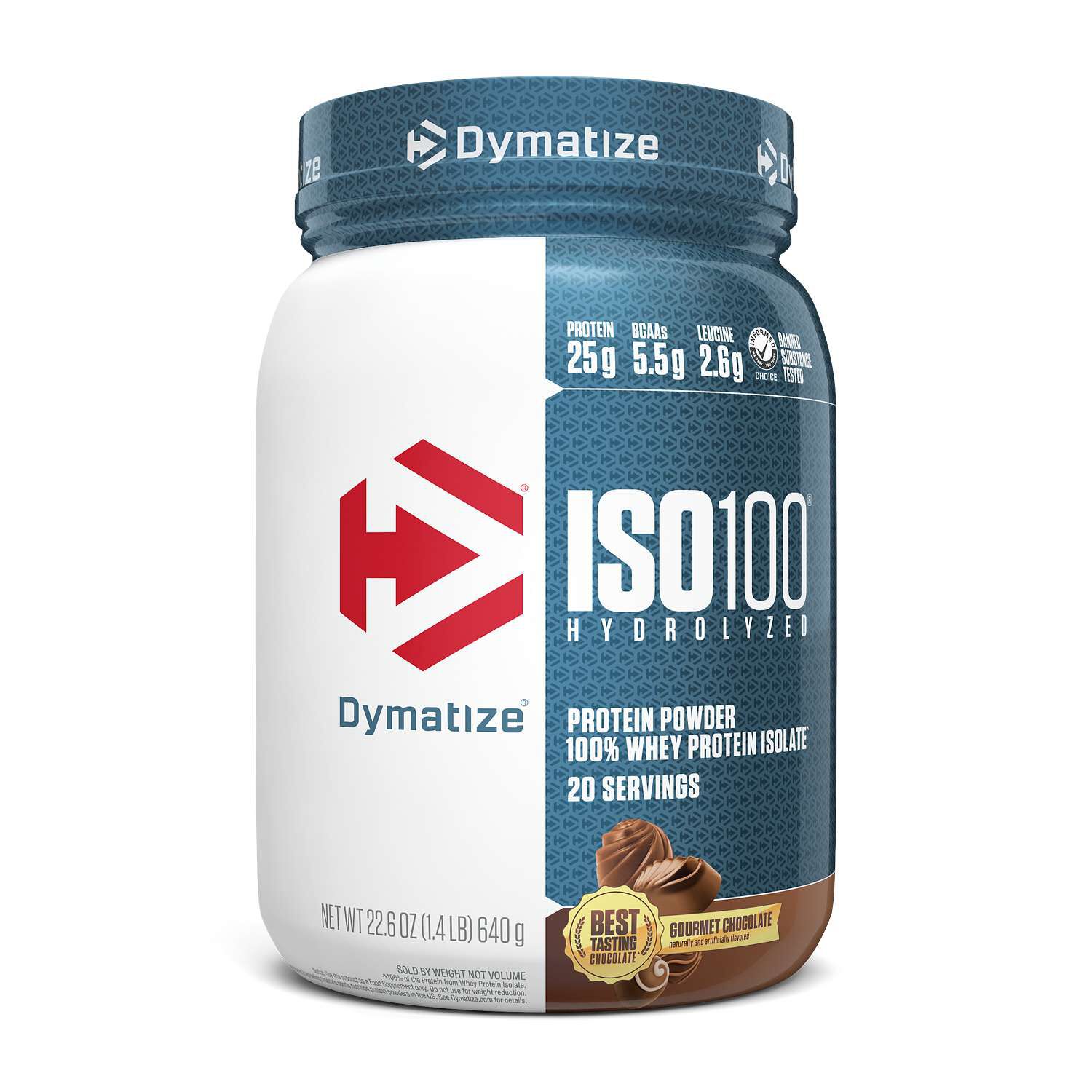
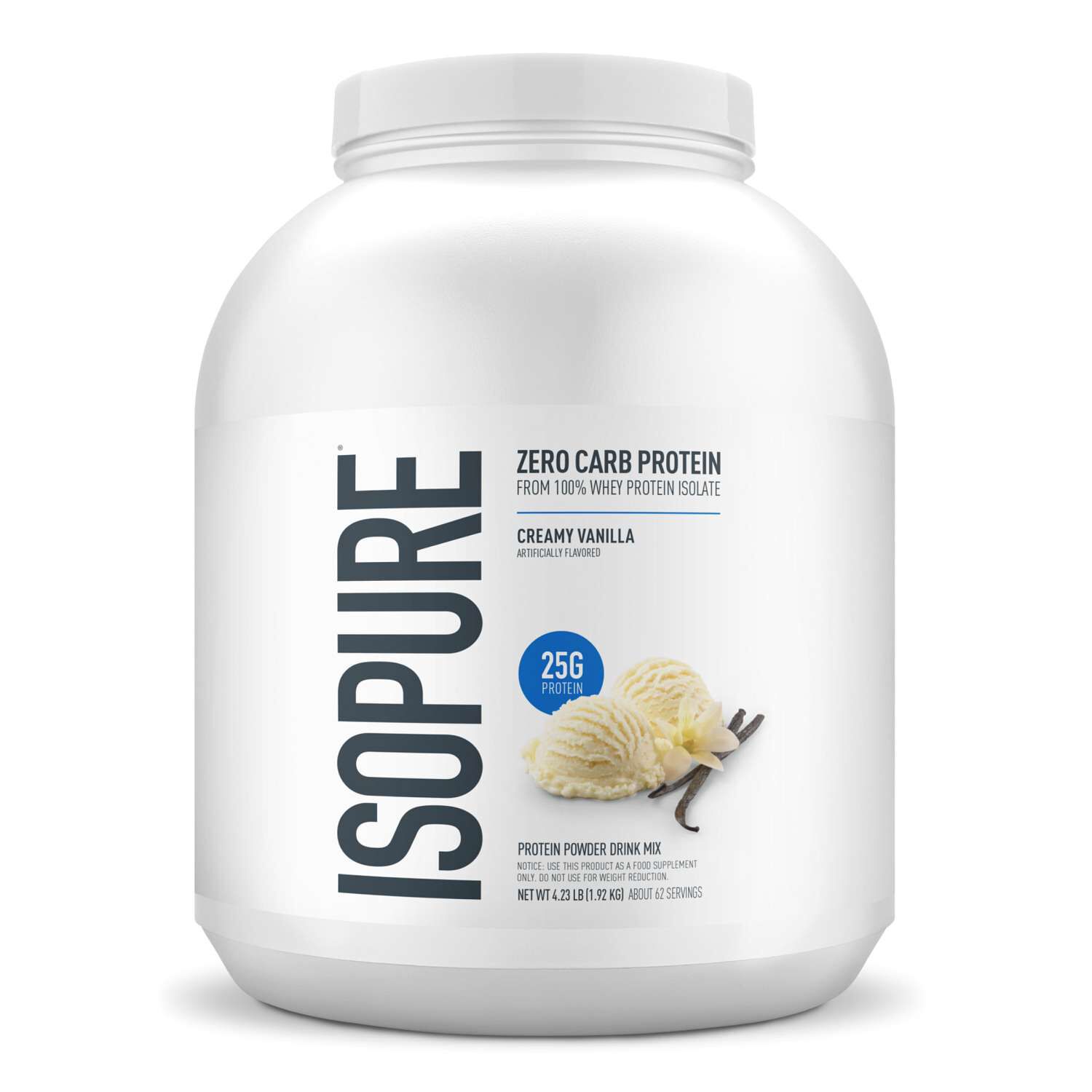


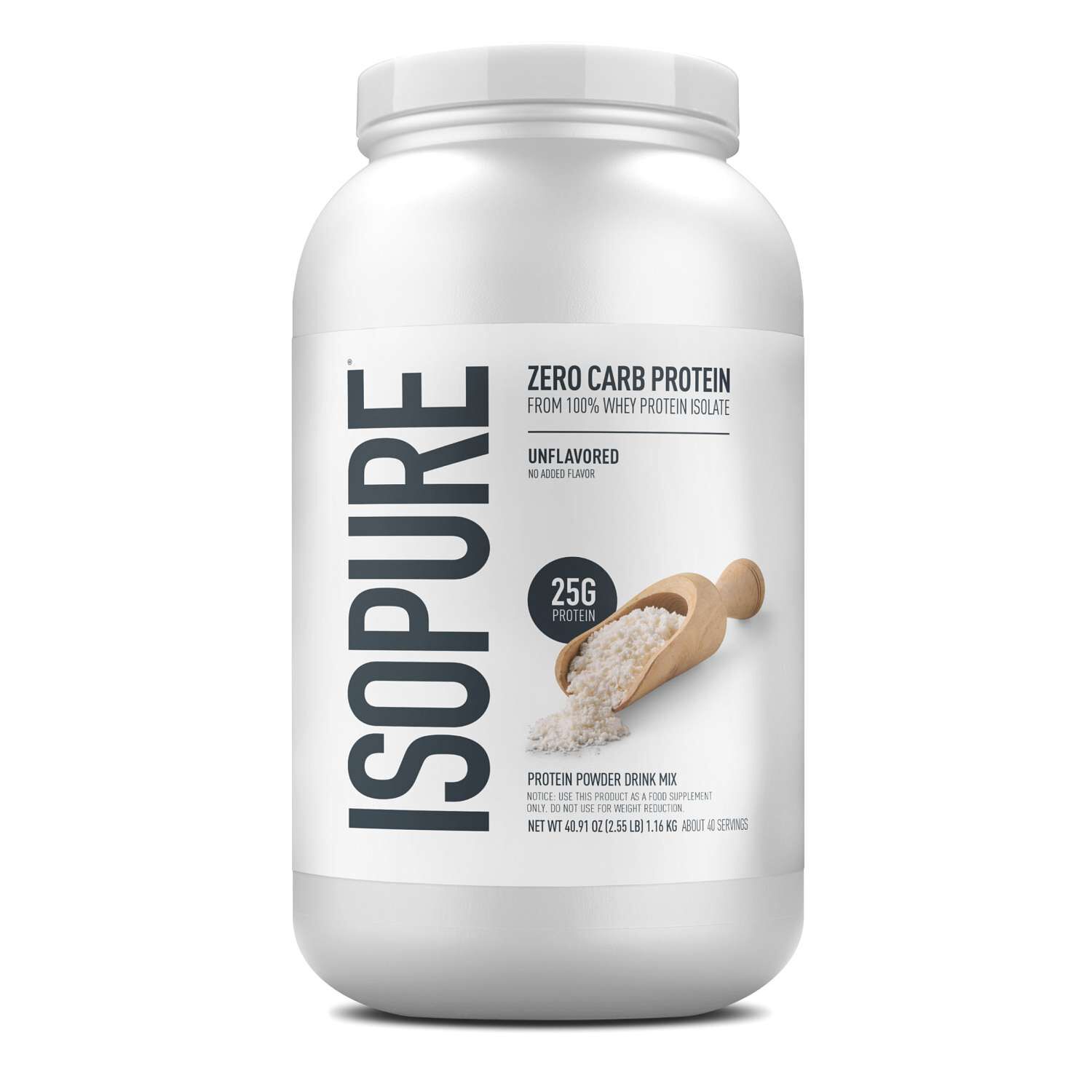
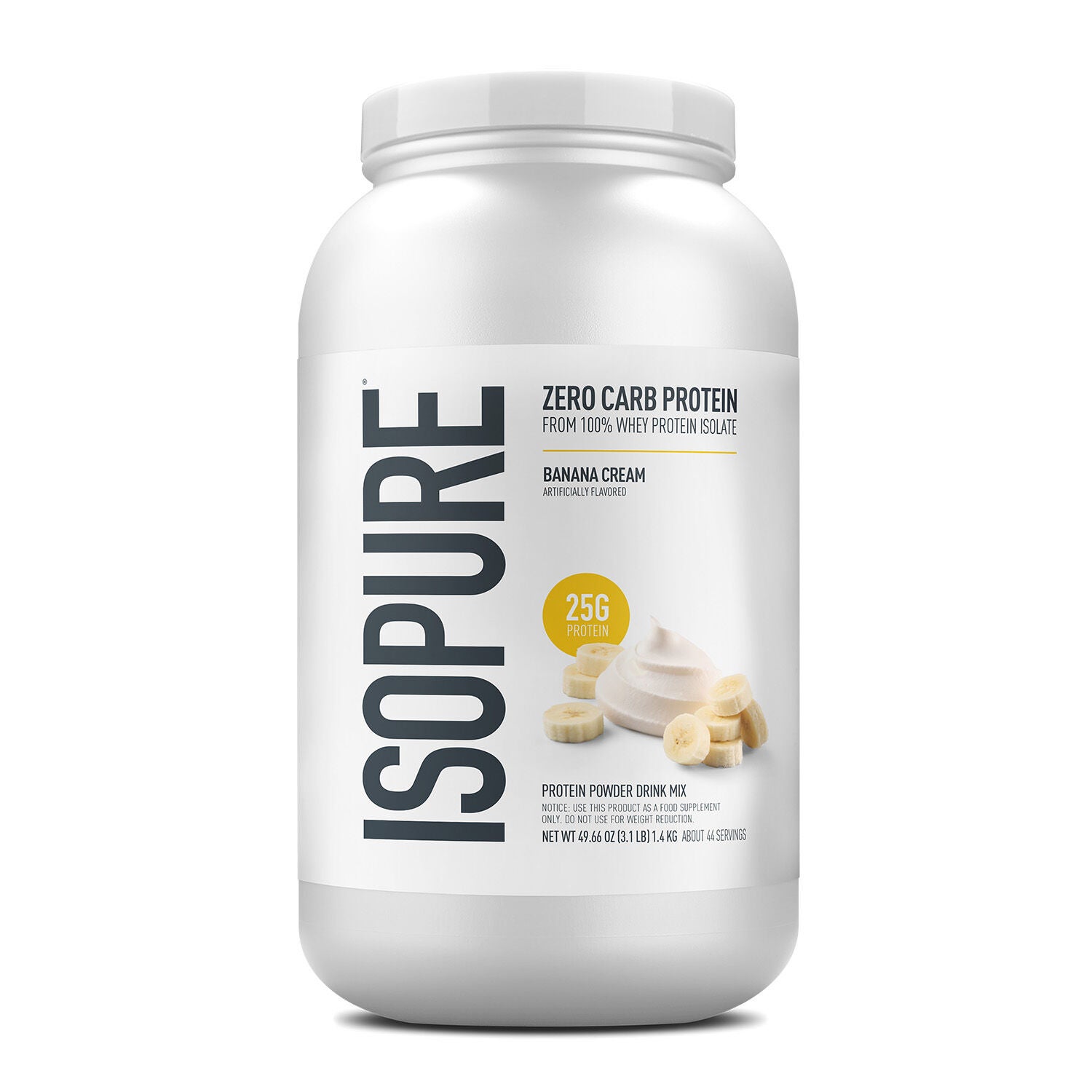
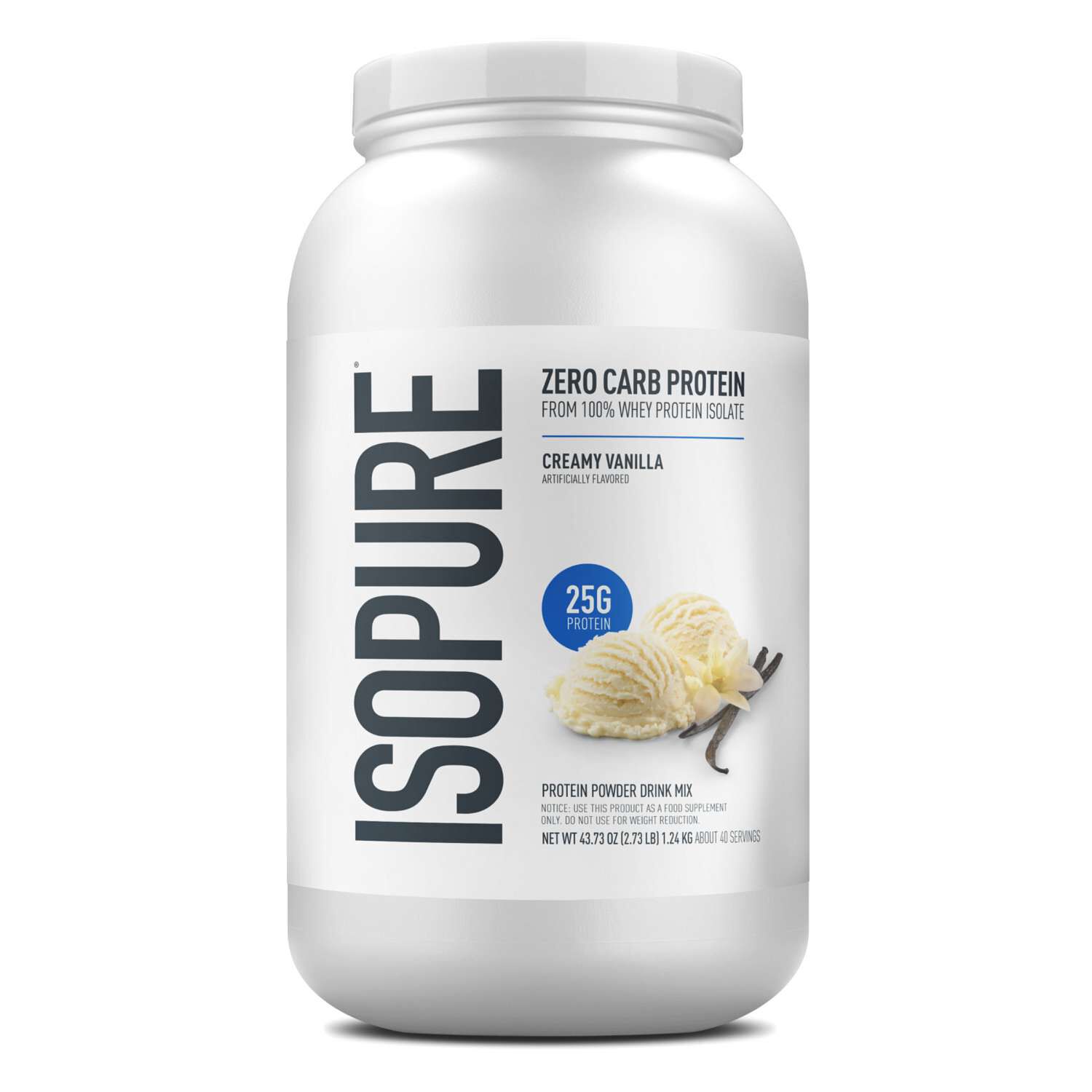
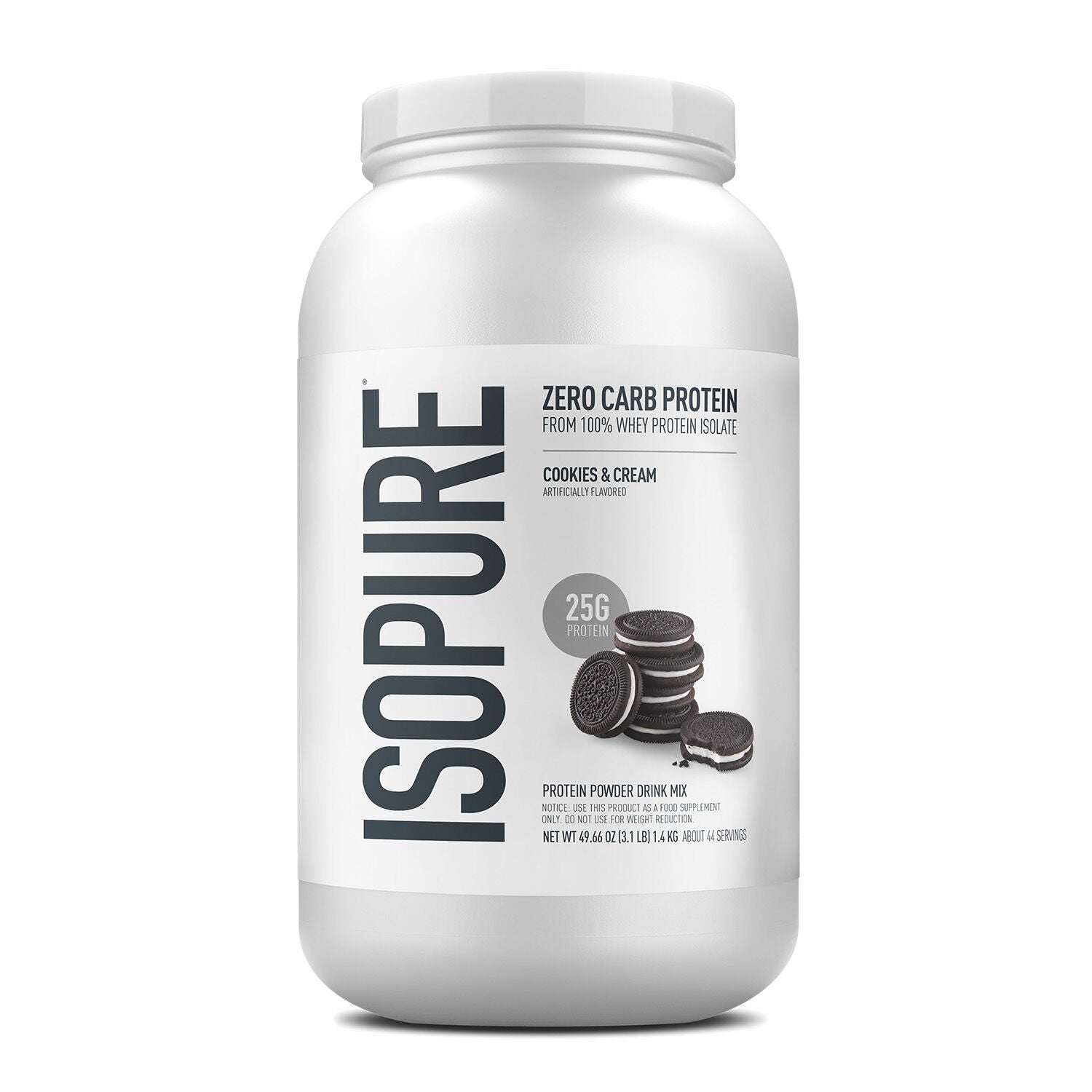
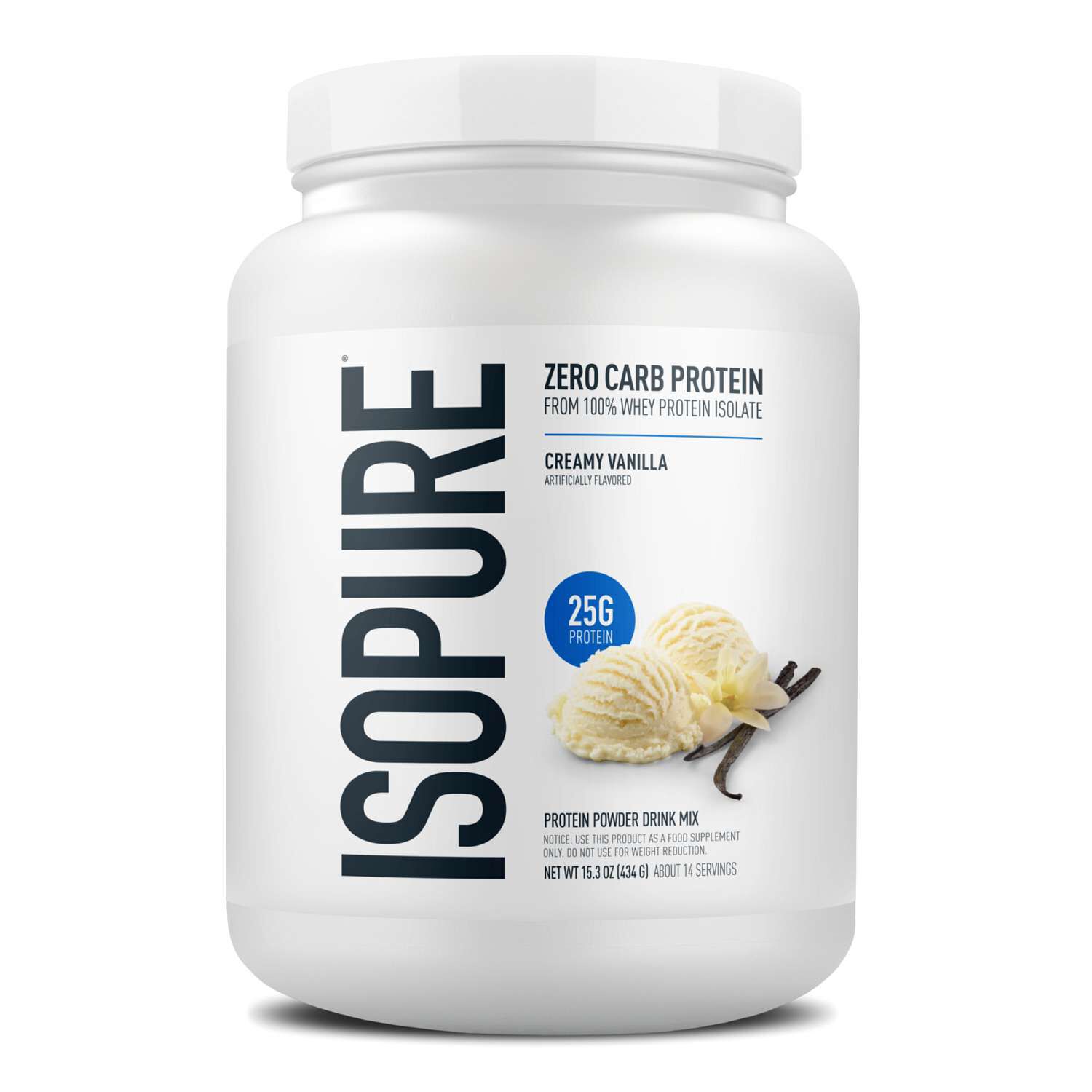
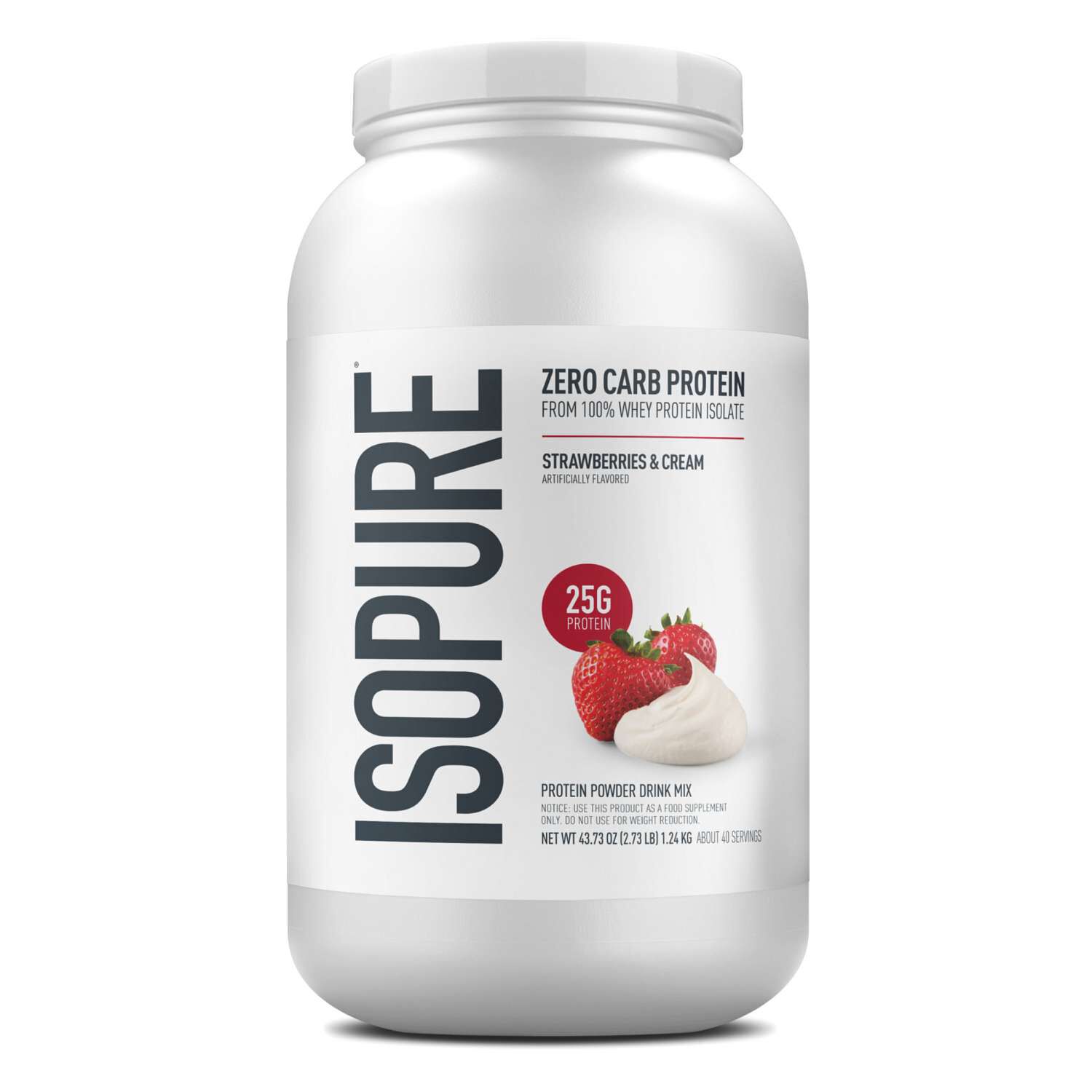

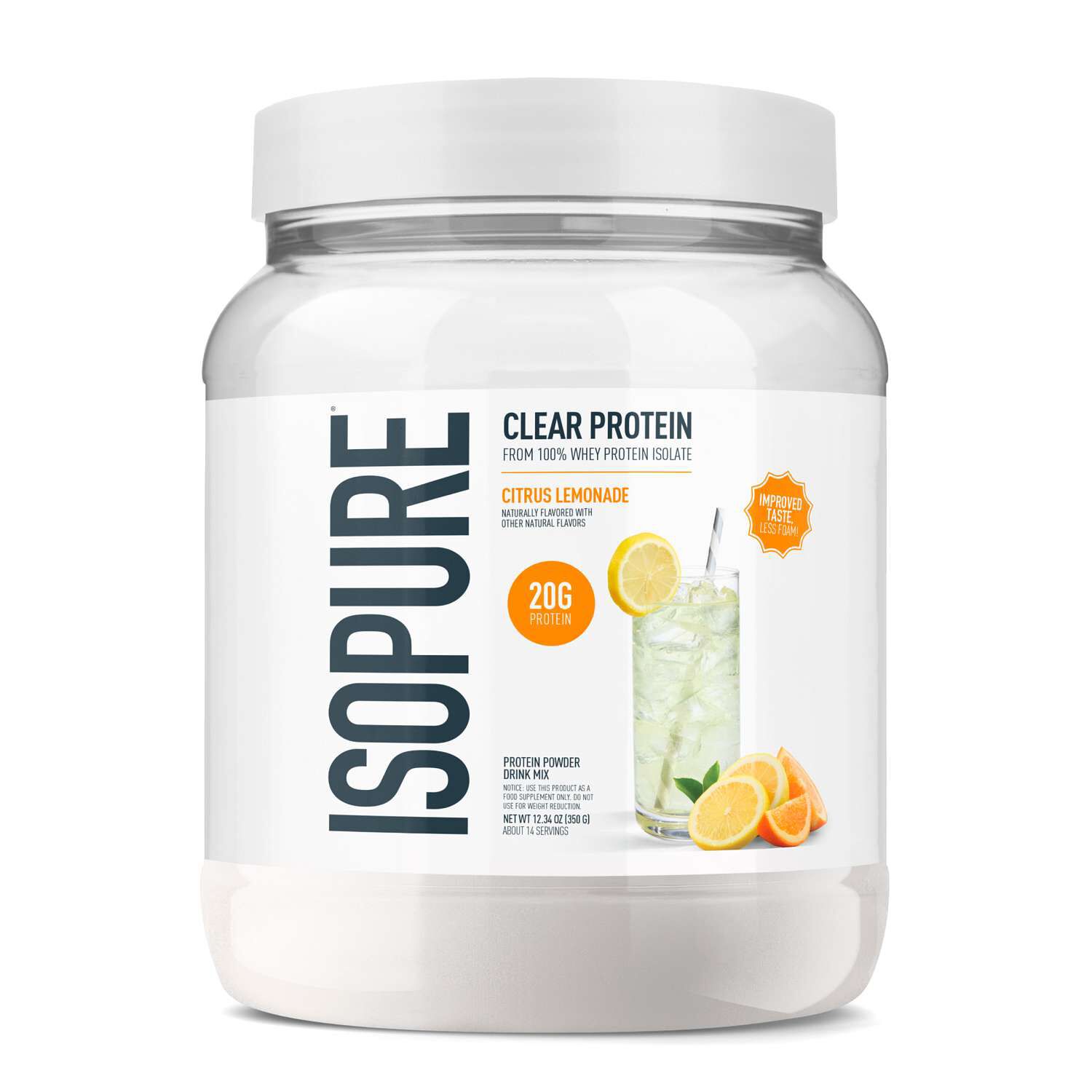
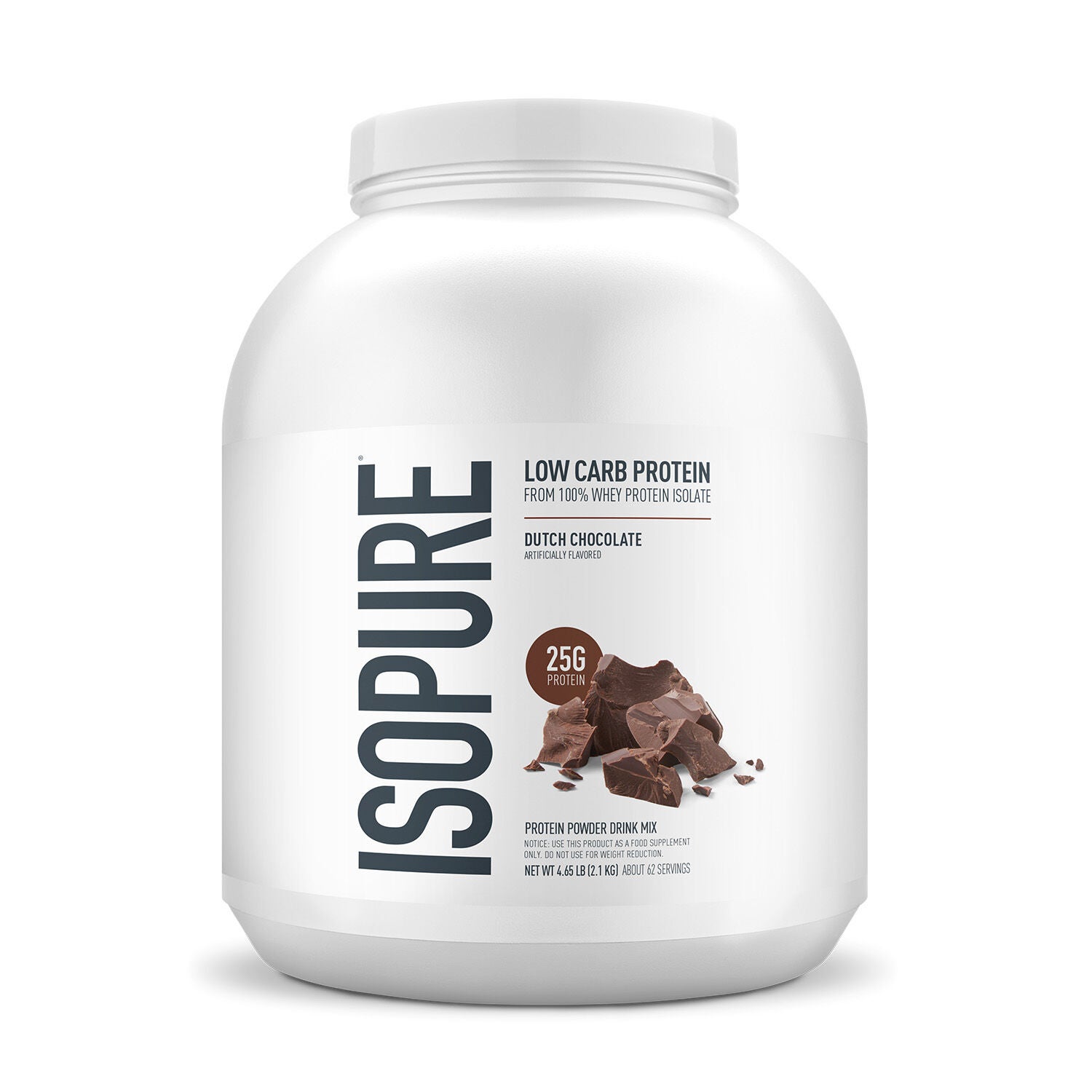

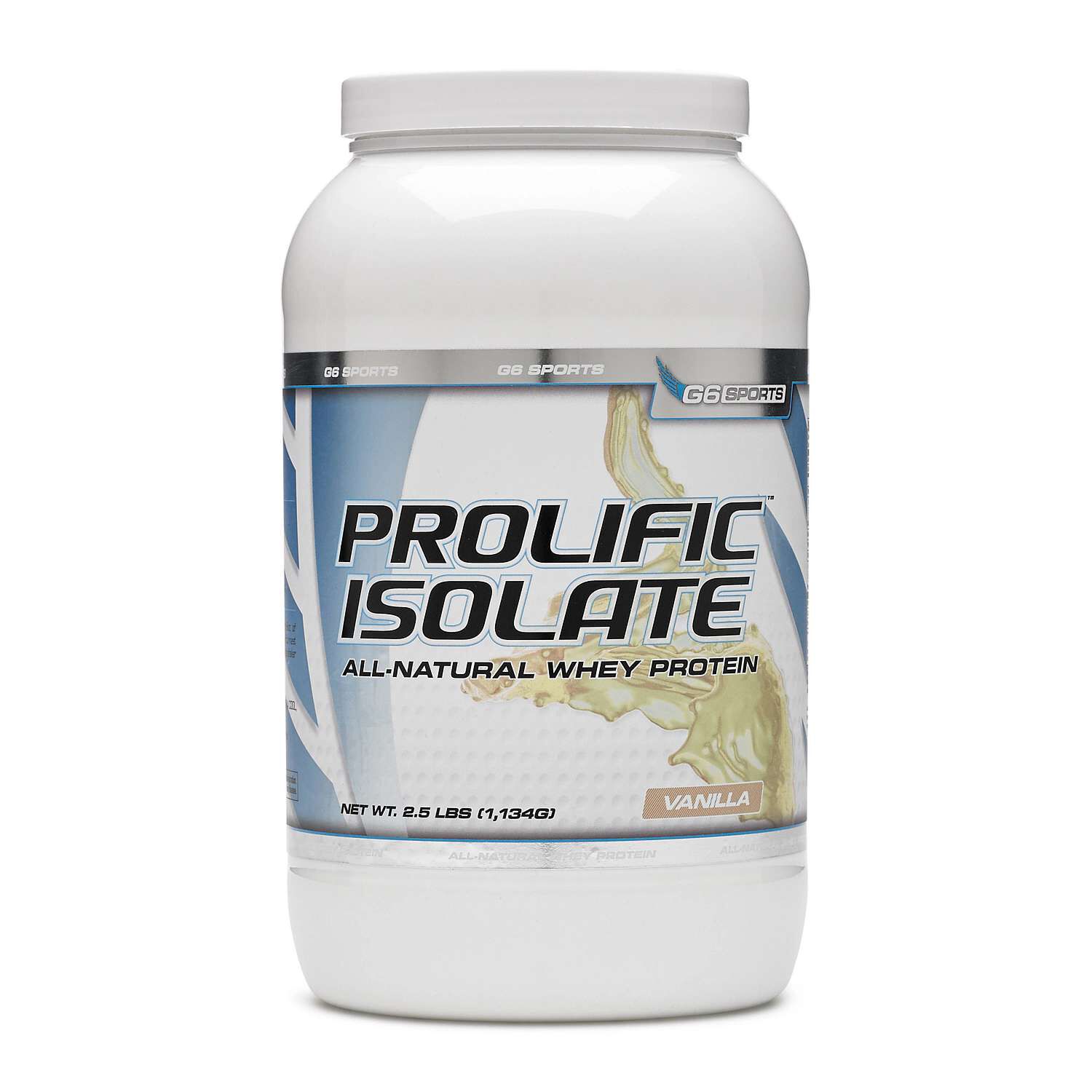

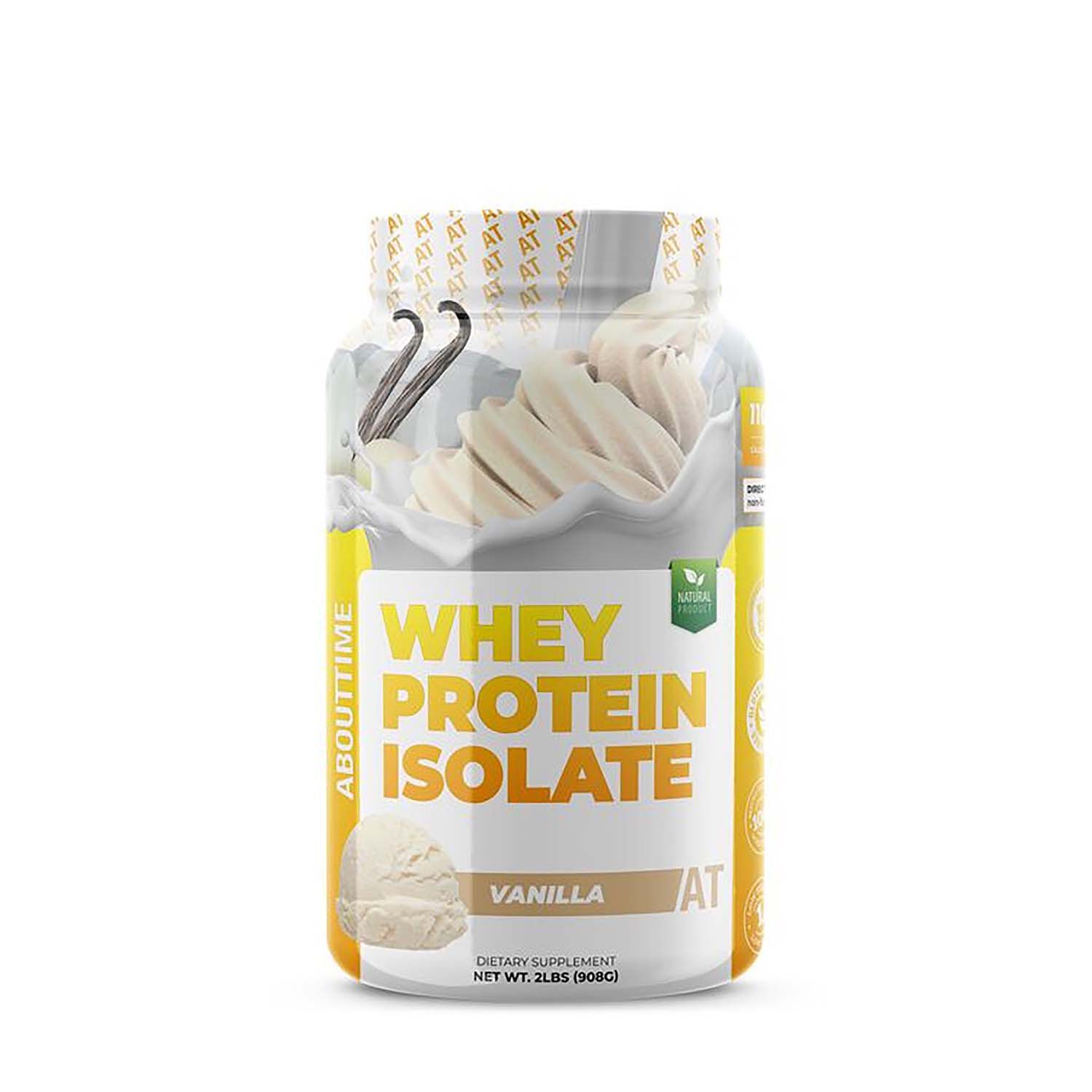


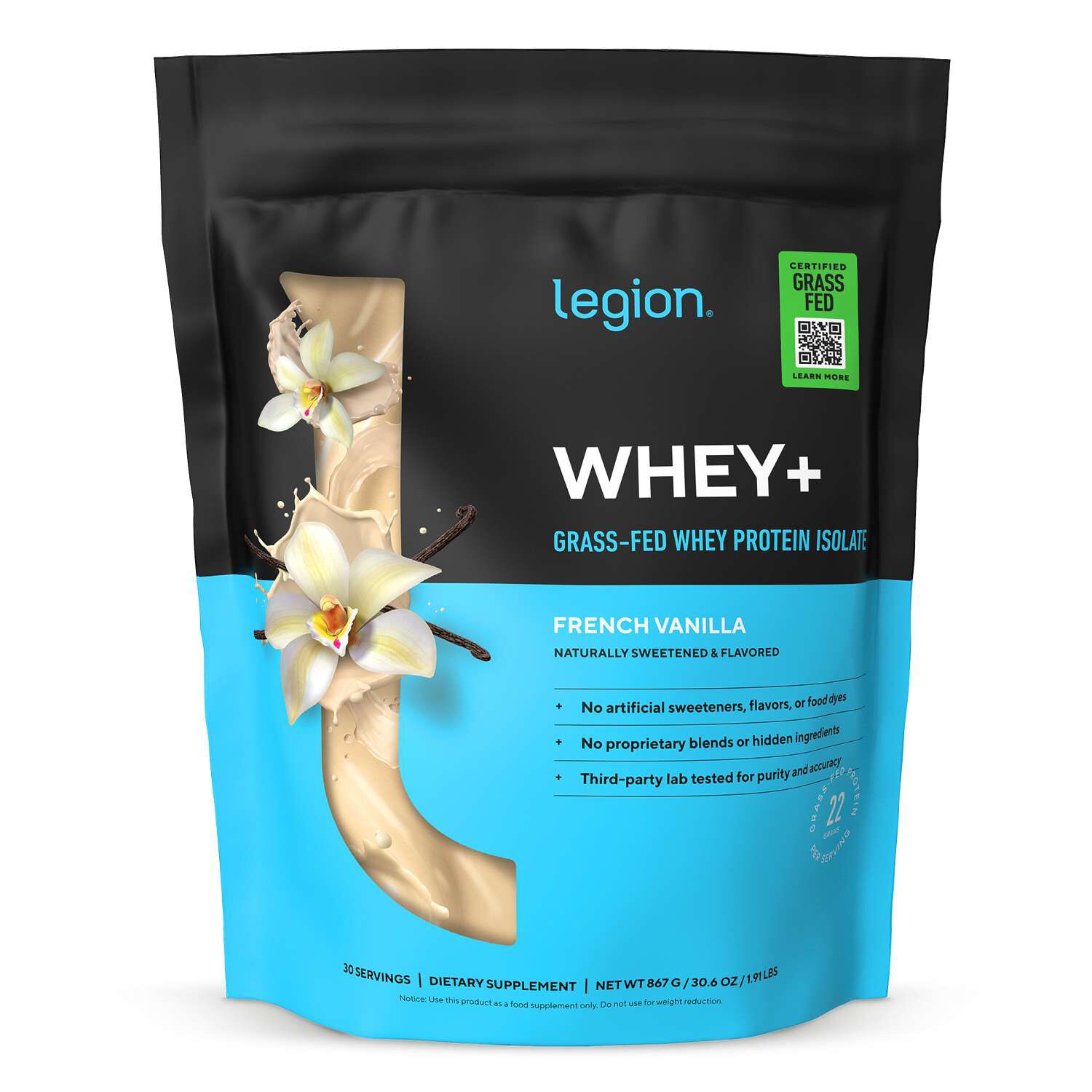
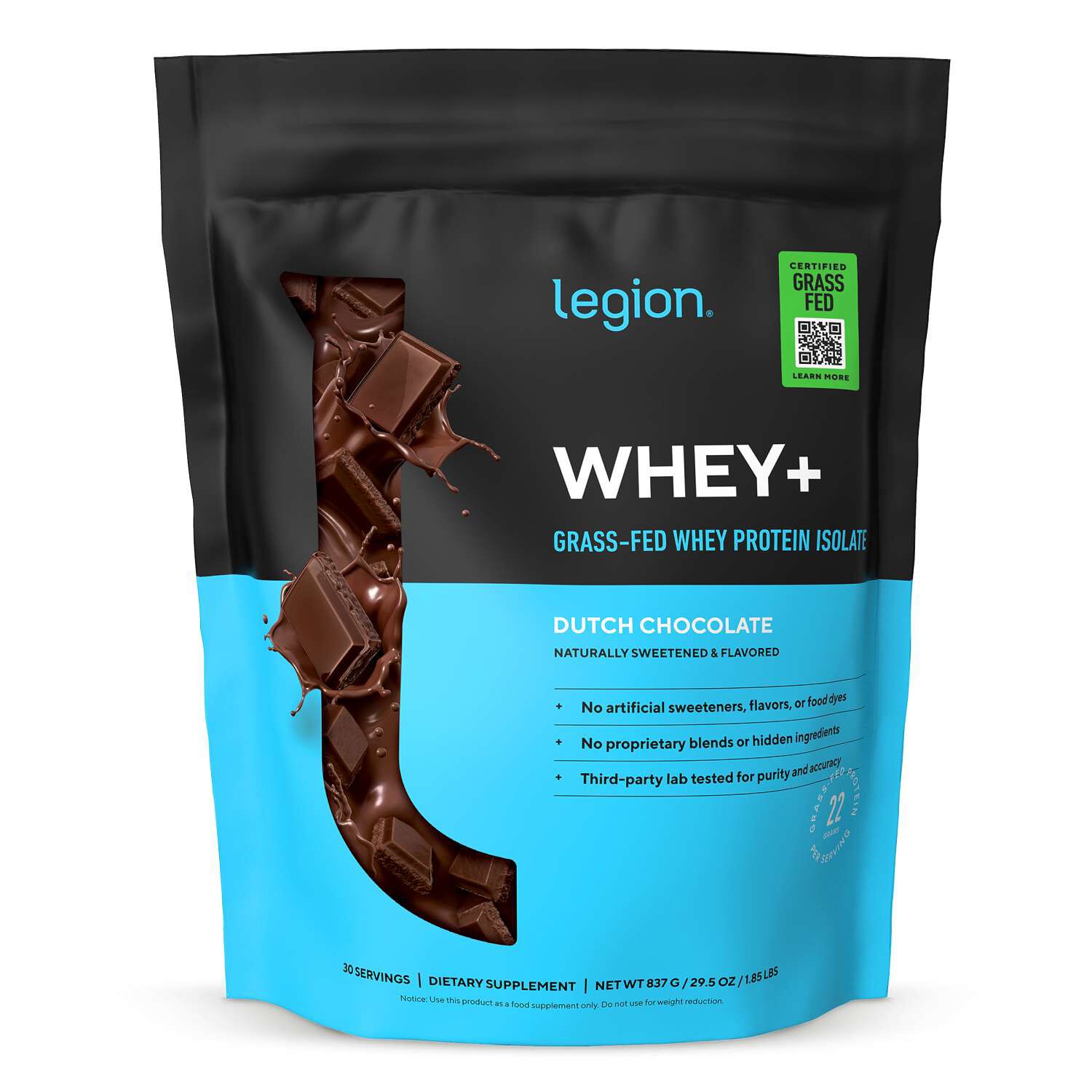
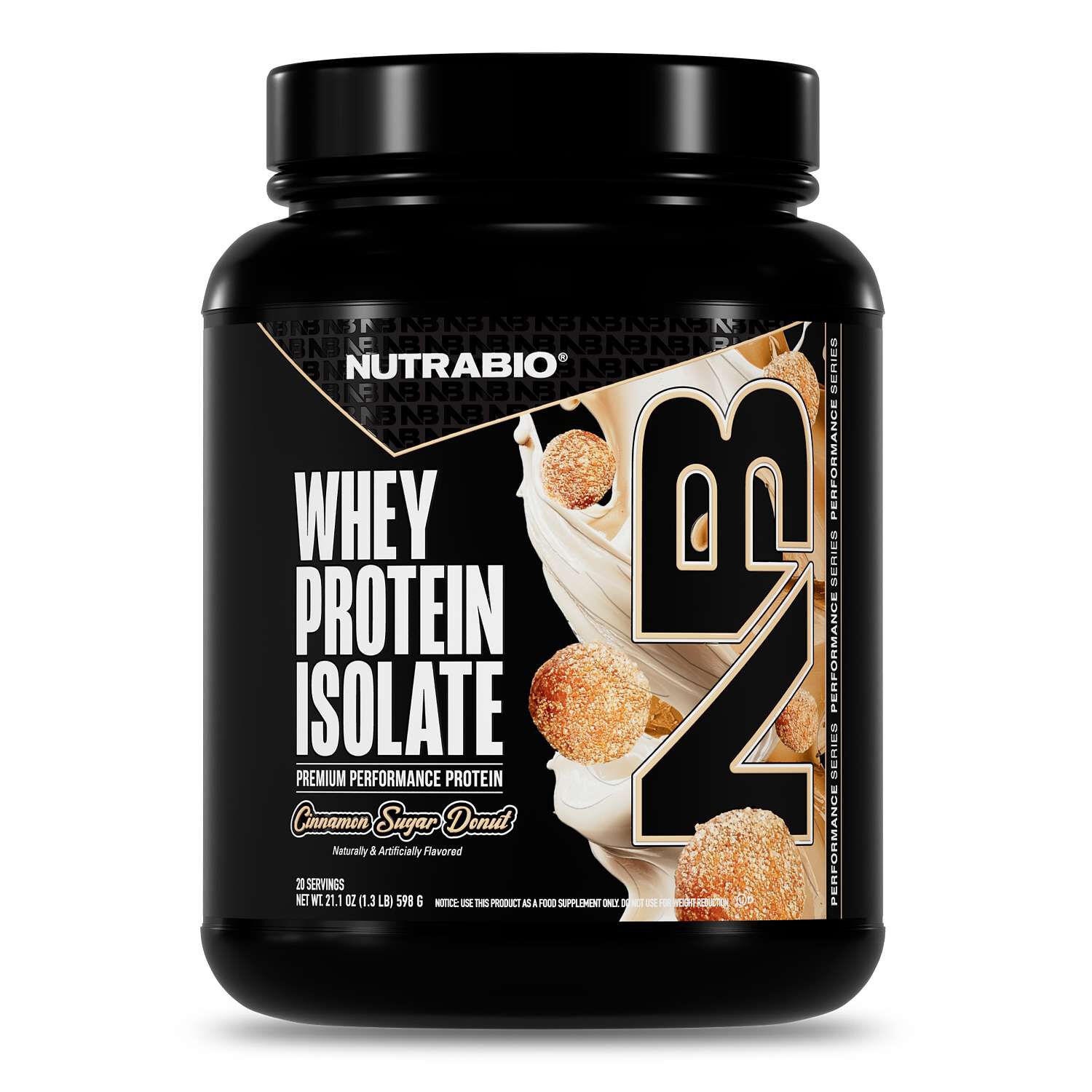
Low lactose protein powders may be a practical choice for people who want to add more protein to a muscle-building routine while being mindful of lactose intake. The category includes whey protein isolate, egg white protein, and plant-based blends made with ingredients such as pea and brown rice. Whey isolate starts with milk and goes through additional filtration, which may leave it with much less lactose than whey concentrate. It often has a light texture and mixes smoothly into water, milk alternatives, oatmeal, or a post-training shake. Egg white protein offers a dairy-free option with a neutral foundation that works well in smoothies and baking. Pea and brown rice blends combine different plant sources to create a broader amino acid profile, with flavors that range from cocoa and vanilla to fruit-forward varieties. These choices could fit people who notice that traditional dairy-based powders do not suit their usual routine, as well as shoppers who simply prefer a lower-lactose formula. Individual preferences vary, so product labels, ingredient lists, and serving information deserve a close look. A powder’s protein amount per serving, source of protein, sweeteners, flavoring, and added ingredients may all shape how easily it fits into everyday meals. Some shoppers prefer a short ingredient list, while others may appreciate extras such as fiber, digestive enzymes, or a blend of plant proteins. Those considerations can make the difference between a tub that sits in the pantry and one that becomes part of a reliable morning smoothie or post-gym ritual.
Choosing among low lactose protein powders for muscle gain usually comes down to matching the formula with training habits, taste preferences, and the rest of the day’s meals. A whey isolate may suit someone who enjoys dairy flavor and wants a powder that could mix quickly after lifting, while an egg white or plant-based option may appeal to shoppers who prefer to avoid dairy ingredients altogether. Pea-rice blends can be especially convenient for people who follow a plant-focused eating pattern, and their earthy flavor may pair nicely with banana, cinnamon, berries, or nut butter. Before purchasing, check whether the serving size matches your intended use rather than comparing only the number printed on the front of the package. It may also help to consider container size, scoop design, resealable packaging, and whether the powder dissolves well in a shaker cup. Unflavored varieties could offer flexibility for soups, overnight oats, pancake batter, or homemade snack bars, while flavored formulas may make a simple shake feel more like a small café treat. For a person working toward muscle gain, protein powder may be used alongside regular meals and a consistent resistance-training plan, not as a substitute for varied foods. A morning shake can add structure to a busy commute, and a chilled bottle packed for the gym may be convenient when the trip home stretches later than expected. During the cooler months, a scoop stirred into warm oatmeal or blended into a spiced smoothie could bring a little extra comfort to a familiar routine without requiring a complicated recipe.
These powders may also make thoughtful gifts for a training partner, college student, home-gym enthusiast, or anyone assembling a more dependable nutrition routine. A practical gift could include a favorite flavor, a shaker bottle, or a selection of single-serve packets so the recipient can compare textures before choosing a larger container. Vanilla may be a versatile starting point for mixing with fruit and grains, while chocolate can pair naturally with coffee, banana, or peanut butter. When shopping for someone else, consider their preferred eating style, any ingredients they choose to avoid, and whether they typically enjoy dairy-based or plant-based foods. Low lactose does not necessarily mean every formula will suit every person, since recipes can differ in milk ingredients, sweeteners, thickeners, and flavor systems. Reading the allergen statement and full ingredient panel may help shoppers make a more informed choice, particularly when buying for a household with several dietary preferences. Storage matters as well: a cool, dry cabinet and a tightly closed lid could help preserve the powder’s texture between uses. For shoppers exploring slower-digesting options, the selection of Casein Protein Powders for Lactose Sensitive Individuals may provide another category to compare. Whether blended into a quick breakfast, packed for a cool-weather workout, or wrapped as a useful gift, a well-chosen low lactose protein powder may bring convenience and variety to a balanced muscle-gain routine.