





Protein Powders For Lactose Sensitive
(0 Results)
Finding the right protein supplement can be a challenge for those with lactose sensitivity. Protein powders for lactose sensitive individuals offer a convenient way to support your wellness goals without the worry of discomfort from traditional dairy-based options. Explore a variety of choices that may fit seamlessly into your daily routine, helping you stay on track with your nutrition plan. Discover how protein powders for lactose sensitive lifestyles could make it easier to fuel your body and support an active lifestyle.
-

-
-

-

-
-

-

-
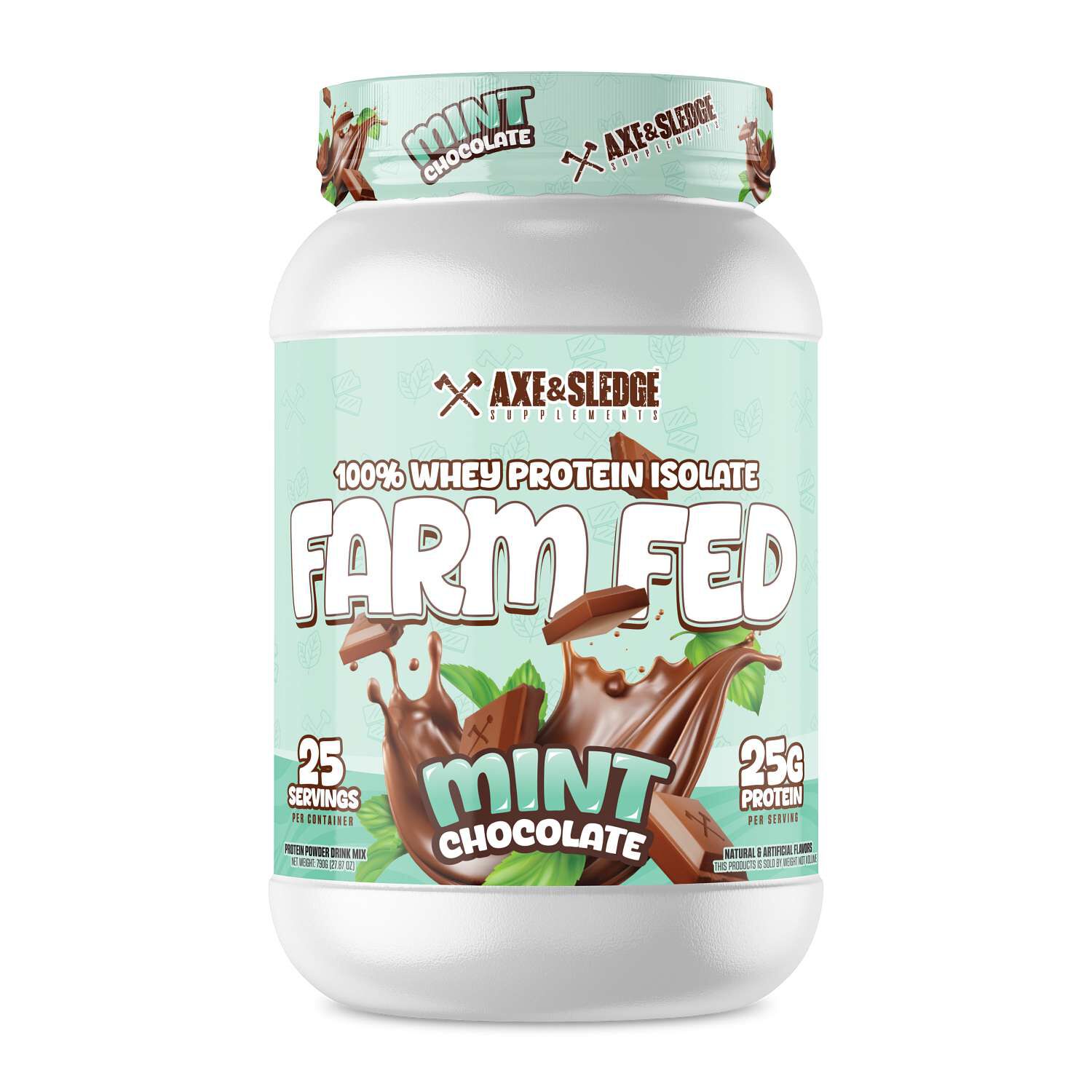 Axe & Sledge Supplements129$59.99
 -
-
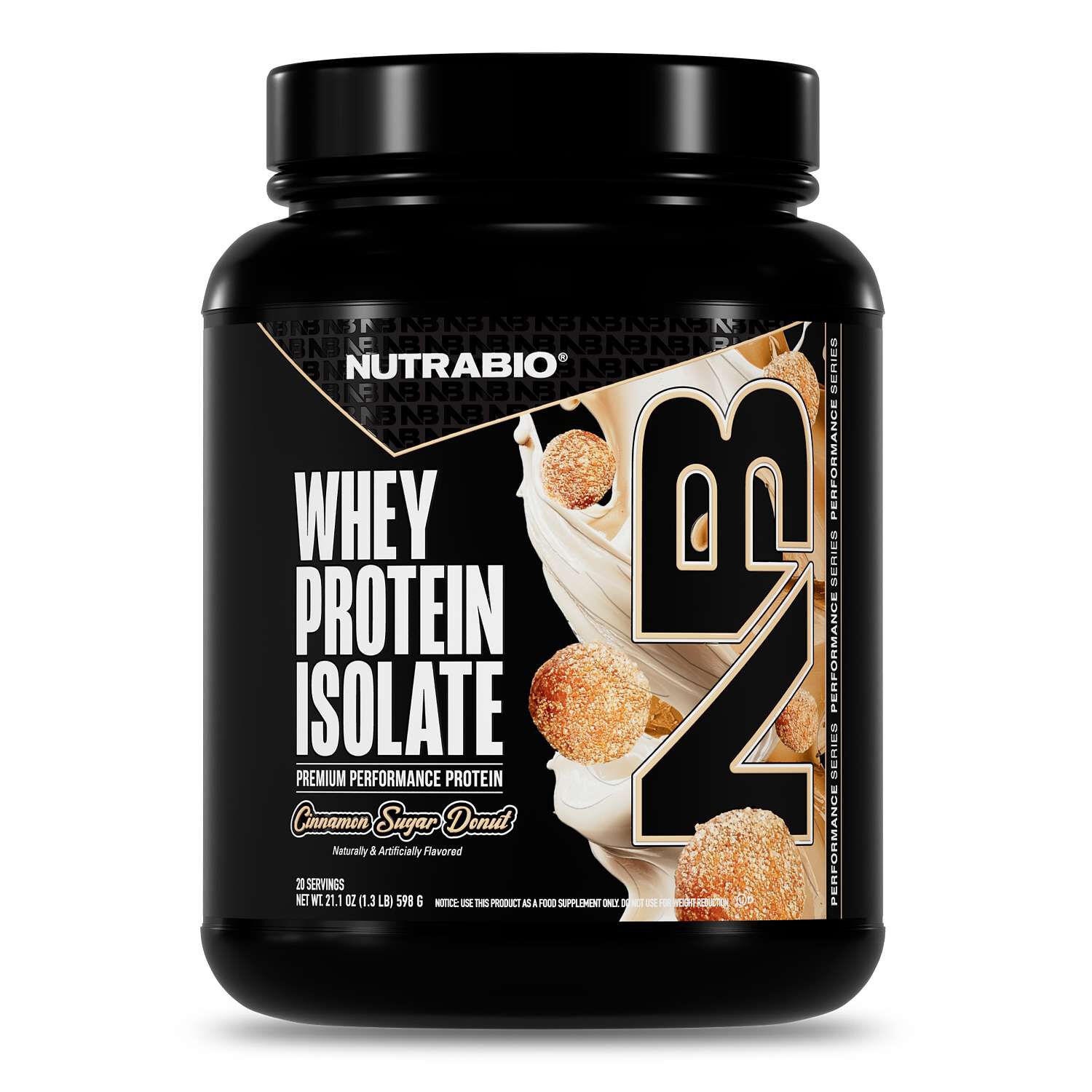
Protein powders for lactose-sensitive shoppers center on a practical distinction: the protein source and the amount of lactose in the finished formula are not the same thing. Lactose is the sugar naturally present in milk, while protein powders can come from milk, plants, eggs, or other animal sources. Pea protein, brown rice protein, soy protein, and egg white protein do not naturally contain lactose, making them relevant options for shoppers looking beyond milk-derived powders. The finished formula still matters, since added ingredients can introduce milk components regardless of the main protein source. Plant-based protein blends often combine sources such as pea and brown rice, bringing together different amino acid profiles in a single serving. Egg white protein offers an animal-derived alternative to milk protein, while beef-derived protein is another category worth distinguishing from dairy-based formulas. Whey protein isolate belongs in a different group: it comes from milk, but additional processing generally leaves it with less lactose than whey protein concentrate. That does not mean every isolate has the same lactose content or suits every lactose-sensitive shopper. Hydrolyzed whey is also milk-derived; the term describes protein that has been separated into smaller peptide chains, not a specific amount of lactose. Product labeling, ingredient lists, and any stated lactose content therefore offer more useful detail than the word “whey” alone. For someone who prefers to avoid milk ingredients altogether, a powder made without dairy ingredients may fit that preference better than a milk-derived isolate. For someone comparing lower-lactose milk proteins, the distinction between isolate and concentrate is particularly relevant. Chocolate, vanilla, and unflavored options can appear across several protein categories, so flavor alone says little about the source. The most useful comparison starts with what is inside the container, then moves to the serving size, flavor, texture, and everyday preparation that make a powder a practical match.
Beyond the source, protein powders differ in ways that become noticeable with the first shake. Protein grams per serving provide one point of comparison, but scoop sizes vary, and a larger scoop does not automatically represent a more concentrated powder. The serving weight and number of scoops listed on the label give those protein grams context. Ingredient lists also reveal whether a formula includes sweeteners, added sugars, oils, gums, or other components that shape taste and consistency. A shorter ingredient list may appeal to someone who wants a straightforward addition to familiar recipes, while a flavored blend may better suit someone who usually mixes a shake with water. Neither approach establishes the lactose content on its own. Milk declarations and shared-equipment statements provide additional context about ingredients and manufacturing, but they should not be treated as precise measurements of lactose. Texture can be just as important as the nutrition information when choosing something for repeated use. Some plant proteins have an earthy flavor or a more substantial mouthfeel, and egg white or whey-based powders can mix differently depending on their formulation. A shaker bottle produces a different experience from a countertop blender, especially when the recipe includes oats, nut butter, or frozen fruit. A vanilla powder blended with a banana and an oat beverage may make a convenient breakfast accompaniment, while a chocolate formula mixed with water may suit a simpler post-workout routine. The mixing liquid deserves attention, too: regular milk contributes lactose even when the powder itself is made without milk ingredients. Almond, oat, soy, and other plant-based beverages have their own flavors and nutrition profiles, which become part of the finished drink. Unflavored powder offers another direction for shoppers who prefer less sweetness, though “unflavored” does not necessarily mean tasteless. Its natural character can still come through in oatmeal, smoothies, or pancake batter. These everyday details often matter more to long-term enjoyment than an elaborate flavor name or an oversized scoop.
A useful place for a lactose-conscious protein powder is wherever convenience and personal food preferences meet. Busy commuters, recreational runners, strength-training enthusiasts, and adults who prefer plant-based foods may all find a powder that fits their routines, without necessarily choosing the same formula. A shaker packed alongside lunch serves a different purpose from a powder kept near the blender for leisurely weekend breakfasts. Protein powder may help make dietary protein more convenient when preparing another food is impractical, but it is not interchangeable with a varied meal simply because it mixes into a filling drink. For cooler mornings, a serving stirred into oatmeal offers a different format from an iced shake; mixing the powder with a little cool liquid before adding it to warm food may help create a smoother texture. Results depend on the formula, and preparation directions remain the best reference for each powder. Baking brings another set of considerations, since protein powder behaves differently from flour and can change a recipe’s moisture and texture. Recipes developed for the particular type of protein offer a more predictable starting point than swapping equal amounts into a familiar batter. Storage and handling also affect the everyday experience. A tightly closed container, a dry scoop, and a cool, dry cupboard help limit exposure to moisture. A prepared shake is a different food-storage situation from dry powder, so its handling depends on the mixed ingredients and the package directions. Container size, closure design, and the space needed in a kitchen cabinet are practical details for anyone building a regular routine, especially in a shared household. Clear labeling can make it easier to keep different household members’ powders separate. Shoppers considering a powder as a gift may find that a recipient’s preferred protein source and flavor are more useful starting points than a surprise selection. For workout routines that also include a separate pre-workout category, Pre Workout Powders For Lactose Intolerant offers a related browsing destination, though those formulas serve a different purpose from protein powder. Across these routines, the strongest match comes down to a clearly understood formula, suitable preparation, and a taste that fits comfortably into everyday eating.
Best Sellers


Related Pages

Top Collections
- Daily Collagen Supplements | Top Brands & Deals | GNC
- Cortisol Supplements
- Top Rated Collagen | Shop Customer Favorites | GNC
- Vitamins For Hair Loss
- NAD+ Supplement Tablets
- Peptide Supplements
- Best Brand of Magnesium Glycinate
- Protein Powders For Muscle Growth Support
- Vitamins That Help Support Weight Gain
- Peptide Supplements for Muscle Growth