





Whey For Lactose Intolerant
(0 Results)
Finding a protein source that fits your lifestyle and dietary needs can be a challenge, especially if you're sensitive to dairy. Whey for lactose intolerant individuals may offer a convenient option for those looking to support their nutrition goals while being mindful of lactose content. Explore a variety of options that could suit your preferences and help you stay on track with your wellness journey.
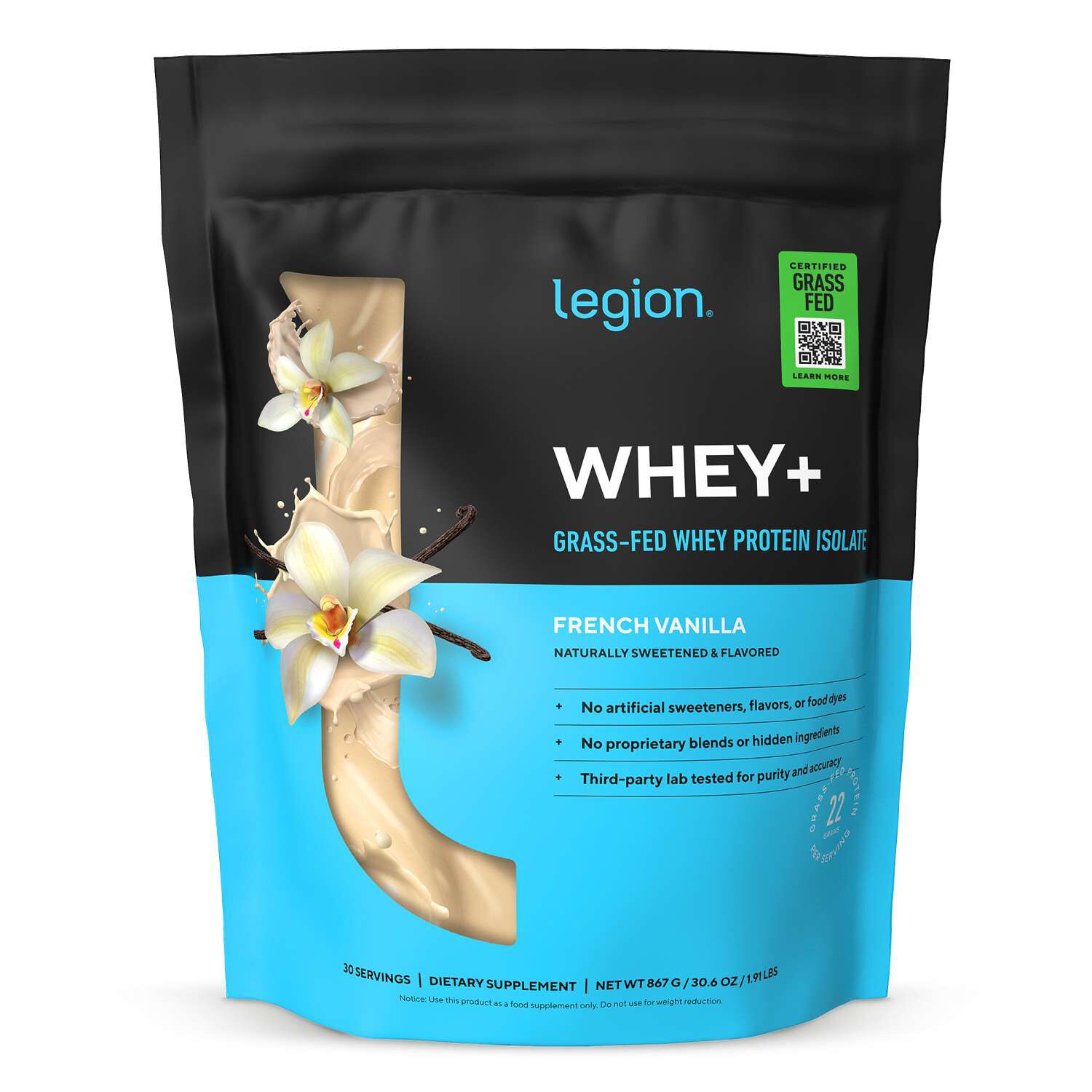
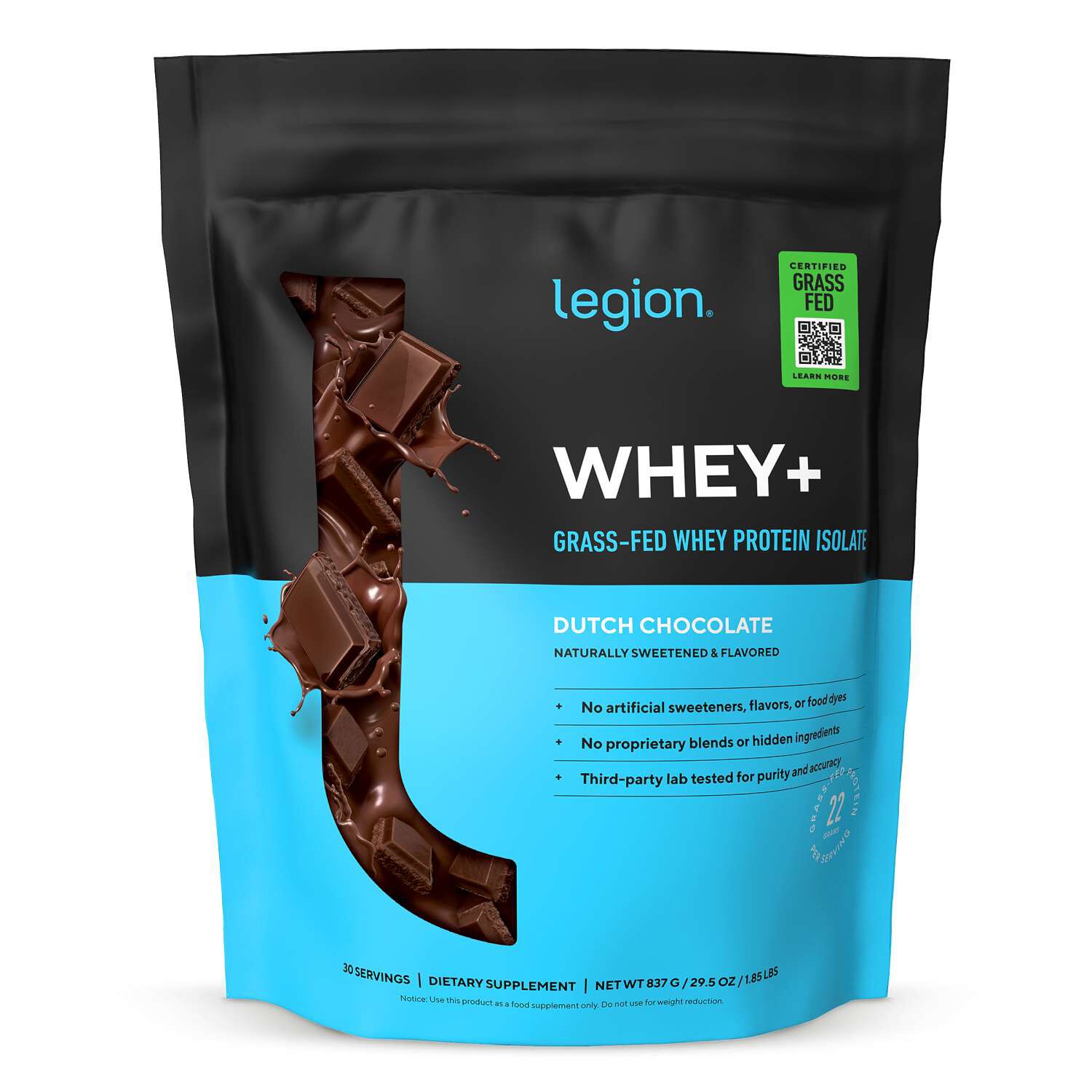
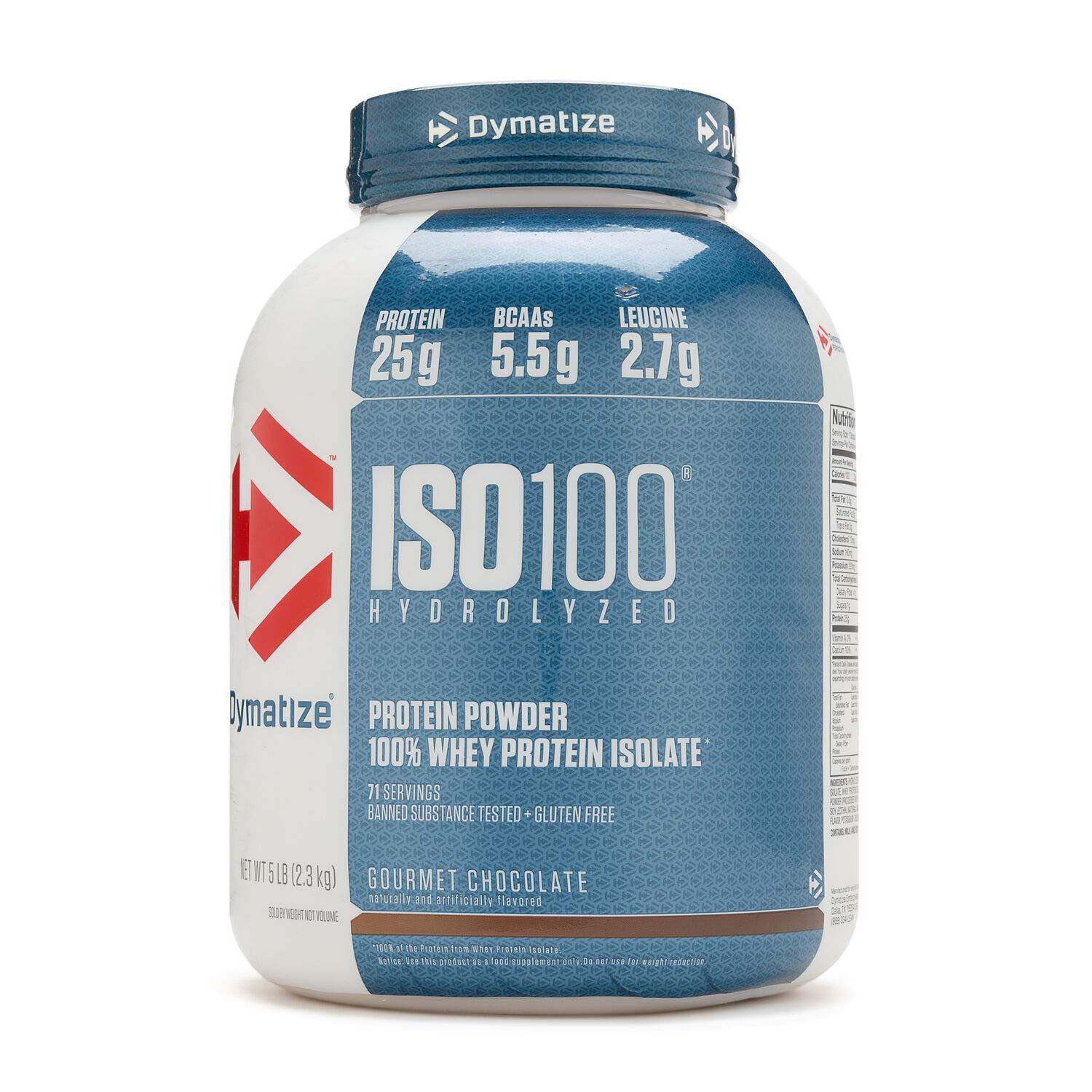


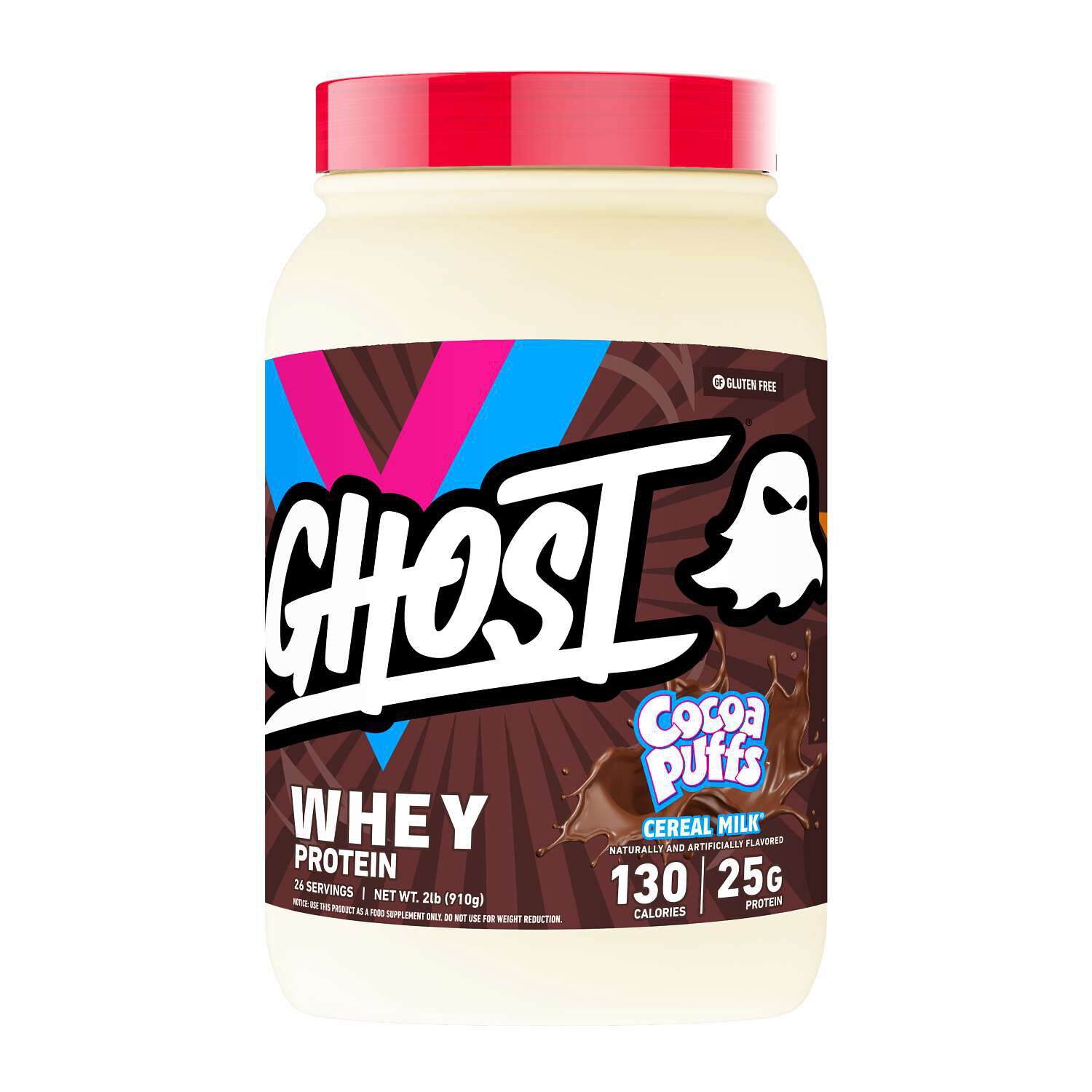

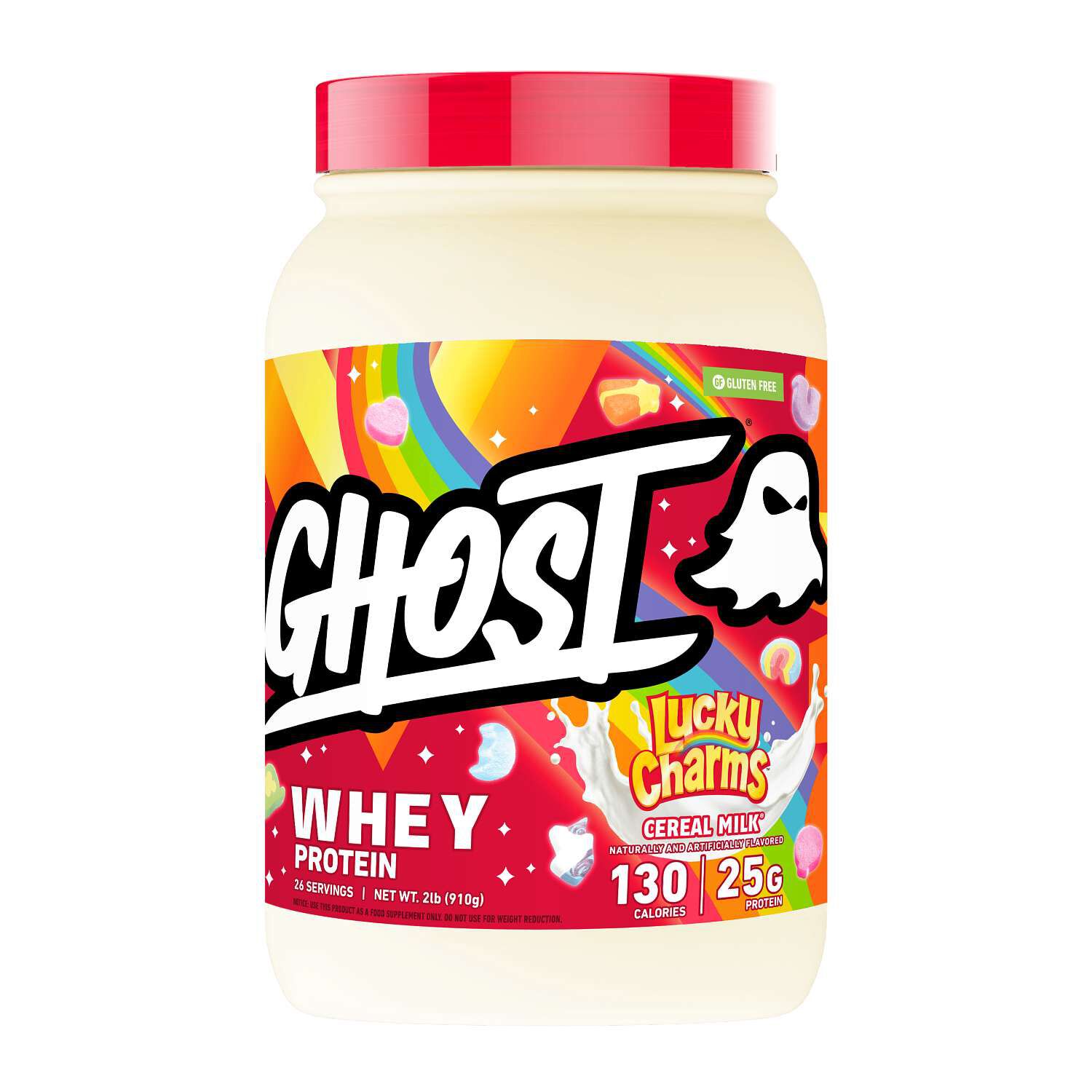
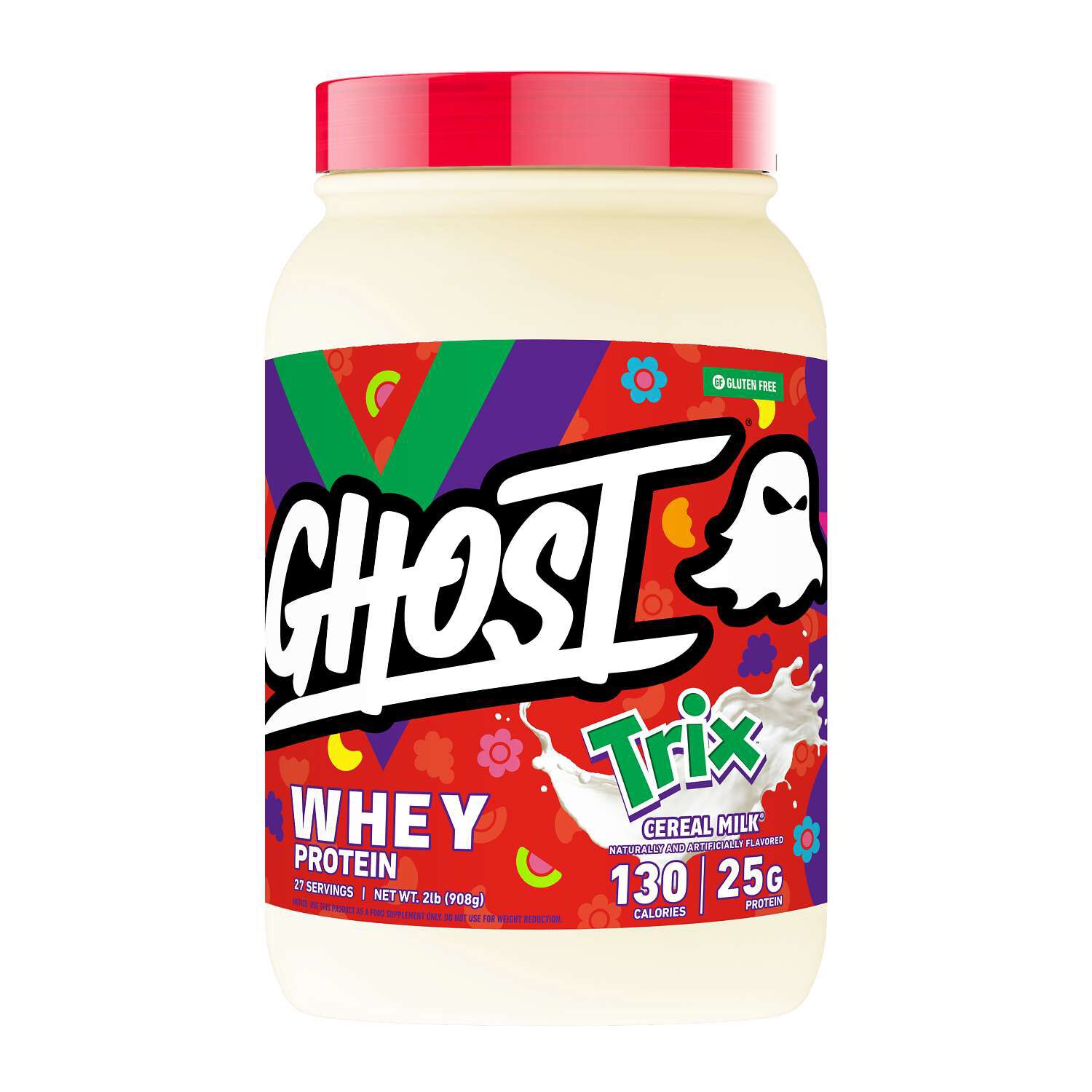
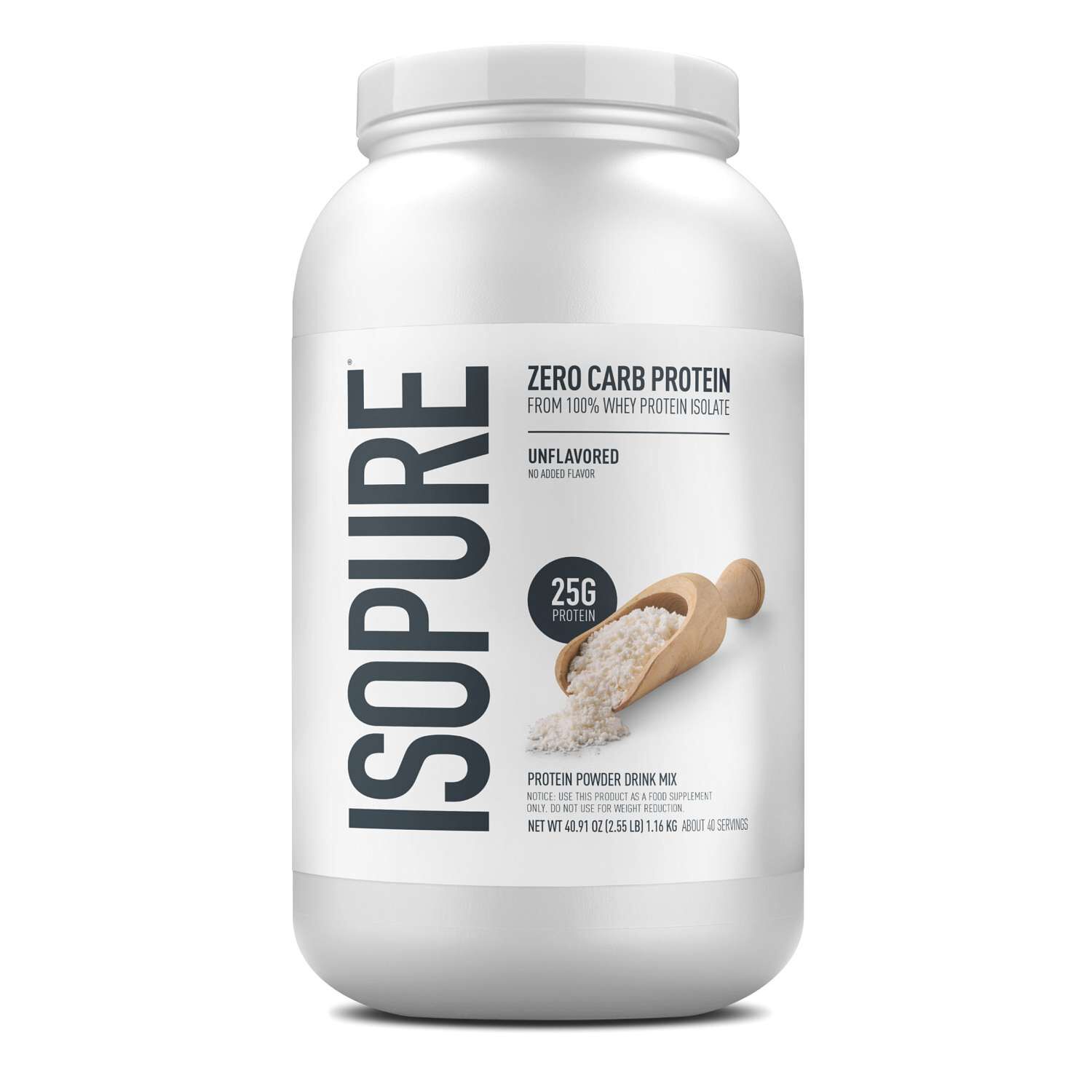
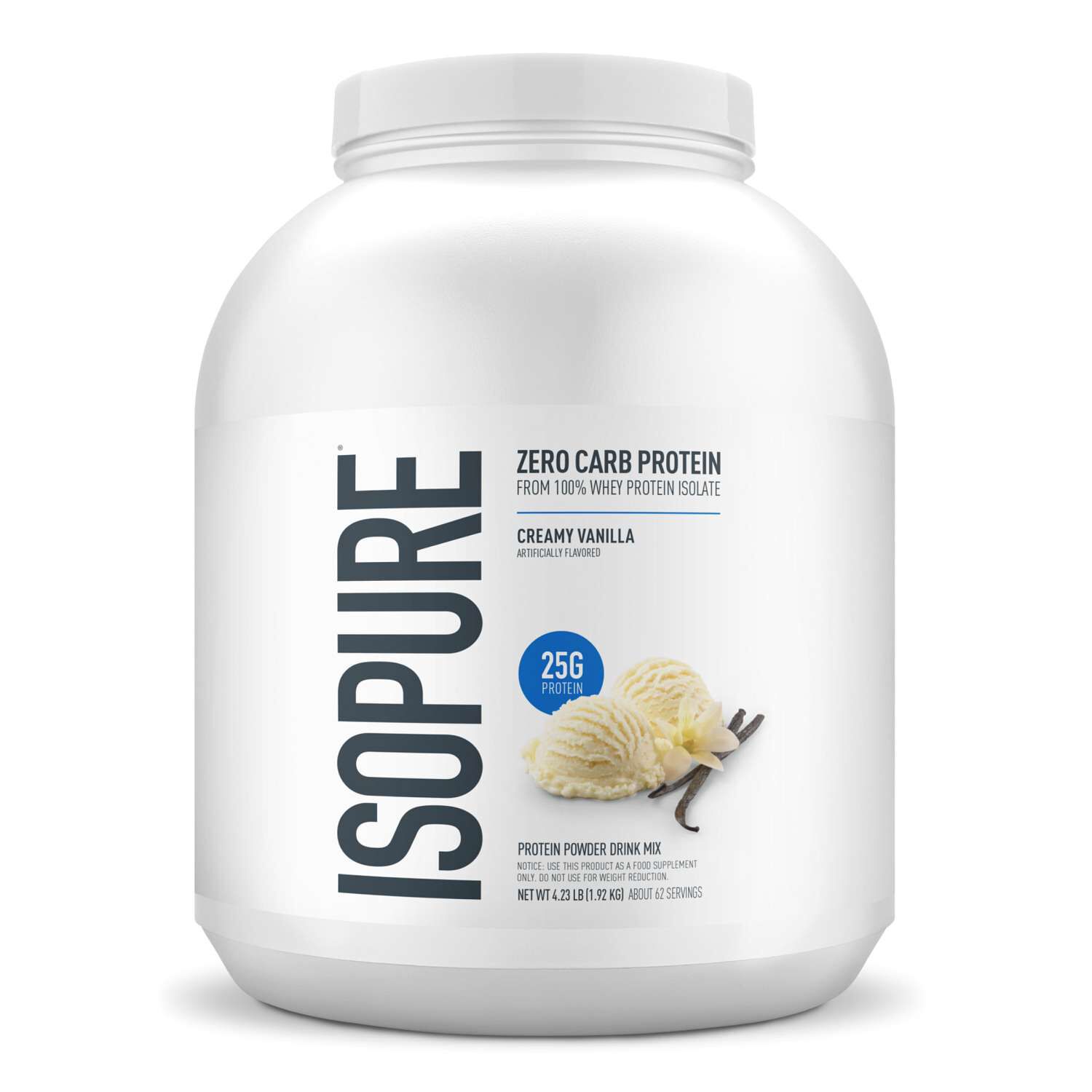
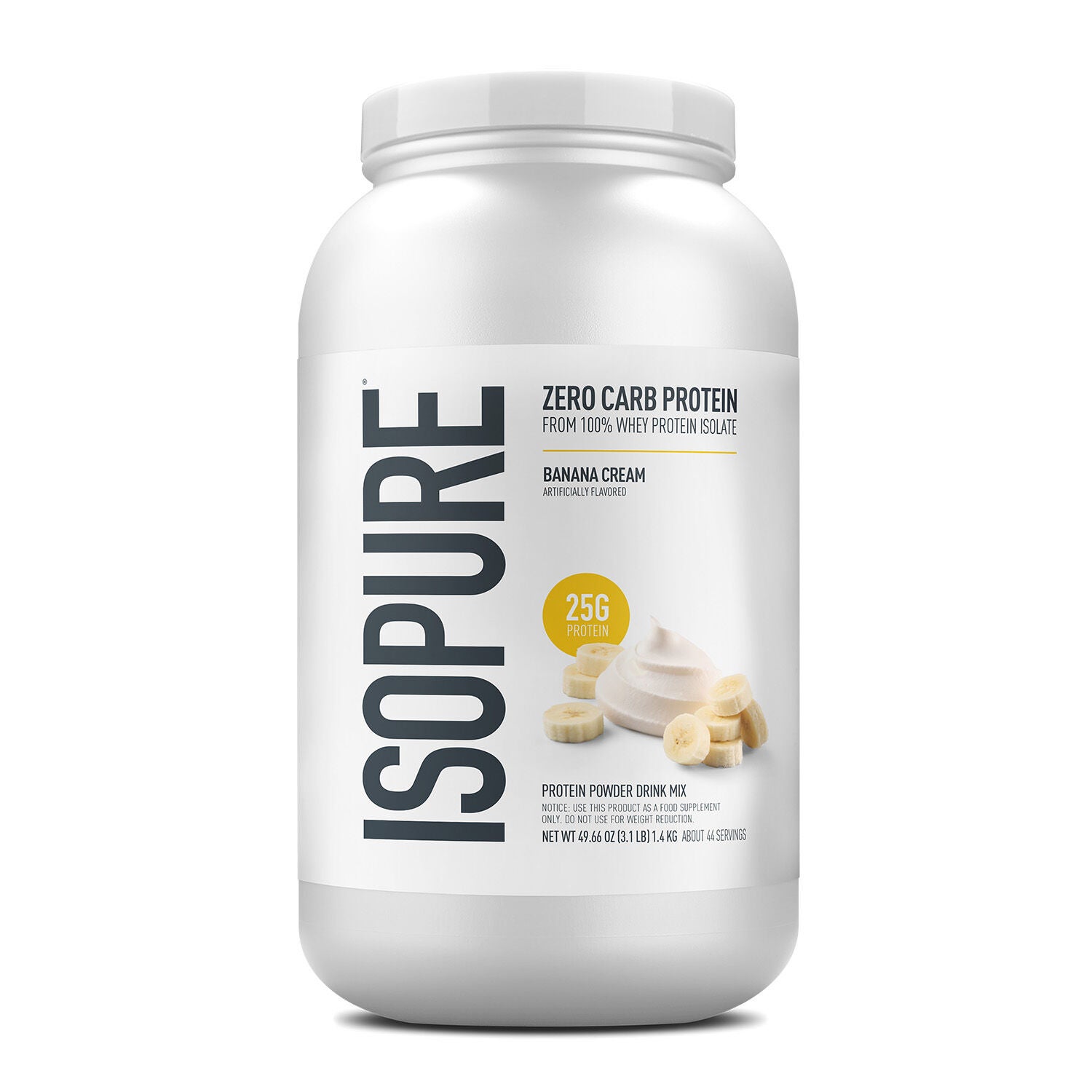
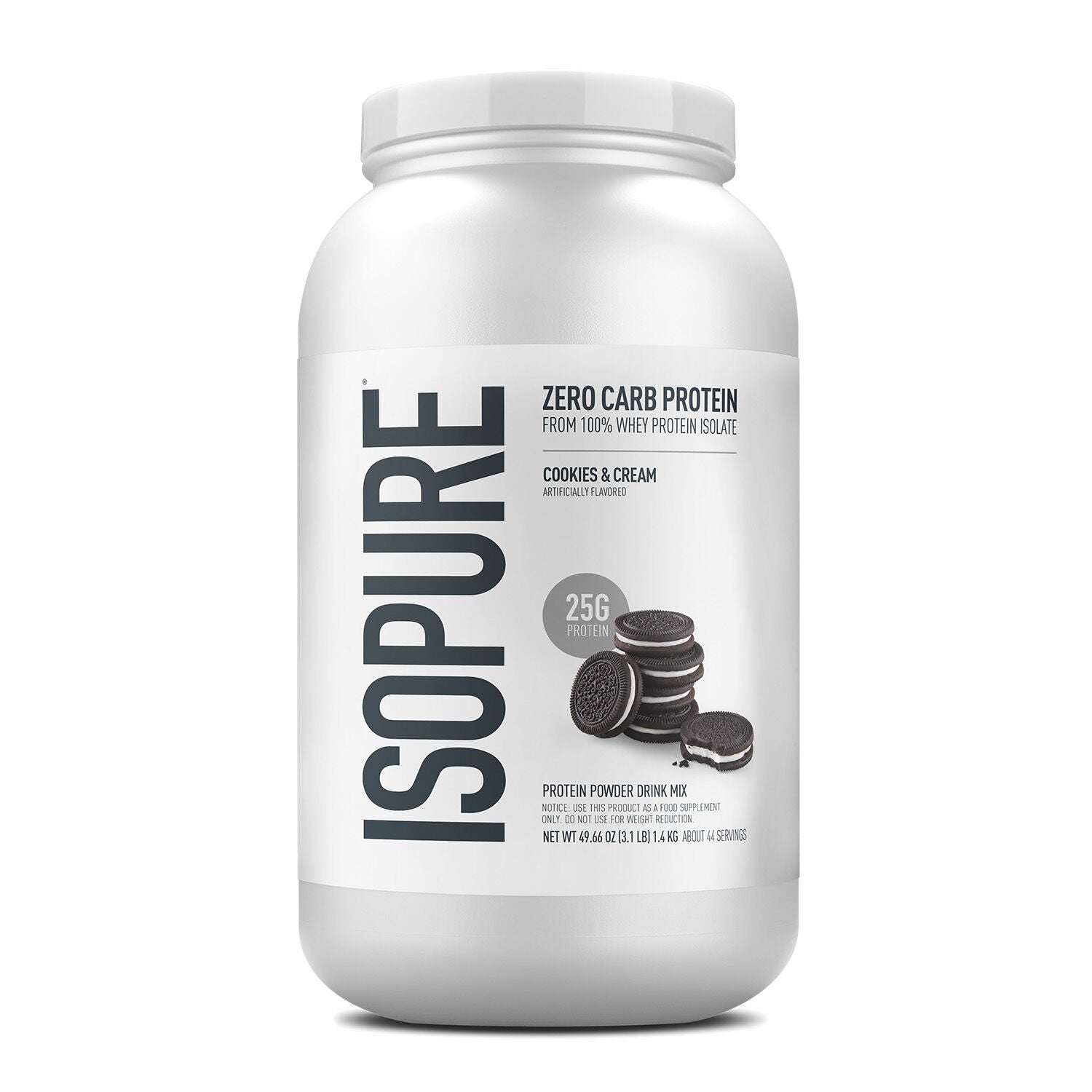
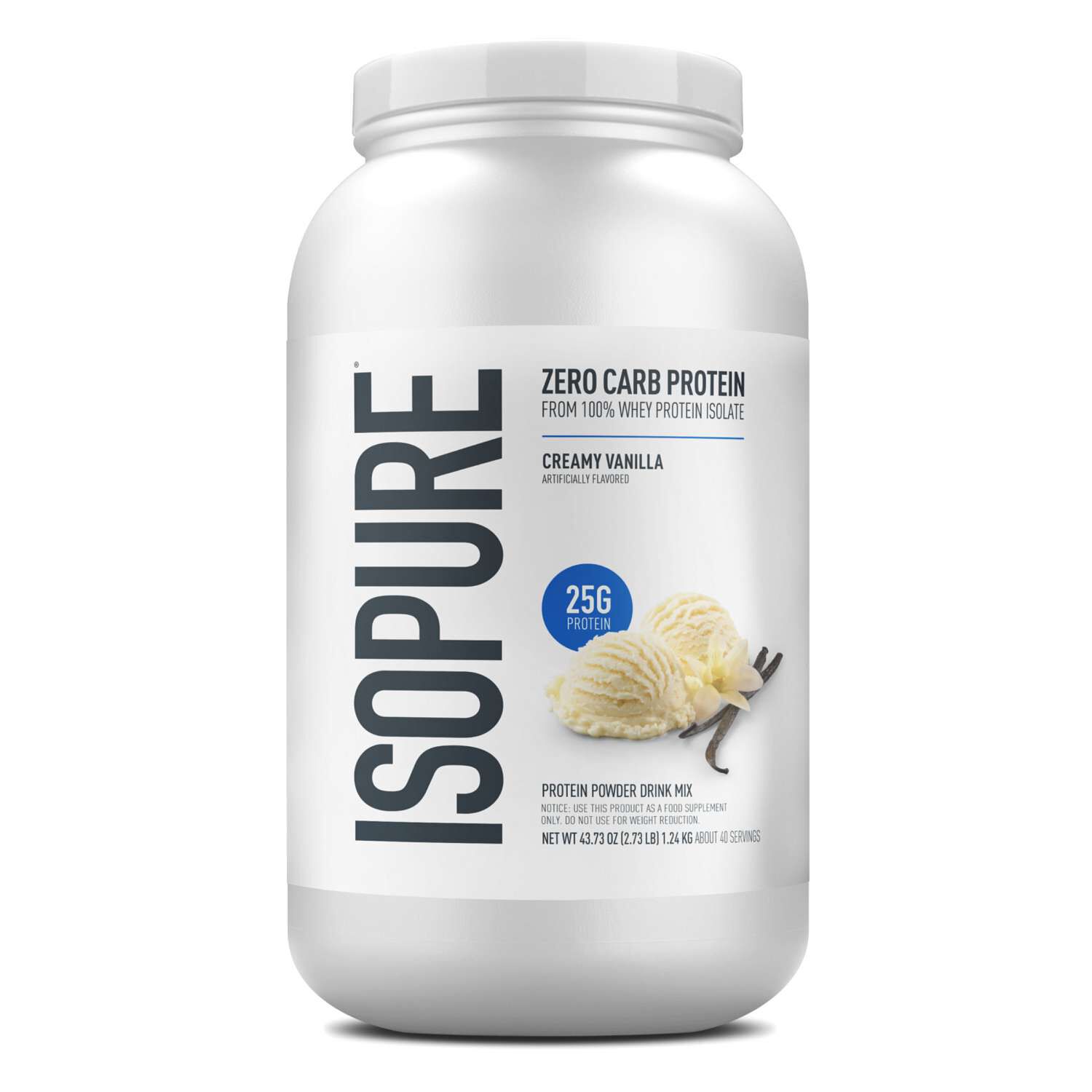
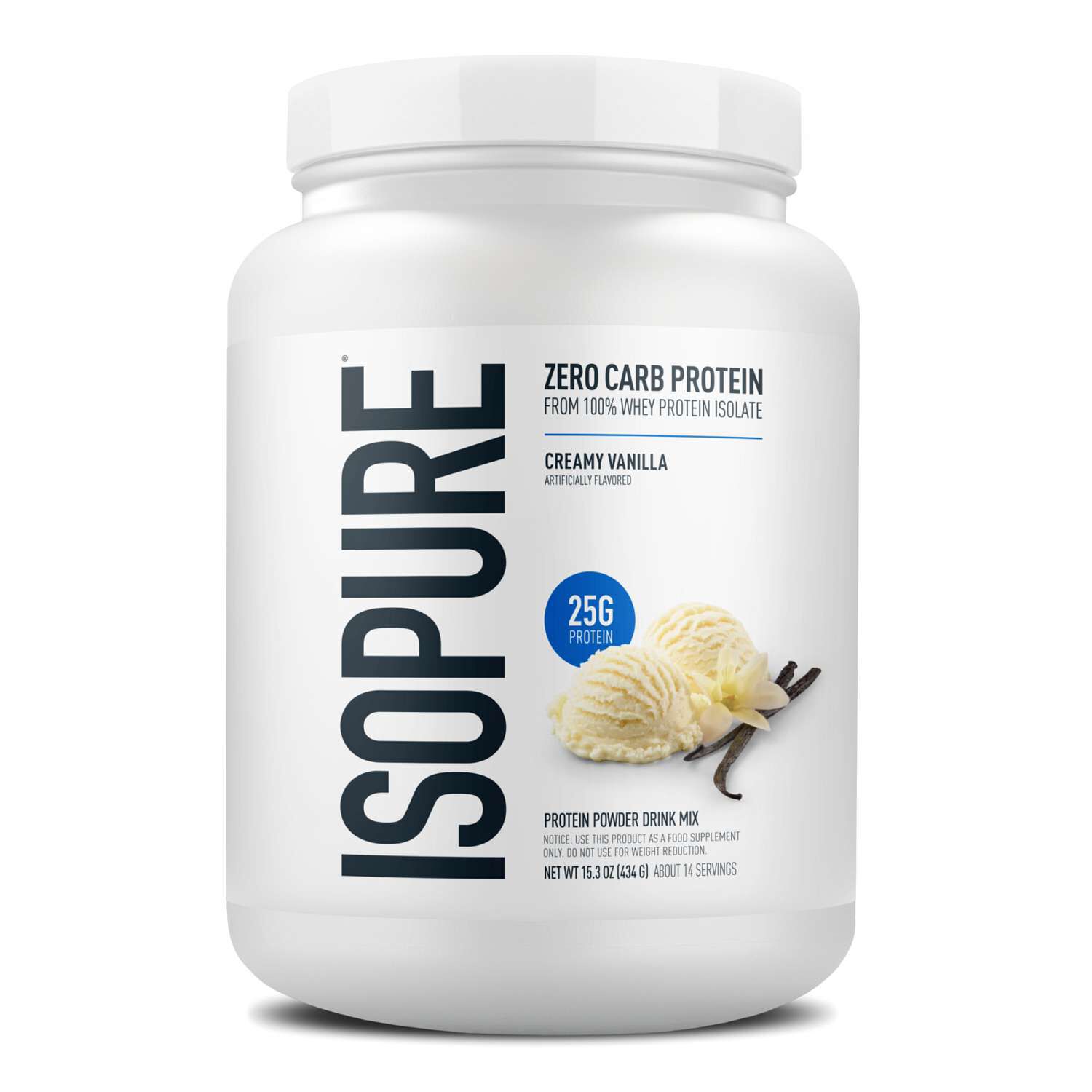

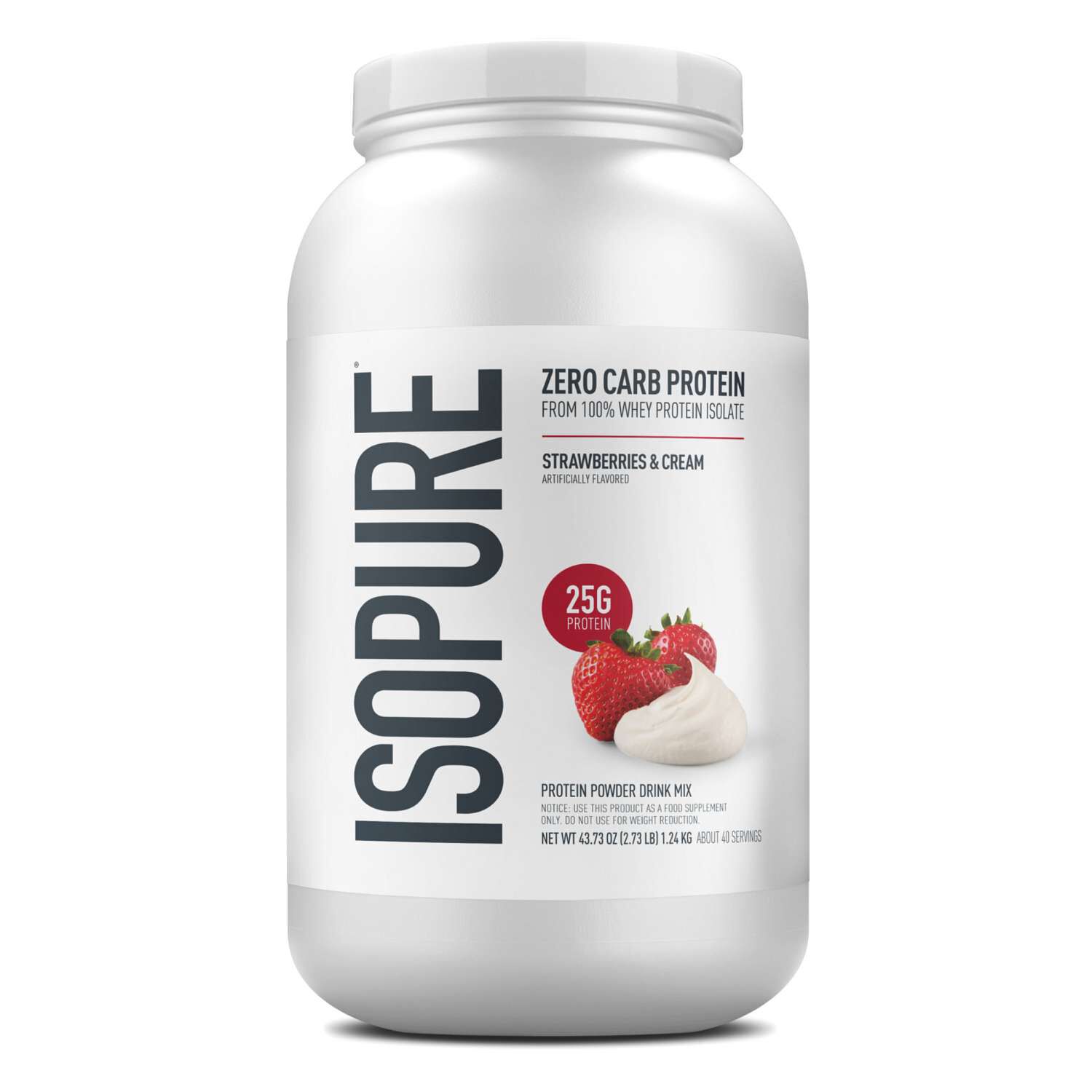
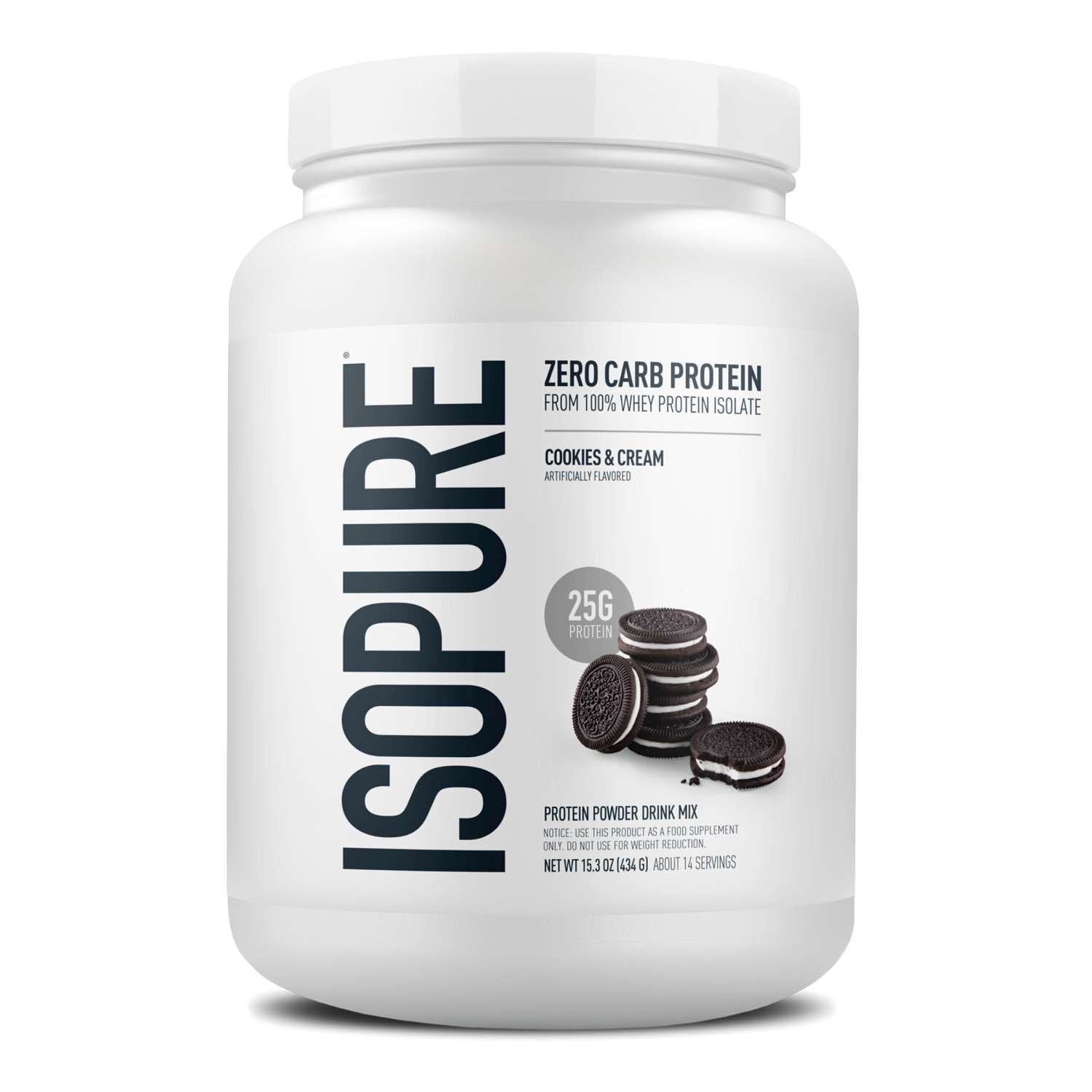

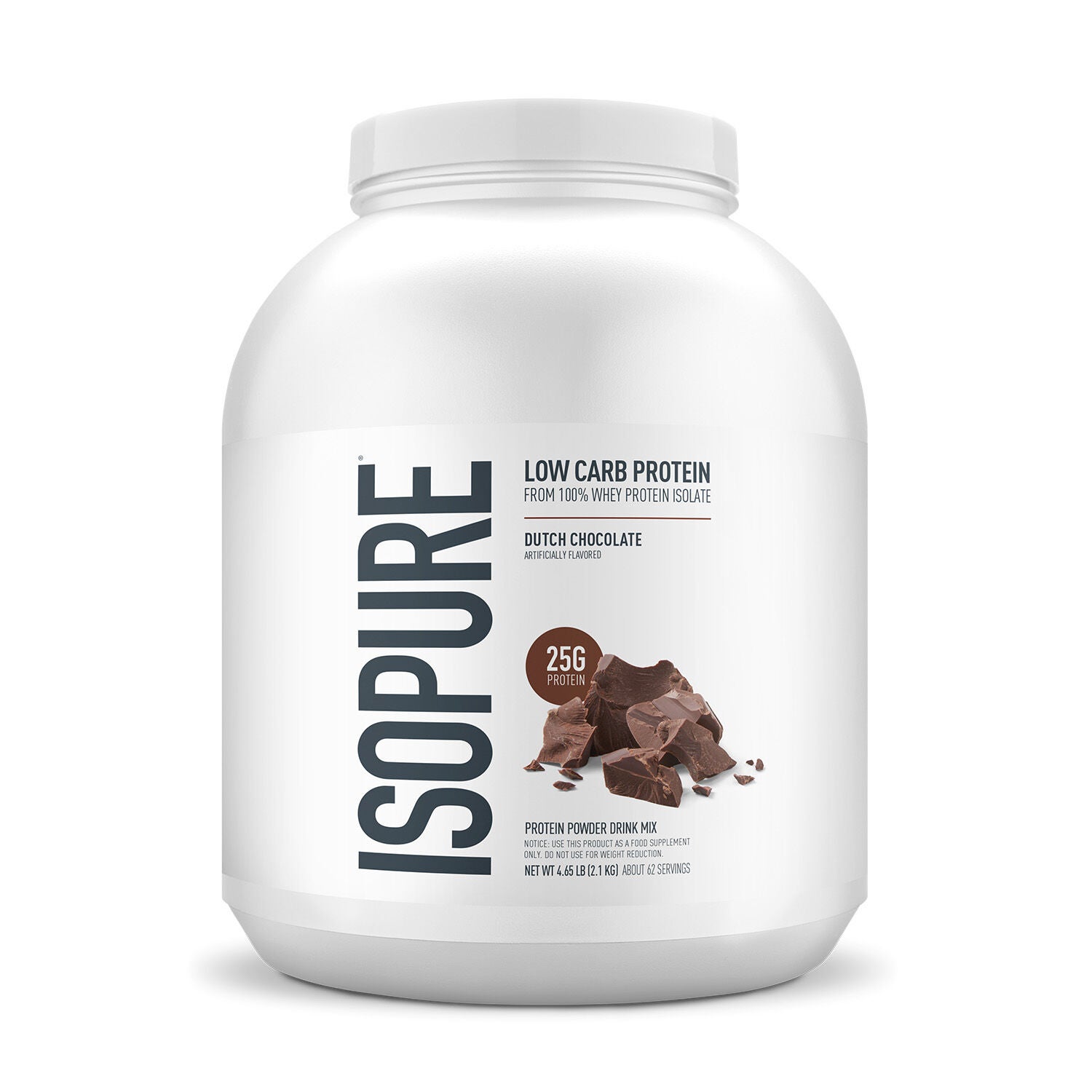
Navigating protein options as someone with lactose intolerance can feel like a balancing act, especially for those who enjoy the benefits of dairy-based supplements but want to sidestep potential digestive discomfort. Over the years, many have found that the key lies in understanding the differences between whey protein types. Whey protein isolate, in particular, has become a go-to for lactose sensitive lifters and anyone looking to support their nutrition without the worry that can sometimes come with traditional whey concentrate. Thanks to advanced filtration techniques, whey protein isolate may contain significantly less lactose—often less than a gram per typical serving—making it a popular choice for those who are mindful of their intake. For those who are even more sensitive, hydrolyzed whey protein isolate may offer an alternative, as it is further processed to break down proteins into smaller fragments, which could be easier to digest. Some wellness resources, such as the Cleveland Clinic, have noted that whey isolate may be better tolerated by individuals with lactose concerns, though individual experiences can vary.
The seasonal shift from early summer into fall often brings a renewed focus on wellness routines, whether you’re training for a late-season race, spending more time outdoors, or simply seeking convenient ways to support your daily nutrition. Whey protein isolate lactose options may fit seamlessly into a variety of lifestyles, from busy professionals grabbing a shake on the way to work to students looking for a quick, portable snack between classes. These products are also a thoughtful gift for fitness enthusiasts, athletes, or anyone who enjoys experimenting with smoothie recipes but needs to be mindful of lactose. Many people find that incorporating a high-quality whey isolate into their routine may support their fitness goals, whether that means adding it to a morning smoothie bowl, mixing it into overnight oats, or shaking it up post-workout as the weather warms or cools. When shopping, it’s helpful to look for the best hydrolyzed whey protein isolate lactose sensitive lifters can rely on, and to check ingredient panels for added sugars or flavorings if you have additional dietary preferences.
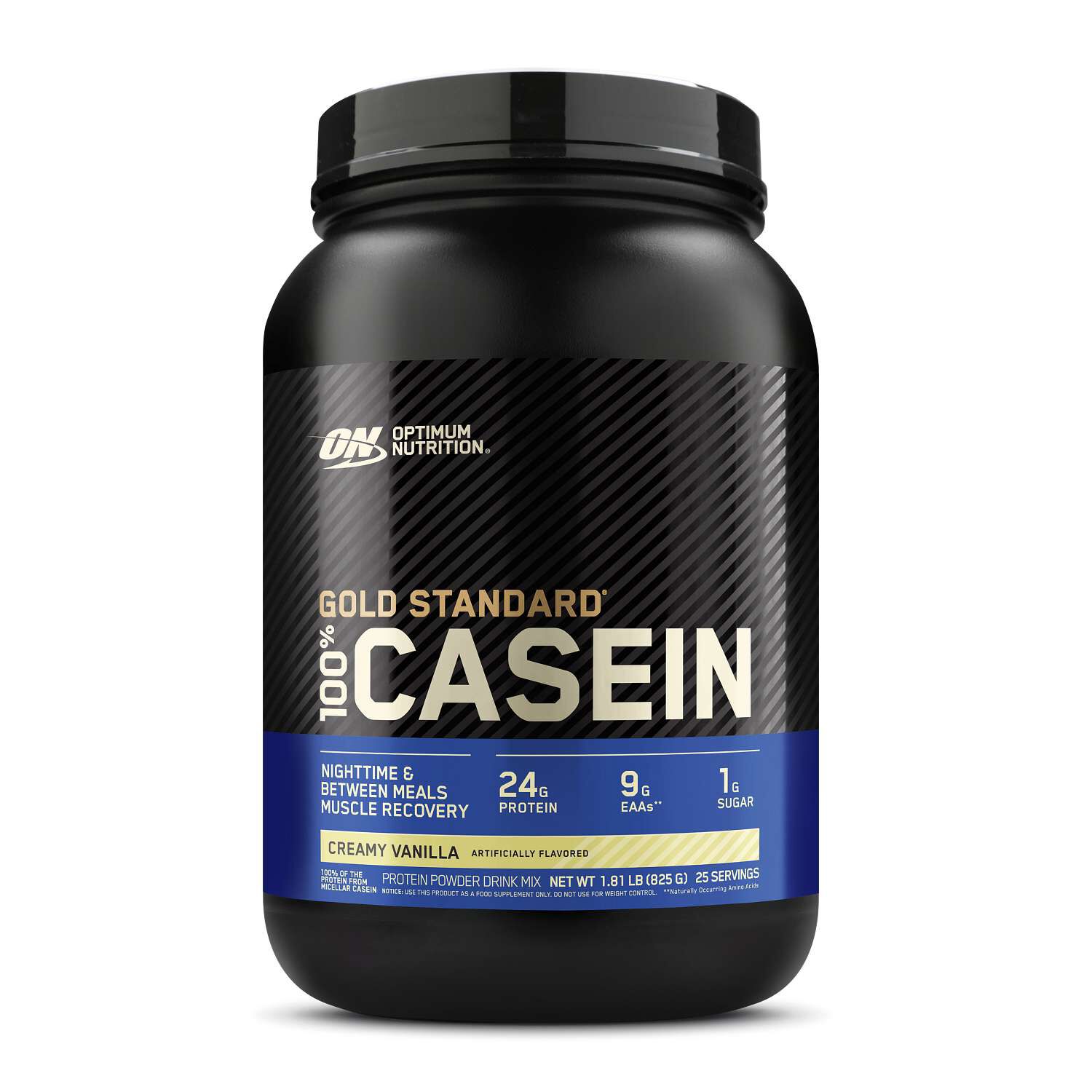
For those exploring alternatives beyond whey, there are other protein options that may align with lactose sensitivity. Some look to plant-based proteins, such as pea or soy, while others consider egg white or beef protein isolates. If you’re interested in exploring further, you might want to read about Casein Protein Powders for Lactose Sensitive Individuals, which could provide a slower-digesting option for those who tolerate casein. Whatever your preference, taking time to read labels and understand how different protein sources are processed may help you make a choice that fits your lifestyle and wellness journey. The right protein powder can feel like a small luxury, offering convenience and versatility as you move through the seasons, whether you’re blending up a shake after a workout in the sun or preparing a cozy, nutrient-rich snack as the days grow cooler.
- Q: Can people with lactose intolerance use whey protein?
A: Many people with lactose intolerance can use certain types of whey protein, such as whey isolate, which contains minimal lactose. However, individual tolerance may vary, so it's important to check the product label and consult with a healthcare professional if you have concerns. - Q: What type of whey protein is best for those who are lactose intolerant?
A: Whey protein isolate is typically the best choice for those with lactose intolerance because it undergoes additional processing to remove most of the lactose. Hydrolyzed whey protein is another option, as it is broken down into smaller peptides and often contains less lactose. - Q: How can I tell if a whey protein product is suitable for lactose intolerant individuals?
A: Look for labels that specify 'whey isolate' or mention being suitable for those avoiding lactose. Check the nutrition facts panel for sugar content—lower sugar often means less lactose. Some products also carry certifications or statements indicating they are suitable for those with lactose intolerance. - Q: Are there any symptoms to watch for when trying whey protein if I'm lactose intolerant?
A: Common symptoms of lactose intolerance include bloating, gas, stomach cramps, and diarrhea. If you experience these after consuming whey protein, you may need to try a different type or consult your healthcare provider. - Q: Are there alternative protein supplements for people who are highly sensitive to lactose?
A: Yes, alternatives such as plant-based proteins (like pea, rice, or soy protein) and egg white protein powders are available and typically do not contain dairy sugars. These can be good options if you are highly sensitive to dairy products.
Best Sellers


Related Pages


Top Collections
- Daily Collagen Supplements | Top Brands & Deals | GNC
- Cortisol Supplements
- Top Rated Collagen | Shop Customer Favorites | GNC
- Vitamins For Hair Loss
- NAD+ Supplement Tablets
- Peptide Supplements
- Best Brand of Magnesium Glycinate
- Protein Powders For Muscle Growth Support
- Vitamins That Help Support Weight Gain
- Peptide Supplements for Muscle Growth