





Pre Workout Powders For Lactose Intolerant
(0 Results)
Finding the right pre workout powders for lactose intolerant individuals can make all the difference in your fitness routine. With options crafted to fit your dietary needs, it’s easier than ever to support your goals without worrying about discomfort. Explore a selection of formulas that may align with your lifestyle and help you power through every session, so you can focus on what matters most—your performance.
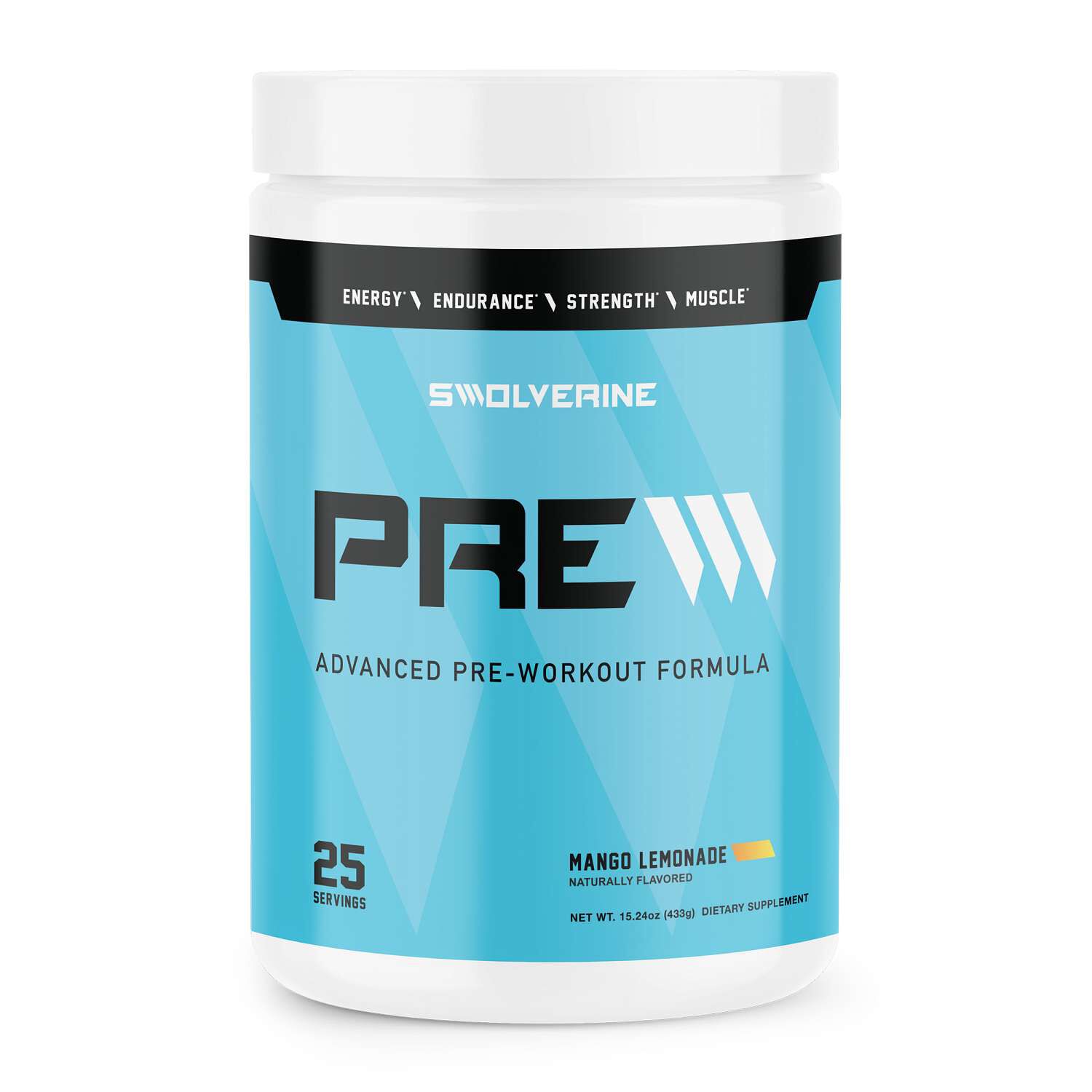
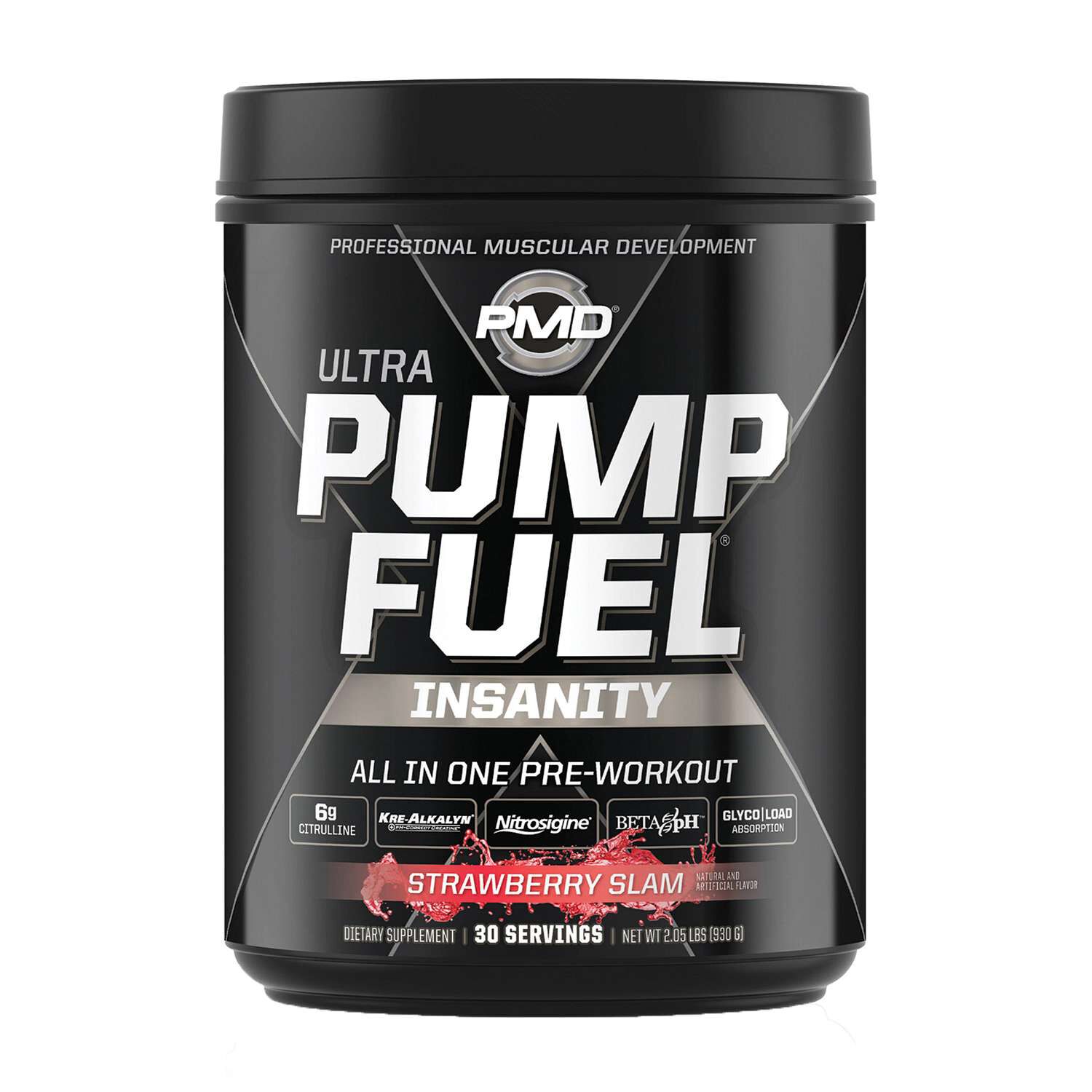


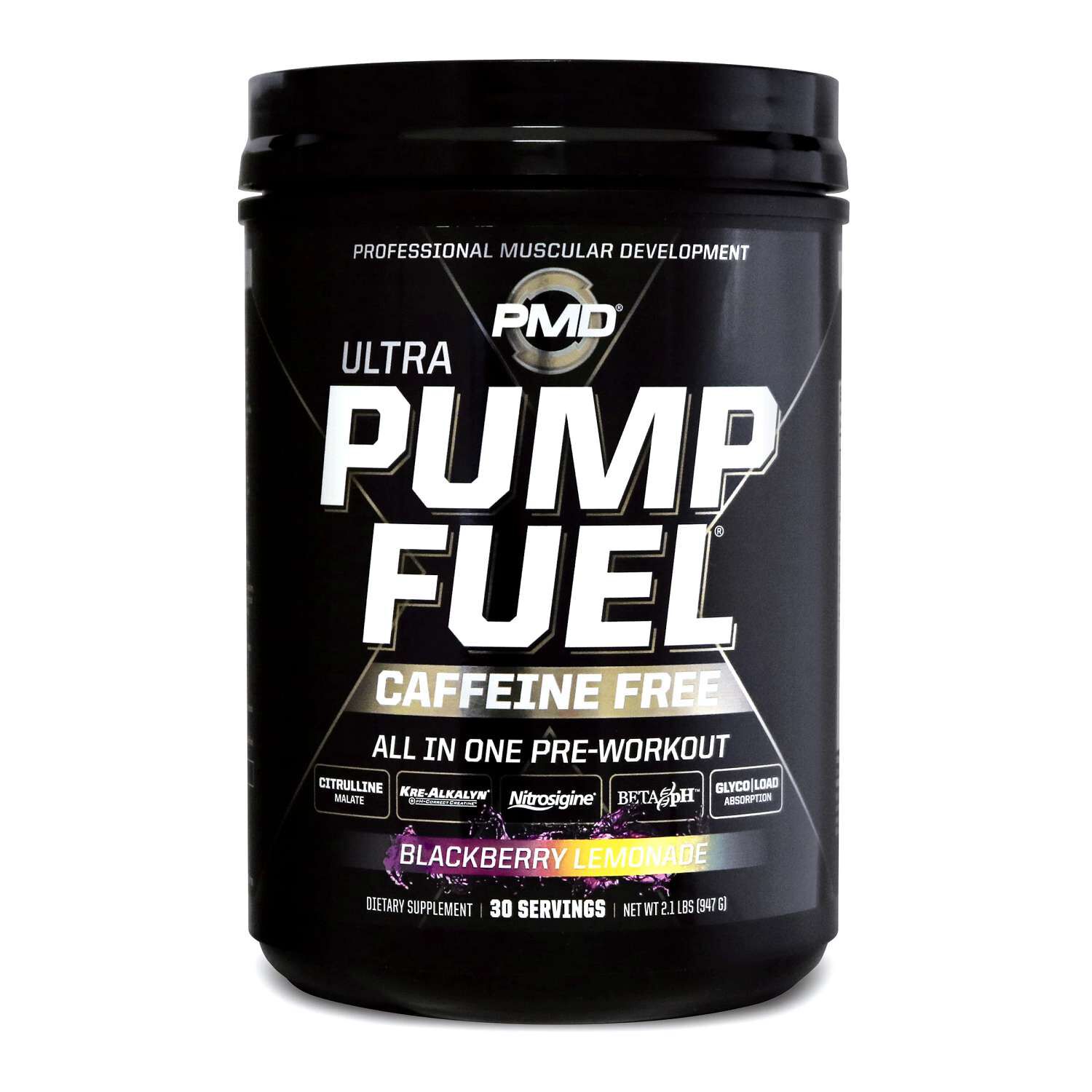

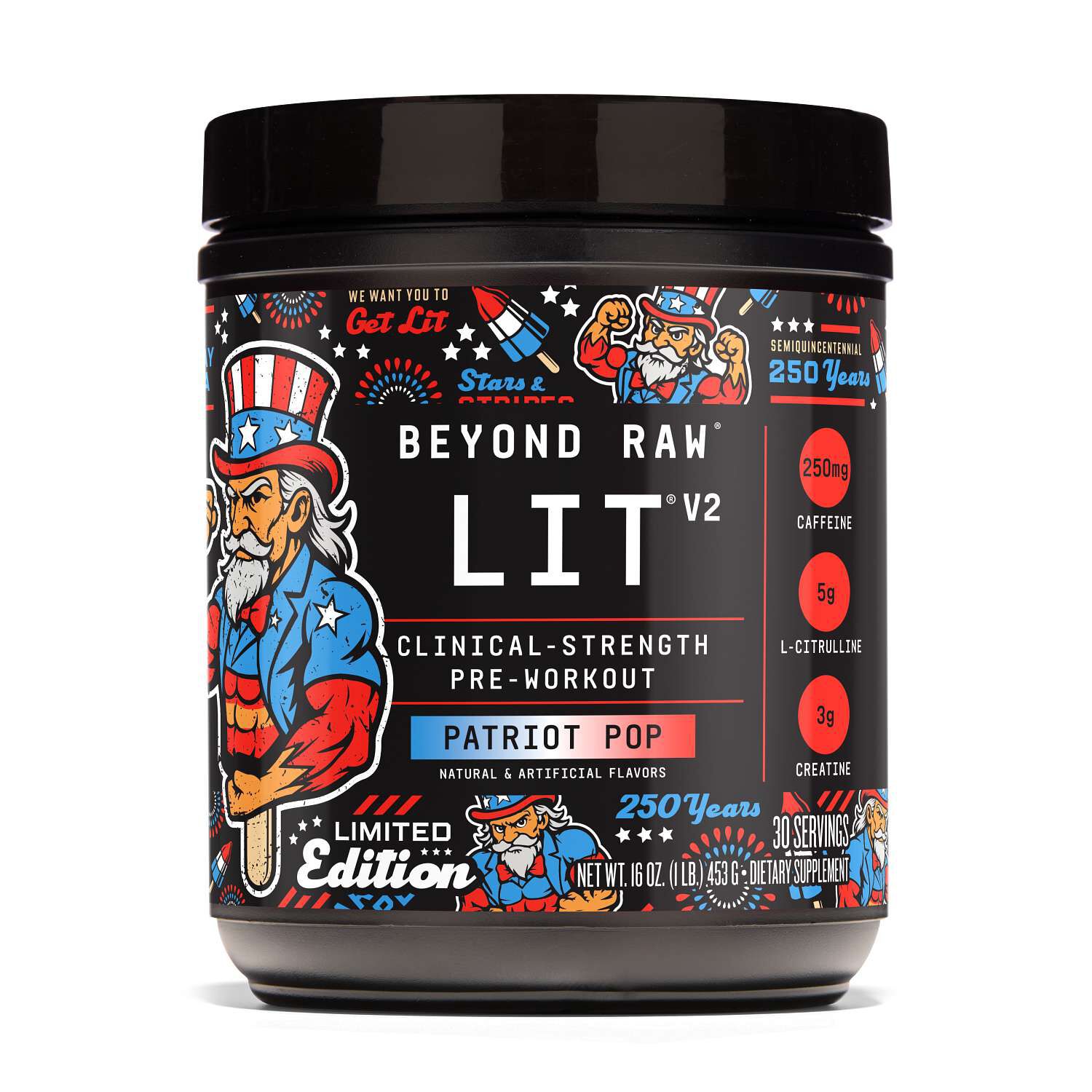
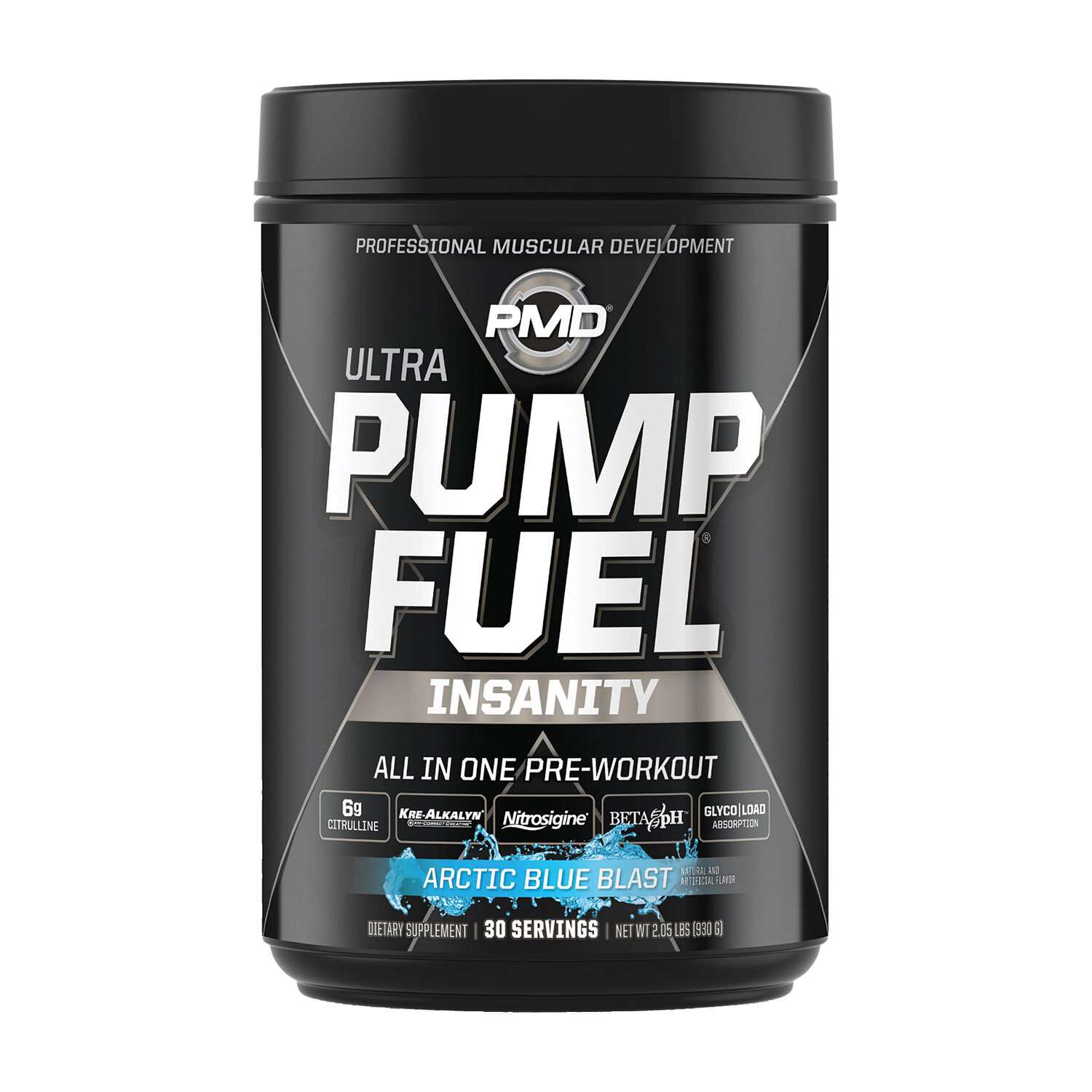


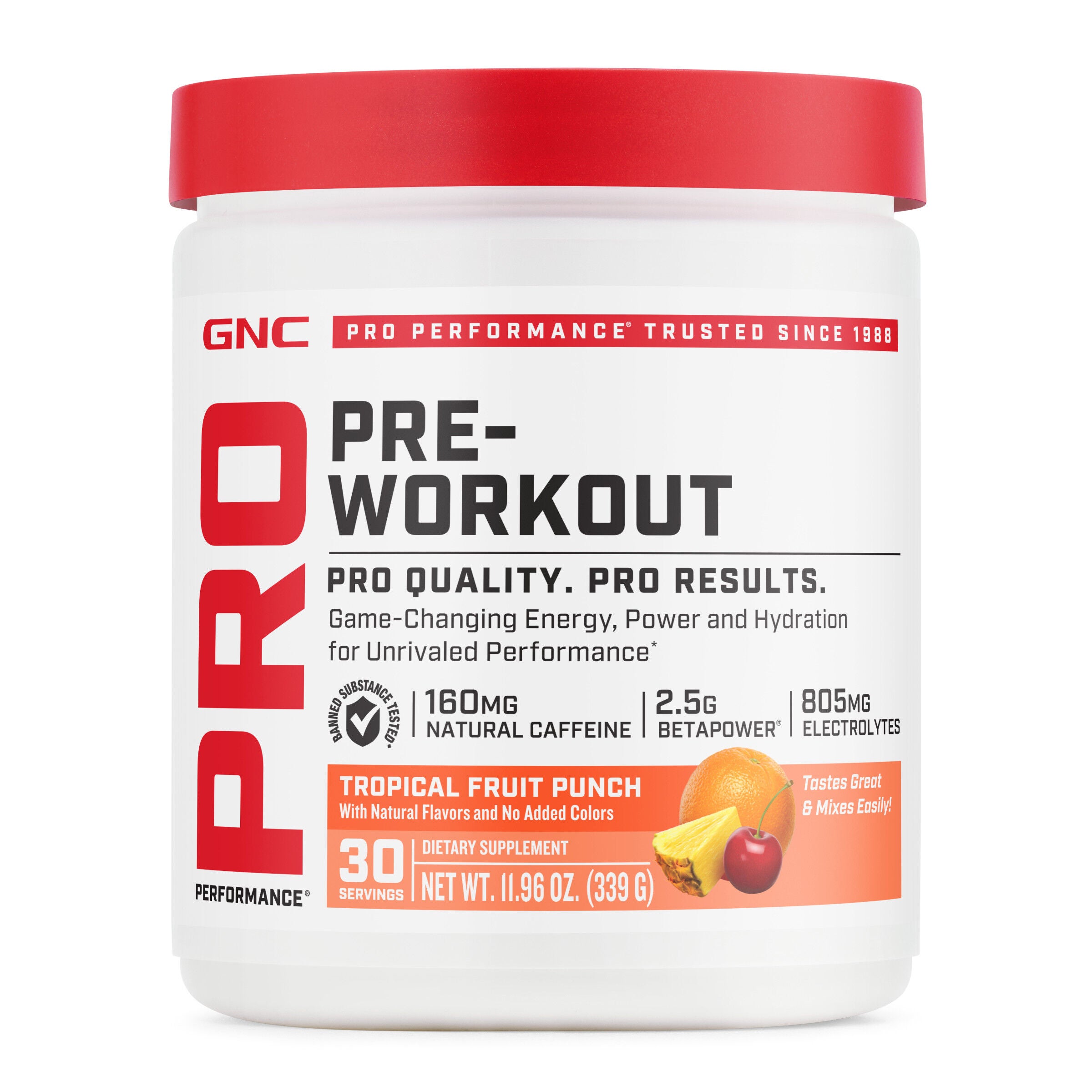

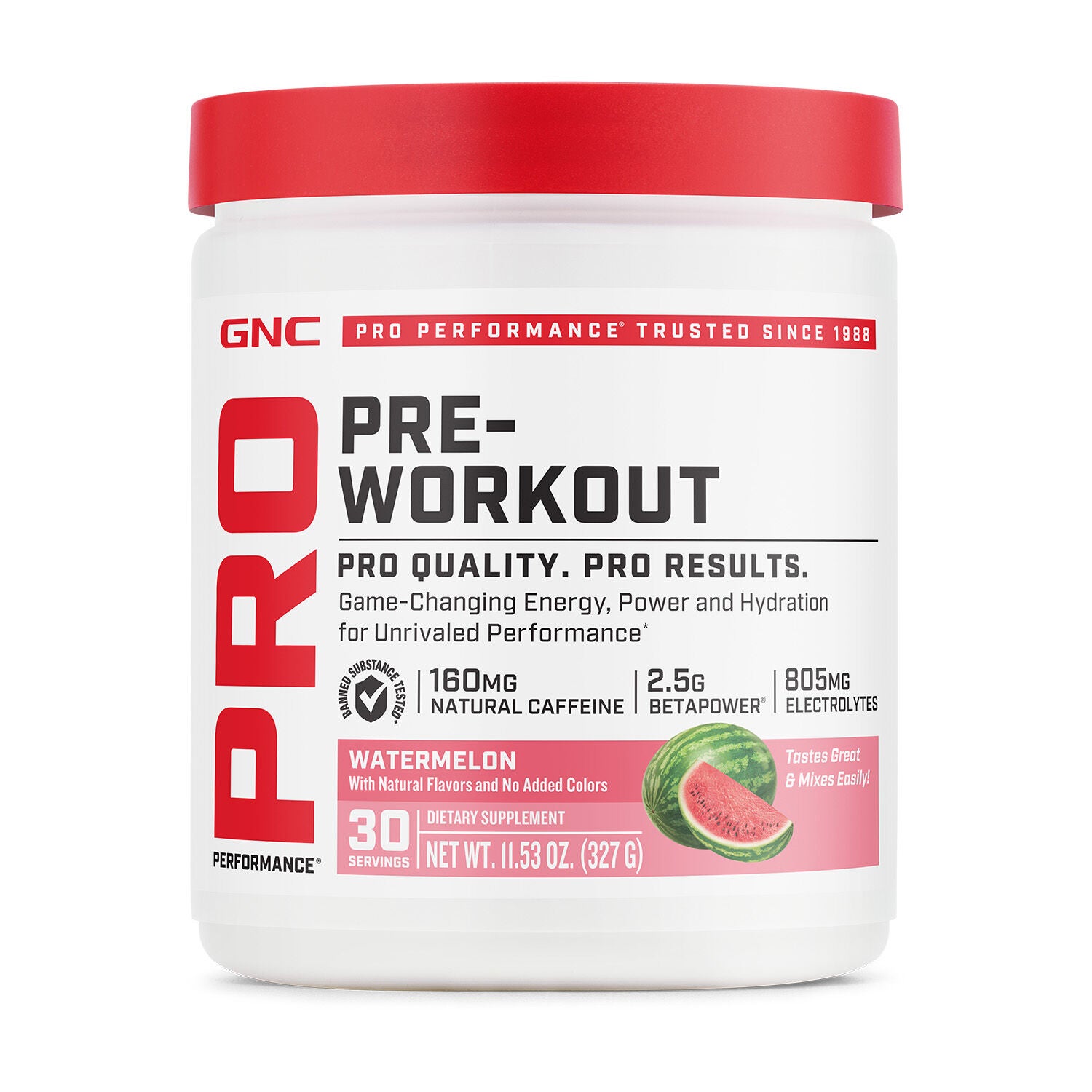


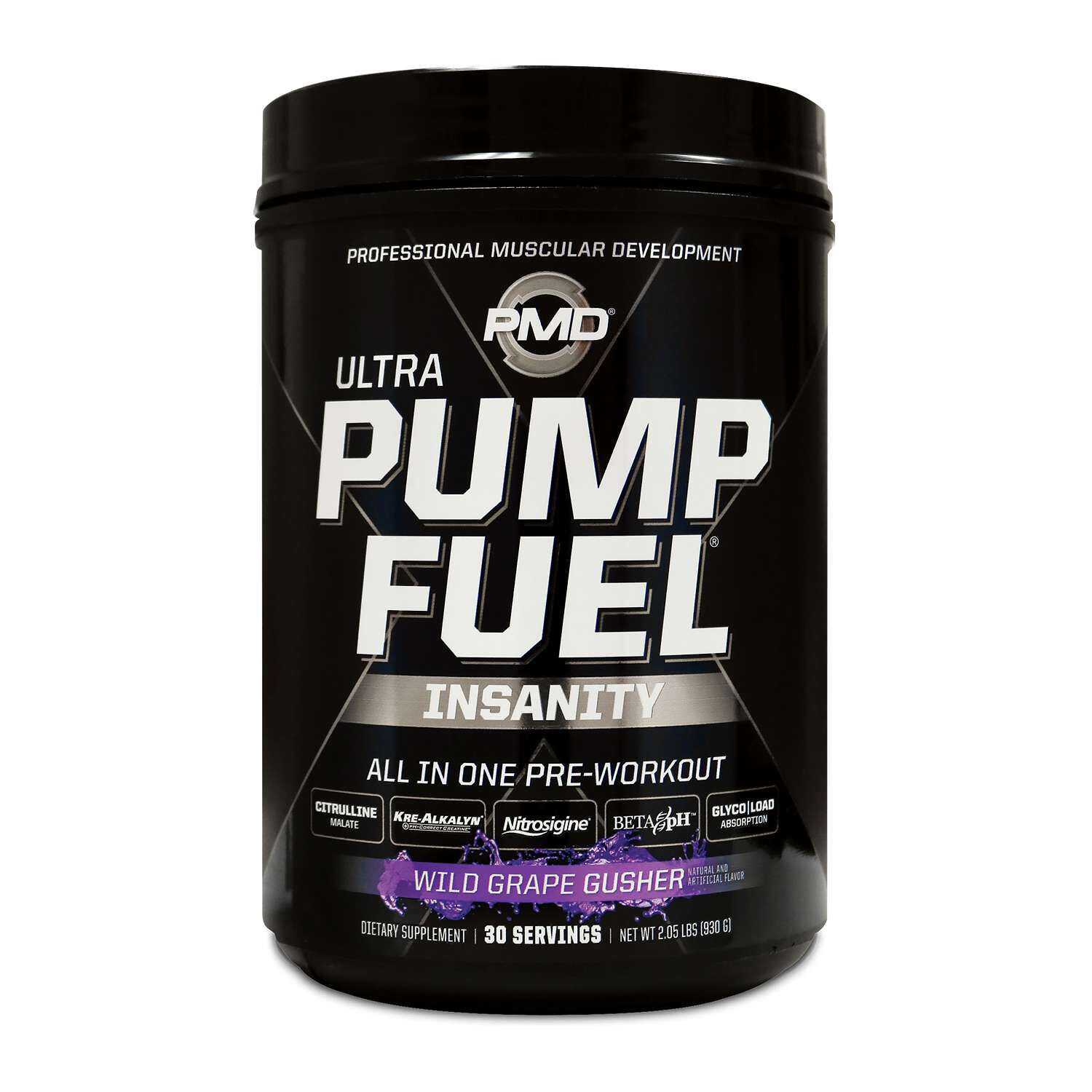

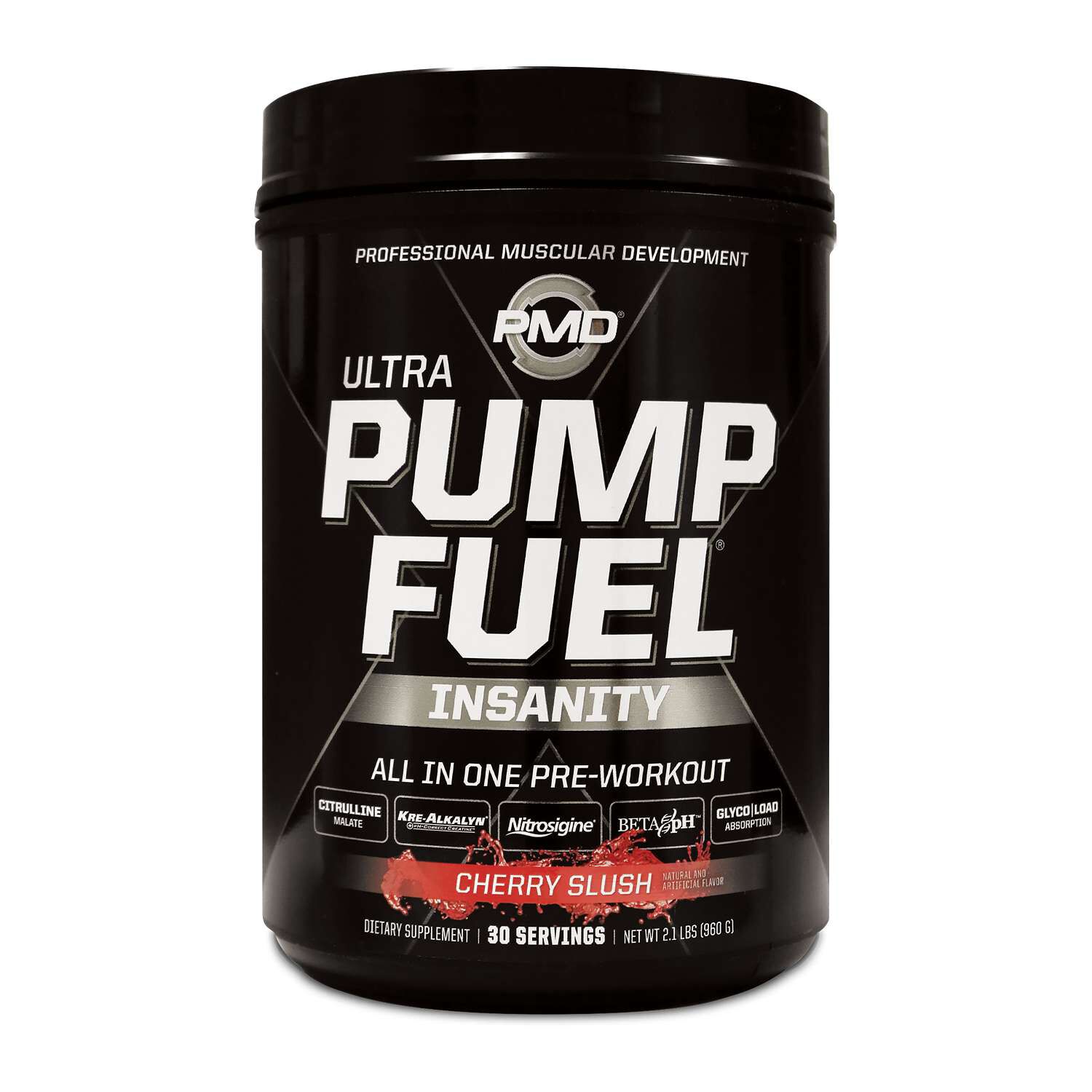
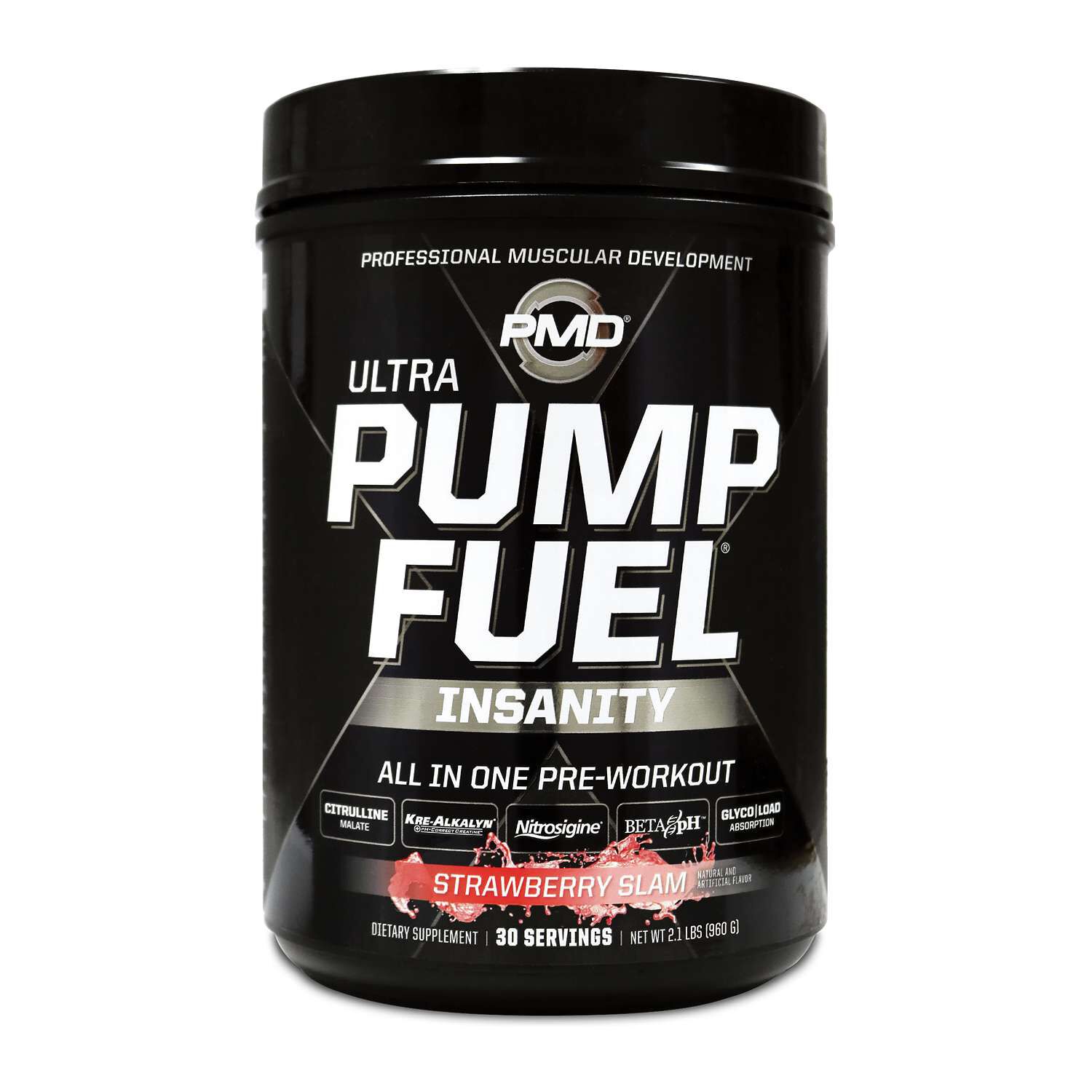

Pre-workout powders for lactose-intolerant adults are best understood by looking at the formula, not just the flavor or the words on the front of the container. Many pre-workout formulas center on amino acids, caffeine, flavorings, and other ingredients rather than milk proteins, but that does not make every powder suitable for someone avoiding lactose. Lactose is the sugar naturally present in milk, and its presence depends on the ingredients and how those ingredients are processed. Whey protein concentrate, milk powder, and other milk-derived components warrant closer attention; whey protein isolate also comes from milk, even though its lactose content can differ from that of other whey ingredients. A fruit-flavored powder is not automatically made without dairy, and a creamy flavor does not establish a particular amount of lactose. The ingredient list, allergen statement, and any specific information from the manufacturer provide a more useful picture than flavor names alone. An explicit statement about lactose content is especially relevant because a milk allergen declaration identifies milk ingredients without measuring the lactose in a serving. Similarly, a vegan designation describes ingredient sourcing but does not, by itself, establish a tested lactose threshold or explain shared manufacturing equipment. For shoppers comparing pre-workout powders for lactose intolerance, these distinctions help separate meaningful formula information from broad packaging language. A straightforward amino acid blend mixed with water is a different product format from a powder that combines pre-workout ingredients with milk-based protein. Neither format should be judged by appearance alone. The amount of detail provided on the label matters, particularly when a familiar flavor appears in several formulas with different ingredient lists. Even powders with similar names can differ in their milk-derived ingredients, serving sizes, and preparation directions, so each formula deserves consideration on its own rather than by association with another option.
The category also includes substantial differences beyond dairy ingredients. Pre-workout powders may contain caffeine, citrulline, beta-alanine, creatine, electrolytes, or combinations of these ingredients, with amounts that vary from one formula to another. Their inclusion does not indicate whether a powder contains lactose; the rest of the ingredient list still matters. Some shoppers prefer a short formula with clearly stated amounts, while others look for several ingredients in a single serving. Caffeine content is another useful point of comparison, especially when a daily routine already includes coffee, tea, or other caffeinated beverages. Someone who trains after work may prefer a powder made without caffeine, while a morning gym visitor may be comparing formulas that list a measured amount per serving. Neither preference changes the need to review milk ingredients. Serving size deserves equal attention because one scoop is not a universal measurement across the category. A container might define a serving differently from another powder, and scoop volume alone does not provide a reliable comparison of ingredient amounts. Flavor and sweetness also shape the everyday experience. Tart citrus, berry, and tropical profiles offer different tastes, while unflavored options have their own mixing characteristics. Sweeteners, acids, colors, and flavor ingredients can vary even when two powders feature similar primary ingredients. A shopper planning to mix a serving in a small shaker before a strength session may value a different flavor intensity from someone carrying a larger bottle to a group fitness class. Directions for water volume provide useful context for that comparison. More water changes the concentration of the prepared drink, not the amount of powder already added. The most relevant match is a formula whose labeled ingredients, serving format, and preparation requirements align with the shopper’s preferences and intended routine, whether that involves weight training, cycling, or another planned workout.
Everyday handling is part of choosing a pre-workout powder, particularly when the container travels between a kitchen cabinet, a gym bag, and an office drawer. Package size and serving count describe different aspects of the product, and a compact container is not necessarily a smaller serving format. A secure closure and readable label are useful details for shoppers who transport their powder, while individual packets offer a different carrying format from a tub with a measuring scoop. Preparation directions remain important in either case. Water provides a mixing option that does not introduce lactose, while milk or another beverage changes the ingredients in the finished drink. Plant-based beverages also have their own ingredient lists, textures, and flavors, so the powder and its mixer are separate considerations. A dry scoop, a firmly closed lid, and storage according to the package directions are practical parts of caring for a powdered supplement. A shaker used for a milk-based drink also needs thorough washing before it is used for another formula; residue from a previous drink is separate from what the powder itself contains. These small details matter for a routine built around ingredient awareness. Testing information deserves similarly close reading: an independent certification may address particular substances, manufacturing practices, or label accuracy without evaluating lactose specifically. The stated scope of that testing is more informative than the presence of a seal alone. Pre-workout powder and protein powder also serve different shopping purposes, even when both are mixed in a shaker. Pre-workout formulas are intended for use around a training session according to their labels, while protein powders are selected primarily for their protein content. Shoppers comparing both categories can explore Protein Powders For Lactose Sensitive while evaluating each formula separately. A protein powder’s dairy profile does not establish the dairy profile of a pre-workout powder, or vice versa. Clear ingredient information, specific lactose details, and a preparation format that suits the routine are useful foundations for comparing either category.
Best Sellers


Related Pages

Top Collections
- Daily Collagen Supplements | Top Brands & Deals | GNC
- Cortisol Supplements
- Top Rated Collagen | Shop Customer Favorites | GNC
- Vitamins For Hair Loss
- NAD+ Supplement Tablets
- Peptide Supplements
- Best Brand of Magnesium Glycinate
- Protein Powders For Muscle Growth Support
- Vitamins That Help Support Weight Gain
- Peptide Supplements for Muscle Growth