





Pre-Workout Supplements For Lactose Intolerant Athletes
(0 Results)
Pre workout supplements for lactose intolerant athletes offer options designed for those looking to support their fitness routines without the worry of dairy ingredients. Whether you’re hitting the gym, training for a competition, or simply aiming to elevate your energy before a workout, these supplements may fit seamlessly into your active lifestyle. Explore formulas that could align with dietary preferences and help you feel confident in your pre-workout routine.
-

-
-

-
-
-

-
-

-

-

-

-
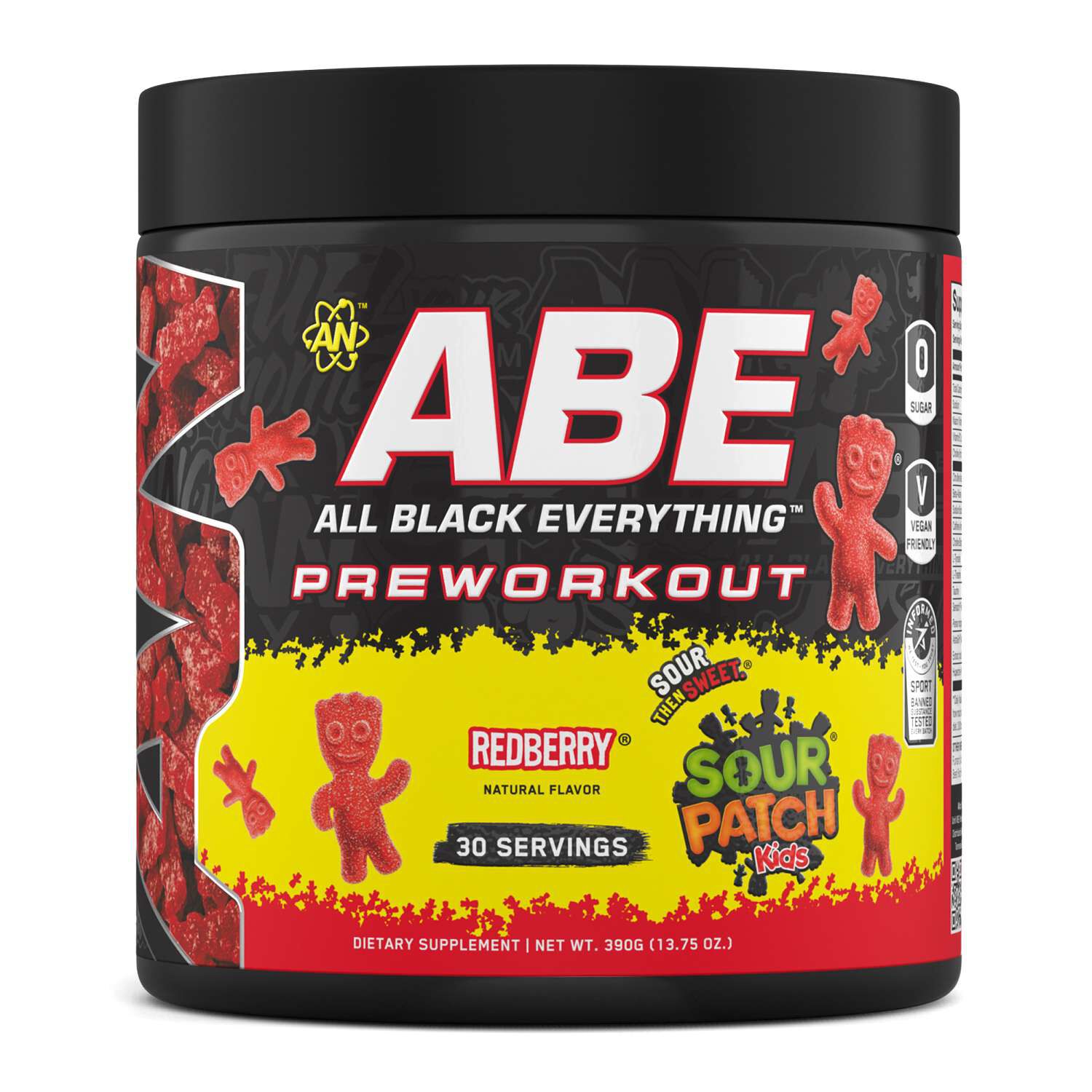 ABE Nutrition$39.99
 -
-
-

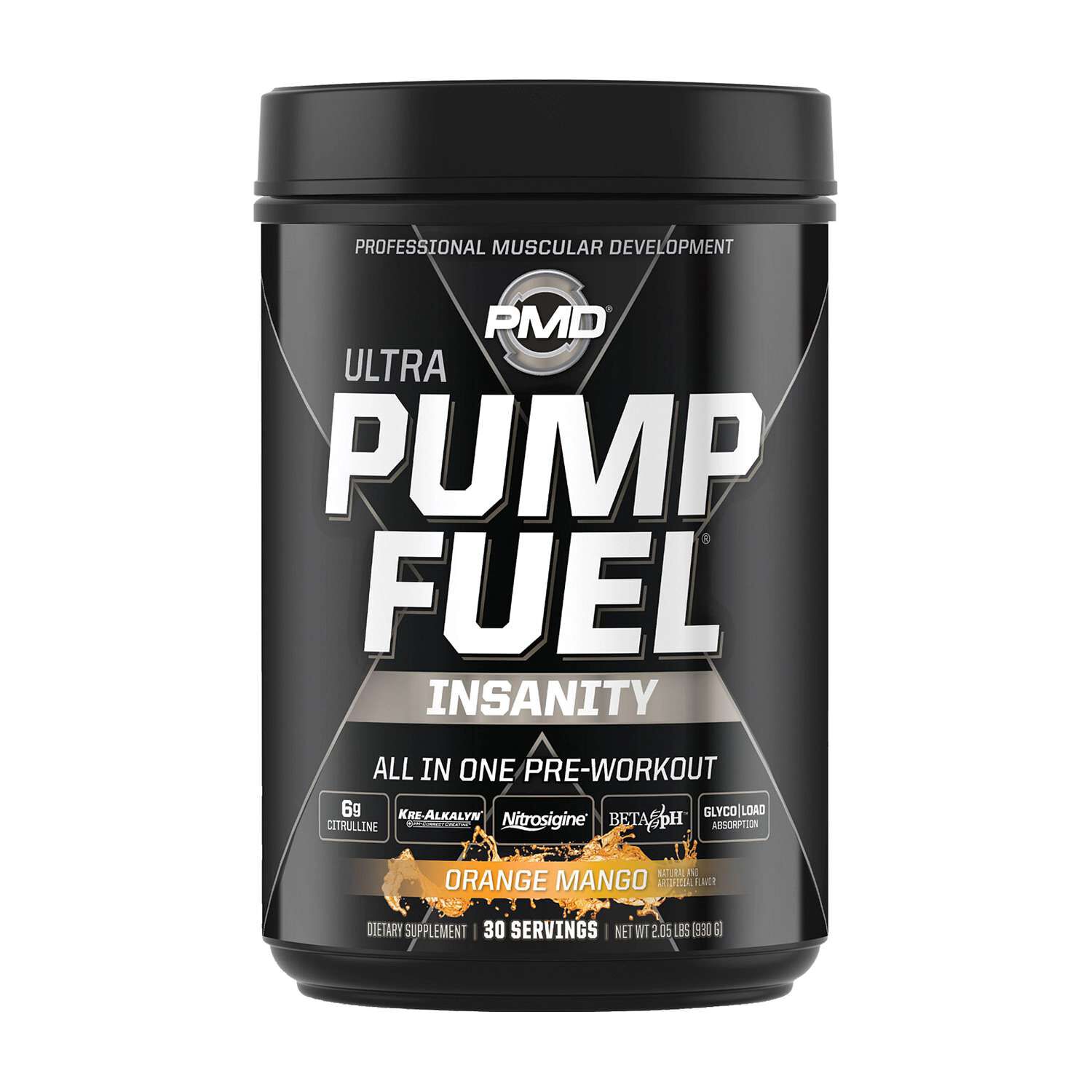


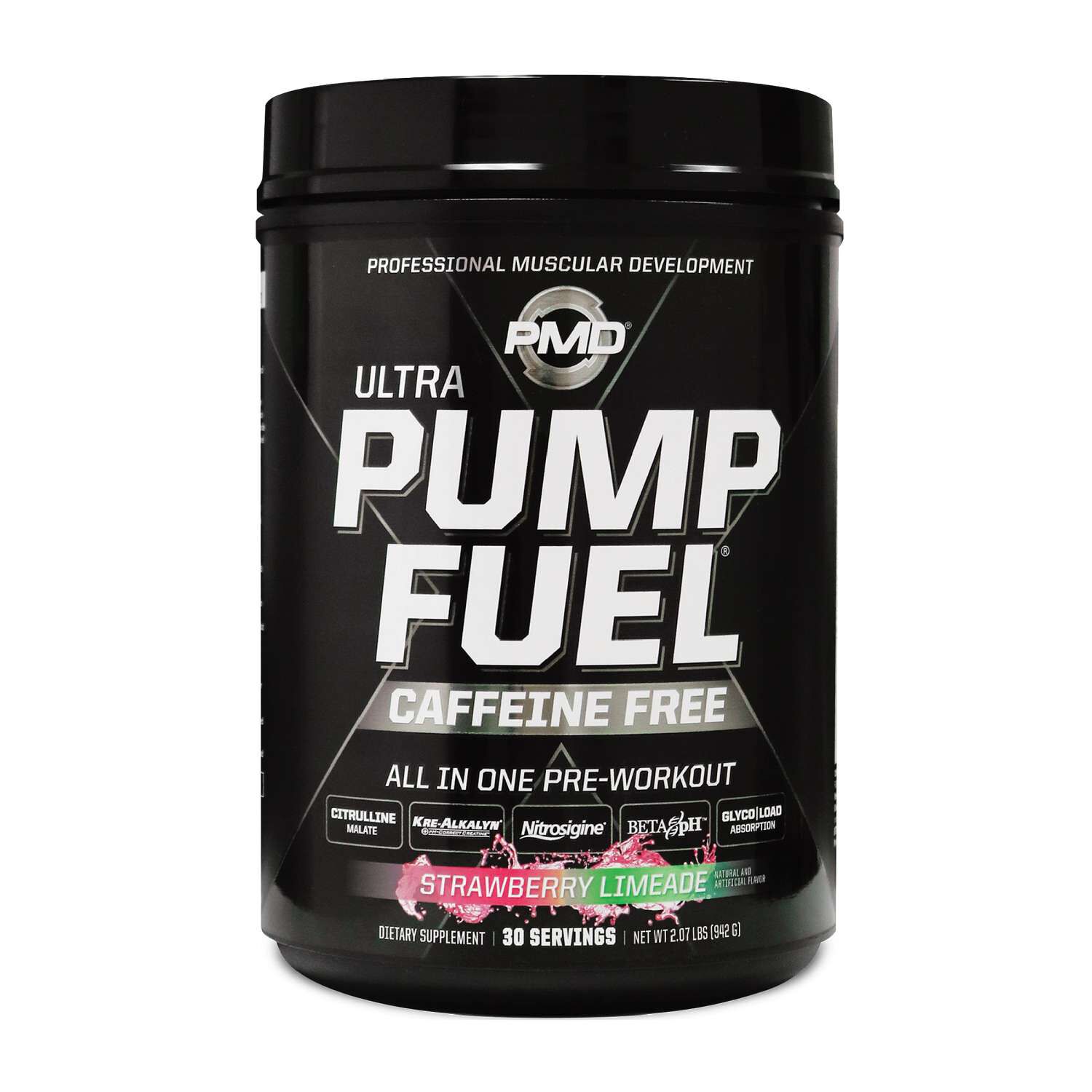
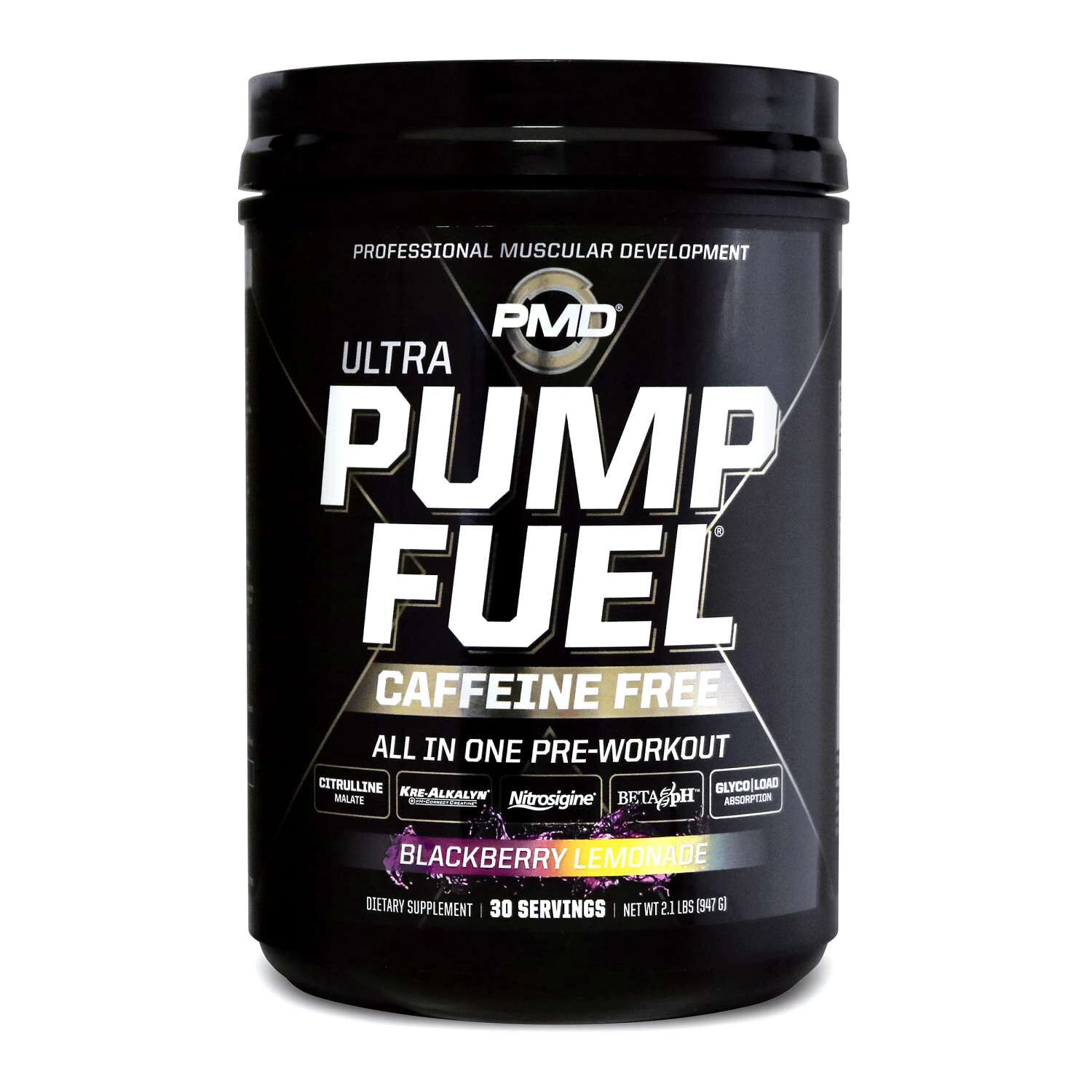
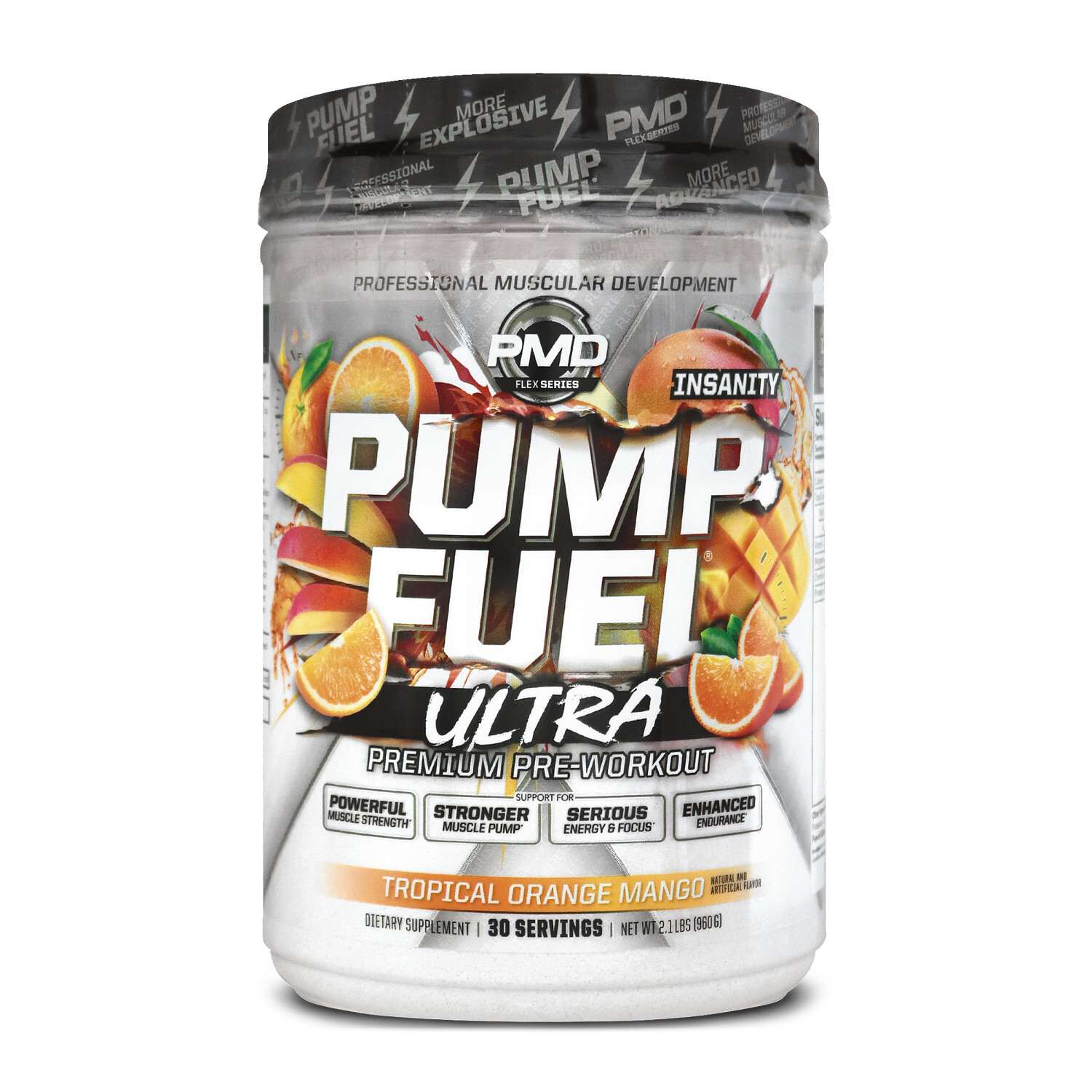
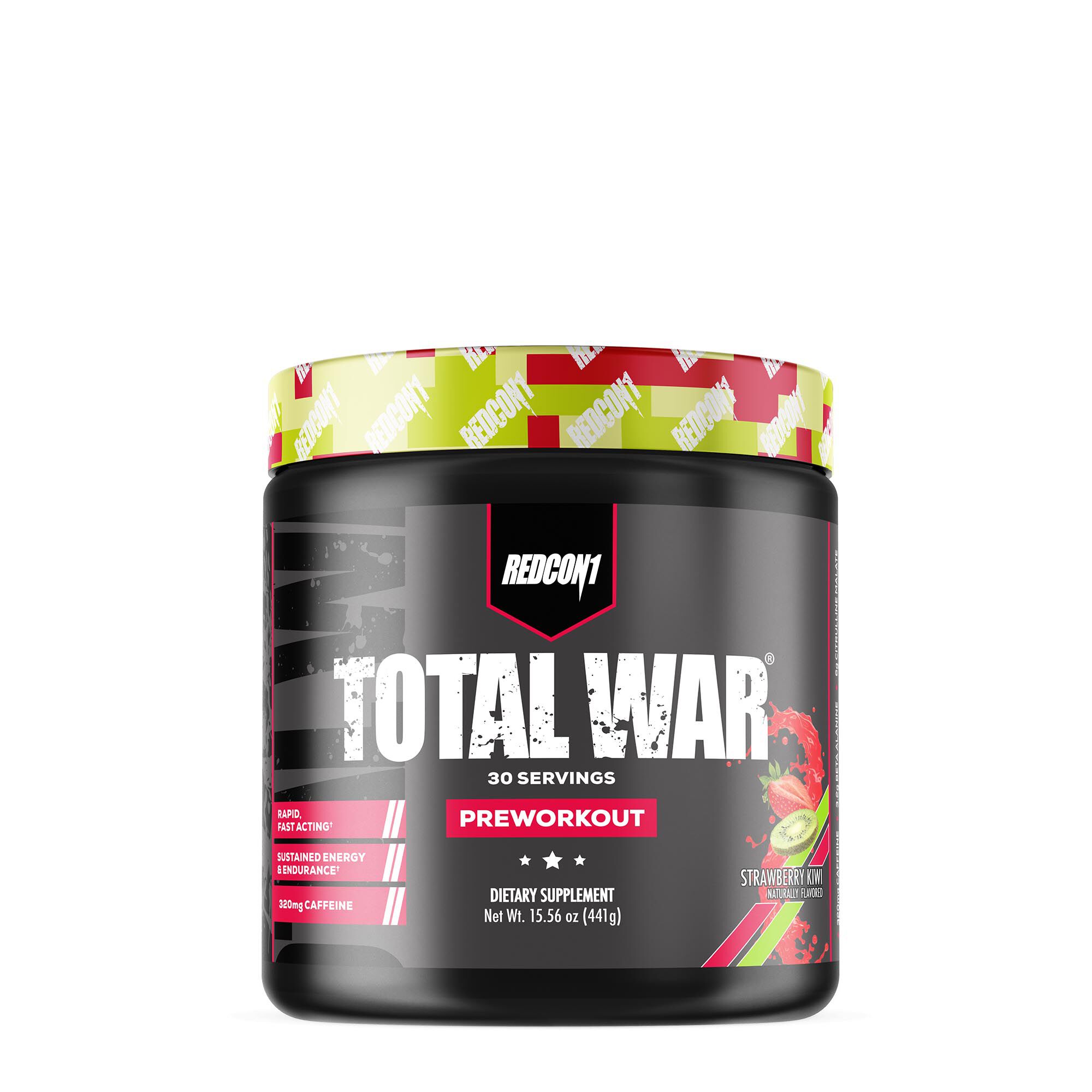
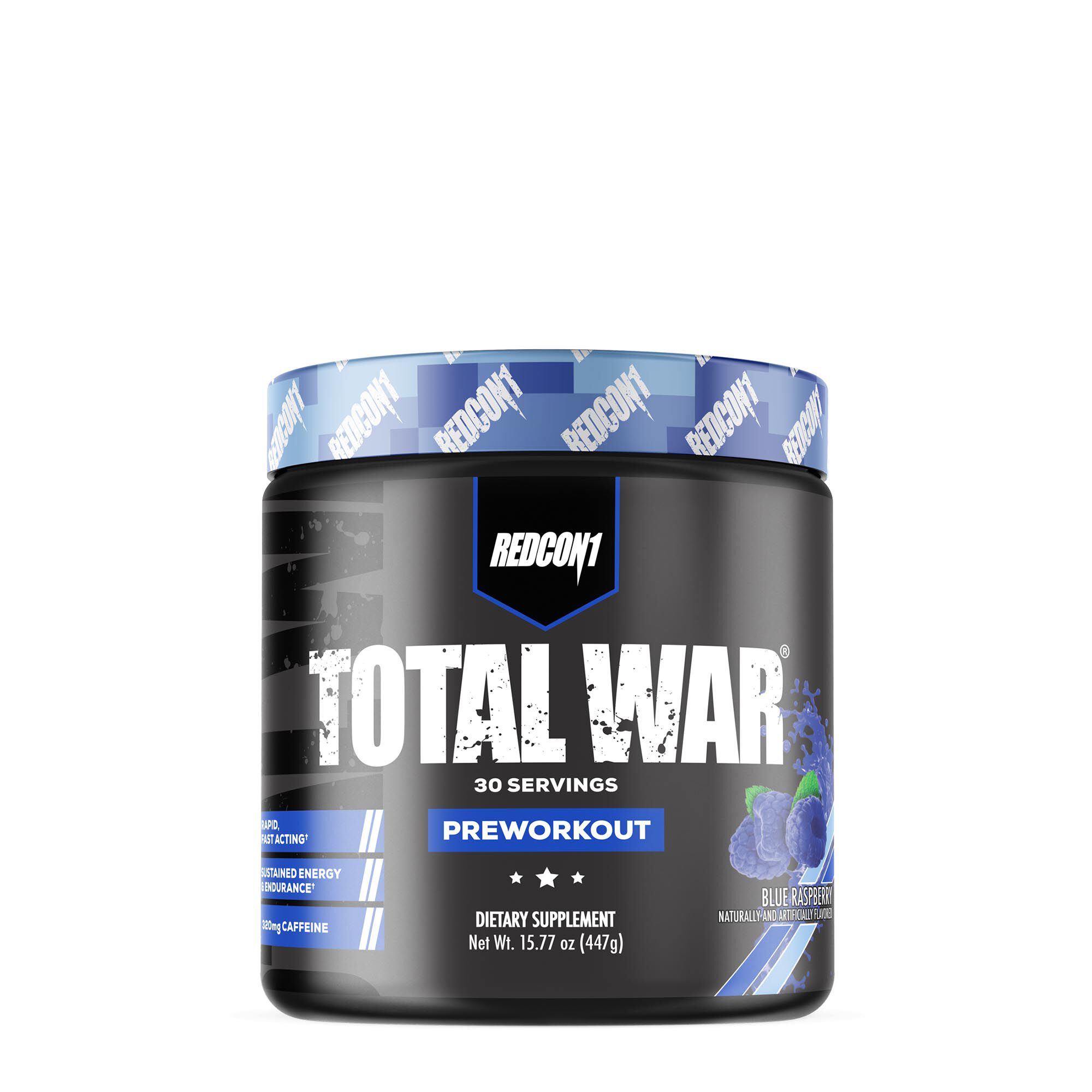
Pre-workout supplements for lactose intolerant athletes bring ingredient details into the same conversation as flavor, format, and training preferences. Lactose is a sugar found in milk, so the most relevant consideration is whether a formula contains lactose or milk-derived ingredients—not whether its packaging looks geared toward serious training. Pre-workout supplements are distinct from protein powders, although some sports nutrition blends combine ingredients from both categories. A fruit-flavored powder, a clear drink, or an amino acid formula does not automatically establish the absence of lactose. Ingredient lists, allergen statements, and manufacturer information offer more useful context than color, texture, or flavor names alone. Milk powder, milk solids, and certain whey ingredients deserve particular attention when comparing formulas, while the lactose content of milk-derived ingredients can vary with processing. A statement about lactose also does not necessarily mean a product contains no dairy ingredients. That distinction matters for shoppers whose preferences extend beyond lactose itself. Formulas made without milk-derived ingredients may align with those preferences, but their full composition still matters. Caffeine, amino acids, carbohydrates, sweeteners, and flavoring ingredients each contribute to the differences between pre-workout categories, and none should be treated as a substitute for reviewing the finished formula. The intended setting matters, too: a runner getting ready for an early outdoor session may want a different format from a lifter heading to the gym after work. Athletes who keep a shaker bottle beside their gym bag may appreciate a powder mixed with water, while those traveling between a workplace and a training facility may prefer a format with less preparation. Across those routines, the central shopping consideration stays consistent: a clearly described formula that aligns with dietary preferences and the way training fits into everyday life. That makes transparent labeling especially useful on a page devoted to lactose-conscious pre-workout choices.
Ingredient preferences add another layer to choosing a pre-workout supplement. Caffeine appears in many formulas and may support alertness and focus before exercise, but its source does not determine whether the finished product contains lactose. Caffeine from coffee or tea and other forms of caffeine still need to be considered alongside every other ingredient in the blend. The amount per serving also provides a more meaningful comparison than a bold flavor name or an energetic package design. For athletes who prefer to avoid caffeine, formulas made without it represent a separate category worth distinguishing from those that simply contain a smaller amount. A late training session, an existing coffee routine, or a preference for a less stimulating pre-workout experience may shape that choice. Beta-alanine, L-citrulline, and other amino acids also appear in pre-workout formulas, though their presence alone says nothing about the lactose content of a finished supplement. Likewise, electrolytes and carbohydrates may be part of a blend without making it interchangeable with a dedicated hydration drink or a sports fuel. Comparing ingredient amounts and serving sizes keeps these categories in perspective. A scoop is a measurement tied to a particular formula, not a uniform standard across powders, and a larger container does not necessarily provide more servings. Flavor systems deserve attention as well. Some athletes enjoy a tart citrus drink before a morning workout; others prefer a gentler-tasting berry blend or an unflavored option. Sweeteners, sugar alcohols, acids, and serving volume can differ even between formulas with similar headline ingredients. Lactose is therefore one part of a broader ingredient comparison rather than the only detail that distinguishes one pre-workout approach from another. For shoppers exploring that broader context, Pre-Workout For Sensitive Stomachs offers a related category to consider alongside individual ingredient preferences. Neither a familiar flavor nor a shorter ingredient list establishes how a formula will suit every athlete, making clear product information more valuable than broad assumptions about a category.
Everyday handling and preparation can be just as relevant as the ingredient panel when narrowing a pre-workout selection. Powders offer flexibility in how they fit into a routine, but the labeled serving and mixing directions remain the reference point for preparation. Mixing with water keeps the preparation separate from the lactose content of a milk-based beverage, while other mixers introduce their own ingredients and flavor characteristics. A citrus powder might suit a cold bottle of water before an indoor cycling session, whereas an unflavored formula may appeal to someone who prefers a simpler drink before lifting. Texture and mixing characteristics differ: some powders disperse readily, while others require more shaking or leave a small amount of sediment. Those qualities describe the drinking experience, not proof of ingredient purity or suitability for a particular dietary need. Individually packaged portions may be convenient for travel or a crowded gym bag, while a resealable container may fit a consistent at-home routine. Packaging durability matters most in those practical moments—a lid that closes securely, a packet kept intact, and a container stored according to its label. Moisture can change the texture of powdered supplements, so dry utensils and properly closed packaging are relevant to everyday care. Reusable bottles also need regular cleaning according to their care instructions, particularly when they serve several purposes throughout the day. During the cooler months, when outdoor sessions may alternate with indoor training, these small logistical differences can influence which format feels easiest to use consistently. Recreational runners, strength-training enthusiasts, cyclists, and team-sport athletes may all browse this category, but their preferences need not look alike. One shopper may prioritize a formula without caffeine, another may focus on ingredient disclosure, and another may prefer a portable serving for the commute to practice. As a gift, a pre-workout supplement is most considerate when the recipient’s dietary preferences and familiar formula requirements are already known. The most useful comparison brings those details together: lactose-related labeling, the broader ingredient profile, serving information, flavor, packaging, and intended use within an established training routine.
Best Sellers


Related Pages

Top Collections
- Daily Collagen Supplements | Top Brands & Deals | GNC
- Cortisol Supplements
- Top Rated Collagen | Shop Customer Favorites | GNC
- Vitamins For Hair Loss
- NAD+ Supplement Tablets
- Peptide Supplements
- Best Brand of Magnesium Glycinate
- Protein Powders For Muscle Growth Support
- Vitamins That Help Support Weight Gain
- Peptide Supplements for Muscle Growth