





Pre-Workout For Sensitive Stomachs
(0 Results)
Finding the right pre workout for sensitive stomach may make all the difference in your fitness routine. With options that are thoughtfully formulated to be gentle, these selections cater to those who want to support their energy and focus without discomfort. Explore a range of pre workout for sensitive stomach choices designed with your wellness in mind, so you can get the most out of every session.
-

-
-
 2,436$59.99
 -

-
 2,436$59.99
 -
-

-
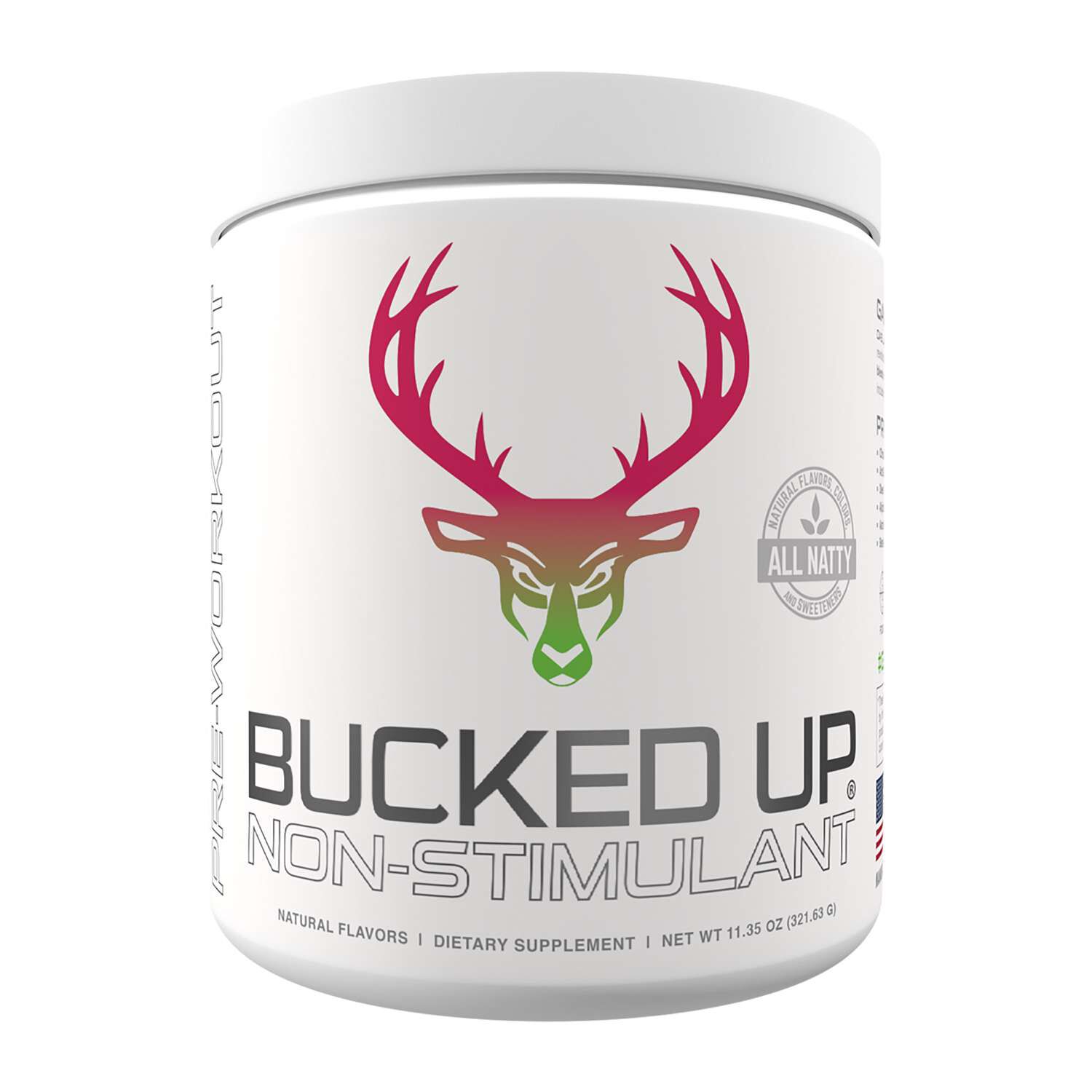
-
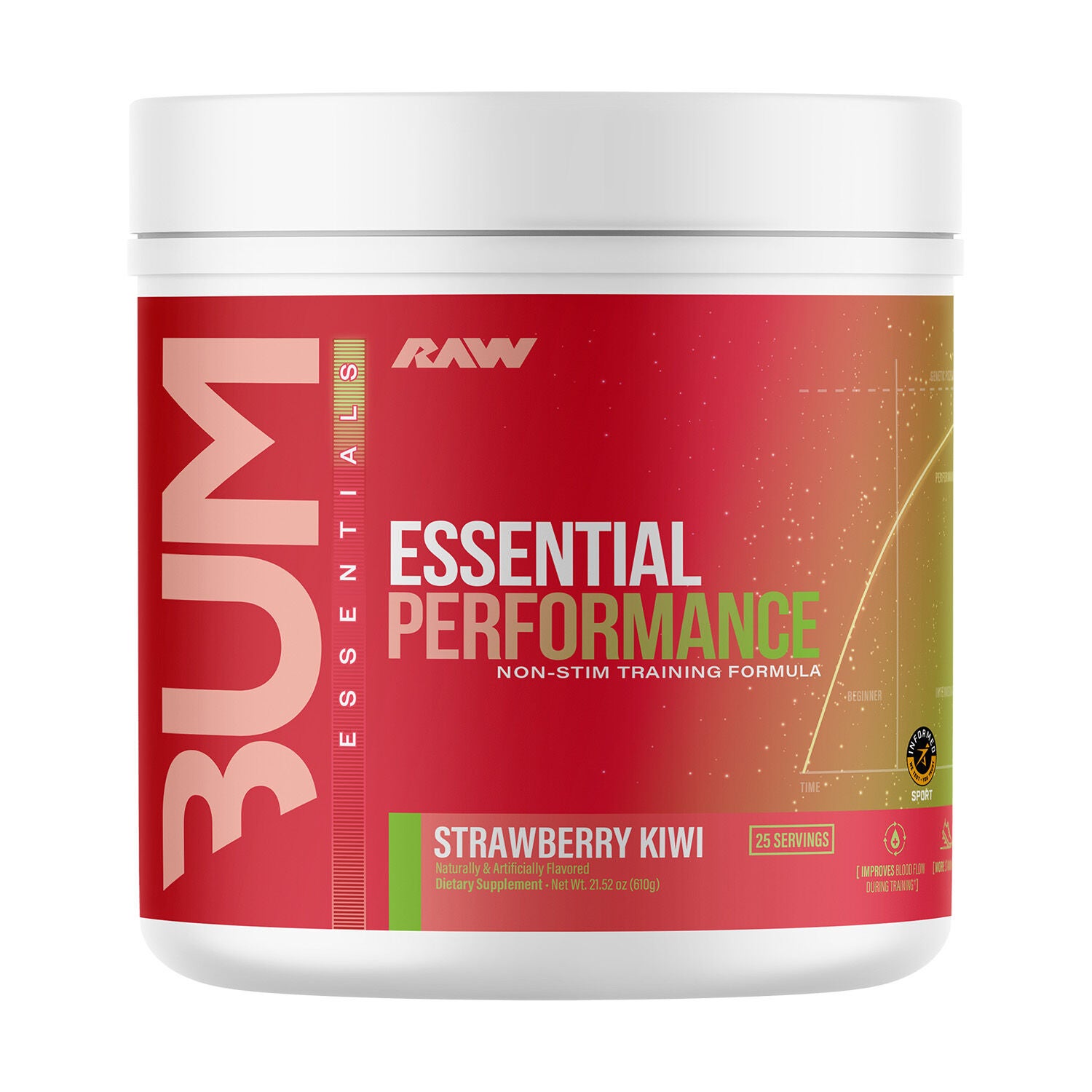
-
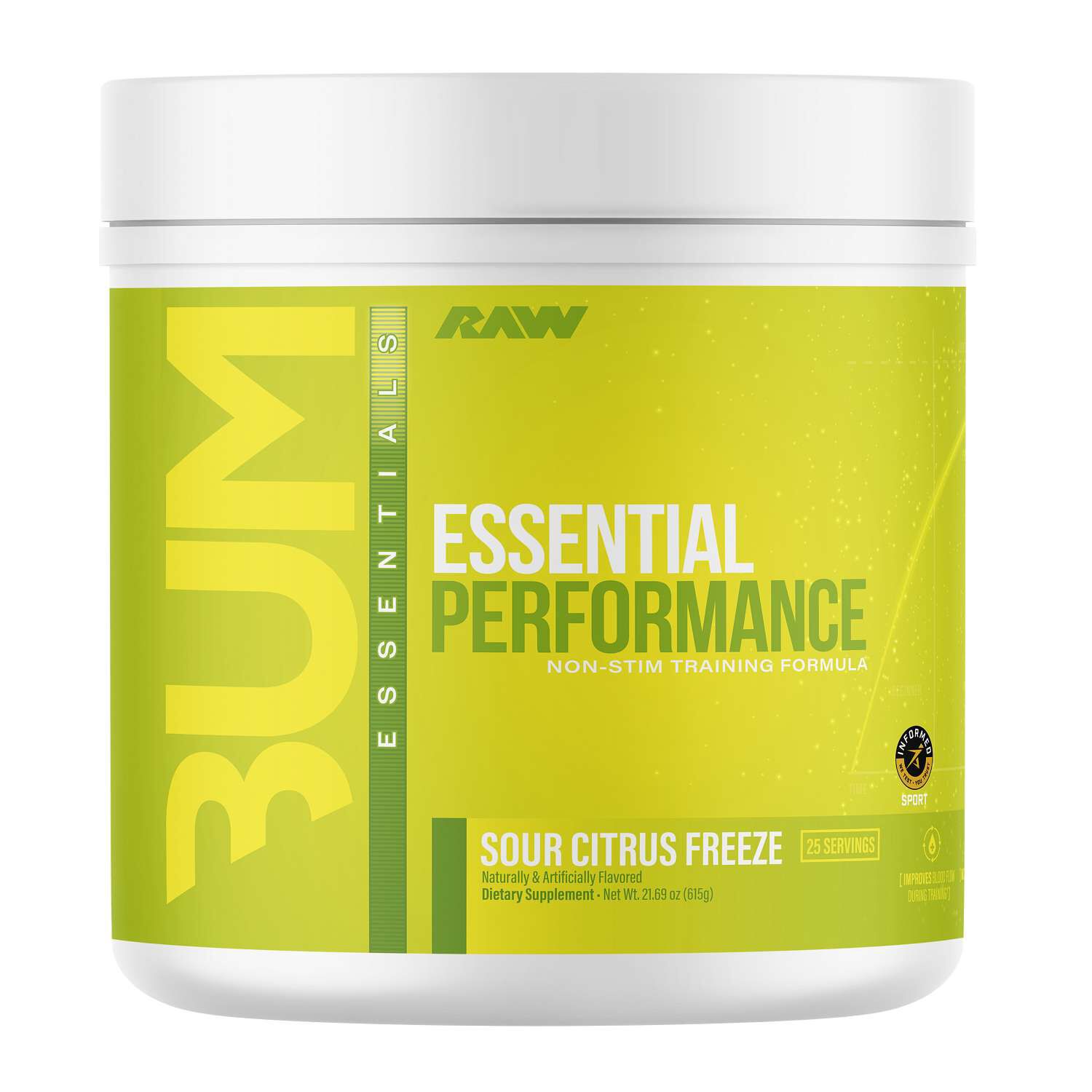
-
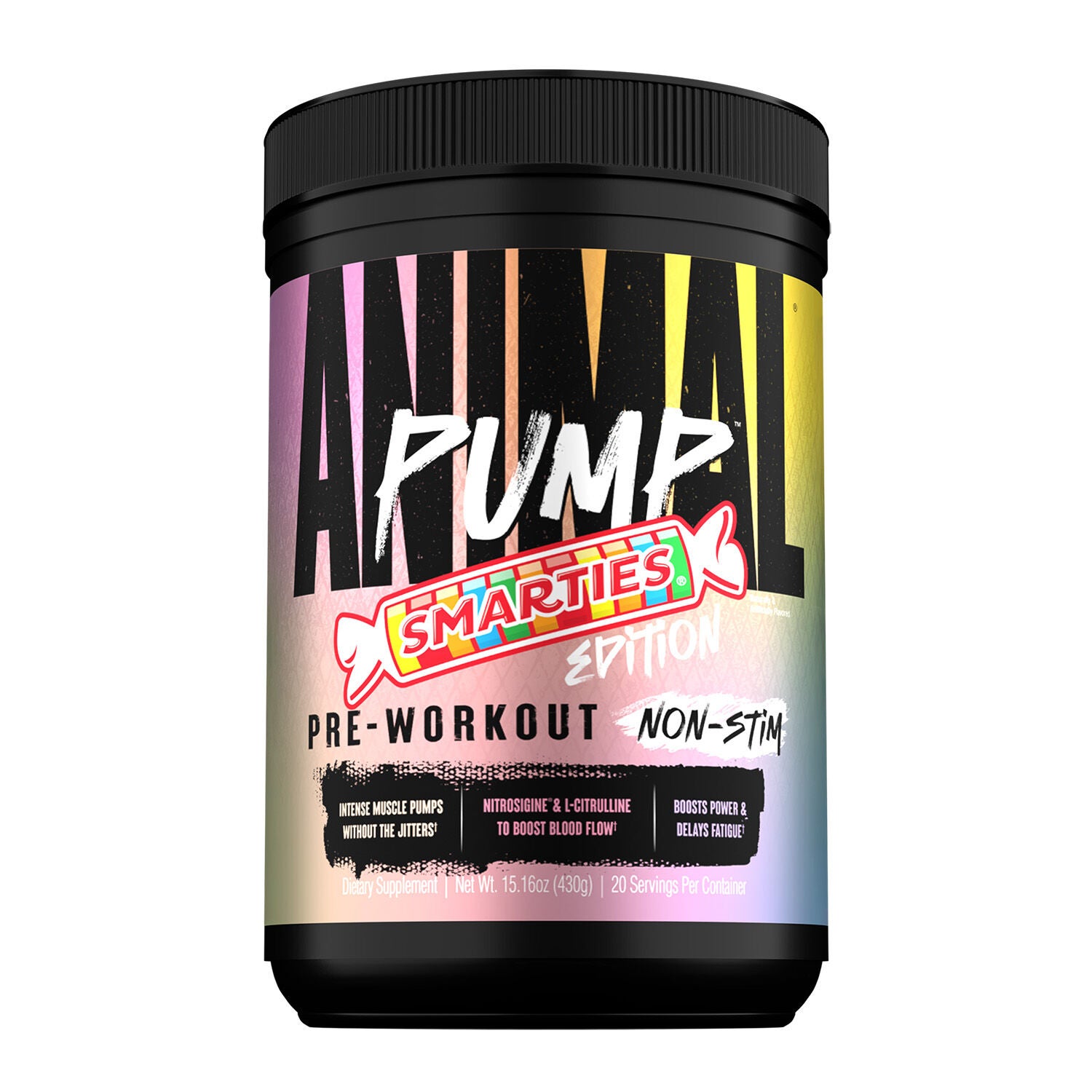
-
-
 $36.99
 -
 $36.99
 -

-
-
-

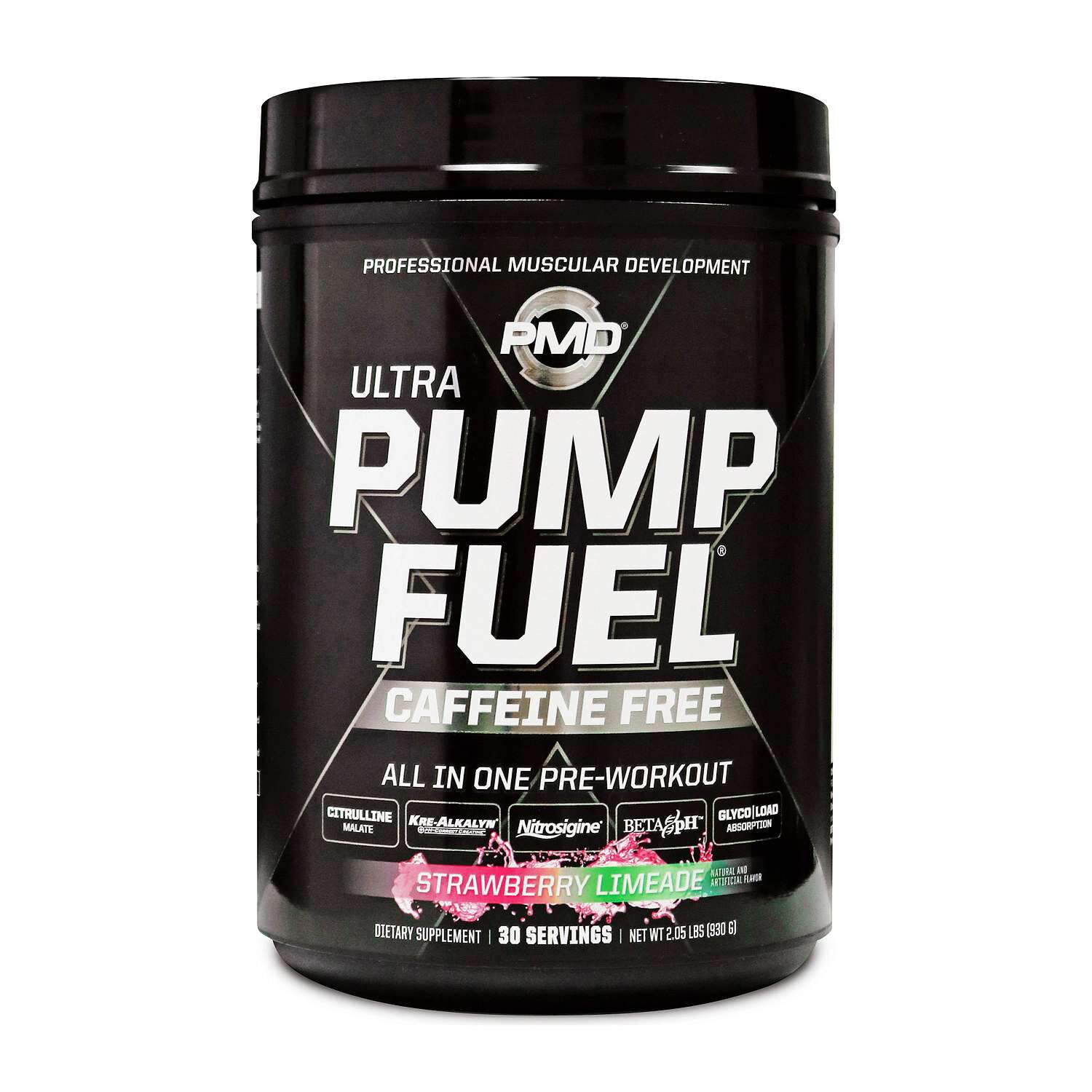


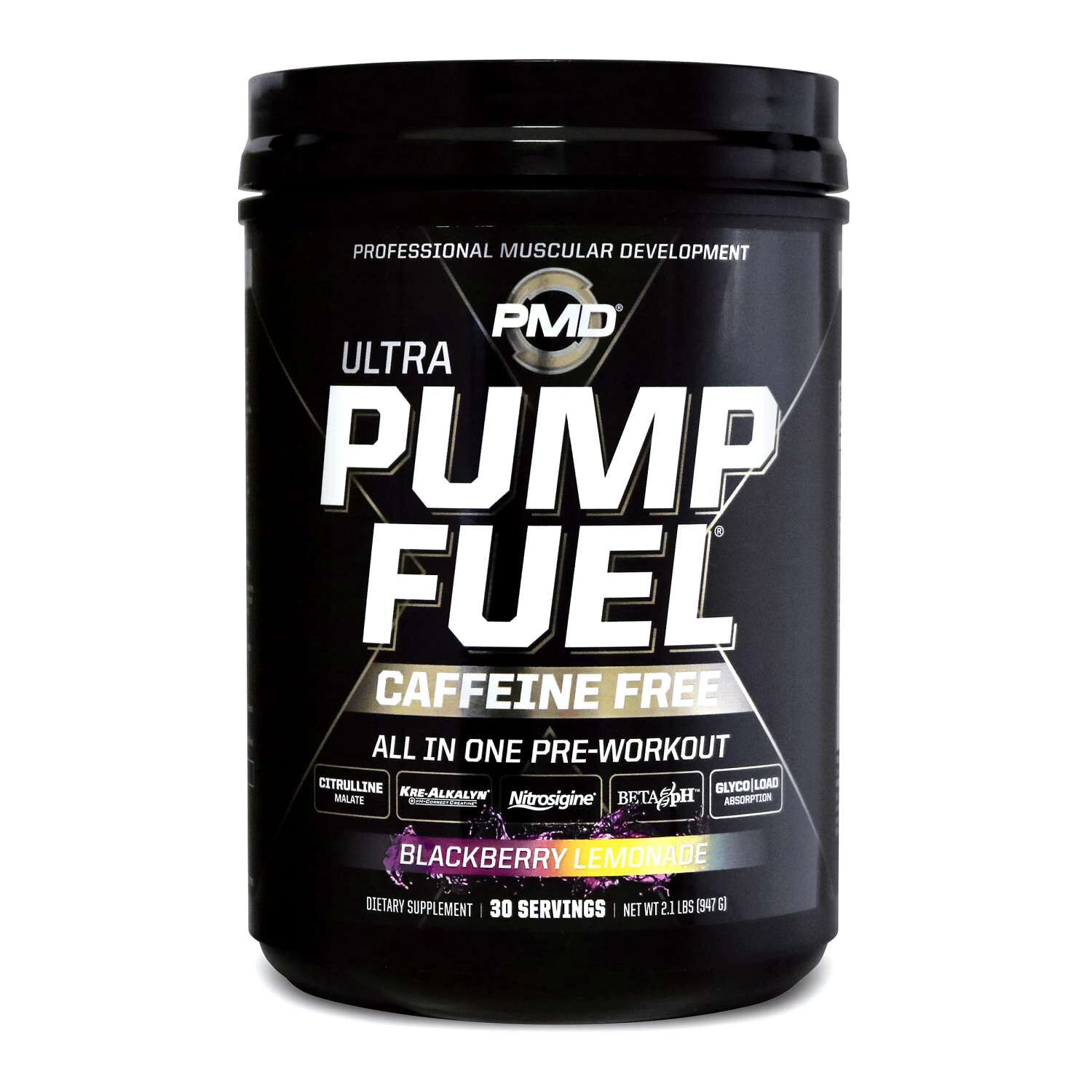
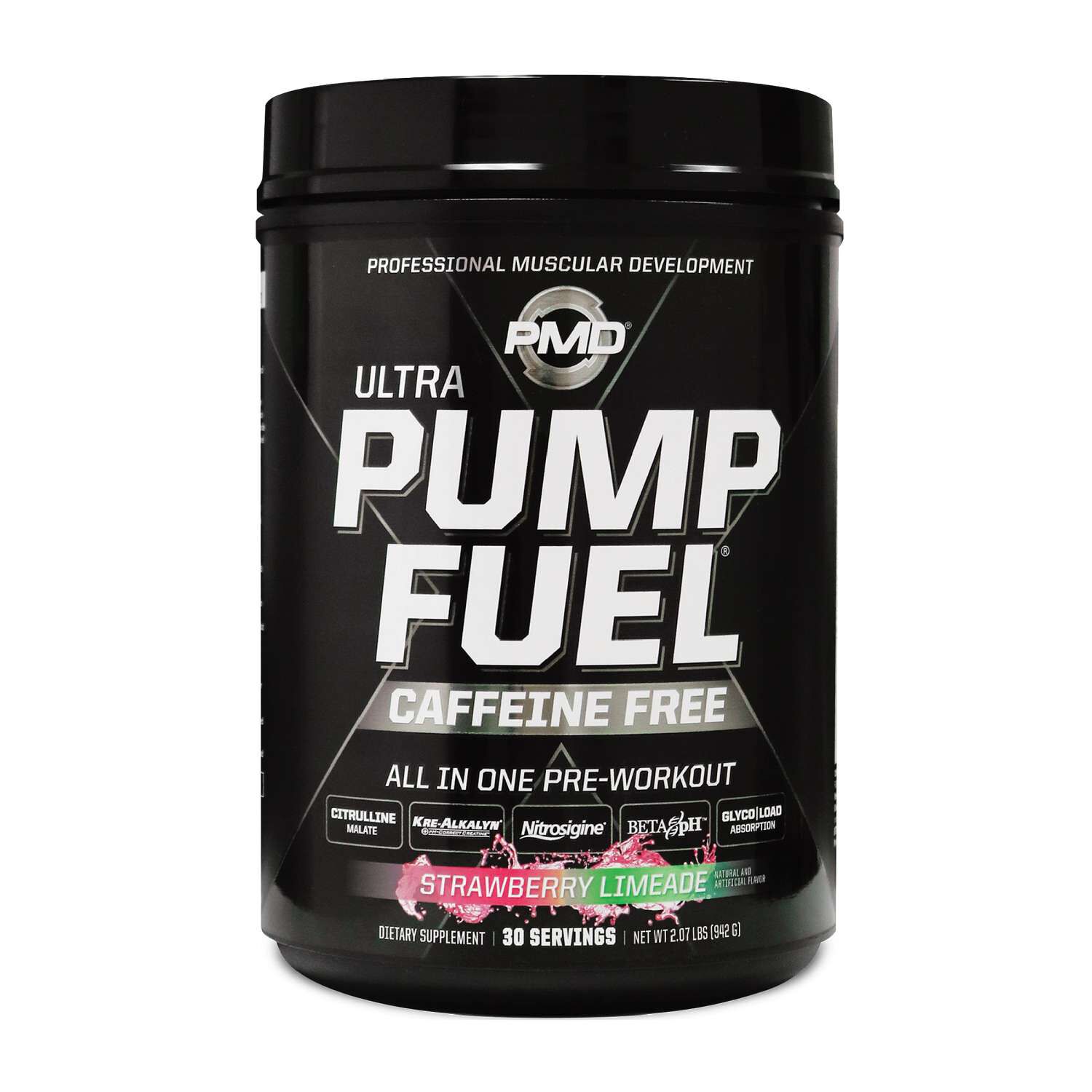

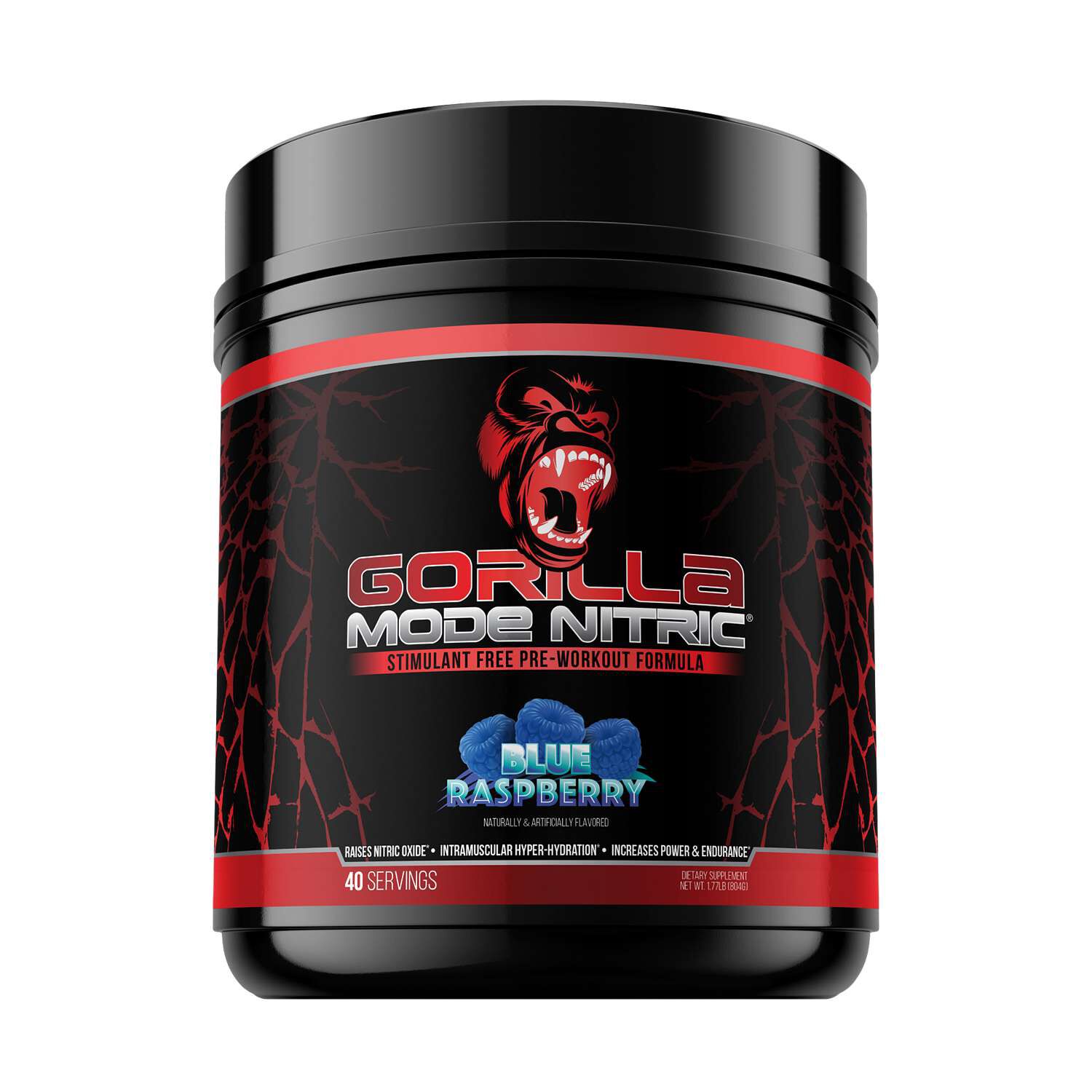
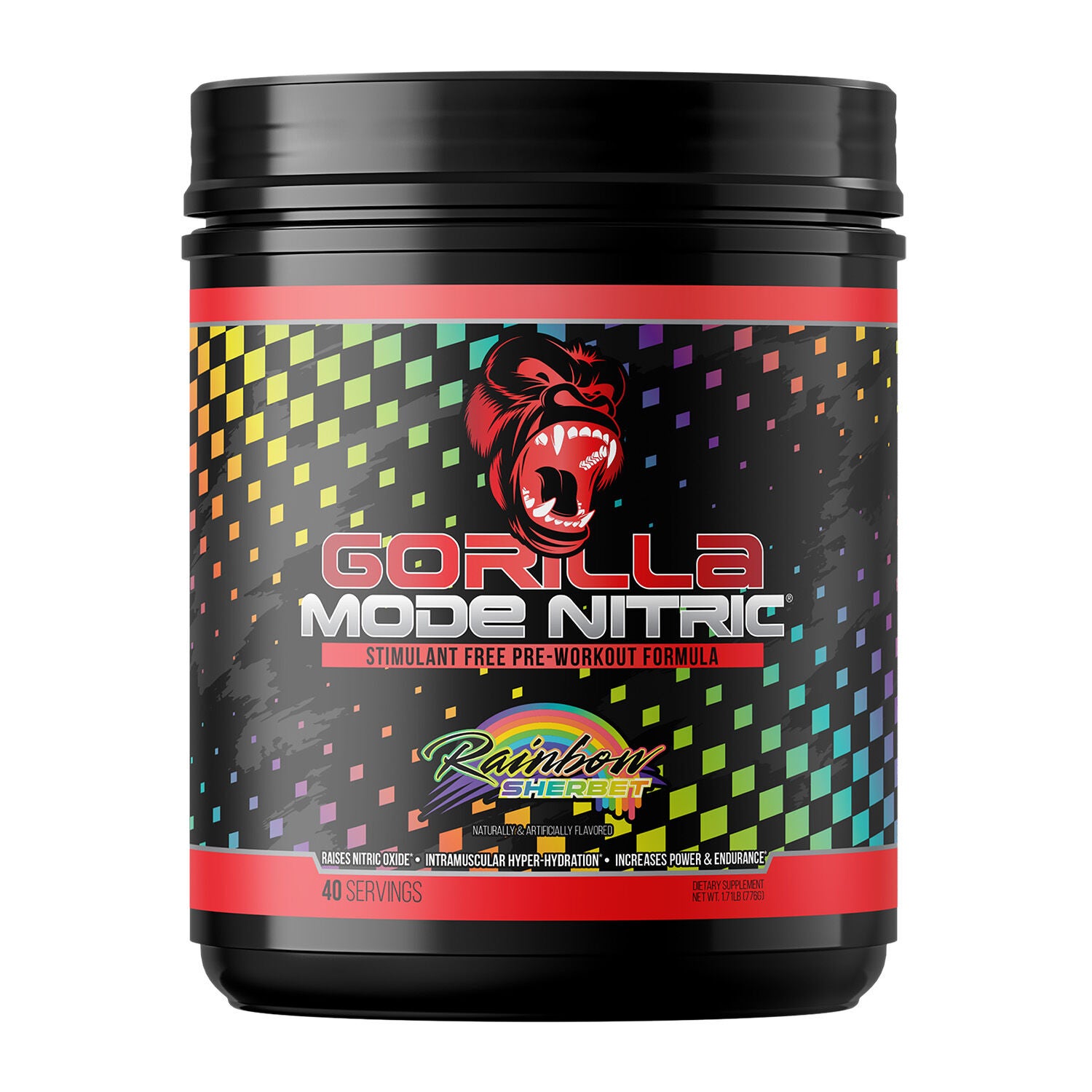
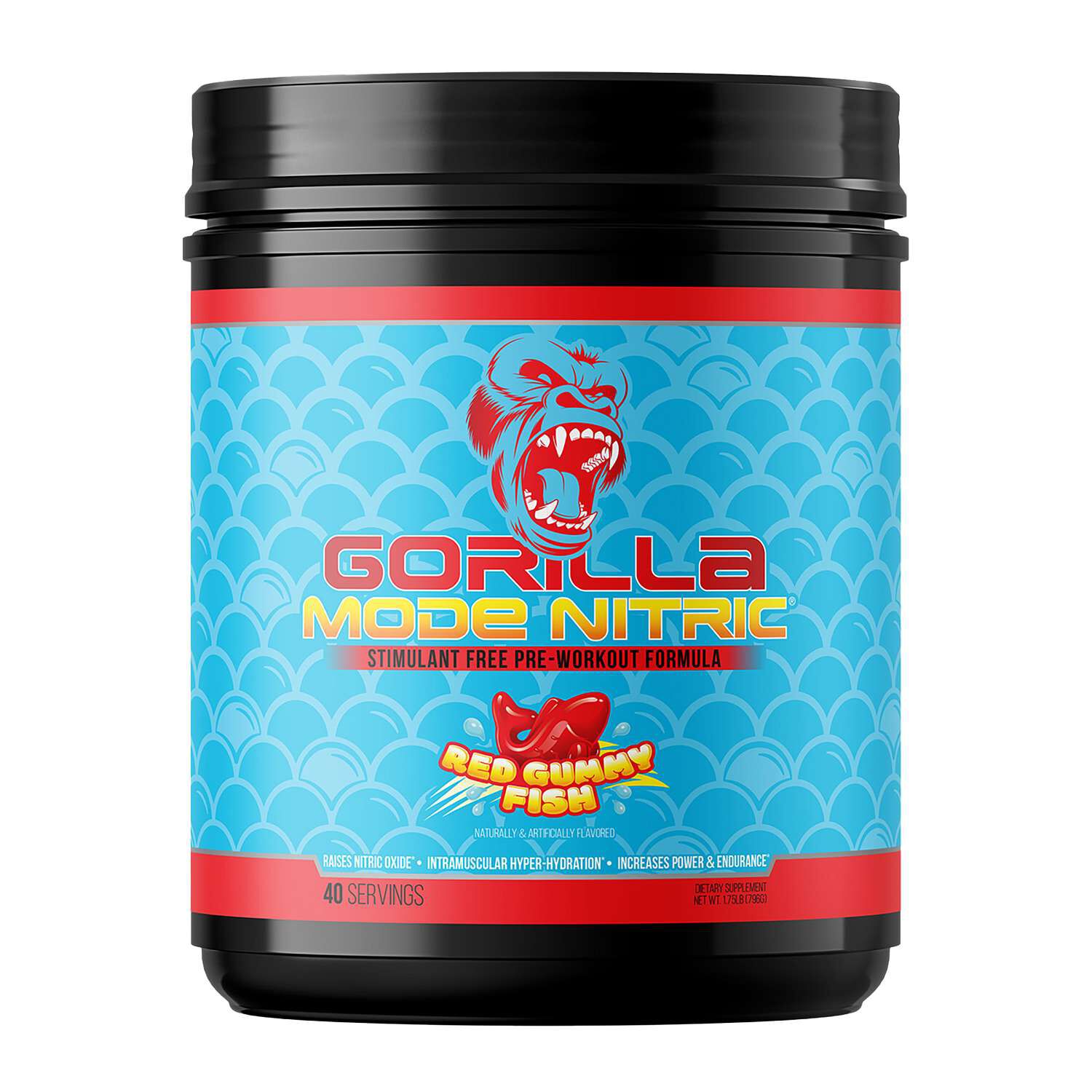
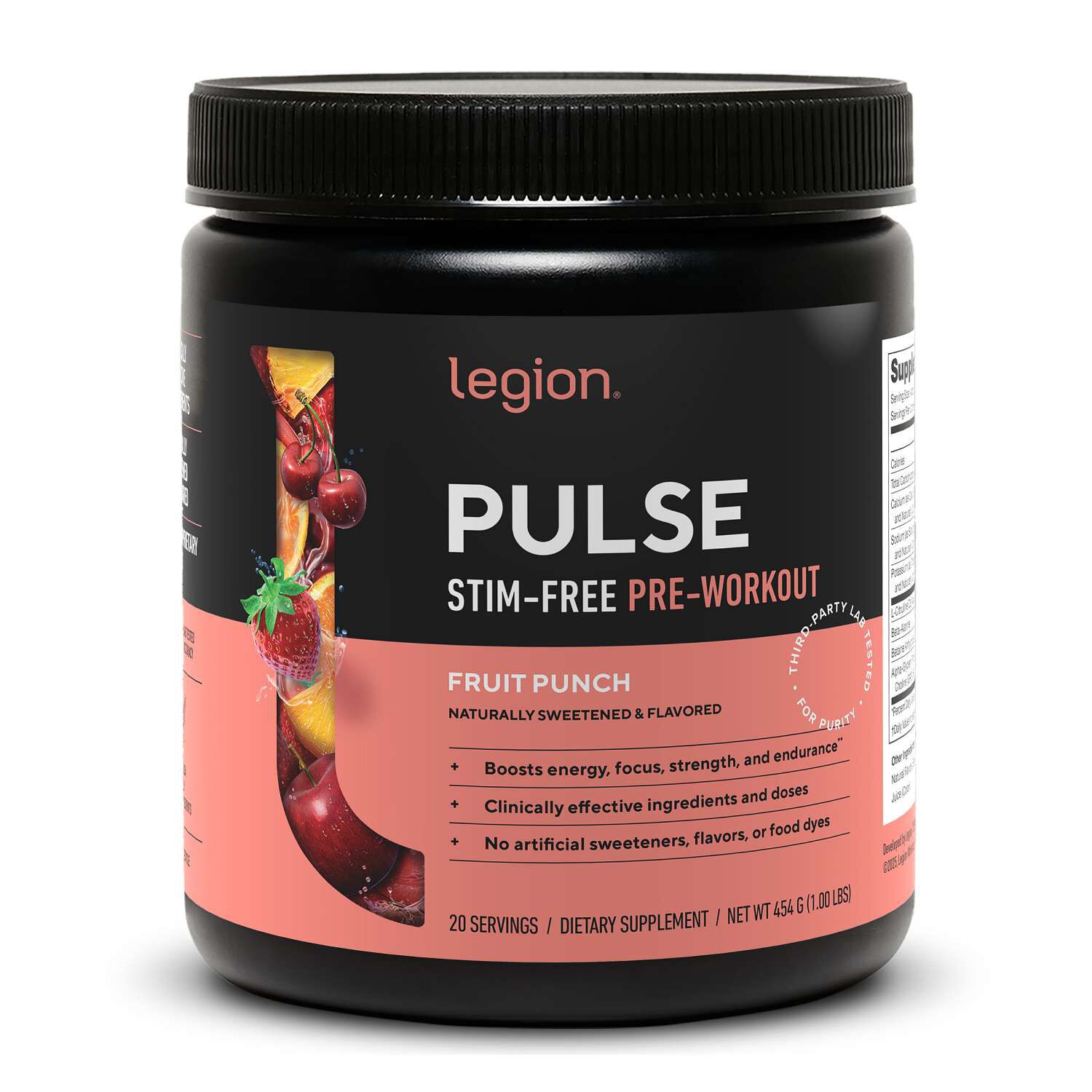
Pre-workout for sensitive stomachs brings ingredient preferences, serving details, and everyday workout habits into the same shopping decision. These supplements are intended for use before exercise, and their formulas can differ considerably in caffeine content, sweeteners, flavoring, amino acids, and other ingredients. For someone who pays close attention to how a supplement fits their digestion, those differences often matter more than a bold flavor name or a long ingredient list. A useful starting point is a clearly presented Supplement Facts panel, along with the full ingredient list and preparation directions. The phrase “for sensitive stomachs” does not describe one standardized formula, and no single ingredient profile suits everyone. Instead, the category offers a way to compare options around personal preferences and ingredients that have worked well in past routines. Some shoppers prioritize a shorter ingredient list; others look first at caffeine content or avoid a particular sweetener. A straightforward formula can make those comparisons easier, although fewer ingredients alone do not establish how a product will feel during use. Powdered pre-workout offers flexibility in flavor and preparation, while capsules and ready-to-drink formats involve different serving instructions and less mixing. Format also changes the experience around a workout: a powder requires water and a shaker, a prepared beverage travels differently, and capsules do not involve a flavored drink. For an adult heading to a strength session before work, that practical distinction can be as relevant as the formula itself. Someone walking from the office to an evening fitness class might value a portable format with a clearly labeled caffeine amount, while a home-gym regular might prefer a powder that fits an established preparation routine. The most meaningful comparison is between the actual labels, not assumptions about which format sounds gentler. Products in this category may support workout focus or energy, depending on their ingredients, but those potential effects are separate from whether a particular formula suits an individual’s stomach.
Caffeine is one of the clearest points of comparison when browsing pre-workout supplements for sensitive stomachs. Some formulas contain caffeine, while others are made without it, and the amount per labeled serving matters more than broad descriptions of intensity. A scoop is a measuring tool rather than a universal serving size; different formulas can have different scoop weights, serving definitions, and ingredient quantities. Where a label presents more than one serving amount, matching the caffeine figure to the corresponding amount helps keep comparisons accurate. Coffee, tea, and other caffeinated beverages also belong in the broader picture of an everyday routine. Caffeine from botanical sources is still caffeine, so the source alone does not establish how a formula will suit someone. Sweeteners deserve the same close attention. Sucralose, stevia, monk fruit, erythritol, and xylitol are distinct ingredients, not interchangeable descriptions of the same sweetening approach. Erythritol and xylitol are sugar alcohols; sucralose is a different type of sweetener. Neither “naturally sweetened” nor an absence of sugar alcohols establishes that a pre-workout will be comfortable for every shopper. Personal ingredient preferences and prior experience provide more useful context than a broad claim about one sweetener being better for everyone. Flavor ingredients, acids, colors, and carriers may appear outside the main Supplement Facts panel, making the accompanying ingredient list worth reviewing as well. A citrus-flavored powder and a fruit-punch powder can differ in more than taste, even when their front labels look similar. Amino acids, minerals, and other additions introduce further distinctions, especially when individual amounts are listed clearly. A named blend with only a combined weight offers a different degree of detail than a formula that specifies each ingredient’s quantity. For shoppers also considering milk-derived ingredients, Pre-Workout Supplements For Lactose Intolerant Athletes offers a related collection to explore. Lactose considerations are distinct from broader stomach preferences, so the ingredient list and allergen statement remain important parts of comparing any formula.
The day-to-day fit of a pre-workout extends beyond its ingredient panel. Flavor strength, texture, packaging, and preparation requirements all influence whether a supplement feels practical beside a gym bag, a water bottle, and a busy schedule. Someone who dislikes richly flavored drinks might prefer a lighter-tasting option, while another shopper may value a familiar flavor that stays enjoyable across regular use. Taste, however, is not a measure of digestive suitability: a mild-tasting drink can still contain ingredients a person prefers to avoid. Mixing directions provide product-specific information about water quantity and preparation, rather than relying on a standard ratio for every powder. Timing and serving instructions also vary, making the package directions more relevant than a universal pre-workout schedule. A leisurely weekend training session and a short workout between work and dinner leave different amounts of preparation time, but the labeled directions still define intended use. For powders, a clean, dry scoop and a securely closed container help limit exposure to moisture. Storage instructions matter when a container spends time near a steamy kitchen, inside a locker, or in a bag carried between indoor and outdoor spaces during cooler weather. Ready-to-drink formats have their own storage directions, including any instructions that apply after opening. Package size is another practical consideration, particularly when comparing the labeled number of servings with how often a supplement fits into an established routine. An individual serving packet can be convenient to carry, while a larger container requires room for storage and measuring. Beyond convenience, readable labeling and clearly stated ingredient quantities make it easier to return to the same selection criteria when comparing different formulas. Pre-workout supplements are intended to complement an exercise routine, not replace meals, water, or rest, and choosing one does not require seeking the longest ingredient list or the strongest flavor. For adults interested in pre-workout for a sensitive stomach, a thoughtful match comes down to transparent information, suitable preparation requirements, and personal ingredient preferences. Those details create a more useful basis for shopping than treating every product in the category as interchangeable.
Best Sellers

Related Pages


Top Collections
- Daily Collagen Supplements | Top Brands & Deals | GNC
- Cortisol Supplements
- Top Rated Collagen | Shop Customer Favorites | GNC
- Vitamins For Hair Loss
- NAD+ Supplement Tablets
- Peptide Supplements
- Best Brand of Magnesium Glycinate
- Protein Powders For Muscle Growth Support
- Vitamins That Help Support Weight Gain
- Peptide Supplements for Muscle Growth