Lean Supplements
(0 Results)
Achieve your fitness goals with our selection of Lean Supplements designed to support your journey towards a leaner, healthier you. Whether you're looking to boost your metabolism, increase energy levels, or enhance muscle definition, our range of supplements offers a variety of options to help you reach your desired results. From fat burners to appetite suppressants, each product is specially formulated to aid in shedding excess weight and promoting a toned physique. Discover our collection of Lean Supplements and take a step closer to achieving your ideal body composition.
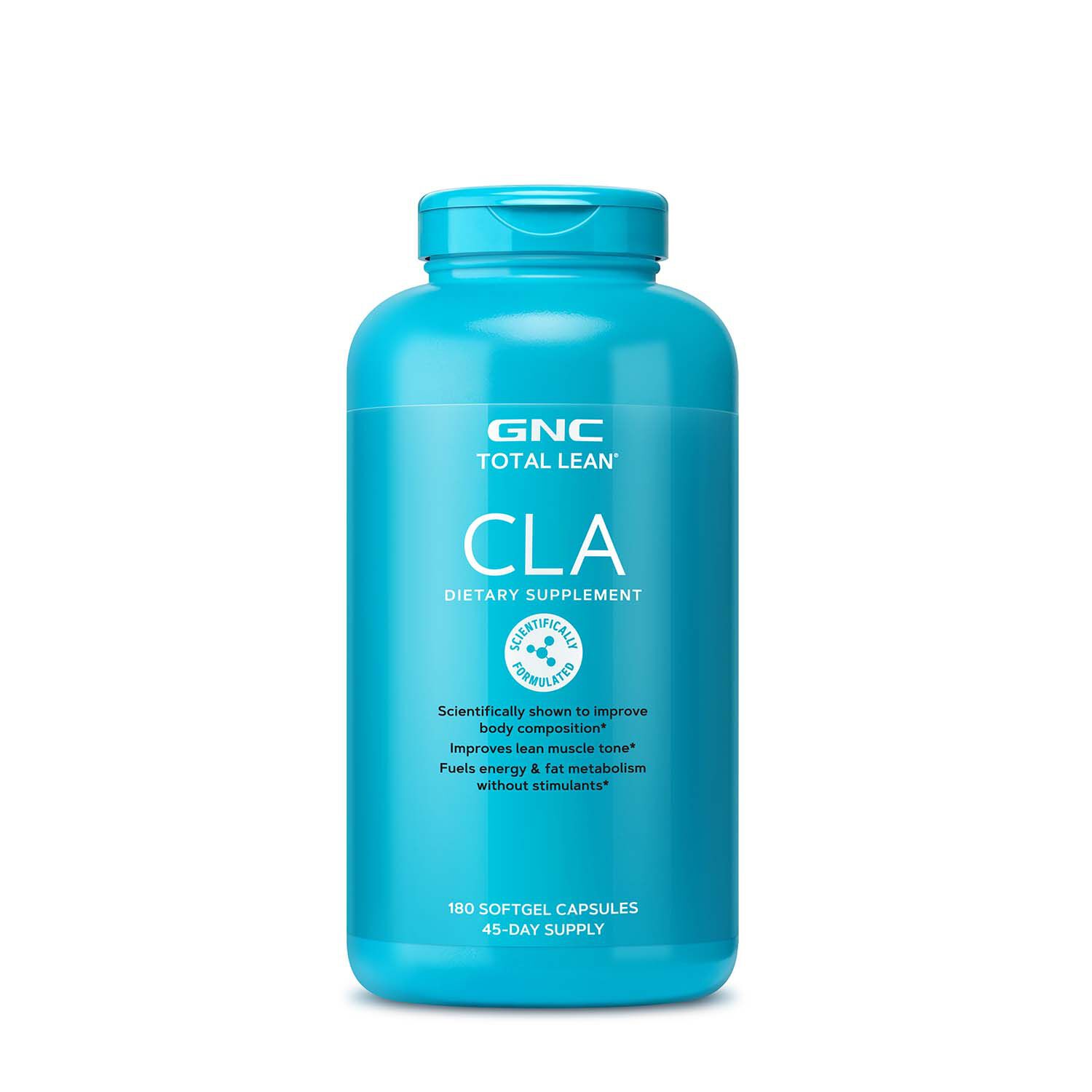

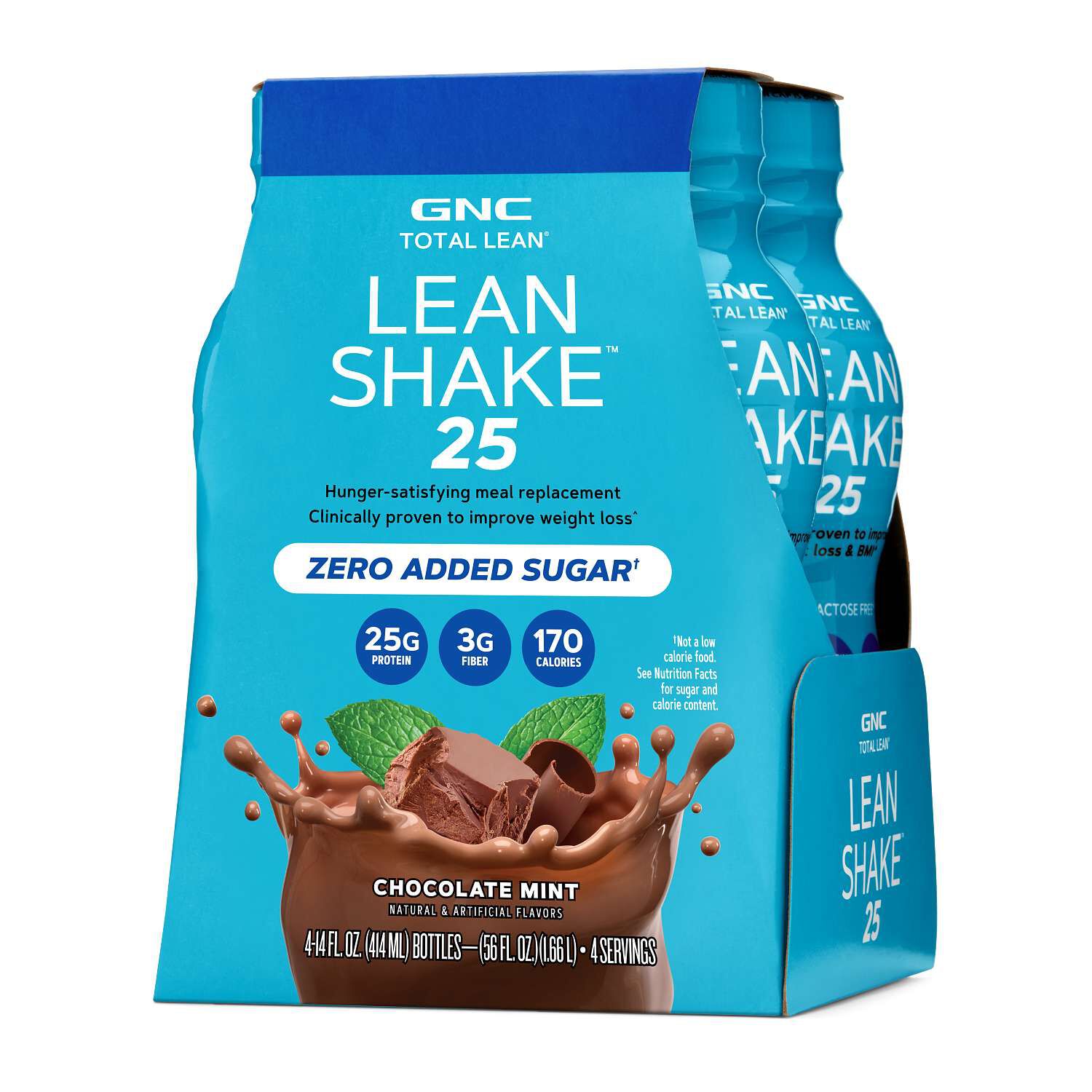
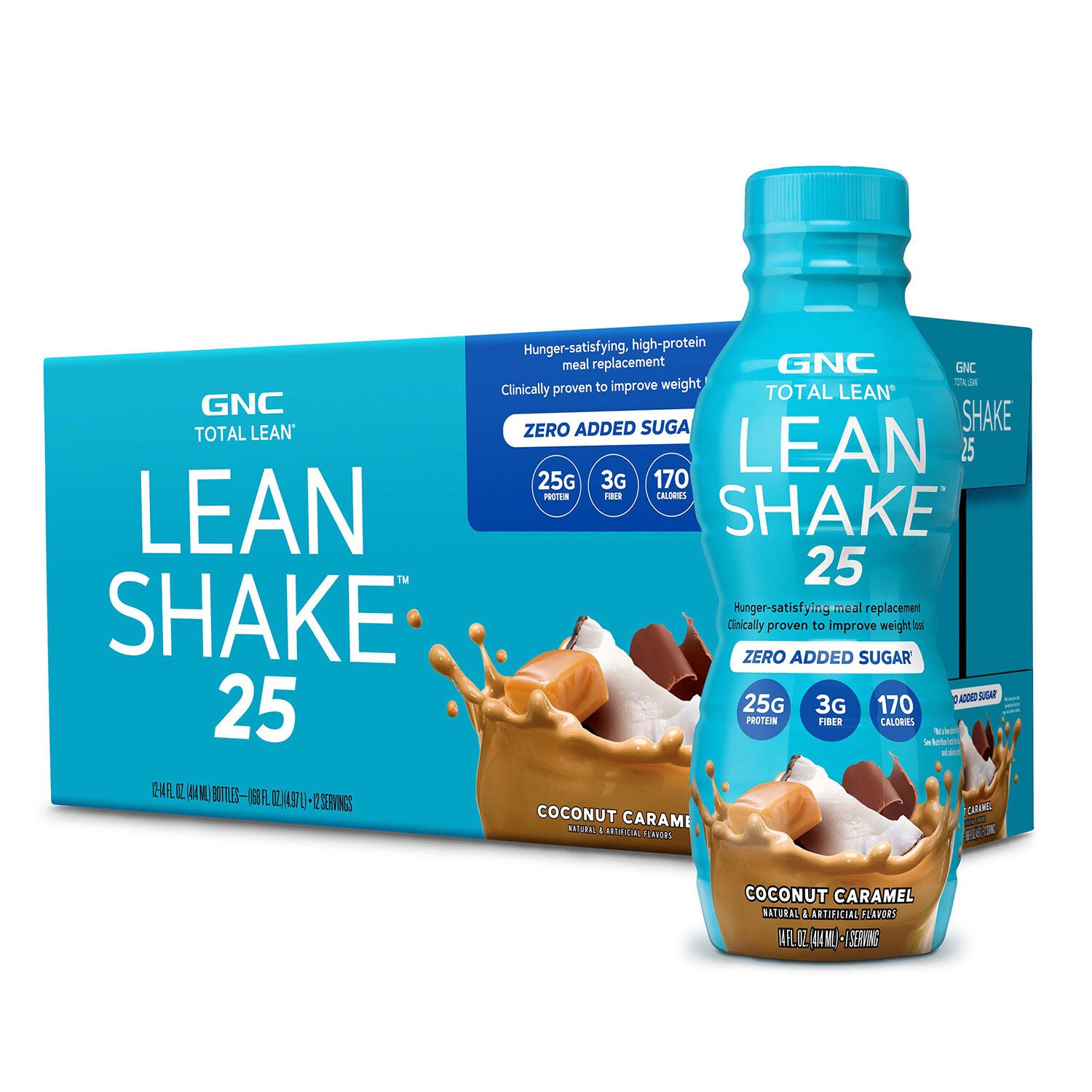

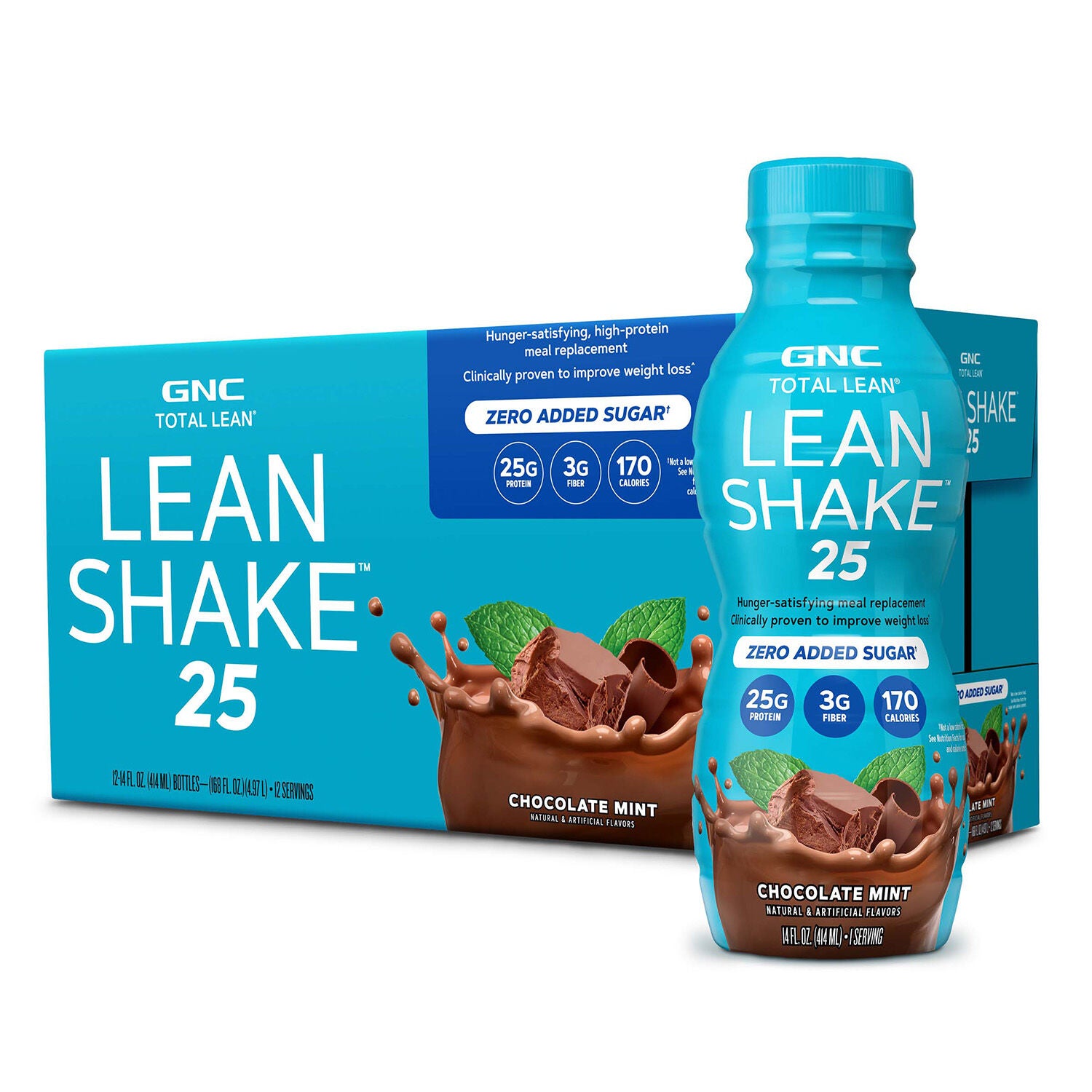


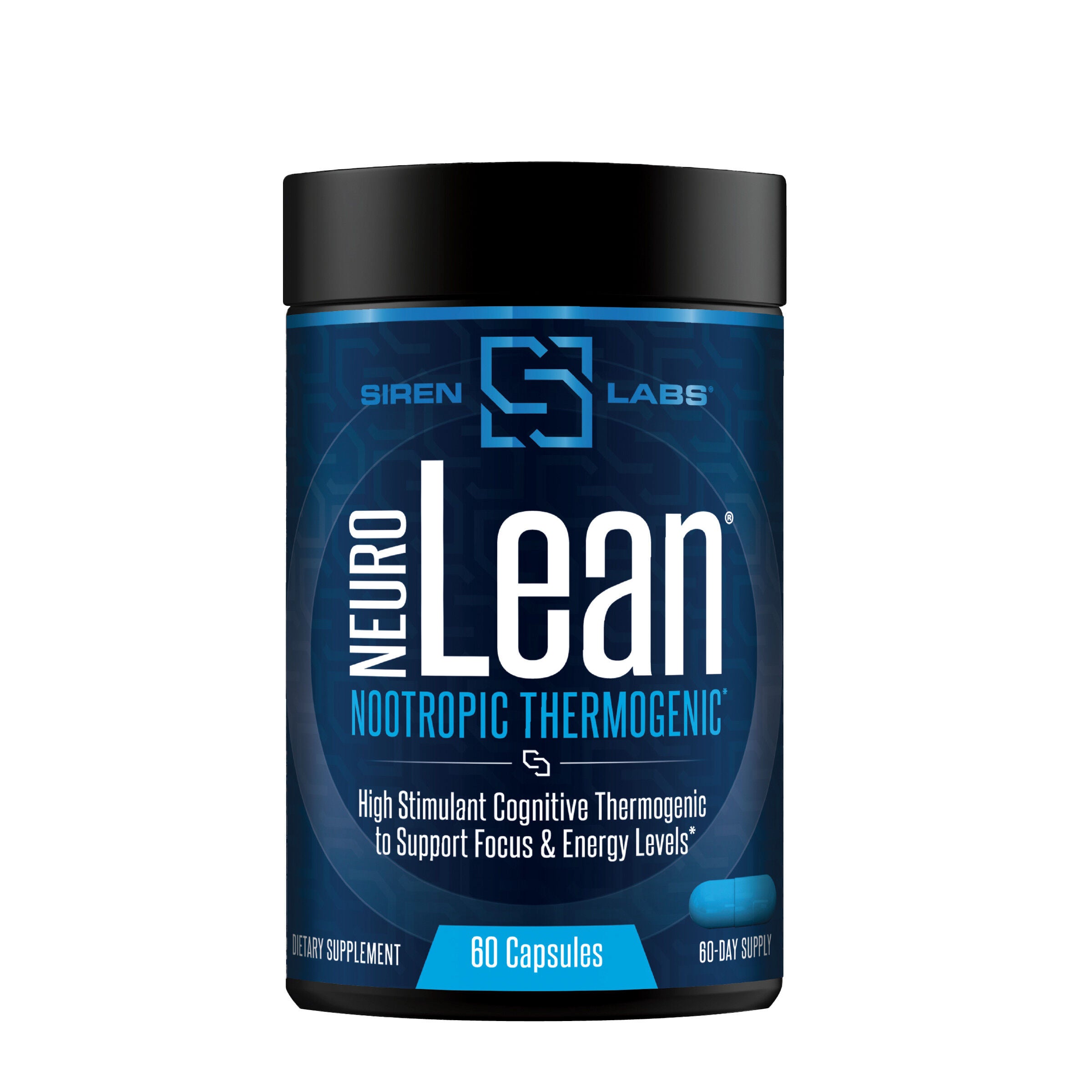
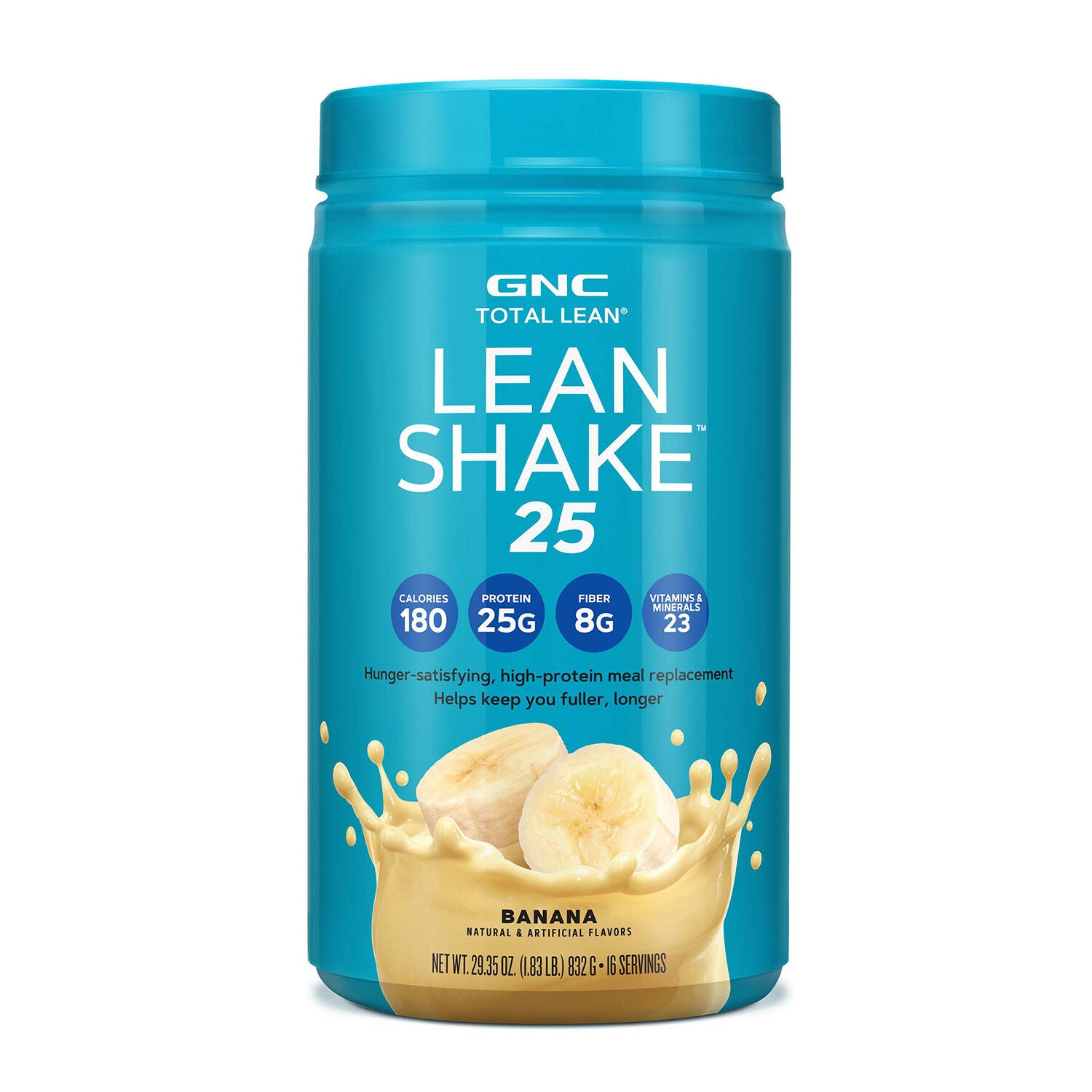
Lean supplements are a broad category of nutrition products marketed for weight management, protein intake, and active routines. The term describes an intended use rather than one ingredient, formula, or nutritional profile. Depending on the format, the category can include protein powders, ready-to-drink shakes, meal replacement shakes, and capsules containing botanical ingredients or other compounds. These formats serve different purposes, so their differences matter more than the word “lean” on a label. A protein powder generally centers on protein, while a meal replacement shake is formulated with a broader mix of nutrients and is labeled for that use. Capsules do not provide the same nutrition as a shake and are not interchangeable with food. For adults comparing lean supplements, a useful starting point is the occasion: a portable drink during a busy commute, a protein shake after an evening workout, or a measured powder added to an established eating routine. Protein may support muscle maintenance alongside regular exercise and adequate nutrition, but a supplement does not determine changes in body composition on its own. Eating patterns, physical activity, rest, and personal circumstances all belong in that larger picture. The most meaningful comparisons come from the Nutrition Facts or Supplement Facts panel, the ingredient list, and the stated serving size. Calories, protein, carbohydrate, fat, fiber, and added sugars describe different aspects of a formula; no single number tells the whole story. A lighter drink may suit one occasion, while a thicker shake with a different nutrient mix may suit another. Even packages with similar descriptions can differ in serving weight, preparation requirements, and intended use. Looking beyond the category name makes it easier to distinguish everyday nutrition options from formulas designed around a particular activity. That distinction keeps the focus on what a product actually contains and how it might fit into an ordinary day, rather than on an expectation attached to its name.
For powders and shakes, ingredients and preparation shape much of the experience. Whey and casein are milk-derived protein sources, while plant-based formulas may use ingredients such as pea, soy, or rice protein. These sources differ in texture, taste, and amino acid composition, and blends combine more than one source within a formula. Dietary preferences and clearly stated allergen information are important points of comparison, especially for shoppers avoiding particular ingredients. Sweeteners, flavorings, and thickeners also influence the finished drink. A chocolate powder mixed with water can taste quite different from the same powder blended with milk or a plant-based beverage, and any additions change the nutrition of the prepared serving. Ice, liquid quantity, and mixing method affect consistency as well. Someone who enjoys a thin drink from a shaker bottle may prefer a different texture from someone who blends a spoonable shake at home. Preparation directions provide a consistent starting point for comparing those experiences. Serving measurements deserve similar attention: one scoop is not a universal quantity, and some labels describe a serving as more than one scoop. Ready-to-drink formats remove the measuring and mixing steps, while powders offer flexibility in liquid choice and portion preparation according to the label. Neither format is automatically a better match for every routine. A sealed drink can be practical for an office refrigerator, whereas a powder container may suit a kitchen counter with a shaker close by. Meal replacement shakes warrant a separate look at their labeled purpose and nutrient composition rather than being treated as another name for protein drinks. Fiber, fats, carbohydrates, vitamins, and minerals can vary considerably between formulas. Flavor preference matters, too: a drink that tastes pleasant in the preparation method someone actually uses may be a more comfortable fit than one selected only for a prominent number on the package. Everyday details often make the comparison more useful than a front-label description alone.
Capsule formulas and workout-oriented options call for a different kind of comparison because their ingredients, serving directions, and intended occasions differ from those of nutrition shakes. Some lean supplements contain caffeine, green tea extract, or combinations of botanical ingredients. An ingredient name alone does not establish what a formula might do, and the presence of several ingredients does not demonstrate a greater benefit. Clearly listed amounts offer more information than a formula name without individual quantities. Caffeine content is another distinguishing detail, particularly when coffee, tea, or other caffeinated drinks already feature in a daily routine. A workout-focused formula is not a substitute for the protein, calories, or broader nutrition supplied by food or a shake. For shoppers comparing options intended for the period before exercise, Lean Pre Workout offers a related category to explore alongside each formula’s stated use and preparation directions. Across formats, practical handling deserves attention. Package instructions describe storage conditions, and those conditions can differ between dry powders, capsules, and beverages. A tightly closed powder container belongs in the setting specified on its label, rather than being left in a damp gym bag or a car through changing temperatures. Prepared shakes and opened drinks have different handling requirements from unopened containers; refrigeration and use-after-opening directions are part of the product information worth reading. A clean, dry scoop and a thoroughly washed mixing bottle also belong in the preparation routine. Package size can be considered in relation to labeled servings and expected use, not simply the container’s appearance. During the cooler months, when a morning commute may begin before sunrise and an evening workout follows a full workday, small logistical details can matter: whether mixing requires a blender, whether refrigeration is needed, and whether the serving fits the bottle being carried. Lean supplements make the most sense as a category to compare by purpose, composition, and everyday practicality. The clearest choice is grounded in transparent labeling and a realistic place within an existing routine, without treating a product name as a prediction of personal results.