





Lean Protein Options
(0 Results)
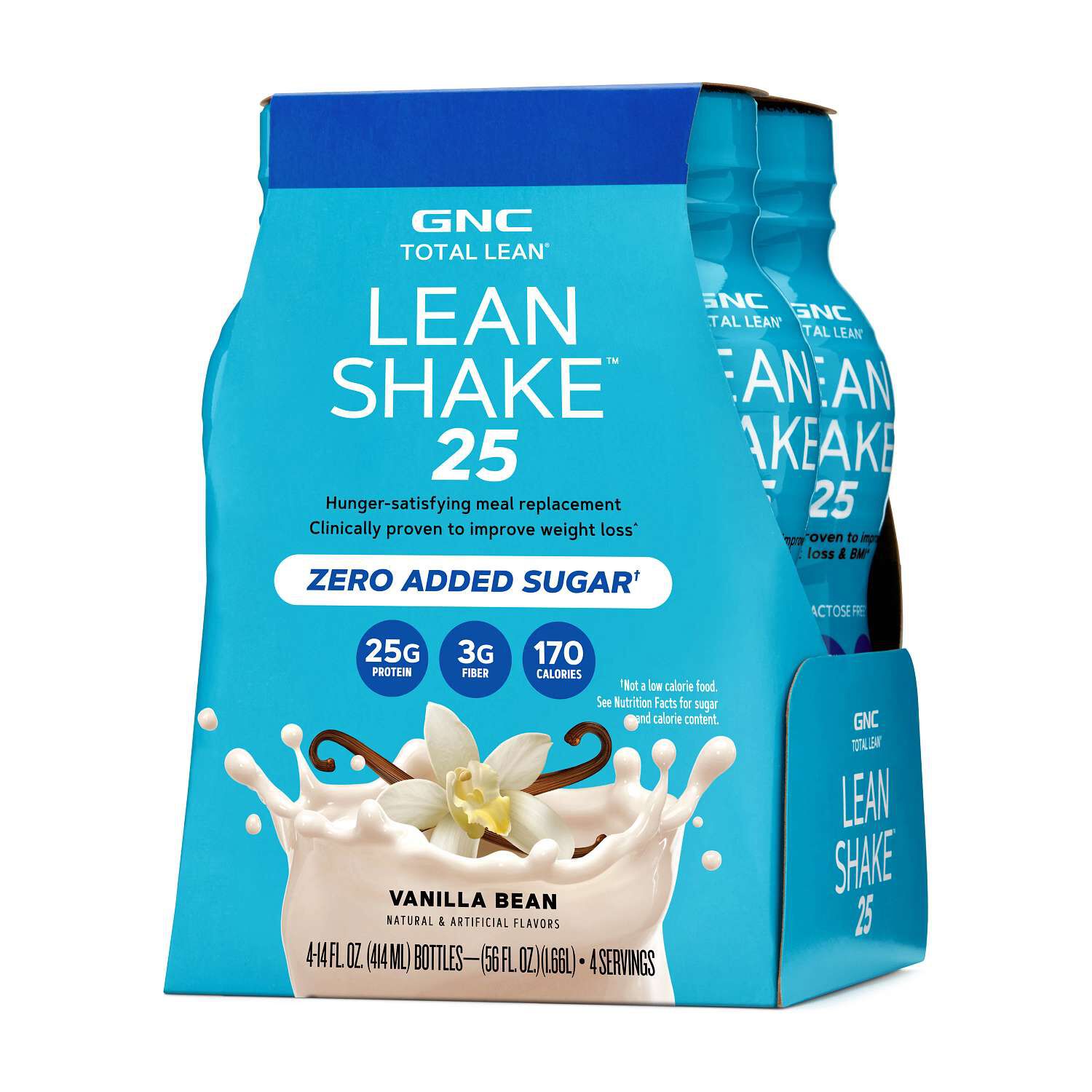
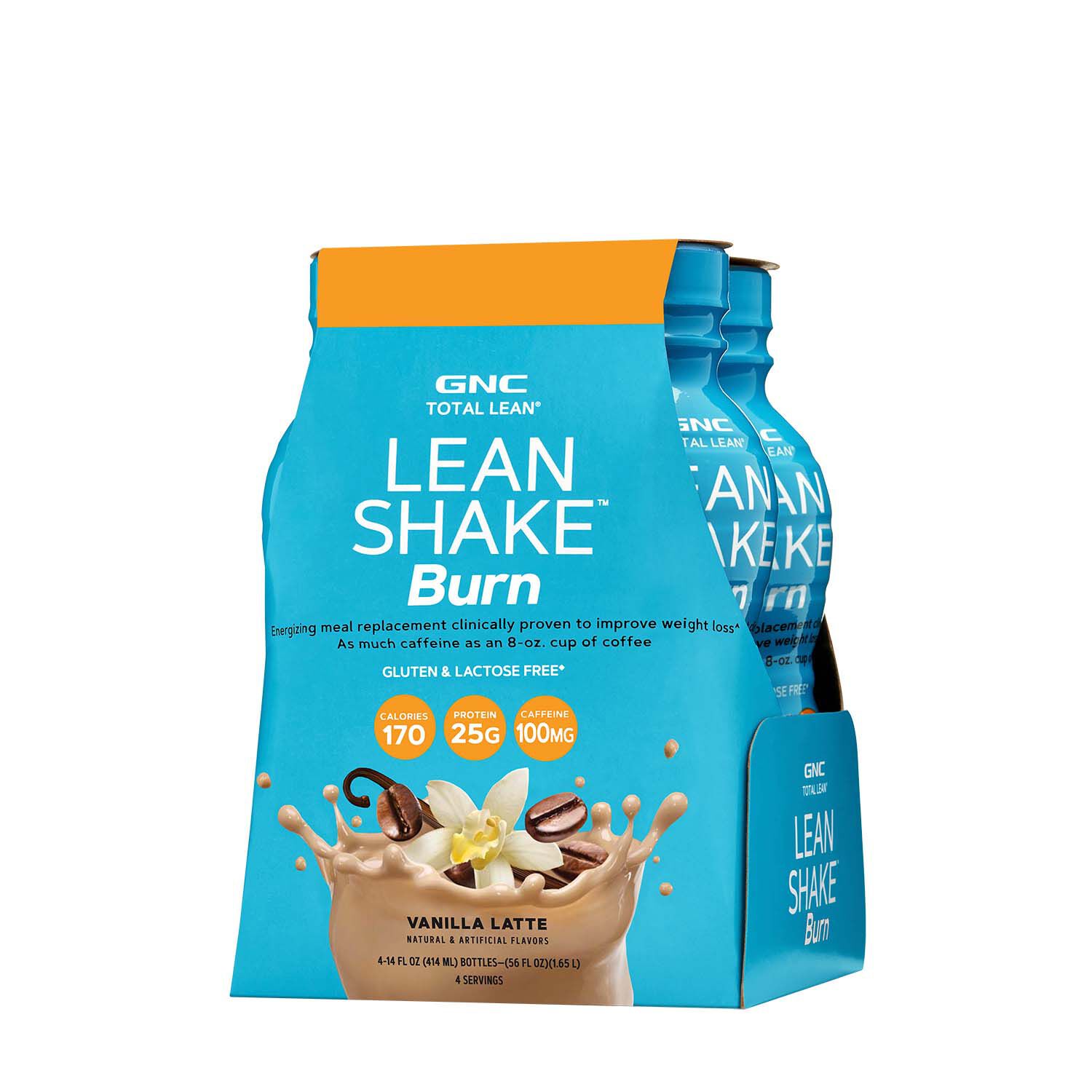
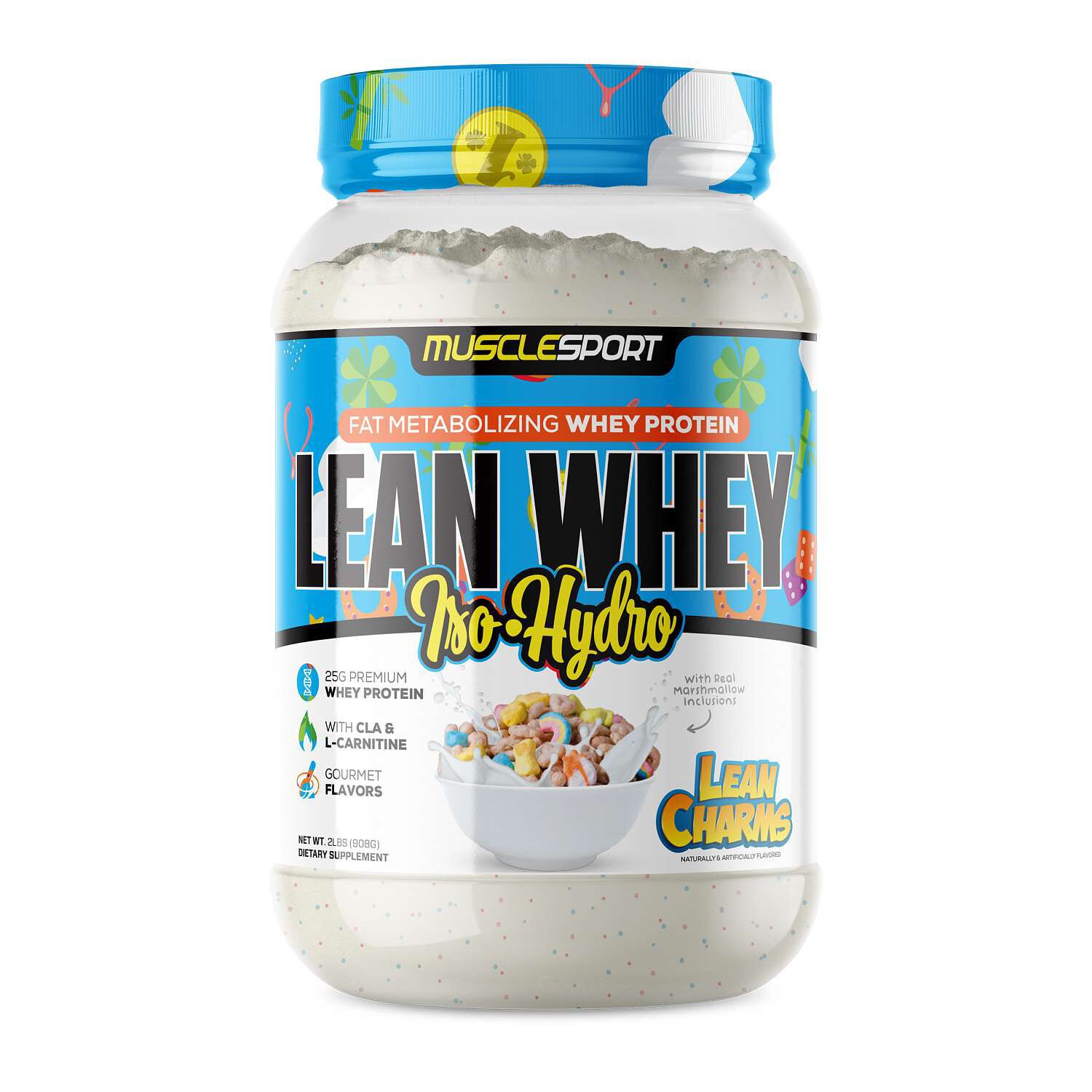
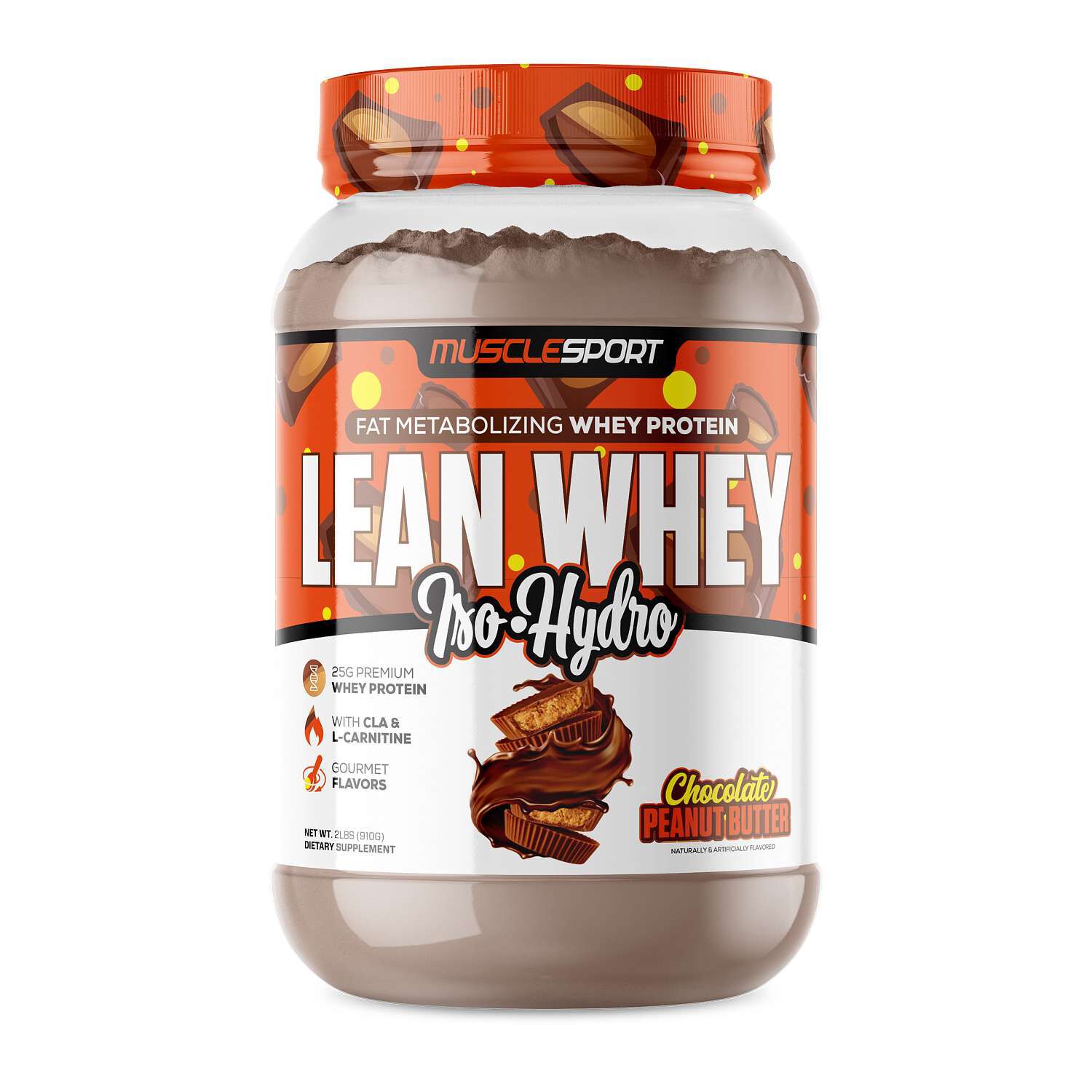
Explore a wide variety of lean protein options designed to fit your active lifestyle and nutritional preferences. Whether you’re looking to support your fitness goals or simply seeking convenient ways to add more protein to your day, these selections offer plenty of choices. From powders and shakes to bars and snacks, find the lean protein options that may align with your routine and help you stay on track with your wellness journey.
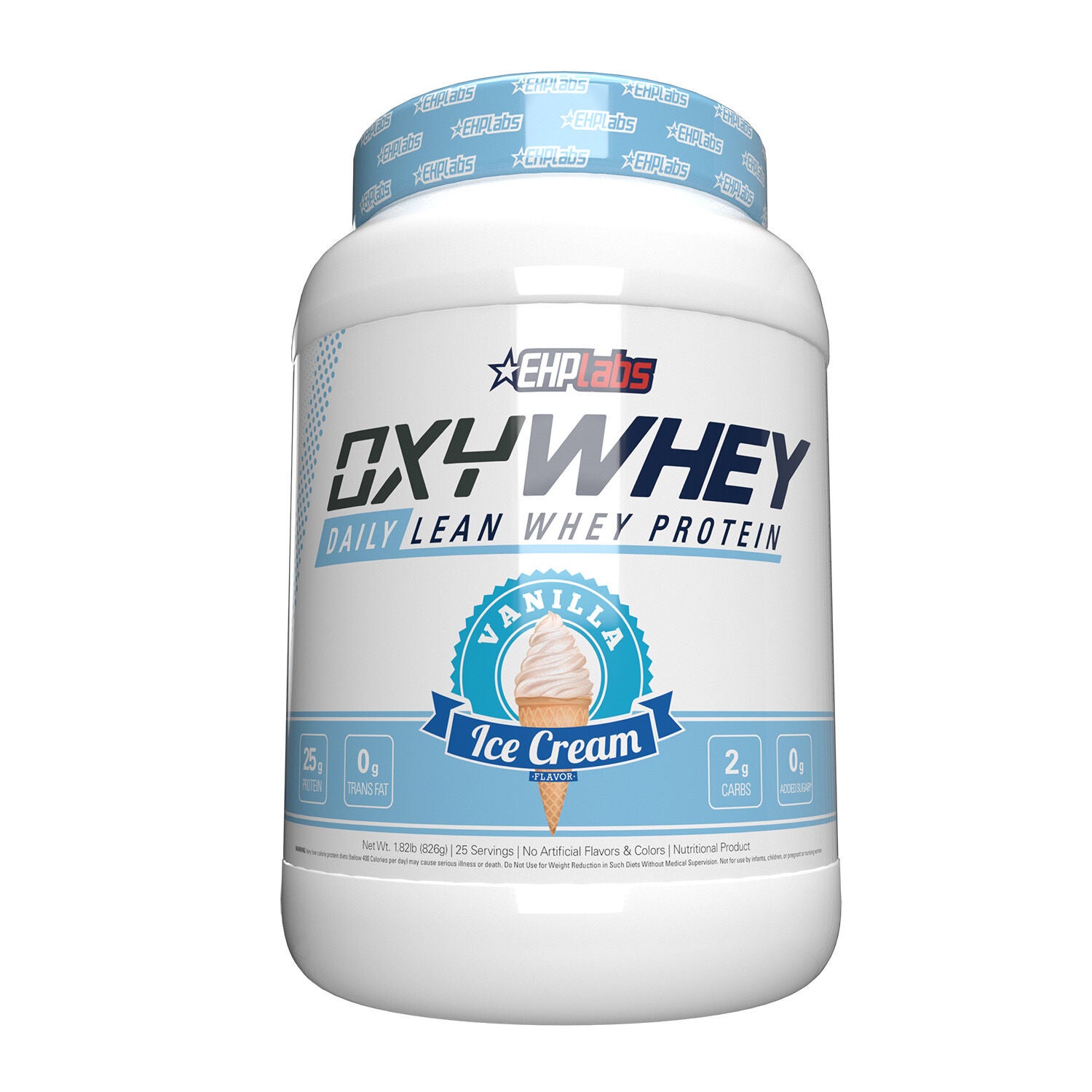
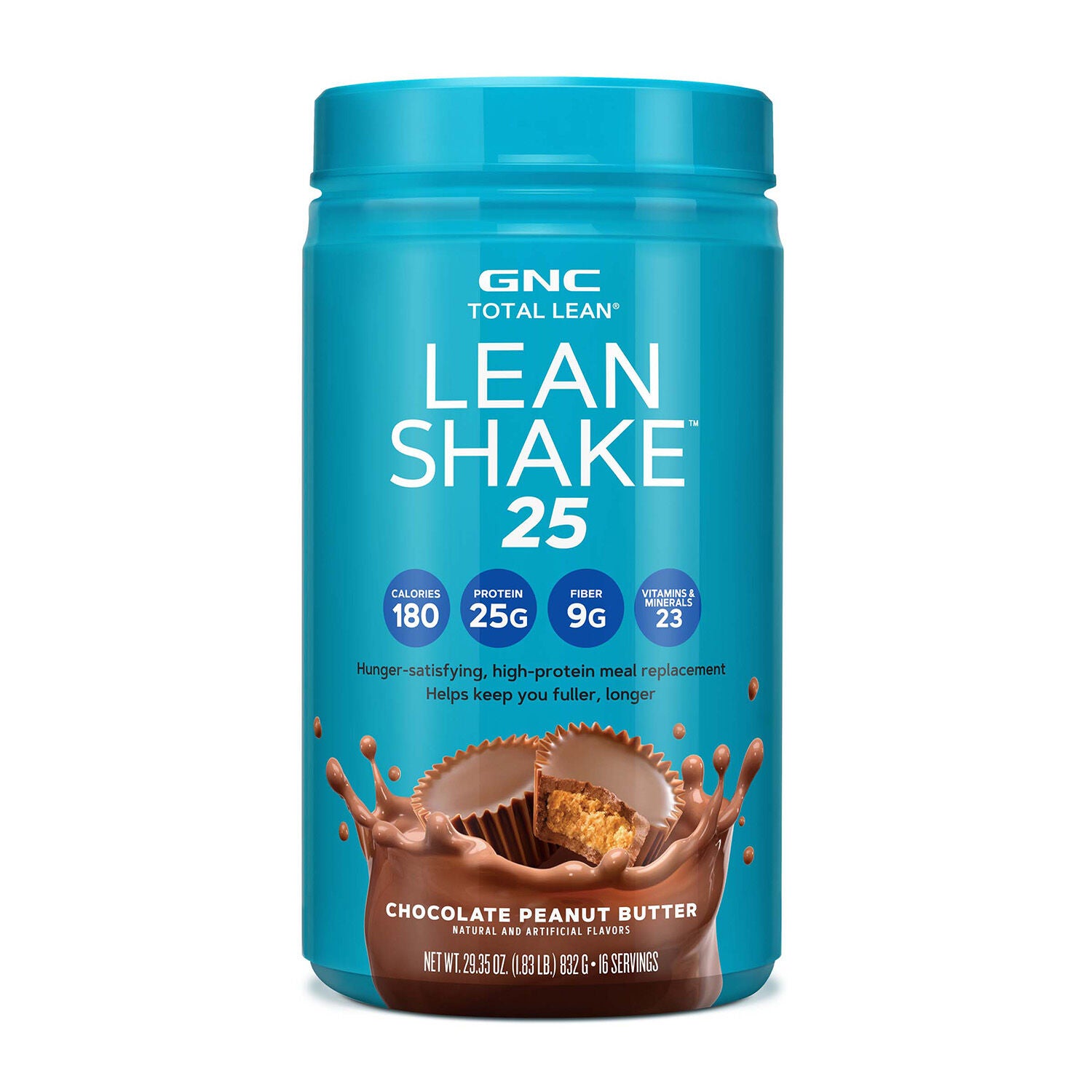
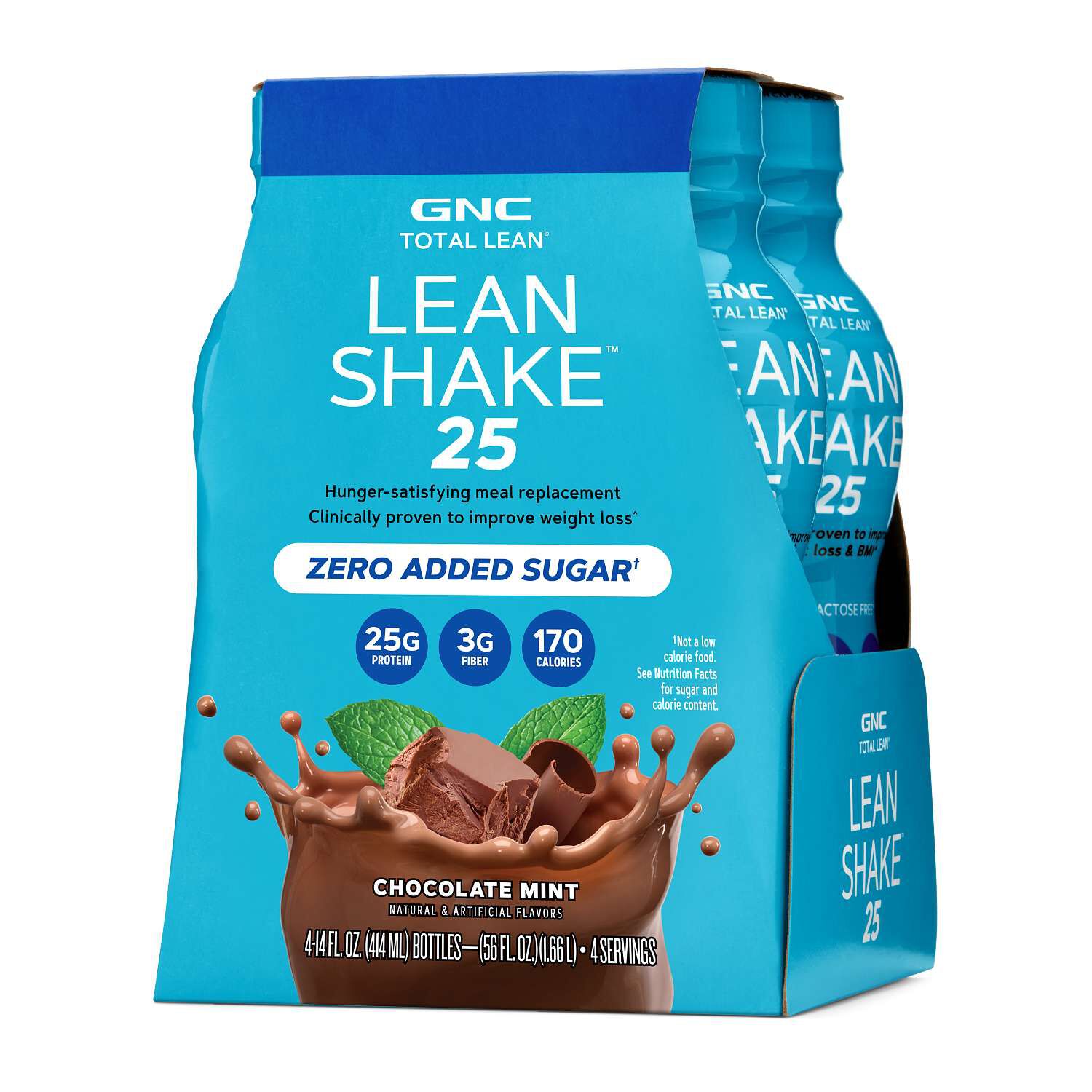
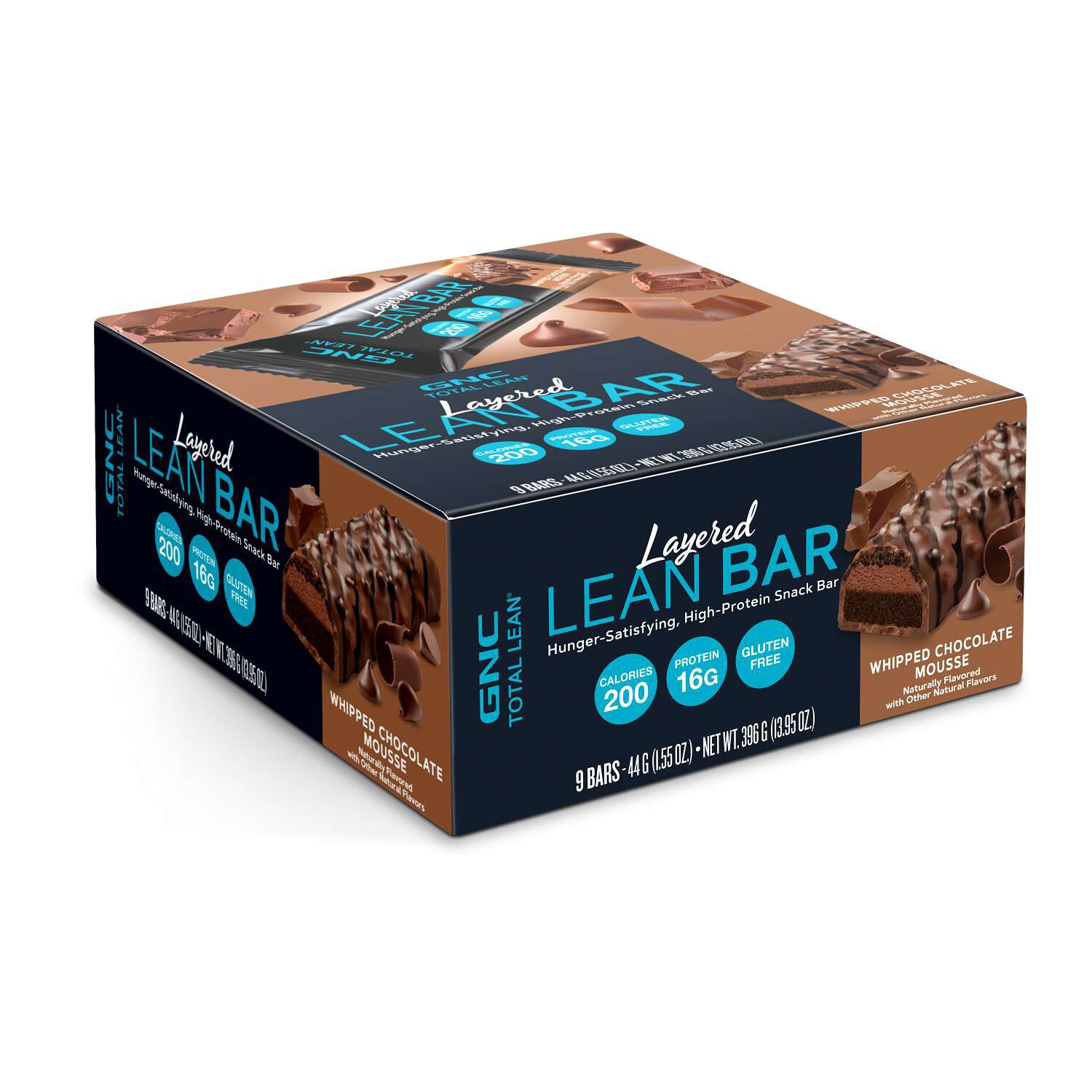
Lean protein options are foods and protein products that provide protein with relatively little saturated fat. In everyday meals, examples include egg whites, skinless poultry, fish, tofu, and legumes. In sports nutrition, protein powders, ready-to-drink shakes, and protein bars offer additional formats, although their nutritional profiles vary considerably. The word “lean” alone does not describe everything in a serving: protein grams, saturated fat, calories, added sugars, and serving size all provide useful context. A powder with a short ingredient list and a bar with nuts, chocolate, and a chewy center can have very different proportions of protein, carbohydrate, and fat. Neither format tells the whole story without its nutrition label. Protein is a dietary source of amino acids, and different ingredients contain different proportions of those amino acids. For shoppers comparing lean protein options, the relationship between protein content and the rest of the serving is often more meaningful than a large protein number on the front of a package. Serving measurements matter here, too. One formula may list its nutrition for a single scoop, while another uses two scoops or a larger scoop. Prepared nutrition also depends on what goes into the cup: water adds no protein or calories, while milk, a plant-based beverage, fruit, or nut butter changes the finished drink. A shake blended with banana and oats is a different eating occasion from powder stirred into water after a workout. These distinctions make room for different preferences without treating every protein product as interchangeable. Someone looking for a simple addition to breakfast may favor a plain powder, while a commuter may prefer a sealed beverage that needs no mixing. A shopper seeking a more substantial snack may be interested in a bar with several ingredient sources. The most relevant format depends on how the product fits into meals, snacks, and the practical details of an ordinary day, rather than on a single description printed across its packaging.
Protein source is another meaningful distinction within lean protein options. Whey and casein come from milk, while egg-based powders use a different animal-derived source. Plant-based formulas may contain pea, soy, rice, or combinations of plant proteins. These ingredients differ in amino acid composition, flavor, texture, and the other nutrients present alongside the protein. Whey isolate generally undergoes additional processing compared with whey concentrate and often contains a higher proportion of protein with less fat and lactose, though the label remains the reference for an individual formula. Casein-based drinks often have a thicker texture, while some plant-based powders have a more noticeable graininess or earthy flavor. Blended formulas combine sources in varying proportions, so the ingredient list offers context that the flavor name does not. Vanilla, chocolate, and unflavored options also bring different possibilities to everyday preparation. An unflavored powder may suit oatmeal or a smoothie with fruit, while a sweeter chocolate formula could be a better match for a drink mixed on its own. Sweeteners, cocoa, gums, oils, and other ingredients influence the finished taste and consistency, even when two servings contain similar amounts of protein. Milk, egg, and soy ingredients also matter to shoppers with specific dietary restrictions; ingredient statements and allergen information distinguish one formulation from another. Plant-based labeling does not, by itself, describe protein content, saturated fat, or added sugar. Likewise, a dairy-derived formula is not automatically lower in fat than every plant-based alternative. Texture preferences deserve attention alongside nutritional comparisons. A thinner drink, a creamy shake, and a dense, chewy bar are distinct experiences, especially when repeated throughout a routine. A flavor that sounds appealing in a dessert-style shake may feel quite different stirred into plain yogurt. The right match is personal, with source, preparation, serving size, and taste all contributing to how naturally an option fits familiar eating habits.
Everyday use also brings packaging, preparation, and storage into the comparison. A resealable tub belongs to a different routine than an individually wrapped bar or a single-serving beverage. Powder requires a measuring scoop, liquid, and a mixing container; a ready-to-drink format removes those preparation steps but has its own storage directions. Individual packets may suit a work bag or travel kit, while a larger container may be practical for someone who mixes a drink at home each morning. Package size alone does not establish the number of servings, since scoop weights and recommended portions differ. The storage instructions and date printed on the package provide the relevant details for keeping each format as intended. A tightly closed lid and a clean, dry scoop may help limit unwanted moisture in a powder container. Prepared drinks and opened beverages have different handling requirements from unopened shelf-stable packages, so refrigeration directions matter. Bars also vary in texture and coating, making their packaging and storage instructions worth considering before they spend a day in a backpack. These details are particularly relevant to early gym visits, long commutes, desk lunches, and other situations where preparation space is limited. A shaker bottle may suit a simple powder-and-water drink, while a blender may be more suitable for a thicker mixture with fruit or oats. Liquid quantity changes consistency, so the same powder can produce a lighter drink or a denser shake depending on preparation. Shoppers exploring related formats can also browse Lean Body Mass Proteins while considering their preferred protein sources and serving styles. Across these options, a useful comparison brings nutrition and everyday practicality together: how much protein is in the stated serving, what accompanies it, how it tastes, and what preparation it requires. Lean protein options encompass more than one texture or eating occasion, leaving room for a straightforward shake, a portable snack, or a powder incorporated into familiar foods. A choice that suits the setting, dietary preferences, and the rest of the meal may fit more comfortably into a consistent routine.
- Q: What are some common sources of lean protein?
A: Some popular sources of lean protein may include chicken breast, turkey, fish, egg whites, low-fat dairy products, and plant-based options like beans and lentils. - Q: How can lean protein options fit into a balanced diet?
A: Lean protein options might be included in meals to help support a balanced diet by providing important nutrients while keeping fat content lower compared to other protein sources. - Q: Are there plant-based lean protein choices available?
A: Yes, plant-based lean protein choices such as tofu, tempeh, legumes, and certain grains like quinoa may offer alternatives for those seeking non-animal sources. - Q: Can lean protein options be used in meal prep?
A: Lean protein options are often chosen for meal prep because they can be versatile and may pair well with a variety of vegetables and whole grains. - Q: What are some ways to incorporate lean protein into snacks?
A: Incorporating lean protein into snacks could involve options like Greek yogurt, cottage cheese, hard-boiled eggs, or roasted chickpeas for convenient on-the-go choices.




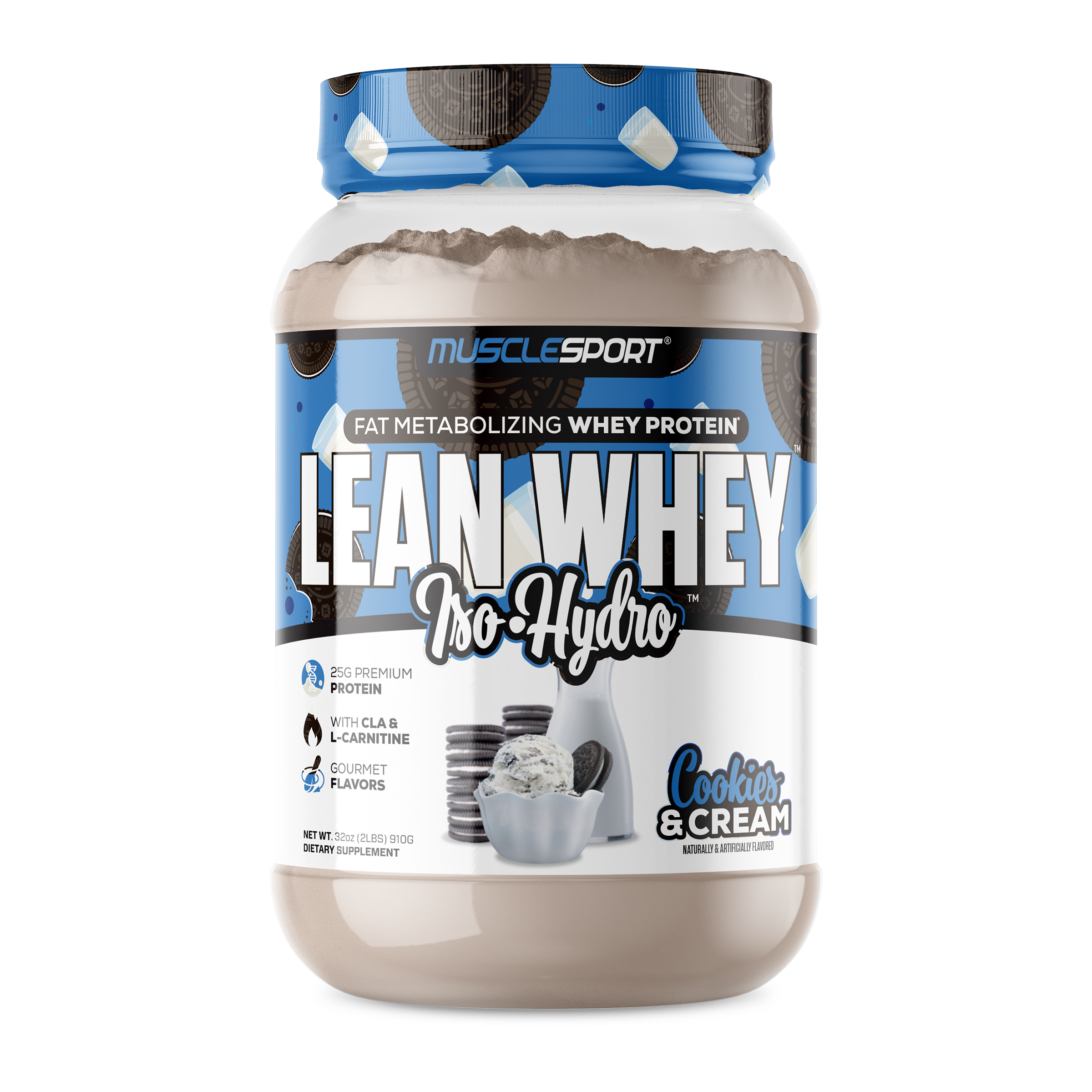

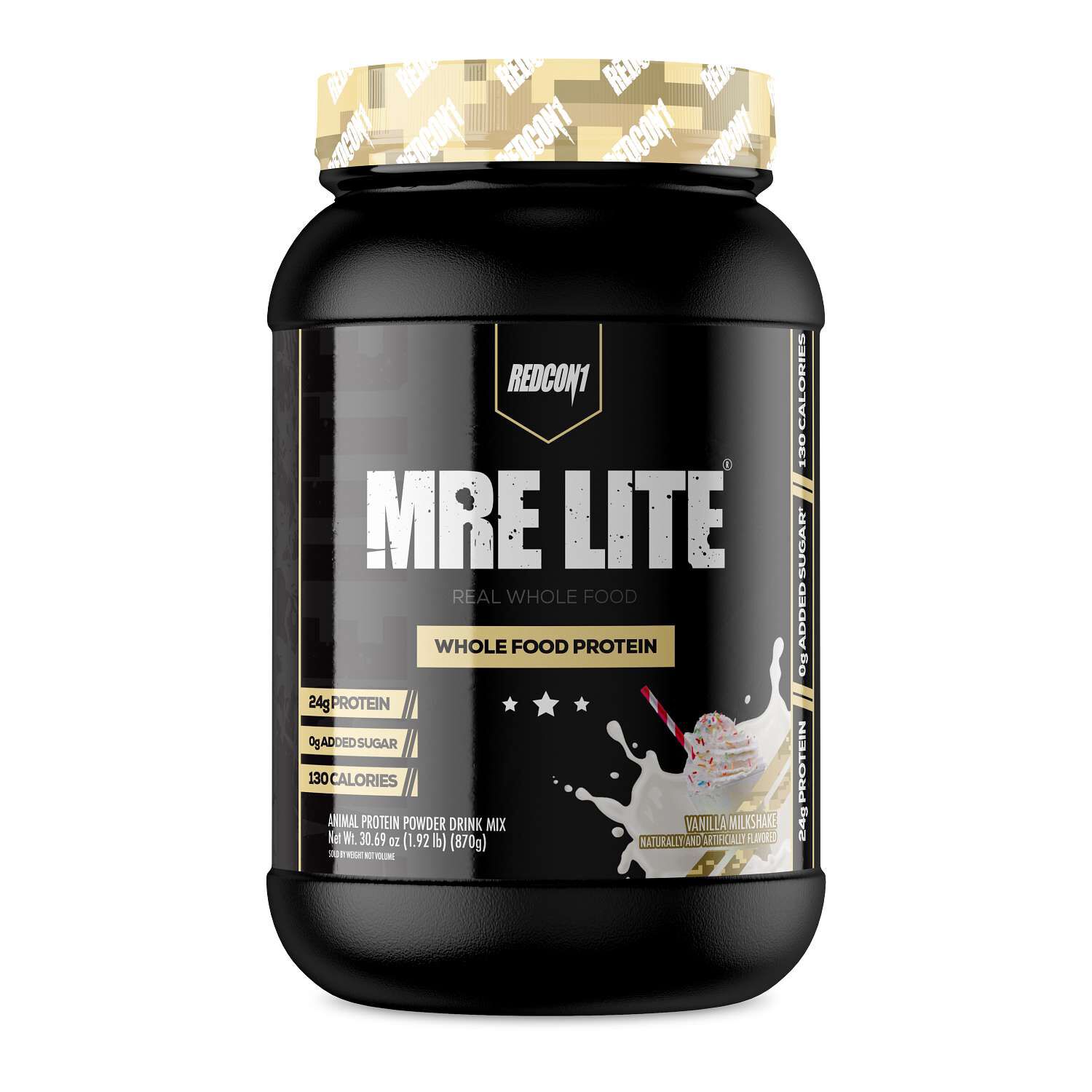
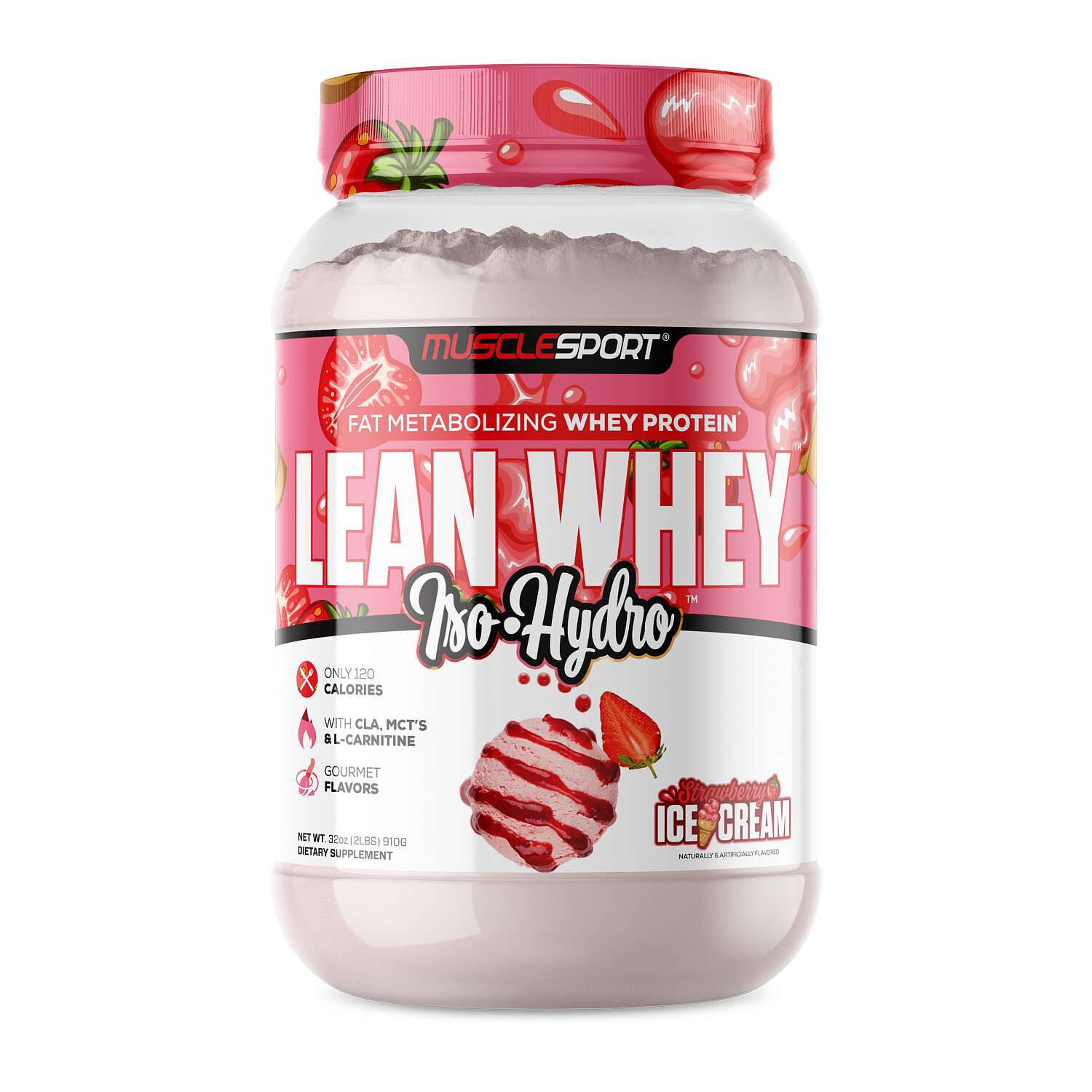
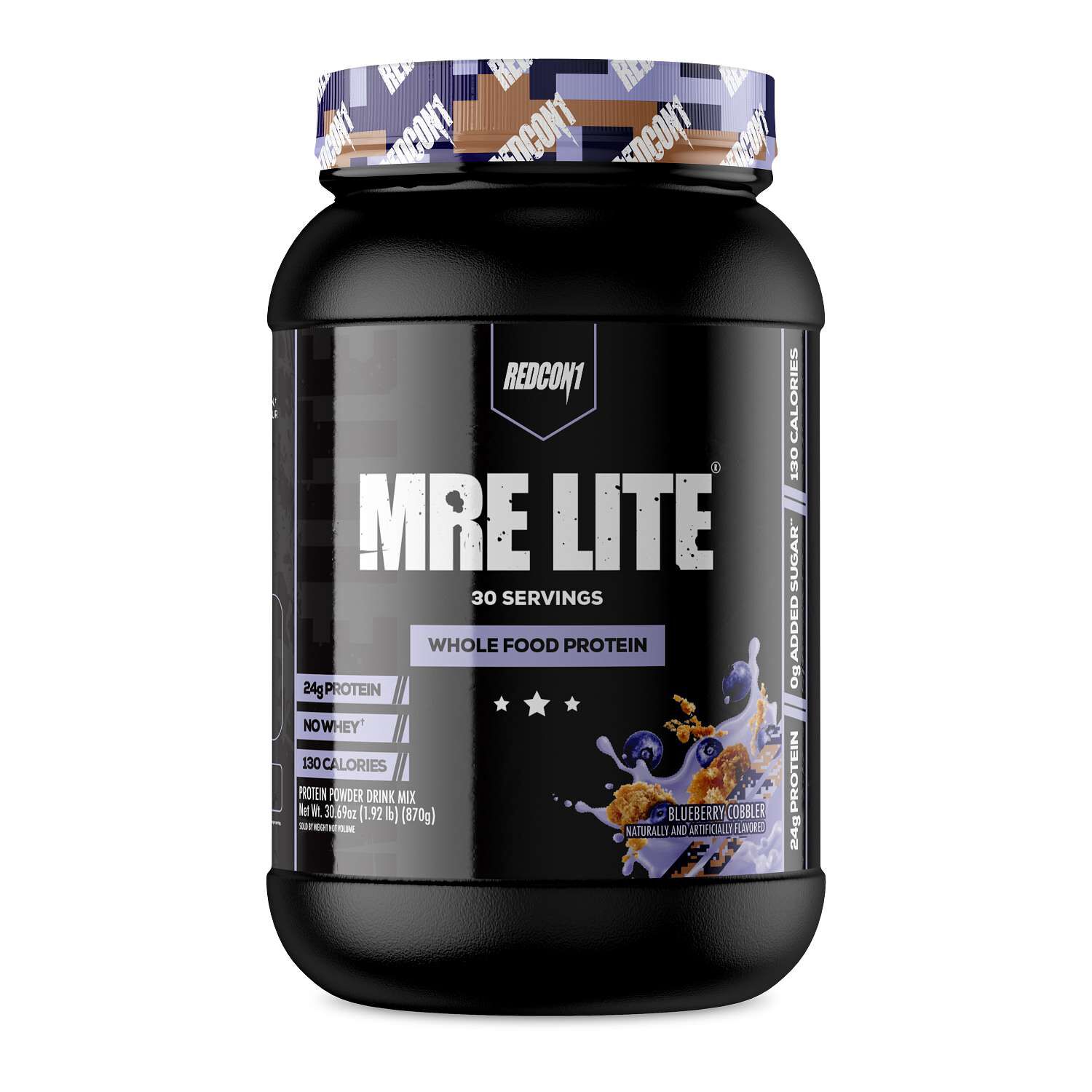

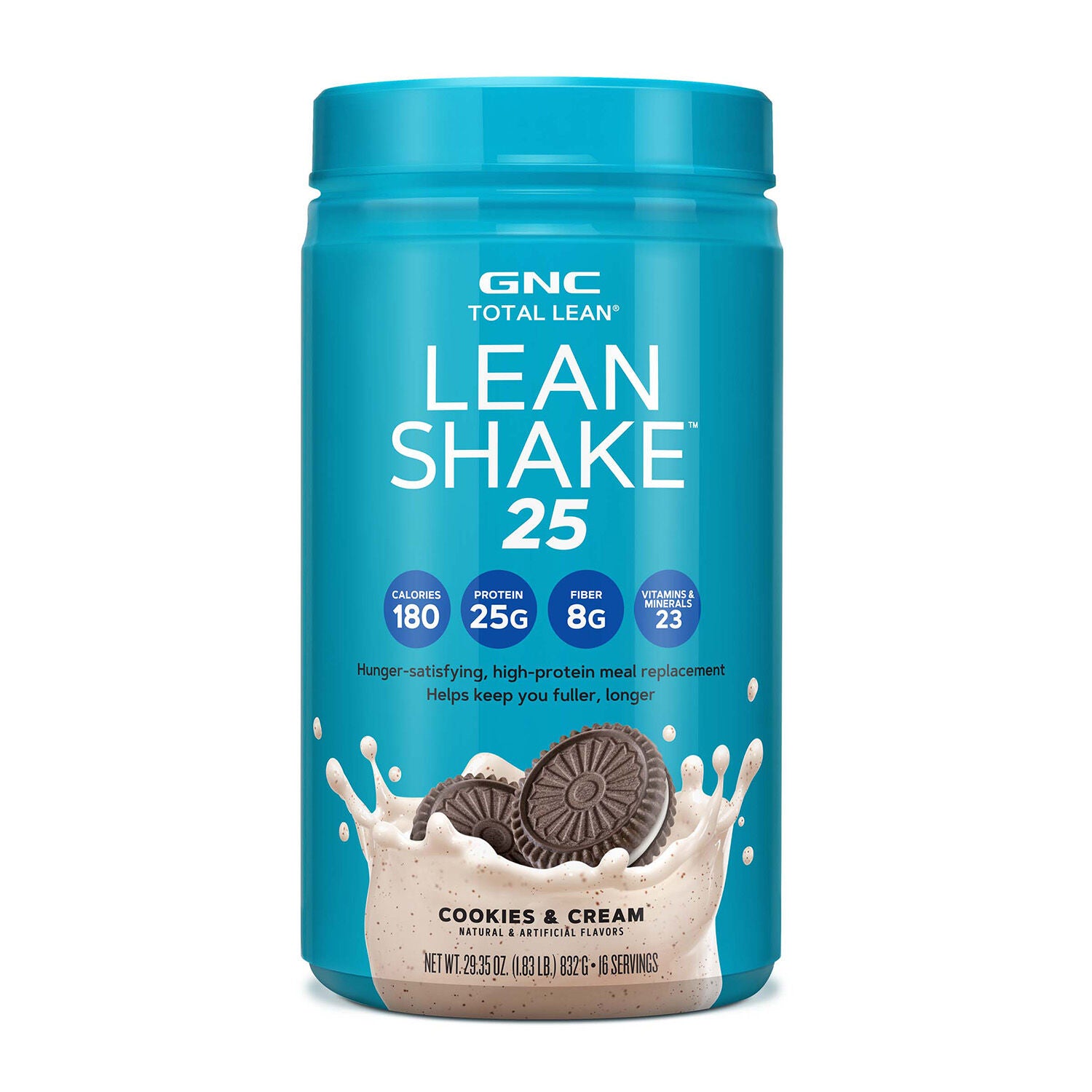
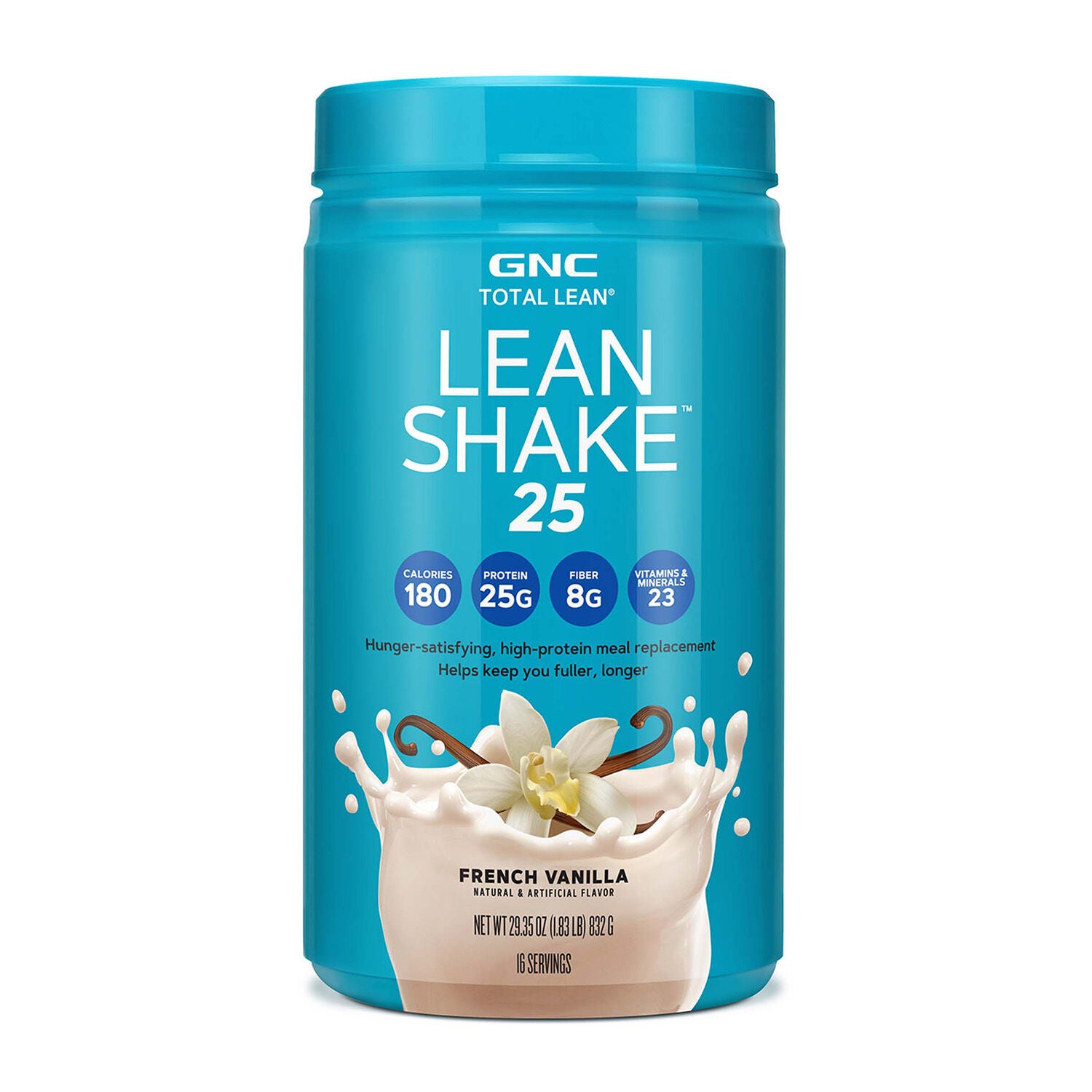
Best Sellers
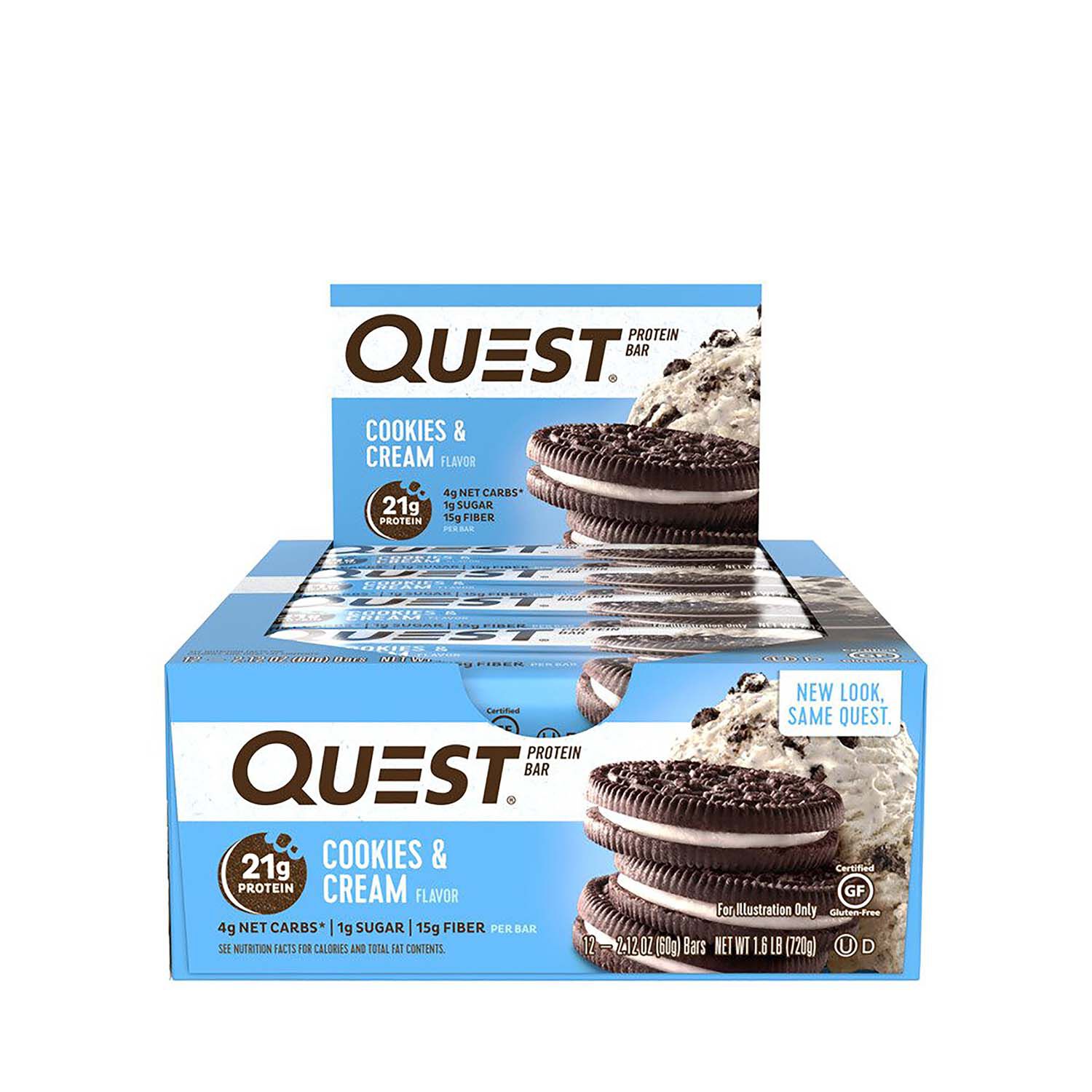

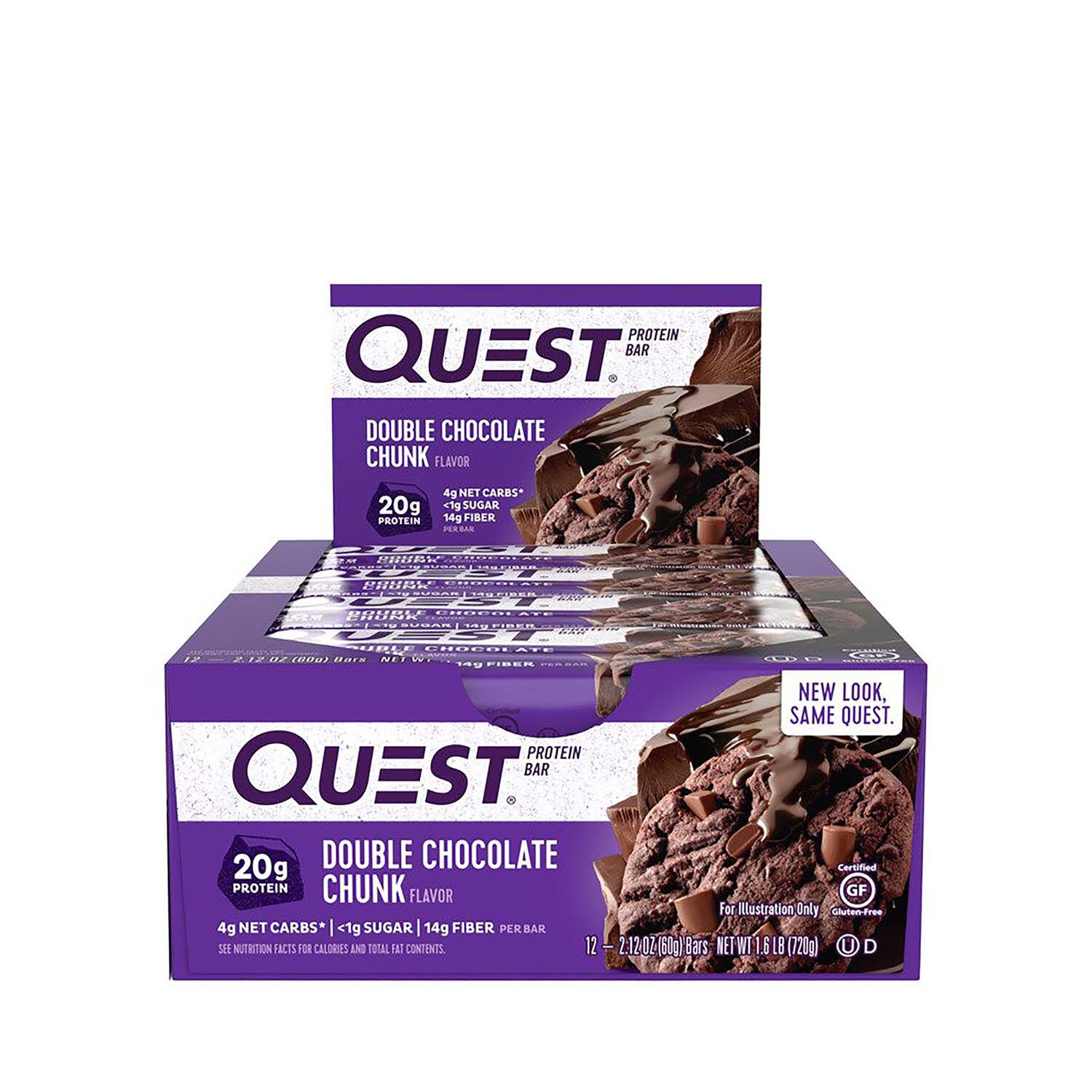

Related Pages
Top Collections
- Joint Mobility Supplement Packs
- Zinc Supplements | Top Brands at Great Prices | GNC
- Supplements For Yoga Joint Flexibility
- Supplements For Balance
- Capsule Supplements For Energy And Stamina
- Iron Supplements
- Supplements For Anxiety Relief Support
- Vitamins For Hair Loss
- Cortisol Supplements
- Adult Mobility Supplements