





Lecithin For Liver Support
(0 Results)
Explore the potential benefits of lecithin for liver health with our curated selection of premium supplements. Lecithin, a natural substance found in many foods, may support liver function and overall wellness. Whether you're looking to incorporate it into your daily routine or seeking additional nutritional support, our diverse range of lecithin options could be just what you need. Discover how this versatile nutrient might play a role in your journey to better health and vitality.
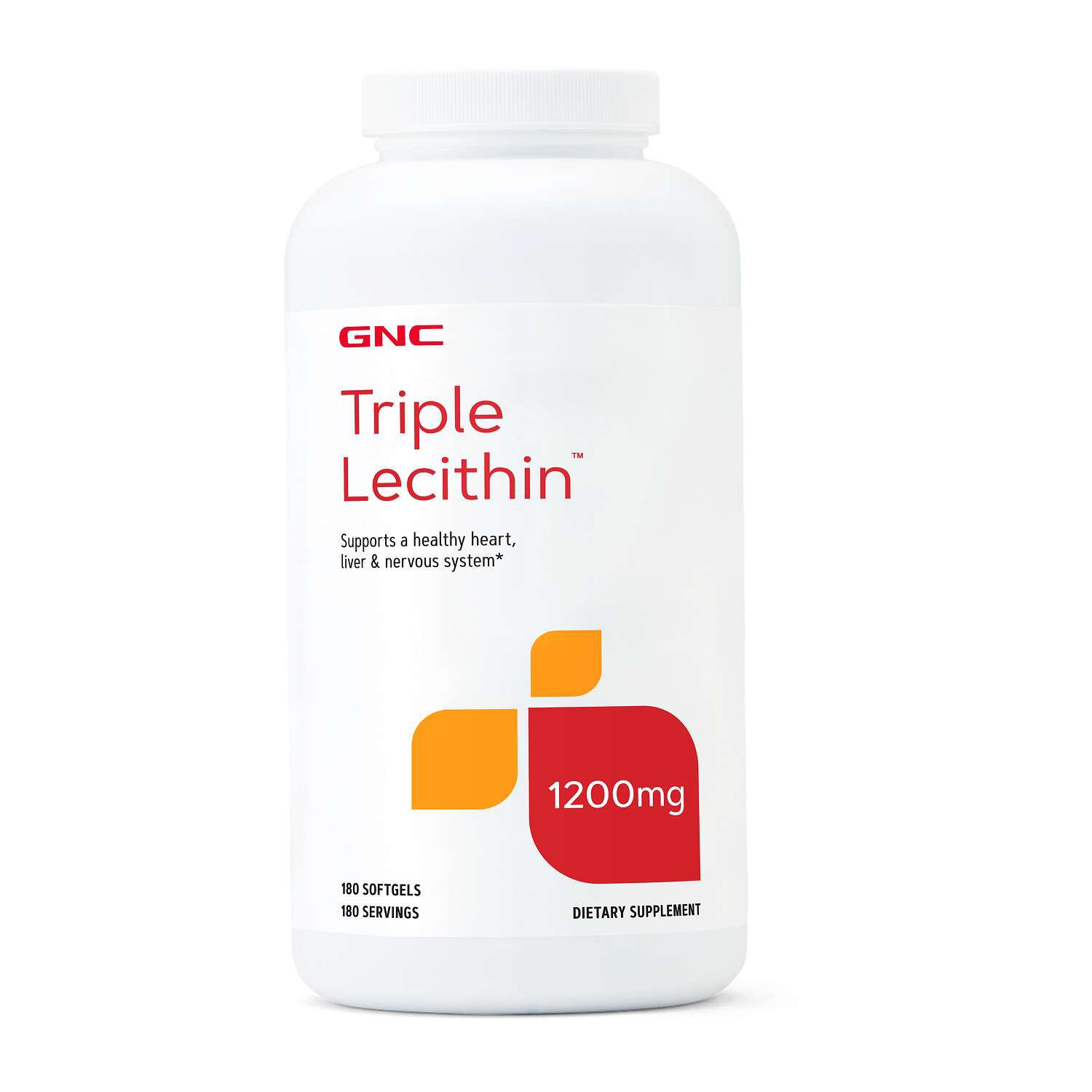
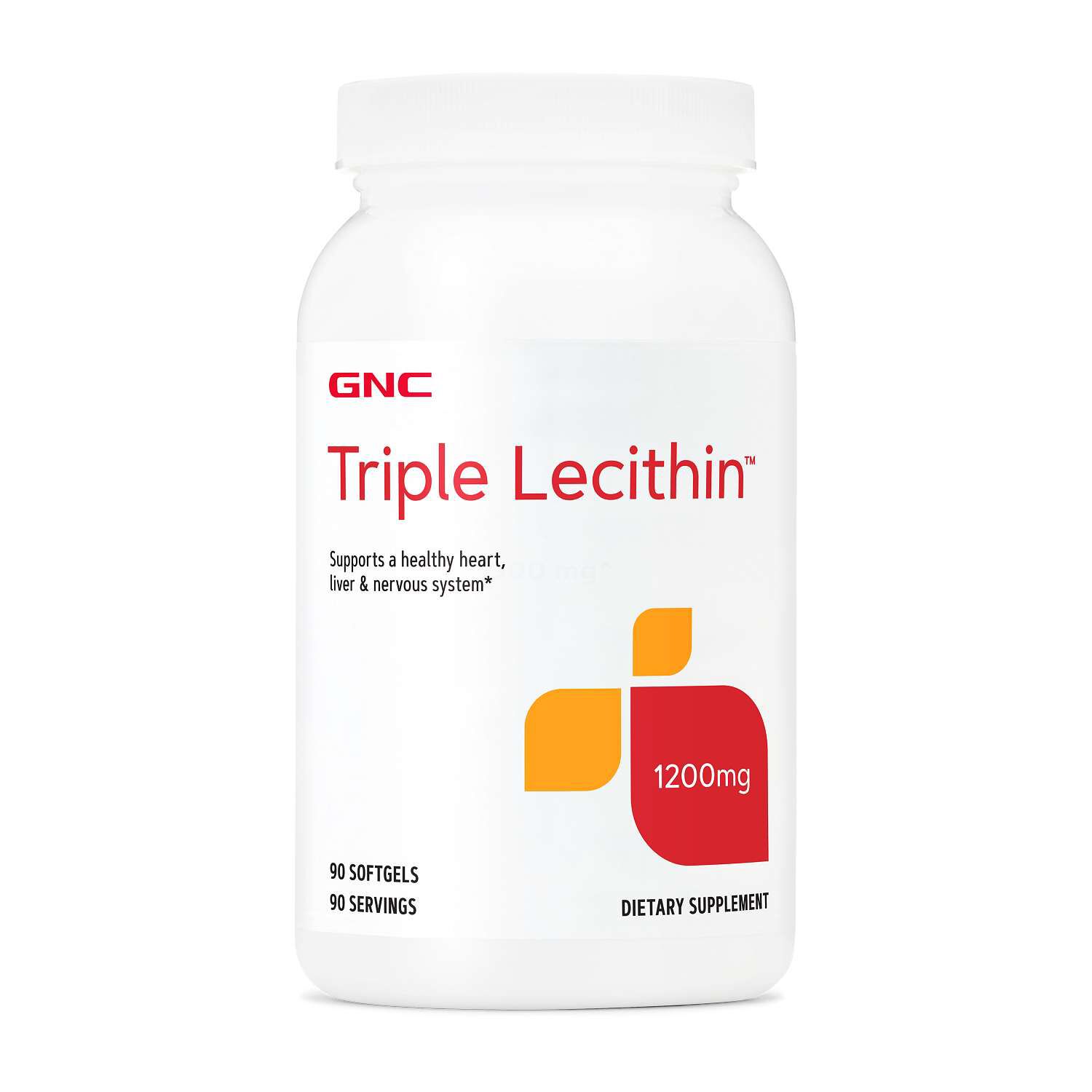
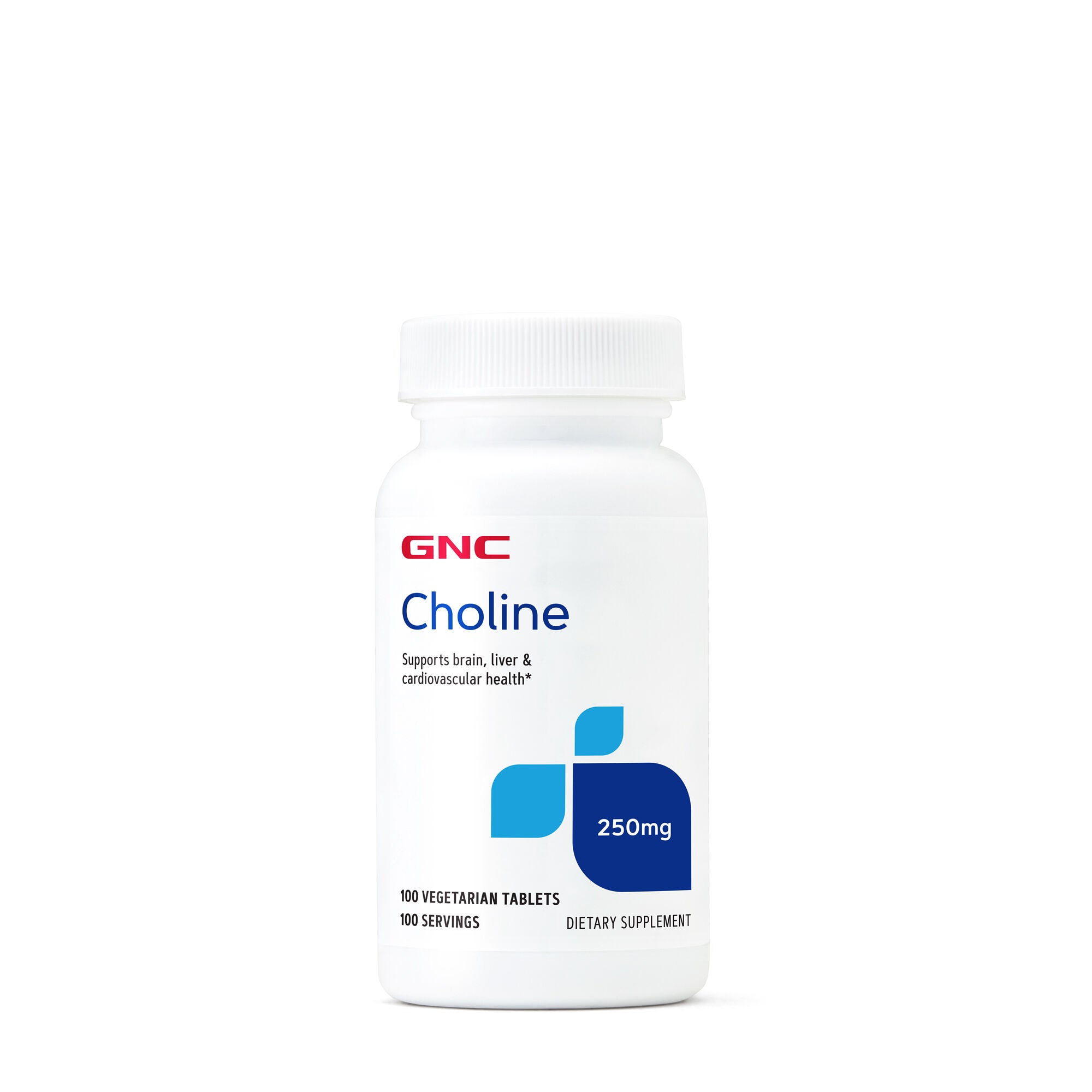

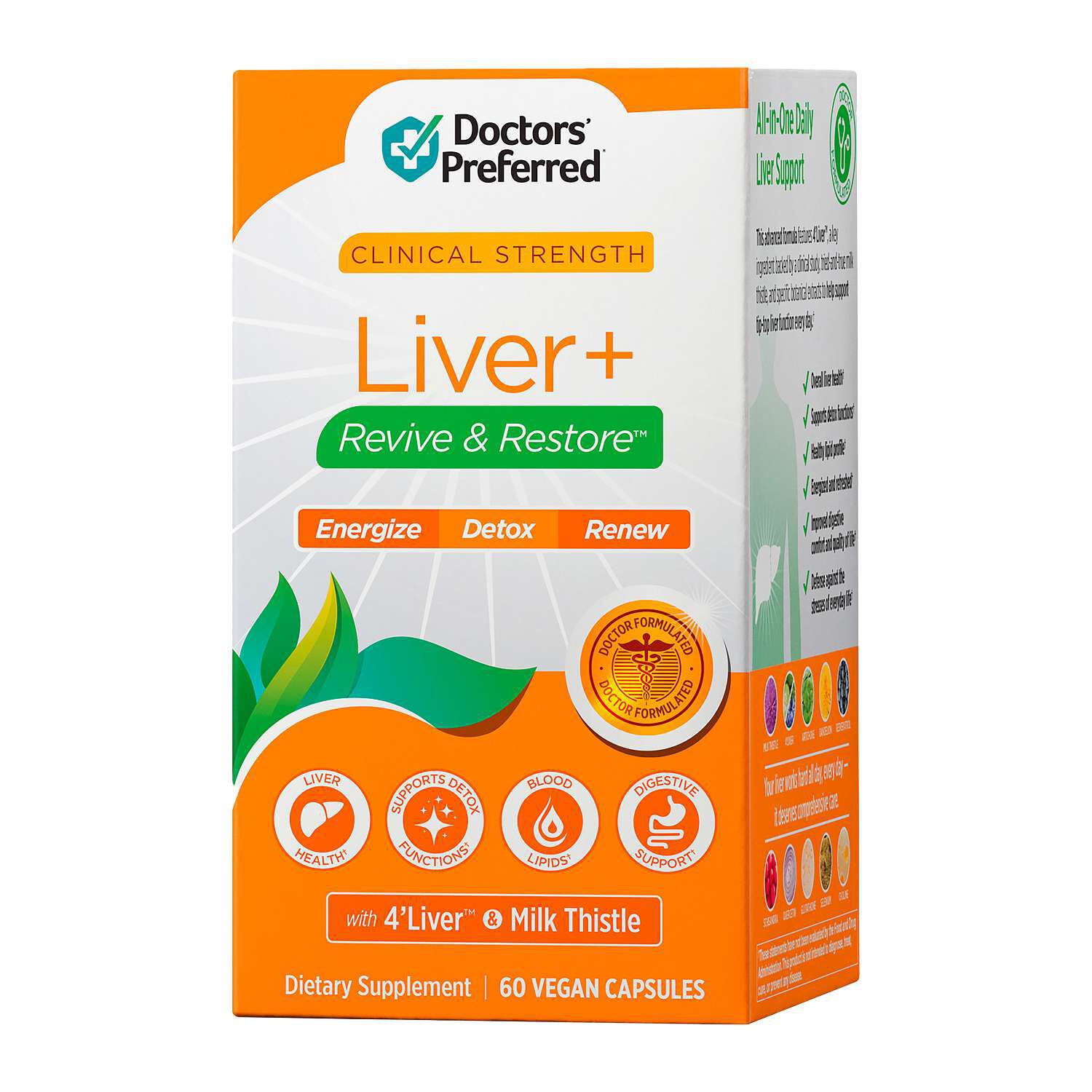
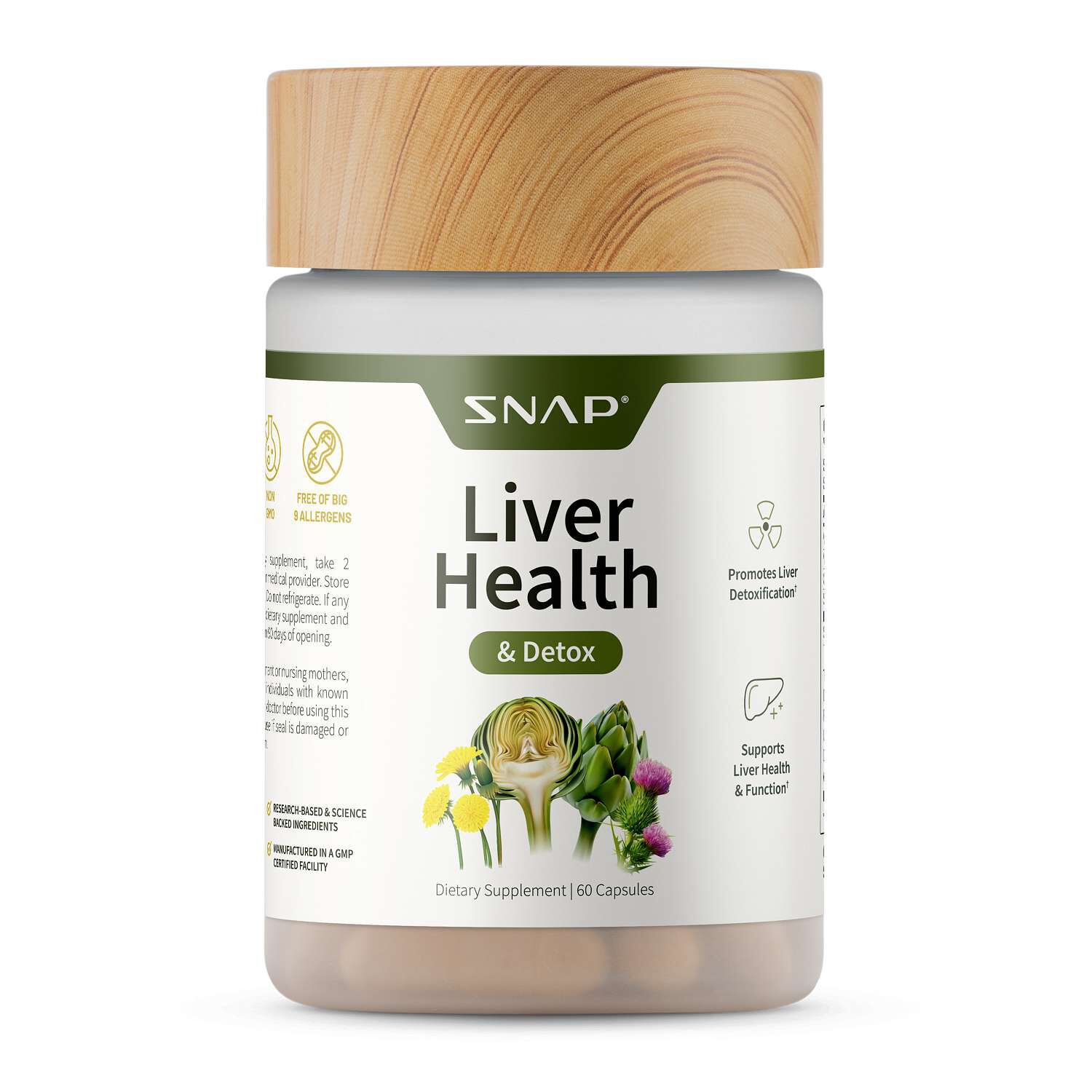


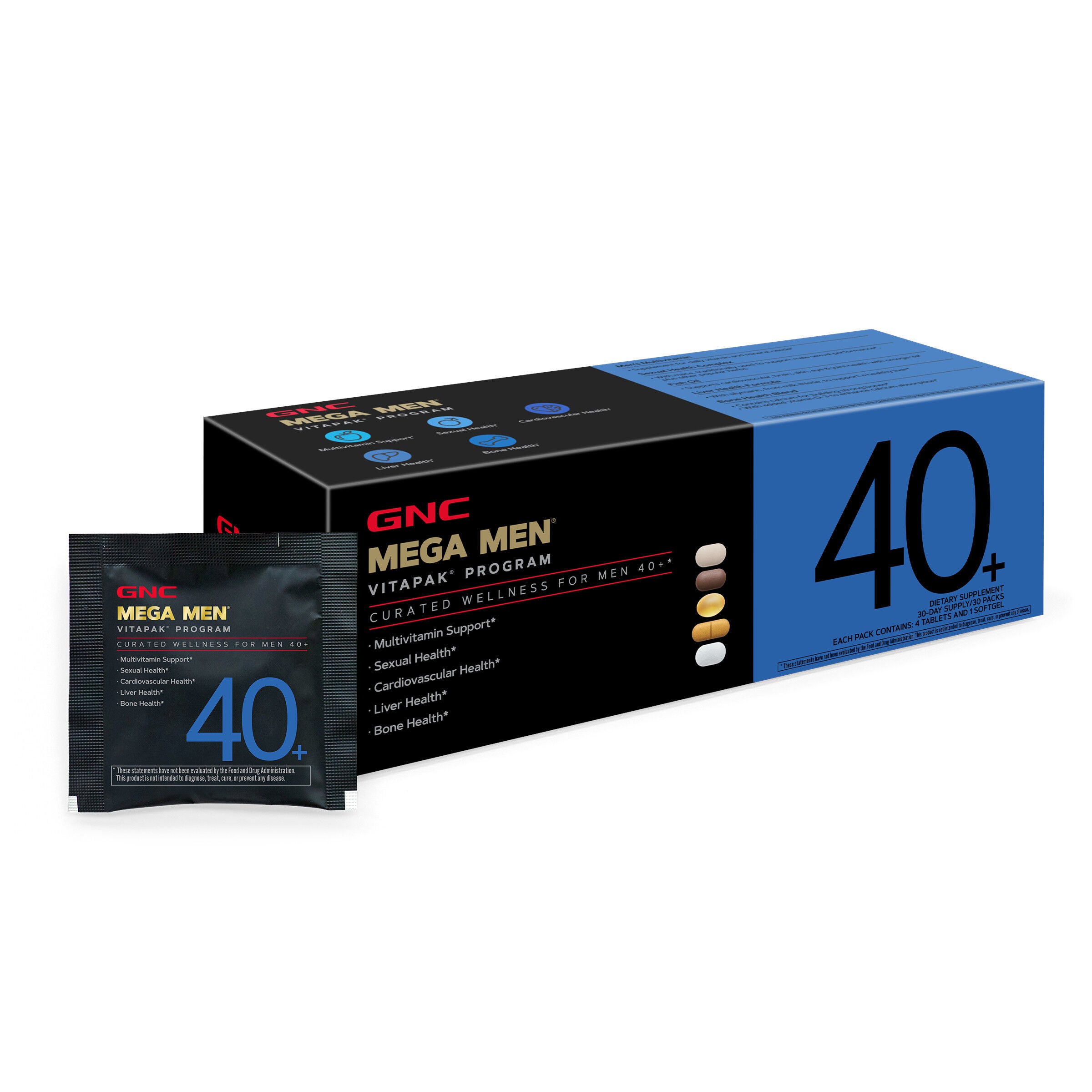

Lecithin for liver support brings together supplements for shoppers interested in lecithin’s composition, its relationship to choline, and how different formats fit into an everyday nutrition routine. Lecithin is a mixture of phospholipids, a group of fat-containing compounds found naturally in foods such as soybeans, sunflower seeds, and egg yolks. Phospholipids are components of cell membranes, and one of the compounds found in lecithin is phosphatidylcholine. Although the names often appear together, lecithin, phosphatidylcholine, and choline are not interchangeable terms. Phosphatidylcholine contains choline as part of its structure, while a lecithin supplement typically contains a mixture of phospholipids and other lipids rather than choline alone. This distinction matters when comparing labels: the milligram amount listed for lecithin does not represent an equal amount of choline or phosphatidylcholine. Two containers with similar lecithin amounts can therefore provide different information about their composition. Some labels identify only the lecithin amount, while others also state a phosphatidylcholine amount or percentage. For shoppers exploring this category with liver-focused wellness goals in mind, those details offer a more useful basis for comparison than the largest number on the front of a bottle. The phrase “liver support” describes a shopping interest; it does not establish that every lecithin formula has the same composition or that a particular benefit should be expected. Lecithin also has a familiar role outside supplements: it is used in food preparation as an emulsifier, helping oil and water ingredients mix. That kitchen function is distinct from what a supplement may offer within a personal nutrition routine. Understanding the ingredient itself, rather than treating every mention of lecithin as equivalent, makes it easier to distinguish food uses, supplement formats, and label information. A useful starting point is the source material, followed by the stated serving size, the phospholipid information provided, and the ingredients that make up the finished formula.
Soy and sunflower are common sources for supplemental lecithin, and the source is worth considering alongside dietary preferences and ingredient restrictions. Sunflower-derived lecithin identifies the origin of the lecithin ingredient, but that description alone does not explain every other ingredient in the formula or every manufacturing detail. The ingredient list and allergen statement provide a fuller picture. Similarly, a plant-derived lecithin ingredient does not automatically make the finished supplement suitable for a vegetarian eating pattern; a softgel shell may contain gelatin. Depending on the formula, shells and supporting ingredients can also include glycerin, water, oils, or other materials used to create the chosen format. Softgels, capsules, granules, and liquids each bring a different experience to the routine. Softgels offer an enclosed serving without the need to mix an ingredient into food, although their dimensions and the number per serving vary. Someone who already uses several supplements may care as much about serving count and container organization as about the lecithin amount. Granules offer a spoonable format that may suit shoppers who prefer incorporating a supplement into food, when the label permits that use. Their texture can be noticeable in a smooth dish, making food pairing a practical consideration rather than an afterthought. Liquid lecithin has its own texture and measuring requirements; depending on the formulation, it can be thick and require more attention around the bottle opening. For someone who prefers a quick, contained routine, that difference may matter more than the appearance of the packaging. Taste, texture, serving utensils, and cleanup are all reasonable comparison points. A granule container beside breakfast supplies creates a different routine from a bottle of softgels stored with other daily supplements. Neither format is inherently the best choice for everyone, and the physical format alone does not establish a liver-related benefit. Matching the format to ordinary habits helps keep the decision grounded in how the supplement would actually be used.
Comparing lecithin supplements also means reading serving information consistently. An amount highlighted on the front label may refer to a serving made up of more than one softgel or capsule, so the Supplement Facts panel is the place to check the serving size and amounts together. For granules or liquids, the listed serving may use a household measure, a weight, or both. Comparing one capsule with one spoonful without accounting for those details can give an inaccurate impression of the formulas. A straightforward lecithin formula and a blend containing additional ingredients also deserve different consideration: the added ingredients change the composition, even when lecithin remains prominent on the label. Label directions describe intended use, while ingredient lists help distinguish the lecithin source from capsule materials, flavorings, and other components. Packaging deserves attention as well. A securely closing lid, readable serving instructions, and a container that fits an everyday storage space are practical features for repeated use. Storage and handling instructions can differ across formats, including whether refrigeration is specified after opening. Keeping the original container preserves access to the ingredient information, lot details, and date markings. With spoonable formats, a clean, dry measuring utensil helps keep moisture out of the container; with liquids, closing the cap securely helps limit spills and residue. These small details matter when deciding whether a format belongs beside pantry staples or with other supplements. Shoppers comparing lecithin across wellness interests can also explore Lecithin for Nervous System for another view of the ingredient category, while continuing to evaluate each formula on its own label information. For a liver-focused search, the most meaningful distinctions remain the source of the lecithin, the phosphatidylcholine information disclosed, the serving format, and the full ingredient list. Choosing among those characteristics is a personal fit decision, not a matter of assuming that a larger stated amount or a longer ingredient list will deliver a better outcome. Clear composition details and a format that suits everyday habits provide a practical foundation for comparing lecithin supplements.
Best Sellers
-
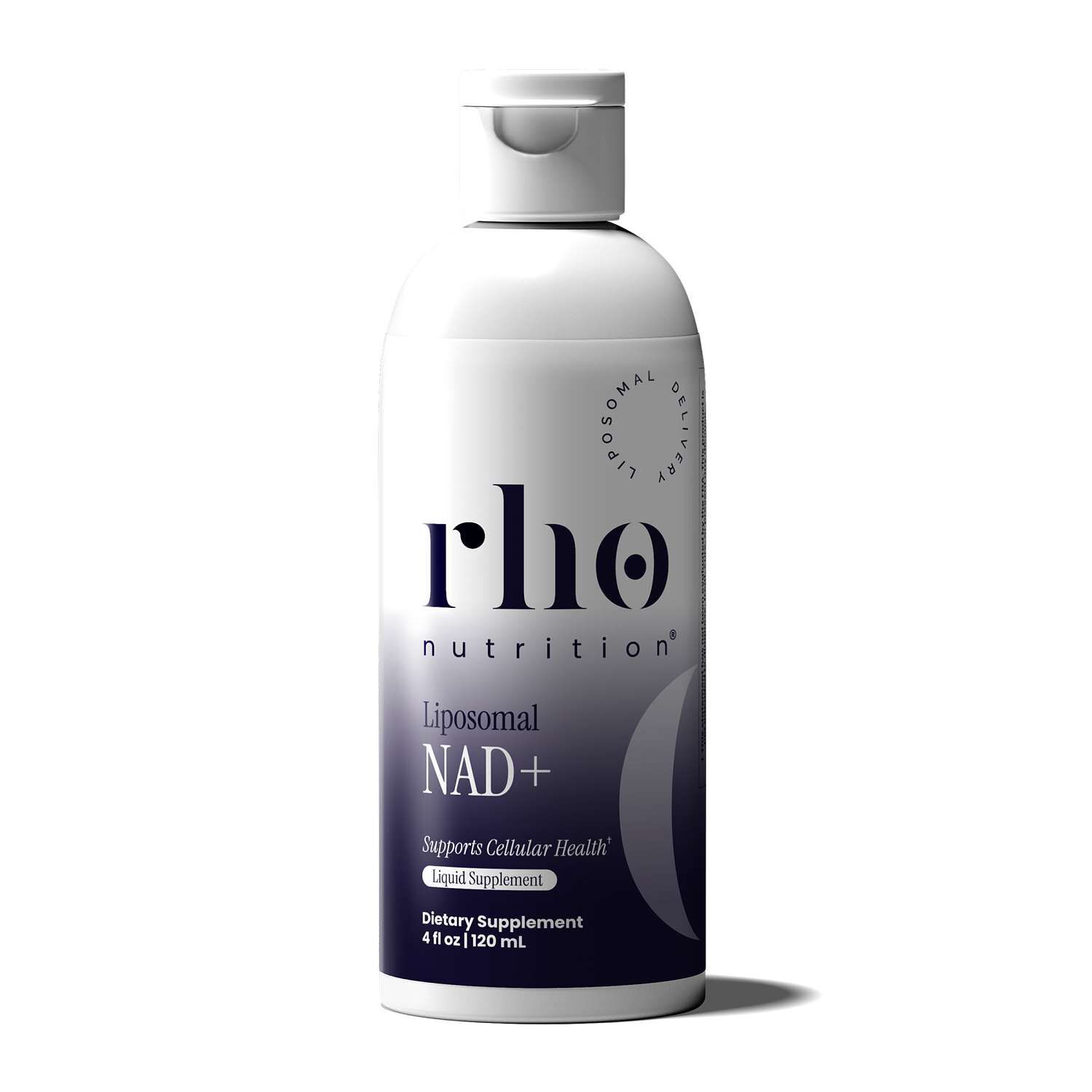 Rho Nutrition
 -
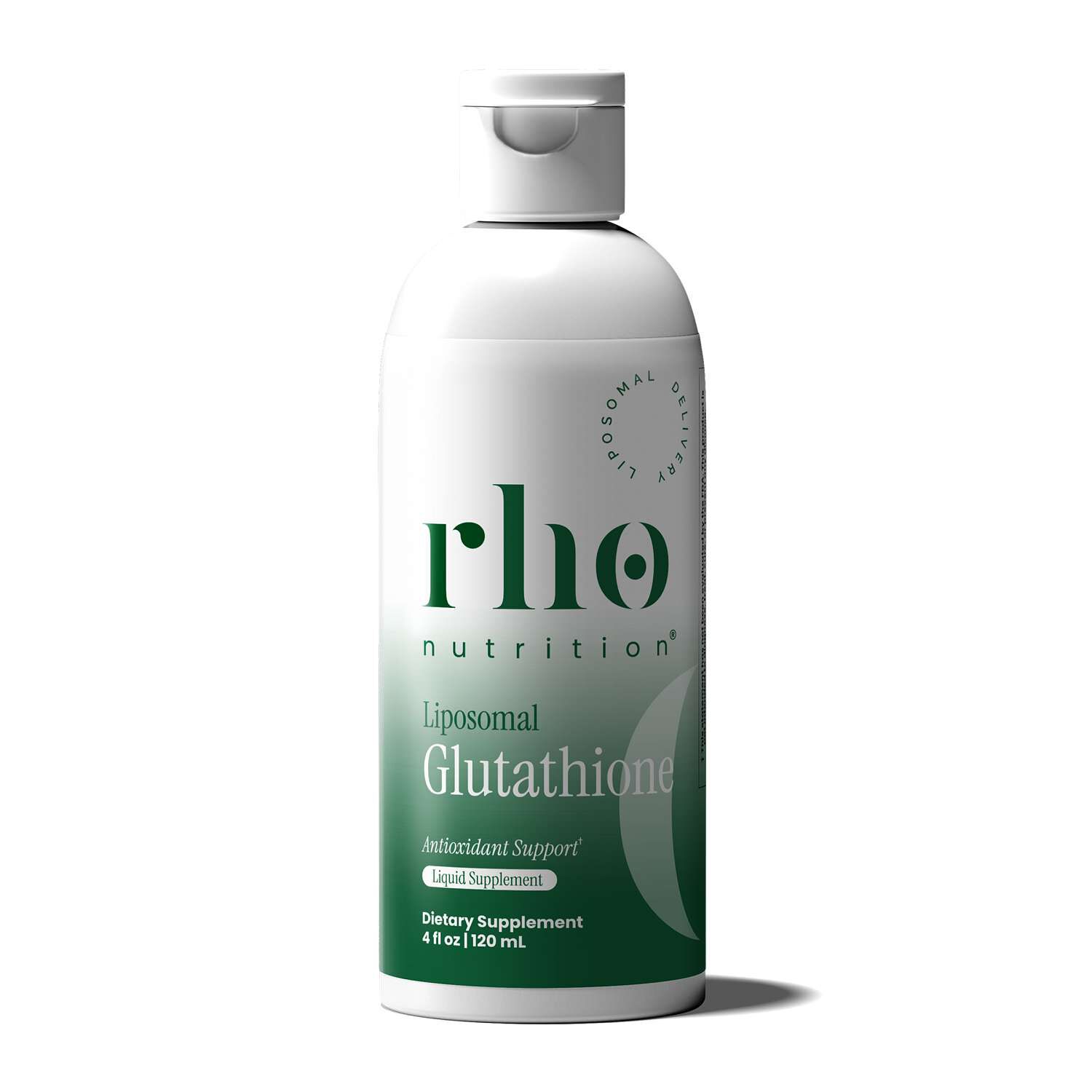 Rho Nutrition
 -
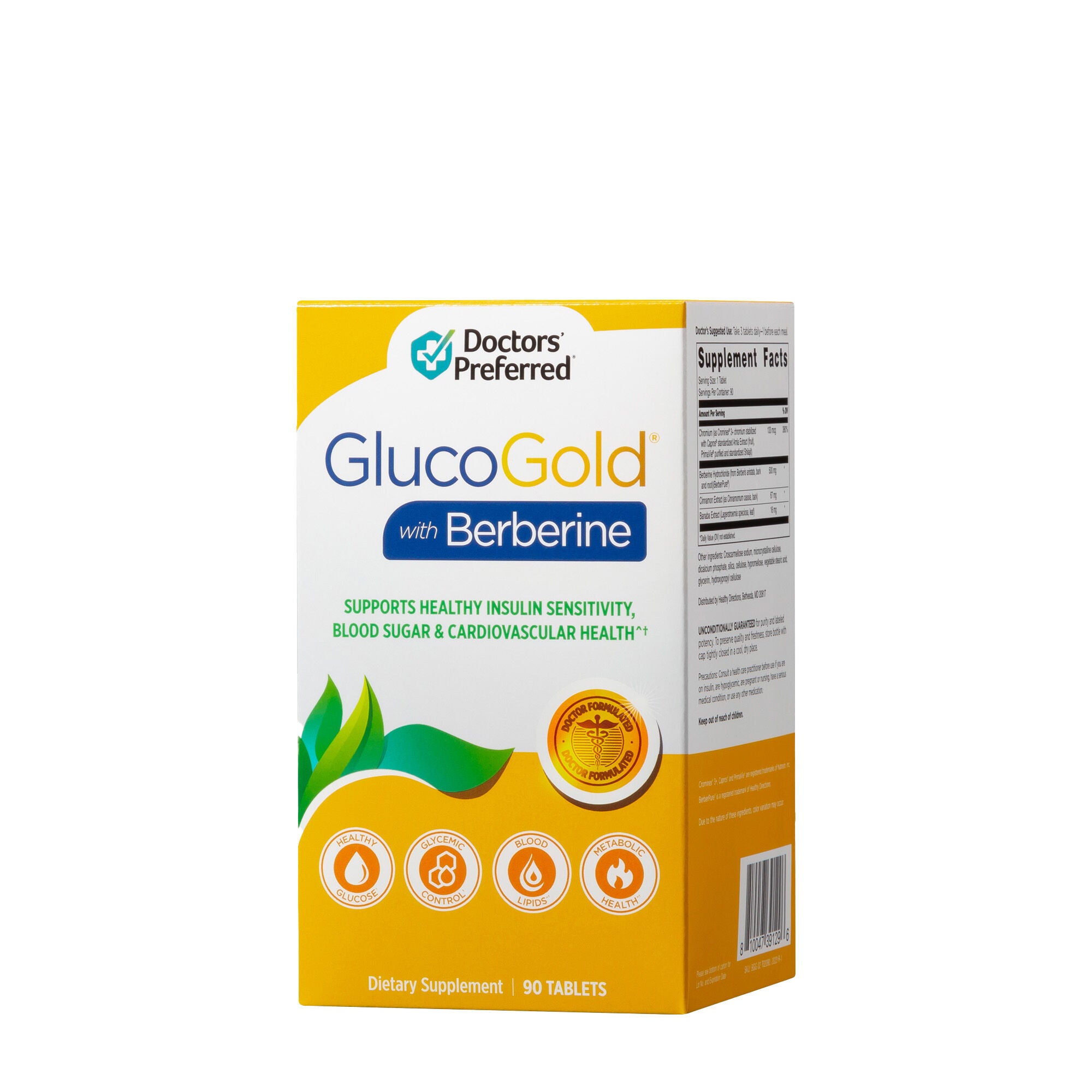 Doctors' Preferred
Related Pages

Top Collections
- Top Rated Collagen | Shop Customer Favorites | GNC
- Cortisol Supplements
- Vitamins For Hair Loss
- NAD+ Supplement Tablets
- Peptide Supplements
- Best Brand of Magnesium Glycinate
- Vitamins That Help Support Weight Gain
- Protein Powders For Muscle Growth Support
- Spirulina Tablets
- Peptide Supplements for Muscle Growth