





Lecithin For Nervous System
(0 Results)
Lecithin for nervous system support is gaining attention as a popular supplement choice for those looking to enhance their wellness routines. Sourced from natural ingredients such as soybeans and sunflower seeds, lecithin offers a versatile option for daily supplementation. Whether added to your regimen in capsule, softgel, or powder form, lecithin for nervous system support may fit seamlessly into a variety of lifestyles and dietary preferences. Explore options that could complement your journey toward overall well-being.
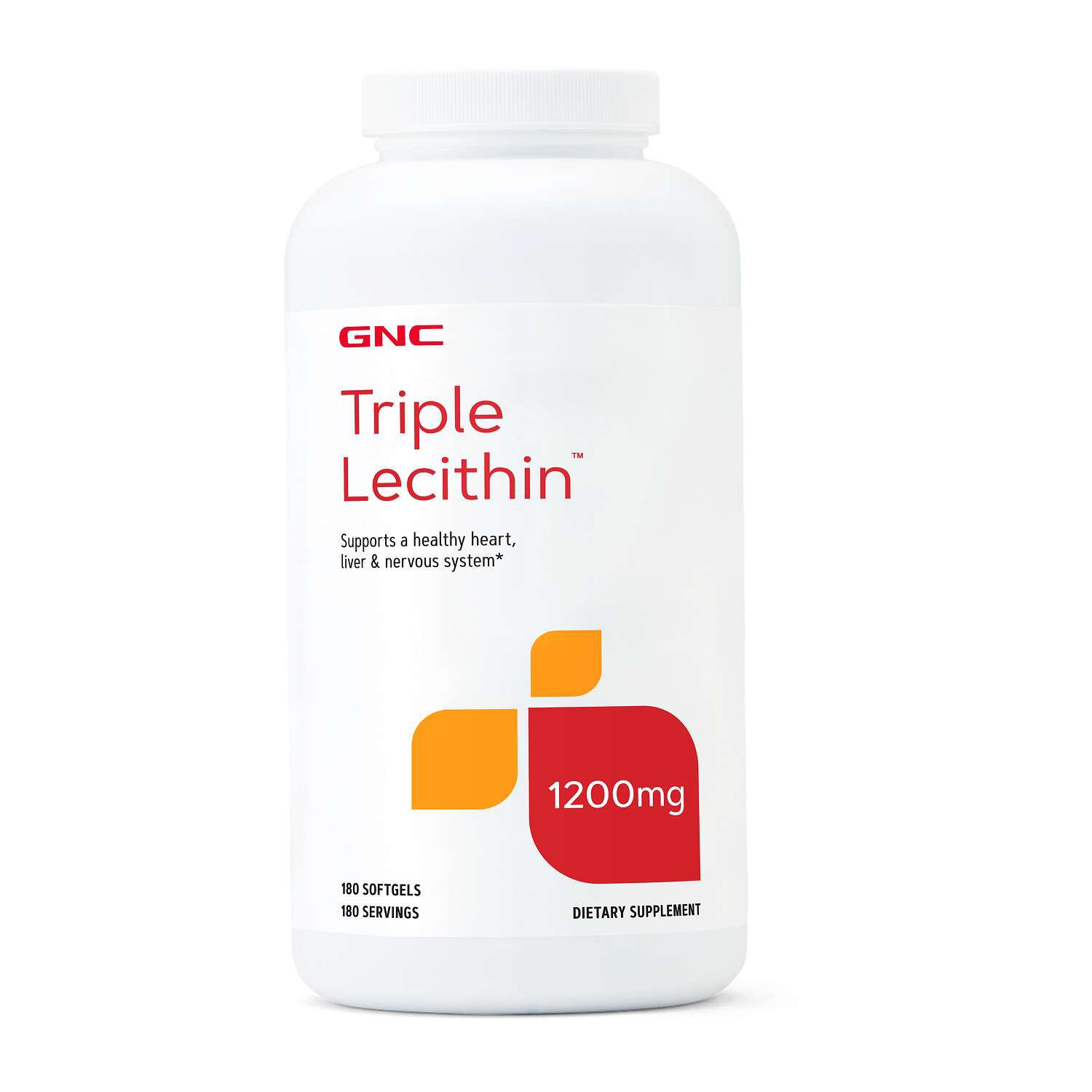
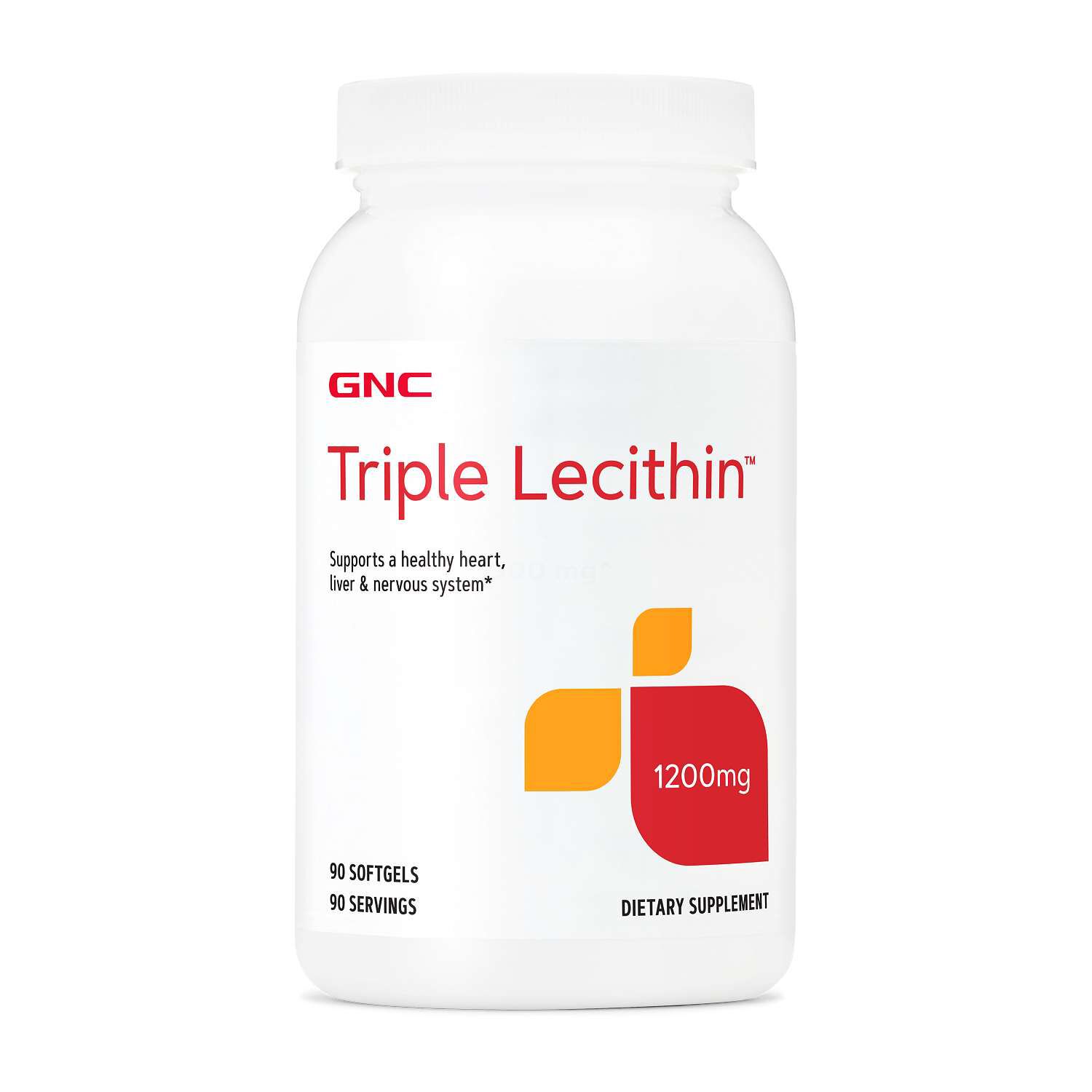
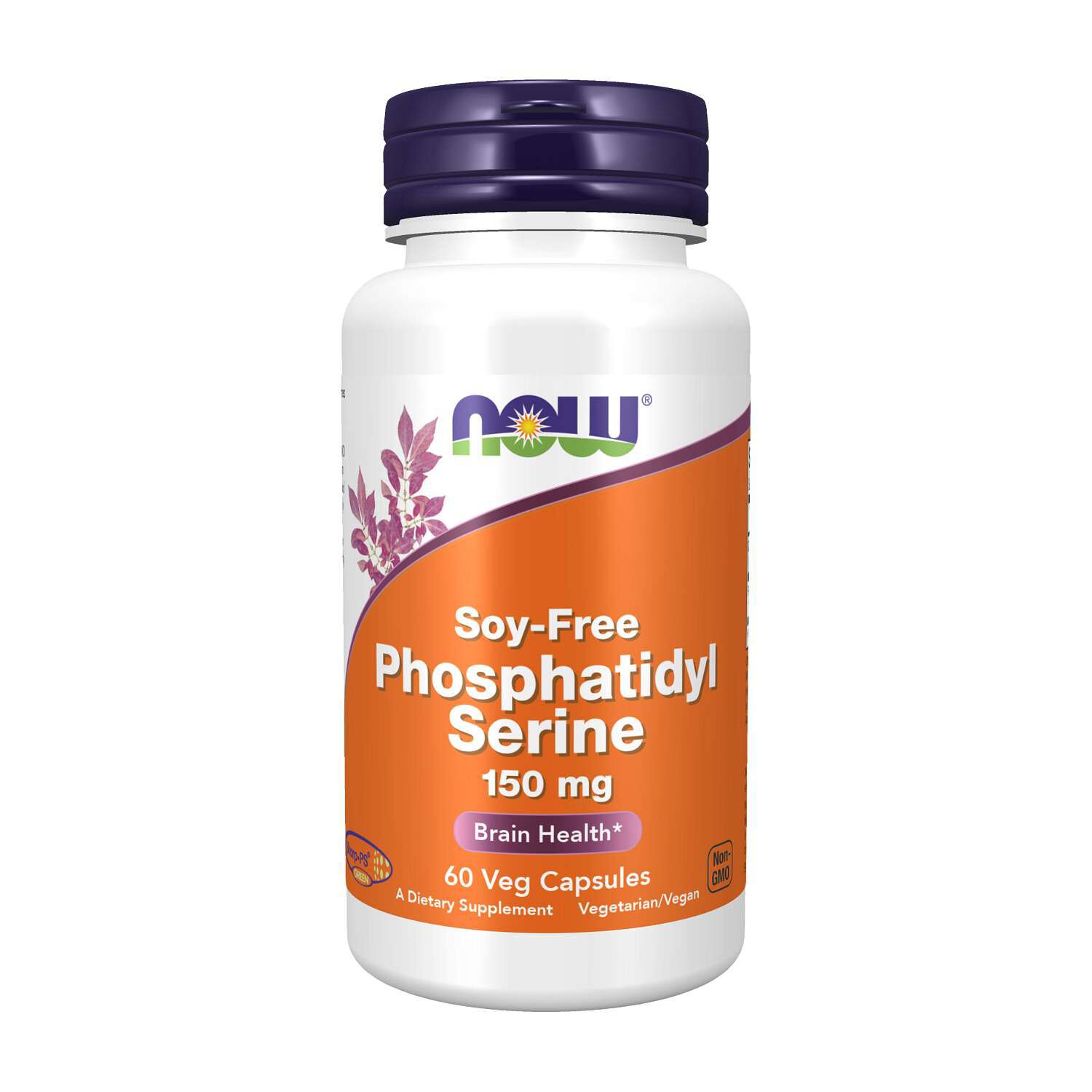
Lecithin for nervous system support may appeal to shoppers looking for a simple way to add phospholipids and choline to a daily wellness routine. Lecithin is a naturally occurring blend of phospholipids, including phosphatidylcholine, found in foods such as egg yolks, soybeans and sunflower seeds. Choline is a nutrient the body uses to make acetylcholine, a chemical messenger involved in communication among nerve cells and in everyday processes such as memory, muscle movement and breathing. Phospholipids also form part of cell membranes, including the membranes surrounding nerve cells, so lecithin may provide nutritional support for the structure and upkeep of these cells. These roles make lecithin a subject of interest for people who want general nutritional support for the nervous system, rather than a product intended to address a diagnosed condition. Individual experiences can vary, and a supplement works best as part of a well-rounded routine that includes nourishing meals, regular movement, restful sleep and time away from the constant glow of screens. Someone who spends long hours moving between a laptop, phone and busy schedule may appreciate the ease of adding a measured serving to breakfast, a smoothie or another familiar part of the day. Others may prefer to keep their routine uncomplicated, taking lecithin alongside the meal they already rely on during cooler mornings or busier afternoons.
When comparing lecithin supplements, start with the source. Soy lecithin has a long history of use in foods and supplements, while sunflower lecithin may suit shoppers who prefer to avoid soy or who want a different plant source. Egg-derived lecithin may also appear in some formulas, making the ingredient list especially important for anyone managing food sensitivities or following a particular eating pattern. Review the Supplement Facts panel for the lecithin form, serving size and amount per serving, then consider whether the format fits your habits. Softgels may be convenient for a neatly packed routine, while granules or liquid lecithin may work well stirred into yogurt, oatmeal or a morning shake. Texture and flavor can vary; some people enjoy the mild, creamy character of lecithin mixed into a smoothie, while others prefer a capsule that slips easily into a travel pouch. There is no universally established serving amount specifically for nervous system support, so following the label directions matters. Taking more is not automatically a better choice, and larger servings may not suit everyone. Some people may notice digestive discomfort, loose stools or sweating when using higher amounts, which makes it sensible to begin with the labeled serving and pay attention to personal tolerance. Anyone who is pregnant, nursing, managing an ongoing health concern, using prescription products or navigating a food allergy may wish to speak with a qualified healthcare professional or pharmacist before adding a new supplement. Product details such as allergen statements, non-GMO preferences, capsule ingredients and storage instructions can also help narrow the selection without turning the process into guesswork.
Lecithin supplements may be a thoughtful choice for adults building a broader wellness routine, students organizing a steady study-day schedule or family members who enjoy practical nutrition gifts. They can fit naturally into a care package with a reusable shaker, tea, pantry staples or a note encouraging a calmer start to the day, especially as routines shift between warm afternoons and cooler evenings. A gift recipient who already uses supplements may value a lecithin option as a convenient addition, while a newcomer may appreciate clear serving directions and a straightforward ingredient list more than an elaborate formula. For shoppers who want to explore the category further, Lecithin Supplements for Healthy Lifestyle offers another place to browse. Keep expectations grounded: lecithin is not a substitute for professional care, and supplements may support nutritional goals without being designed to diagnose, treat or reverse memory conditions or other nervous system concerns. A small jar beside the breakfast ingredients, a few softgels tucked into a desk drawer or a single scoop blended into a morning drink can make the routine feel as ordinary as setting out a favorite mug. The most suitable option is usually the one with a source, format and serving direction that match the shopper’s preferences closely enough to encourage consistent, sensible use.
Best Sellers
-
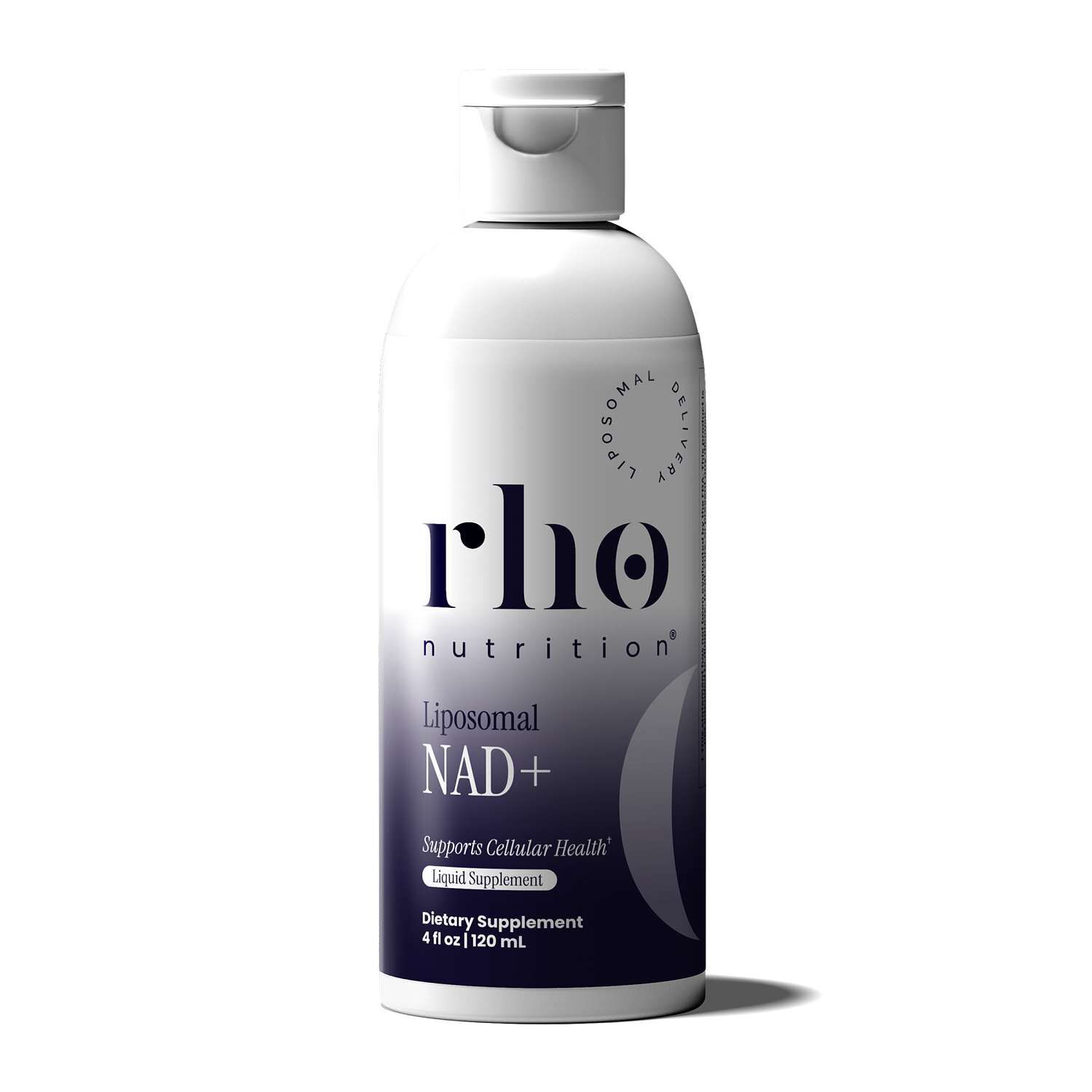 Rho Nutrition
 -
 Rho Nutrition
 -
 Doctors' Preferred
Related Pages


Top Collections
- Top Rated Collagen | Shop Customer Favorites | GNC
- Cortisol Supplements
- Vitamins For Hair Loss
- NAD+ Supplement Tablets
- Peptide Supplements
- Best Brand of Magnesium Glycinate
- Vitamins That Help Support Weight Gain
- Protein Powders For Muscle Growth Support
- Spirulina Tablets
- Peptide Supplements for Muscle Growth