Liposomal NAD Supplements
(0 Results)
Shop liposomal NAD supplements and compare formulas by their listed ingredients, serving sizes, and amounts per serving. Review each product label for the specific NAD-related ingredients included and directions for use to help choose an option that fits your supplement routine.
-
-
-

-
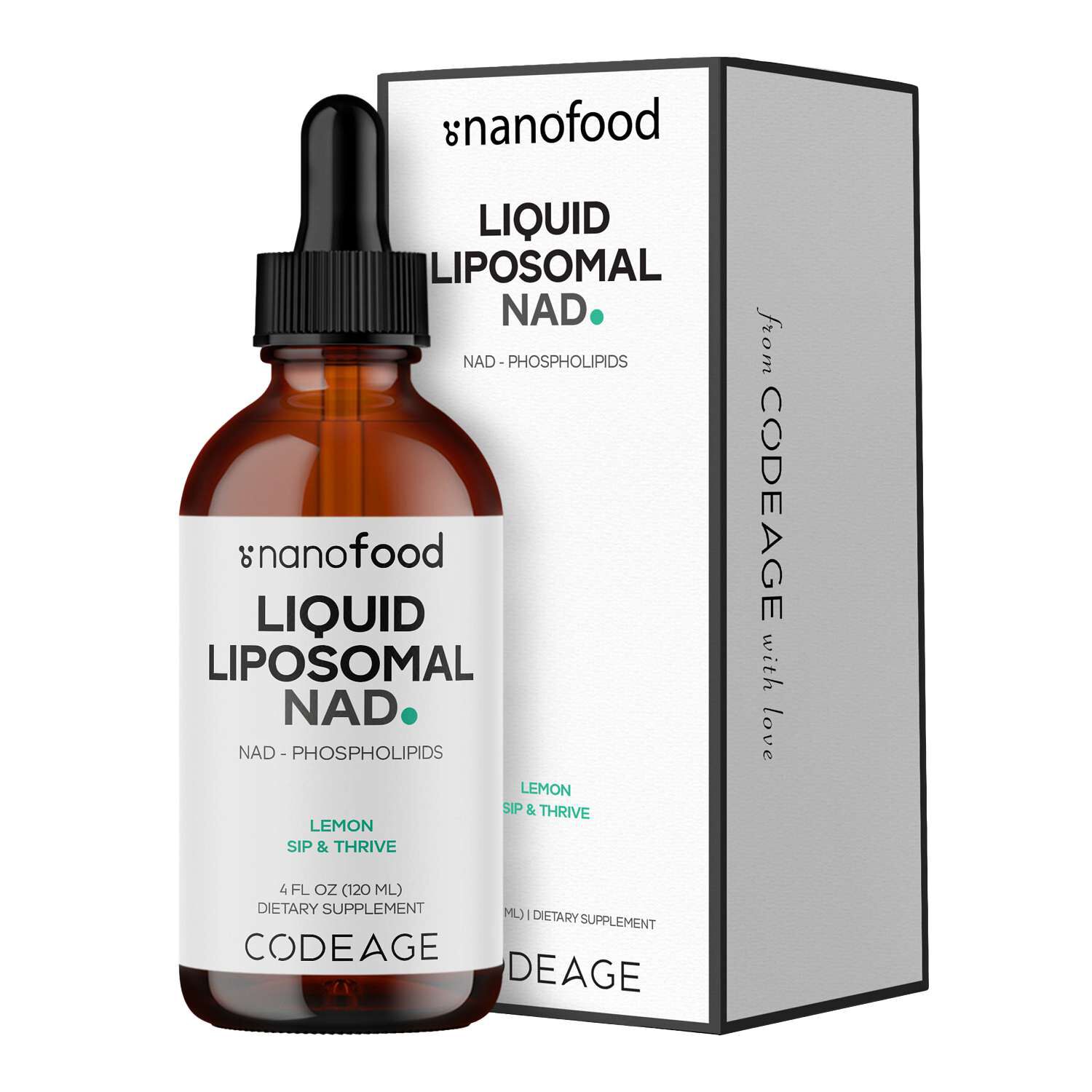 $24.99
-

Liposomal NAD supplements pair NAD+, a form of nicotinamide adenine dinucleotide, with a phospholipid-based delivery format. Liposomes are microscopic vesicles surrounded by one or more layers of phospholipids, the same broad class of molecules found in cell membranes. In a supplement formula, these structures serve as carriers and may help protect enclosed ingredients during digestion. The term “liposomal” describes the delivery system rather than a different kind of NAD. NAD is a coenzyme found naturally in living cells, where it participates in normal cellular energy metabolism. That biological role provides background for the category, but it does not establish that taking an NAD supplement will produce a noticeable change in energy or everyday performance. Likewise, a lipid-based carrier does not, by itself, establish how much of an ingredient the body absorbs. The composition of the formula, the characteristics of its liposomes, and research on the finished formulation all matter when considering statements about delivery. Labels with similar names can also describe different ingredients. Some formulas contain NAD+, while others contain precursors, which are substances the body uses in making NAD. Nicotinamide riboside is one example of a precursor; it is not another name for NAD itself. The broader category of NAD Supplements and Precursors brings these related approaches together, while the ingredient panel identifies what each formula actually contains. For shoppers comparing liposomal NAD supplements, that distinction is a useful starting point: the nutrient or precursor, the carrier, and the serving amount are separate parts of the formulation. A prominent mention of liposomal delivery on the front label tells only part of that story. More specific information about the active ingredient and its amount helps put the delivery format in context without assuming that similarly named formulas are interchangeable. It also makes comparisons more meaningful than relying on a familiar abbreviation or a large milligram figure alone.
Format is another practical difference among liposomal NAD supplements. Capsules offer a portioned format, while liquids involve measuring the serving described on the label. For an adult who prefers a routine with fewer measuring steps, capsules may be a convenient match; someone who prefers a liquid may place more importance on flavor, texture, and the measuring device. Neither preference establishes that one format performs better than another. A capsule count is not necessarily the same as the number of servings in a container, and a liquid serving is not necessarily one dropperful. The serving size and directions provide the relevant reference points. When comparing ingredient amounts, the amount of NAD or a named precursor is different from the amount of a larger blend that also contains phospholipids and other ingredients. Some labels list these components separately, making the relationship easier to understand. Carrier materials deserve attention as well. Phospholipids may come from sources such as sunflower or soy, and the ingredient list can identify the source when it is disclosed. Capsule shells may use gelatin or plant-derived materials, while liquid formulas may include flavoring ingredients, sweeteners, or ingredients used to maintain consistency. These details matter to shoppers with dietary preferences, even though they do not establish how a supplement will perform. A short ingredient list and a longer one can reflect different formulation choices rather than a simple difference in quality. For example, a flavored liquid and an unflavored capsule have different practical requirements. A shopper looking for a straightforward addition to an established routine might focus on the named ingredient, serving size, and capsule material. Someone comparing liquid formats might spend more time reviewing flavor descriptions, measuring instructions, and storage directions. In either case, clear labeling gives more useful context than broad language about advanced delivery. The most informative comparison keeps the actual contents separate from the language used to describe the carrier.
Everyday handling also belongs in the comparison, especially because liposomal NAD supplements are intended for use according to their individual labels rather than a universal schedule. Directions can differ in serving size, whether a liquid needs shaking, and whether a formula has particular storage requirements after opening. Some liquids call for refrigeration, so the bottle’s instructions matter more than assumptions based on another supplement. Capsules and liquids also have different packaging considerations. A secure closure, readable label, and clearly marked date are practical details for a container that will be opened repeatedly. Keeping the formula in its original packaging preserves access to its ingredient information, directions, and lot number. For someone who spends part of the day away from home, a serving format that requires measuring or refrigerated storage involves different planning than one without those requirements. A bottle left on a kitchen counter, a container tucked into a work bag, and a liquid stored in a refrigerator are distinct situations; the label determines which handling conditions are appropriate. Packaging appearance alone does not establish the quality of the contents, just as the word “liposomal” does not establish the structure or performance of every formula bearing that description. Quality information is more meaningful when it explains what was evaluated, such as ingredient identity, ingredient amount, or characteristics of the delivery system. Research on NAD’s role in cells, research on a particular precursor, and research on a finished liposomal formula answer different questions and should not be treated as interchangeable. For adults considering this category as part of a personal wellness routine, a grounded comparison centers on the exact ingredient, clearly stated serving information, dietary compatibility, and manageable handling requirements. Those details keep the focus on what the formula contains and how it is intended to be used, rather than on expectations that its name or delivery format alone cannot establish.
- Q: What does NAD stand for in liposomal NAD supplements?
A: NAD stands for nicotinamide adenine dinucleotide, a coenzyme naturally present in living cells. The abbreviation identifies the compound referenced by this supplement category. - Q: What does “liposomal” mean in liposomal NAD supplements?
A: Liposomal refers to a formulation using liposomes, which are small, lipid-based structures. The term describes the formulation approach rather than a different form of the NAD molecule. - Q: What is the difference between NAD+ and NADH?
A: NAD+ and NADH are two forms of the same coenzyme. NAD+ is the oxidized form, while NADH is the reduced form. These names describe their chemical states; check the ingredient listing to see which form a supplement contains. - Q: Are liposomal NAD supplements the same as NMN or NR supplements?
A: No. NAD, nicotinamide mononucleotide (NMN), and nicotinamide riboside (NR) are distinct compounds. NMN and NR are described as NAD precursors. A supplement’s ingredient listing helps distinguish between these categories. - Q: Where can I find ingredient information for liposomal NAD supplements?
A: Look at both the Supplement Facts panel and the Other Ingredients section. The Supplement Facts panel identifies dietary ingredients, while the Other Ingredients section lists additional components used in the formulation.
Best Sellers
-
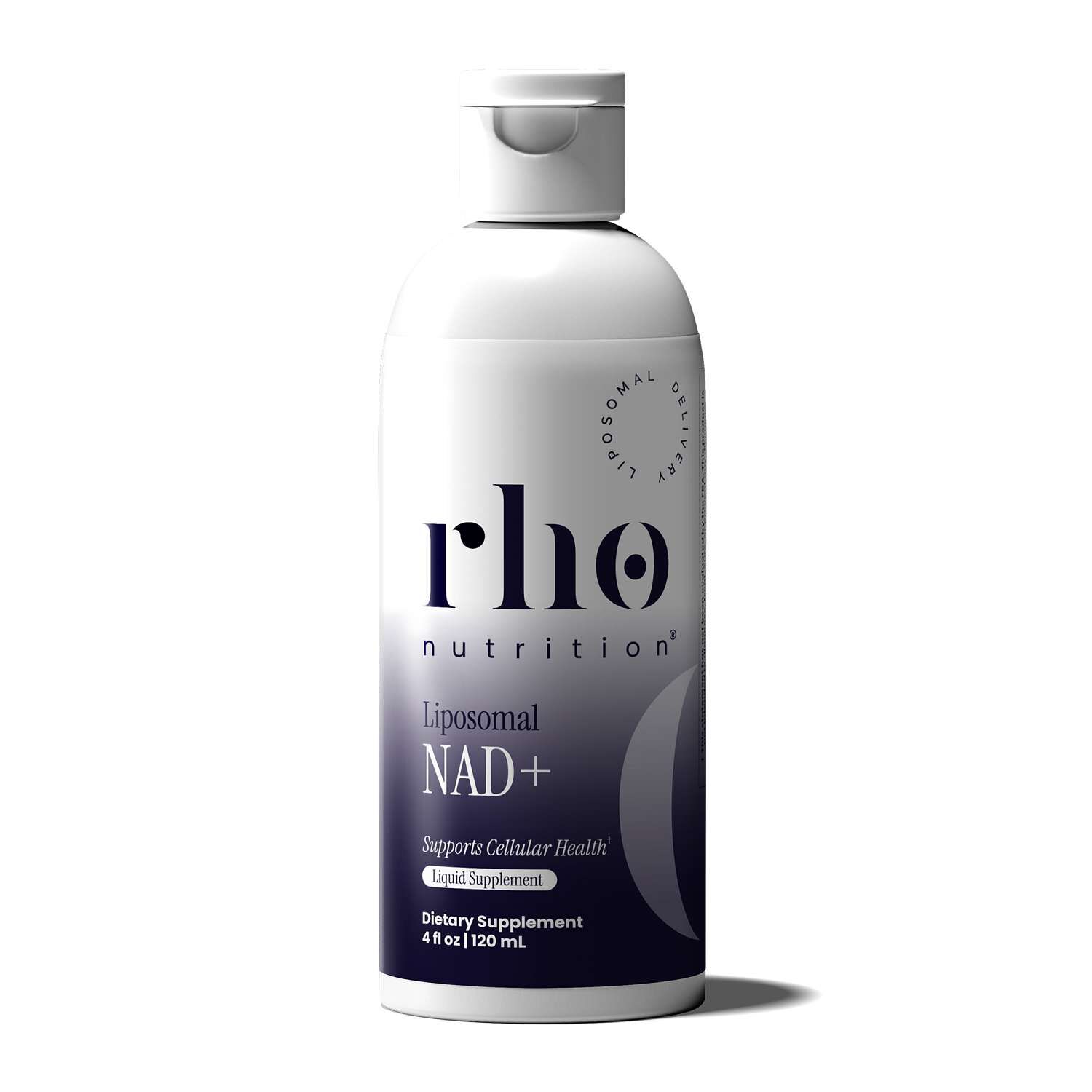
Rho Nutrition
-
 Rho Nutrition
-
 Doctors' Preferred