





NAD+ Supplements For Antioxidant Support
(0 Results)
NAD+ supplements for antioxidant support may offer a convenient way to help your body manage everyday stressors. As interest in cellular health grows, these supplements have become a popular choice for those looking to support their wellness routines. NAD+ supplements for antioxidant support are designed for individuals who want to maintain an active lifestyle and prioritize overall well-being. Explore options that could fit seamlessly into your daily regimen and discover how these supplements might complement your health goals.
-
-
-
-
 GNC Preventive Nutrition22$46.99
-

-
-
-
-
 $24.99
-
-
-
-

-

-
 $44.99
-
-
 57$54.99

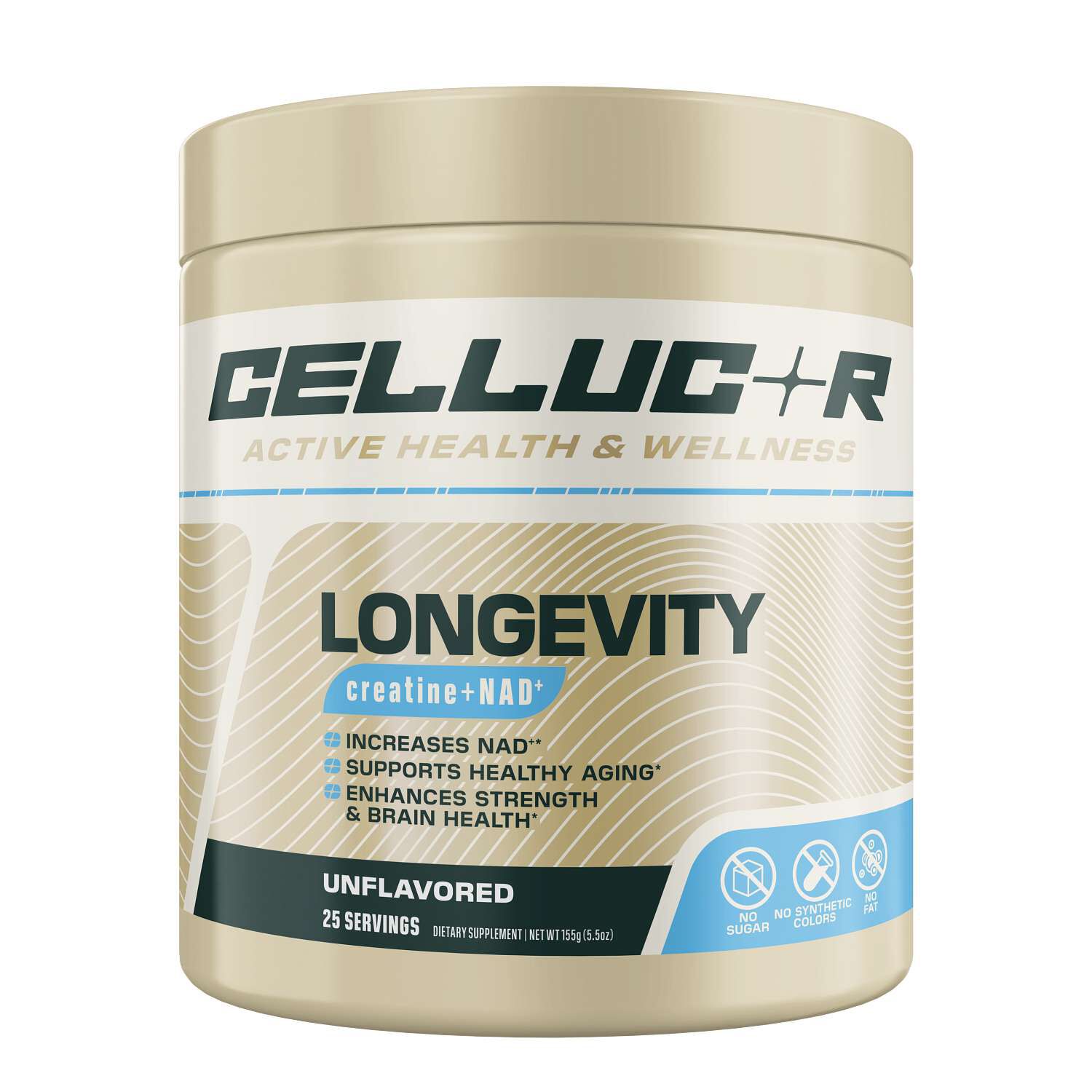
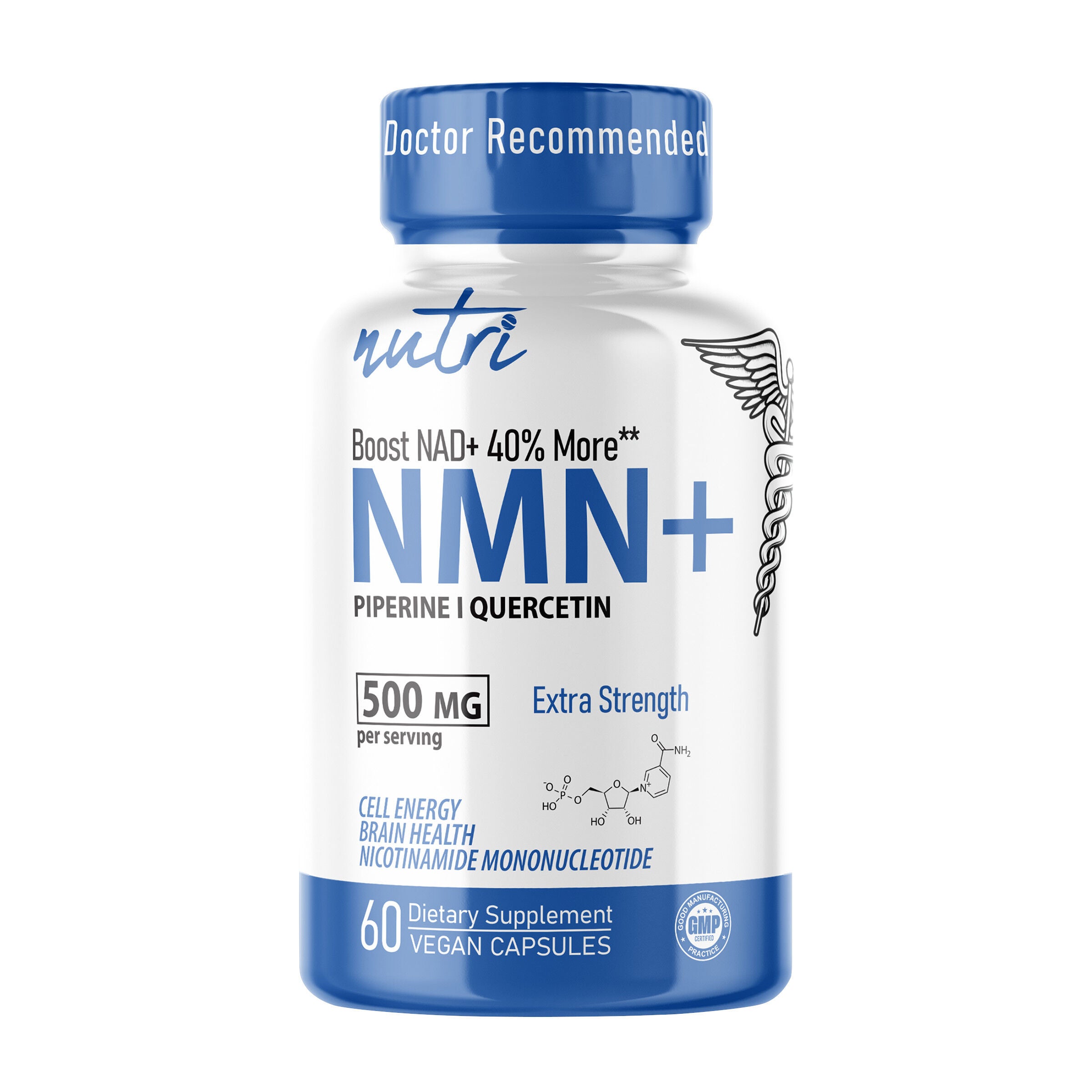
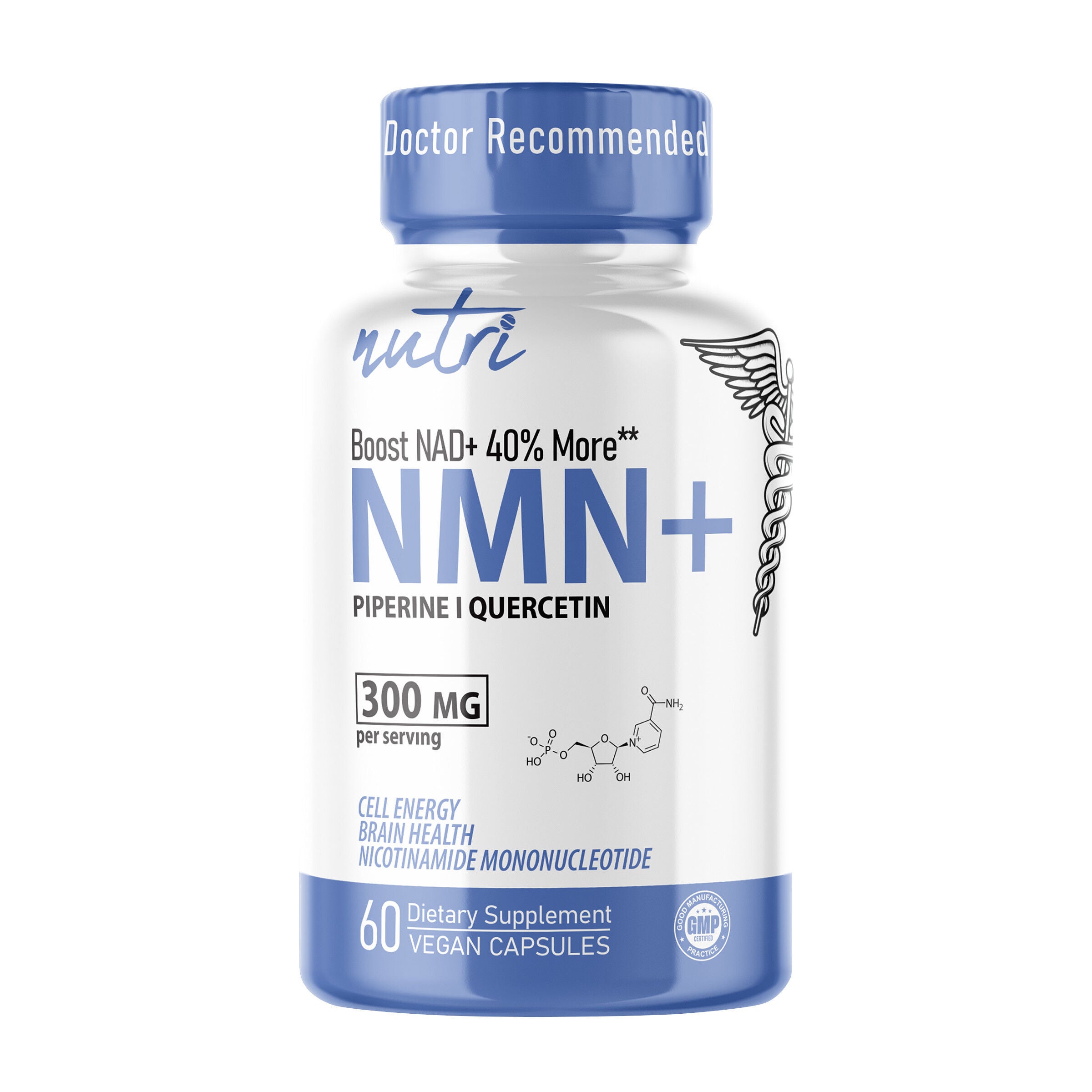
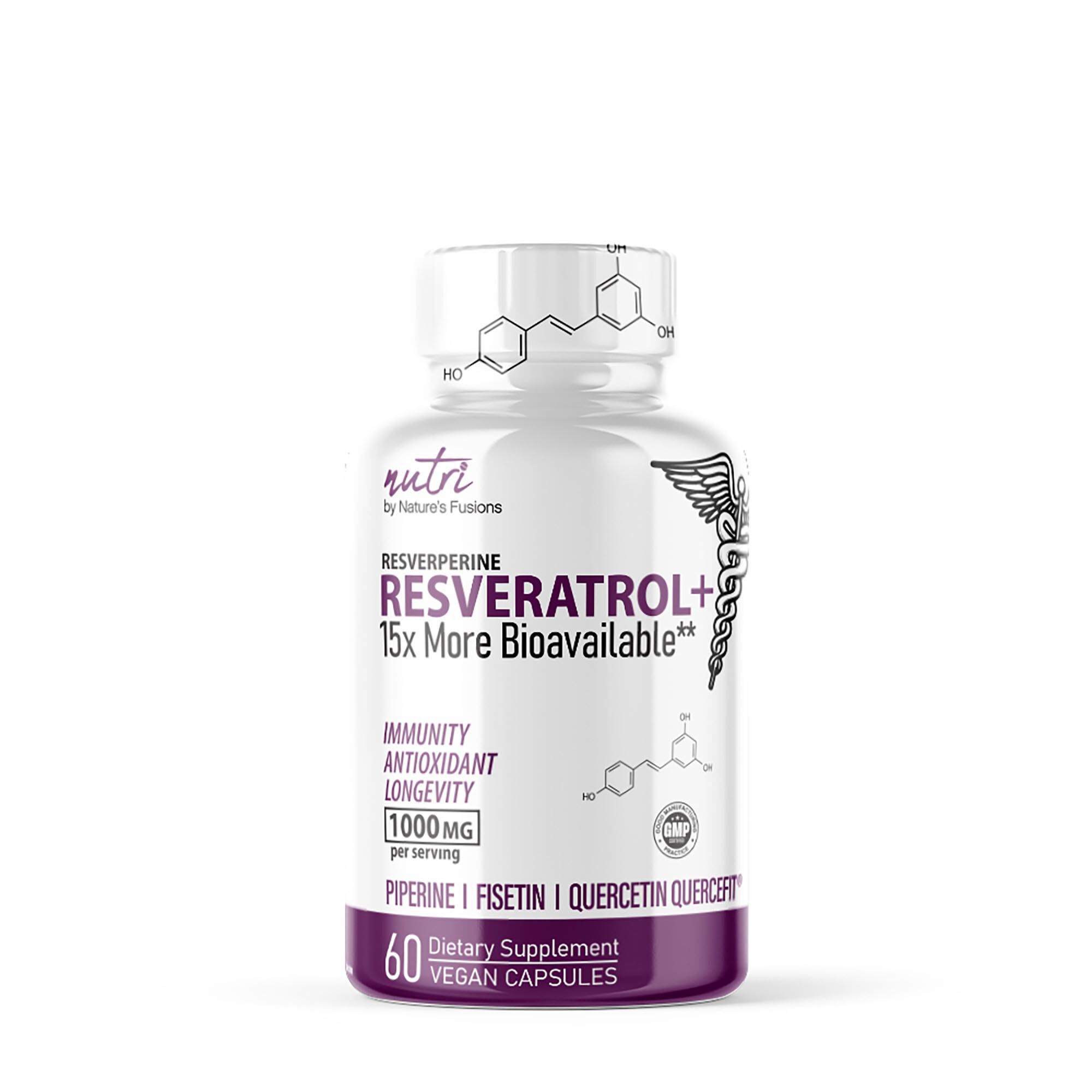
NAD+ supplements for antioxidant support bring together two related areas of nutritional interest: cellular metabolism and ingredients associated with antioxidant activity. NAD+, short for nicotinamide adenine dinucleotide, is a coenzyme naturally present in cells that participates in the chemical processes involved in energy metabolism. A coenzyme works alongside enzymes, helping those processes take place. That biological role provides context for the category, but it does not mean every supplement labeled with NAD+ contains the same ingredients or offers the same potential benefits. Formulas may contain NAD+ itself or compounds described as NAD+ precursors, which the body may use to form NAD+. Nicotinamide riboside, often abbreviated NR, and nicotinamide, also called niacinamide, are forms of vitamin B3 associated with this category. Nicotinamide mononucleotide, or NMN, is another compound discussed in relation to NAD+ formation. These names describe different substances, so the ingredient panel matters more than a broad category name. Antioxidant support adds another consideration. Oxidative stress describes an imbalance between oxidizing compounds and the body's ability to manage them, while antioxidant ingredients may support the body's normal defenses against that process. Some NAD+ formulas pair their primary ingredient with plant compounds such as resveratrol or quercetin. Both belong to the broad family of polyphenols, although they have different chemical structures and ingredient sources. Their presence does not make them NAD+ precursors; they serve a different role within the formula. This distinction helps explain why a single-ingredient supplement and a blend may look similar on the front of the bottle while presenting different information on the back. Antioxidant ingredients may complement a formula's nutritional focus, but their inclusion alone does not establish how the finished product will perform. The amount of each ingredient, the serving size, and the specific form all contribute to a more meaningful comparison than a familiar ingredient name by itself. Research on one compound also does not automatically describe every combination containing it, making clear labeling particularly valuable in a category with overlapping terminology.
The physical format of an NAD+ supplement is another practical consideration, especially for shoppers who want something that fits comfortably into an established routine. Capsules and tablets offer premeasured portions, while powder formats involve a different approach to measuring and preparation. Neither format is automatically the better match for every person. Someone who prefers a small bottle beside a breakfast setting may favor a straightforward capsule format, while another shopper may prefer a measured powder and the preparation involved. A serving can consist of more than one capsule or tablet, so the serving count and the number of pieces per serving describe different things. The Supplement Facts panel provides the reference point for ingredient amounts, and the other-ingredients list explains the materials used to make the finished product. Capsule shells may contain gelatin or plant-derived cellulose, while tablets may include binders, coatings, or other formulation ingredients. Those details can matter to people with vegetarian preferences, ingredient sensitivities, or particular expectations about texture and size. A plant-based capsule shell does not, by itself, describe every ingredient in the formula; the full ingredient list provides that context. For blended products, the distinction between individually listed amounts and ingredients grouped together also affects how easily two labels can be compared. Product care is largely about packaging and the stated storage conditions. A clearly printed label, a secure closure, and legible serving information remain useful throughout ordinary handling. Storage requirements can differ, so assumptions based on another supplement's packaging may not apply. A bottle carried between home and a travel bag faces different handling than one kept in a dedicated cabinet, making container size and closure design relevant practical details. Any outer carton, inner seal, or moisture-control component is part of the packaging rather than an active ingredient. These everyday considerations do not establish a product's potential effects, but they help explain how its format, materials, and intended storage fit into daily life.
This category may interest adults who already shop thoughtfully for nutritional supplements and want to understand how NAD+ ingredients relate to antioxidant-focused formulations. It may also appeal to shoppers who prefer a narrower ingredient profile, as well as those who want a blend that brings several clearly identified compounds into one format. Intended use is best understood through the product's labeling rather than inferred from words associated with energy, aging, or cellular health. NAD+ supplements are dietary supplements, not substitutes for varied meals or a product-based shortcut to a particular health outcome. Their connection to cellular energy metabolism should not be confused with a stimulant-style experience, and the presence of an antioxidant ingredient does not establish an immediate, noticeable effect. A shopper comparing two bottles might find that one emphasizes an NAD+ precursor while the other includes that precursor alongside a polyphenol blend; those are different formulation approaches, not simply different presentations of the same contents. Similarly, NAD+ and NADH are related but distinct terms. NADH is the reduced form of the same coenzyme, and its name should not be treated as another spelling of NAD+. For shoppers exploring that neighboring category, NADH Supplements for Men offers a separate collection with a related focus. A collection organized for men does not, by its title alone, explain an individual formula's ingredients or intended use. Personal preferences still matter: capsule materials, serving format, additional ingredients, and the clarity of the label can shape whether a supplement belongs in someone's routine. Those same considerations make supplements a personal purchase rather than an easy surprise gift; a recipient's expressed preferences provide more useful context than a broad wellness theme. Across NAD+ supplements for antioxidant support, the most informative comparisons connect the category's scientific background with straightforward product details, keeping potential nutritional support distinct from assumptions about results.
Best Sellers
-
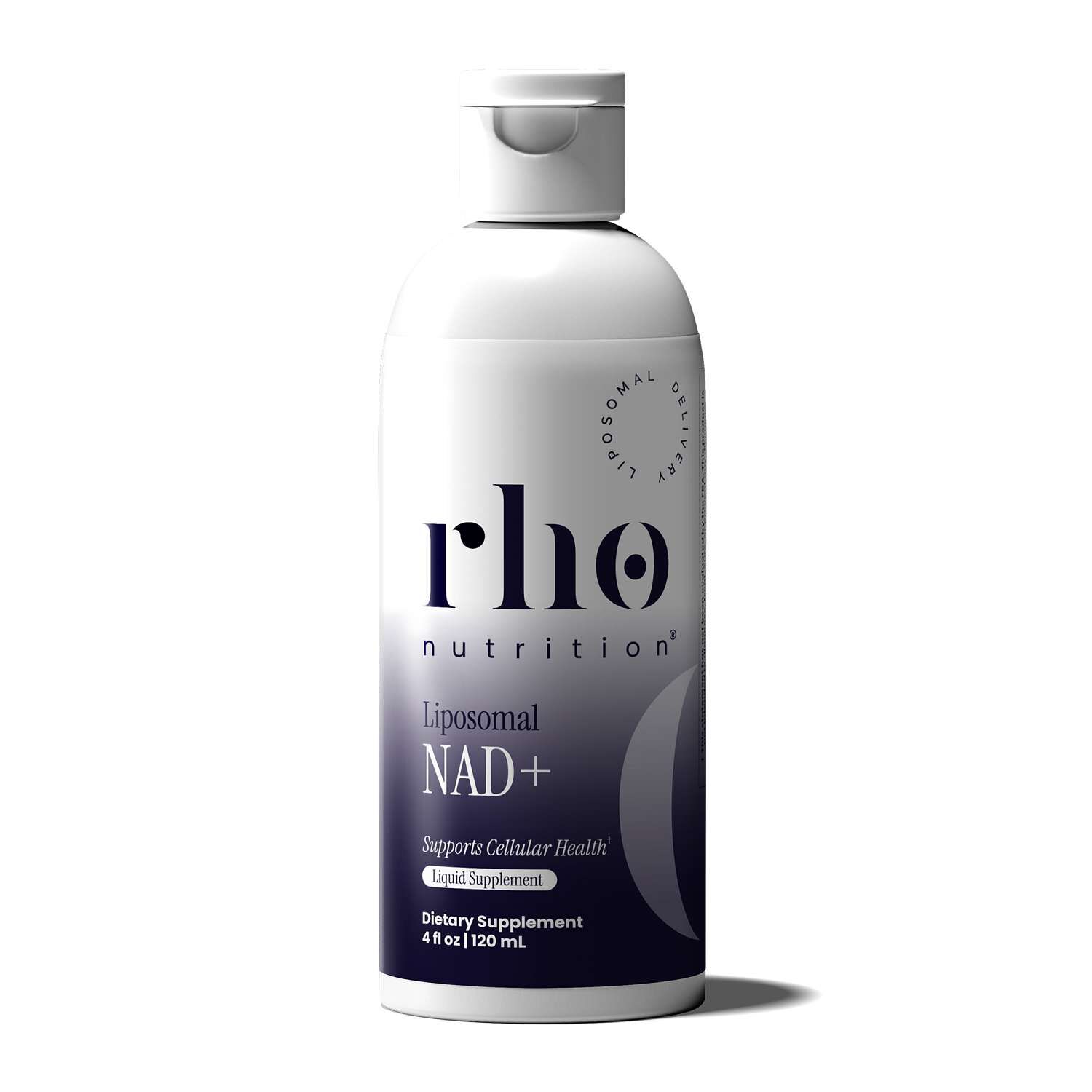
Rho Nutrition
-
 Rho Nutrition
-
 Doctors' Preferred
Related Pages
Top Collections
- Daily Collagen Supplements | Top Brands & Deals | GNC
- Cortisol Supplements
- Top Rated Collagen | Shop Customer Favorites | GNC
- Vitamins For Hair Loss
- NAD+ Supplement Tablets
- Peptide Supplements
- Best Brand of Magnesium Glycinate
- Protein Powders For Muscle Growth Support
- Vitamins That Help Support Weight Gain
- Peptide Supplements for Muscle Growth