NAD+ Supplements For Plant Based Diets
(0 Results)
NAD+ supplements for plant based diets offer a convenient way to support your wellness journey while aligning with your dietary preferences. Those following plant-based lifestyles may appreciate options that fit seamlessly into their routines. With a variety of formulas available, NAD+ supplements for plant based diets could be an easy addition to your daily regimen. Explore options that may complement your goals and help you feel your best every day.
-
-
-
-
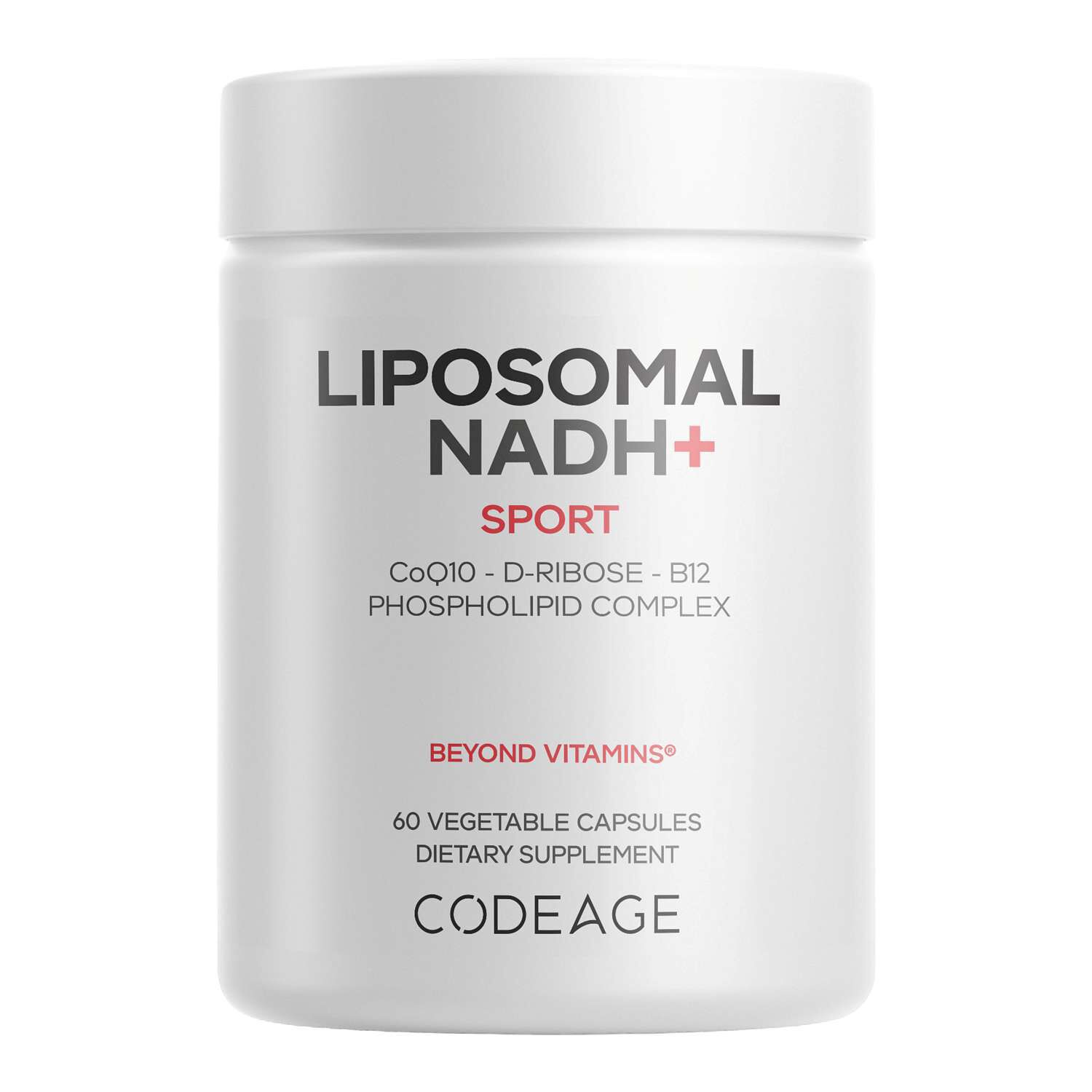
-

-
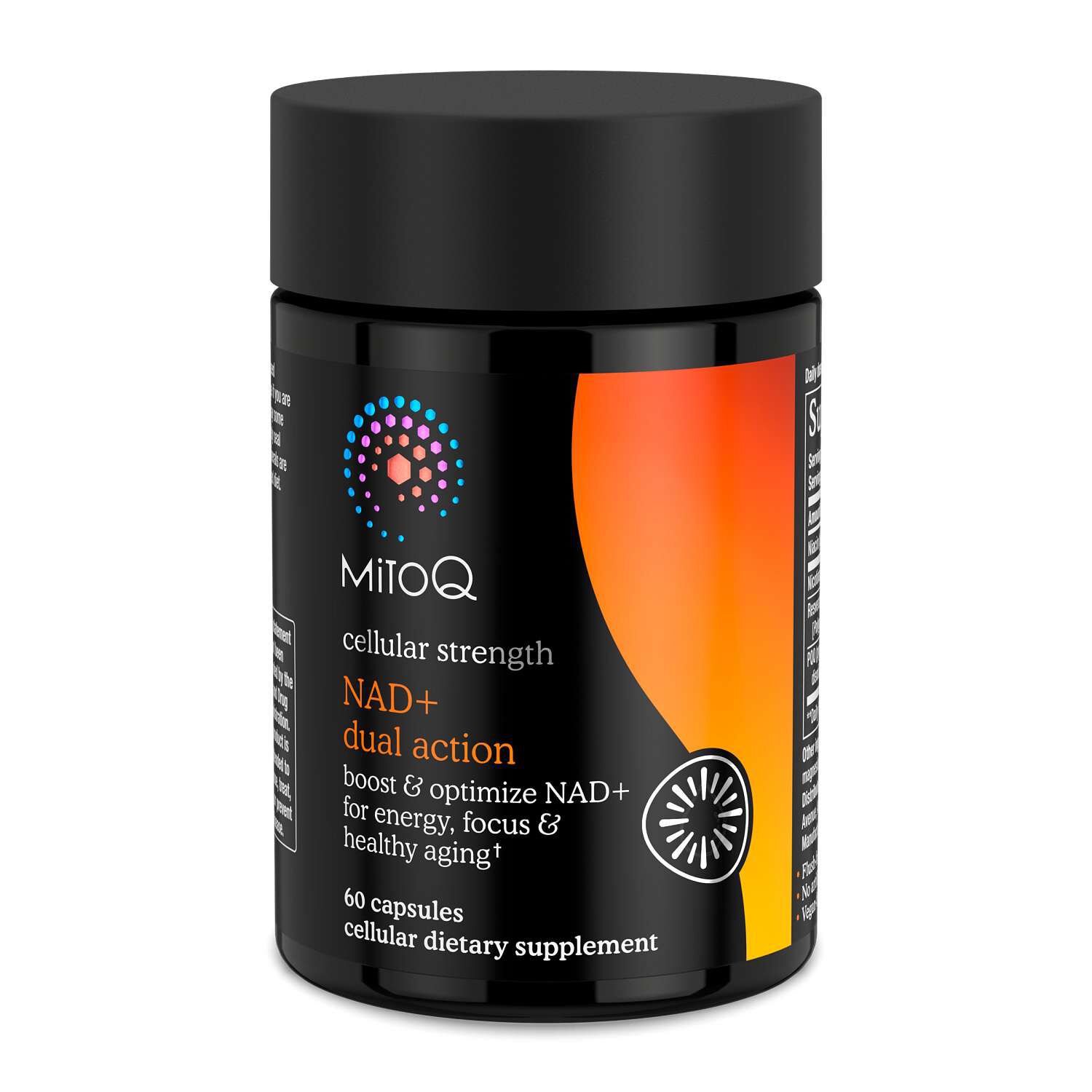
-

-
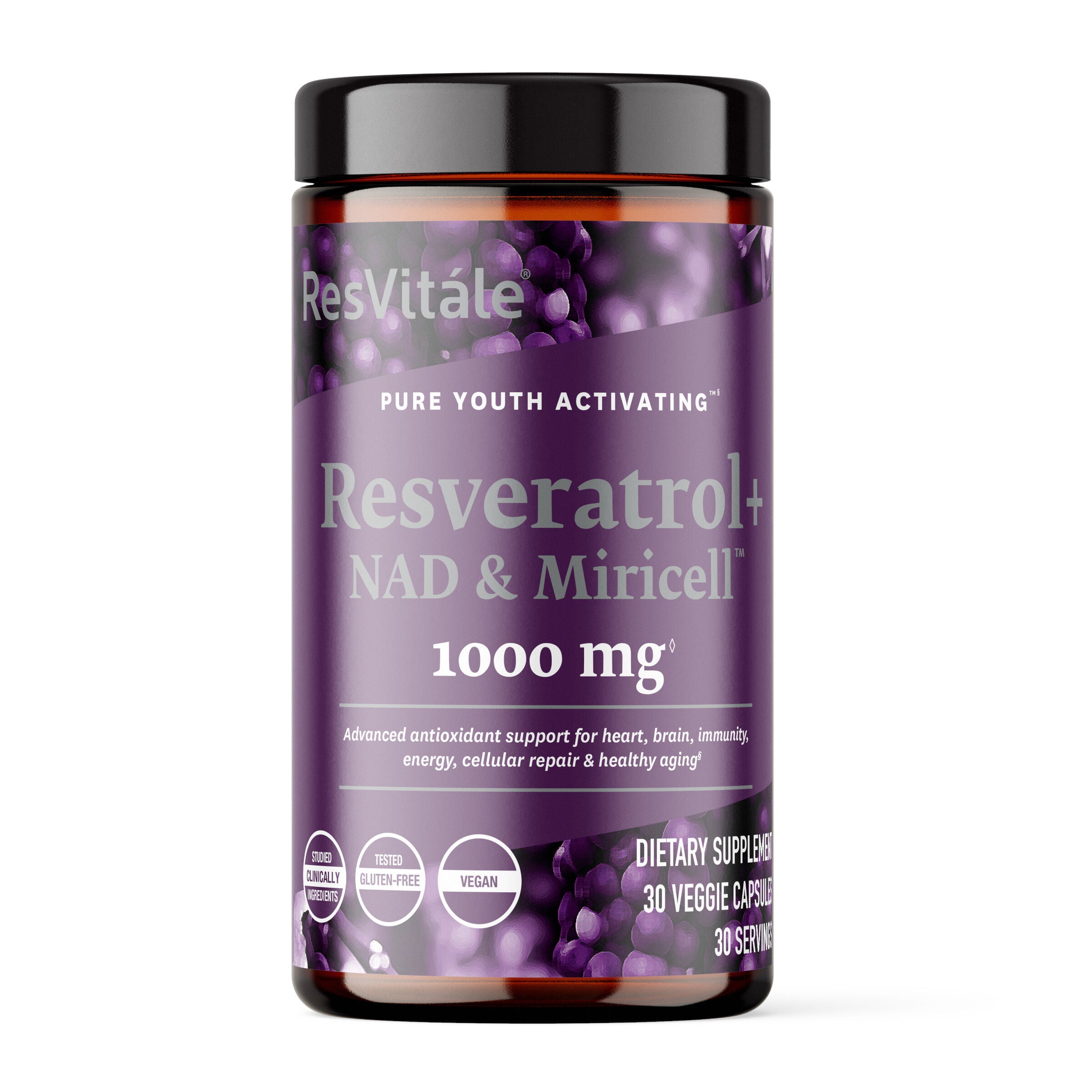
-
 $44.99
-
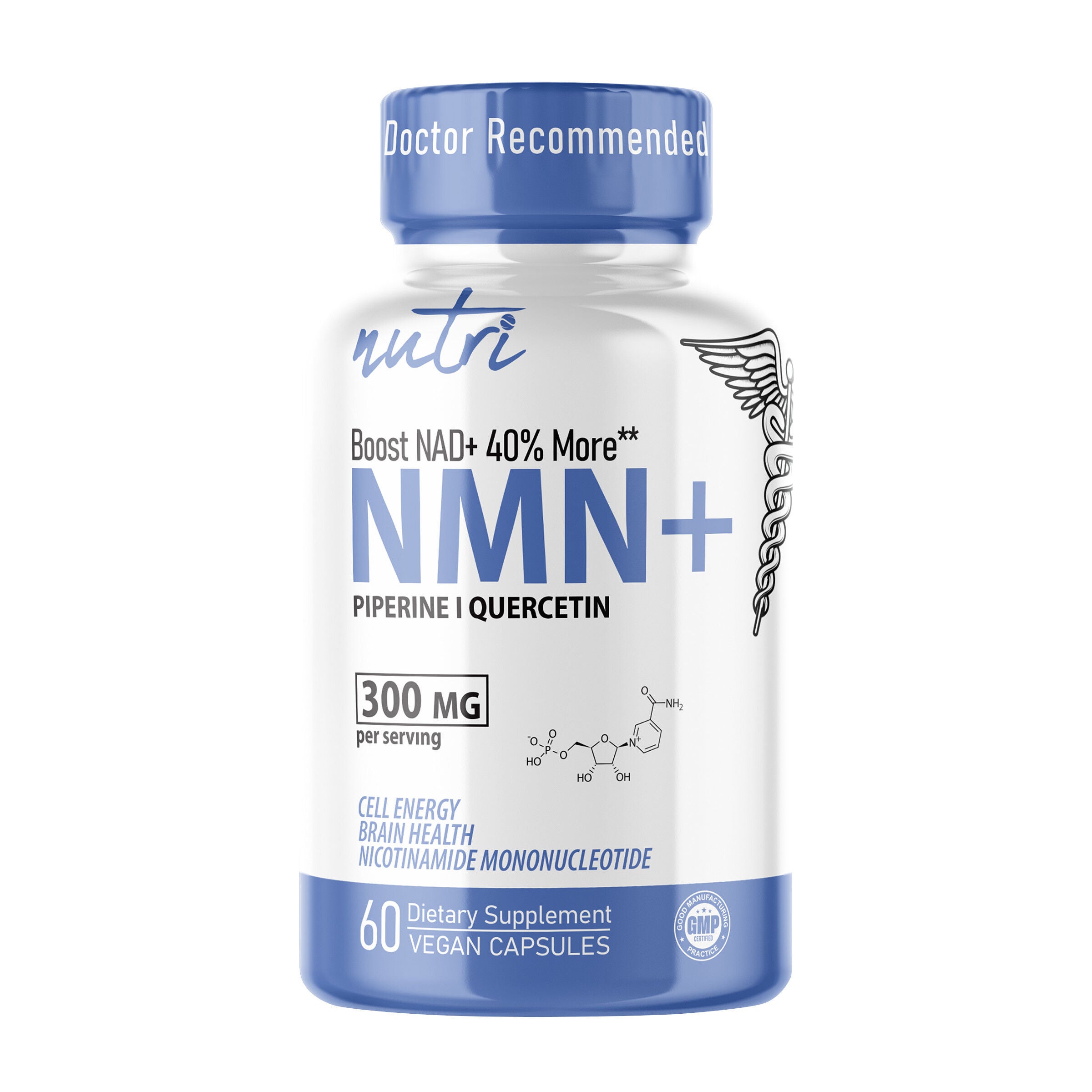
-
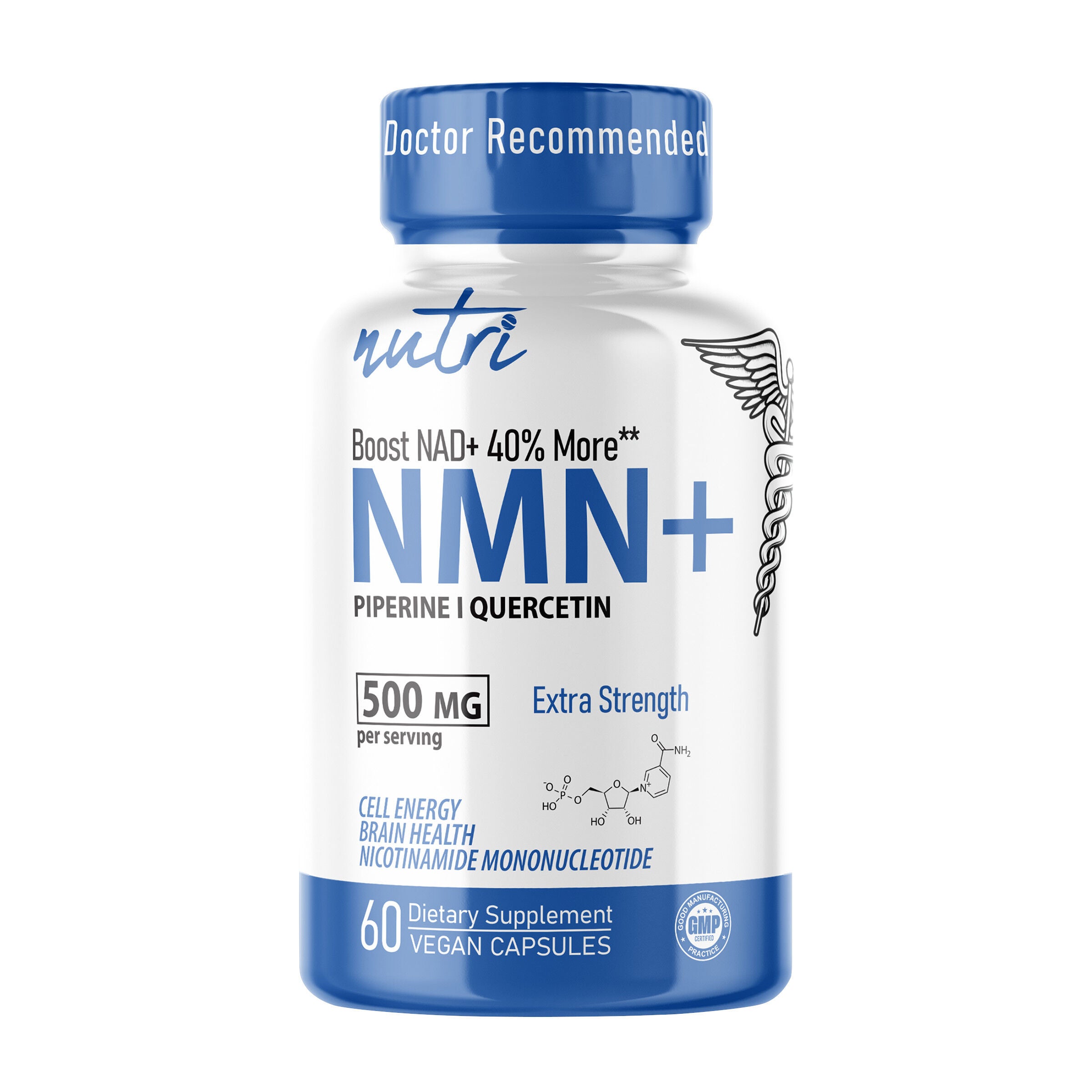
-
 GNC Preventive Nutrition22$46.99
-
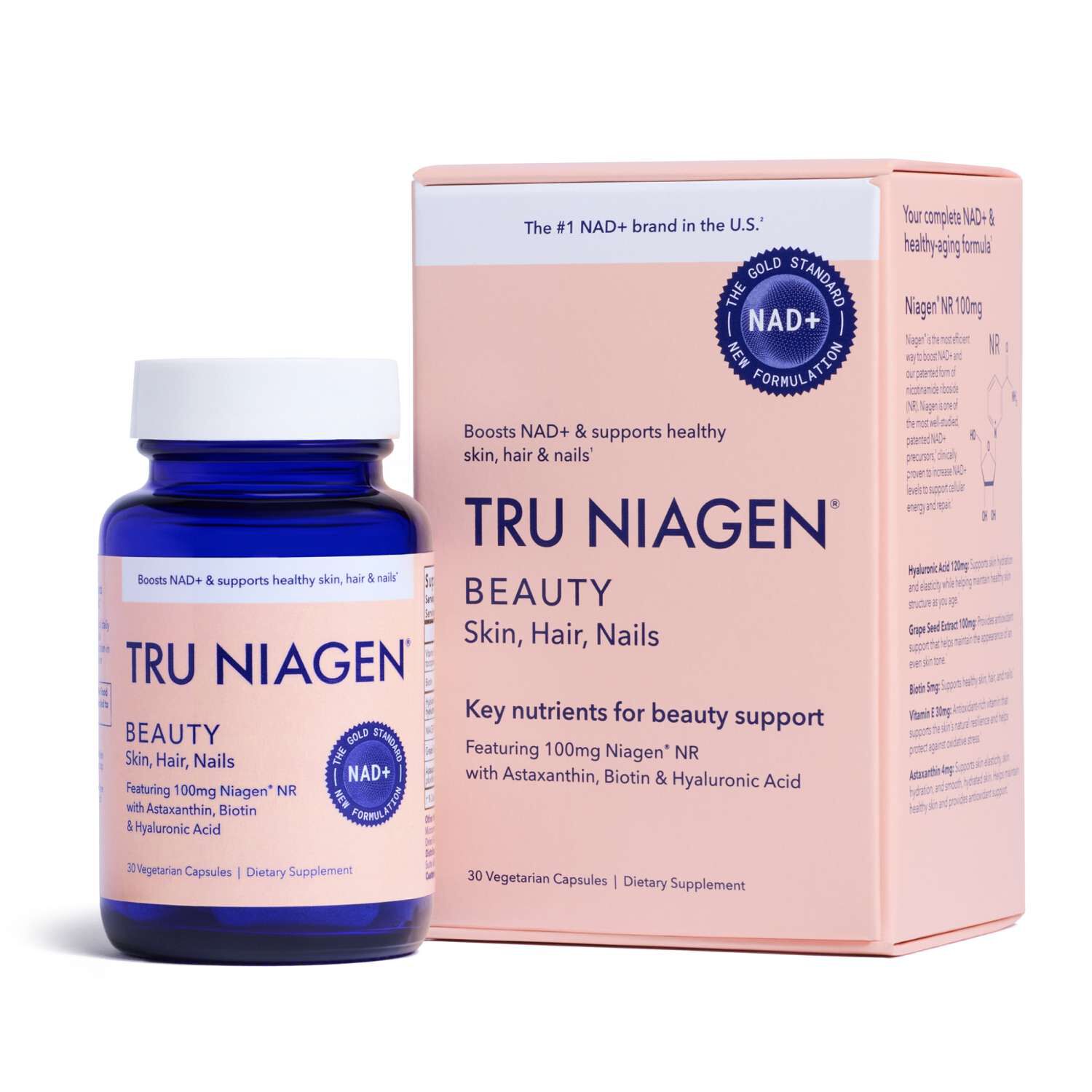
-

-
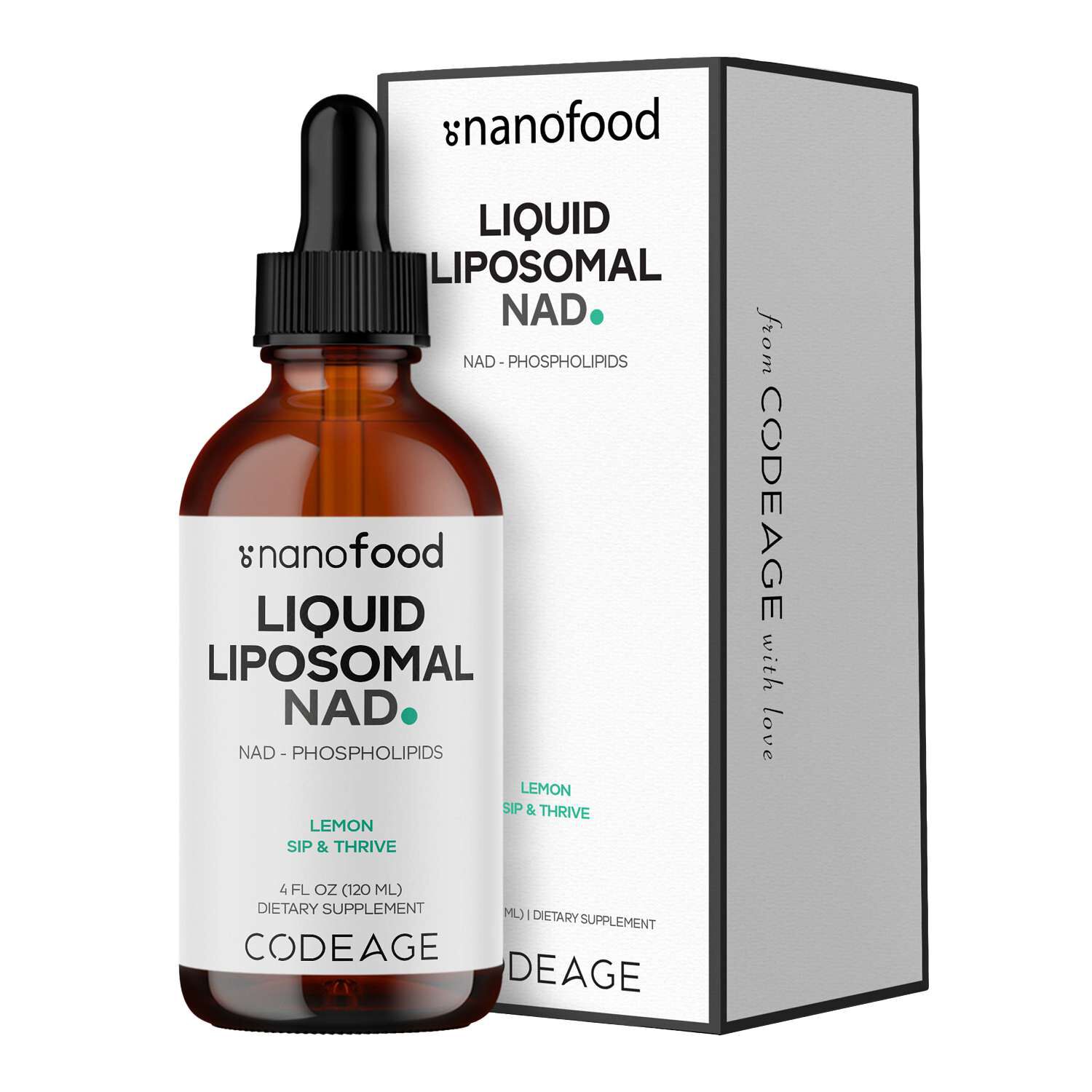 $24.99
NAD+ supplements for plant-based diets bring together two distinct shopping considerations: the ingredient named on the label and the suitability of the entire formula for a plant-focused eating pattern. NAD+ stands for nicotinamide adenine dinucleotide, a coenzyme naturally present in living cells and involved in normal cellular energy metabolism. It is not the same thing as dietary protein, and an NAD+ supplement is not a replacement for a varied diet. Within this category, labels may identify NAD+ itself or related compounds known as precursors, which are substances the body uses to make NAD+. Nicotinamide riboside, often shortened to NR, and nicotinamide mononucleotide, or NMN, are examples of names shoppers may encounter. Niacin and nicotinamide are forms of vitamin B3 that also relate to the body’s NAD+ pathways. These names describe different ingredients, rather than interchangeable formulas, so the full ingredient description matters more than a prominent NAD+ reference on the front of a bottle. For someone who eats vegan, vegetarian, or mostly plant-based meals, the next consideration is whether the other ingredients fit that eating pattern. A compound’s scientific name alone does not establish its source or the suitability of its capsule, coating, or accompanying ingredients. Plant foods also belong in the background of this category: peanuts, mushrooms, brown rice, and whole-wheat foods provide niacin, while tofu, beans, and seeds contribute dietary protein containing amino acids such as tryptophan, another building block involved in NAD+ production. A tofu-and-brown-rice bowl with mushrooms, or whole-grain toast with peanut butter, illustrates how these nutrients already appear in familiar plant-based meals. That nutritional context helps distinguish an optional supplement from the everyday foods that make up a plant-based diet. It also keeps the focus on ingredient compatibility and product format rather than assuming that a particular eating style calls for an NAD+ supplement.
Plant-based suitability depends on the finished formula, including ingredients that receive much less attention than the featured compound. Capsule shells are a useful starting point: cellulose-based shells are commonly used for vegetarian capsules, while gelatin is derived from animal materials. A cellulose shell, however, does not establish that every ingredient inside it meets vegan preferences. Coatings, flavorings, colors, and processing ingredients can matter as well, especially for shoppers who avoid animal-derived ingredients throughout their routine. Glycerin and certain fatty-acid ingredients can have different sources, making a clear vegan statement or detailed sourcing information more informative than an assumption based on the ingredient name. Fermentation-derived and synthetically produced ingredients can fit some plant-based preferences, but neither production method, by itself, describes the entire finished product. Vegan, vegetarian, organic, and non-GMO labeling also address different characteristics; one designation does not automatically establish the others. Someone who eats mostly vegetables, grains, and legumes but occasionally includes dairy may evaluate a formula differently from someone who avoids all animal-derived ingredients. Flavored powders, chewable formats, and liquids introduce additional details, such as sweeteners, texture ingredients, and flavor sources, that are worth reading alongside the main supplement ingredients. For shoppers who also avoid soy or other particular food ingredients, the ingredient list and allergen statement provide a separate layer of information beyond a vegan label. Multi-ingredient formulas deserve the same attention, since a plant-based capsule can contain several vitamins, botanical ingredients, or other compounds in addition to the featured NAD+-related ingredient. A clearly organized Supplement Facts panel identifies the serving size and declared amounts, while the other-ingredients list describes components outside that panel. Independent testing or certification, when documented, can offer additional information about the specific standards evaluated. Its meaning depends on the program’s scope, however; testing for ingredient identity is different from verification of vegan suitability. Clear sourcing, understandable labeling, and accessible information about the finished formula make the category easier to compare without relying on broad front-label language.
Format is another practical distinction when browsing NAD+ supplements for a plant-based routine. Capsules keep the serving separate from food and beverages, while powders involve measuring and mixing according to the package directions. Liquids and chewable formats have their own serving instructions, flavors, and packaging considerations. The number of capsules in a bottle is not necessarily the number of servings, and the weight of a powder blend is not necessarily the amount of its featured ingredient. Reading those details together gives a clearer picture of the format than bottle size alone. For a shopper who already organizes supplements beside breakfast, capsule dimensions and the number listed per serving may matter more than elaborate packaging. Someone who prefers a mixed format may pay closer attention to the suggested liquid, preparation steps, and whether the powder is described as flavored or unflavored. Unflavored does not necessarily mean tasteless, and a flavored option can include sweeteners or other ingredients that deserve the same review as the main formula. Packaging and care also contribute to everyday practicality. A securely closing container, legible directions, and any stated storage requirements are useful details for a bottle kept in a kitchen cupboard or carried between home and work. Original packaging preserves the ingredient list, lot information, and date markings for later reference, while the manufacturer’s storage directions explain how to care for that particular format. If choosing a supplement as a gift, an established preference for the ingredient and format is more relevant than a general interest in plant-based eating; dietary choices alone do not reveal someone’s supplement preferences. The NAD+ Supplements For Antioxidant Support collection offers a related browsing category, with plant-based suitability still depending on each formula’s ingredients and labeling. Across either theme, the most useful distinctions remain concrete: the named compound, its declared amount per serving, the capsule or delivery format, and the sourcing information that connects the finished supplement to an individual’s dietary preferences.
Best Sellers
-
Rho Nutrition
-
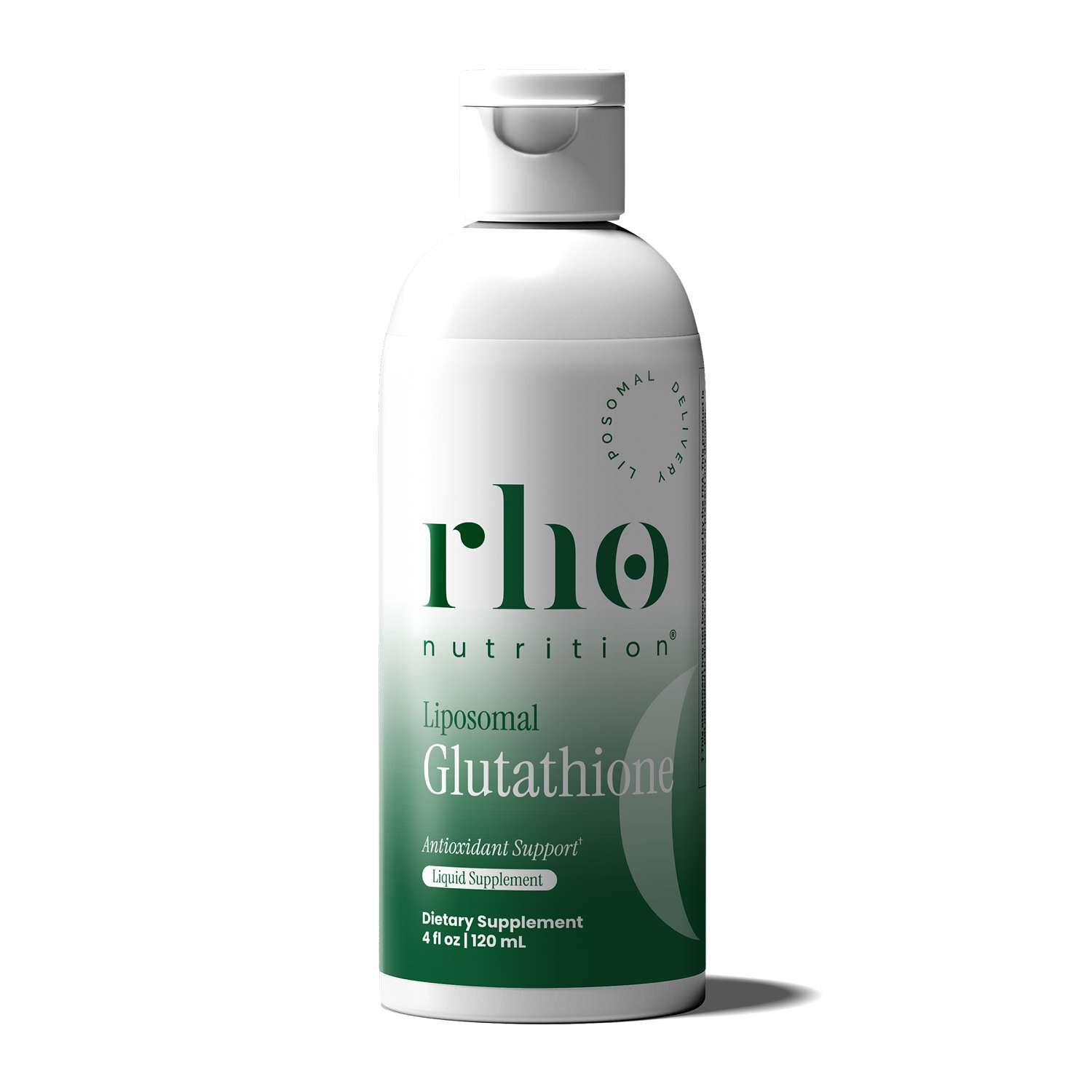 Rho Nutrition
-
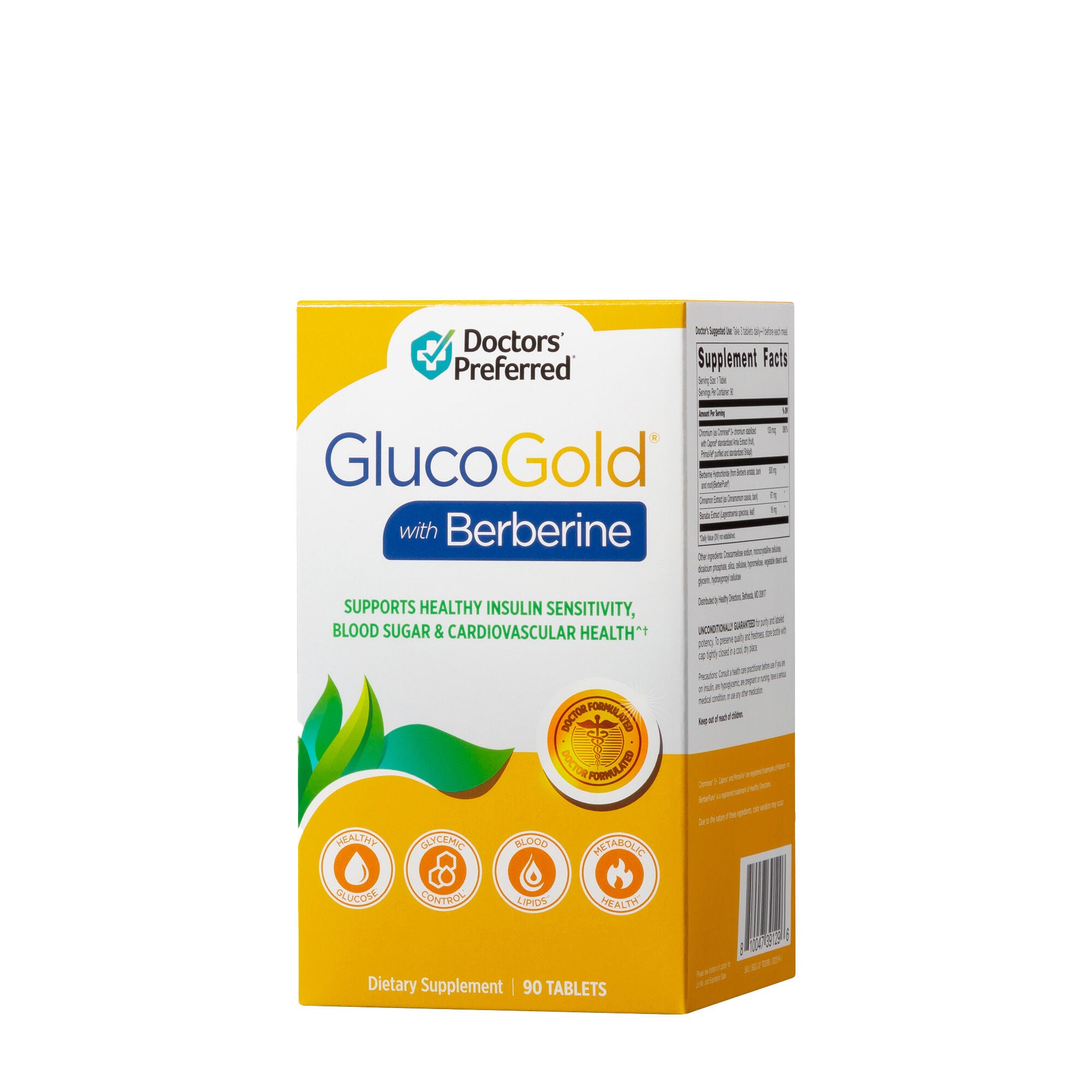 Doctors' Preferred