





Liquid Mineral Supplements
(0 Results)
Explore the potential benefits of liquid mineral supplements, a convenient option for those seeking to incorporate vital nutrients into their daily routine. These supplements might offer an easy-to-digest alternative to traditional pills or capsules, with a variety of minerals that could support overall wellness. Whether aiming to maintain energy, bolster immune function, or support bone health, liquid mineral supplements may be a versatile addition to your health regimen. Discover how these innovative products could help you meet your nutritional goals and fit seamlessly into your lifestyle.
-

-

-

-

-

-

-
-
-
 $25.99
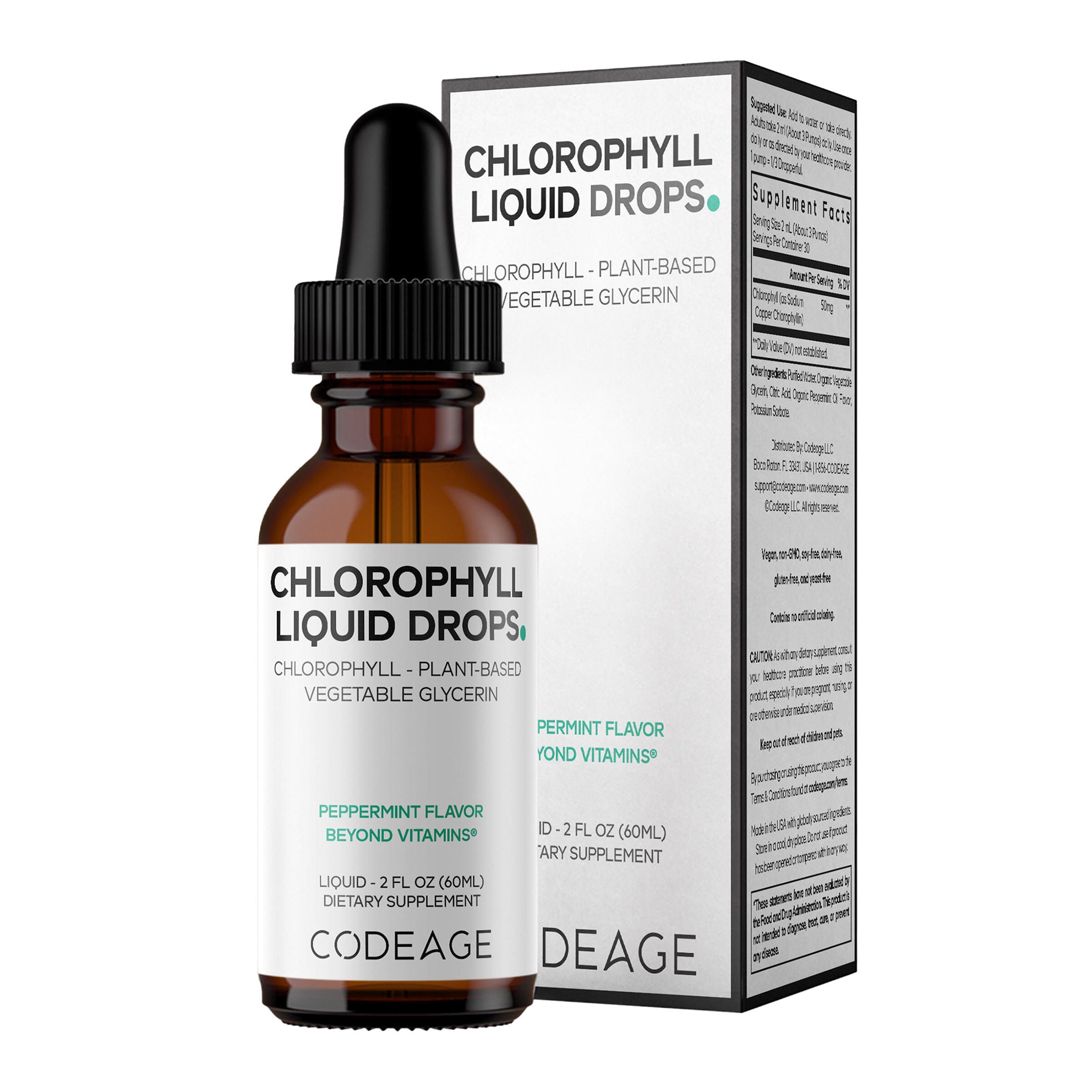
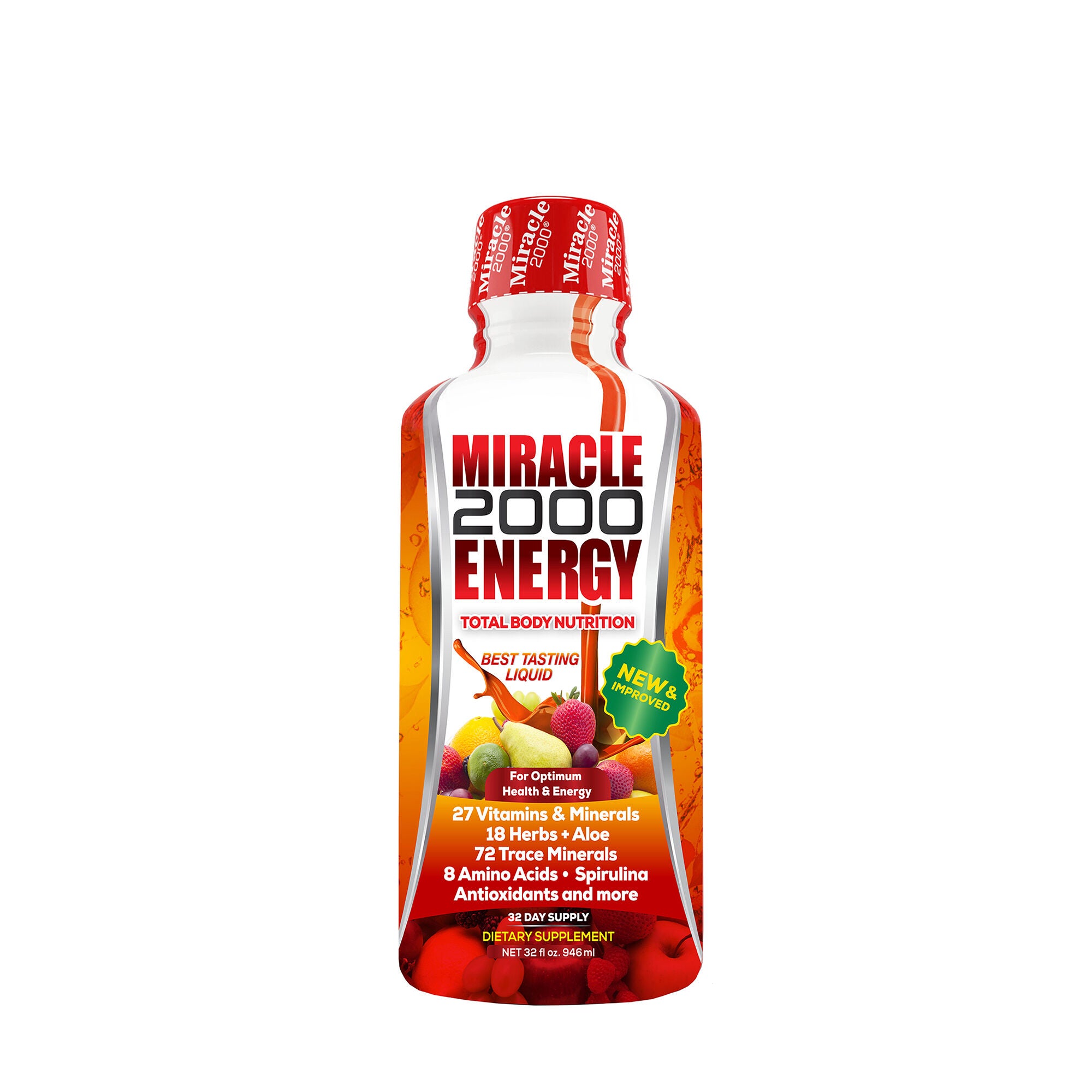
Liquid mineral supplements are dietary supplements that supply one or more minerals in a liquid format, including concentrated drops and ready-to-measure liquids. The category spans single-mineral formulas, blends of several minerals, and trace mineral drops intended for use according to their labeled directions. Common examples of minerals used in liquid formulas include magnesium, calcium, zinc, iron, and potassium, although the combination and amount vary by formulation. Minerals are nutrients found in foods and beverages, and supplements offer another way to include specified amounts in a daily routine. For someone who prefers a measured liquid to a tablet or capsule, this format may be a practical fit. Some formulas are designed to be added to water or juice, while others are taken directly in a measured serving; the label determines the intended use. A small dropper bottle and a larger bottle with a measuring cap can look quite different on a kitchen shelf, even when both fall within the same category. Concentrated mineral drops generally use a smaller measured volume, while other liquid mineral supplements use servings measured in milliliters or teaspoons. Bottle size alone therefore does not tell the whole story about how many servings a formula contains. Flavor is another meaningful distinction. Mineral ingredients can contribute a salty, bitter, or metallic taste, and a formula may include flavorings or sweeteners to shape that experience. Unflavored does not necessarily mean tasteless. Someone planning to add drops to a glass of water may have different preferences from someone choosing a liquid to measure separately with breakfast. Reading the serving directions, ingredient list, and flavor description together gives a clearer picture of the format than any one detail on the front label. These everyday characteristics help distinguish liquid minerals as a supplement category rather than a single type of formula with one consistent taste, concentration, or method of use.
The most useful comparison between liquid mineral supplements starts with the Supplement Facts panel. A formula featuring one mineral differs from a multi-mineral blend not only in its ingredient selection but also in the amount of each mineral per serving. The listed mineral amount, serving size, and servings per container belong together when comparing bottles. A few drops of one formula should not be treated as equivalent to a teaspoon of another, and a larger serving volume does not automatically mean more mineral content. Where a Daily Value is established, the percent Daily Value provides additional context for the labeled amount; it is not a personalized serving recommendation. The ingredient list can also identify the mineral source or compound, along with water, glycerin, flavorings, sweeteners, preservatives, or other ingredients used in the formula. Terms such as ionic, trace, and concentrated describe different aspects of a product and should not be read as interchangeable. Ionic refers to minerals present as electrically charged particles, while trace refers to minerals needed in small amounts. Concentrated describes the strength of the formulation relative to its liquid volume, making accurate measurement particularly important. Some mineral blends use ingredients sourced from mineral-rich water, while others use selected mineral compounds in a liquid base. Sourcing language can provide background, but the Supplement Facts panel remains the place to check which minerals and amounts are actually declared. The liquid format itself does not establish that a formula is better suited to every person than a tablet, capsule, or powder. For shoppers with dietary preferences, ingredient details matter as much as the delivery format. Check for stated suitability for a vegetarian or vegan eating pattern, and review allergen information rather than drawing conclusions from the word liquid. A shorter ingredient list, a particular source, or a more concentrated serving is a characteristic to consider, not a universal measure of quality. Clear labeling makes these distinctions easier to understand without relying on broad descriptions alone.
Everyday fit also comes down to measuring, mixing, and caring for the container. A dropper, marked measuring cap, or other supplied device serves a practical purpose: it helps translate the labeled serving into a repeatable amount. Household utensils vary, so use the measurement method specified on the package rather than estimating with a kitchen spoon. If directions call for shaking, follow that step before measuring, since some liquid formulations can settle between uses. Mixing instructions deserve the same attention. A formula labeled for dilution belongs in the stated amount of liquid, and directions for one bottle should not be carried over to another. Picture the difference between measuring a serving beside a breakfast glass and packing a bottle for an overnight stay: the first setting offers a stable surface and room to measure, while the second makes a secure closure, readable markings, and access to the proper measuring device especially relevant. Container materials and construction matter for handling as well. Glass requires care during transport, and any bottle benefits from a firmly secured cap and protection from knocks or leaks. Keep the original label with the container so serving directions, storage requirements, and the expiration date remain accessible. Follow any after-opening instructions, keep measuring accessories clean as directed, and store supplements out of reach of children. For adults comparing formats for their own routines, these details may matter more than an elaborate preparation ritual. Liquid minerals are also distinct from liquid macronutrient formulas: shoppers exploring Liquid Protein Supplements are looking at a category centered on protein rather than mineral content, and the two should not be treated as interchangeable. Within liquid minerals, a thoughtful comparison brings the focus back to the declared nutrients, measured serving, ingredients, taste, and intended use. Those concrete details make it easier to judge whether a small bottle of drops or a measured liquid format suits the way a supplement will actually be handled each day.
Best Sellers
-
 Herbal Goodness
-
 Irwin Naturals
-
 GNC Pro Performance
-
 Irwin Naturals


