Multivitamins For Women's Skin Hydration
(0 Results)
Multivitamins for women's skin hydration could offer a convenient way to support your daily wellness routine. With carefully balanced blends of essential vitamins and minerals, these formulas may help address the unique needs of women seeking to nourish their skin from within. Explore options designed to complement a healthy lifestyle and discover how multivitamins for women's skin hydration might fit into your beauty and self-care regimen.
-
-
-
-

-
$29.99
-

-

-
-
-

-

-
 NDS Nutrition$49.99
-
-
-
 1$74.99
-

-

-
-
-
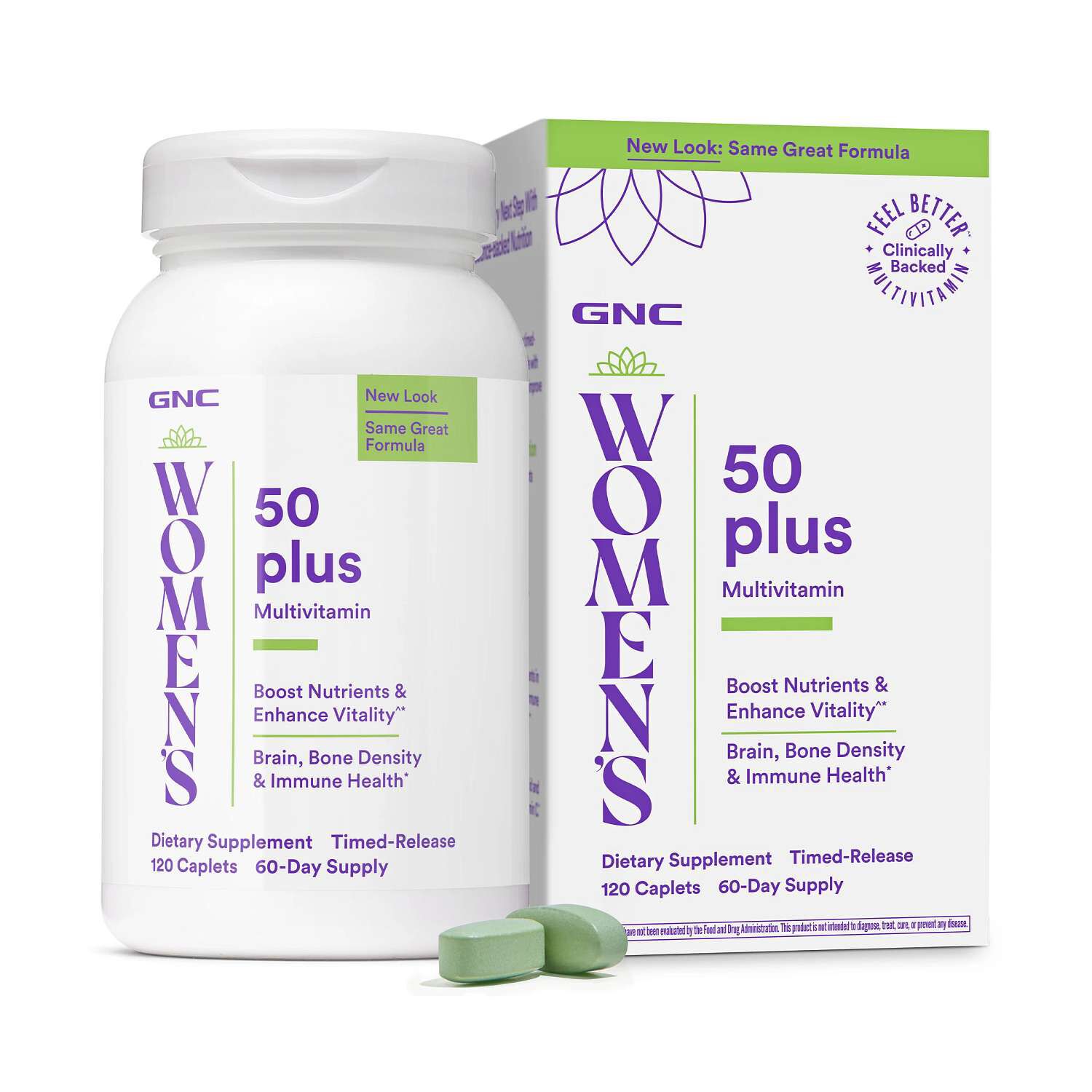


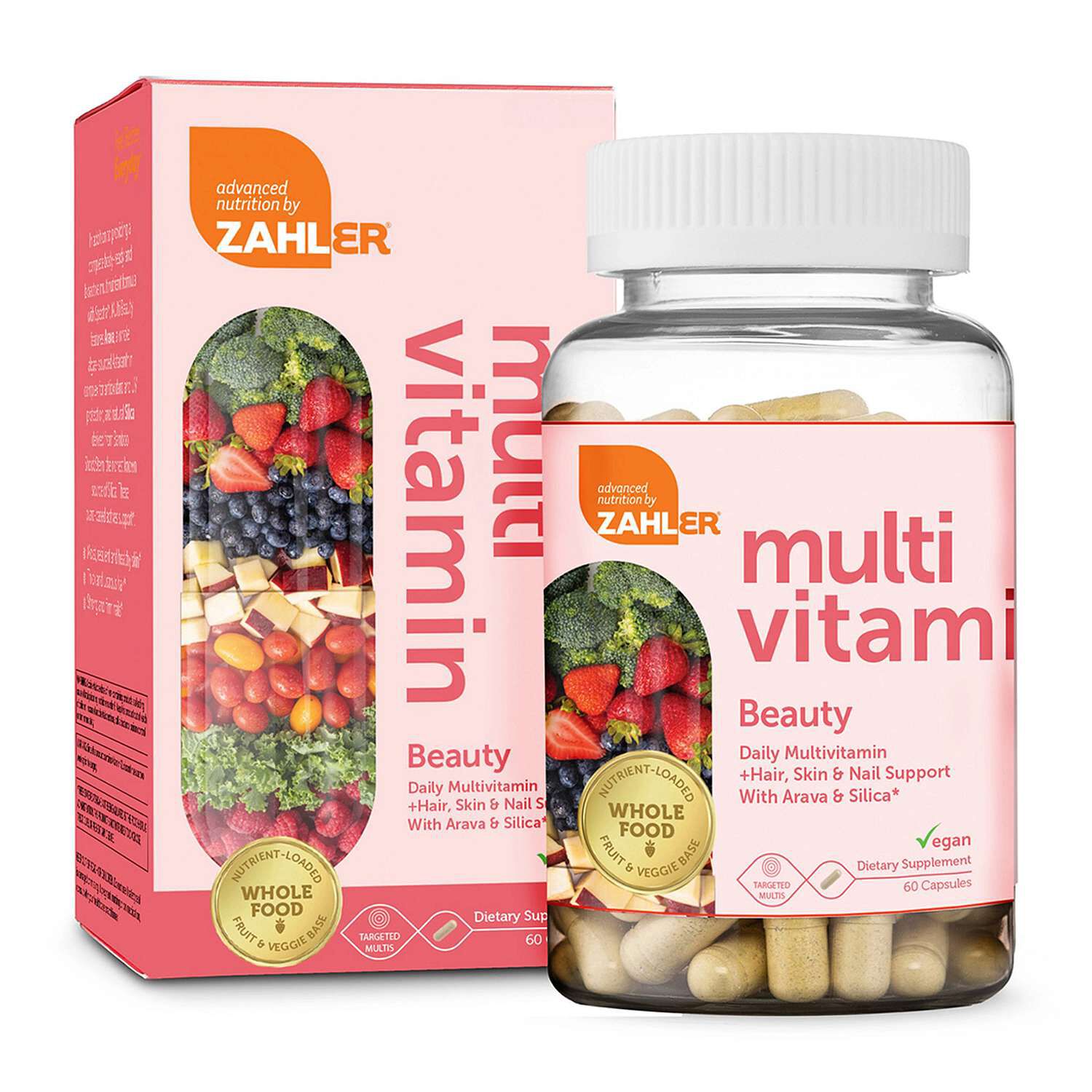
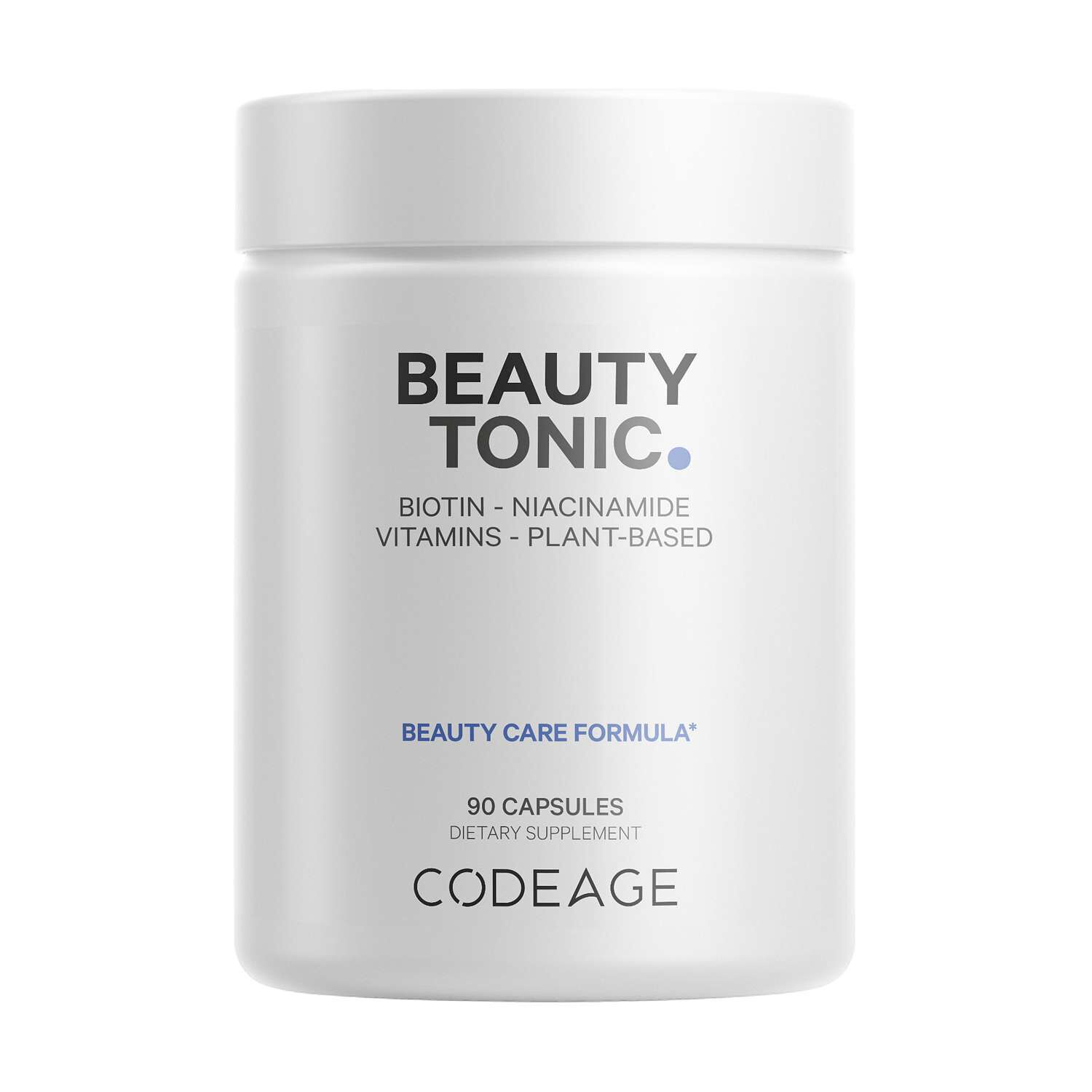
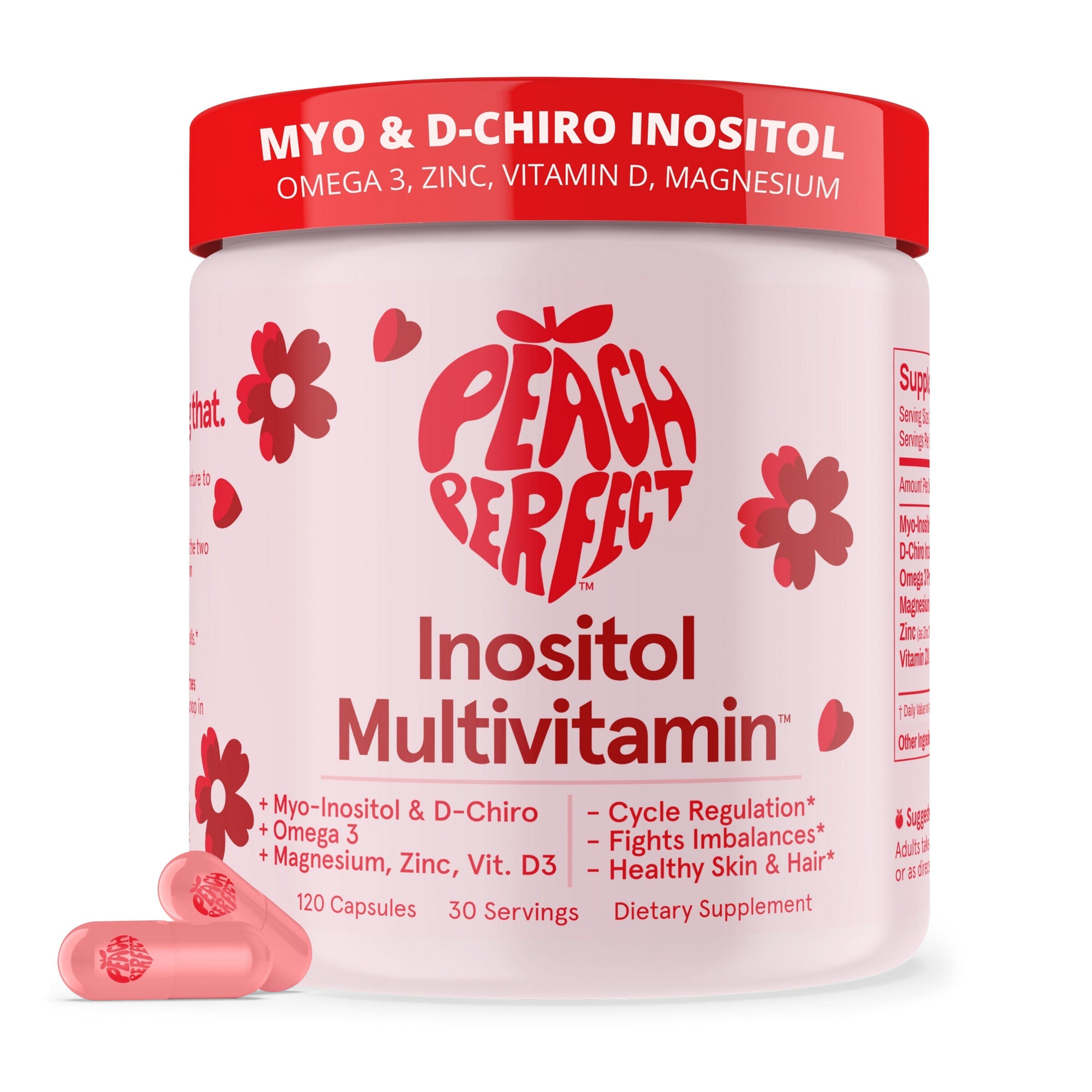
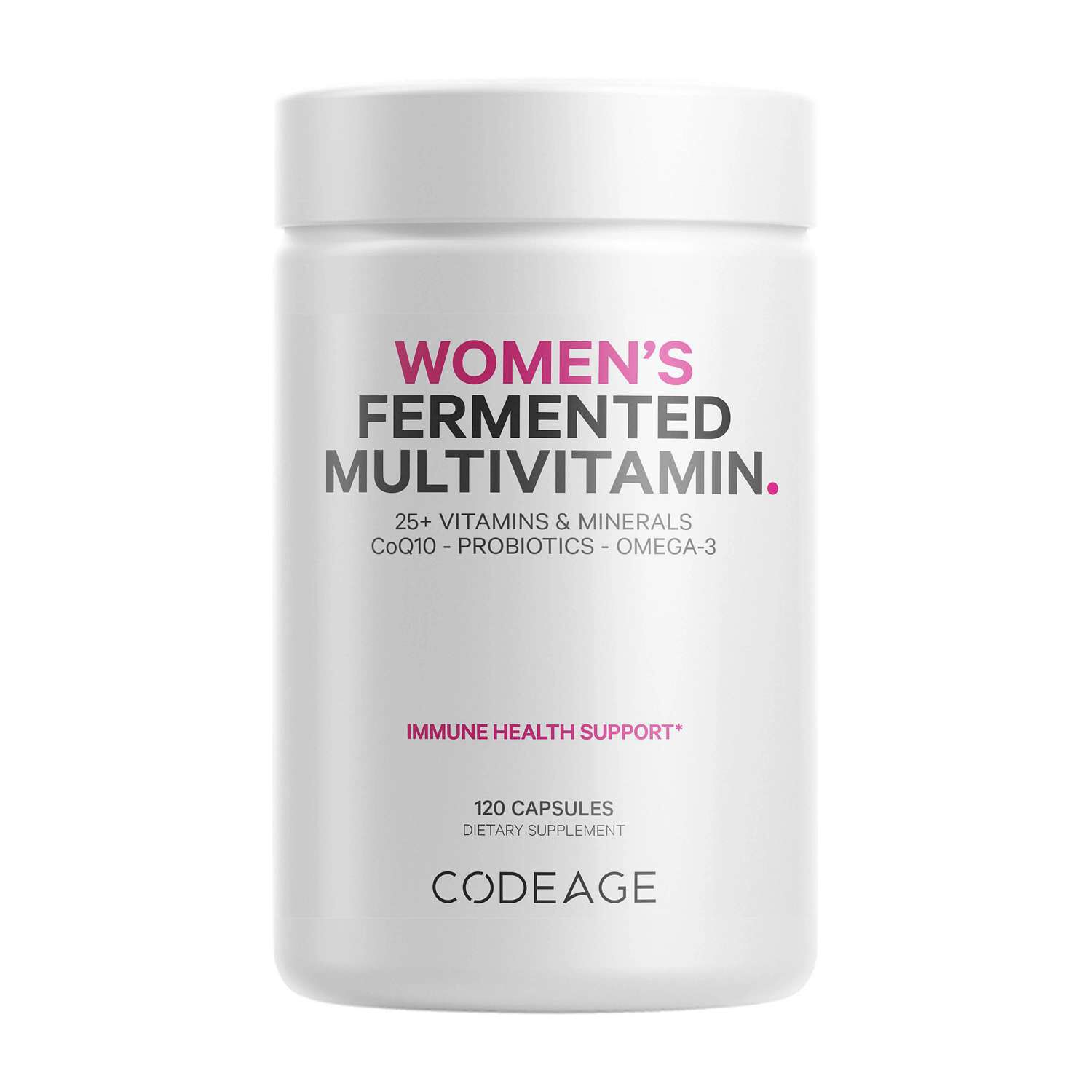
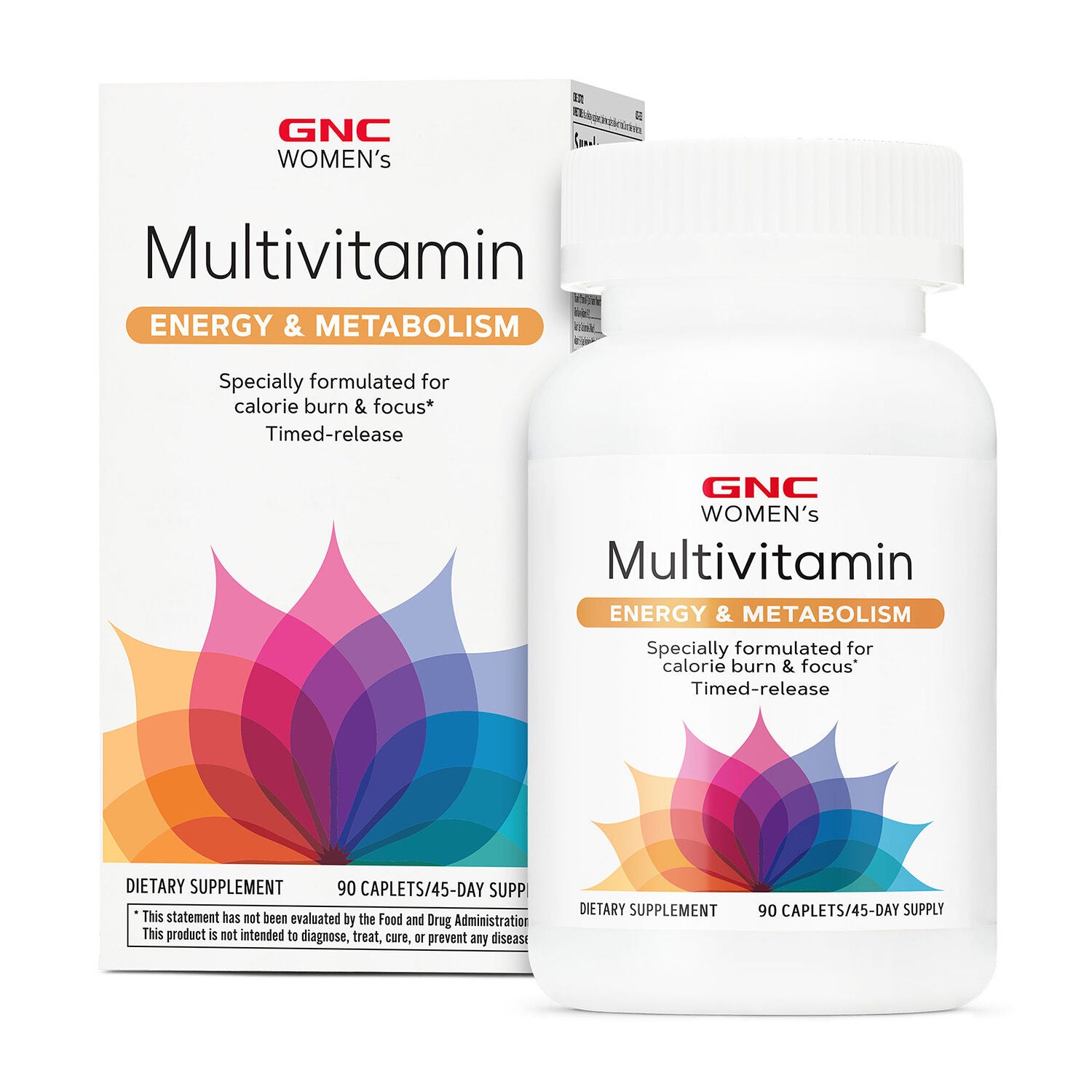
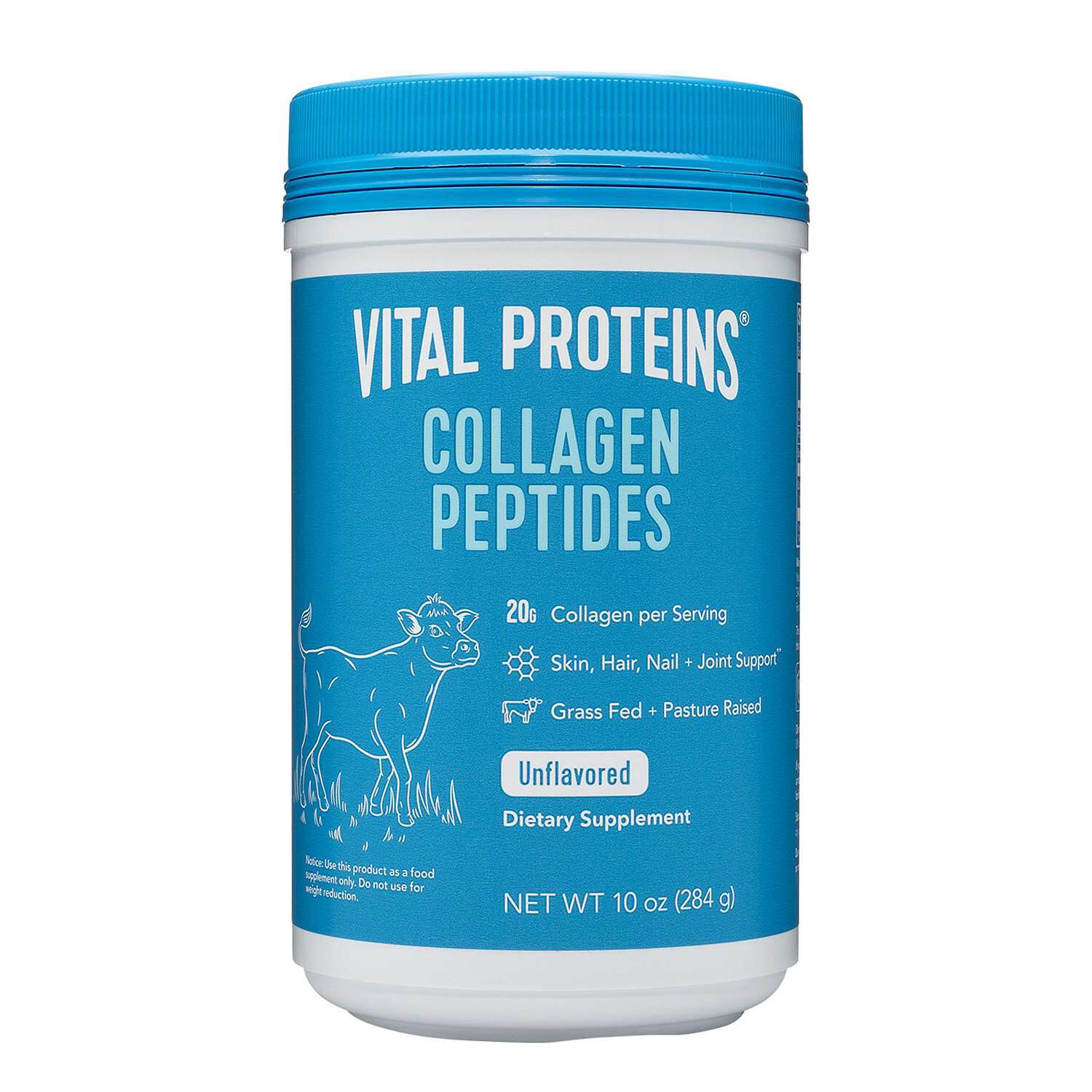
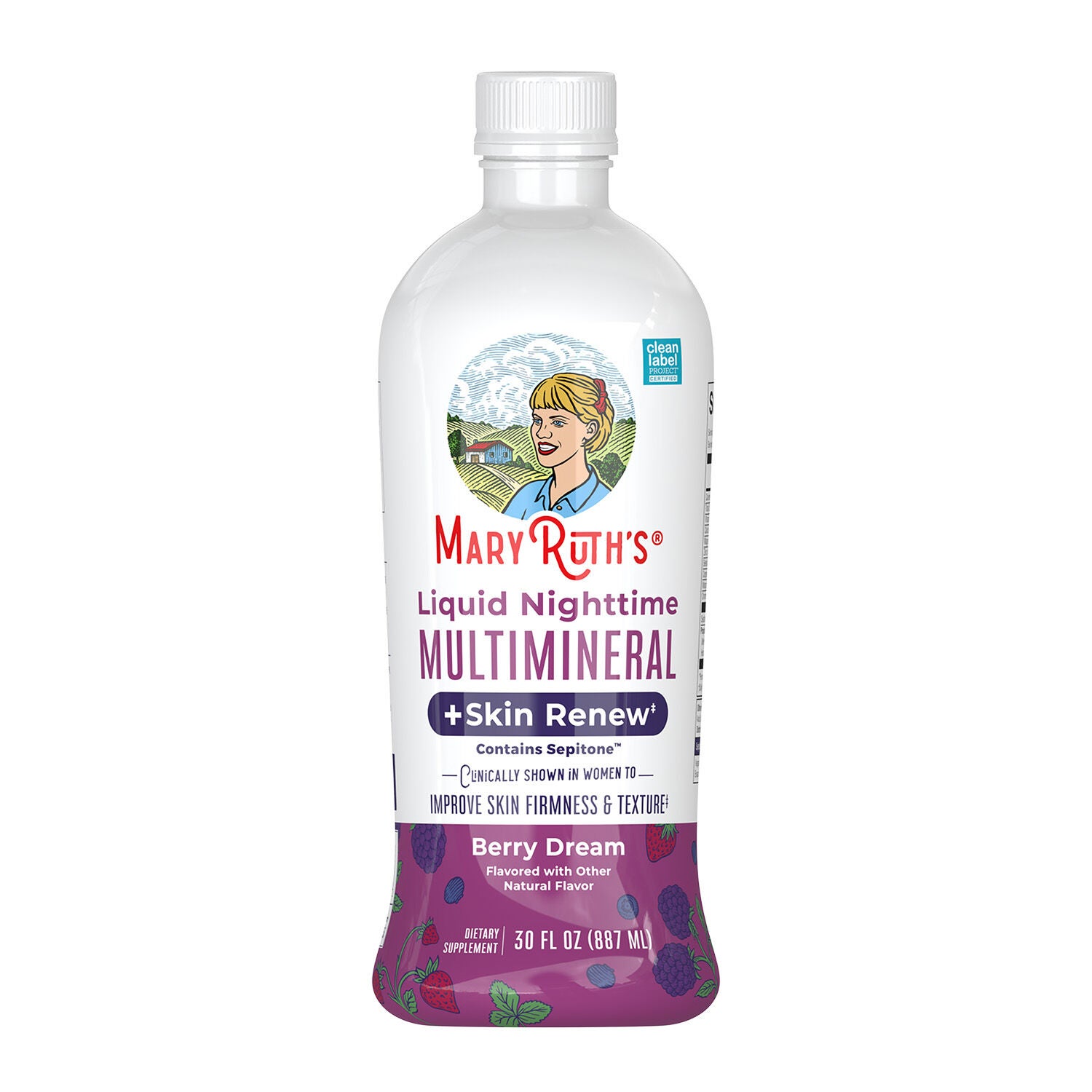
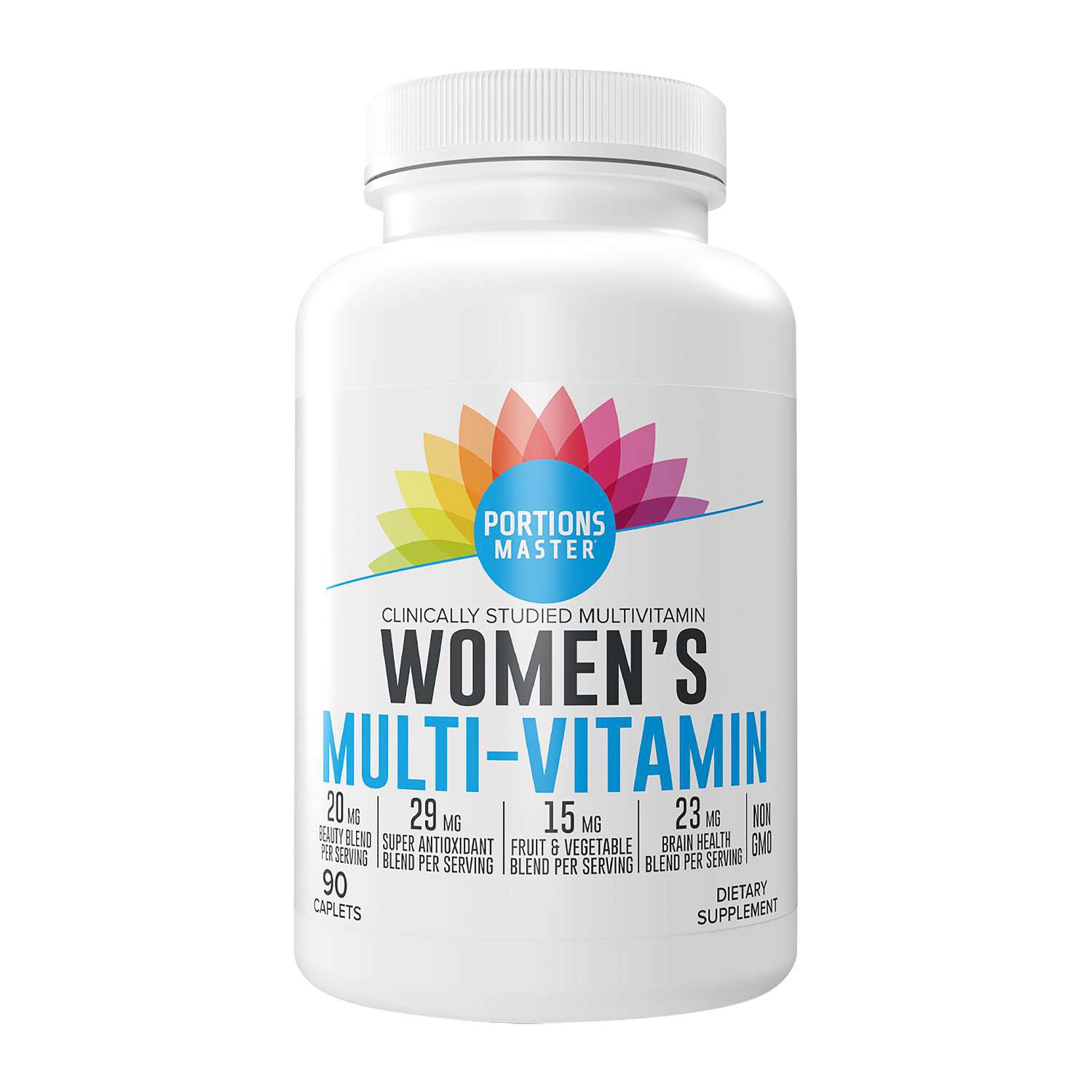
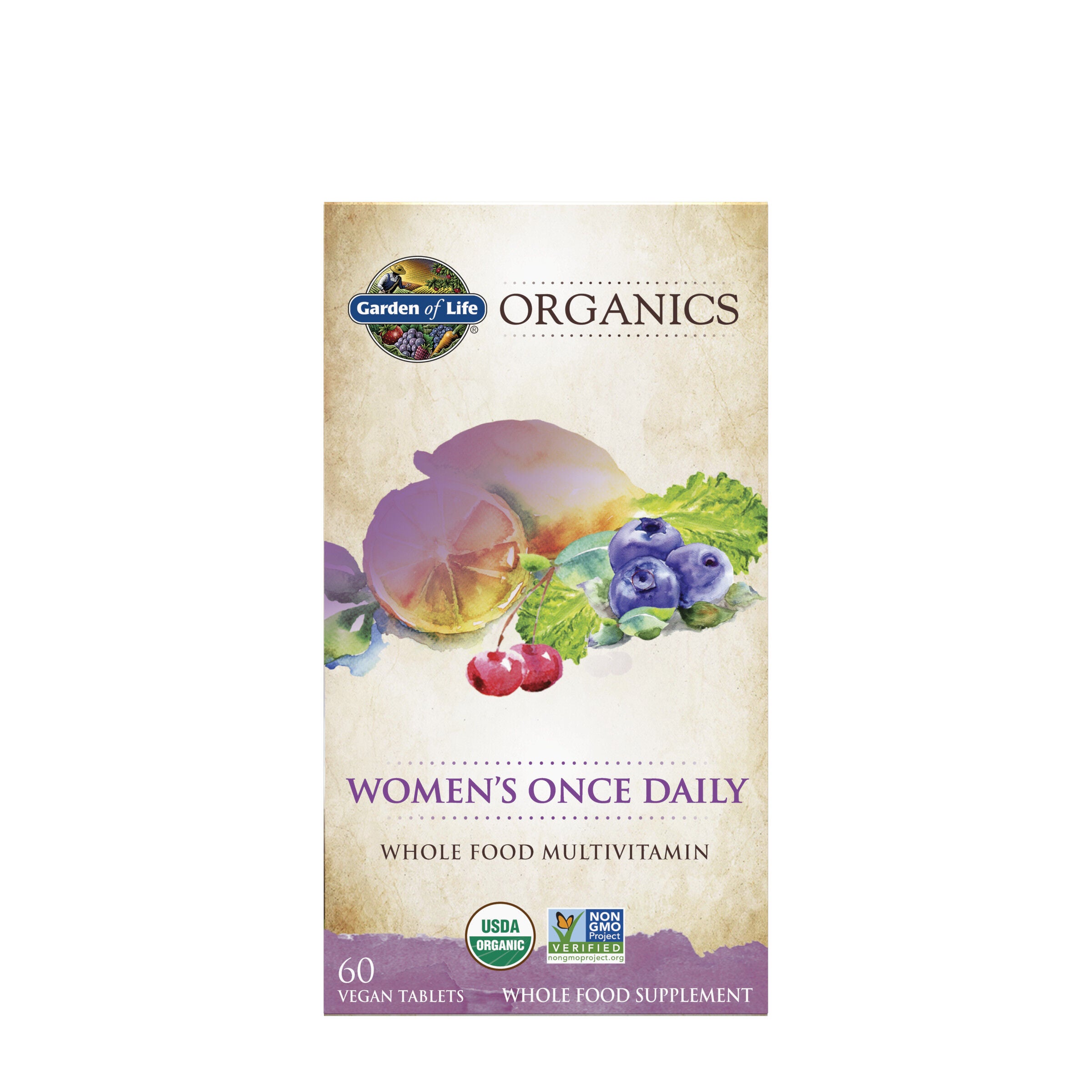
Multivitamins for women's skin hydration connect everyday nutrition with an interest in skin that looks smooth and feels comfortable. These products are dietary supplements, not topical moisturizers, and their intended role is to complement food rather than deliver water directly to the skin. Skin hydration refers to the water held within the skin; the skin's outer barrier also plays a role in retaining that moisture. A multivitamin may support normal skin function through its nutrient content, but its ingredient list does not establish a particular cosmetic outcome. Vitamin C may support normal collagen formation, while vitamin E may support antioxidant activity. Vitamin B3, including the form called niacinamide, may contribute to normal skin function. Other B vitamins may support the normal processes through which the body uses nutrients. These connections explain why certain vitamins appear in conversations about skin-focused nutrition, though an oral multivitamin and a topical serum are different products with different intended uses. Niacinamide in a capsule, for example, is not interchangeable with niacinamide applied in a skin care formula. Women's multivitamins also vary in their inclusion of nutrients such as vitamin A, vitamin D, zinc, and iron, so a skin-focused description is only one part of the comparison. Some formulas include ingredients beyond vitamins and minerals, such as hyaluronic acid, collagen, or plant extracts. Omega-3 oils are another category sometimes associated with skin-focused nutrition, but they are not vitamins and are not present in every multivitamin. Biotin may appear in hair, skin, and nail formulas, although its presence alone does not demonstrate a hydration benefit. The most informative starting point is the Supplement Facts panel, where ingredient names, amounts, and serving sizes give substance to the wording on the front of a package. A formula described for women's skin hydration may complement a broader personal care routine, but that description should not be understood as evidence that every included nutrient directly increases skin moisture.
Product format is another practical distinction within women's multivitamins. Tablets, capsules, gummies, chewables, liquids, and powders offer different ways to incorporate a supplement into an established routine. A tablet or capsule generally has little emphasis on flavor, while a gummy or chewable makes taste and texture part of the experience. Gummies may contain sugars, sweeteners, gelatin, or pectin, and flavored liquids or powders may contain additional ingredients that matter to someone with particular dietary preferences. Capsule shells and coatings can also differ, making the other-ingredients list relevant alongside the vitamin and mineral amounts. A serving may consist of one unit or several, and that distinction is worth noticing when comparing packages. For someone who prefers a small pouch in a work bag, tablet dimensions and the number of units per serving may be practical considerations. For someone who dislikes flavored supplements, an unflavored format may be a closer match to existing preferences. Liquids and powders involve measuring or mixing, while individually portioned formats have a different handling routine. Packaging, storage directions, and the labeled expiration date also belong in the comparison. Directions may specify protection from moisture, refrigeration after opening, or a particular period of use once a container has been opened. A bottle beside a steamy shower and a container stored according to its label are not equivalent storage settings. The original packaging provides a place to retain serving directions, ingredient information, and lot details, especially when several supplements share a household cabinet. Independent testing is another useful distinction, with some testing programs examining ingredient identity, stated amounts, or specified contaminants. The meaning depends on the program and the scope of its assessment; a testing mark is not evidence of visible skin changes. These details make a more grounded comparison than packaging imagery alone. A botanical illustration, glossy finish, or skin-focused name says less about the formula than its actual composition, serving information, and documented quality checks.
The audience for multivitamins centered on women's skin hydration includes adults who want a nutrition product that fits alongside familiar personal care habits. One shopper may be comparing a general women's formula with a hair, skin, and nail formula; another may be looking for a different format without changing the focus of her routine. Age-oriented labeling and intended-use statements add context, since products marketed to different life stages can have different nutrient compositions. Ingredient amounts also matter when another multivitamin, fortified drink, or beauty supplement is already part of the picture: similar names on separate labels can reflect overlapping ingredients rather than distinct functions. A longer ingredient list is not automatically a closer match for a shopper's preferences. The distinction between skin hydration and skin appearance is useful here, too. Hydration describes moisture within the skin, while words such as radiance and glow describe appearance more broadly. The related selection of Multivitamins For Glowing Skin provides another way to browse skin-focused nutrition, with ingredient details remaining the basis for comparing formulas. In everyday life, a supplement may sit beside a breakfast bowl, travel with a toiletries pouch, or occupy a familiar place near other personal care products. Those settings make serving format, package size, taste preferences, and storage requirements tangible rather than abstract. Meals, drinking water, and topical moisturizers remain separate parts of a skin care routine; a multivitamin is not a substitute for those habits. As a gift, this category is most personal when the recipient has already expressed an interest in supplements and shared preferences about ingredients or format. An explicitly requested choice is more considerate than a formula selected around assumptions about someone's appearance. Whether purchased for personal use or by request for someone else, the most relevant distinctions are the nutrient profile, intended audience, serving format, and clear labeling—not the expectation of a particular look or feel.