





Low Calorie Chocolate Bars
(0 Results)
Indulge in guilt-free snacking with our selection of low-calorie chocolate bars, perfect for satisfying your sweet cravings without derailing your health and fitness goals. Packed with rich cocoa flavor and a hint of sweetness, these delicious treats are a convenient way to enjoy a little bit of decadence while keeping your calorie intake in check. Whether you're looking for a post-workout pick-me-up or a mid-afternoon treat, our low-calorie chocolate bars are sure to delight your taste buds without compromising your dietary plans.
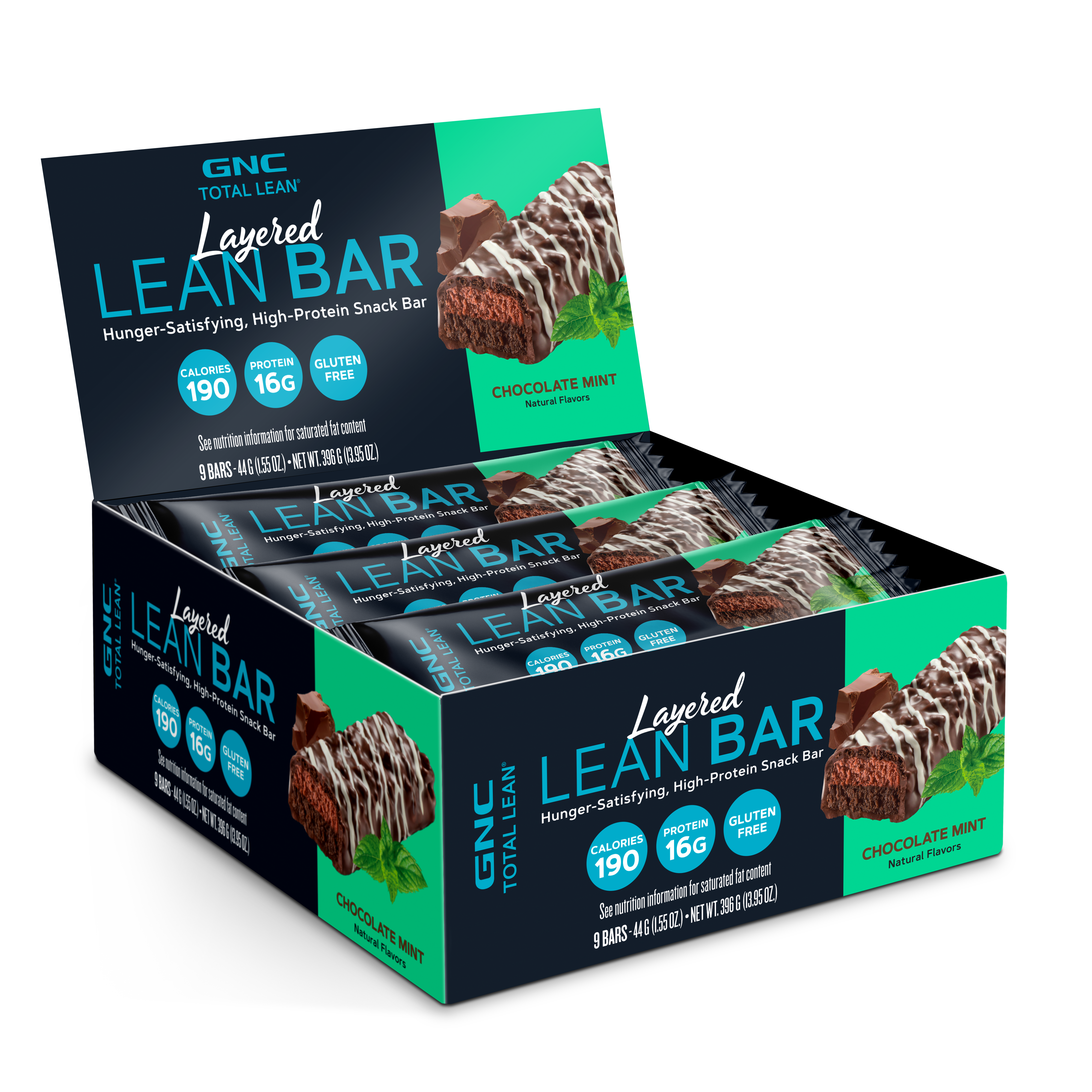

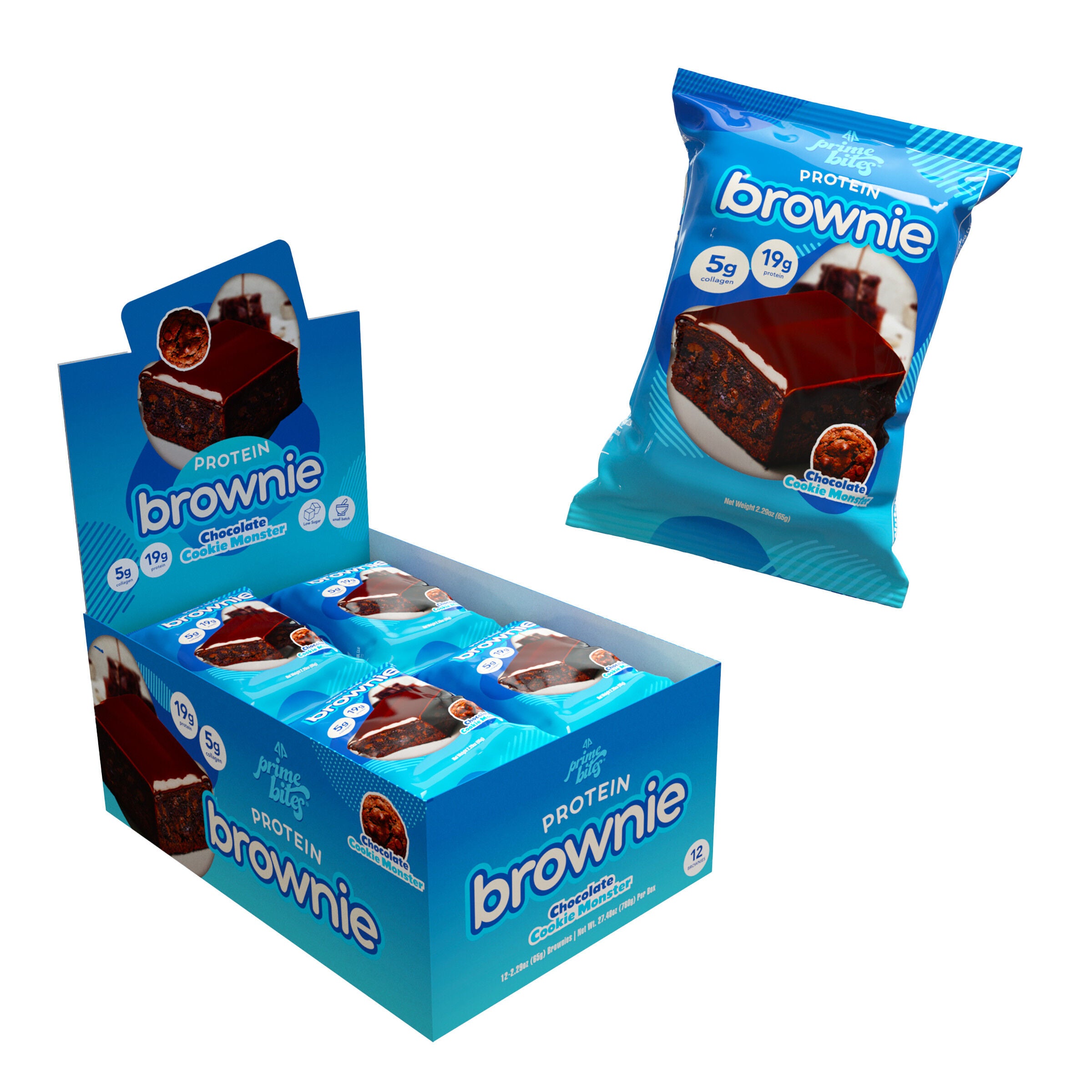
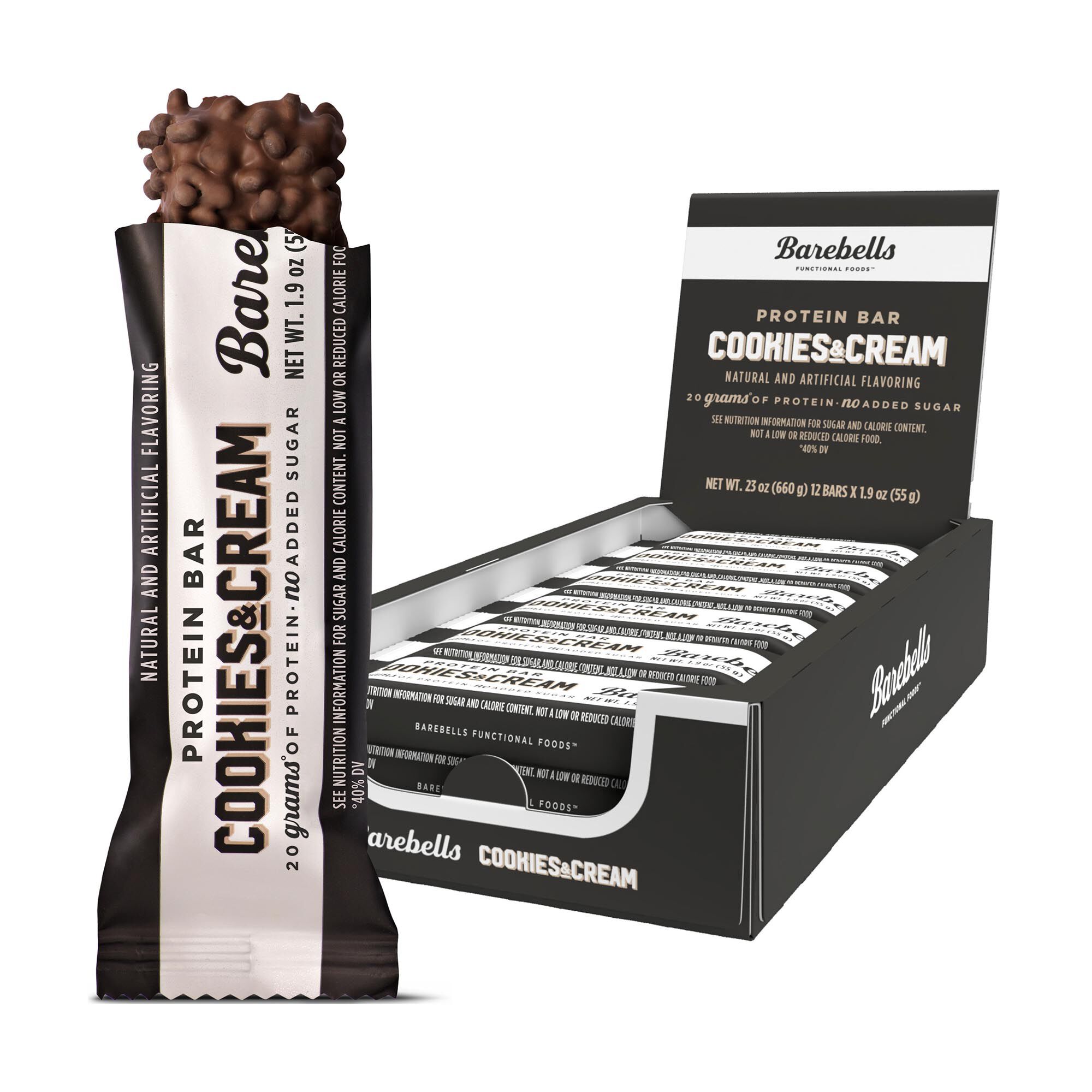

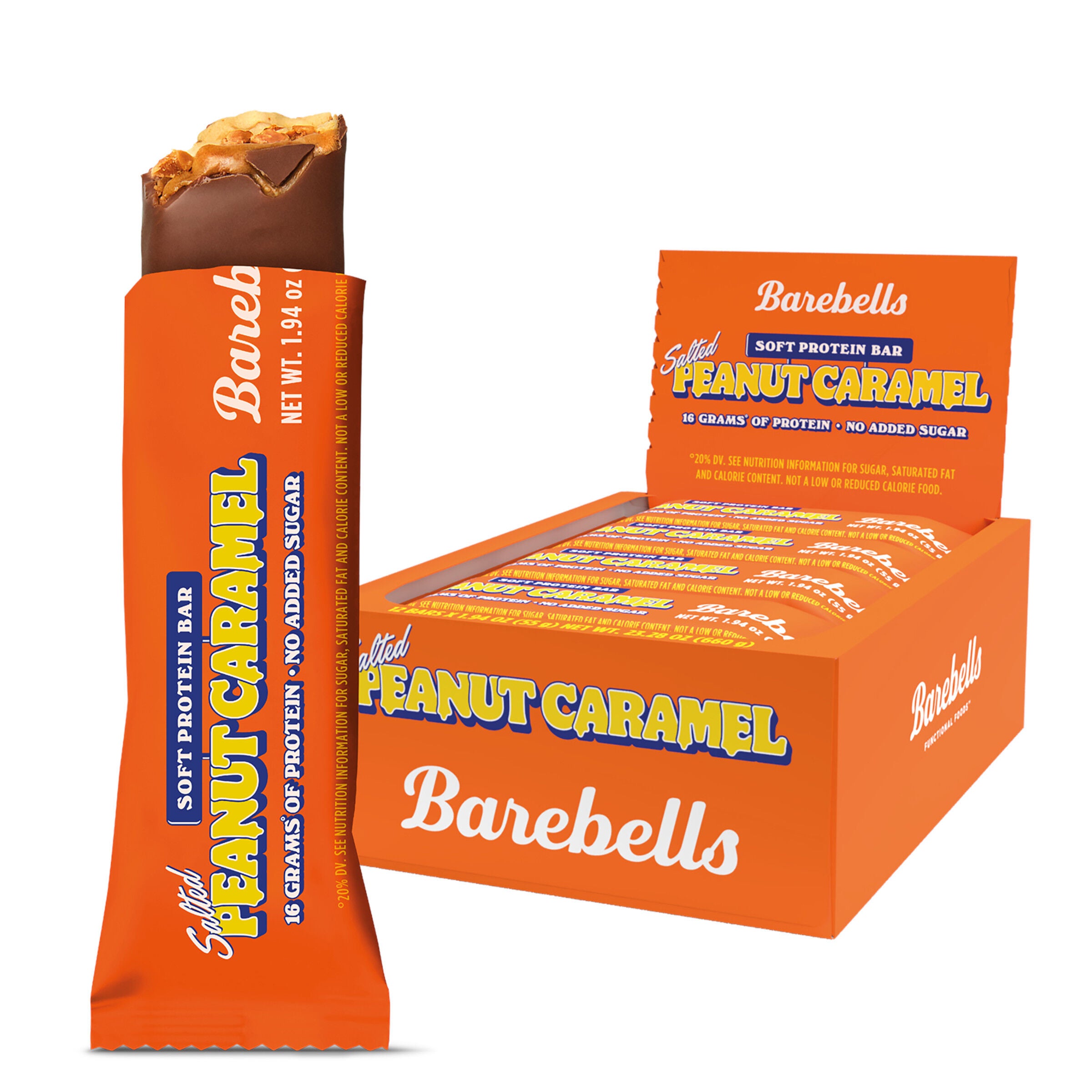
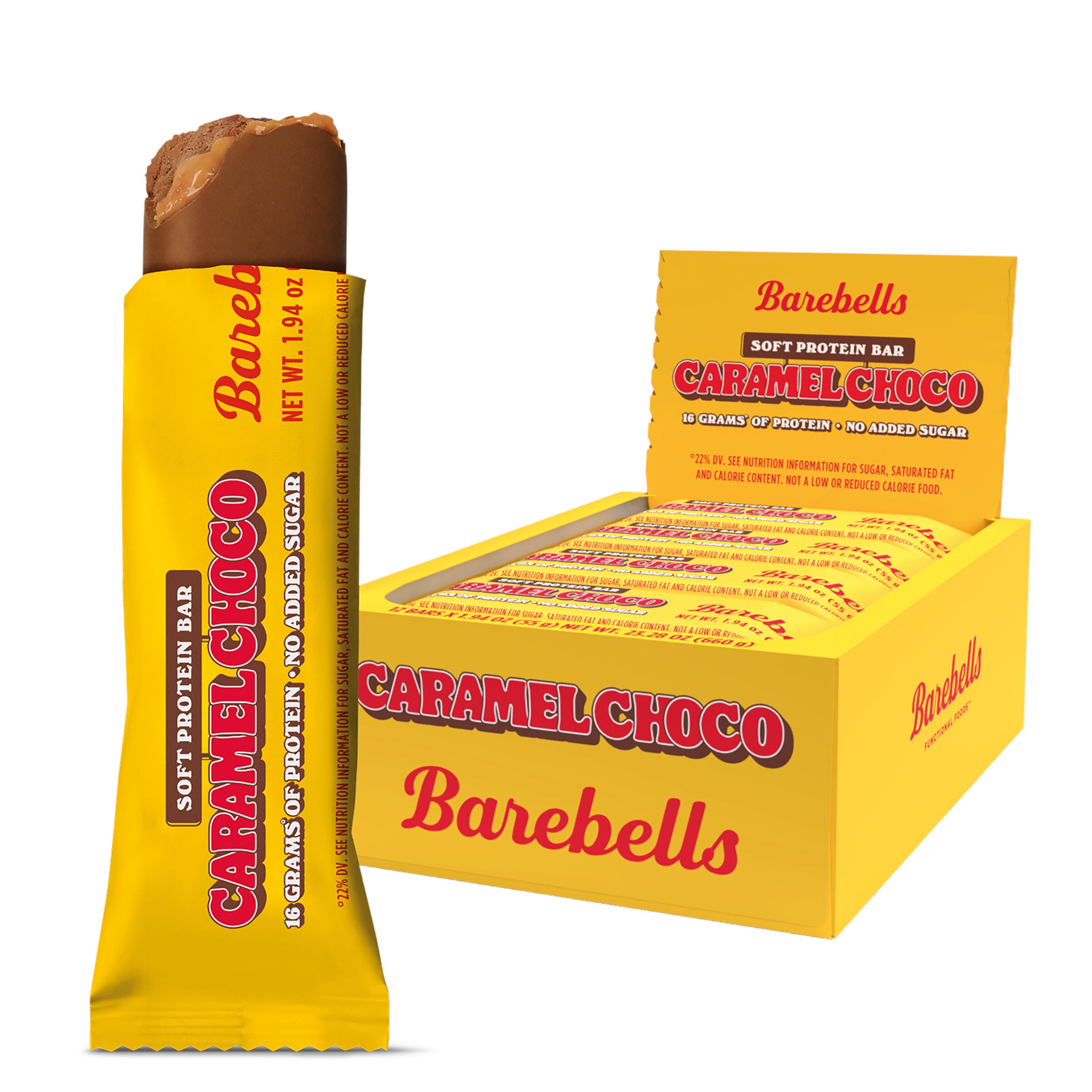
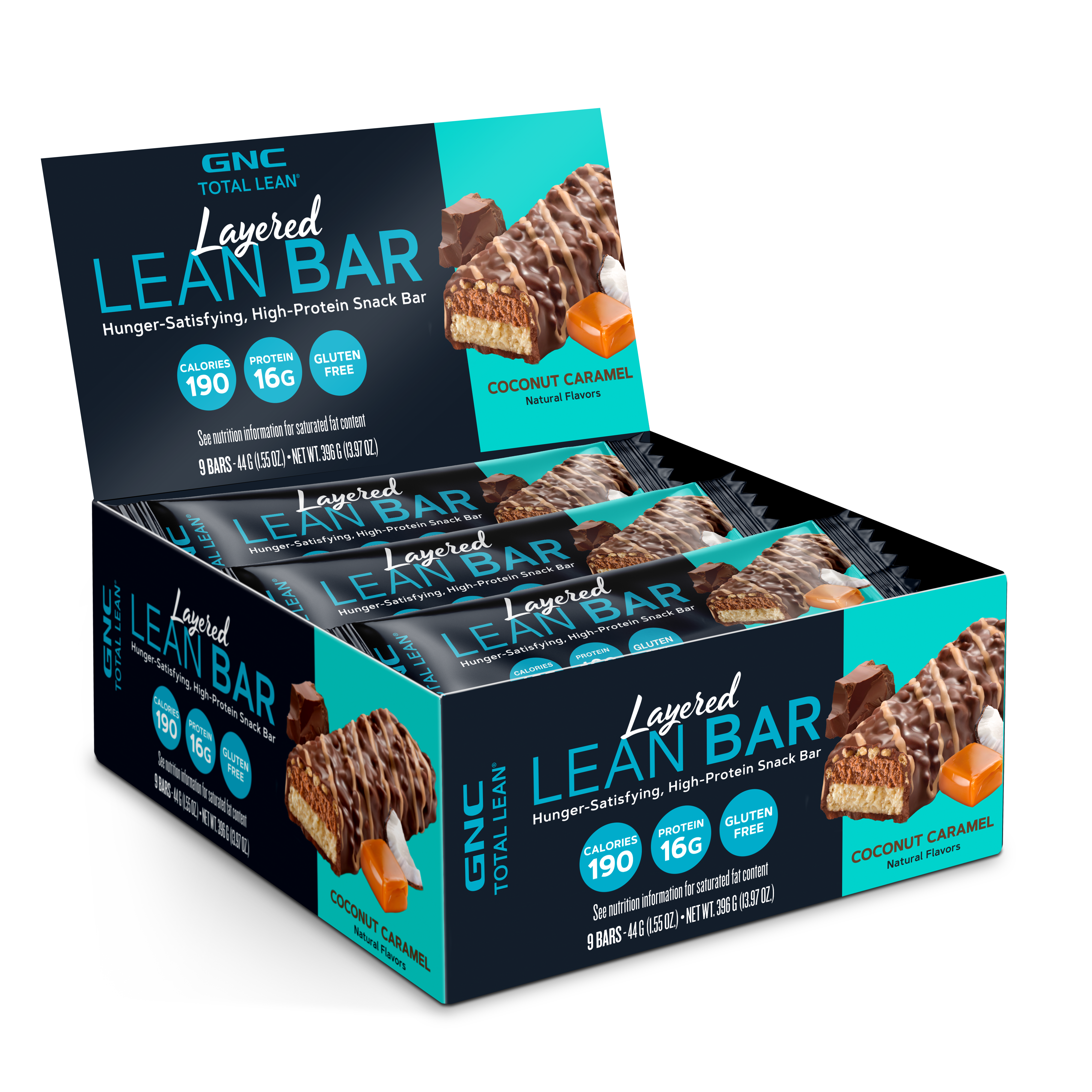
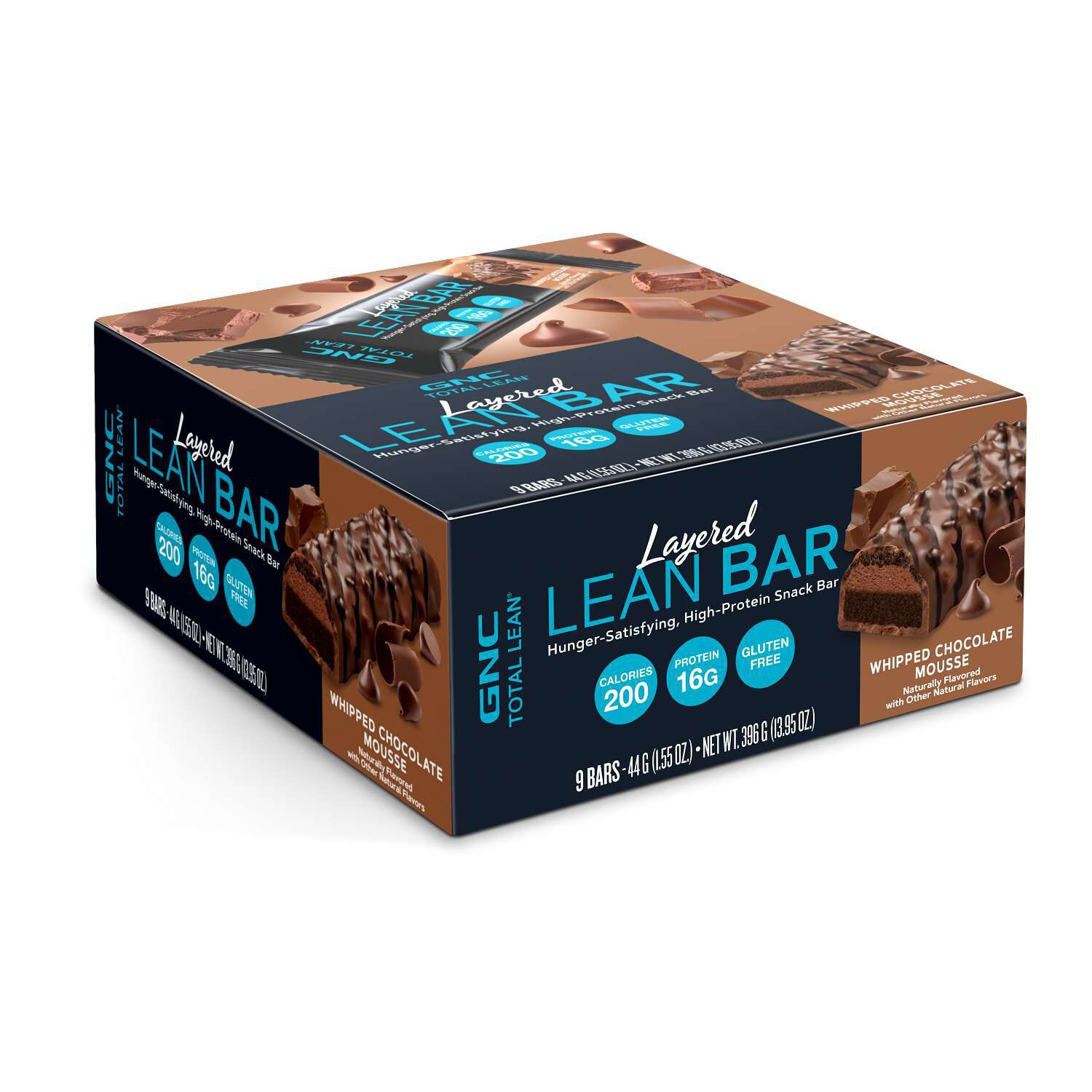

Low calorie chocolate bars bring together chocolate flavor, manageable portions, and a range of textures, from smooth milk chocolate to darker, cocoa-forward varieties. The category can include smaller portions of traditional chocolate, bars made with alternative sweeteners, and chocolate-coated snacks with ingredients such as nuts or protein. These are different approaches to a similar shopping preference: enjoying something chocolatey while keeping the calories per serving in view. Some portion-controlled chocolate snacks contain around 100 to 120 calories per serving, while smaller pieces may contain less; the exact amount depends on the recipe and serving size. That distinction matters because a serving is not always an entire bar. A package might hold one individually wrapped piece or a larger bar divided into several servings, so the calories on the nutrition label make the most sense alongside the number of pieces or grams listed. For a useful comparison, consider both the calories in the portion you expect to eat and the weight of that portion. A tiny square and a larger, airy bar can have similar calorie counts yet offer very different eating experiences. Flavor is just as personal. Milk chocolate generally has a sweeter, creamier character, while dark chocolate tends toward deeper cocoa notes and varying degrees of bitterness. A higher cocoa percentage does not automatically mean fewer calories, and a product with less sugar is not necessarily lower in calories than another chocolate bar. Cocoa butter, nuts, fillings, and the size of the serving also contribute to the number on the label. For everyday shopping, the most useful low calorie chocolate bar is one whose flavor, portion, and ingredient list match what you actually enjoy—not simply the one with the smallest number on the wrapper. There is room for a thin, crisp piece beside an afternoon coffee as well as a softer chocolate-coated bar tucked into a lunch bag.
The details inside the wrapper help distinguish one style of chocolate bar from another. Plain chocolate puts the focus on cocoa flavor and melt, while wafers, puffed grains, chopped nuts, and layered centers introduce crunch or chew. An airy center changes the amount of chocolate in each bite; a dense nut filling offers a different balance of texture and richness. Neither format tells you the calorie count on its own. Sweeteners are another point of comparison, particularly for shoppers who prefer less sugar but still want a distinctly sweet chocolate taste. Recipes may use sugar, stevia, sugar alcohols, or a combination, and each formulation has its own sweetness and finish. Claims about sugar describe only part of the product, so the full nutrition label and ingredient list remain useful when comparing options. For people with ingredient sensitivities or dietary preferences, milk, soy, peanuts, tree nuts, and wheat are among the ingredients worth checking, along with any allergen statements on the package. Dark chocolate can still contain milk ingredients, and a chocolate-flavored coating is not always the same formulation as a traditional chocolate bar. Protein content also varies considerably across this category. A small candy-style bar may contain relatively little protein, while a chocolate-covered protein bar has a different ingredient profile and often a denser texture. Shoppers interested in that format can also browse Low Calorie Protein Bars, comparing calories, serving weight, and protein per serving rather than treating every chocolate-coated option as interchangeable. Price comparisons benefit from the same attention to detail: the cost per package means more when considered alongside the number and size of servings. A multipack of small bars may suit a regular lunch-packing routine, while a single bar offers a practical way to try an unfamiliar texture or sweetener before purchasing a larger quantity. Familiar flavors often make a sensible starting point, especially when texture matters as much as sweetness.
Low calorie chocolate bars fit a variety of ordinary occasions, particularly when a smaller chocolate portion is what someone wants. A individually wrapped bar can go into a work tote, sit beside a packed lunch, or become the small sweet finish to an evening meal. For commuters, students, and people with busy schedules, wrapper size and sturdiness are practical details: a slender bar fits into a small pocket, while delicate wafers or soft fillings need a little more care in a crowded bag. At home, divided chocolate bars offer flexibility for serving a few pieces on a small plate, perhaps alongside berries, sliced pear, or a warm drink. Any accompaniments contribute their own calories, but they also create a different serving occasion from eating a bar on its own. During the cooler months, chocolate's roasted cocoa notes pair naturally with coffee, tea, and quiet indoor breaks. Storage still matters even when the weather is cool. Chocolate keeps best according to its package directions, generally away from direct sunlight, moisture, and sources of heat; a desk beside a sunny window or a bag left near a heater can soften a bar. Individually wrapped portions are also convenient for shared household snack baskets, where different people may prefer different flavors or serving sizes. As a small gift, chocolate is most thoughtful when it reflects the recipient's tastes rather than an assumption about how they should eat. Someone who already enjoys portion-sized chocolate snacks might appreciate a selection of familiar flavor styles tucked into a coffee-themed basket or a care package, with ingredient labels left intact. For personal purchases, a mix of creamy, dark, crunchy, and chewy styles can offer variety without requiring a large quantity of any one recipe. The lasting appeal is straightforward: chocolate chosen for its taste, in a portion that suits the occasion, with clear information about what each serving contains. Whether the preference is a few slow bites after lunch or a neatly wrapped snack for an afternoon away from home, flavor and practical packaging deserve a place beside calories in the purchase decision.
Best Sellers
-
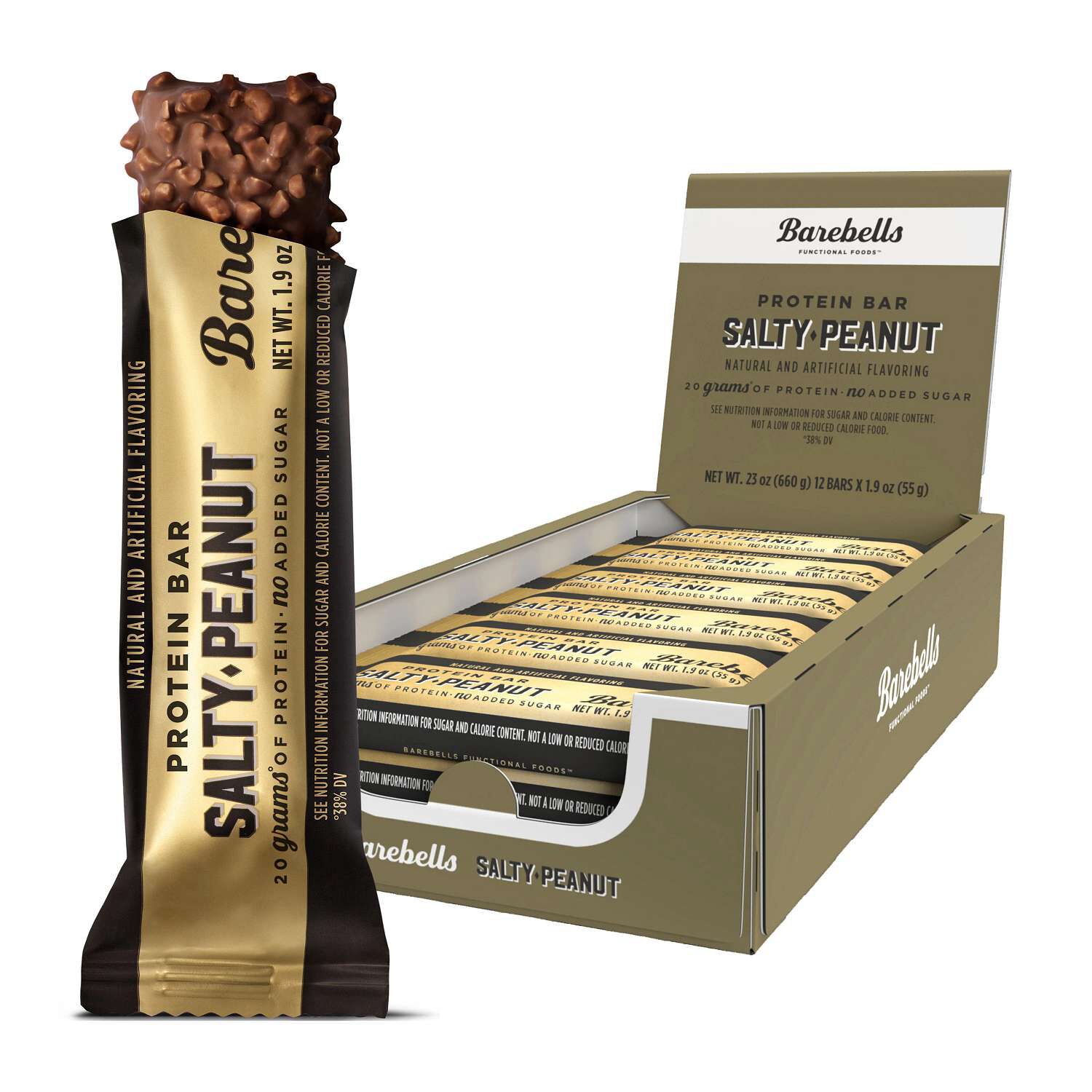 Barebells
 -
 Barebells
 -
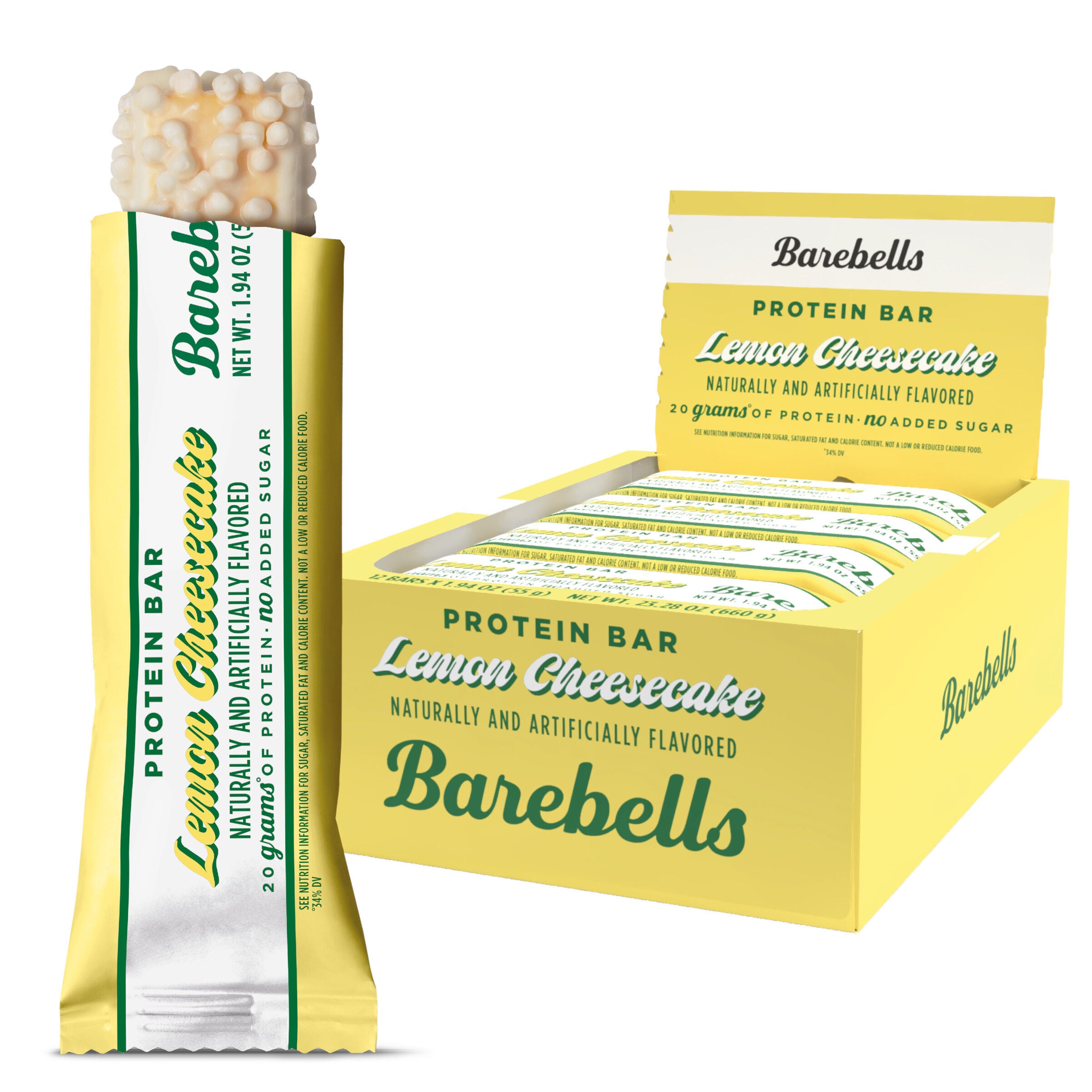 Barebells
 -
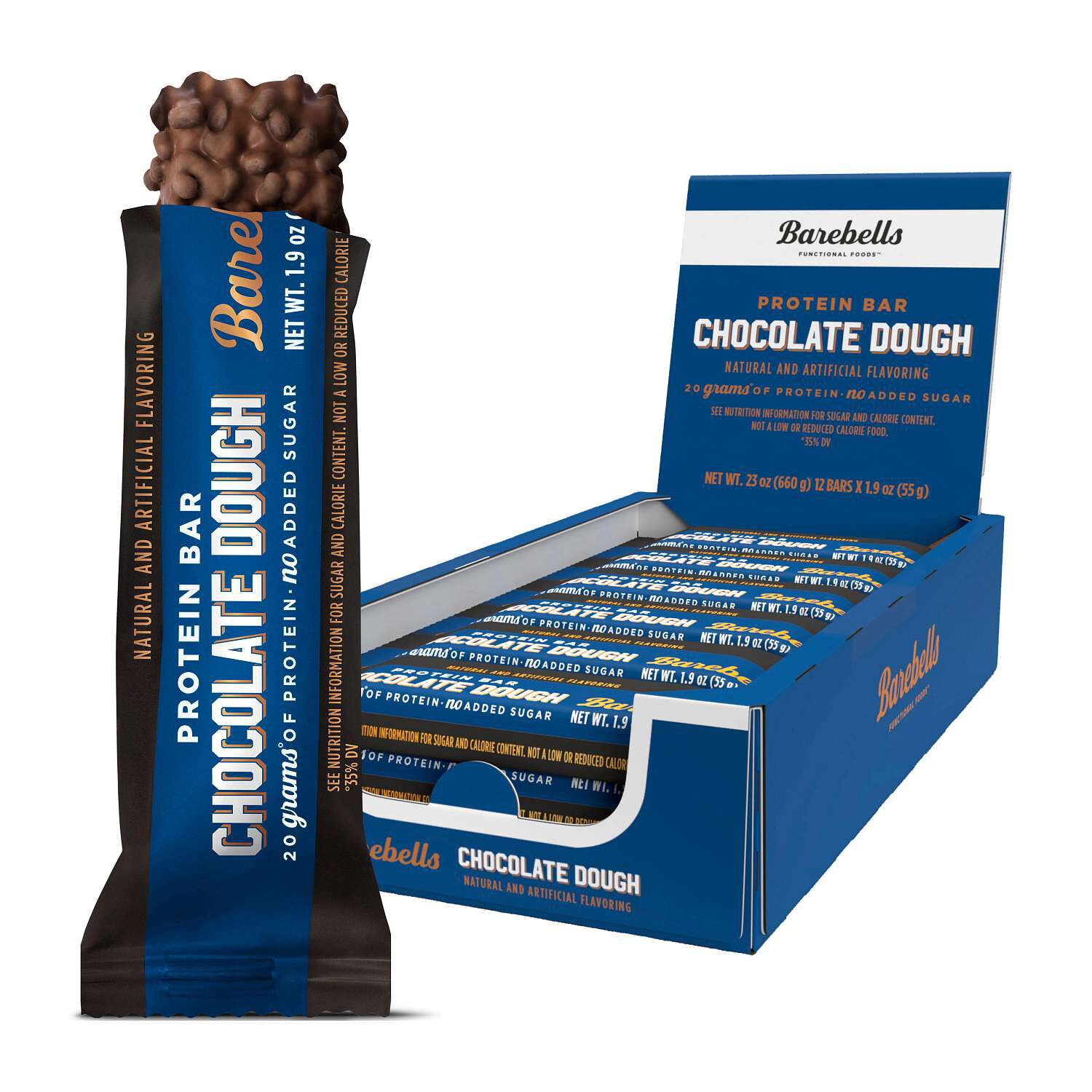 Barebells