

Low Calorie Protein Bars
(0 Results)
Looking for a delicious and convenient way to fuel your body without compromising your health goals? Our selection of low-calorie protein bars is here to help you stay on track with your fitness journey. Packed with high-quality protein and essential nutrients, these bars are perfect for satisfying your hunger between meals or post-workout. Whether you're looking to build muscle, manage weight, or simply enjoy a tasty snack, our low-calorie protein bars are a guilt-free option to keep you energized throughout your day.
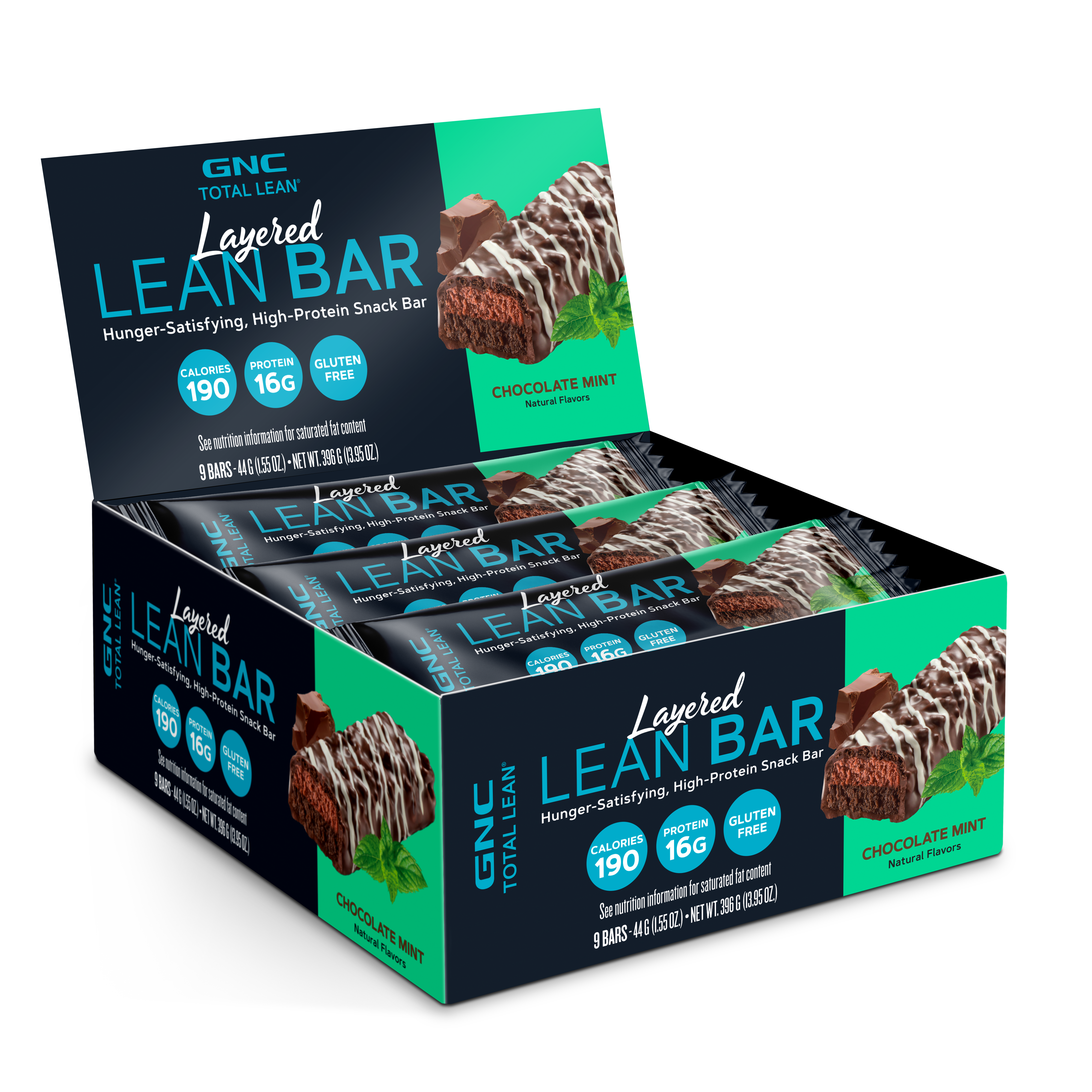

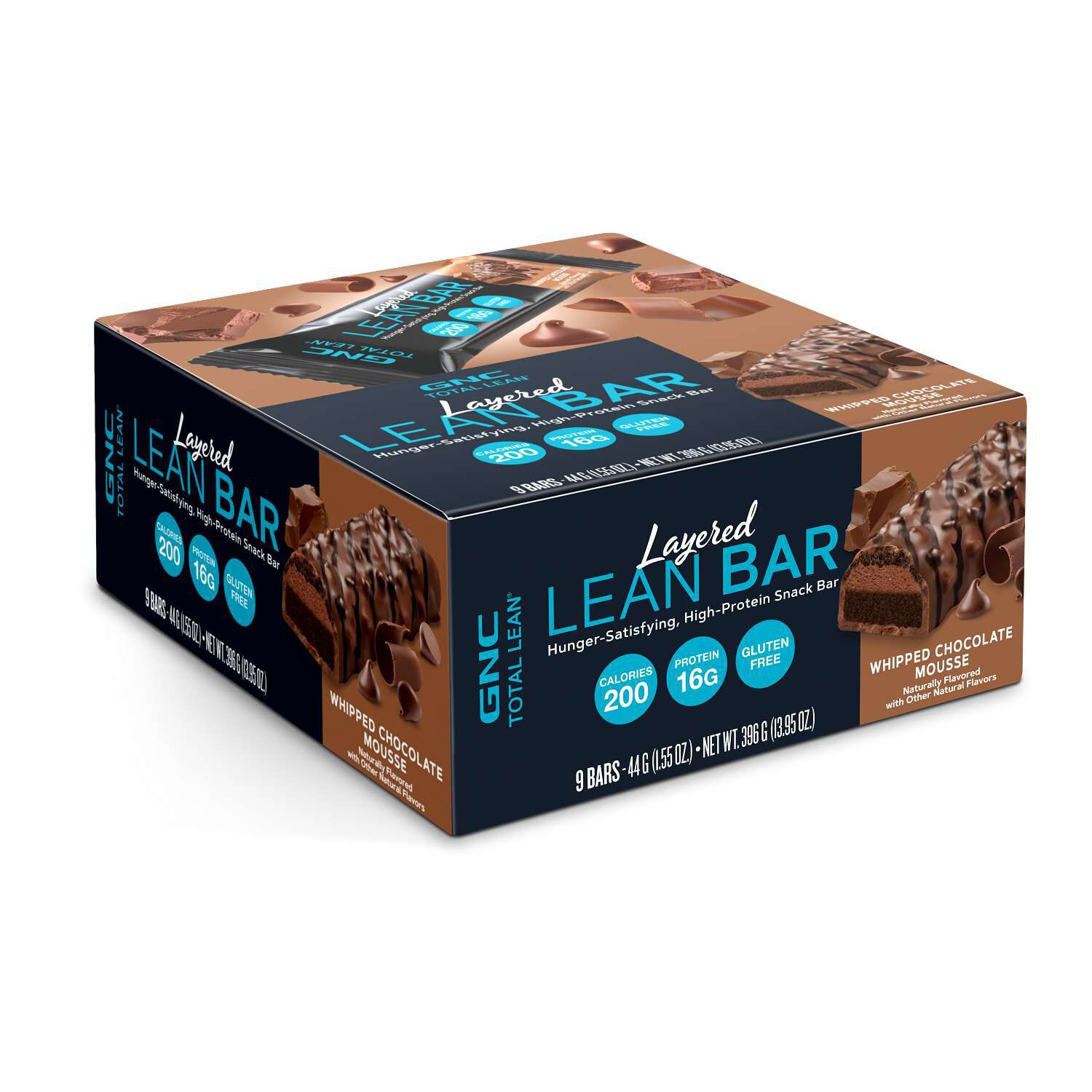
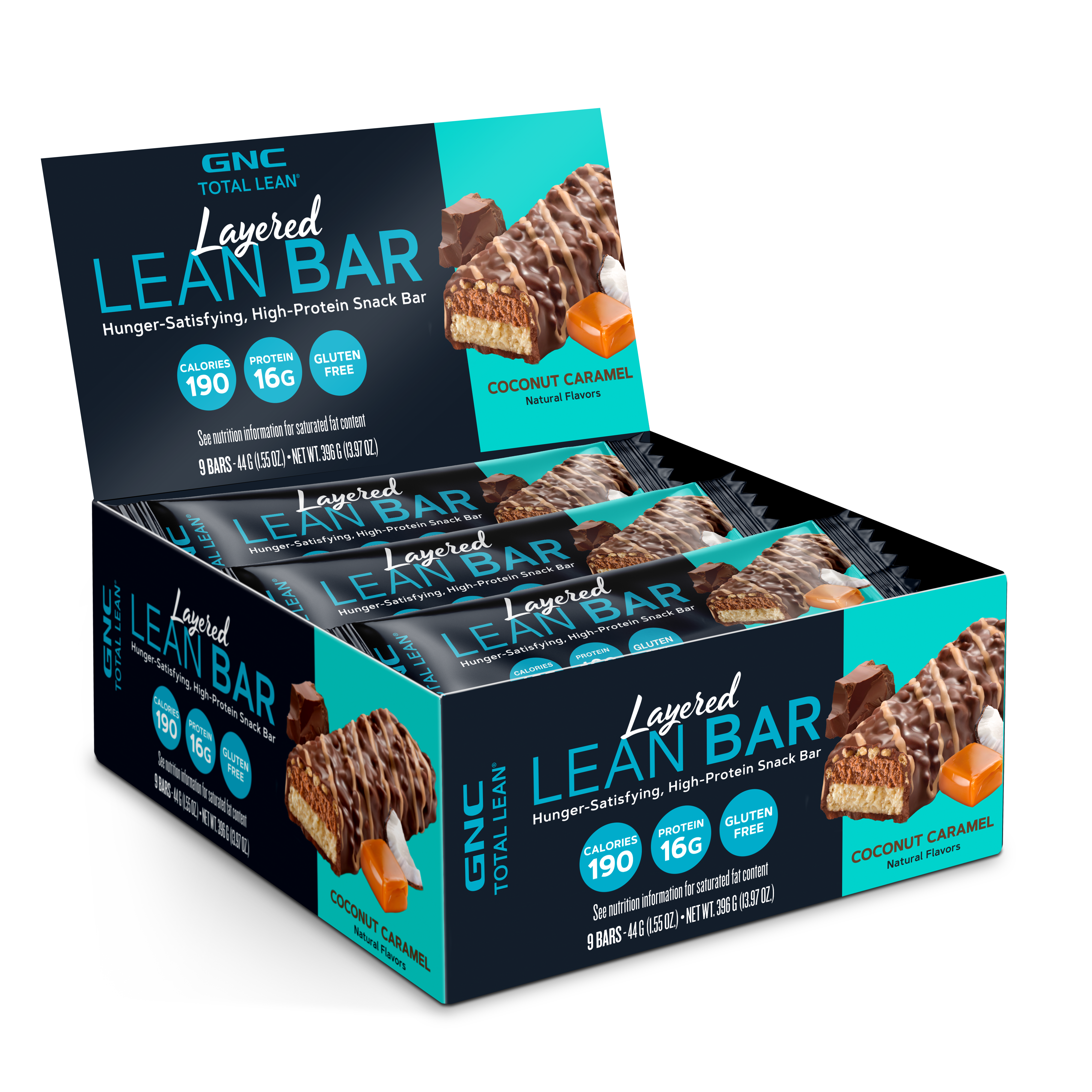
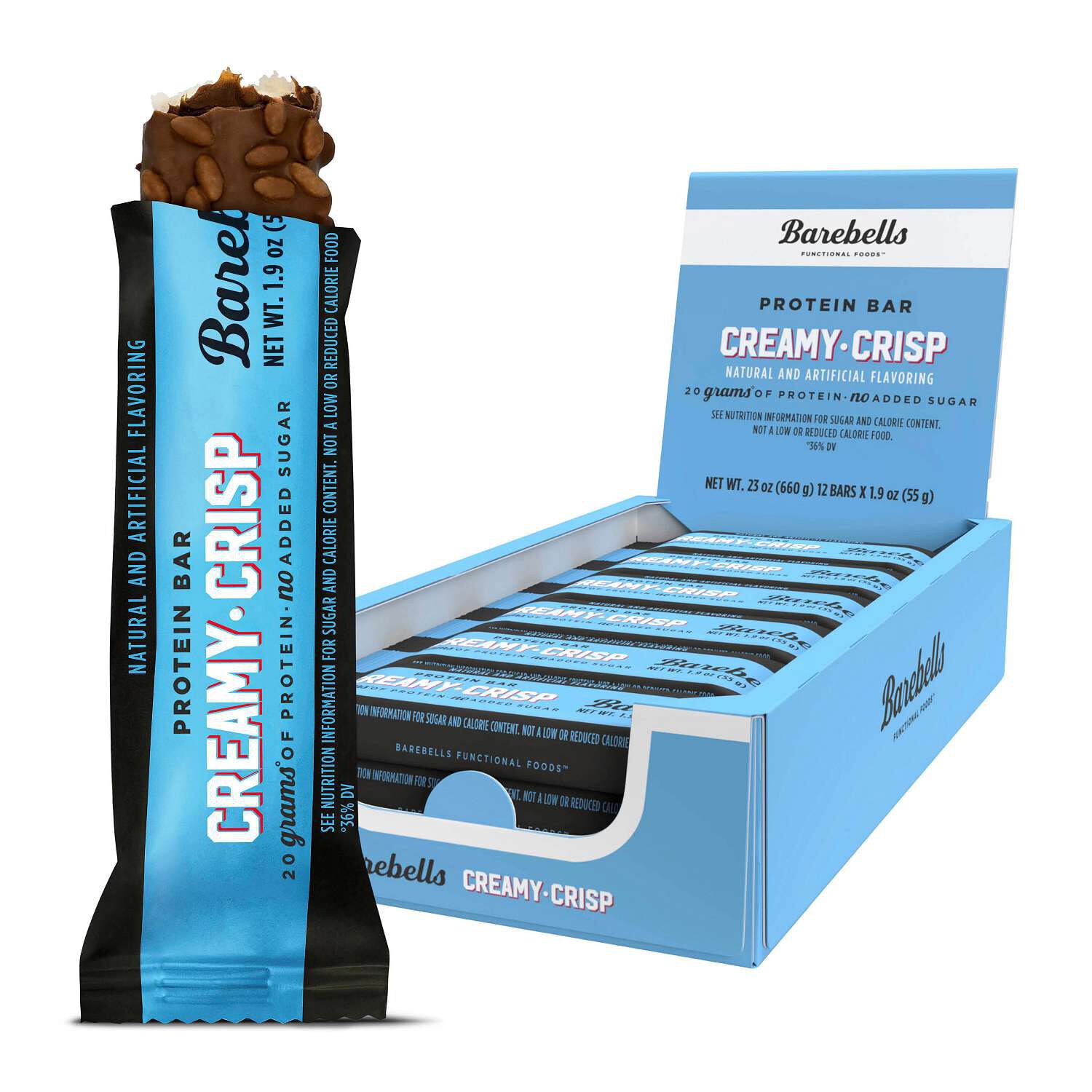
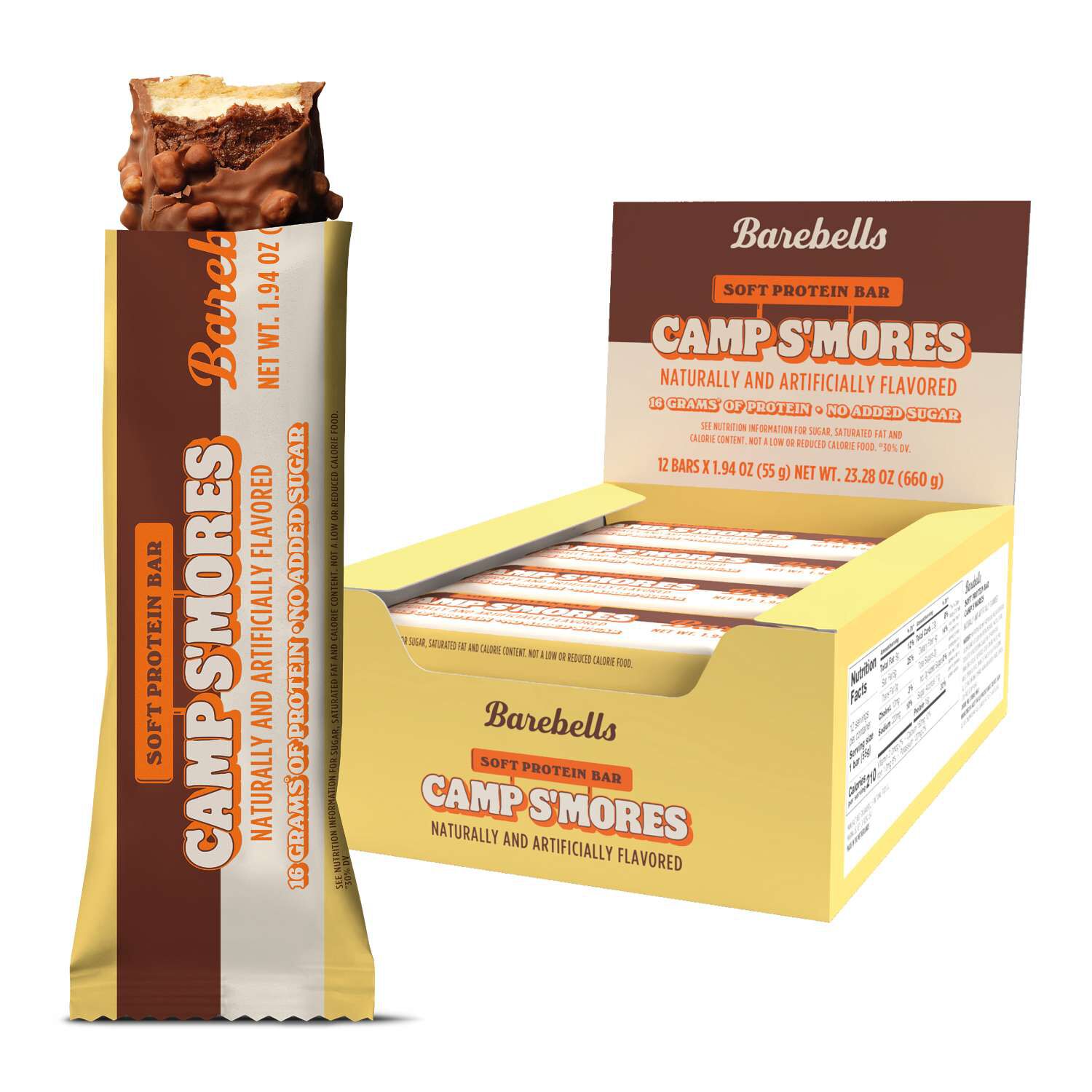
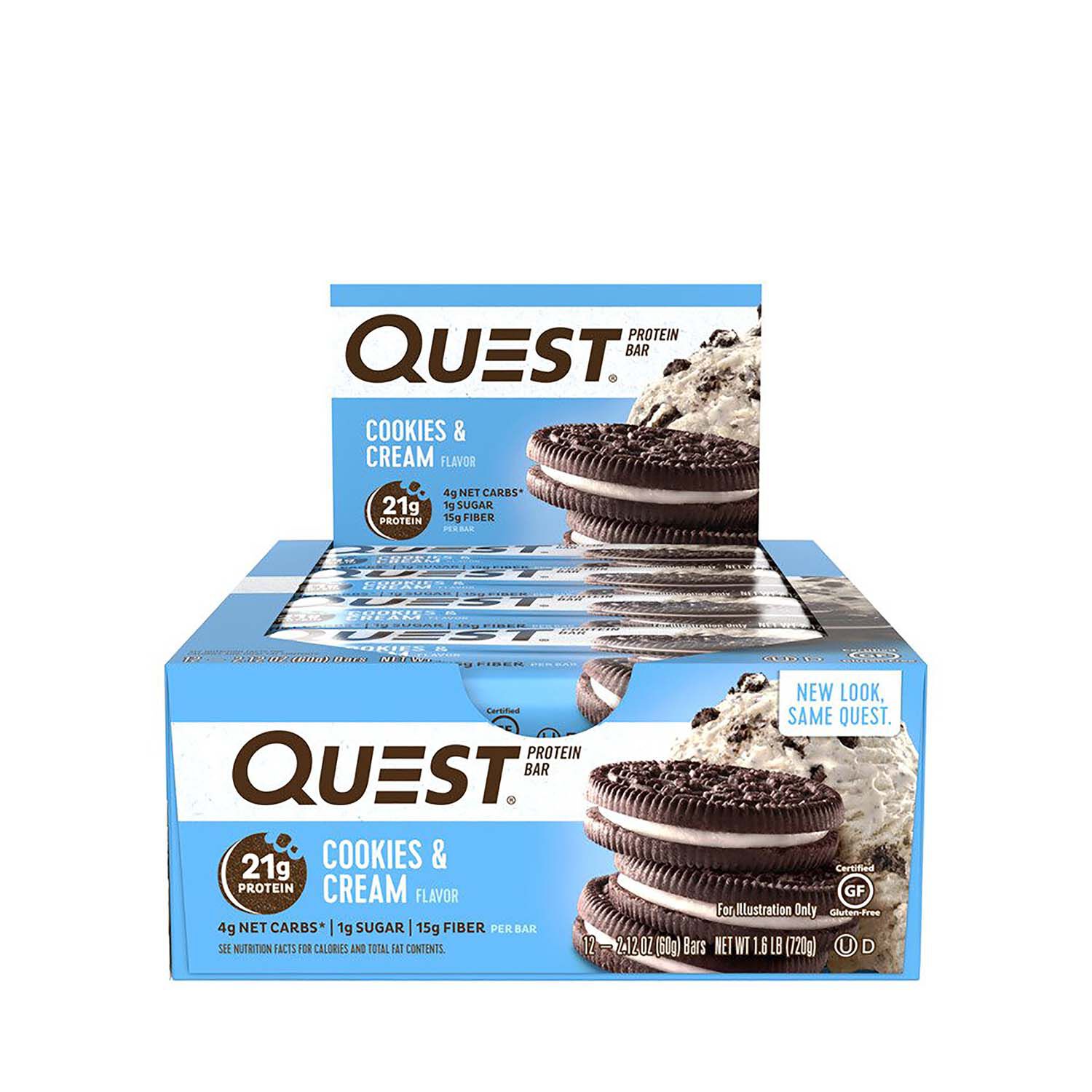

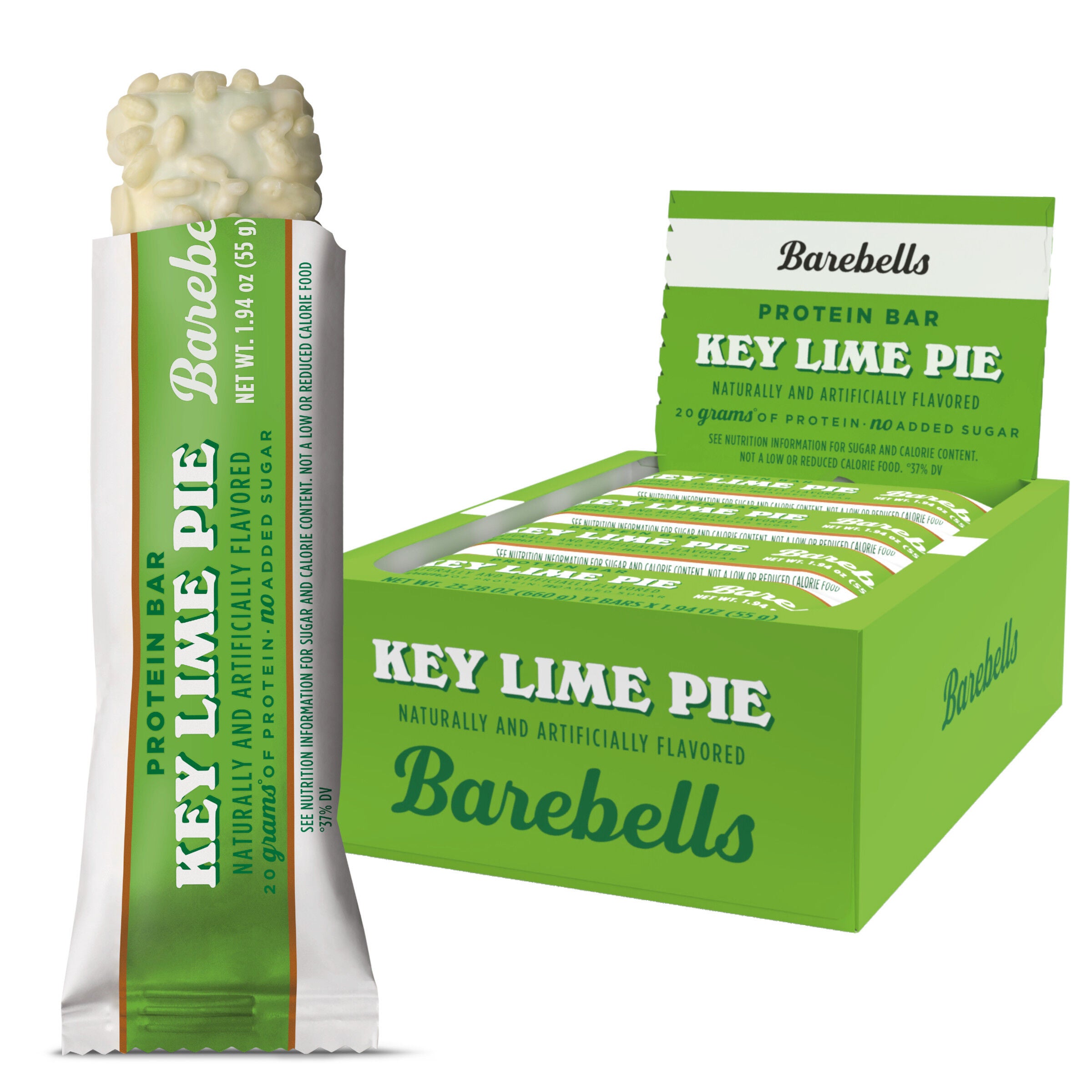
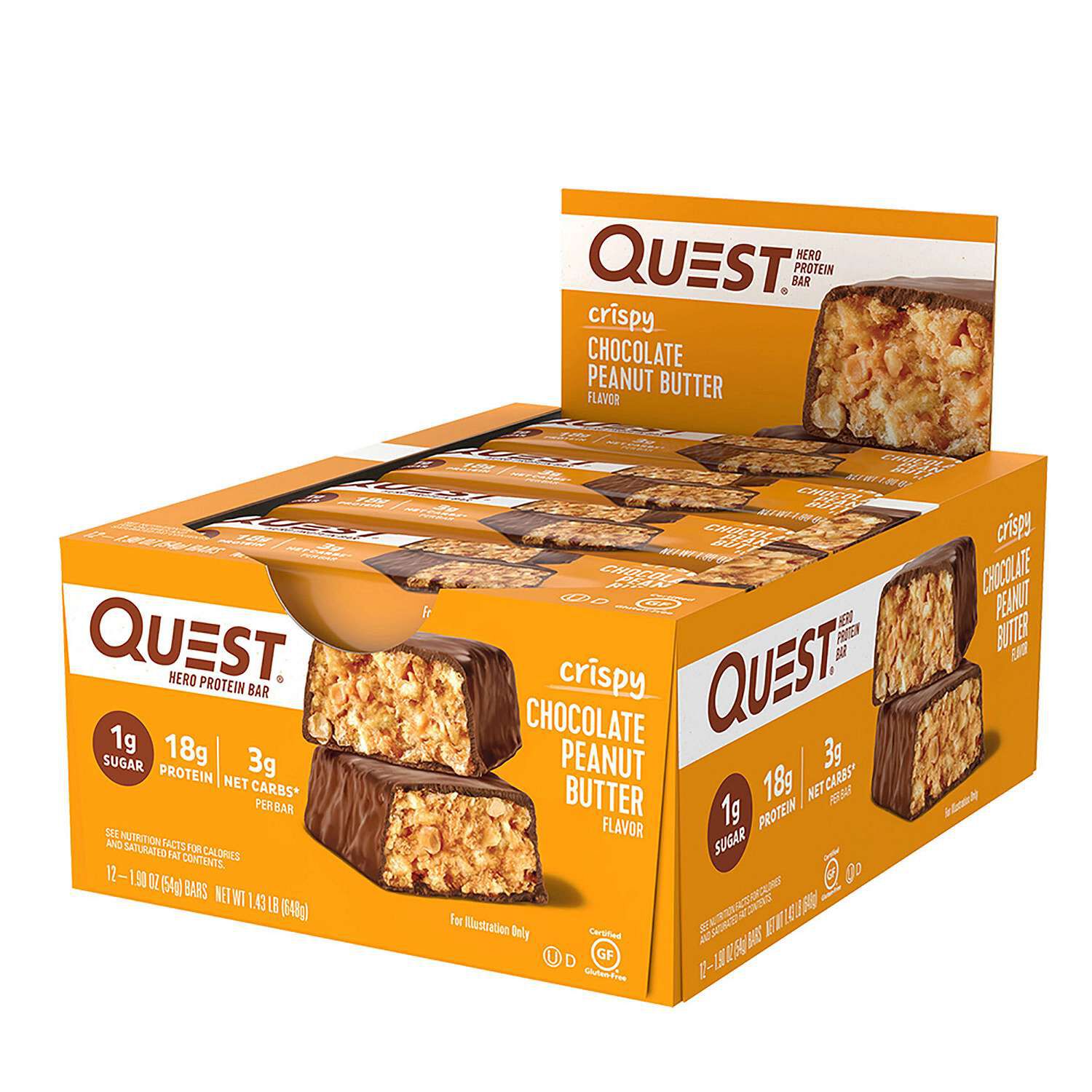
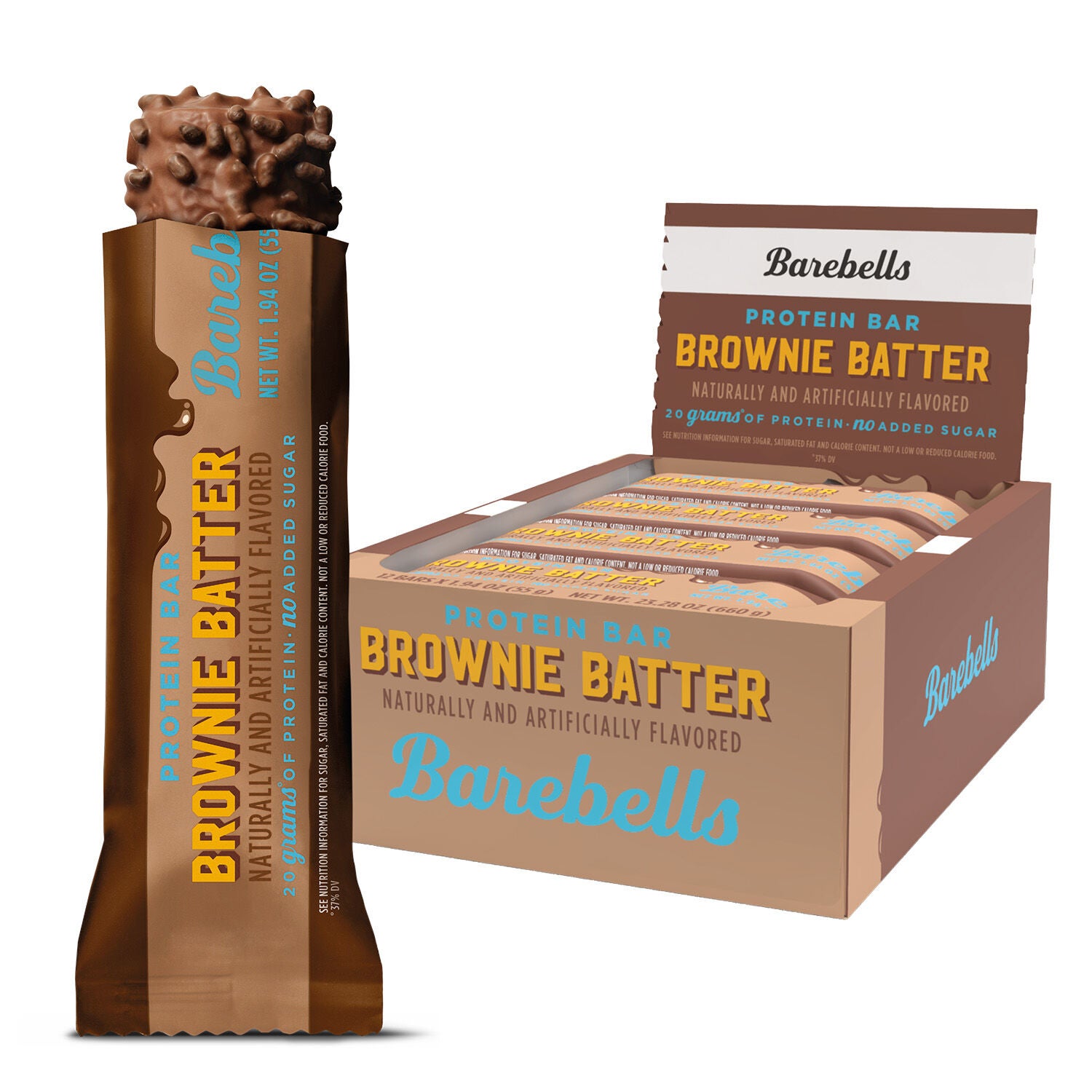


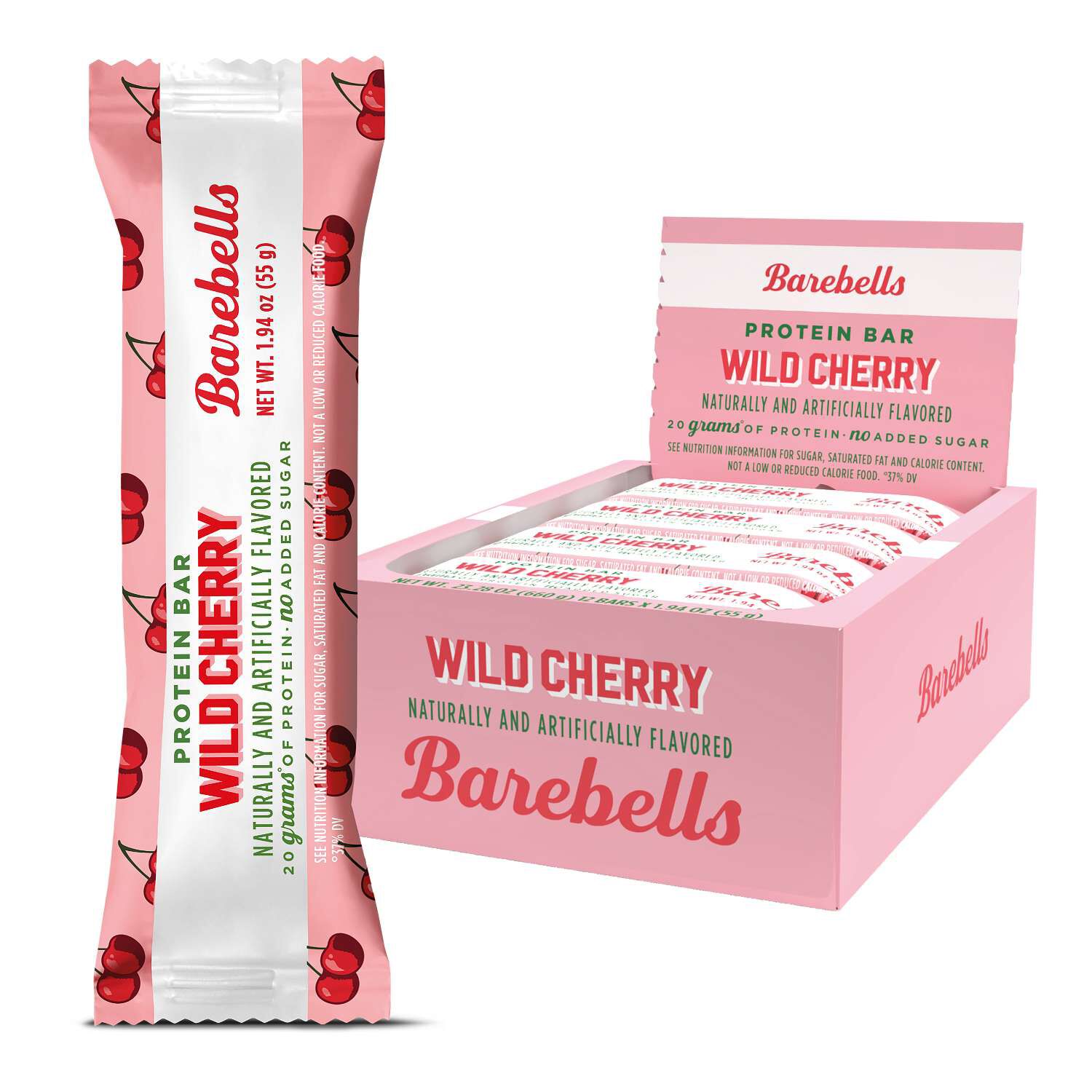
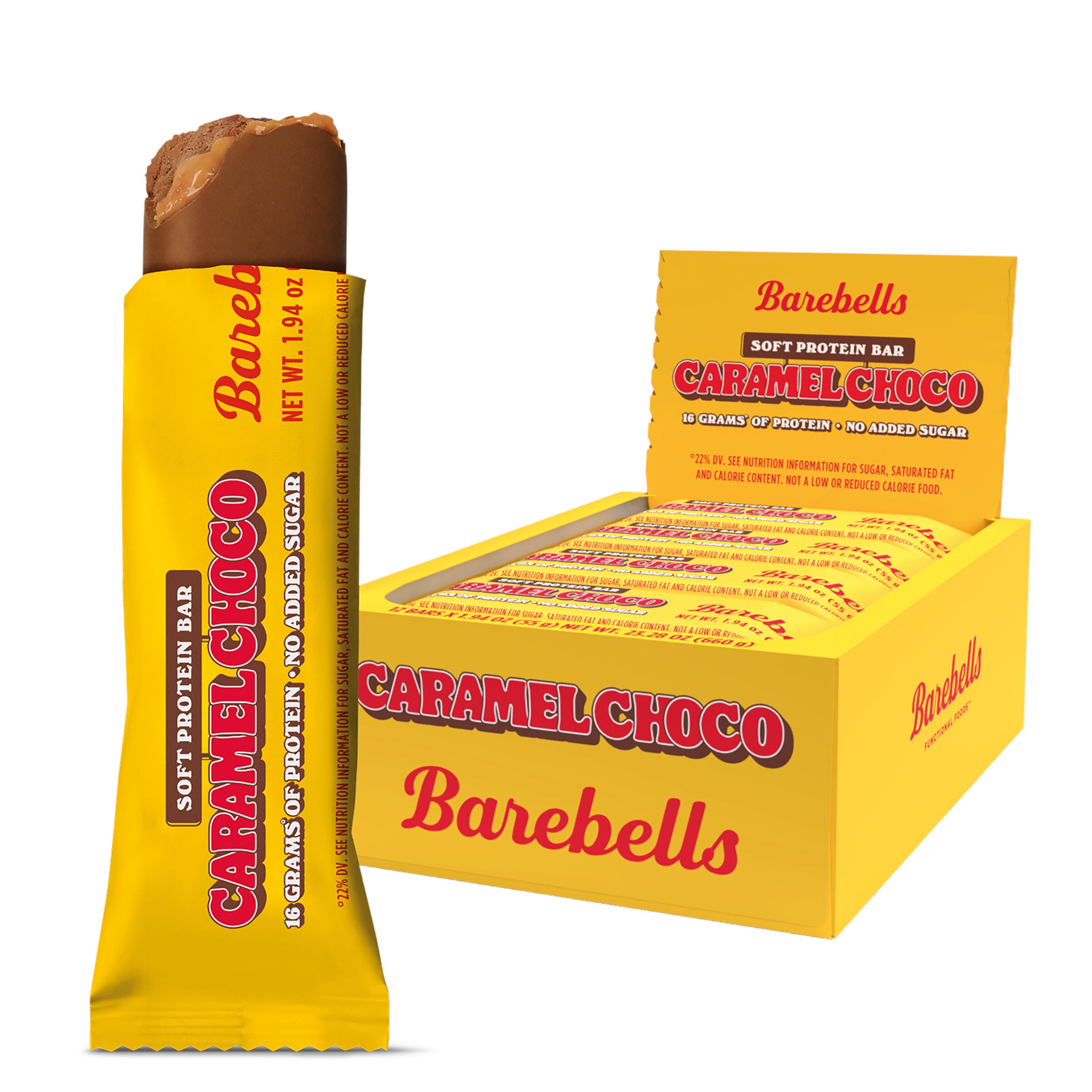

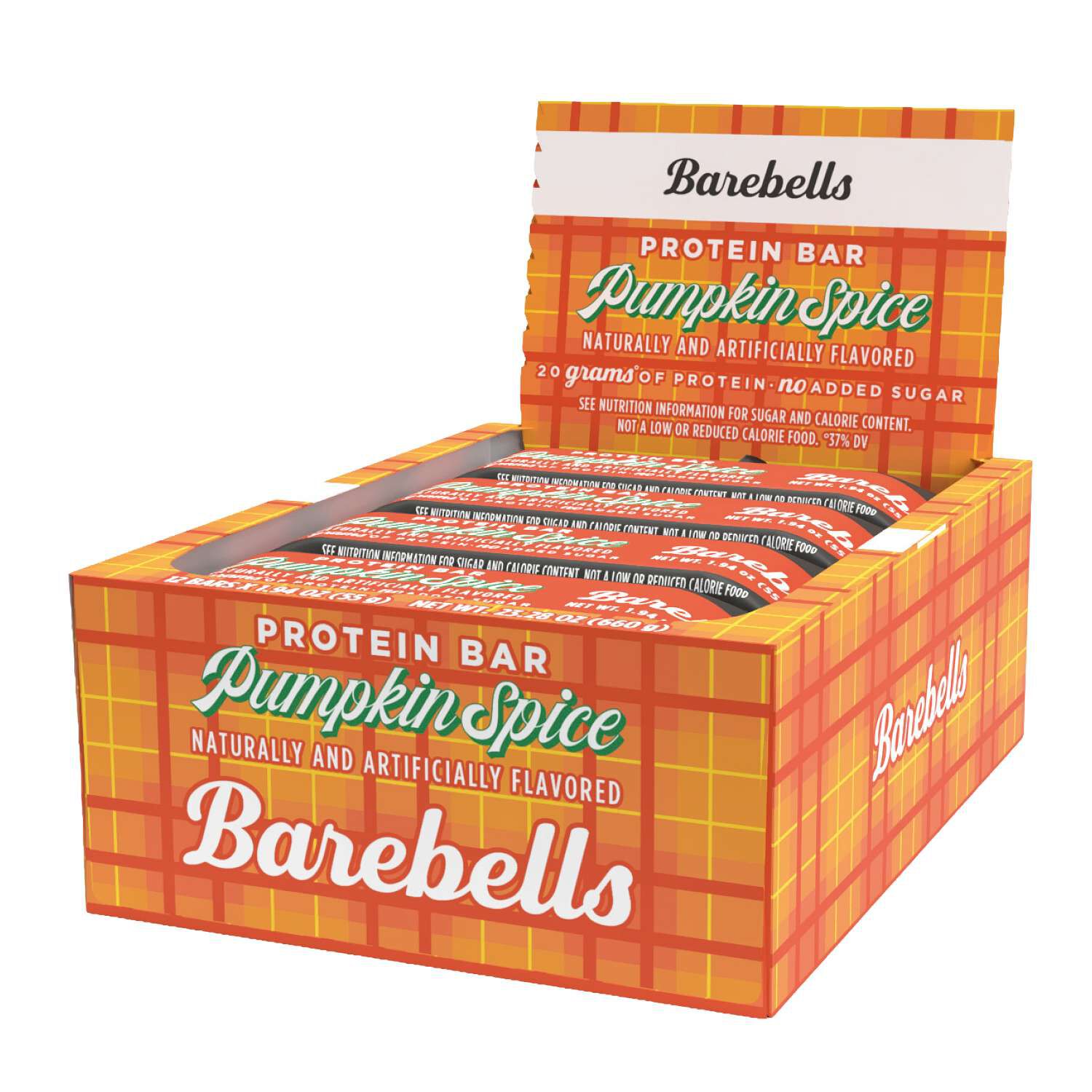
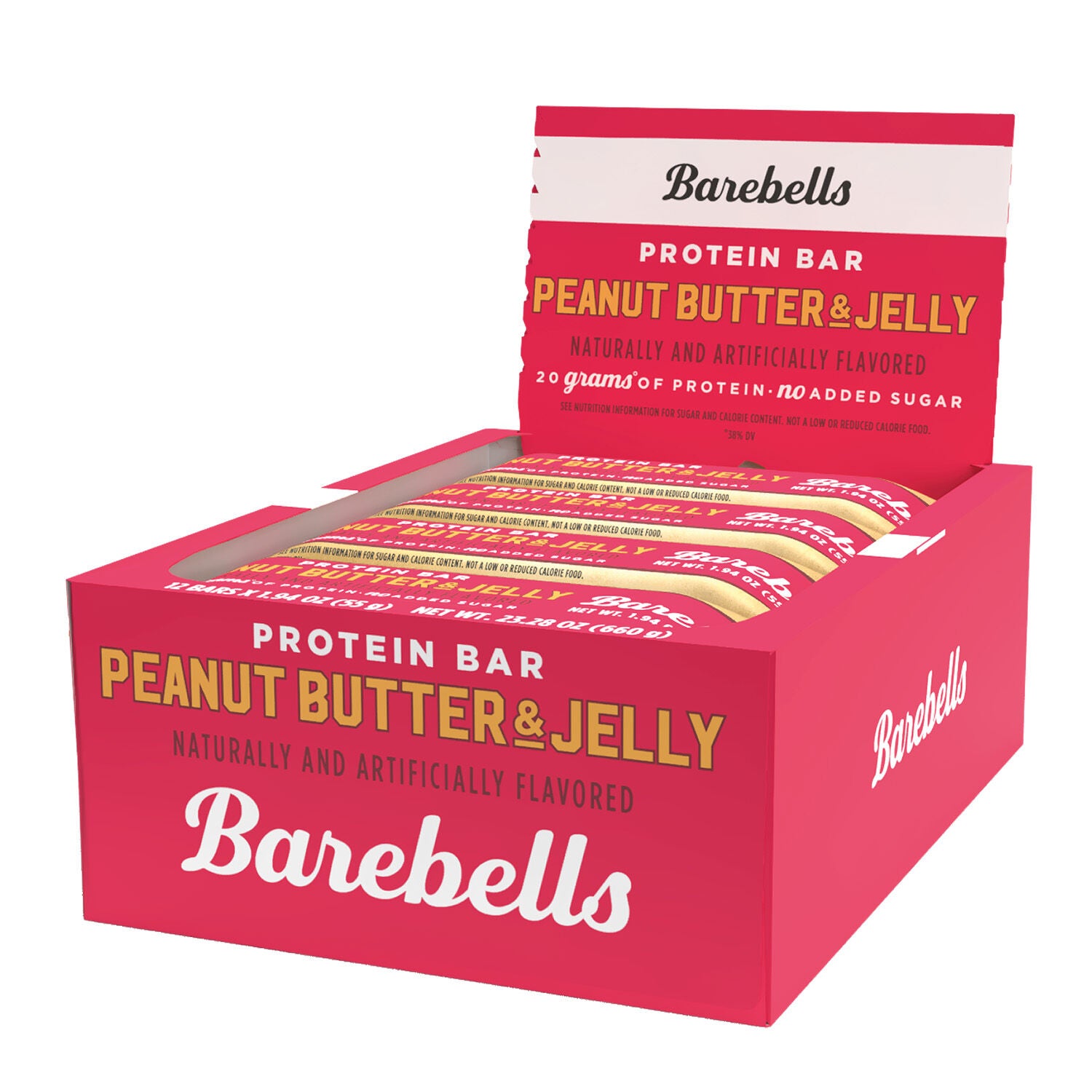

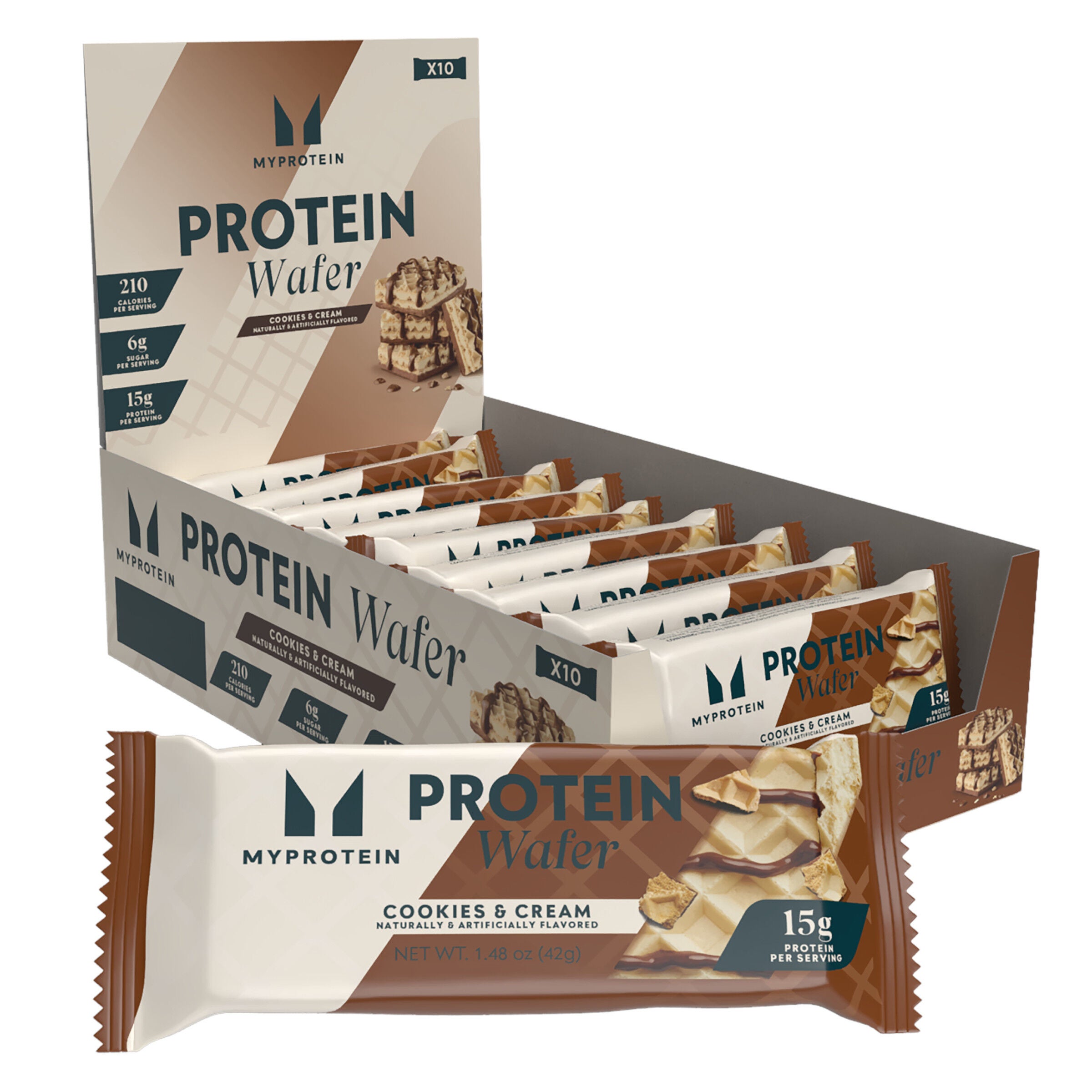
Low calorie protein bars can offer a practical way to keep protein-oriented snacks close at hand without turning every snack into a full meal. Many options in this category provide roughly 130 to 200 calories and about 10 to 20 grams of protein per bar, although nutrition details can vary by recipe, serving size and flavor. When comparing choices, shoppers may want to look at the amount of protein in relation to the calorie count, with 10 to 15 grams of protein per 150 to 200 calories serving as a useful reference point for browsing. Sugar, fiber and ingredient preferences also deserve attention. Some shoppers may prefer bars with 4 grams of sugar or less, while others may choose a recipe sweetened with dates, fruit ingredients or other alternatives. A bar with 3 grams or more of fiber may support a more satisfying snack experience for some people, though individual preferences and dietary needs can differ. Texture can matter just as much as the nutrition panel: crisp layers may suit someone who enjoys a light, crunchy bite, while chewy centers, nuts or soft fruit pieces may appeal to someone who likes a denser snack. Reading the full label can make it easier to compare serving size, protein sources, added sugar, fiber, allergens and ingredients such as milk, soy, peanuts or tree nuts. For plant-based shoppers, bars made with ingredients such as peas, rice, nuts or seeds may fit more naturally into their routine. People avoiding gluten may want to check packaging for a gluten-free statement, and anyone managing a food allergy may wish to review the ingredient list and manufacturer information before making a purchase.
The appeal of low calorie protein bars often comes down to portability and timing. One may fit neatly into a work bag, desk drawer, gym tote, carry-on or car console, giving shoppers a shelf-stable option when a regular meal is still some time away. A bar might work well after a morning walk, alongside fruit during a busy afternoon, or as part of a packed lunch during cooler months when errands and commutes can make mealtimes less predictable. It could also be useful before heading to a class, while traveling between appointments or during a long day outdoors, depending on a person’s eating pattern and preferences. I think of the best snack bars as the ones that are easy to remember and enjoyable to eat: a wrapper opened beside a steaming cup of coffee, a chocolate-and-nut bite shared during a road trip, or a crisp bar tucked into a jacket pocket before a brisk weekend outing. Portion size may make these bars convenient for people who prefer a defined snack rather than measuring ingredients at home. They may also suit shoppers who enjoy keeping several flavors available so a familiar routine does not become repetitive. For gifting, a small assortment could be a thoughtful choice for a student settling into a new schedule, a coworker who spends time on the road, a friend preparing for an active getaway or a family member who appreciates practical pantry items. Mixing textures and flavors may make a gift assortment feel more personal, especially when it includes options that range from chocolate and peanut butter to berry, caramel, coconut or cinnamon-inspired profiles. To preserve quality, shoppers may want to store bars according to package directions and consider how heat, cold and extended time in a vehicle could affect texture.
Choosing among low calorie protein bars becomes simpler when the purchase reflects the person who will actually eat them. Someone who prefers a dessert-like snack might gravitate toward chocolate flavors, layered textures or a coating, while a shopper seeking a lighter-tasting option might enjoy fruit, vanilla, cinnamon or toasted nut notes. Those who follow a plant-based eating pattern may look for a clearly identified plant protein source, and shoppers with dietary preferences may compare labels for gluten, dairy, soy, peanuts and tree nuts. Fiber content can be another point of comparison, particularly for people who prefer a bar with a heartier texture, while sugar and sweetener details may matter to anyone who likes a less-sweet flavor profile. Bars with around 15 to 20 grams of protein may appeal to shoppers looking for a more substantial snack, whereas options with approximately 10 to 12 grams may suit a lighter occasion. A bar does not need to replace a meal to earn a place in a routine; it may simply add convenience between meals or provide an easy item to pack alongside other foods. Pairing one with water, coffee, fruit or yogurt could create a more varied snack, depending on personal taste and dietary preferences. Shoppers interested in browsing a broader range of flavors, textures and ingredient profiles may also explore Healthy Protein Bars. With the right combination of protein, calories, fiber, flavor and portability, a low calorie protein bar could become a dependable part of a desk drawer, pantry shelf or travel bag throughout the changing seasons.
Best Sellers
-
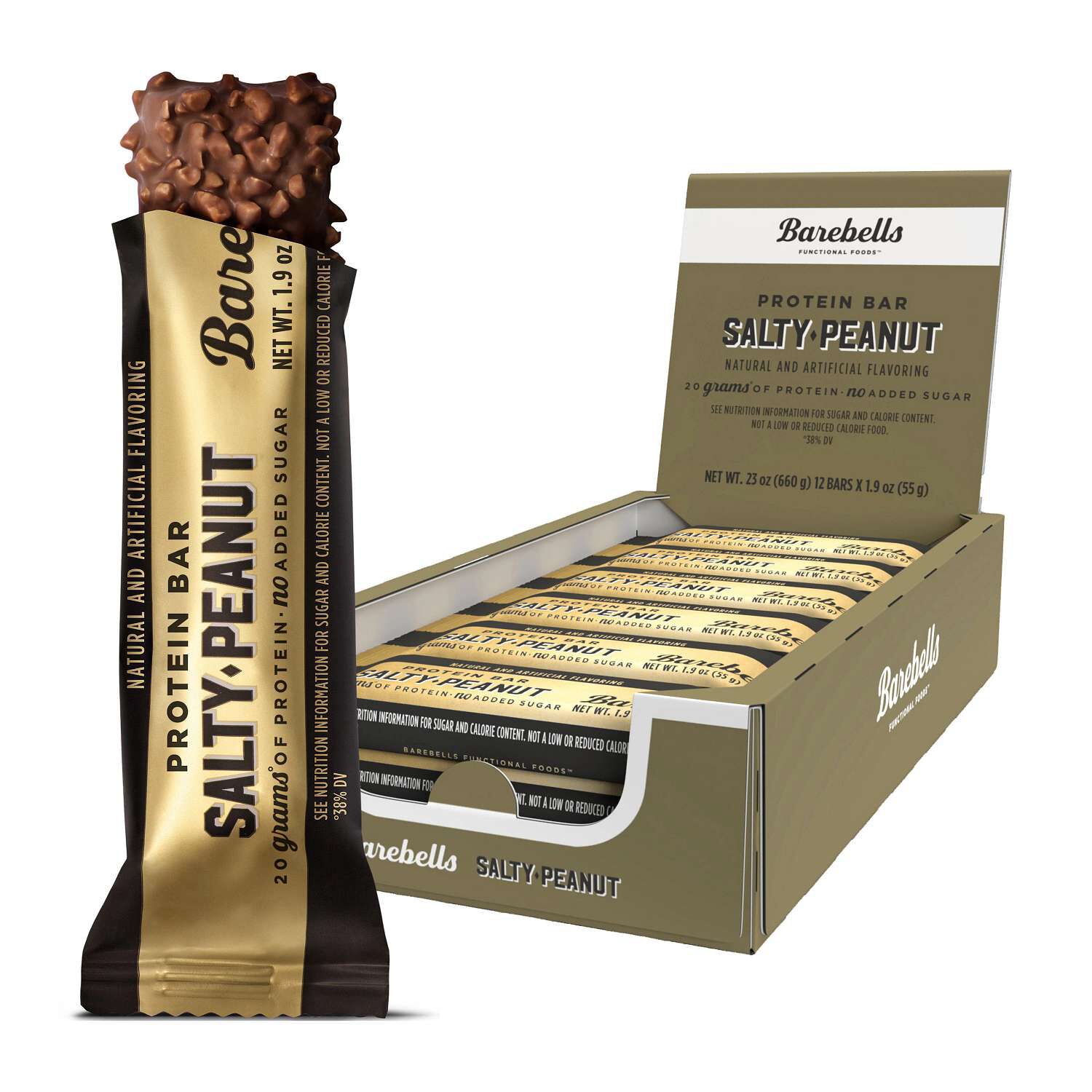 Barebells
 -
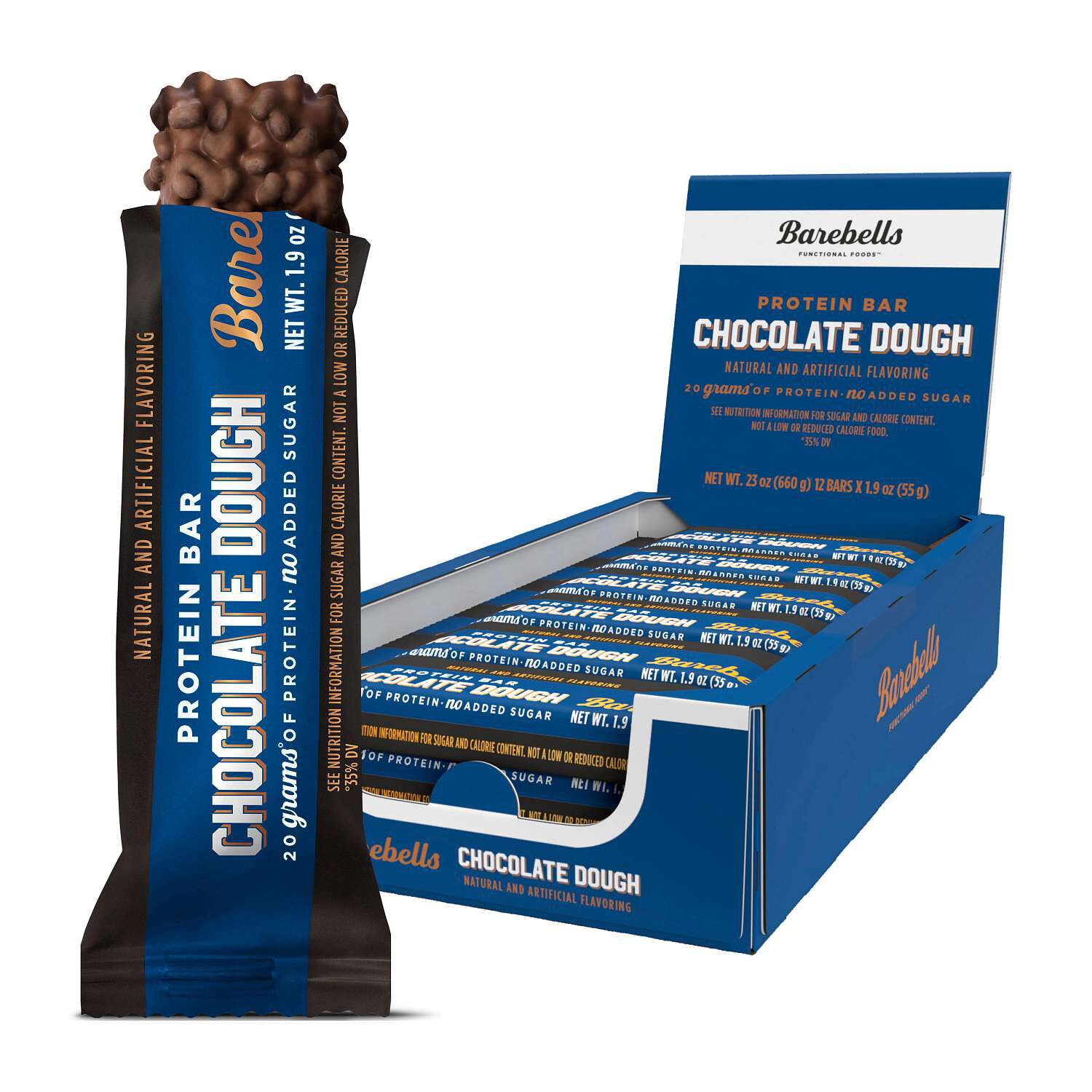 Barebells
 -
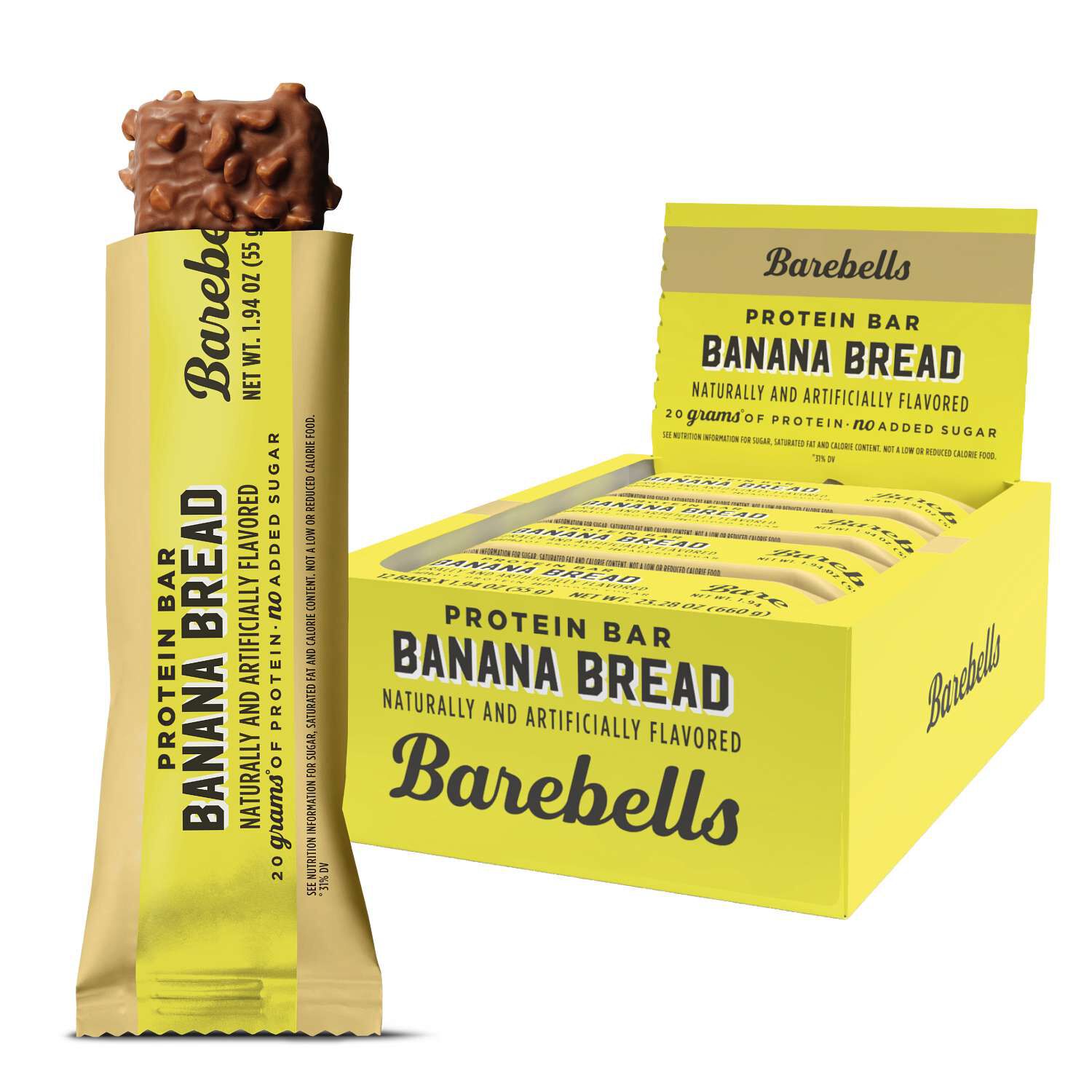 Barebells
 -
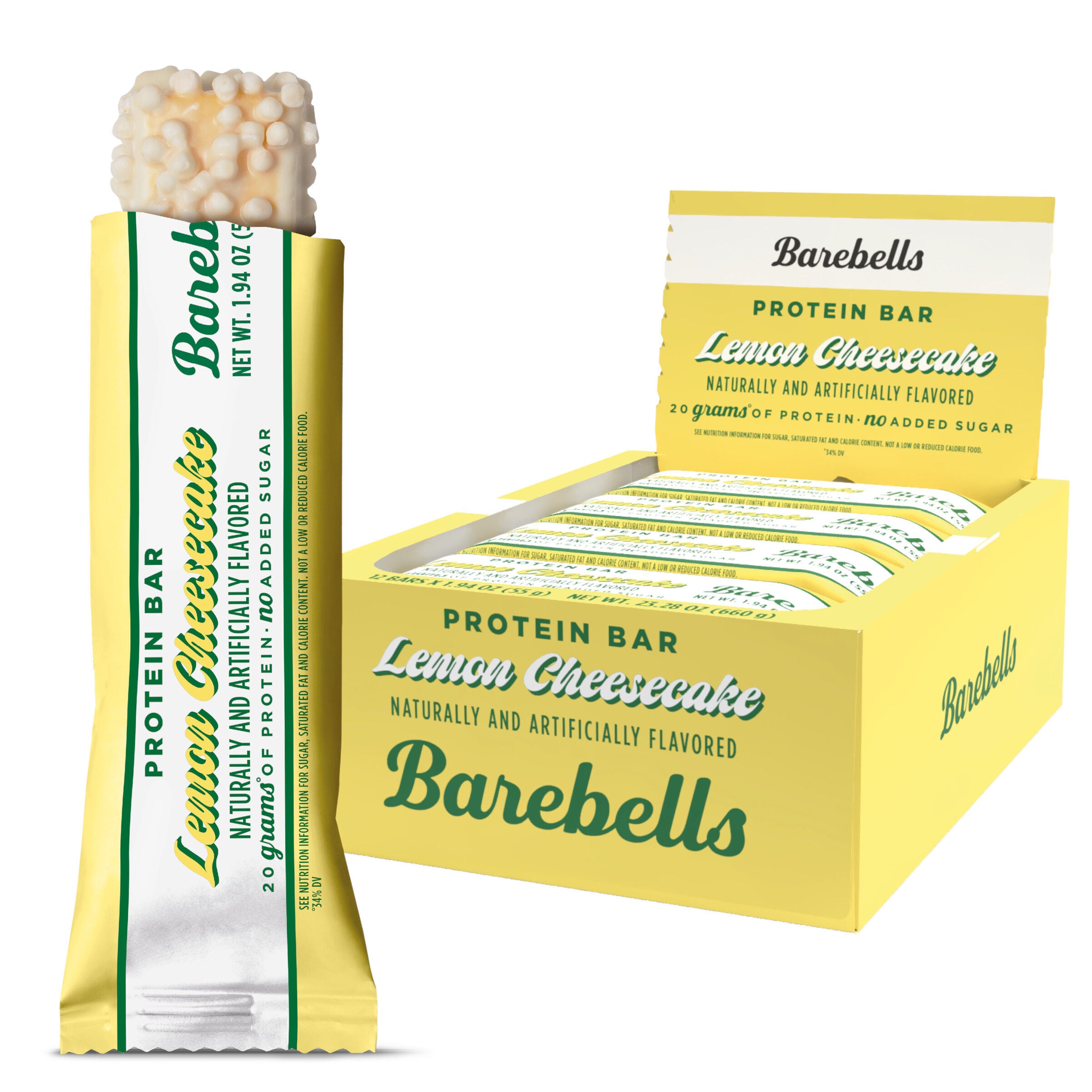 Barebells