





Low Carb Protein Bars
(0 Results)
Looking to fuel your body with a convenient and delicious snack that won't derail your low-carb diet? Our selection of low carb protein bars is here to satisfy your cravings while keeping your nutrition goals on track. Packed with high-quality protein and minimal carbs, these bars are perfect for a quick post-workout refuel, an on-the-go energy boost, or a guilt-free sweet treat. With a variety of flavors and textures to choose from, you're sure to find a low carb protein bar that fits your taste preferences and dietary needs.
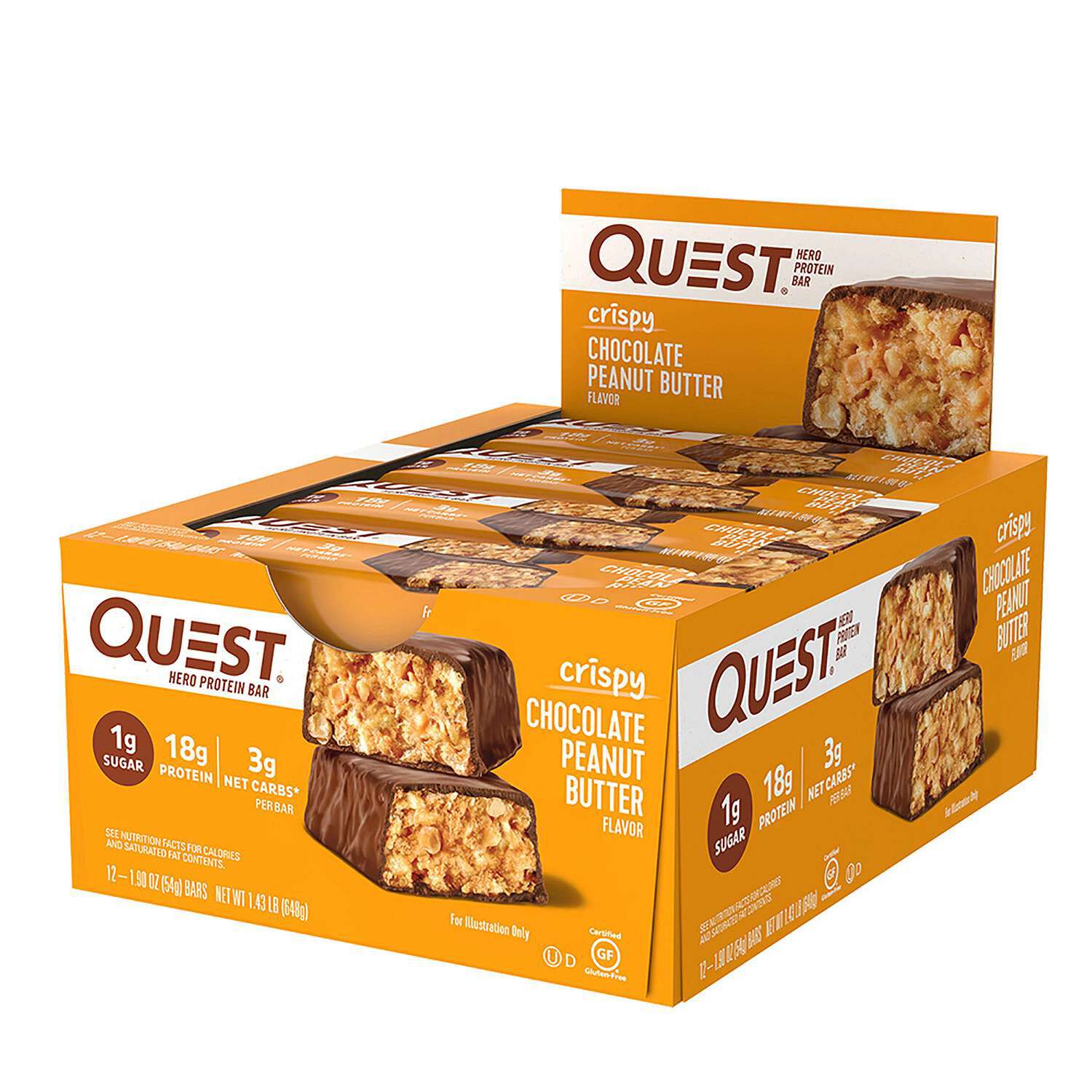
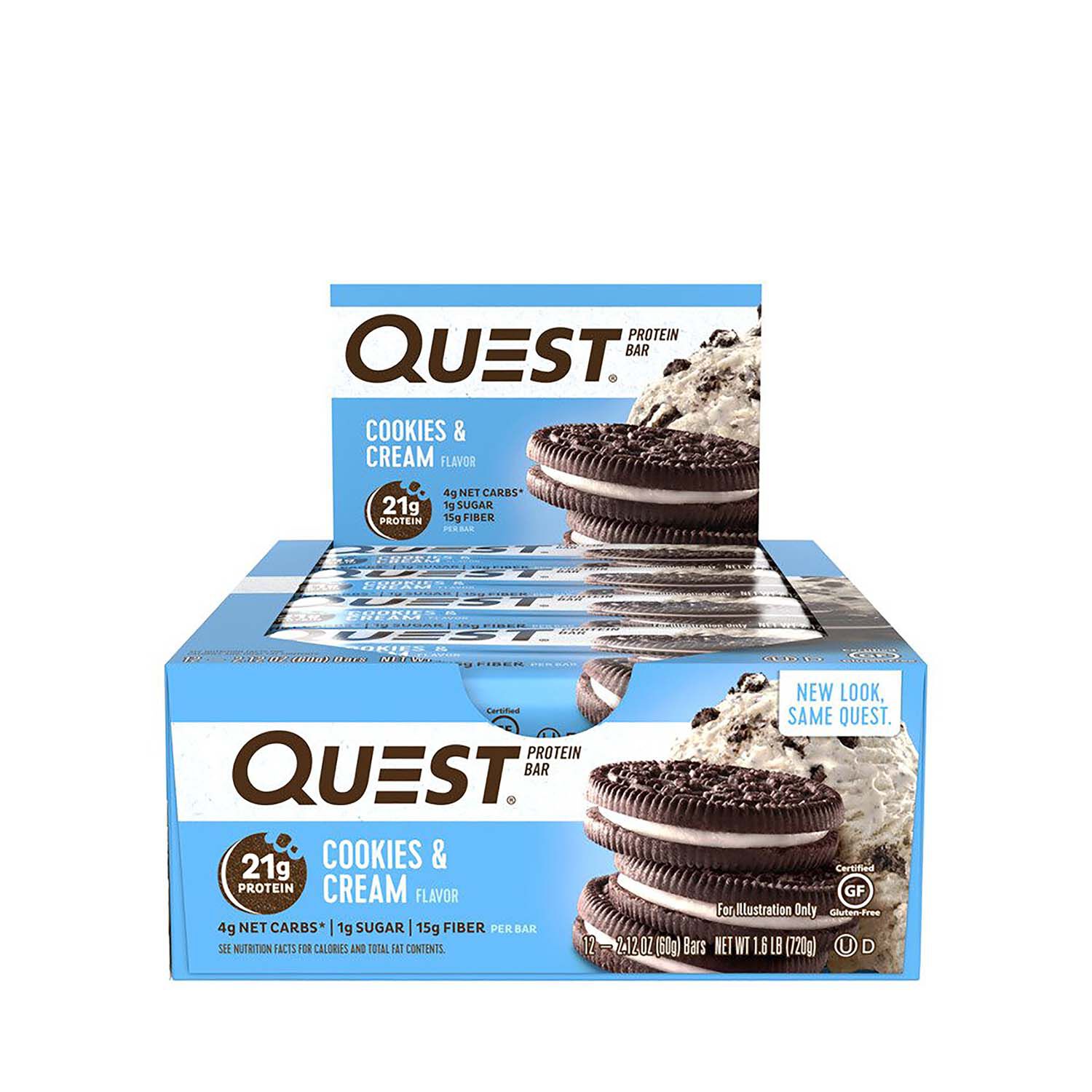

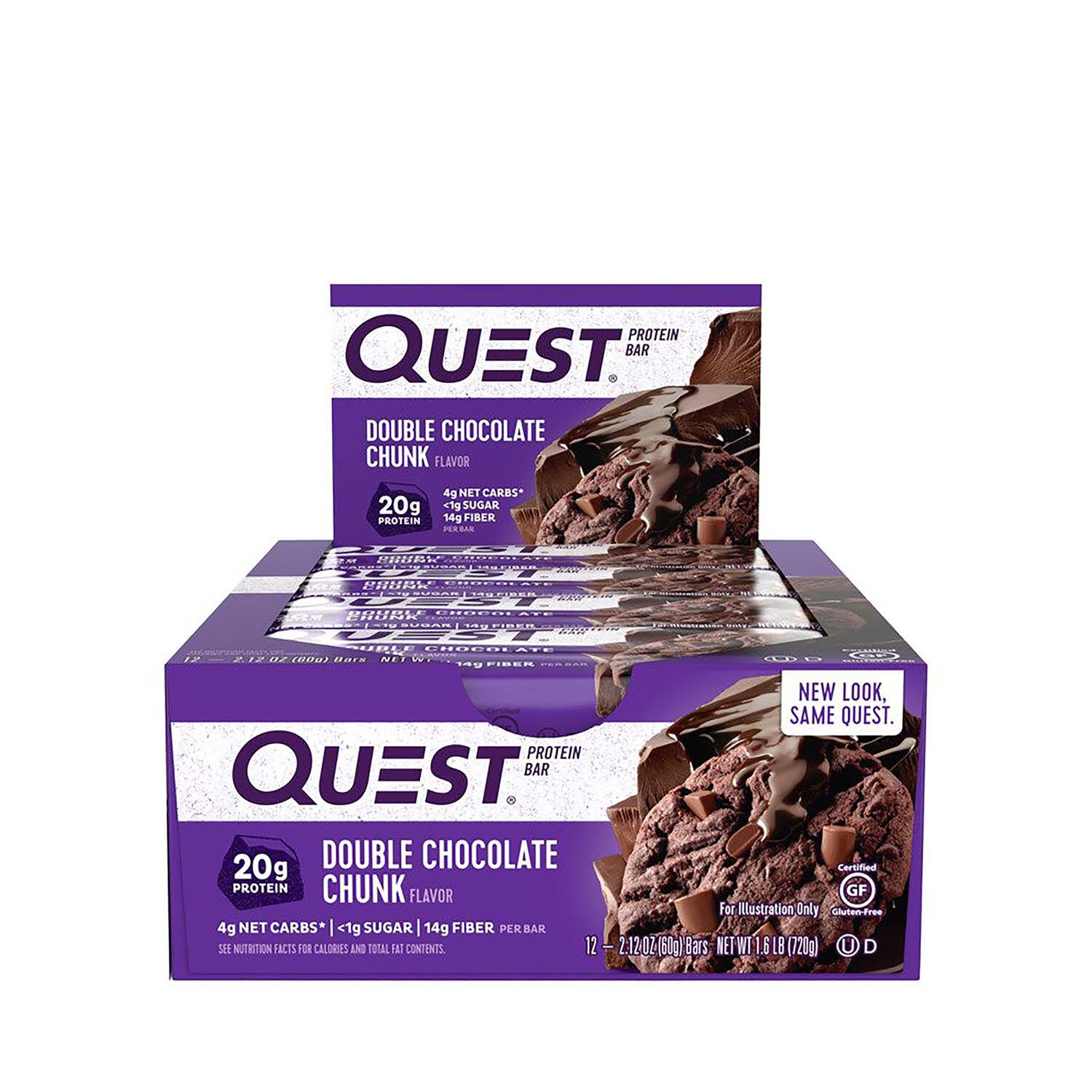

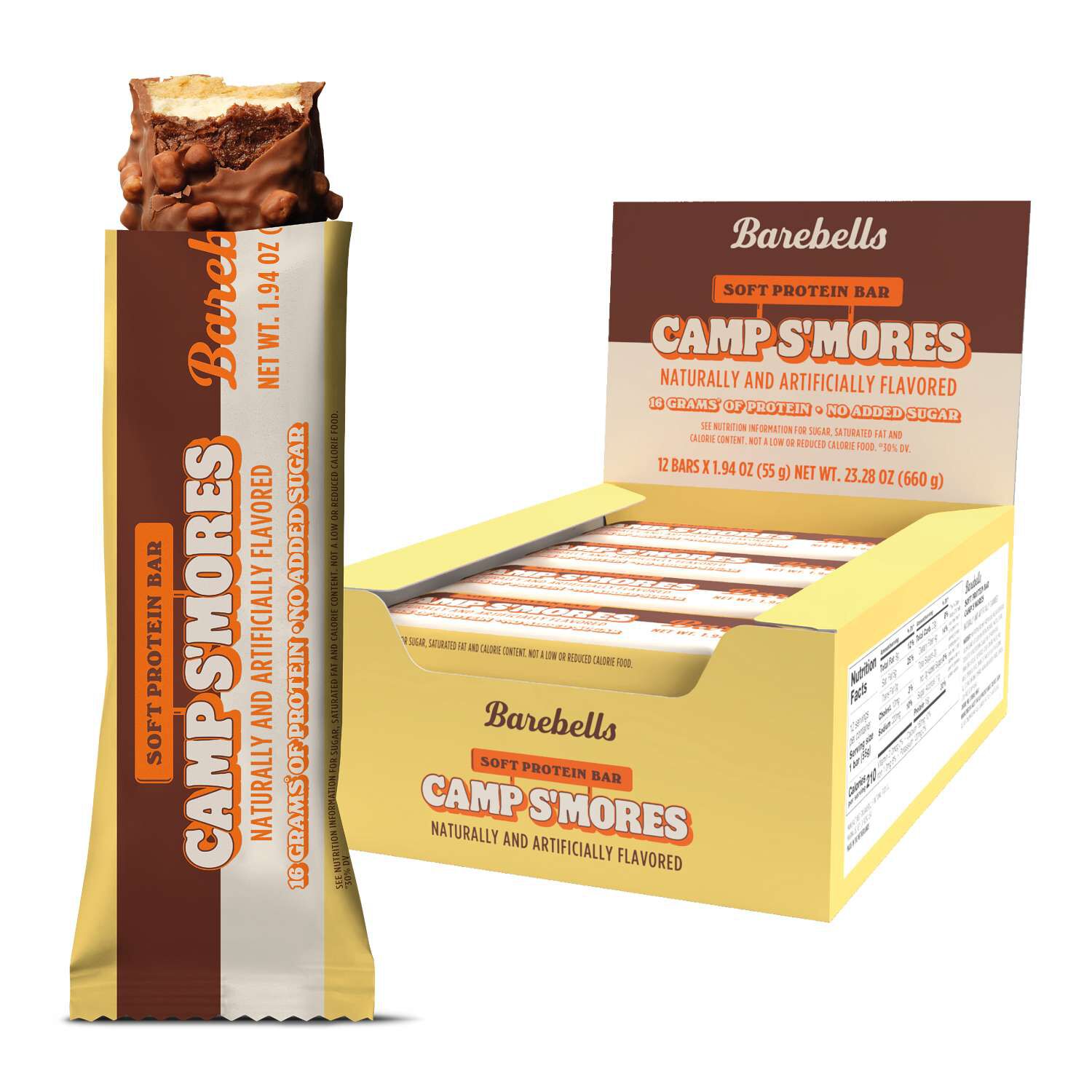
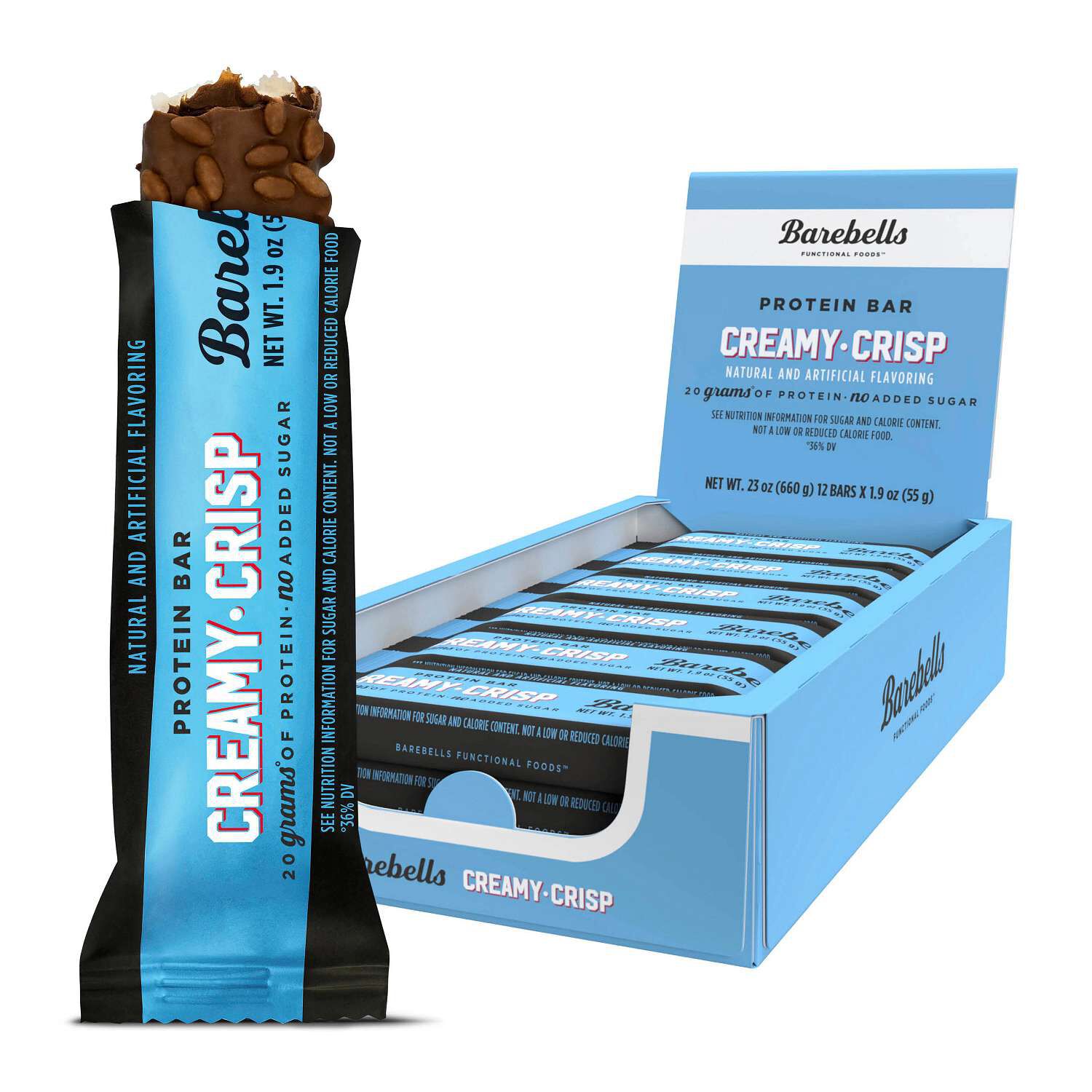


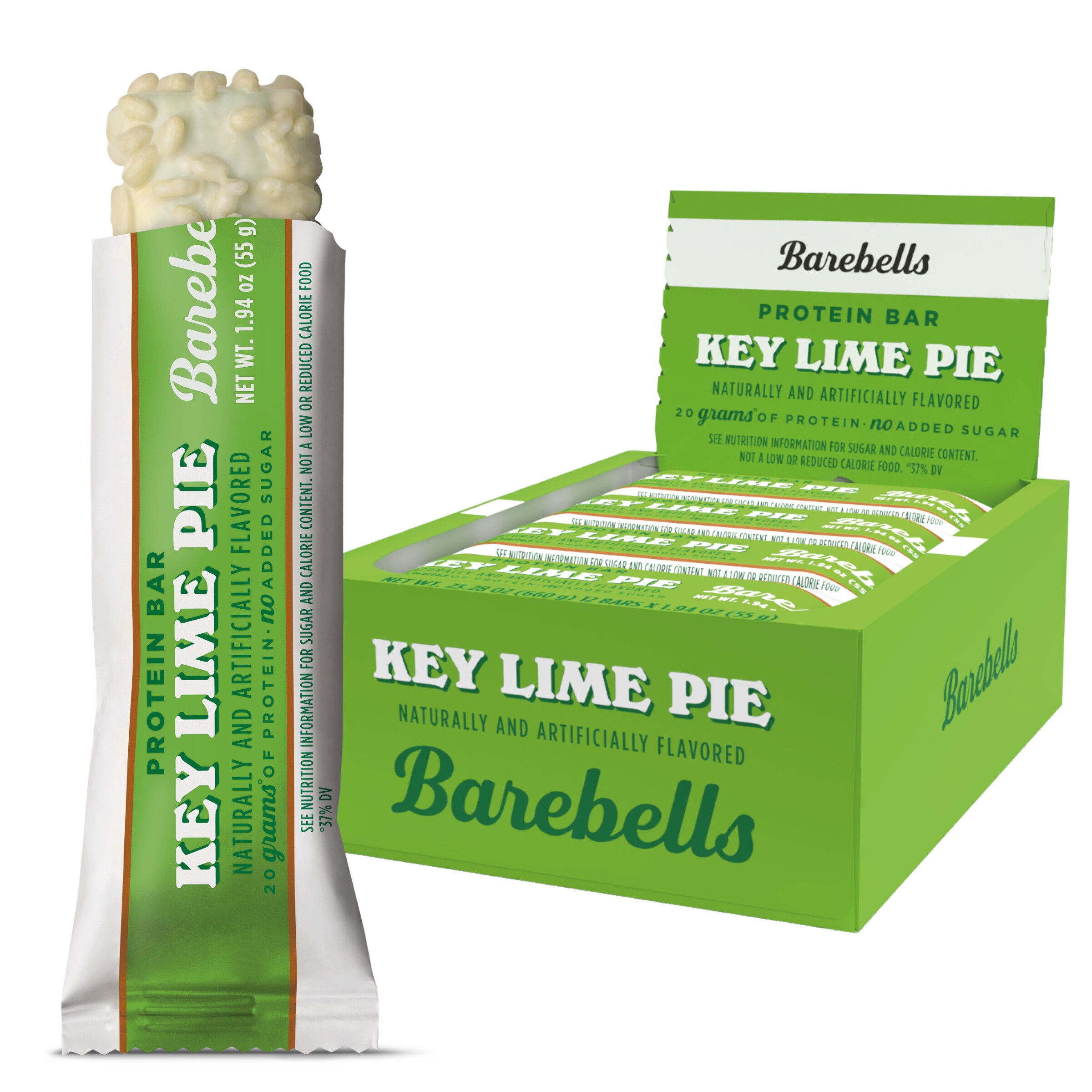
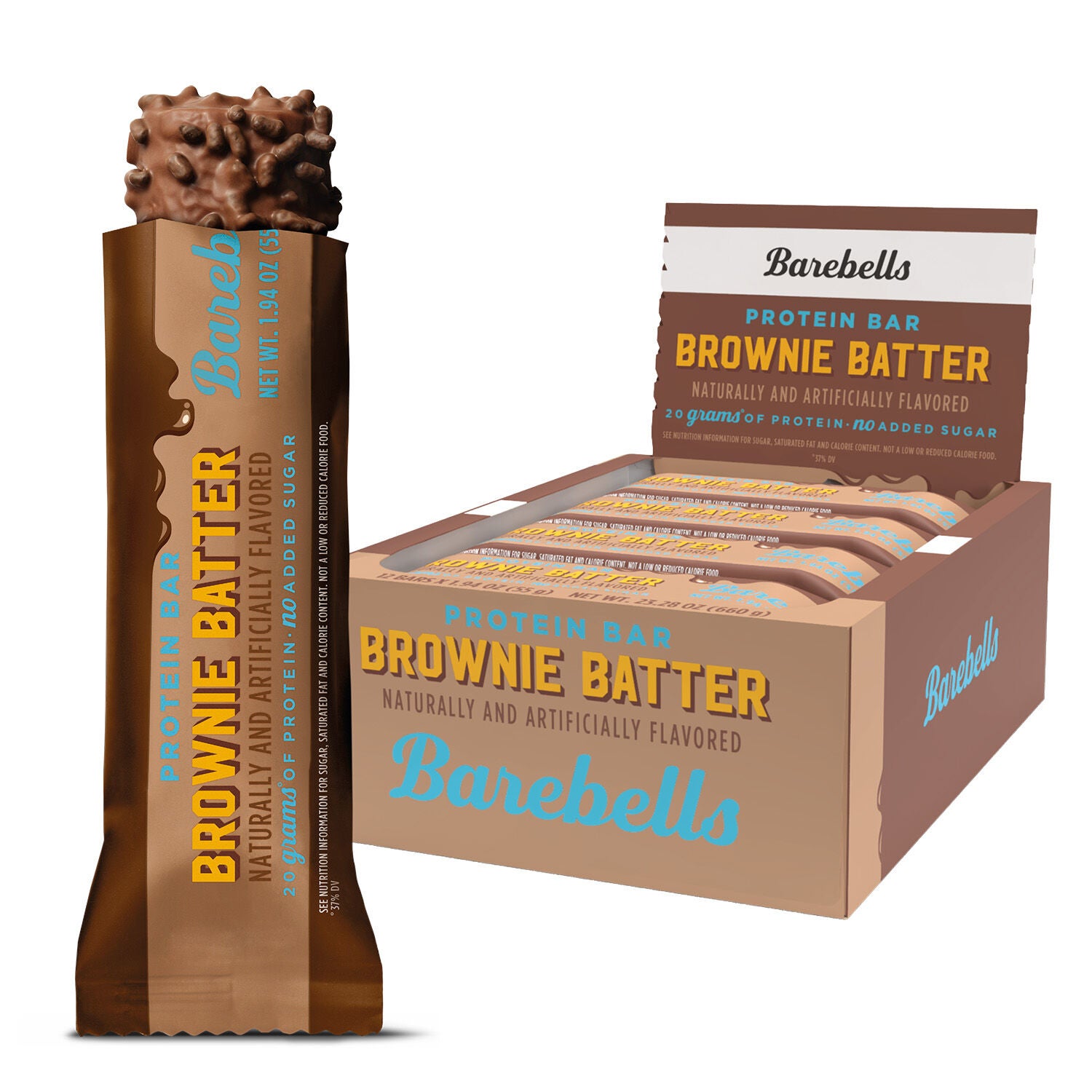
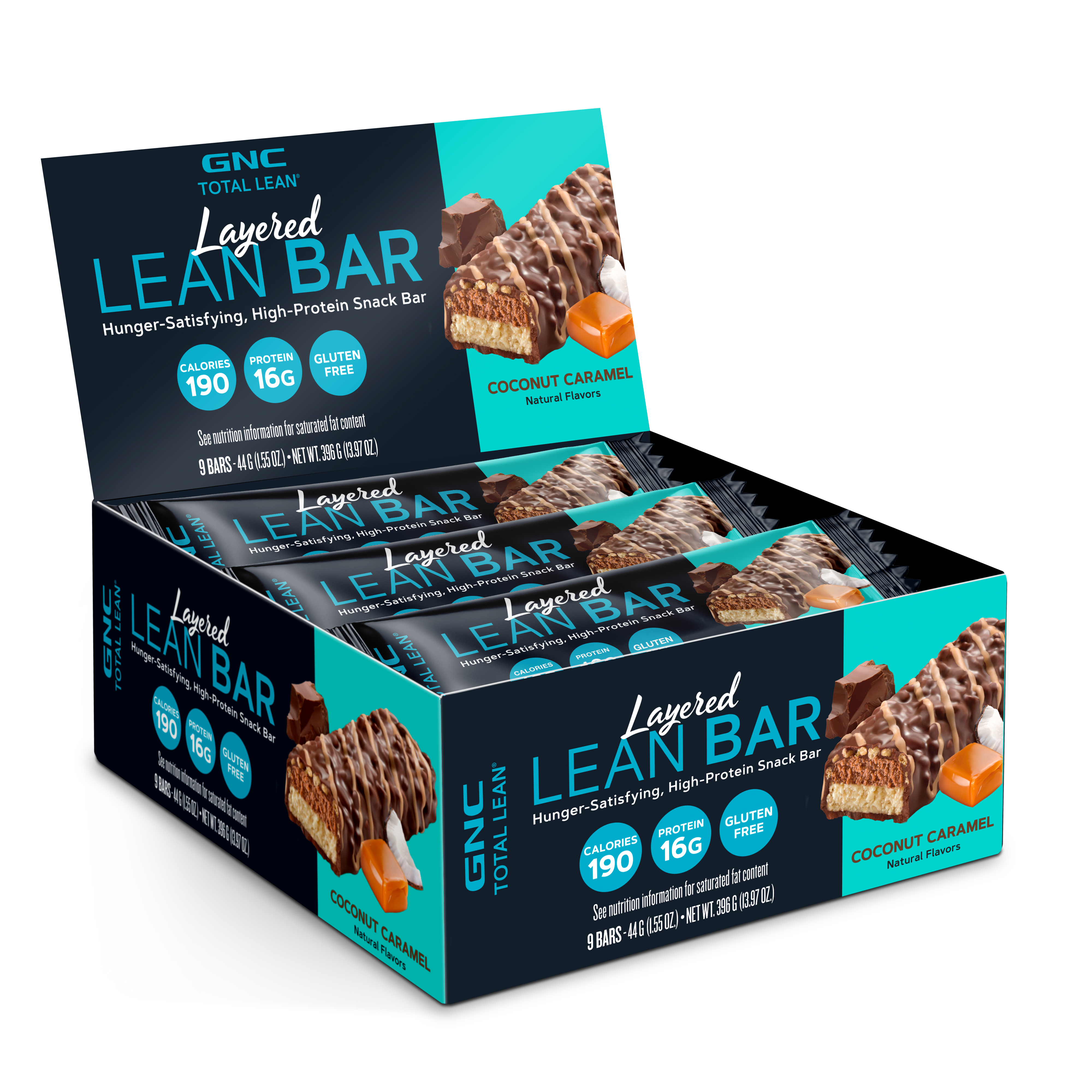
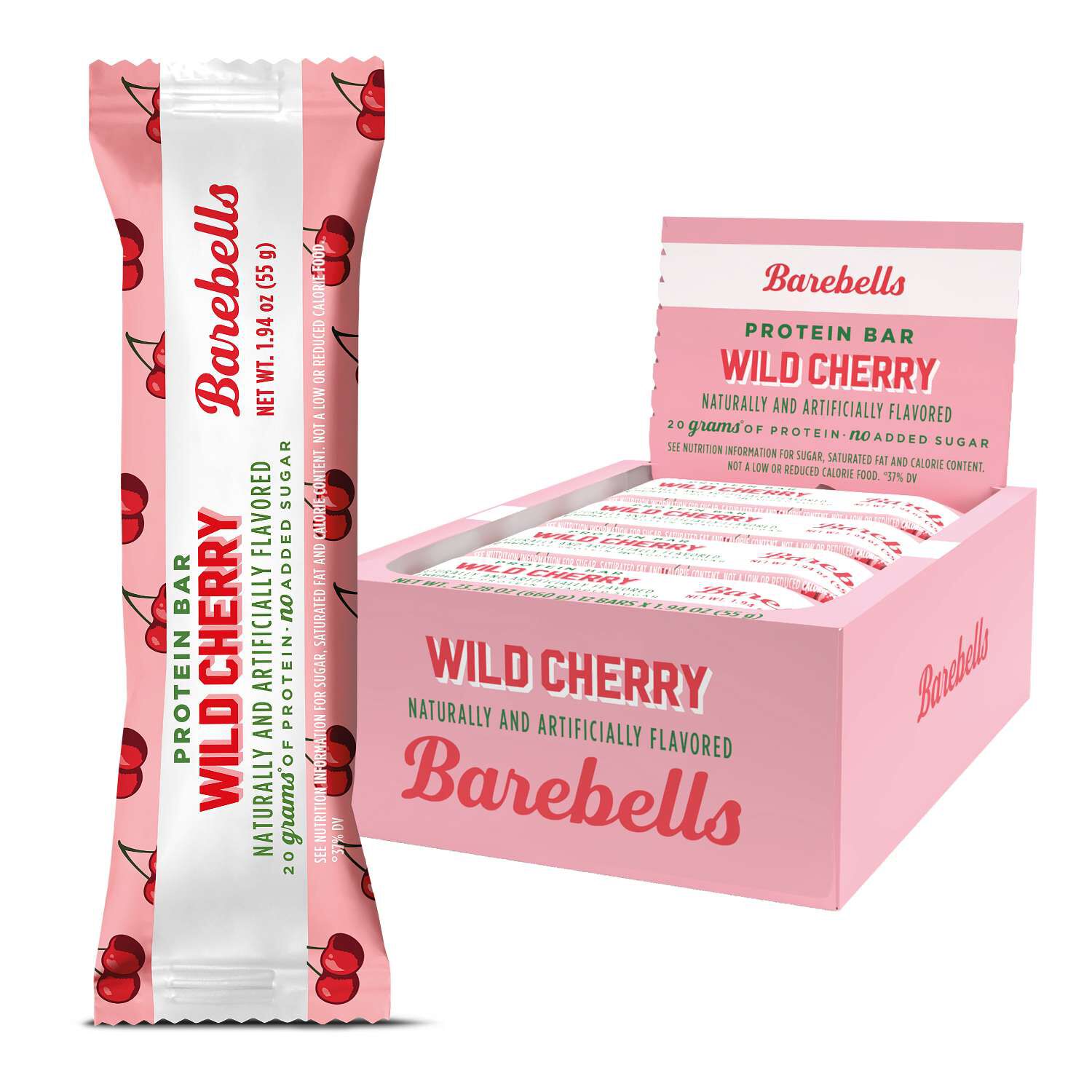
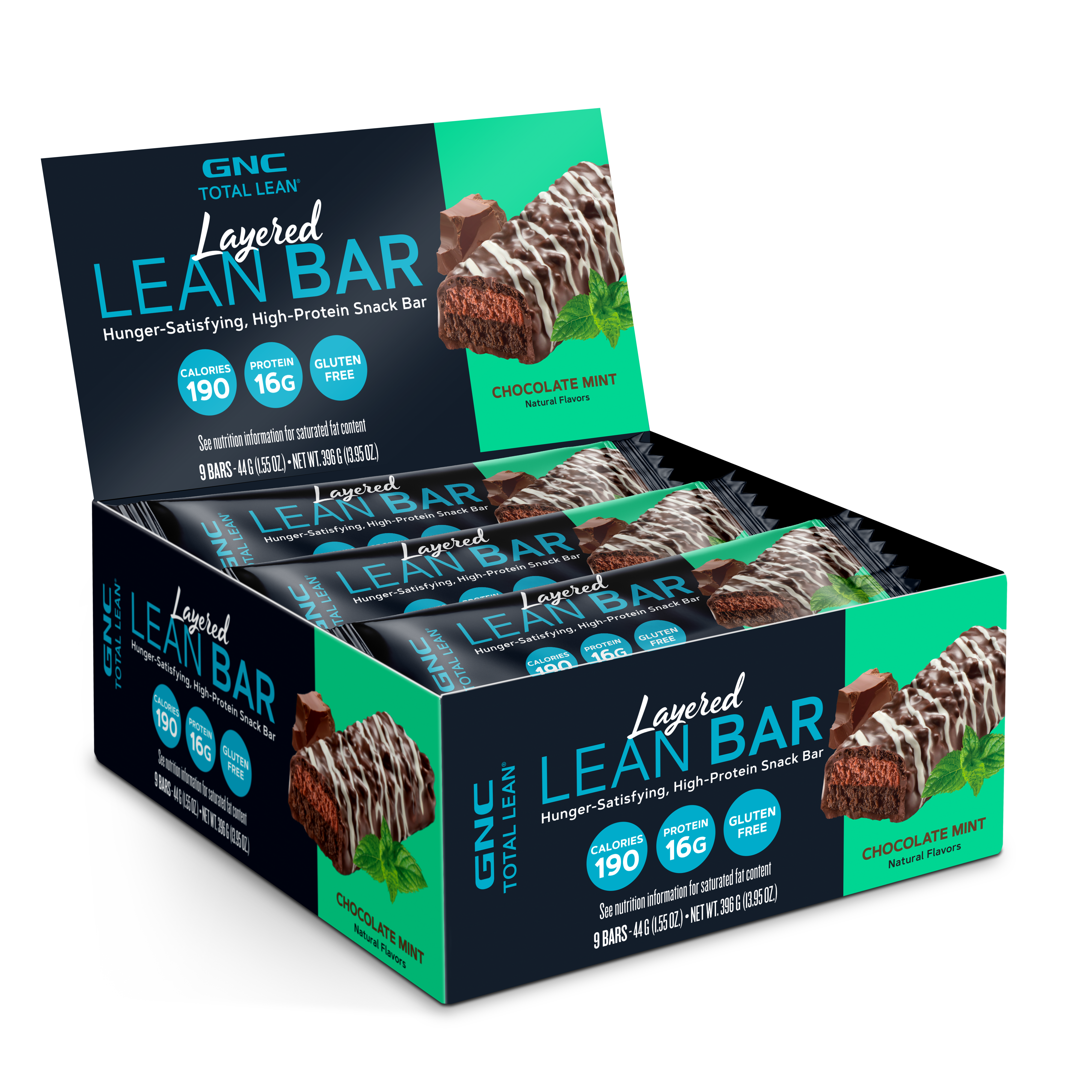
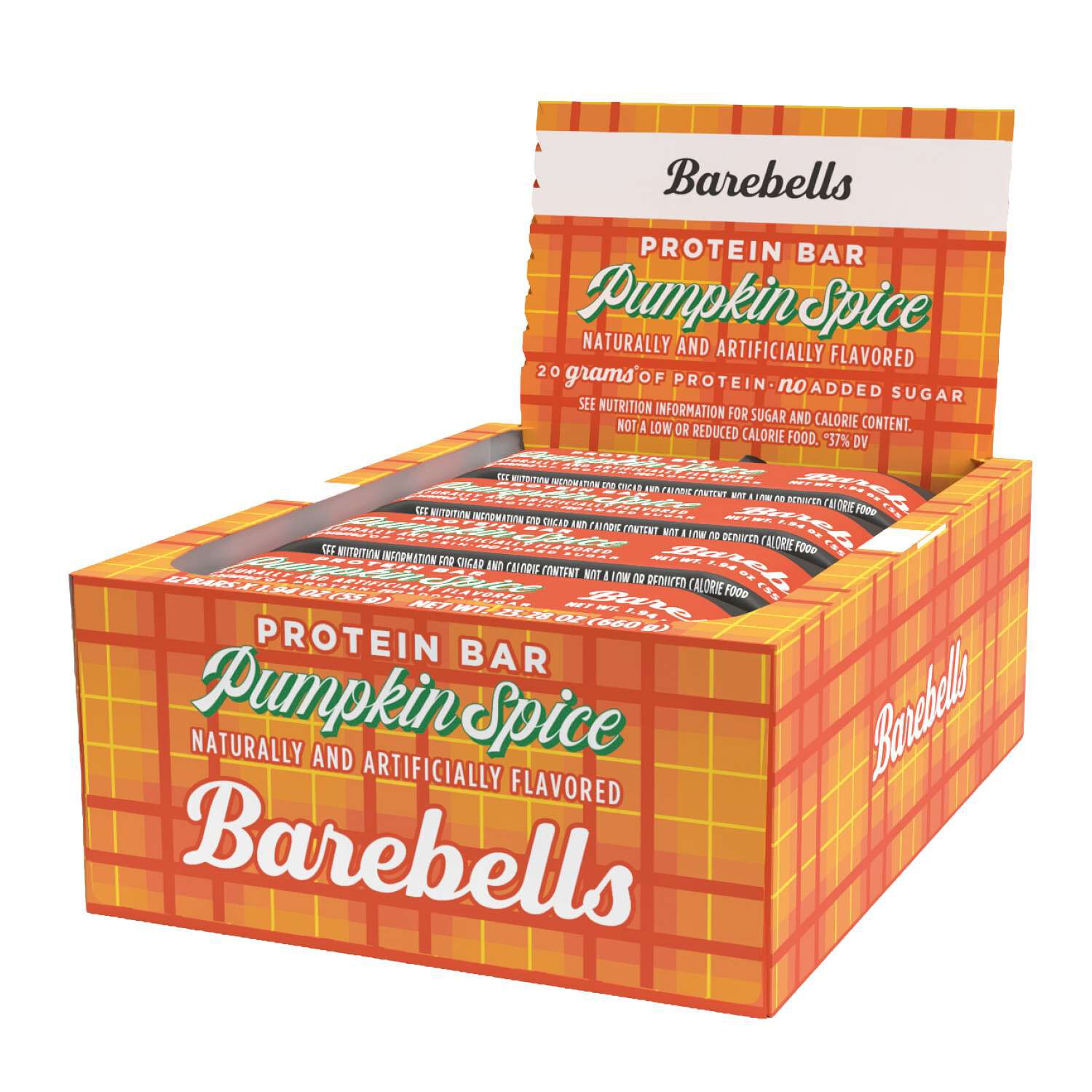
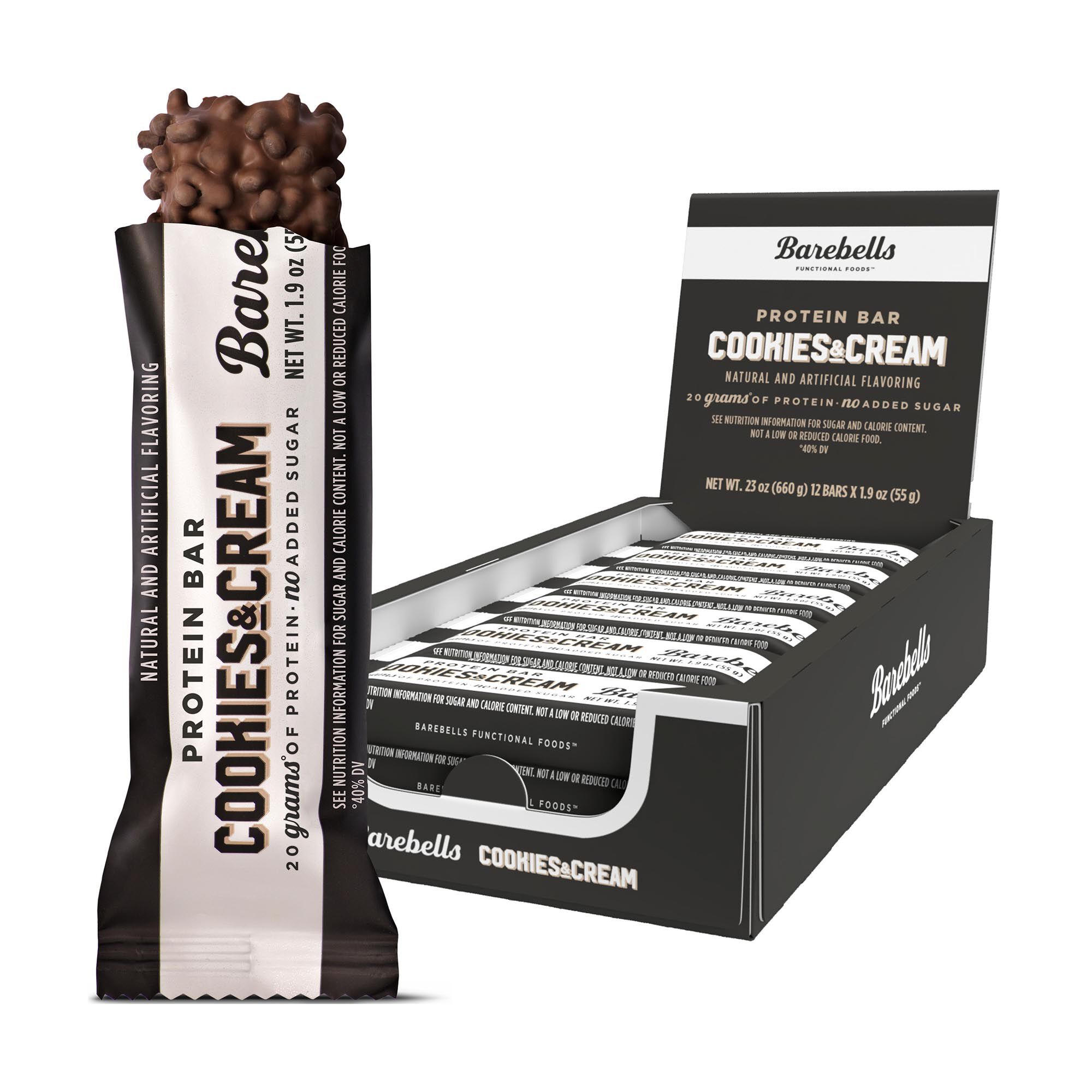
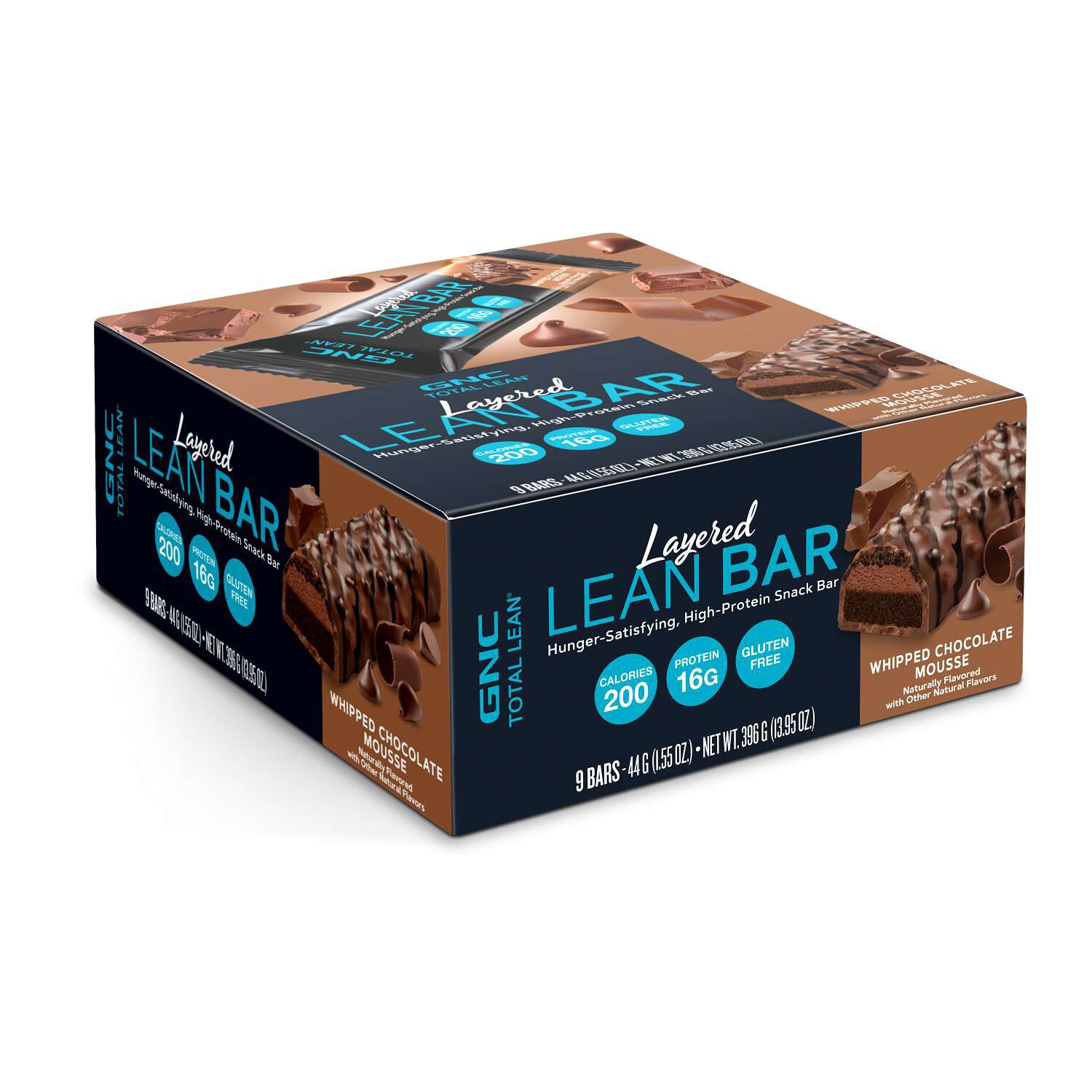

Low carb protein bars are packaged snacks made with protein-rich ingredients and a carbohydrate profile designed for shoppers who prefer fewer carbs. They pair the convenience of an individually wrapped bar with flavors and textures that range from chewy chocolate and roasted peanut to crisp vanilla and tangy fruit. The category includes different recipes, protein sources, and approaches to sweetening, so the front label is only part of the picture. There is no single carbohydrate amount that defines every low carb protein bar, and bars with similar descriptions can differ in serving size, protein content, fiber, sugars, and calories. A useful comparison starts with the Nutrition Facts panel and the weight of each bar rather than the package’s largest callout. Net carbs also deserve a closer look: this figure generally represents carbohydrates remaining after fiber and certain sugar alcohols are subtracted, but calculation methods can vary. Reading the stated calculation alongside the carbohydrate information on the label gives the number more context. A low sugar protein bar is not automatically low in carbohydrates, since ingredients other than sugar also contribute carbs. Likewise, a bar described as keto does not necessarily match every shopper’s preferred carbohydrate allowance. For someone tracking carbohydrates, the distinction between the label’s carbohydrate grams and its advertised net carbs may matter more than a dessert-inspired flavor name. Protein grams are another useful point of comparison, particularly when considered alongside portion size. A larger bar can contain more protein simply because it contains more food, while a smaller bar may suit a brief afternoon break. Calories, fat, and fiber add further context without making one formula the right choice for everyone. Intended use matters here: a bar tucked into a work bag for the commute serves a different purpose from a snack packed alongside lunch or reserved for after a workout. Low carb protein bars may fit those everyday moments when a wrapped, portioned snack is more practical than something that needs a bowl, utensils, or preparation.
Ingredients shape the experience as much as the nutrition panel does. Whey and milk proteins are common in dairy-based recipes, while soy, pea, and other plant proteins appear in plant-based bars. Some recipes combine protein sources, and others incorporate collagen, so checking the ingredient list is worthwhile when the source matters to personal preferences. A plant protein ingredient alone does not establish that the whole bar is vegan; coatings, flavor components, and other ingredients also need to match that preference. Nuts, nut butters, seeds, and oils contribute richness and texture, while added fibers can change the chew and density. Sweeteners vary, too. Some bars use sugar alcohols, some use stevia or monk fruit, and others combine several sweetening ingredients with a small amount of sugar. Those choices can affect the flavor finish, including whether a bar tastes especially sweet or has a noticeable cooling sensation. Shoppers who already know which ingredients they enjoy can use that familiarity to narrow their choices. Texture is worth equal attention because “protein bar” covers several distinct eating experiences. A dense, chewy center can resemble nougat, a layered bar can combine a crisp interior with a smooth coating, and a softer baked-style bar can have a finer, more crumbly bite. Chocolate chunks, chopped nuts, and crisp pieces add contrast, while a smooth filling creates a different feel from a uniform dough-like center. Someone who enjoys a candy-style snack may prefer a coated format; someone eating at a keyboard may favor a less crumbly bar without a loose topping. Flavor names offer a starting point, but the ingredients often reveal whether peanut butter, cocoa, fruit, or sweetener will be most prominent. For shared households or workplaces, review the allergen statement and any manufacturing advisory rather than assuming that a flavor name tells the whole story. Milk, soy, peanuts, tree nuts, wheat, and eggs can appear in this category. Individually wrapped portions keep that ingredient information close at hand, which is useful when packing a snack for another person.
The most practical low carb protein bar is one that suits both the eating occasion and the preferences of the person carrying it. An office worker may want a familiar chocolate or nut flavor for a desk drawer, while a commuter may prefer a compact bar that slips into a small bag without competing with keys and a phone. A student heading between classes may value a wrapper that is easy to open and a texture that does not scatter crumbs across a notebook. For a gym bag, a sturdy container can protect a bar from being flattened beneath shoes or a water bottle. Packaging matters beyond convenience: an intact wrapper helps protect the bar during everyday handling, and the printed date and storage directions provide a better reference than appearance alone. Keep bars in their original packaging until needed, follow the manufacturer’s storage instructions, and avoid placing them beneath heavy objects. Once opened, use the package directions for handling any remaining portion. When selecting bars for a care package or a small snack assortment, familiar flavors and clearly readable ingredient labels may be more useful than an unusual recipe chosen only for its nutrition numbers. A few complementary textures can add variety without requiring a different snack format for every occasion. Carbohydrates are only one consideration, however, and a lower-carb recipe can still contain substantial calories from nuts, oils, or coatings. Shoppers comparing both carbohydrate content and portion energy may also find Low Calorie Protein Bars relevant, while keeping in mind that low calorie and low carb describe different characteristics. Comparing bars by serving size, protein source, carbohydrate information, sweeteners, and texture creates a clearer picture than relying on a single front-label number. The final choice can stay grounded in ordinary details: whether the flavor is enjoyable, whether the portion suits the occasion, whether the ingredients match personal preferences, and whether the bar travels well in the bag or lunch container where it will actually be kept.
Best Sellers
-
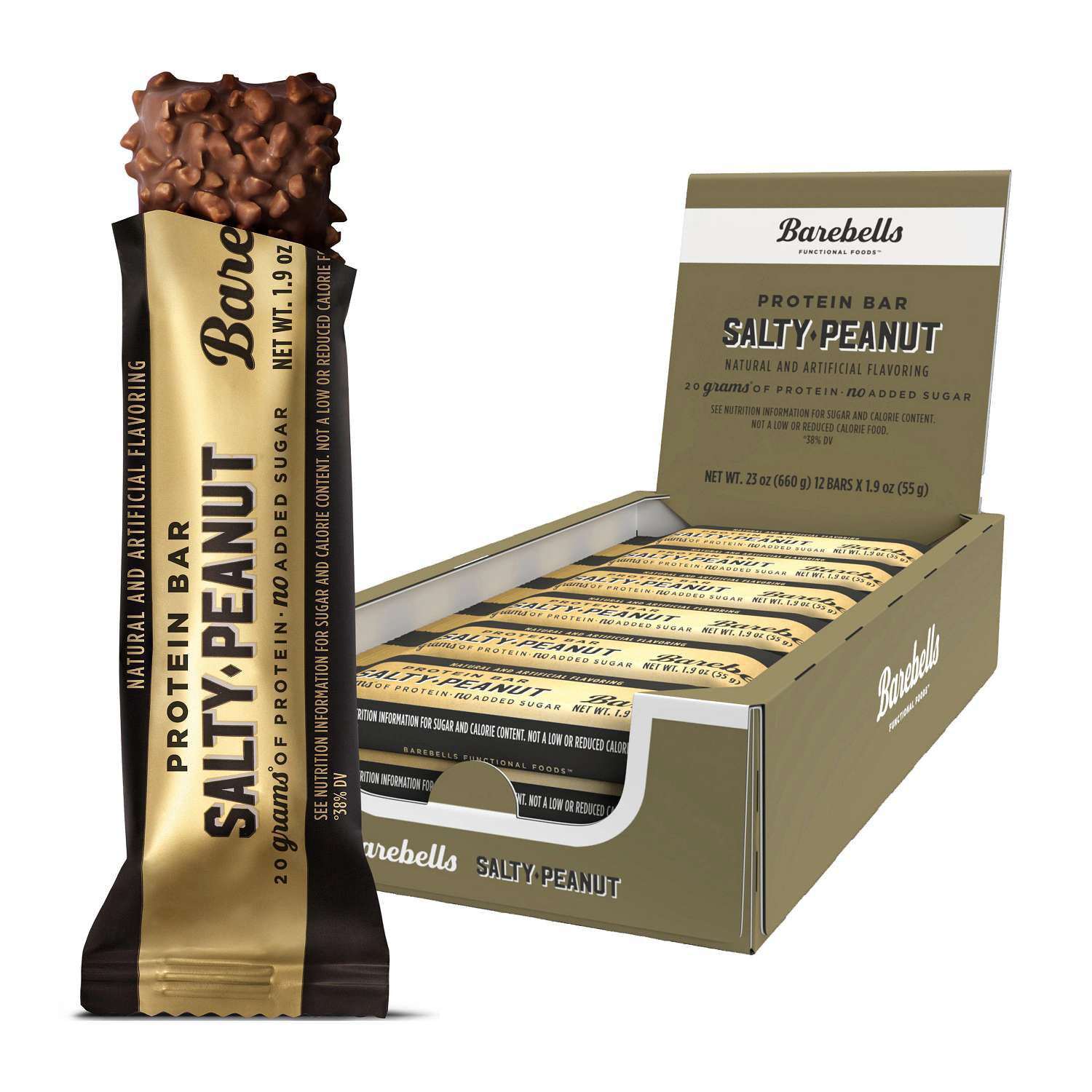 Barebells
-
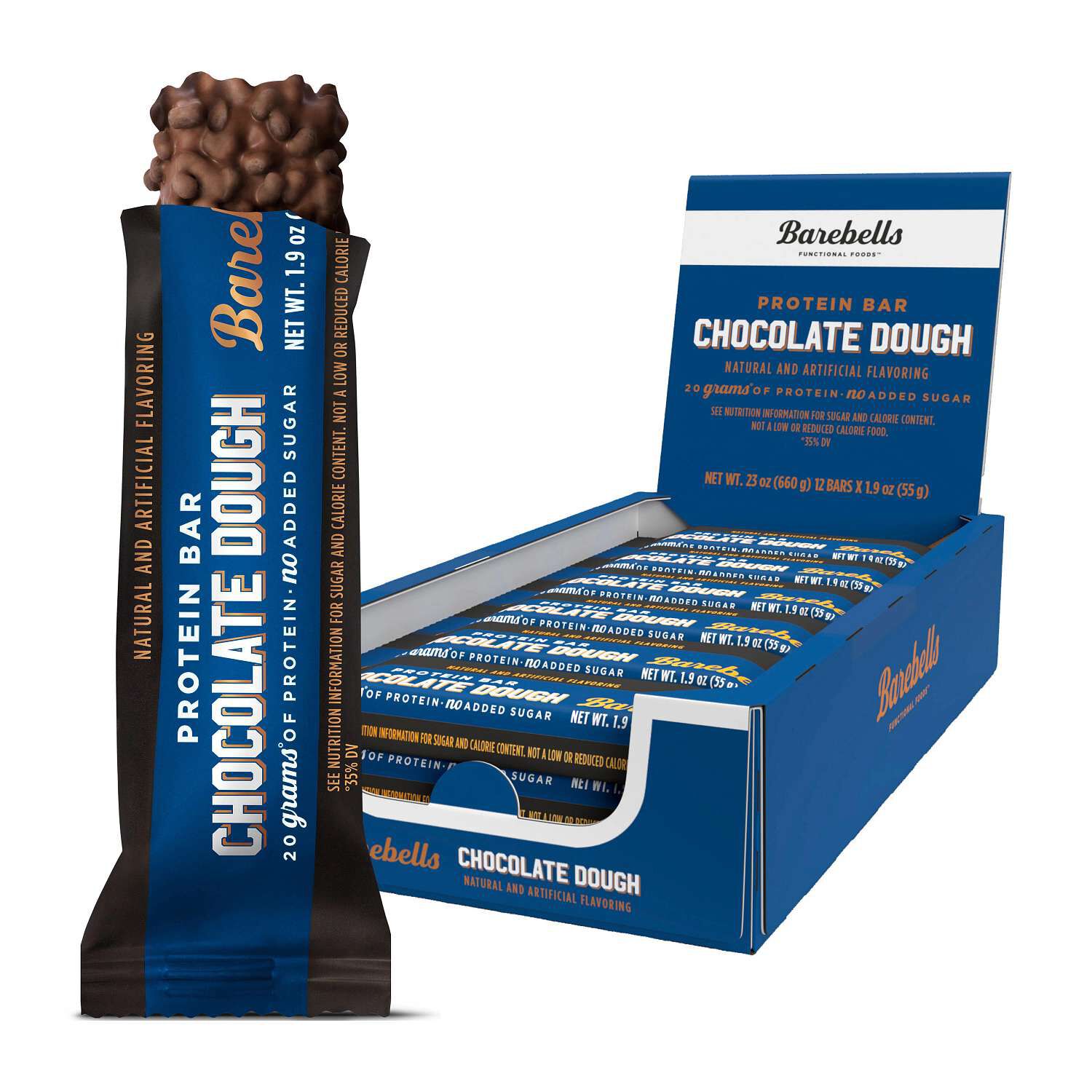 Barebells
-
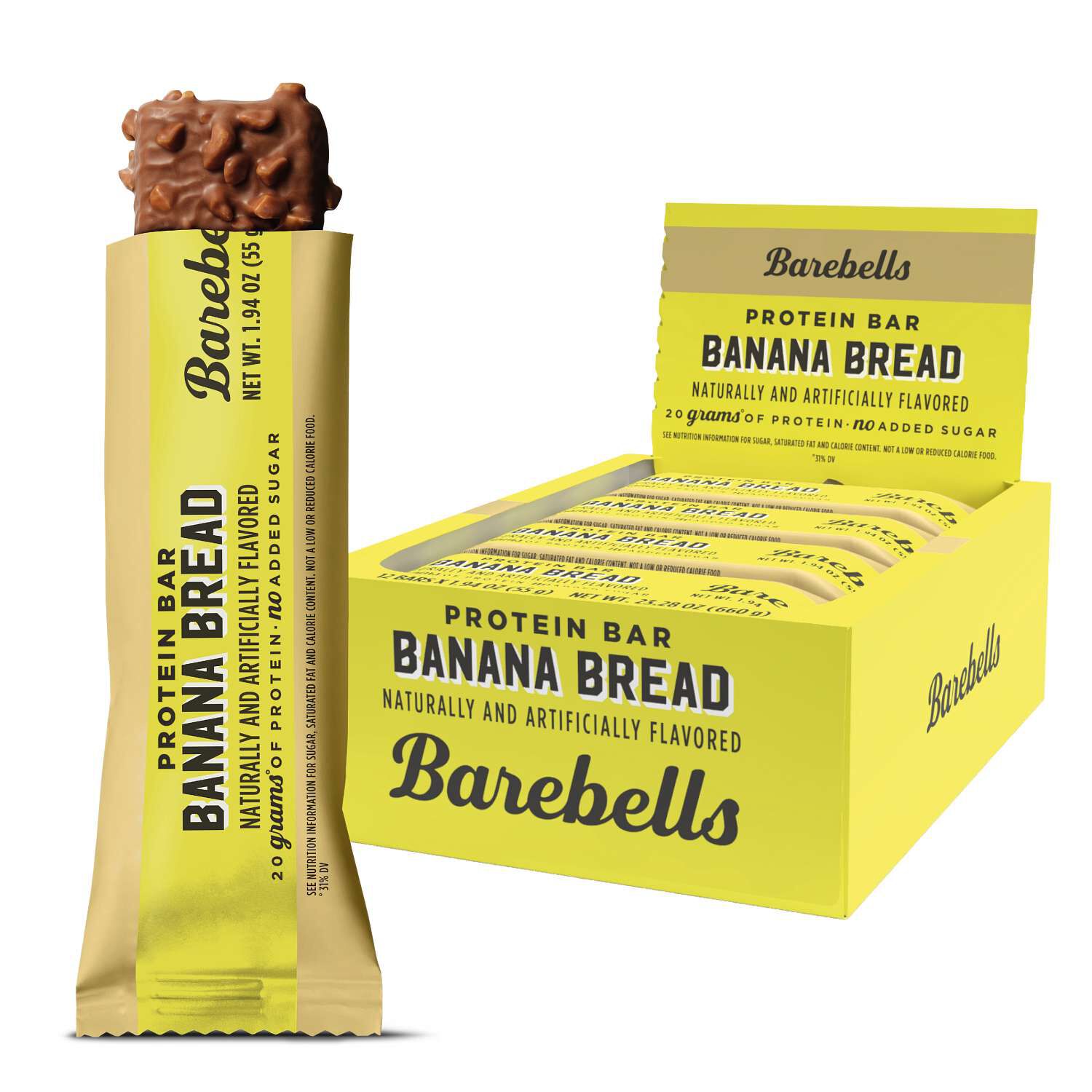 Barebells
-
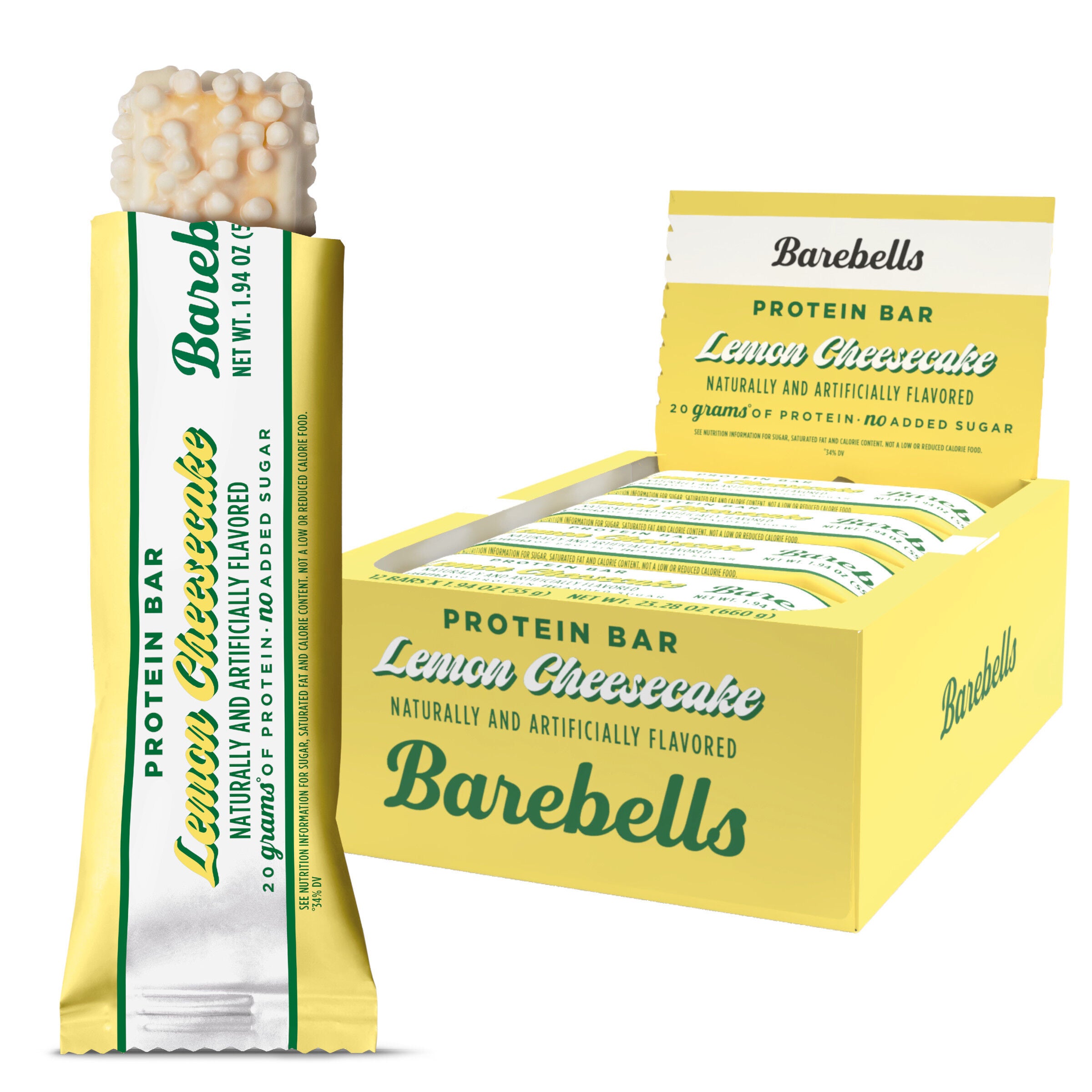 Barebells