





Chocolate Health Bars
(0 Results)
Chocolate health bars offer a delicious way to enjoy a treat while supporting your wellness journey. With a variety of flavors and textures, these convenient options may fit easily into your daily routine. Explore chocolate health bars that could satisfy your cravings and bring a touch of sweetness to snack time or post-workout moments. Whether you’re looking for something to enjoy on the go or as part of your balanced lifestyle, there’s a chocolate health bar for every taste preference.
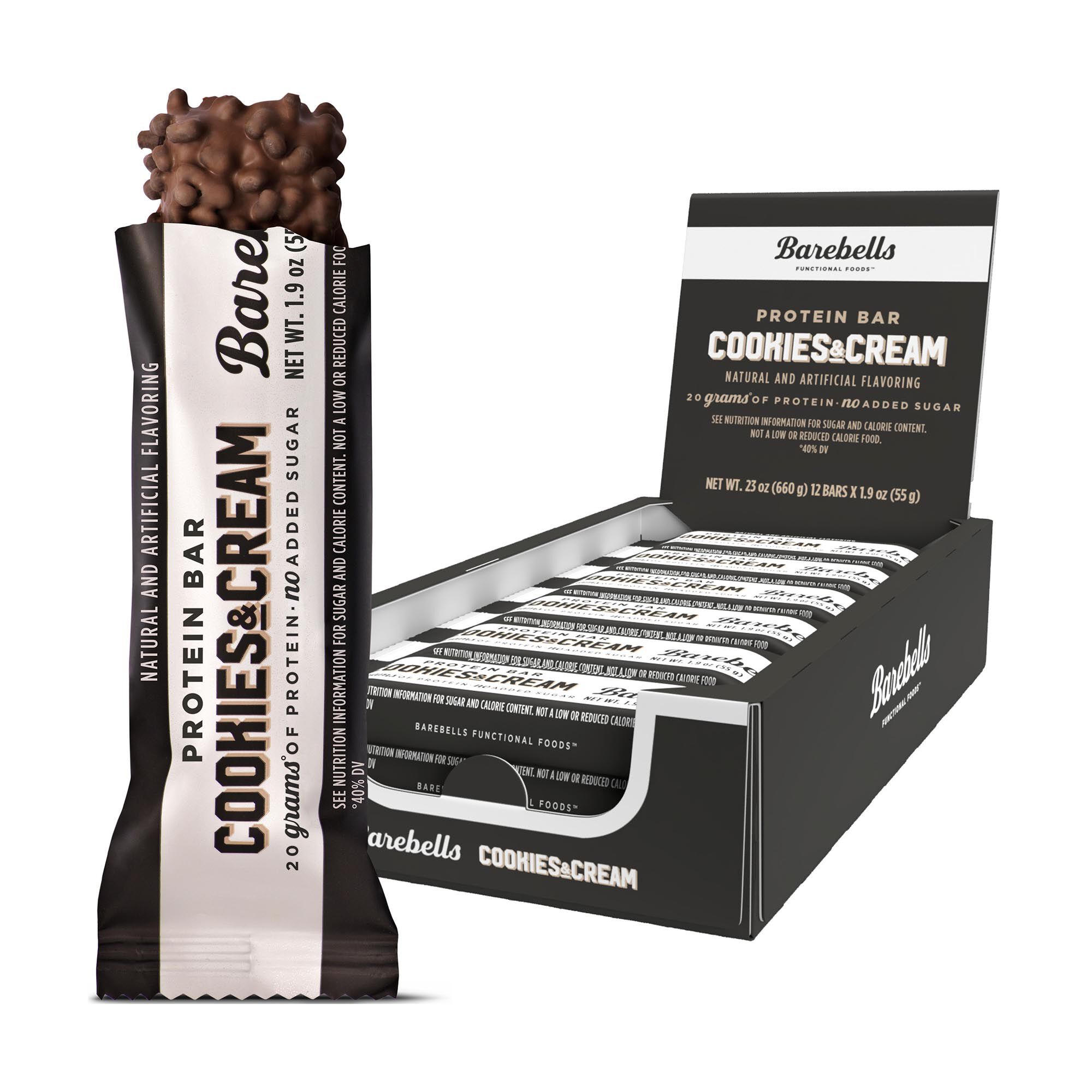


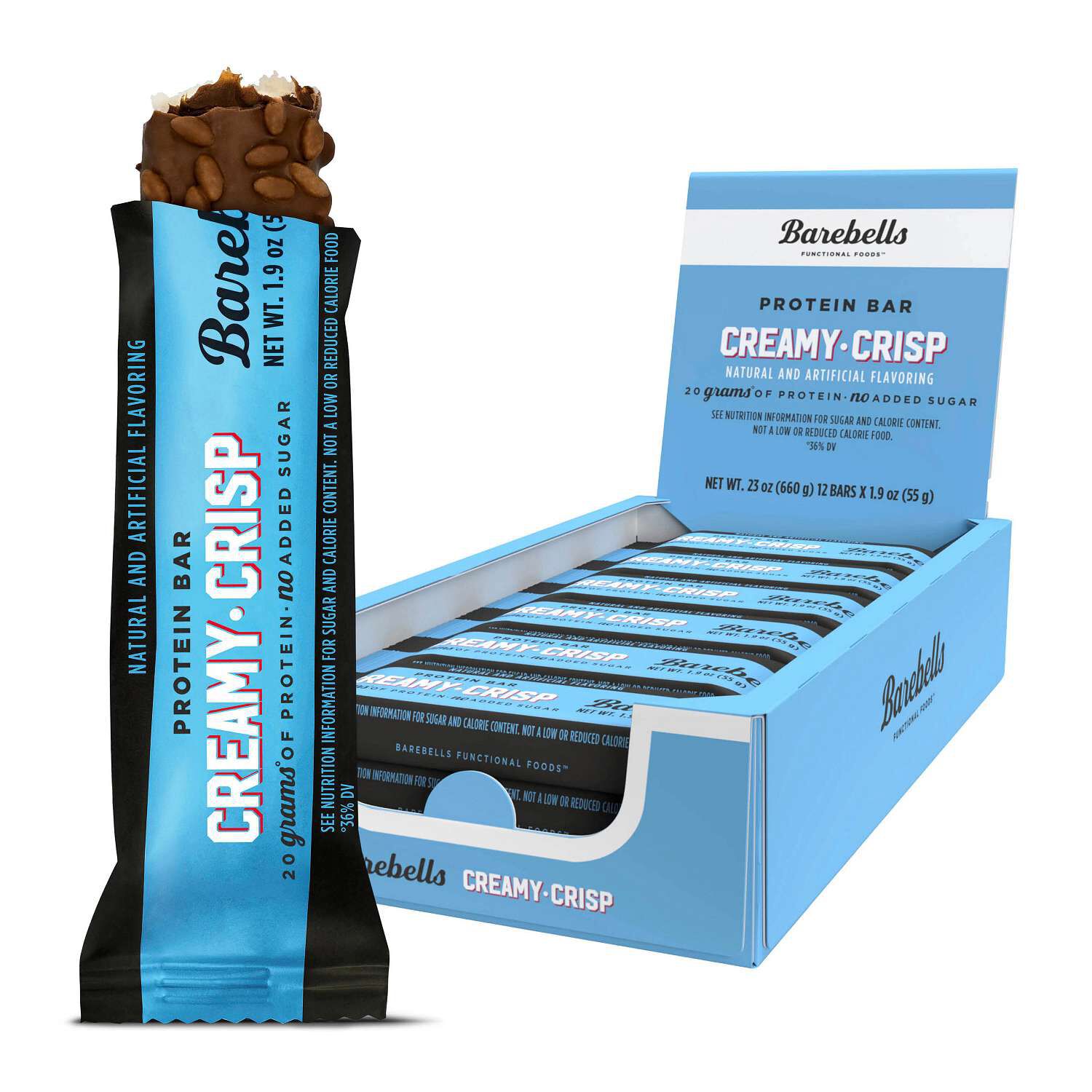
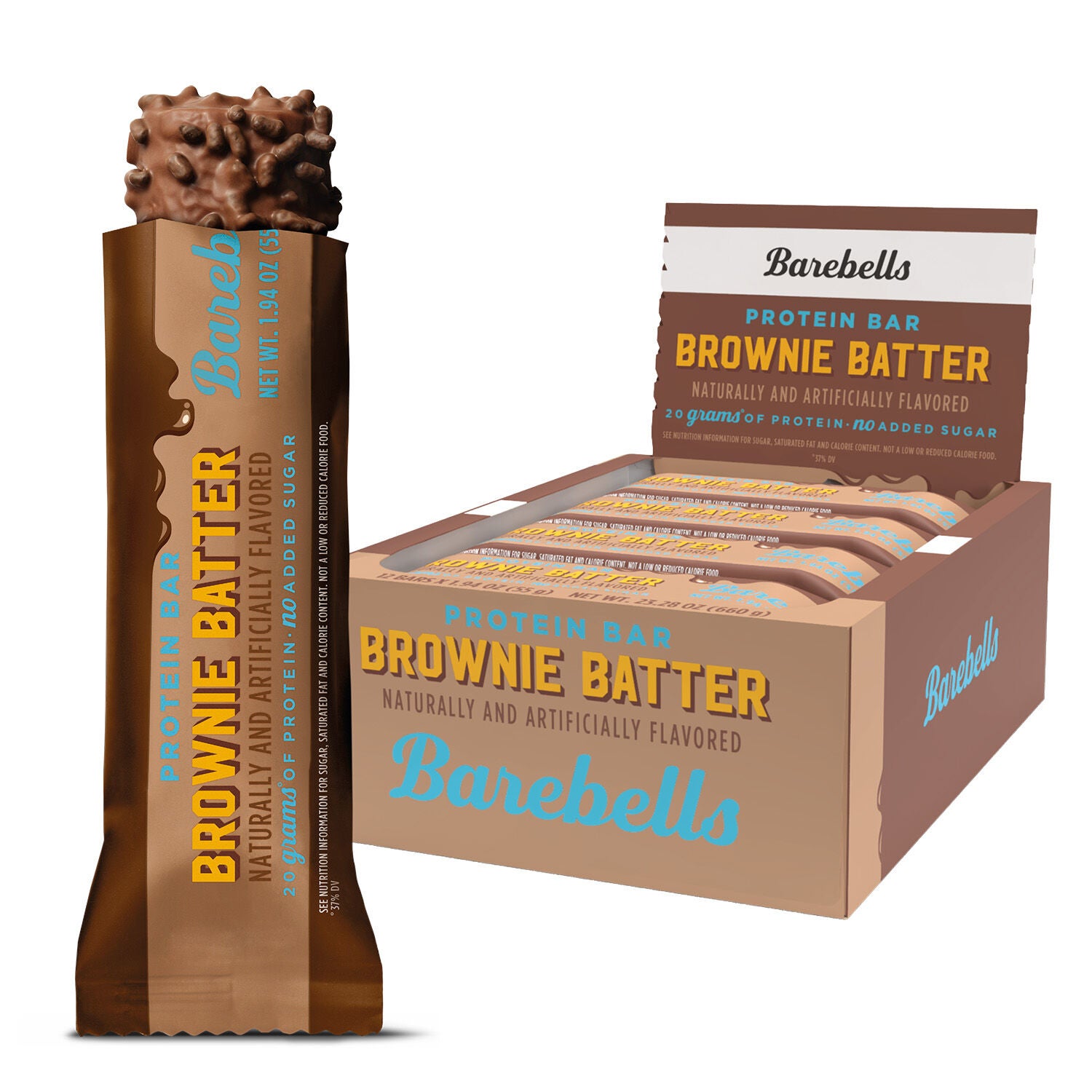
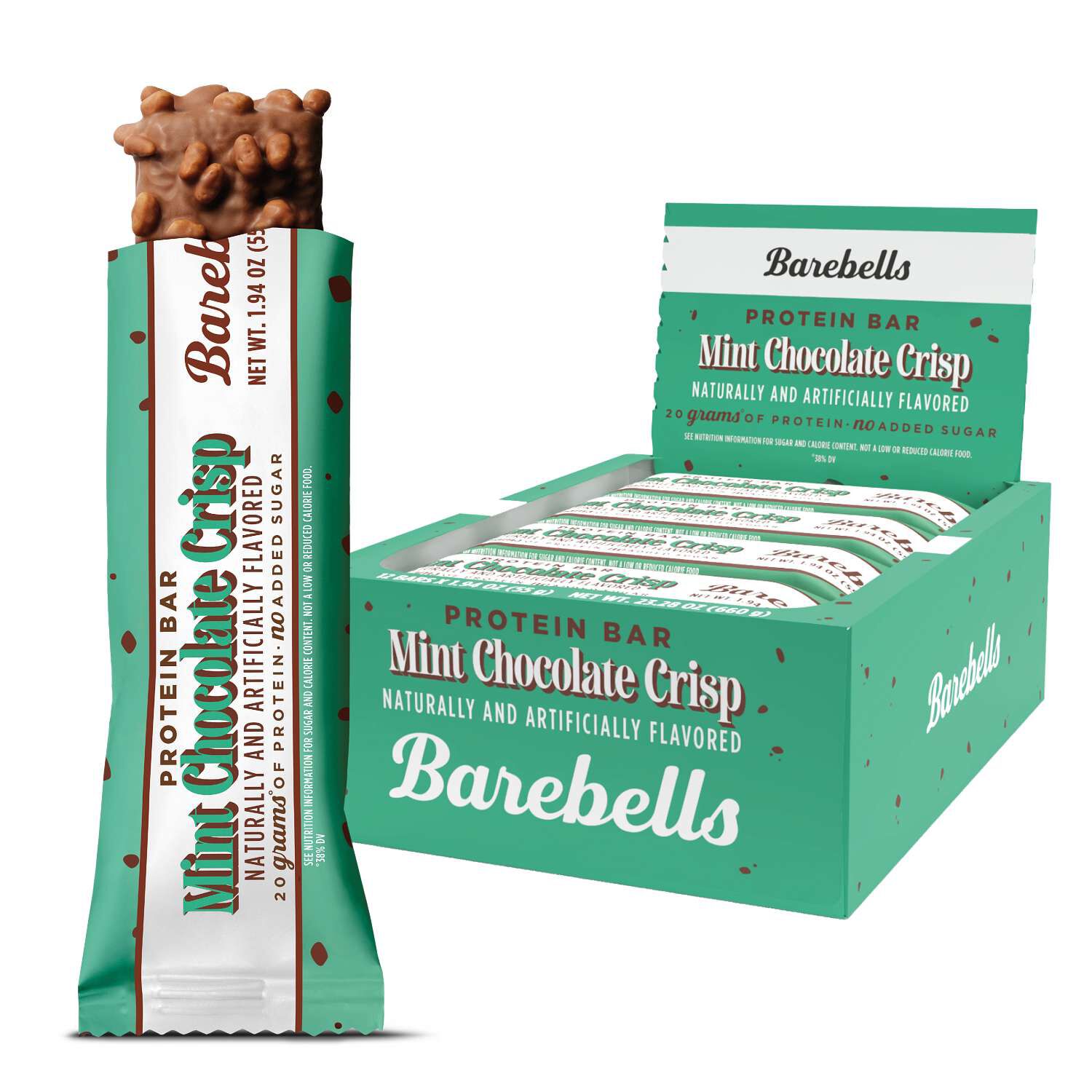
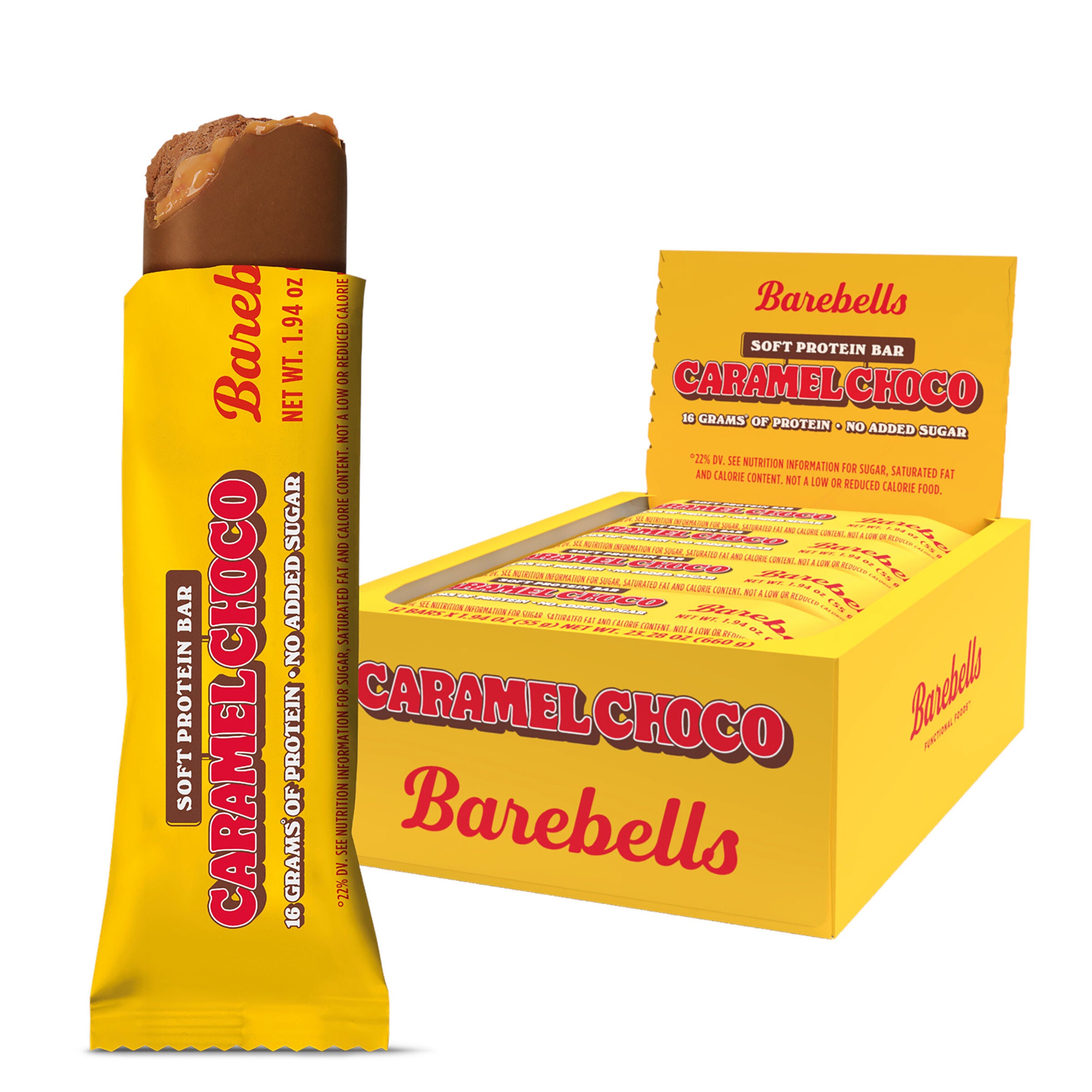
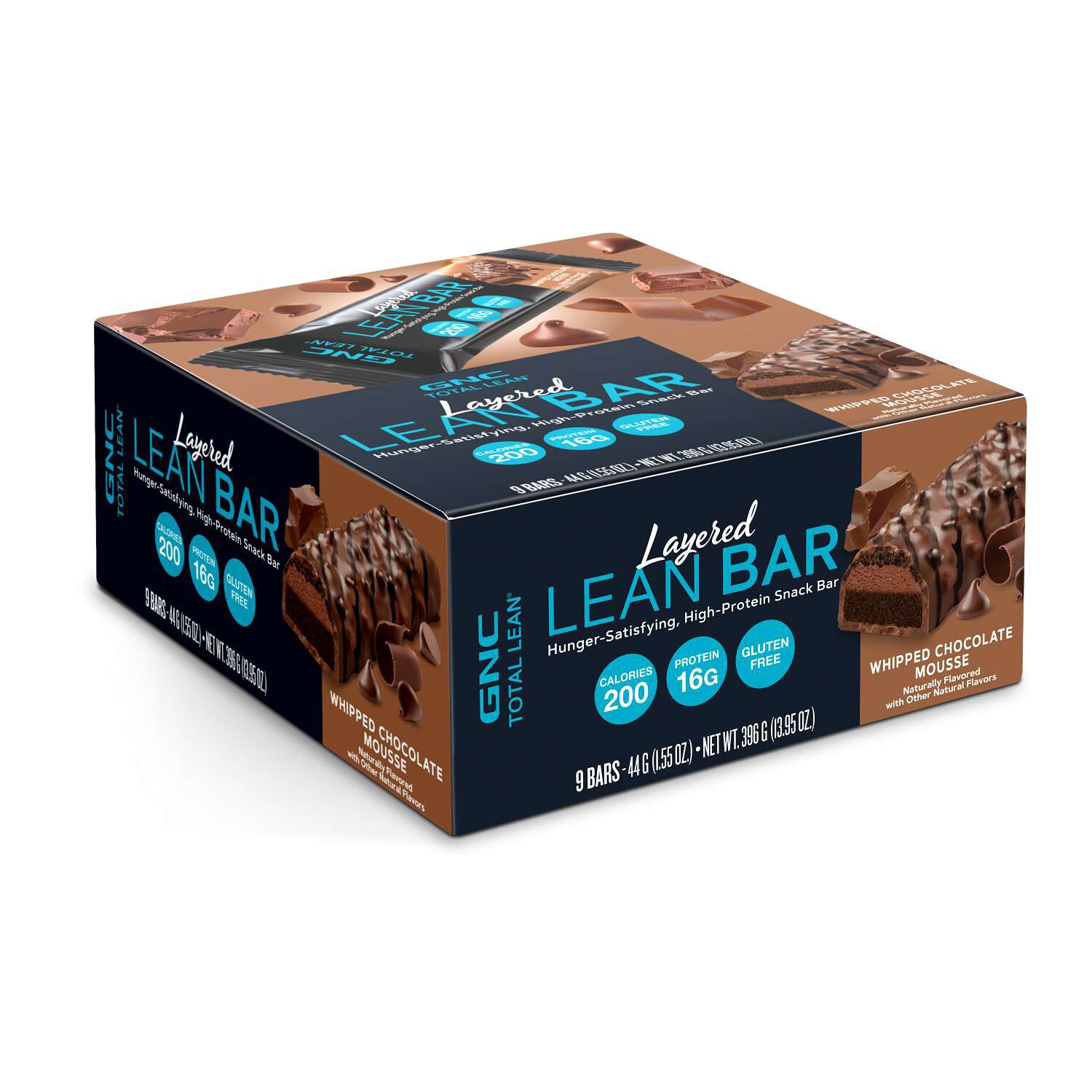
Chocolate health bars may combine cocoa flavor with nuts, grains, fruit, or added protein, but the name does not describe one standard recipe or nutrition profile. The category includes dark chocolate styles, chocolate-coated snack bars, and protein bars with cocoa mixed into the center. Their differences begin with the ingredients: cacao, cocoa butter, nut butter, oats, and protein blends each contribute something distinct to the recipe. A dark chocolate bar is usually centered on cacao ingredients, while a chocolate protein bar includes a protein source and may have a thin coating around a chewy filling. Cacao percentage describes the proportion of cacao-derived ingredients, including cocoa butter, rather than the amount of protein, fiber, or sugar. Bars labeled 70% to 85% cacao, or higher, may appeal to shoppers who prefer a more pronounced cocoa taste, although sweetness and texture still depend on the recipe. A higher cacao percentage alone does not establish whether a bar suits a particular eating preference. The Nutrition Facts panel provides a clearer comparison of serving size, calories, protein, fiber, saturated fat, and added sugars. Serving size deserves attention because a package may contain more than one serving, even when the bar looks like a single snack. Ingredient lists add context that the front label cannot: a chocolate coating, a nut-based center, and a grain-based filling may produce very different eating experiences. Coconut sugar, honey, and date paste are sweetening ingredients, not automatic signs of a better nutritional match. Dates may also contribute a chewy texture, while nut butter may create a softer, richer center. For shoppers choosing among chocolate health bars, the useful distinction is not simply dark versus milk chocolate. It is the combination of cocoa character, portion size, ingredients, and the role the bar is meant to play in an ordinary day, whether that is a small chocolate snack after lunch or something individually wrapped to bring along on a busy afternoon.
Texture is often what separates a bar that sounds appealing from one that earns a regular place in a snack drawer. Chocolate bars may have a smooth bite, a dense brownie-like center, a crisp grain layer, or visible pieces of nuts and cocoa. A thin chocolate coating may offer a different balance of sweetness and filling than a bar with cocoa throughout. Nut butter fillings may appeal to someone who enjoys a soft center, while toasted grains and chopped nuts may suit a preference for more crunch. Chocolate paired with oats has a different character from chocolate paired with coconut, dried fruit, or a touch of salt; none of those combinations tells the whole nutritional story on its own. Protein sources also vary. Whey and milk proteins come from dairy, while soy, pea, and other plant ingredients appear in some plant-based recipes. The stated grams of protein per serving provide a more useful comparison than the word “protein” alone. Fiber content varies as well, with some recipes drawing it from grains, nuts, or fruit and others including added fibers. Bars made with sugar alcohols or other alternative sweeteners may have a sweetness or finish that differs from versions made with sugar, so taste preferences matter alongside the label. A short ingredient list may appeal to shoppers who prefer familiar components, but ingredient count alone is not a measure of nutritional quality. For a style that combines a bar base with distinct chocolate pieces, Protein Bars With Chocolate Chips offers a related category to explore. Chocolate pieces may provide little pockets of cocoa flavor rather than an even coating, a detail that could matter to someone who enjoys the contrast. Shoppers with ingredient restrictions should review the full ingredient list and allergen statement, including information about milk, peanuts, tree nuts, soy, wheat, or sesame where applicable. A plant-based description does not necessarily address every ingredient preference or preparation concern.
Everyday use gives these details a practical setting. A compact, individually wrapped bar may suit a work bag, a desk drawer, or a carry-on, while a portioned chocolate bar may be a better match for someone who prefers to enjoy a few pieces at a time. Someone heading from work to an evening activity might want a substantial texture and a clearly labeled serving; someone looking for a little chocolate alongside coffee might prefer a smaller portion with a stronger cacao flavor. For a snack eaten between errands, a firm center and secure wrapper may be more convenient than a delicate coating or a crumbly grain layer. Packaging matters because chocolate, nut oils, and crisp ingredients each have their own storage considerations. The package directions and date markings provide the most relevant guidance for the particular recipe. Keeping bars in their original wrappers, away from direct sunlight, moisture, and strongly scented foods may help maintain their intended flavor and texture. Once a larger bar is opened, a tightly closed food container may help protect the remaining pieces. For travel, a separate compartment or rigid snack container could help prevent a bar from being flattened beneath a laptop or water bottle. Chocolate health bars may also make a thoughtful addition to a snack basket for a college student, a coworker, or someone who enjoys trying different cocoa flavors. An assortment with contrasting textures could be appealing, provided the recipient’s ingredient preferences are known and the original labels remain with each bar. Dark chocolate, chocolate-and-nut combinations, and cocoa-based protein bars each have a different place in that assortment. For repeat purchases, familiar flavor, comfortable portion size, readable ingredient information, and packaging suited to the occasion are often more meaningful than an ambitious front-label description. The best personal match is a bar whose recipe and format fit the way it will actually be enjoyed.
Best Sellers
-
 Barebells
-
 Barebells
-
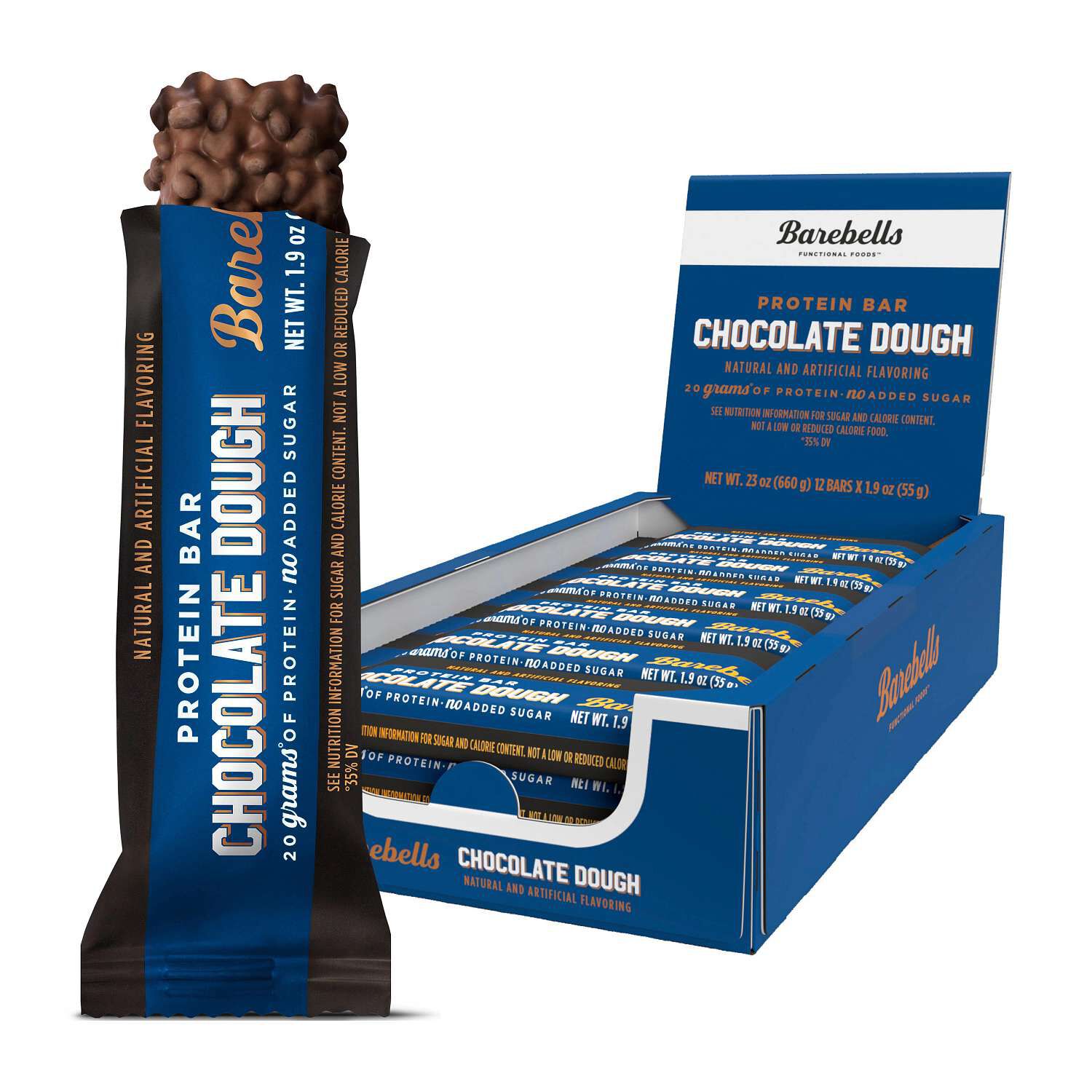 Barebells
-
 Barebells
Related Pages
Top Collections
- Daily Collagen Supplements | Top Brands & Deals | GNC
- Natural Collagen Supplements | Top Brands & Deals | GNC
- Top Rated Collagen | Shop Customer Favorites | GNC
- Cortisol Supplements
- Vitamins For Hair Loss
- Spirulina Tablets
- NAD+ Supplement Tablets
- Peptide Supplements
- Best Brand of Magnesium Glycinate
- Vitamins That Help Support Weight Gain