





Low Sugar Gummies
(0 Results)
Low sugar gummies offer a delicious and convenient way to enjoy your favorite flavors while fitting into a variety of lifestyle choices. With a focus on mindful ingredients, low sugar gummies may be a great option for those who are looking to satisfy their sweet tooth with less sugar. Explore the selection of low sugar gummies to find options that suit your preferences and support your daily routine.
-
 229$24.99
-
-
-
 $17.99
-
 146$34.99
-

-

-

-
 $18.99
-
 $15.99
-
 $15.99
-
 $15.99
-
 $15.99
-
 $18.99
-
 $15.99
-
 Lifeable$11.99
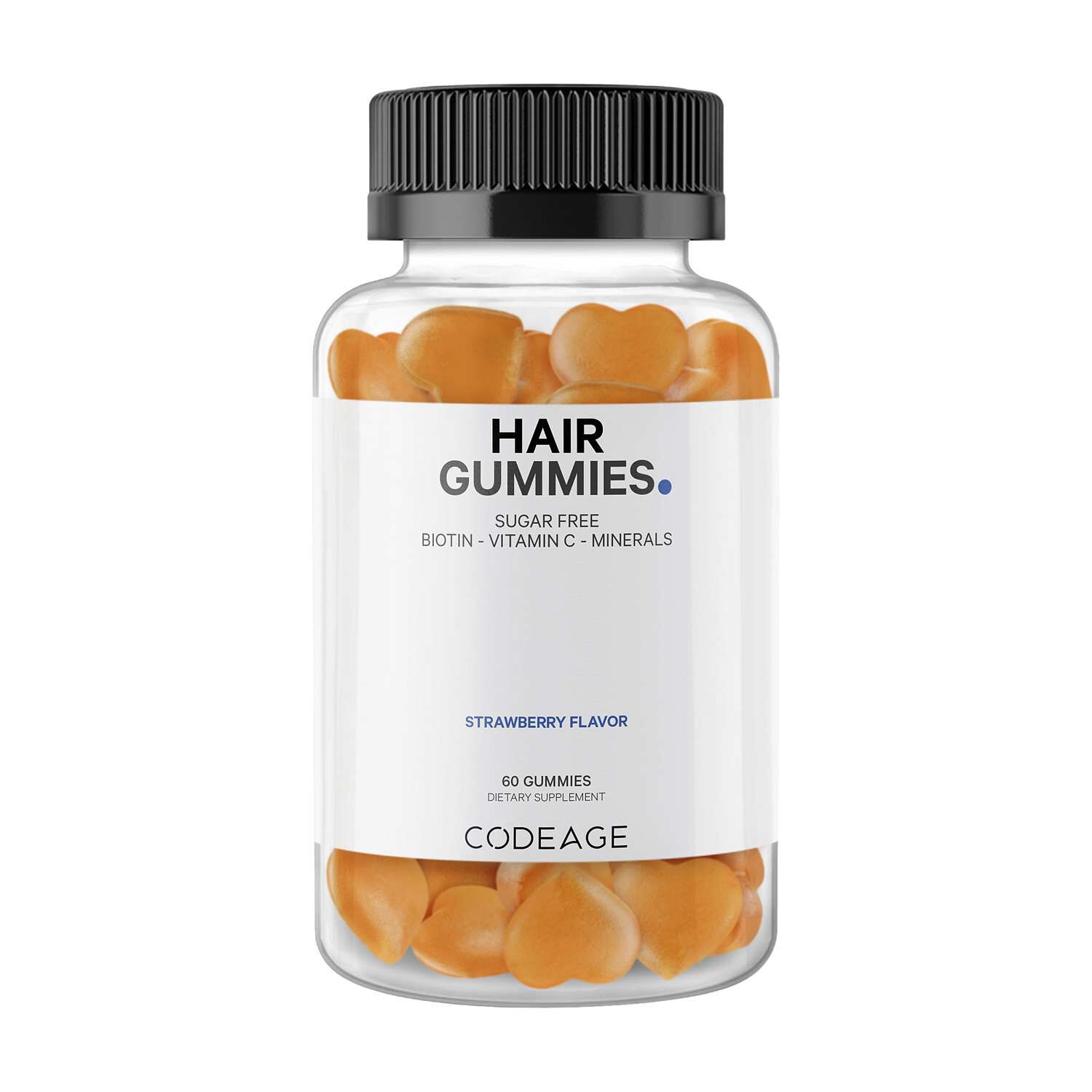


Low sugar gummies are chewy candies or gummy supplements formulated with attention to the amount of sugar in each serving. The category includes different intended uses, so the first distinction is whether a gummy is a sweet snack or a dietary supplement. A candy gummy is a confection, while a vitamin gummy has a labeled supplement serving and directions for use. Similar fruit flavors and colorful shapes do not make those categories interchangeable. For either type, sugar content is most meaningful when considered alongside serving size. A package listing sugar for two gummies is not directly comparable to one listing sugar for four unless the portions are put on the same basis. The Nutrition Facts or Supplement Facts panel provides a better starting point than a prominent phrase on the front of the container. Look at grams of sugar per serving, added sugars when listed, carbohydrate content, and the number of pieces in that serving. A lower sugar amount does not necessarily mean fewer calories or fewer carbohydrates, since the rest of the recipe matters, too. Likewise, low sugar does not mean that a formula contains no sugar at all. Some recipes use a smaller amount of conventional sugar; others combine sugar with alternative sweeteners. Flavor descriptions also deserve a separate look. Strawberry, orange, and mixed berry describe a flavor profile, not the quantity of fruit in the recipe or its nutritional contribution. Someone choosing a small sweet snack for a desk drawer has a different purpose from someone comparing chewable multivitamin formats. Keeping that purpose clear makes it easier to evaluate the details that matter without letting familiar candy shapes blur the distinction. The most useful comparison brings together the intended use, the labeled portion, and the ingredient list rather than relying on the words “low sugar” alone. Even similarly sized gummies can have different serving instructions, so appearance is not a dependable measure of portion size.
Texture and sweetness are defining details of low sugar gummies, and the ingredient list offers clues about both. Gelatin and pectin are common gelling ingredients, but they are not interchangeable for every dietary preference. Gelatin is generally animal-derived, while pectin is plant-derived; the finished formula still needs its own label review before being treated as suitable for a vegetarian or vegan eating pattern. Depending on the recipe, these ingredients may contribute a springy chew, a softer bite, or a firmer consistency. Sugar also plays a role beyond sweetness, so a recipe with less of it may feel different from a familiar candy gummy. Some formulas include sugar alcohols, such as erythritol or maltitol, while others use sweeteners such as stevia or monk fruit. Their names belong in the comparison alongside any conventional sugar, because two gummies with similar sugar amounts may use quite different sweetening systems. Personal taste matters here: one person may prefer a sharp citrus note, while another may favor a mellow peach or berry flavor. Alternative sweeteners may also leave a lingering taste that some shoppers notice more than others. A smooth surface, a light coating, and a dense or tender center are separate sensory characteristics, not reliable shortcuts for judging sugar content. Color is another detail to consider independently, since a bright appearance does not establish how much fruit or sugar a gummy contains. For shoppers with ingredient restrictions, the full ingredient statement and any relevant allergen information matter more than assumptions based on flavor or appearance. A fruit-shaped gummy is not automatically plant-based, and a plant-based gelling ingredient does not describe every other component of the recipe. Comparing ingredients this way keeps the focus on concrete preferences: the source of the gelling agent, the sweetener blend, the flavor profile, and any dietary labeling that applies to the finished formula. Those details offer a more useful picture than expecting every low sugar gummy to taste or feel alike.
Intended use also shapes how low sugar gummies fit into everyday routines. A resealable pouch of candy and a bottle of gummy supplements call for different handling, even if both contain chewy, fruit-flavored pieces. Candy portions belong in the context of the package’s nutrition information; supplements should be used according to their labeled directions rather than eaten casually from an open container. A gummy format may appeal to an adult who prefers chewing to swallowing a capsule or tablet, but the format does not change the importance of the stated serving. Shoppers comparing supplement options can also explore zero-sugar gummy vitamins, with attention to the same distinctions between sugar content, ingredients, and intended use. Age labeling matters as well, and an adult formula should not be assumed suitable for a child simply because its shape resembles candy. In a shared household, keeping supplements in their original, clearly labeled packaging helps preserve those distinctions. An unmarked snack jar removes the ingredient information, directions, and date details that belong with the contents. For storage, follow the package instructions, close the lid or seal after use, and keep the container away from direct sunlight and excess moisture. Sticky fingers or damp utensils may introduce moisture, so clean, dry handling is a practical consideration. Package design matters for daily use, too: a closure that is easy to secure, readable serving information, and a container that stays upright in a cupboard are useful details to notice. Before putting gummies into a bag for a commute or an overnight stay, check any storage directions and keep the identifying label with them. Follow the printed date and storage guidance rather than assuming a soft texture alone indicates condition. Whether the priority is a chewy treat or a labeled supplement serving, a thoughtful choice starts with clear information and a format that matches its intended role.
- Q: What are low sugar gummies?
A: Low sugar gummies are chewable supplements or snacks that contain less sugar than traditional gummy products. They may be sweetened with alternative ingredients to help reduce overall sugar content. - Q: Who might enjoy low sugar gummies?
A: Low sugar gummies may appeal to those who are looking to limit their sugar intake while still enjoying a tasty, chewy treat or supplement. - Q: How do low sugar gummies differ from regular gummies?
A: Low sugar gummies typically contain less added sugar and may use alternative sweeteners, making them different from regular gummies that often have higher sugar content. - Q: Can low sugar gummies be included in a balanced lifestyle?
A: Low sugar gummies can be enjoyed as part of a balanced lifestyle for those who wish to manage their daily sugar consumption. - Q: What flavors are commonly found in low sugar gummies?
A: Low sugar gummies often come in a variety of fruit-inspired flavors such as berry, citrus, and tropical blends.
Best Sellers


Related Pages
Top Collections
- Zinc Supplements For Men
- Daily Collagen Supplements | Top Brands & Deals | GNC
- Supplements For Yoga Joint Flexibility
- Chronic Fatigue Supplements
- Capsule Supplements For Energy And Stamina
- Adult Vitamins
- Supplements For Balance
- Vitamins For Hair Loss
- Burnout Support Supplements
- Metabolism Boost For Weight Loss