Magnesium For Constipation
(0 Results)
If you're experiencing discomfort due to constipation, magnesium supplements may offer a natural solution to help promote regularity and digestive health. Magnesium plays a crucial role in muscle relaxation and can help support bowel movements by drawing water into your intestines. In this product listing page, you'll find a variety of magnesium supplements designed to alleviate constipation and support overall gastrointestinal wellness. Discover how incorporating magnesium into your daily routine can provide relief and contribute to a healthier digestive system.

 _Front.jpg?sw=305&sh=305&sm=fit "Magnesium: Bioactive Magensium Citrate - 120 Capsules (120 Servings) | GNC")

 _Front.jpg?sw=305&sh=305&sm=fit "Magnesium: Bioactive Magensium Citrate - 60 Capsules (60 Servings) | GNC")
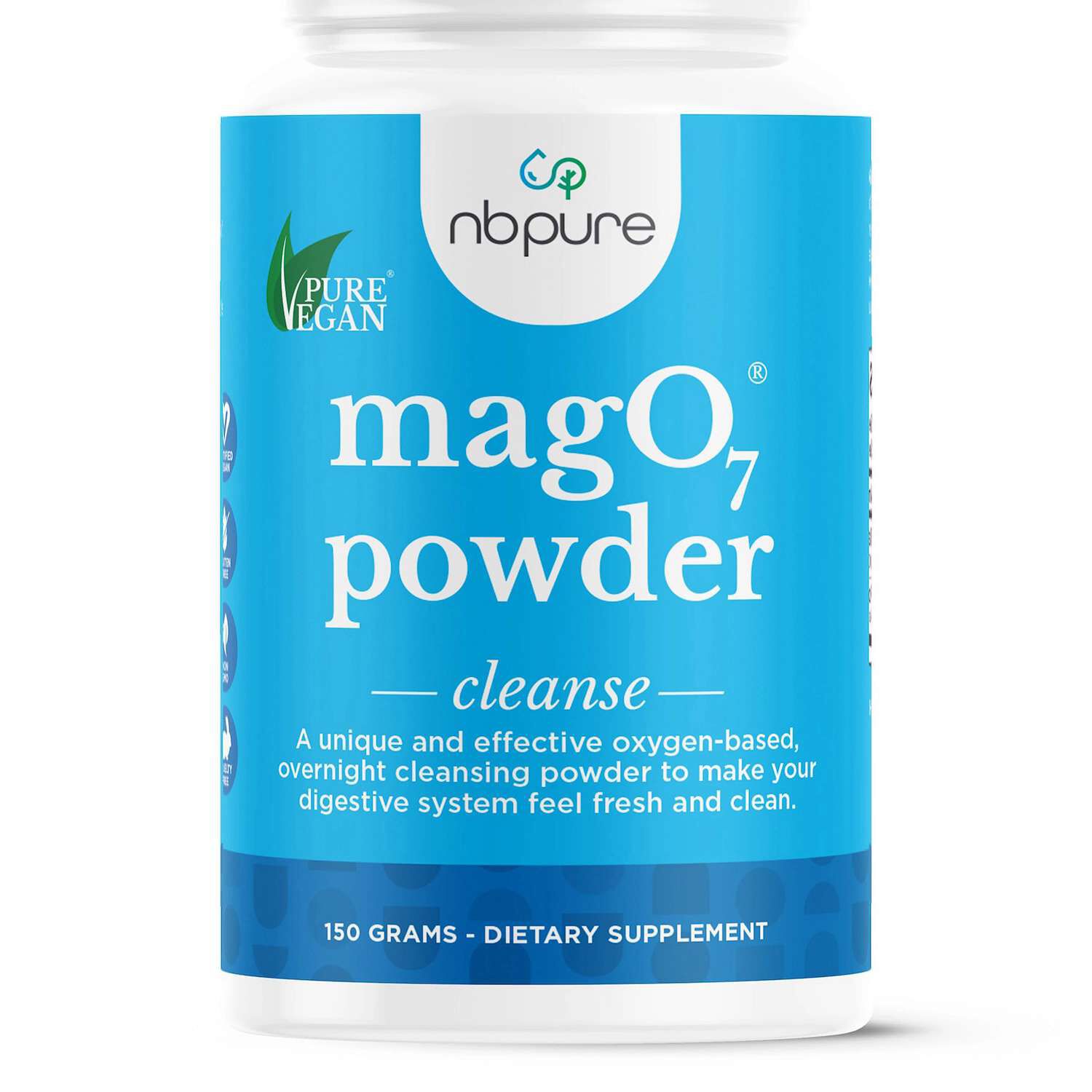
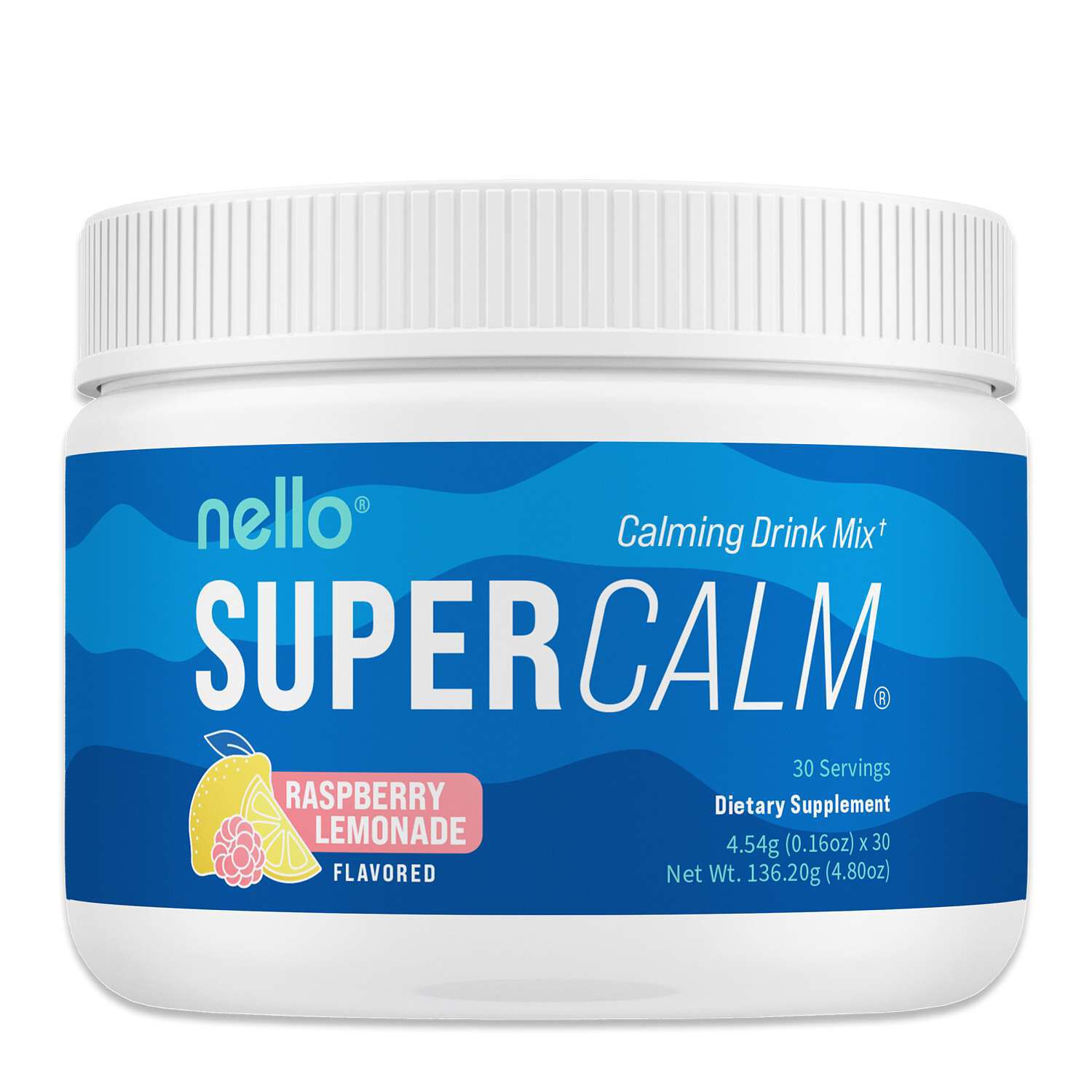
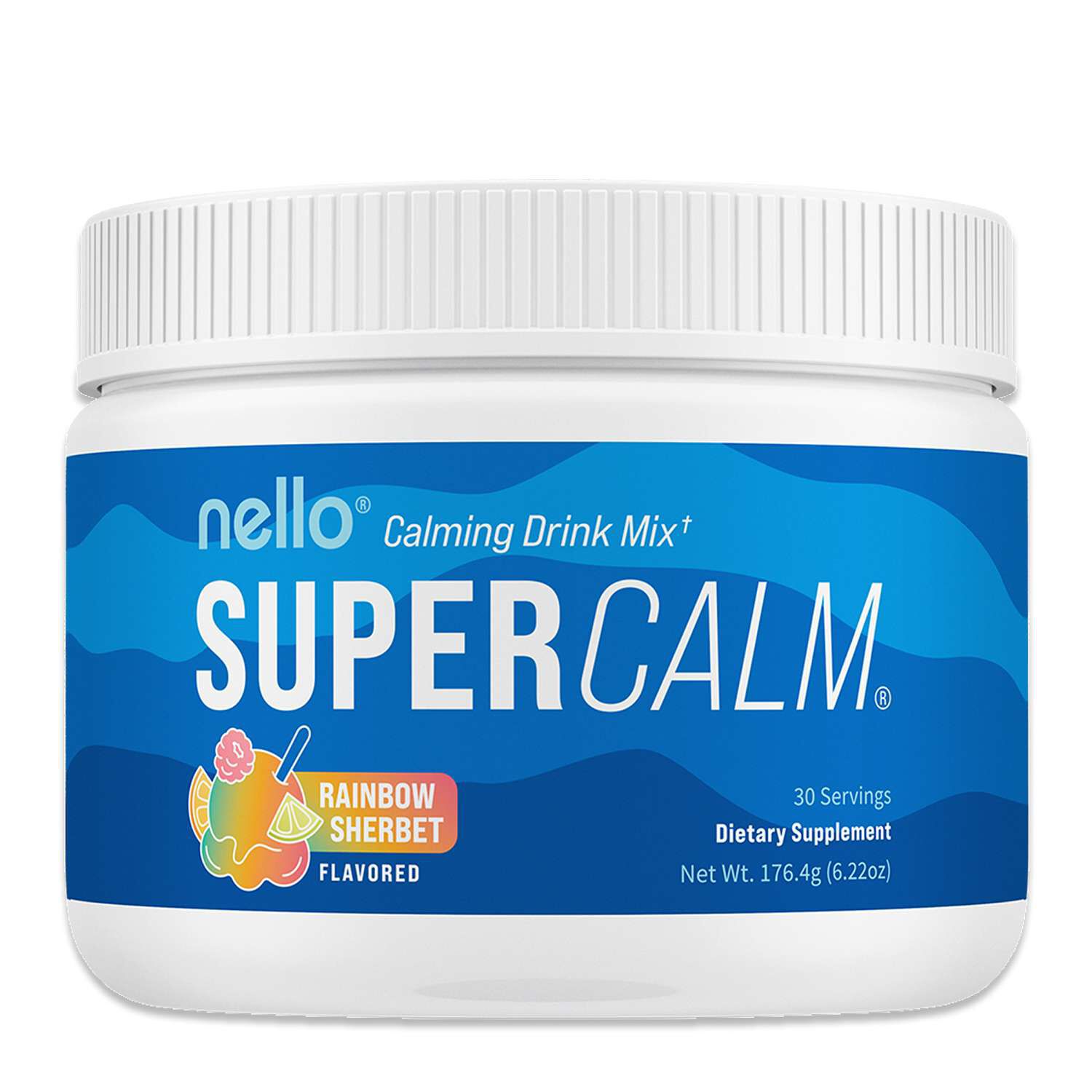
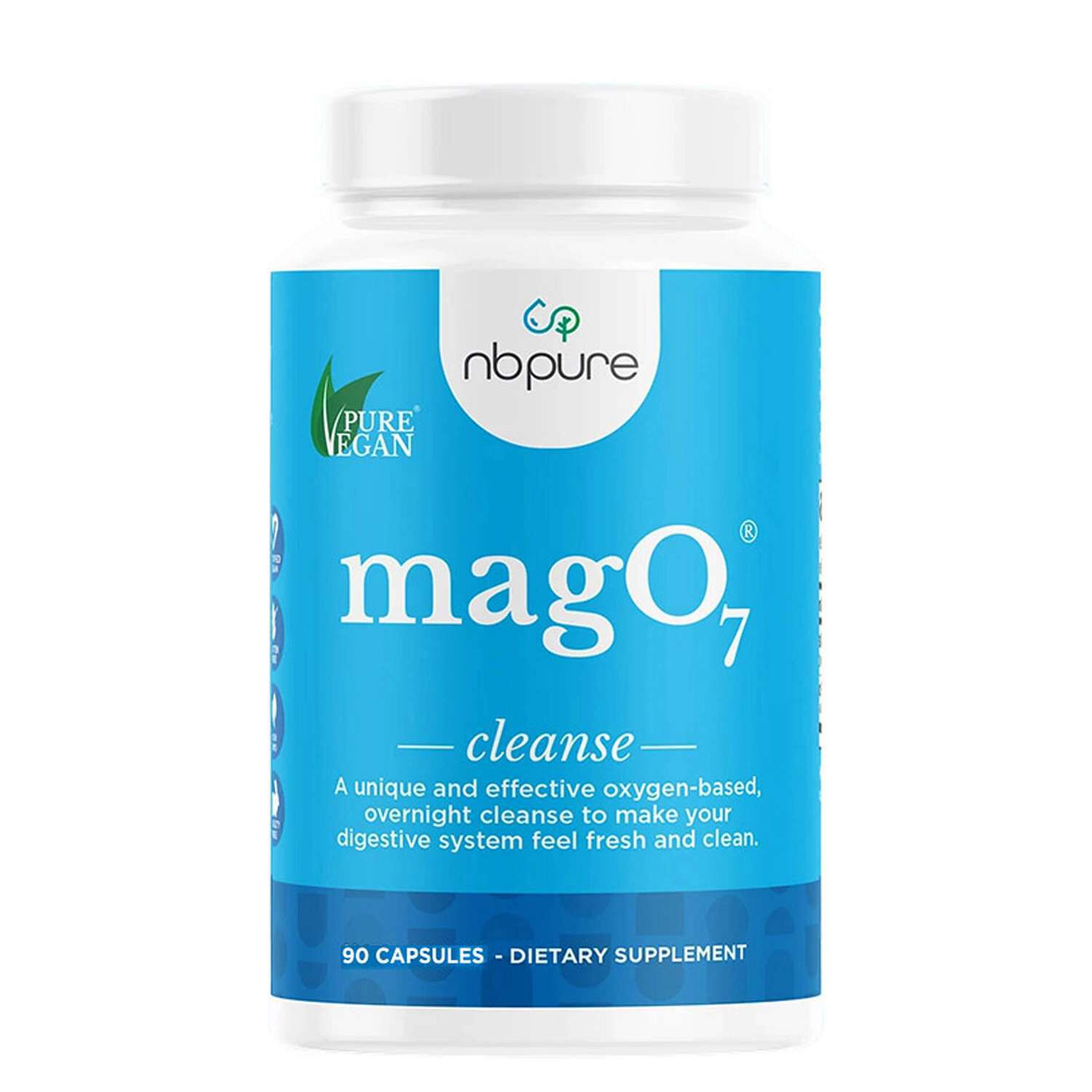
Shopping for magnesium for constipation brings together several product details that are easy to overlook when comparing bottles: the magnesium compound, the amount per serving, the delivery format, and the intended use printed on the label. Magnesium is a mineral found in foods and sold in a variety of supplemental forms. Names such as magnesium citrate, magnesium oxide, magnesium hydroxide, and magnesium glycinate identify different compounds, not simply different versions of the same formula. The word “magnesium” on the front of a package is therefore only the beginning of a useful comparison. A dietary supplement and a product labeled for occasional constipation have different intended uses, even when their names include the same mineral. That distinction matters more than similar packaging or a familiar ingredient name. For this category, the most informative details are the product’s own labeling, ingredient list, serving information, and directions, rather than assumptions based on the mineral alone. A capsule labeled for general nutritional use should not be treated as equivalent to a liquid with a different labeled purpose. Likewise, a powder containing magnesium alongside several other ingredients is a different purchase from a single-mineral formula. Shoppers exploring this selection may be comparing a format they already recognize, looking more closely at an ingredient on an existing bottle, or trying to understand why two magnesium labels look so different. A practical comparison starts with those visible distinctions. The amount of elemental magnesium, which refers to the magnesium itself rather than the weight of the entire compound, is particularly useful label information. On a dietary supplement’s Supplement Facts panel, the magnesium amount is listed per serving. Serving size deserves equal attention: one serving is not necessarily one capsule, one gummy, or one spoonful. Reading those details together gives a clearer picture of what each package contains without treating different formulas as interchangeable.
Format is another meaningful part of the shopping experience, especially when a product needs to fit into an established household routine. Capsules and tablets offer a measured format, but their dimensions, coatings, and number per serving can differ. Someone who prefers a compact bottle may focus on capsule count and package size, while someone who dislikes larger tablets may spend more time reviewing other formats. Capsule shells may contain gelatin or plant-derived materials, and tablets may include binders or coatings that appear in the other-ingredients list. Those details matter to shoppers with particular dietary preferences, even though they are separate from the magnesium compound itself. Powders bring a different set of considerations, including flavor, serving measurements, preparation directions, and whether a scoop is included. A powder intended for mixing also involves a glass or shaker and a little preparation, which is a different experience from opening a bottle of capsules. Flavored formulas may contain sweeteners, colors, or additional ingredients; unflavored does not necessarily mean that magnesium is the only ingredient. Liquids have their own labeled serving units, bottle sizes, and measuring requirements. The volume of liquid in the bottle is not the same measurement as the magnesium amount in a serving, so both pieces of information belong in a side-by-side comparison. Chewable formats introduce texture, flavor, and serving-count preferences as well. For a shopper who pays close attention to sugar content or animal-derived ingredients, the full label offers more useful detail than the format name alone. Packaging can also shape the everyday experience: a wide powder tub takes up a different amount of cabinet space than a narrow capsule bottle, and an included measuring accessory adds another component to keep with the package. These are ordinary but worthwhile distinctions when choosing between product types. The most suitable format for a personal preference is not automatically the most suitable formula for a particular intended use; the two considerations remain separate.
Beyond the format, a thoughtful comparison includes the rest of the formula and the way the package will be handled over time. Single-mineral products keep the ingredient focus on magnesium, while combination formulas may include other minerals, vitamins, botanical ingredients, or flavoring components. A longer ingredient list describes a different composition, not necessarily a better match for the reason someone is browsing. The same is true of a larger magnesium number on the front label: the serving size, compound, and labeled purpose provide the context that number needs. Package count can be equally easy to misread. A bottle containing a certain number of capsules does not necessarily contain that same number of servings, and a powder’s net weight does not describe its magnesium content per serving. For someone comparing two containers on a kitchen counter, looking at matching units helps separate meaningful differences from packaging differences. Care and storage deserve attention, too. The container’s closure, seal, printed storage directions, and expiration date are more relevant to these consumable products than the durability considerations associated with reusable household goods. Keeping the original label with the product preserves access to ingredient information, directions, and any lot details printed on the package. Powders and liquids may have handling instructions that differ from those on tablets or capsules, including information about storage after opening. Personal-use purchases also call for different considerations than general-purpose gifts: flavor, ingredient preferences, and intended use are individual choices, so magnesium is not a one-size-fits-all addition to someone else’s routine. Shoppers browsing magnesium for more than one purpose can also explore Magnesium Supplements For Sleep Support as a separate collection with a different focus. Across these categories, shared ingredient names do not erase differences in formulation or labeling. For magnesium for constipation, the clearest shopping context remains the individual product’s stated purpose, its form of magnesium, its serving information, and the practical details of its format. Together, those facts make the assortment easier to understand while keeping the comparison grounded in what each label actually says.
Best Sellers
-
 Rho Nutrition
 -
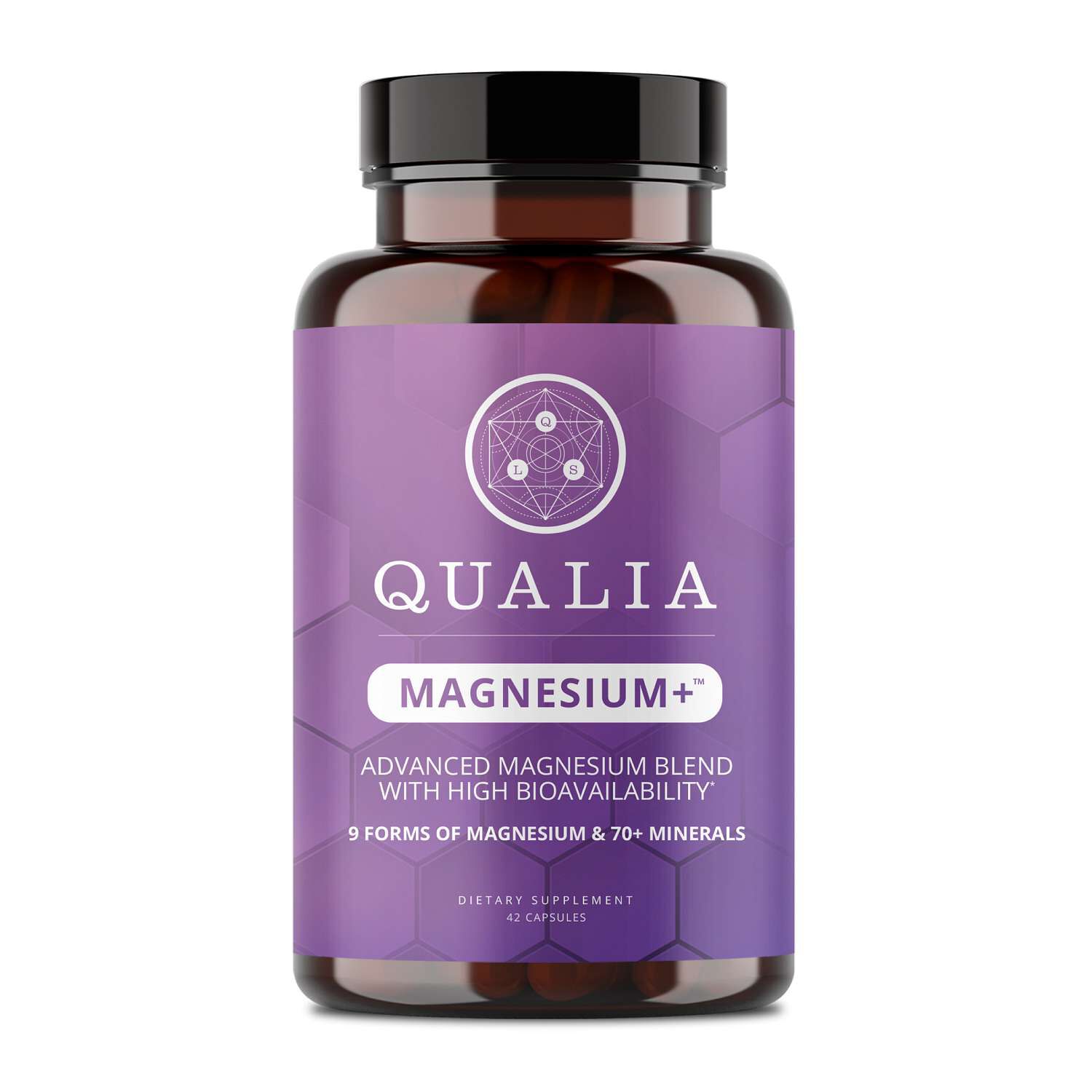 Qualia Life Sciences