Magnesium Carbonate Supplements
(0 Results)
Magnesium Carbonate supplements are a popular choice for individuals looking to support their overall health and well-being. Known for their potential benefits in promoting bone health, muscle function, and energy production, these supplements offer a convenient way to ensure you're meeting your daily magnesium needs. Whether you're an athlete looking to support muscle recovery or simply aiming to maintain optimal levels of this essential mineral, magnesium carbonate supplements may be a valuable addition to your daily routine. Explore our selection of magnesium carbonate supplements to find one that aligns with your wellness goals.
 _Front.jpg?sw=305&sh=305&sm=fit "Magnesium: Bioactive Magensium Citrate - 120 Capsules (120 Servings) | GNC")
 _Front.jpg?sw=305&sh=305&sm=fit "Magnesium: Bioactive Magensium Citrate - 60 Capsules (60 Servings) | GNC")


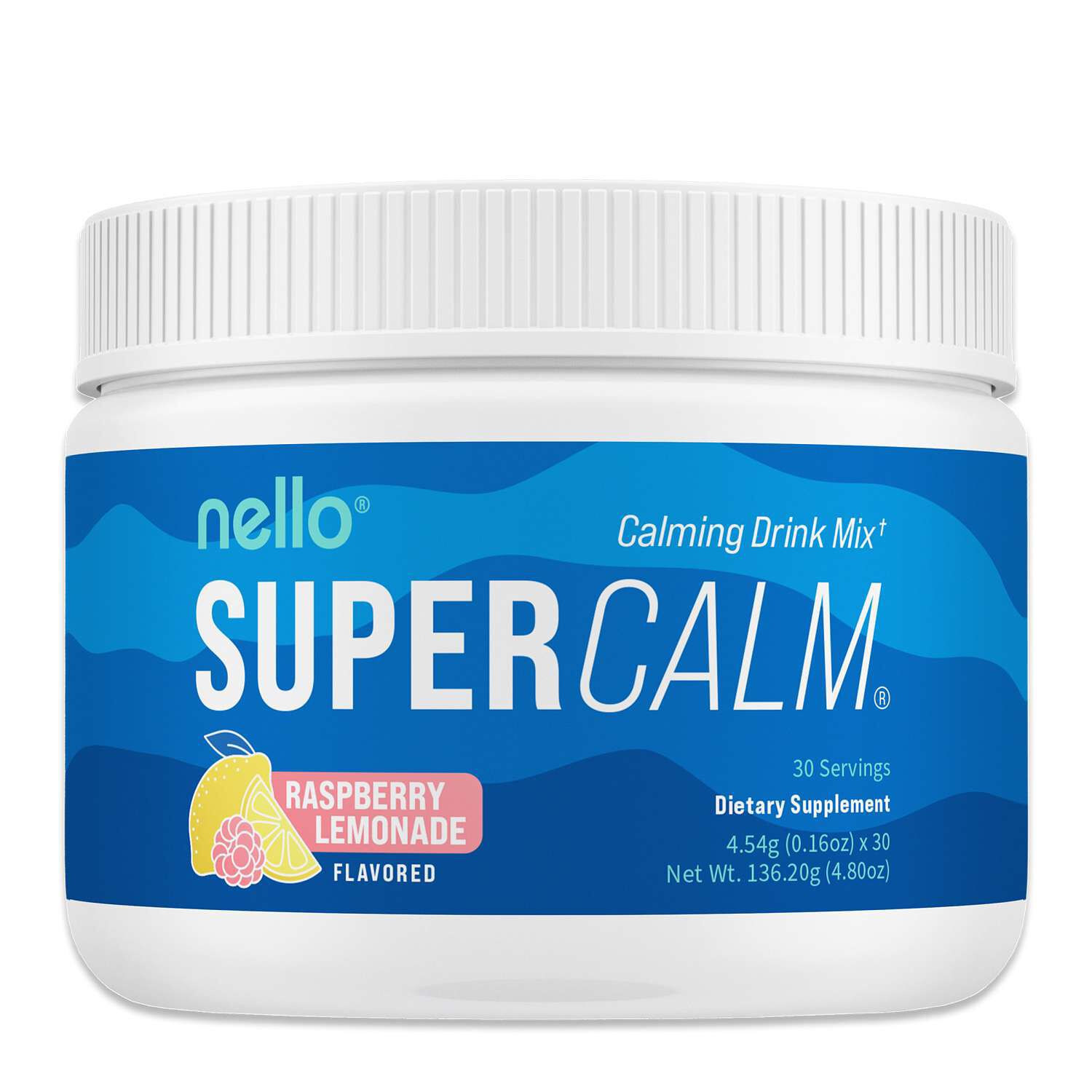
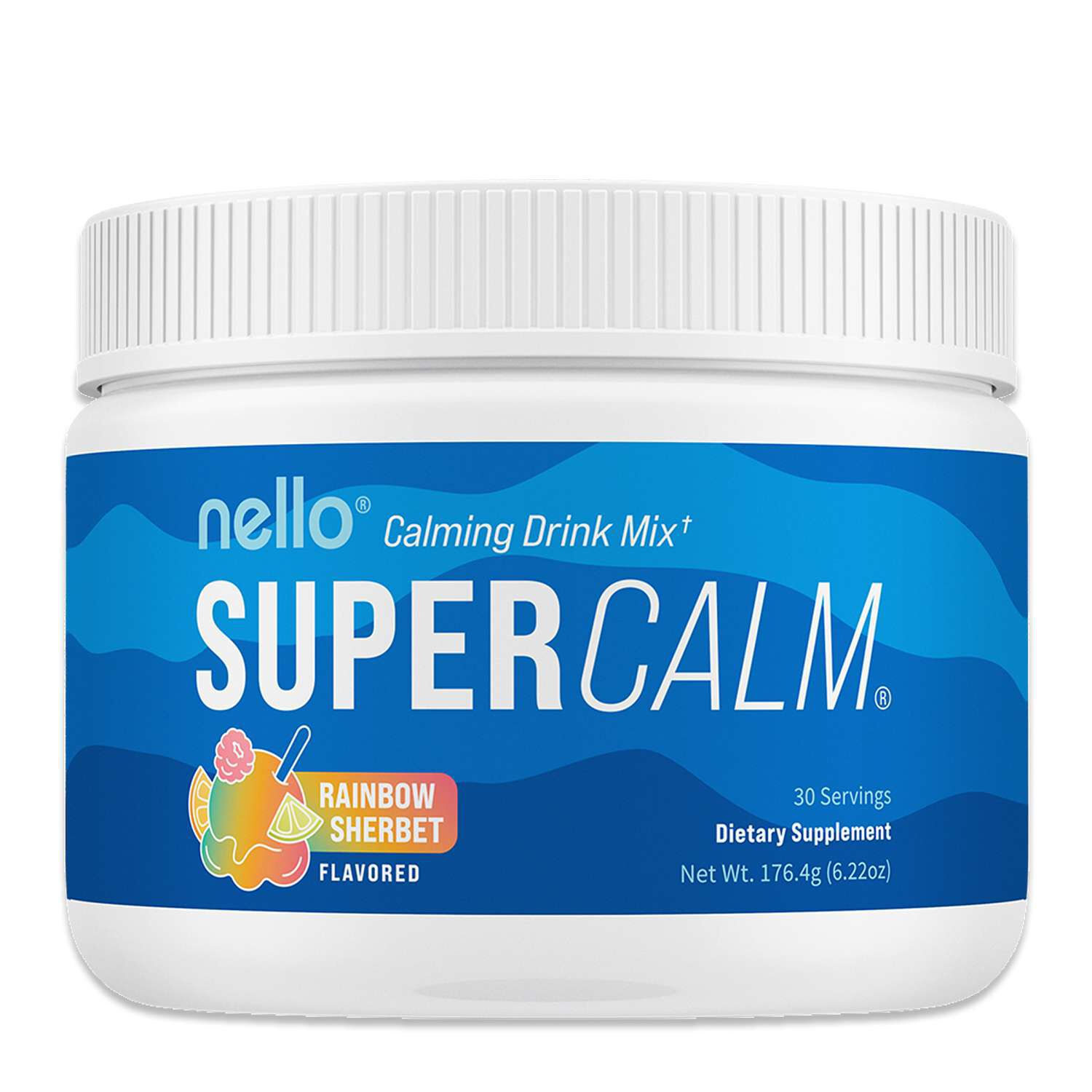
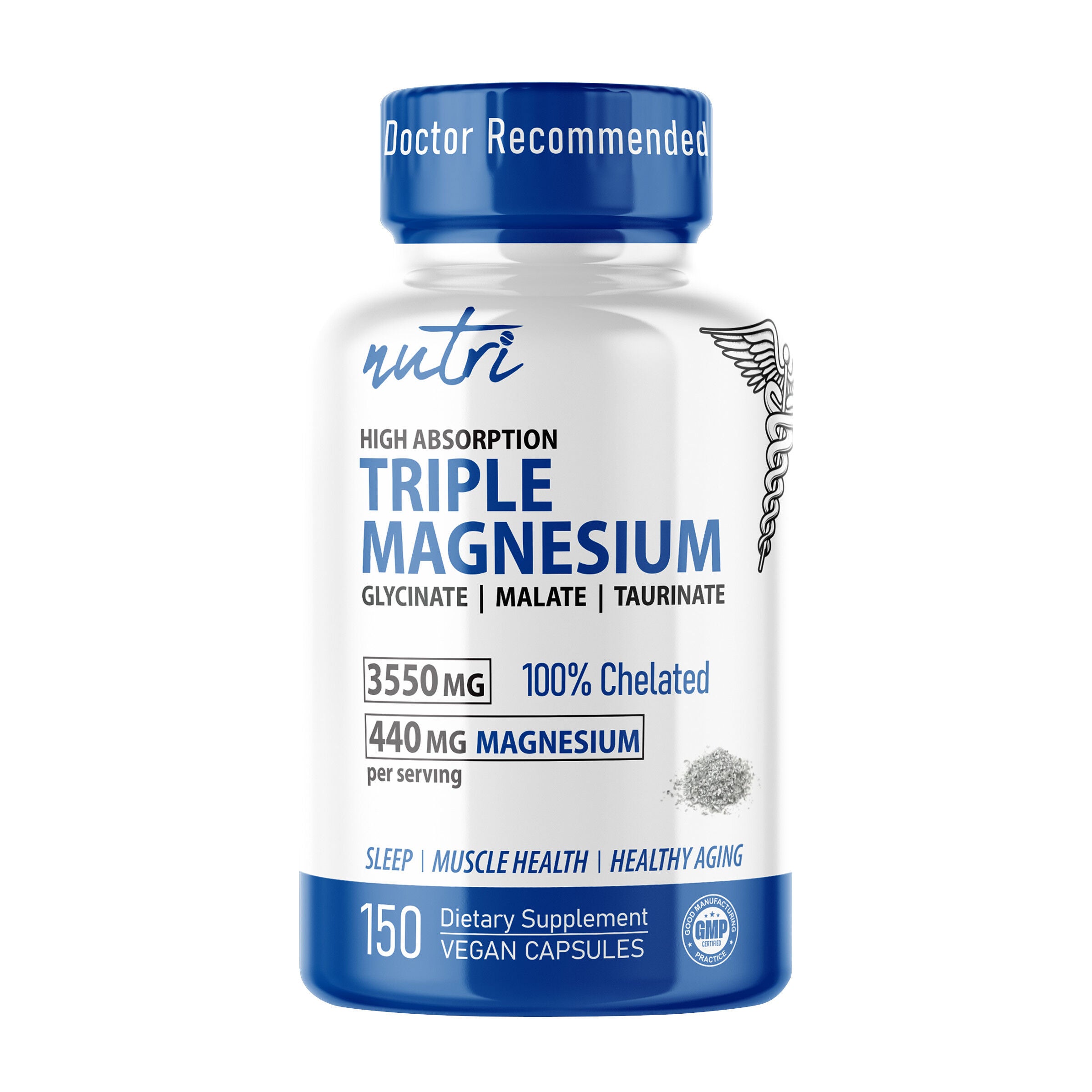
Magnesium carbonate supplements are dietary supplements that use magnesium carbonate, an inorganic salt with the chemical formula MgCO₃, as a source of magnesium. The compound contains magnesium, carbon, and oxygen, and its name identifies the form of the mineral rather than the amount in a serving. That distinction matters when comparing labels: the magnesium amount in the Supplement Facts panel refers to elemental magnesium, not the entire weight of the magnesium carbonate compound. A larger number elsewhere on the packaging does not necessarily mean a larger amount of magnesium per serving. The serving size provides the other half of that comparison, since the listed amount may correspond to one capsule, several tablets, or a measured portion of powder. For adults considering magnesium carbonate as part of an everyday supplement routine, these details provide a more useful starting point than the size of the bottle or the prominence of the front label. Magnesium carbonate is also distinct from magnesium citrate, magnesium glycinate, and other magnesium compounds. Although their names share the same mineral, they are not interchangeable descriptions of the ingredients inside. A formula may contain magnesium carbonate as its sole magnesium source or combine it with other forms, making the full Supplement Facts panel worth considering alongside the ingredient list. When several sources appear together, the listed magnesium amount generally represents their combined contribution rather than a separate amount for each source. The distinction between a mineral source and the rest of the formula is useful, too. Capsule shells, tablet binders, flavorings, and other ingredients serve different purposes and belong in the overall comparison. Someone looking for a straightforward mineral formula may have different preferences from someone interested in a flavored preparation or a formula containing several nutrients. Clear labeling helps make those differences visible without relying on the product name alone.
Format is another meaningful part of comparing magnesium carbonate supplements because it shapes the practical experience of using them. Capsules and tablets may suit shoppers who prefer a premeasured format with little preparation, while powders may appeal to those who prefer measuring and mixing a serving according to the package directions. Neither format tells the whole story about the formula. Capsule dimensions, the number of units per serving, powder serving weight, and preparation instructions all contribute to how a supplement might fit into an established routine. For someone with a small kitchen cabinet or a shared countertop, the container footprint and the space needed for preparation may matter as much as the format itself. A powder involves different considerations from a bottle of capsules: the measuring tool, mixing vessel, texture, and flavor all become part of the experience. Magnesium carbonate is not readily soluble in plain water, so the mixing characteristics of a finished powder depend on its full formulation and the preparation method specified on its label. The word “powder” alone does not establish that a formula will dissolve into a clear drink. Shoppers interested in comparing that aspect of mineral preparations can also explore Soluble Magnesium Supplements, with attention to the magnesium source and mixing directions for each formula. Flavor descriptions and ingredient lists provide additional context for drinkable preparations, particularly for someone who prefers an unflavored option or wants to know which sweeteners are present. Capsule materials deserve similar attention when vegetarian preferences are part of the decision, since the mineral source does not establish what the shell contains. Allergen statements and other dietary descriptions also belong to the finished formula, not to magnesium carbonate as an ingredient in isolation. These practical differences make comparisons more personal without requiring assumptions about how a supplement might affect any particular person.
Packaging, storage, and label readability round out the comparison of magnesium carbonate supplements. Unlike a reusable household item, a supplement is not evaluated mainly by how long its materials withstand repeated wear. The relevant considerations are the condition of the packaging, the printed date information, and the storage directions associated with the formula. A legible label, an intact seal before first use, and a closure that remains usable throughout the container’s contents are practical details worth noticing. Keeping the original container also preserves the connection between the contents and their ingredient information, serving directions, lot number, and printed date. This is particularly useful in a household where several similar-looking supplement bottles share a cabinet. Moisture exposure and loosely closed lids are additional considerations for powders and other formats, making the package’s storage instructions more relevant than a convenient spot beside a sink. For measured powders, the directions establish how the enclosed scoop or another specified measuring tool relates to a serving; utensils that look similar do not necessarily hold the same amount. Container size deserves the same careful distinction. Two packages with similar dimensions may contain different numbers of servings, especially when one serving consists of several capsules or a larger portion of powder. The servings-per-container statement provides context that the package shape cannot. Adults comparing magnesium carbonate supplements may also value readable print, a manageable container, and directions that fit the way they organize everyday tasks. Someone who prefers minimal preparation may place more emphasis on serving format, while someone who regularly prepares a beverage may focus on flavor and mixing details. Across those preferences, the most informative comparison brings together the elemental magnesium amount, source ingredients, serving size, format, and storage requirements. Together, those details describe what a magnesium carbonate supplement contains and what using it involves, keeping the selection grounded in the actual formula rather than assumptions based on its name.
Best Sellers
-
 Rho Nutrition
-
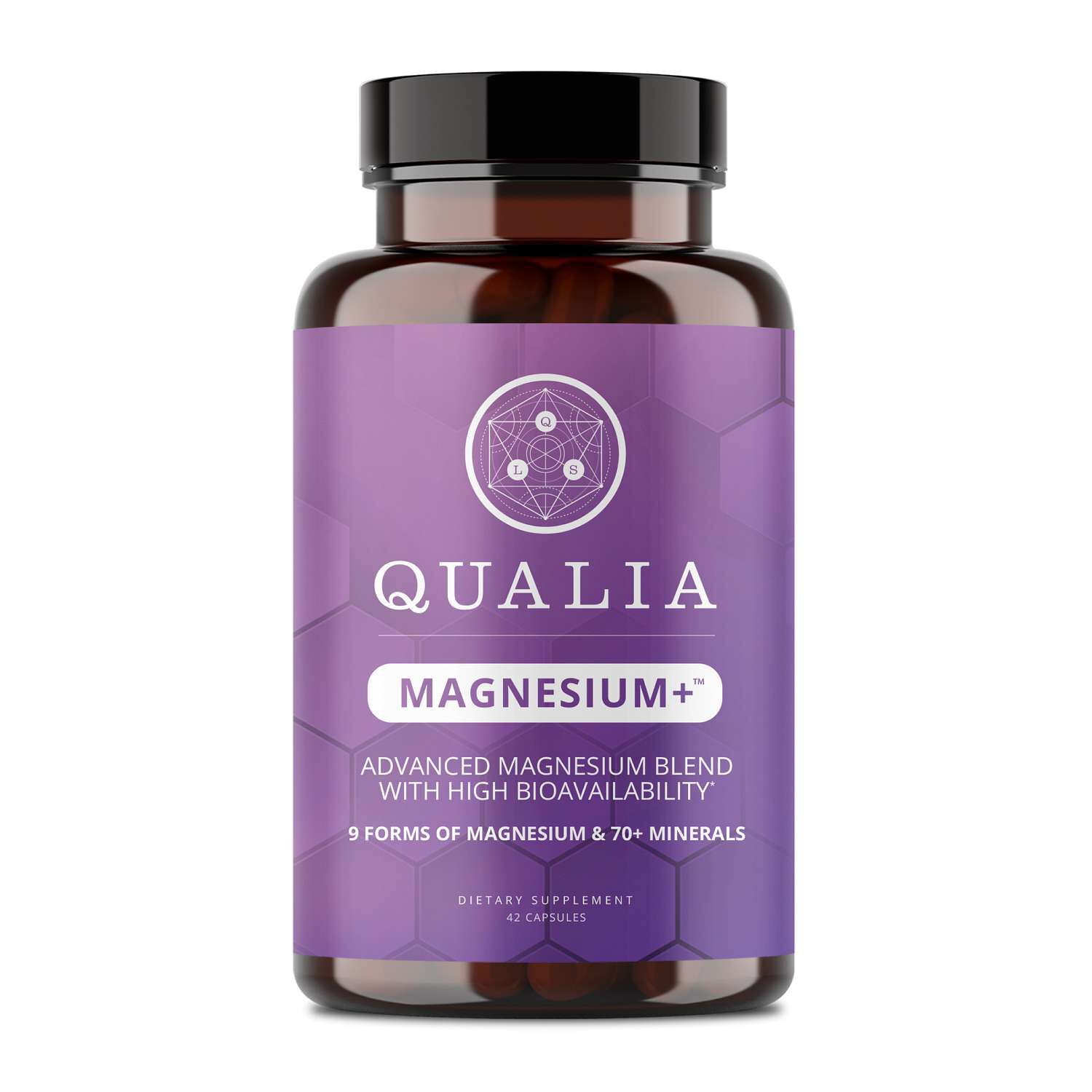 Qualia Life Sciences