





Magnesium Potassium Supplements With No Artificial Colors
(0 Results)
Magnesium potassium supplements with no artificial colors offer a straightforward option for those looking to support their wellness routines. These supplements may provide a simple way to incorporate important minerals into your daily regimen, all without added artificial colors. Whether you’re focused on maintaining an active lifestyle or simply aiming to fill potential gaps in your nutrition, magnesium potassium supplements with no artificial colors could be a valuable addition to your supplement selection. Explore options that may fit seamlessly into your daily routine and align with your personal preferences.
-

-
-

-

-
 Wild Society Nutrition8$39.99
-

-
 Wild Society Nutrition8$39.99
-

-
-
 Nature's Fusions$29.99
-
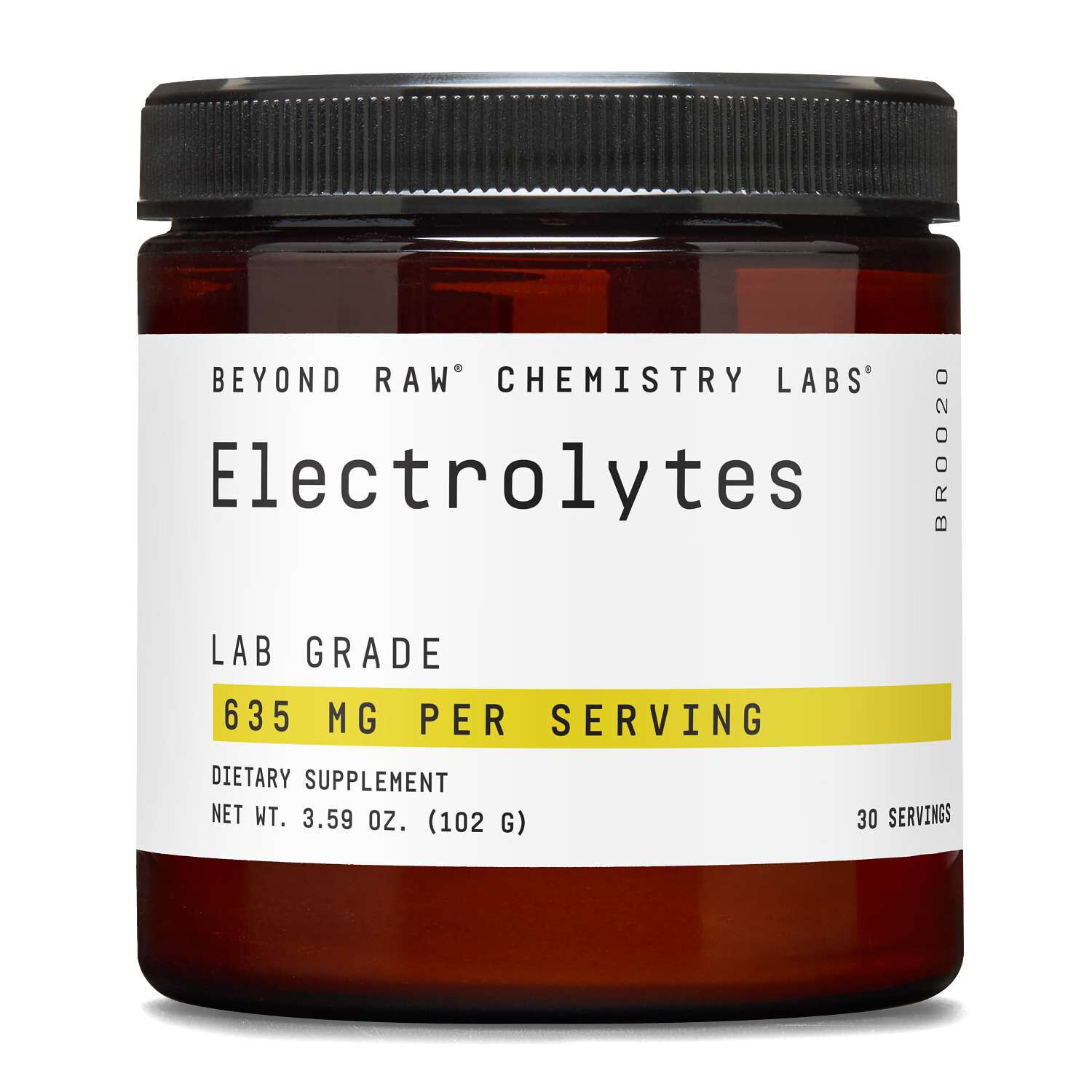 Beyond Raw$24.99
-
 Angry Supplements$24.99
-
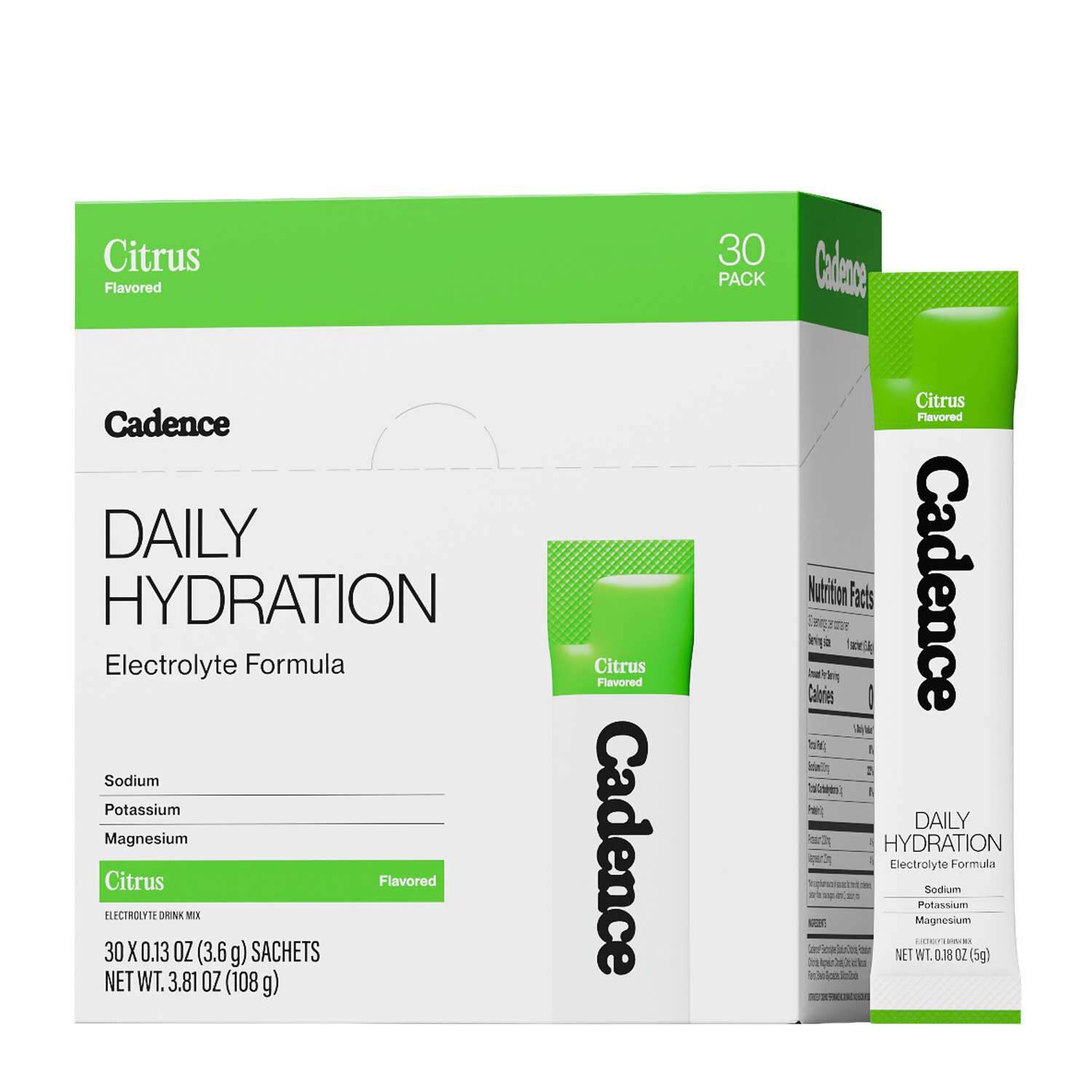 Cadence Performance$44.99
-
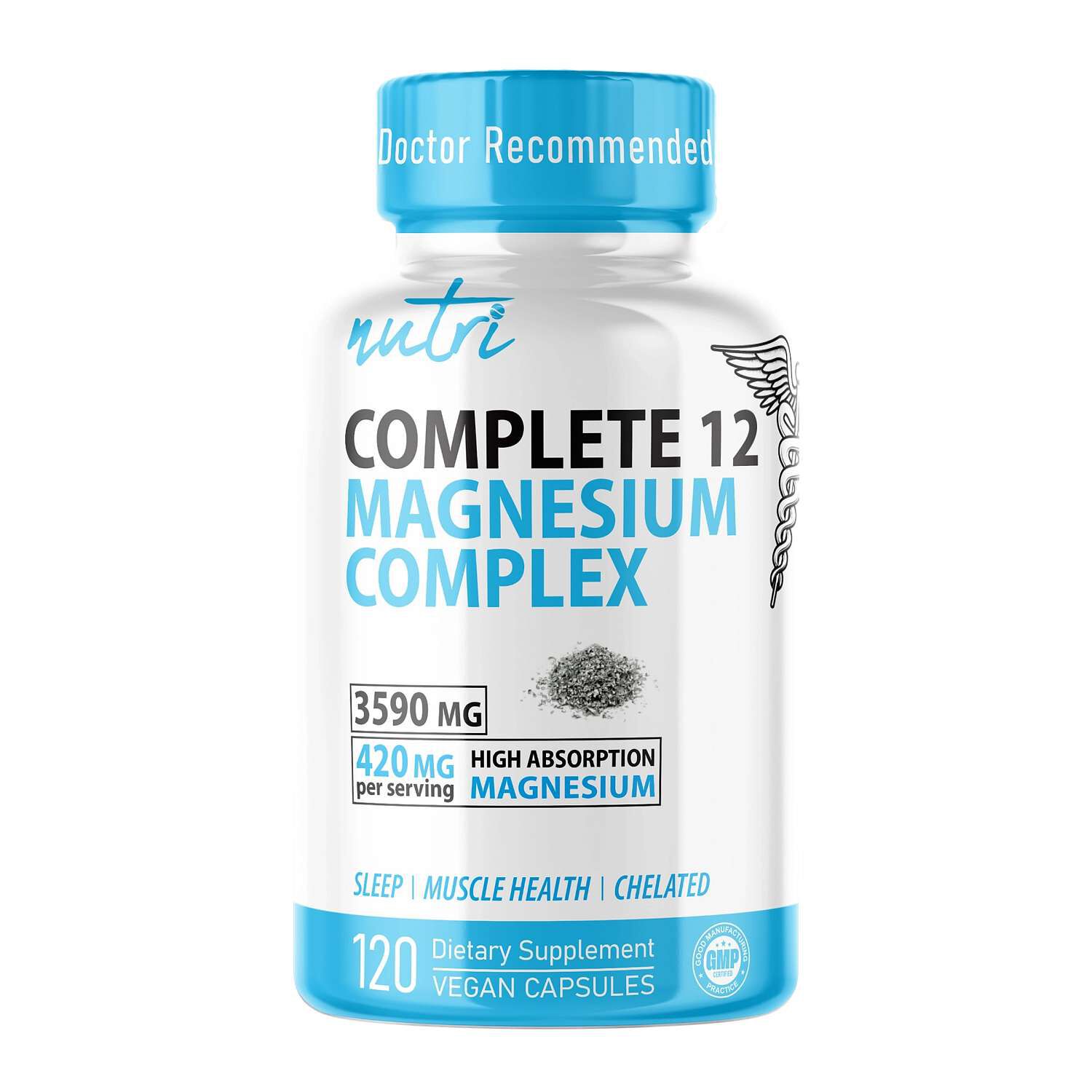 Nature's Fusions$31.99
-

-
 _Front.jpg?sw=305&sh=305&sm=fit "Magnesium: Bioactive Magensium Citrate - 120 Capsules (120 Servings) | GNC")
-

-


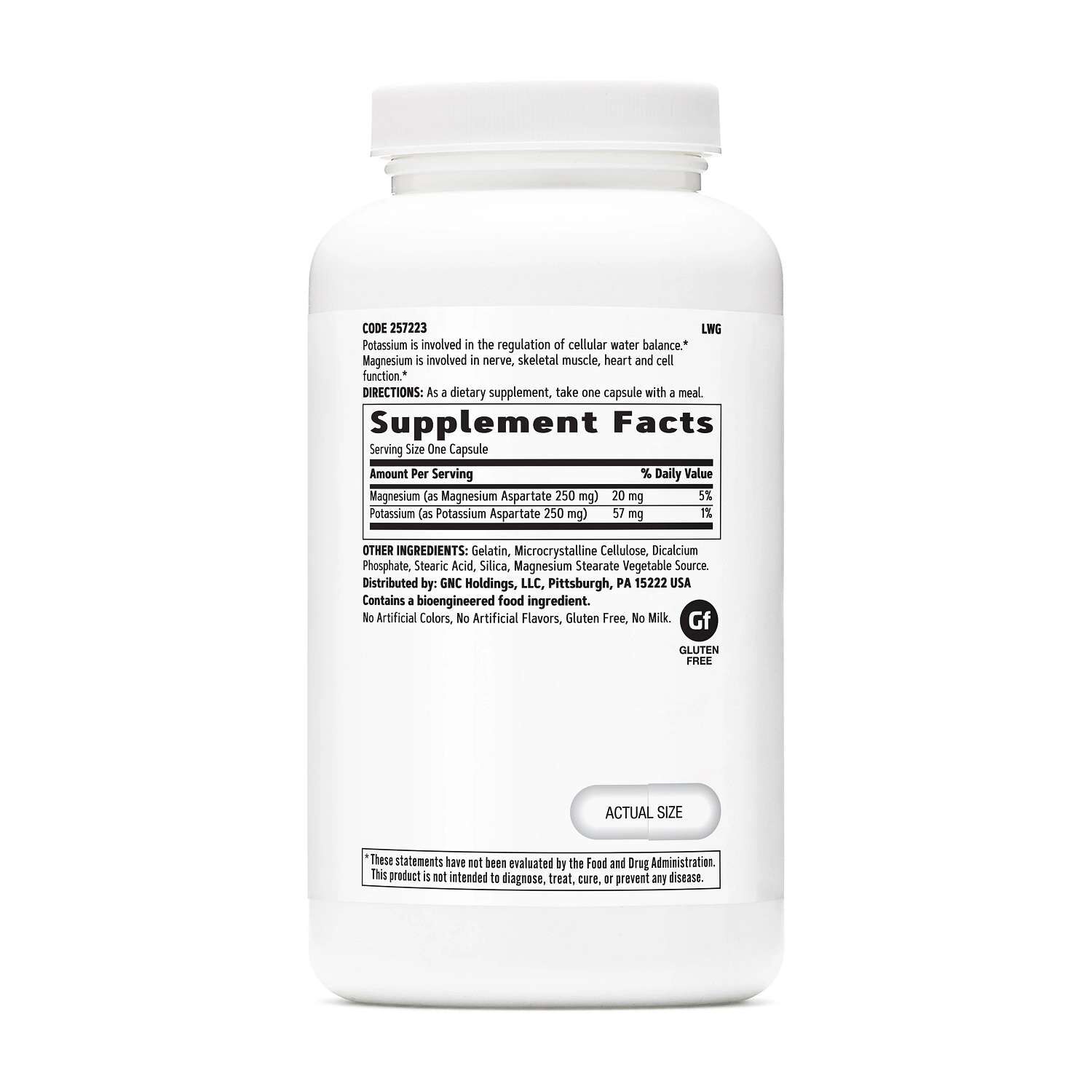
Magnesium potassium supplements with no artificial colors contain these two dietary minerals in formulations made without added artificial coloring. That distinction concerns the ingredients used for appearance; it does not mean a tablet, capsule, or powder must look white or transparent. Mineral ingredients, capsule materials, and other components may contribute their own color, so a beige tablet or an off-white powder is not necessarily artificially colored. The product label and ingredient list provide a more useful reference than appearance alone. Magnesium and potassium occur naturally in a range of foods, including beans, leafy greens, nuts, potatoes, and fruit, with amounts varying by food and serving size. Supplements offer measured amounts in a packaged format intended to complement a varied diet rather than replace meals. Within this category, the details worth comparing go beyond the absence of artificial coloring. The amount of magnesium and potassium per serving, the number of tablets or capsules in that serving, and the mineral forms all help describe what a formula contains. A label might identify magnesium citrate, magnesium glycinate, or magnesium oxide, for example, alongside a potassium source such as potassium citrate or potassium gluconate. Those ingredient names describe different mineral compounds; they should not be treated as interchangeable descriptions of the amount of magnesium or potassium listed in the Supplement Facts panel. The listed mineral amount and the full compound name answer different questions about the formula. A prominent number on the front of a package also needs the context of its serving information. A serving made up of several capsules is different from a single-capsule serving, even when the bottle sizes look similar. Reading those details together gives the category more definition: the color preference identifies one formulation characteristic, while the nutrient amounts, mineral sources, and serving format describe the supplement itself. For adults who pay close attention to ingredient choices, that combination of information offers a clearer basis for comparison than color-related wording alone.
The physical format matters just as much as the ingredient statement when a supplement becomes part of an everyday routine. Capsules enclose their contents in a shell, while tablets compress ingredients into a solid form that may include a coating. Capsule shells may be made from gelatin or plant-derived materials such as cellulose, and tablet formulas may include binding ingredients that help hold the shape together. These materials serve different purposes from artificial coloring, so a no-artificial-colors statement does not describe every aspect of the formulation. Someone who prefers plant-derived capsule materials, for instance, still has a separate reason to examine the shell ingredients. Size, shape, surface texture, and the number of units per serving are also practical considerations. A person packing a small bag for a workday may prefer a different format from someone who keeps supplements beside a meal at home. Where powders or chewable formats are part of the comparison, flavor, texture, preparation, and measuring requirements add another set of details. A powder has a different handling routine from a capsule, and a flavored chewable has a different ingredient profile from an unflavored tablet. The absence of artificial coloring does not establish whether a formula contains sweeteners, sugars, flavors, or ingredients associated with particular dietary preferences. Those characteristics need their own label review. Nor does a shorter ingredient list necessarily describe the amount of either mineral in a serving. Some ingredients help a tablet retain its shape, allow a powder to move through processing equipment, or form a capsule shell. Understanding those roles keeps the comparison focused on what each ingredient does within the product rather than whether its name sounds familiar. For shoppers organizing a consistent routine, the most relevant format details are often ordinary ones: how the container opens, how the serving is measured, whether preparation is required, and how clearly the directions are presented. A supplement’s fit with those habits is separate from its appearance.
Magnesium potassium supplements with no artificial colors may appeal to adults who prefer to leave added artificial coloring out of their supplement routine, including those who already compare color ingredients across foods and beverages. That preference is specific, not a shorthand for every other formulation choice. A product described as having no artificial colors is not necessarily unflavored, plant-based, or made without particular allergens. Each of those descriptions addresses a different characteristic. For shoppers comparing capsule formats and flavor ingredients as well, the related category Magnesium Potassium Capsules With No Artificial Flavors offers another focused way to browse. Keeping color and flavor preferences distinct makes label comparisons more meaningful, especially when two packages use similar wording on the front. Packaging details deserve attention, too. The labeled serving count describes how many servings a container holds, while the tablet or capsule count describes the number of individual units inside; those figures are not always the same. Printed storage directions, the expiration date, and the condition of the seal provide additional context for handling the product. An original container keeps the ingredient statement, serving directions, and identifying information together, which is useful when several supplements share space in a cabinet. Storage conditions also matter to the physical condition of tablets, capsules, and powders. Moisture may affect texture or cause contents to clump, making the package’s storage instructions more informative than assumptions based on the format. A bathroom shelf, a gym bag, and a kitchen cabinet are different environments, even if each seems convenient. The intended use remains the same across those settings: a labeled dietary supplement with specified mineral amounts and directions, not a substitute for a varied eating pattern. Thoughtful comparison brings these details together without asking a single label statement to explain the whole formula. Mineral amounts, serving size, ingredient materials, format, and packaging each tell part of the story, while the no-artificial-colors designation identifies the particular ingredient preference that brings this category into focus.
Best Sellers
-
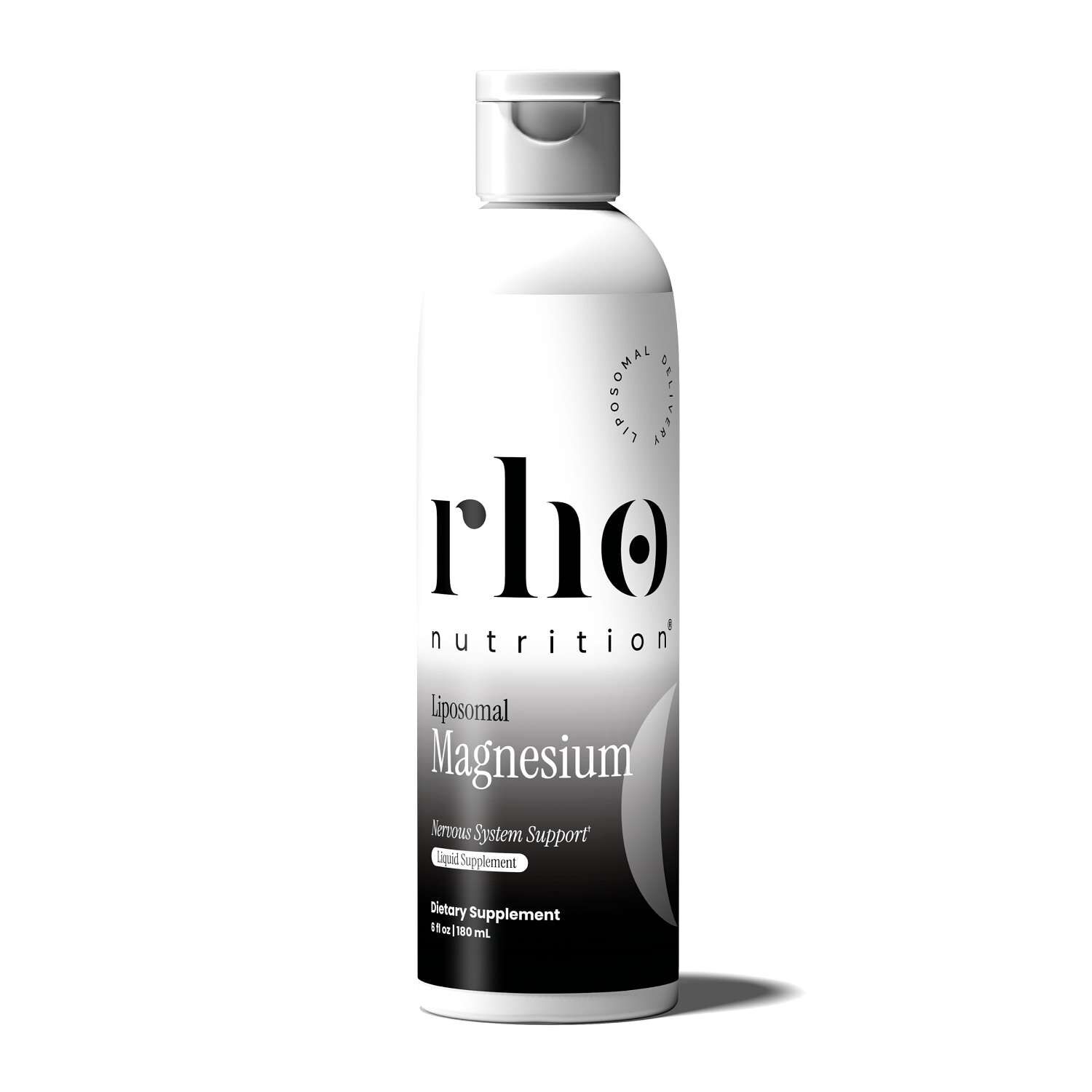 Rho Nutrition
-
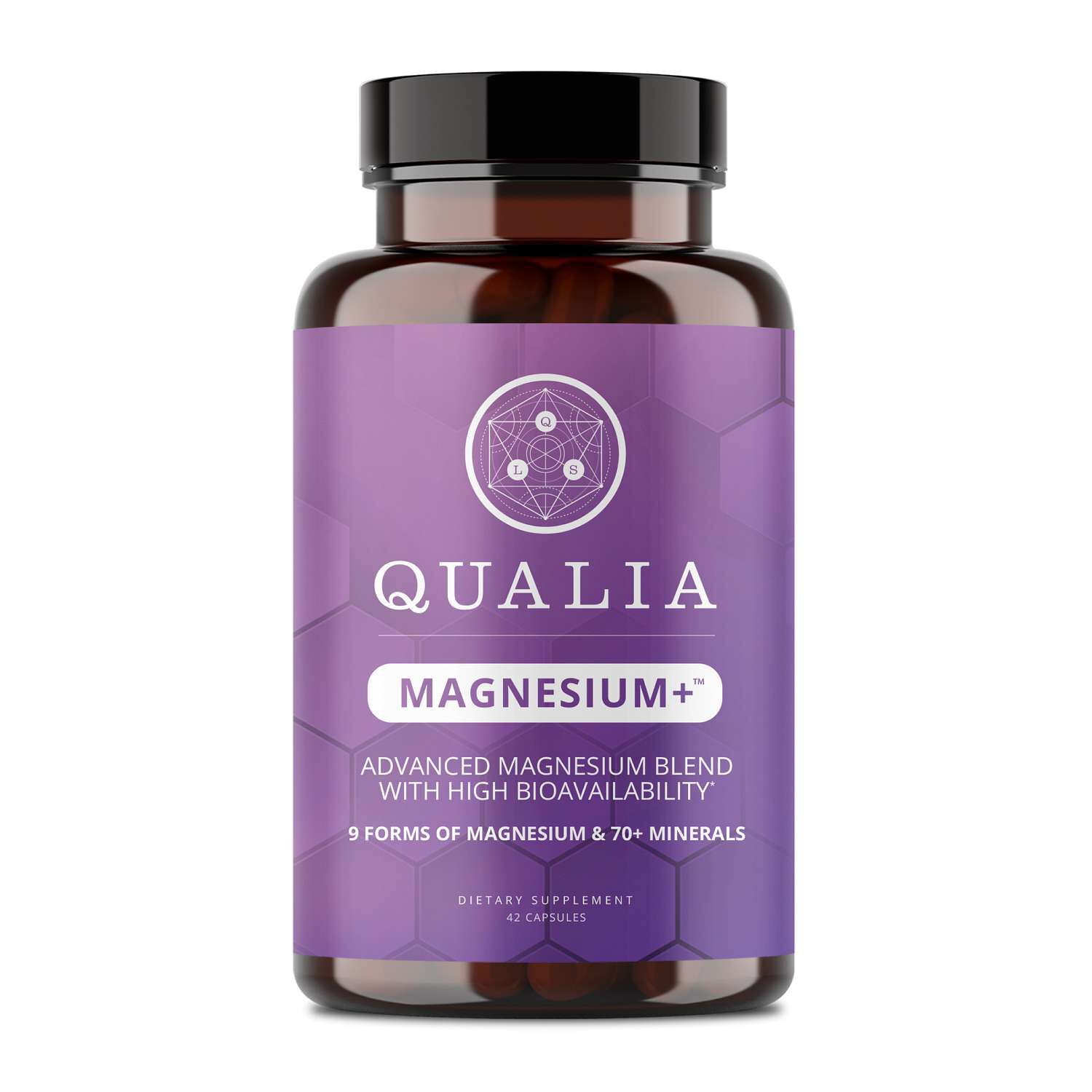 Qualia Life Sciences
Related Pages


Top Collections
- Chronic Fatigue Supplements
- Vitamins For Hair Loss
- Capsule Supplements For Energy And Stamina
- Supplements For Yoga Joint Flexibility
- Zinc Supplements For Men
- Best Brand of Magnesium Glycinate
- Cortisol Supplements
- Supplements For Energy And Wellness
- Joint Mobility Supplement Packs
- Peptide Supplements