Magnesium Supplements Without Artificial Colors
(0 Results)
Magnesium supplements without artificial colors offer an option for those seeking a cleaner approach to daily wellness support. With a focus on simplicity, these formulas may suit individuals looking to avoid unnecessary additives in their routine. Explore magnesium supplements without artificial colors to find options that could fit your personal preferences and lifestyle goals.
-

-

-
 _Front.jpg?sw=305&sh=305&sm=fit "Magnesium: Bioactive Magensium Citrate - 120 Capsules (120 Servings) | GNC")
-
 _Front.jpg?sw=305&sh=305&sm=fit "Magnesium: Bioactive Magensium Citrate - 60 Capsules (60 Servings) | GNC")
-

-

-

-

-

-

-

-

-
 $25.99
 -
-

-

-

-

-

-

-

-


Magnesium supplements without artificial colors are dietary supplements formulated without synthetic color additives. This category centers on an ingredient preference rather than a particular magnesium form, serving size, or delivery format. Capsules, tablets, powders, gummies, and liquids can all fit that preference when their ingredient lists and labeling confirm the absence of artificial colors. Magnesium itself is a mineral found in foods such as beans, nuts, seeds, and whole grains; in supplements, it appears in compounds with names such as magnesium citrate, magnesium glycinate, magnesium malate, and magnesium oxide. Those names identify the magnesium source, not whether the finished formula contains a color additive. For someone who pays close attention to ingredient lists, the distinction matters: choosing a particular magnesium compound does not automatically address preferences about coloring, flavoring, sweeteners, or capsule materials. A supplement without artificial colors also does not necessarily have a white or clear appearance. Ingredients can contribute their own color, and some formulas use coloring ingredients from plant or mineral sources. Likewise, “no artificial colors” and “no added colors” describe different attributes, so the precise wording on the package deserves attention. The Supplement Facts panel identifies magnesium and its amount per serving, while the other ingredients list provides additional context about the capsule shell, tablet coating, flavor system, and other formulation components. Reading both sections gives a more useful picture than judging a supplement by the color of its contents or packaging. This category may appeal to adults who already prefer foods and personal care products without synthetic dyes, as well as shoppers seeking a consistent approach to their supplement selections. The defining feature is the omission of artificial coloring, not a claim that every formula has the same composition or purpose. A straightforward capsule and a fruit-flavored powder can share that feature while differing considerably in texture, preparation, ingredient count, and how they fit into an everyday routine.
The format makes much of the practical difference when comparing magnesium supplements without artificial colors. Capsules contain a measured portion inside a shell, which can be made from gelatin or plant-derived materials such as cellulose. For shoppers with vegetarian preferences, the shell composition is a separate consideration from the absence of artificial colors. Tablets compress ingredients into a solid form and may include binders or coatings; these components have manufacturing functions and are not necessarily color additives. Capsule and tablet dimensions also matter to people who have an established preference for smaller or larger formats, although photographs alone may not communicate those dimensions accurately. Powders involve measuring and mixing, making the serving instructions, scoop information, and suggested liquid amount useful details to compare. An unflavored powder does not necessarily have no taste, since mineral ingredients can contribute a noticeable flavor of their own. Flavored powders introduce another set of considerations, including sweetness, aroma, and whether the flavor comes from sources that match personal preferences. Gummies offer a chewable format, with their own texture, serving count, sweeteners, and gelling ingredients. Liquids involve measuring a portion and may have handling instructions that differ from those for dry formats. None of these formats alone confirms the absence of artificial colors; the formula still determines whether it belongs in this category. Daily logistics can make one format more appealing than another. A capsule format involves no mixing, while a powder calls for a glass or bottle and a moment to prepare it. Someone organizing a small kitchen shelf may prefer a compact container, whereas someone accustomed to mixing beverages may be comfortable keeping a powder tub alongside a measuring utensil. Packaging matters here, too: a securely closing lid, readable directions, and a container that fits its intended storage space are practical details beyond the front label. Following the package’s storage and handling directions, keeping the closure secure, and retaining the original label preserve access to serving information, ingredient details, and the printed expiration date.
Comparing formulas becomes clearer when the amount of magnesium is considered alongside the serving size. The magnesium amount in the Supplement Facts panel refers to elemental magnesium, rather than the weight of the entire magnesium compound. A prominent number elsewhere on the package may describe something different, which makes the panel a useful reference point. The listed serving may consist of one capsule, several tablets, a scoop of powder, or a measured volume of liquid. Two containers with similar front-label descriptions can therefore involve different serving formats and different amounts per serving. Some formulas use one magnesium source, while others combine several; neither approach by itself establishes whether artificial colors are present. Additional vitamins, minerals, botanical ingredients, flavors, or sweeteners also change the composition, even when magnesium remains the central ingredient. For a shopper seeking a shorter ingredient list, a single-mineral formula offers a different comparison from a multi-ingredient blend. For someone focused specifically on coloring, a longer list is not automatically a mismatch. Each ingredient and each label statement has its own significance. The same care applies to testing language: third-party testing or certification should be understood according to the specific criteria described, rather than treated as evidence for every possible product attribute. A statement about testing does not replace checking the color ingredients. Flavor preferences deserve equally separate attention, and Magnesium Supplements With No Artificial Flavors offers a related category for shoppers considering that additional distinction. A supplement can omit artificial colors while still containing artificial flavors, or omit artificial flavors while containing coloring ingredients. Keeping those preferences separate makes comparisons more precise. The most useful selection details are the ones that connect the formula to its intended everyday use: the magnesium source, the labeled amount per serving, the delivery format, the supporting ingredients, and the preparation or storage requirements. Together, these details describe what is in the container and what using the format involves, while keeping the focus on magnesium supplements made without artificial colors.
Best Sellers
-
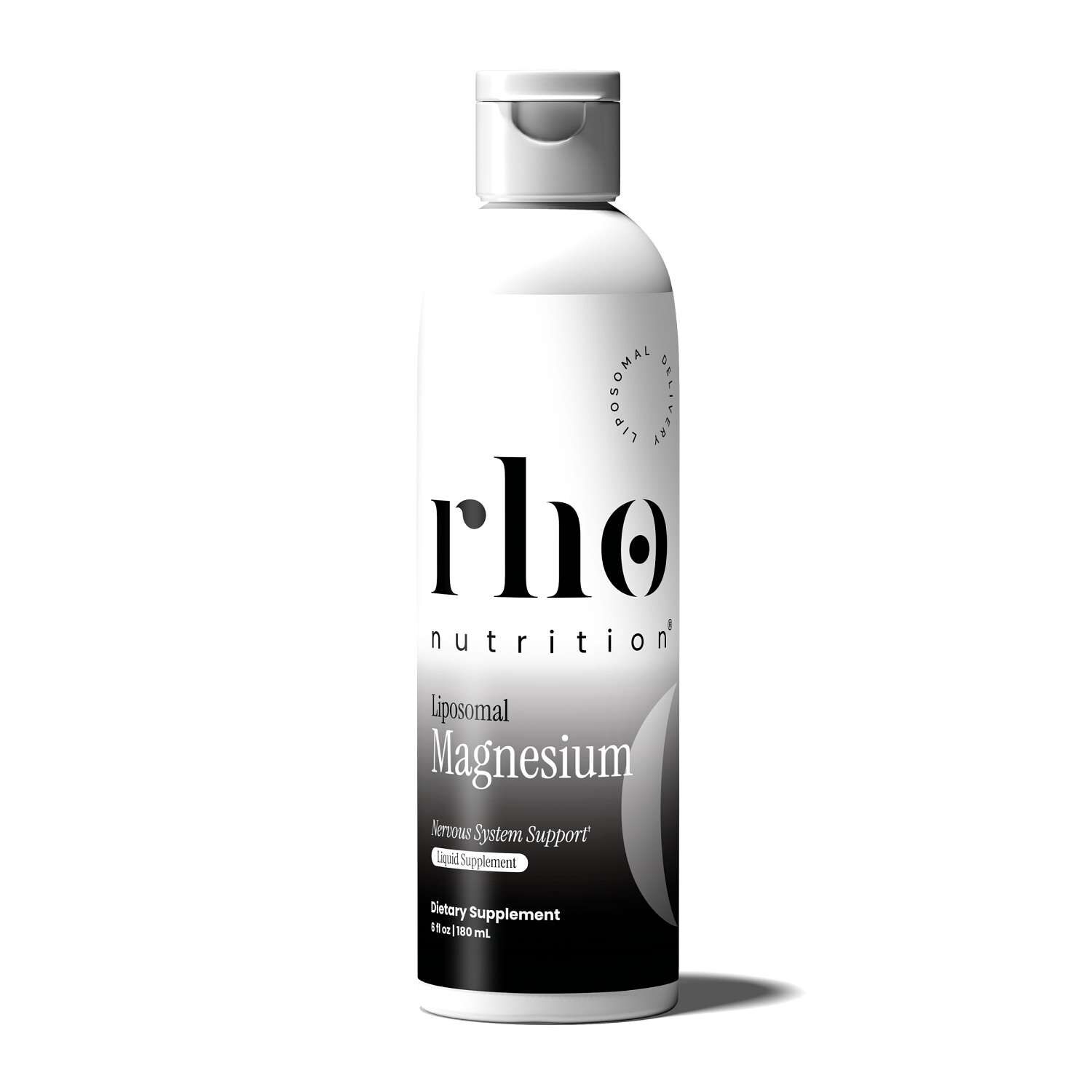 Rho Nutrition
 -
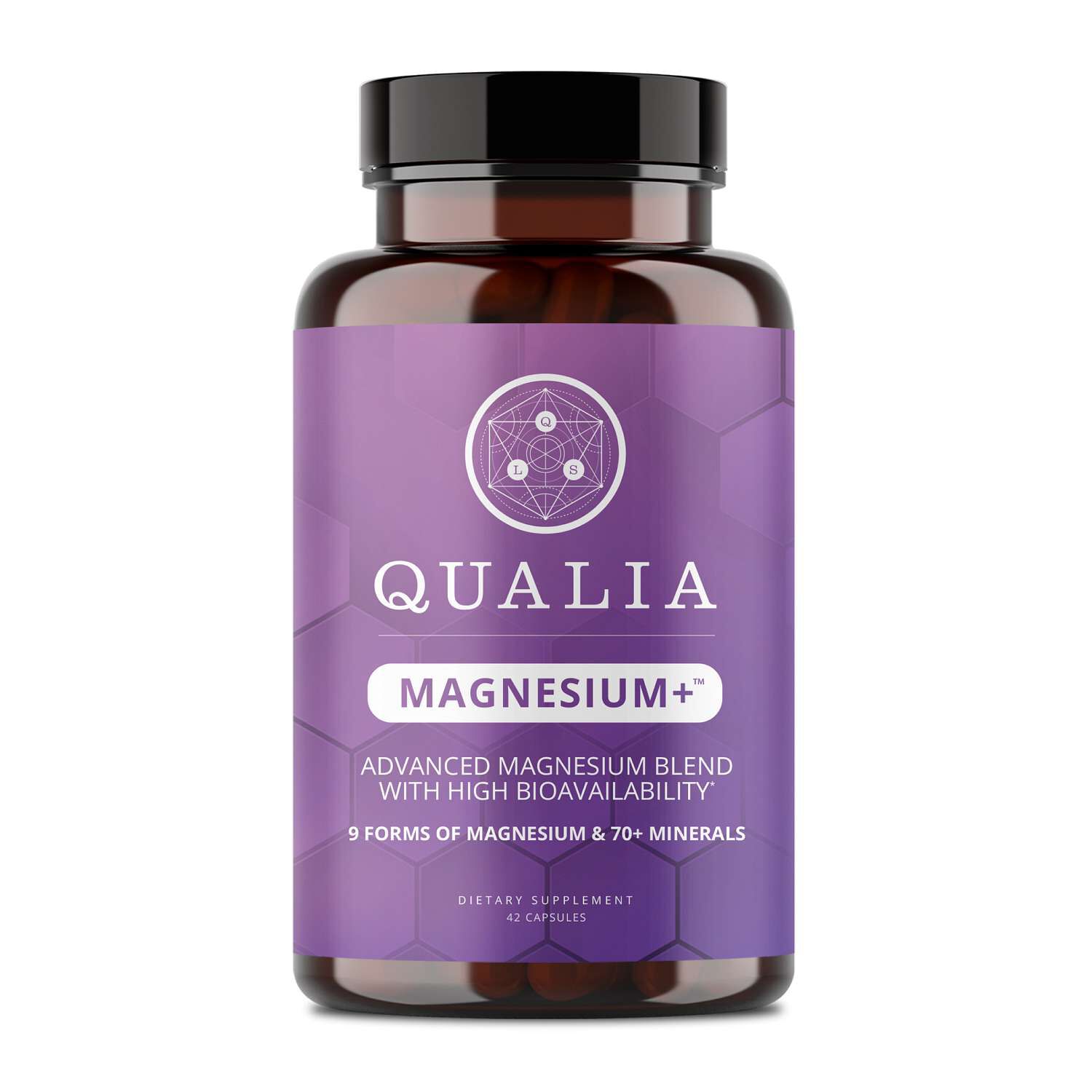 Qualia Life Sciences