Multivitamin Capsules For Summer Travel
(0 Results)
Multivitamin capsules for summer travel could be a convenient way to support your wellness routine while you're on the go. Whether you're exploring new destinations or enjoying a relaxing getaway, these easy-to-pack capsules may help you stay on track with your daily nutrition. Discover options designed to fit seamlessly into your travel plans, so you can focus on making the most of your summer adventures.
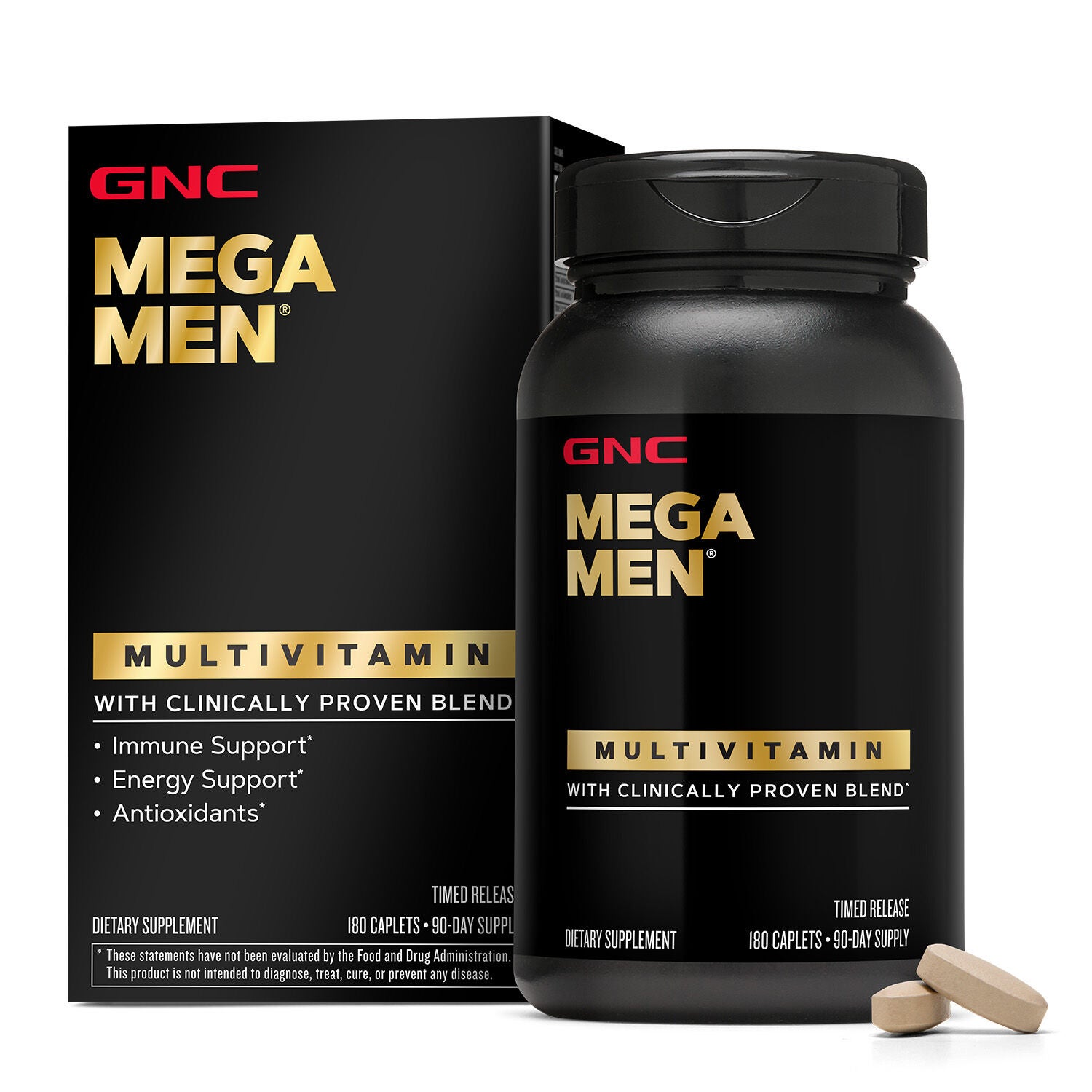
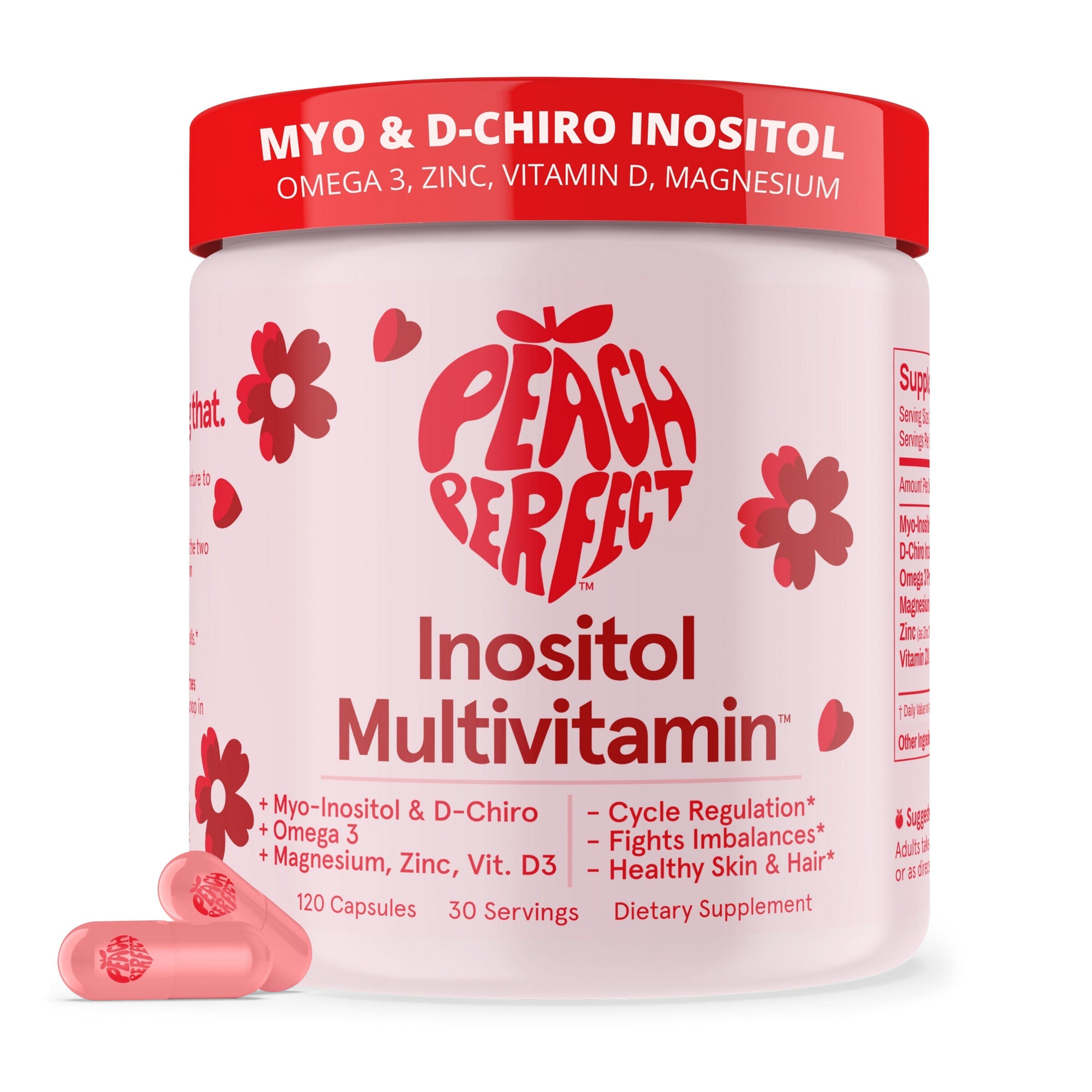
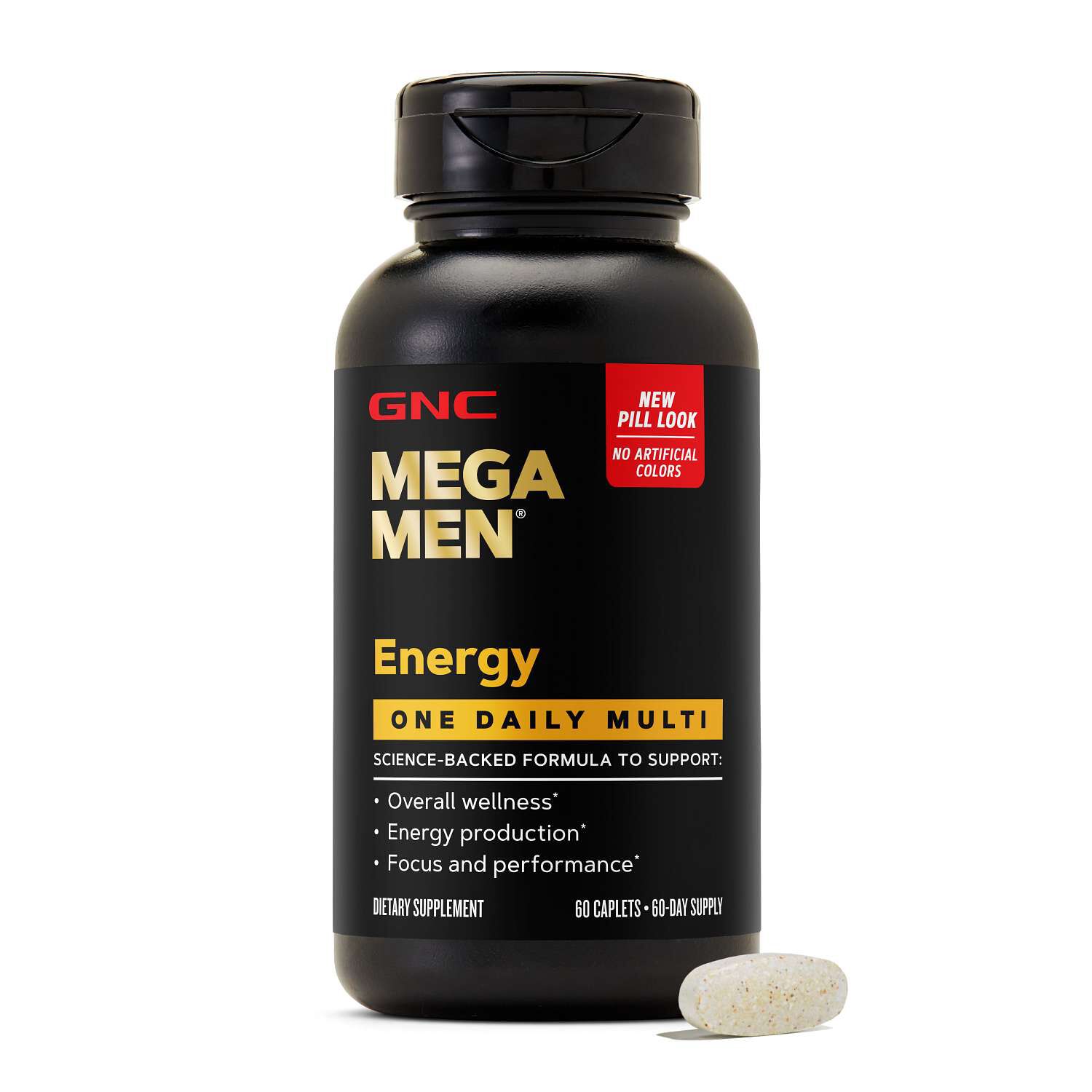


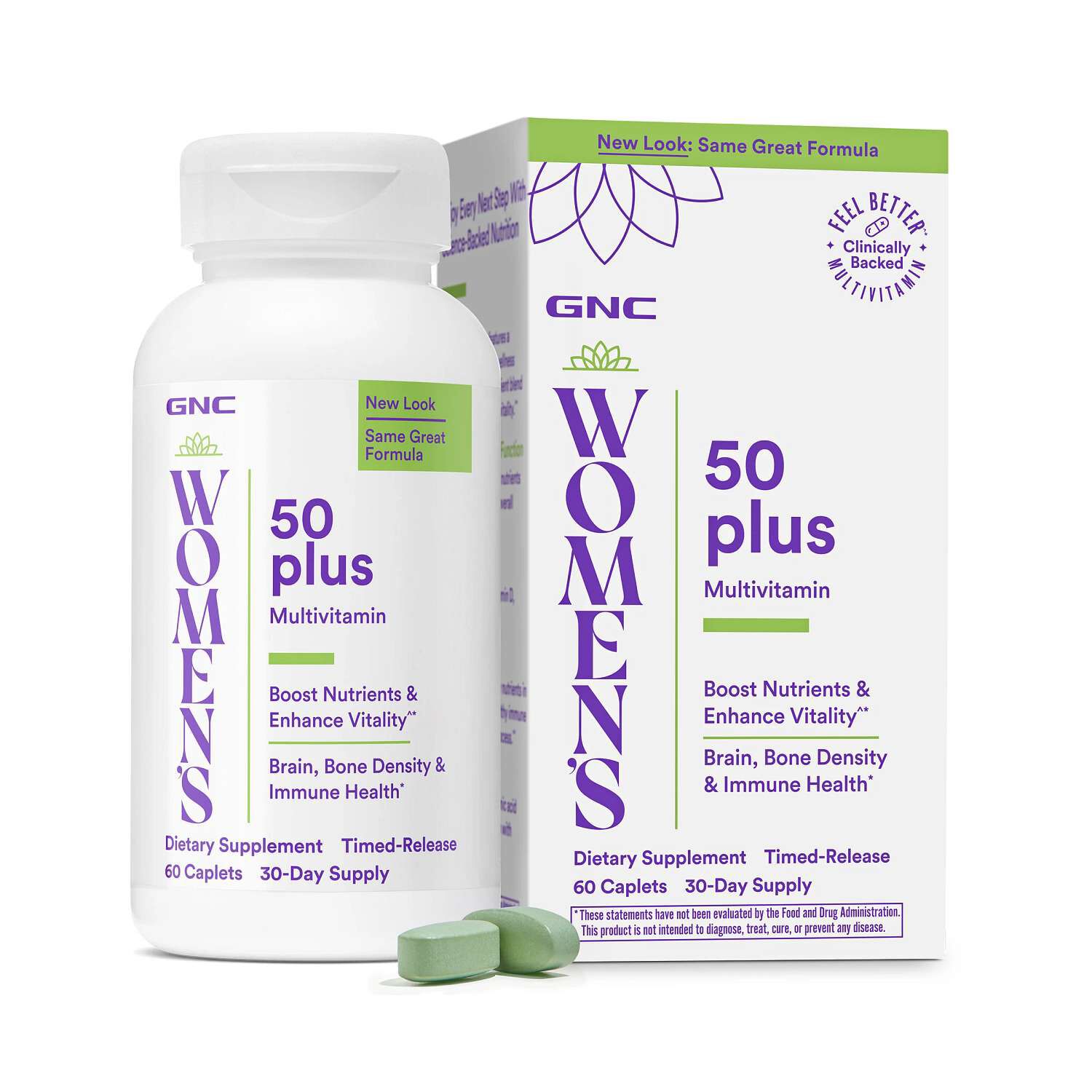
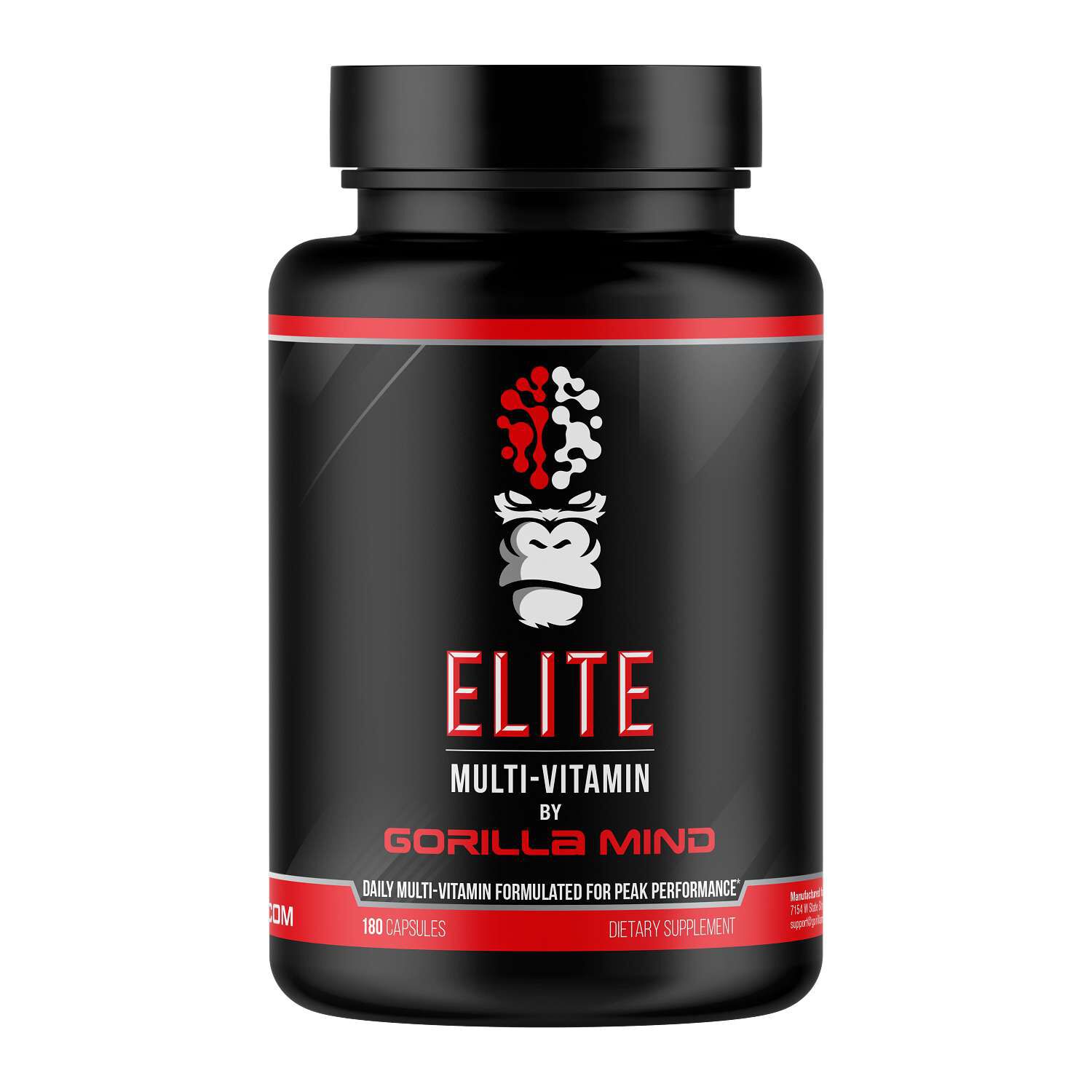

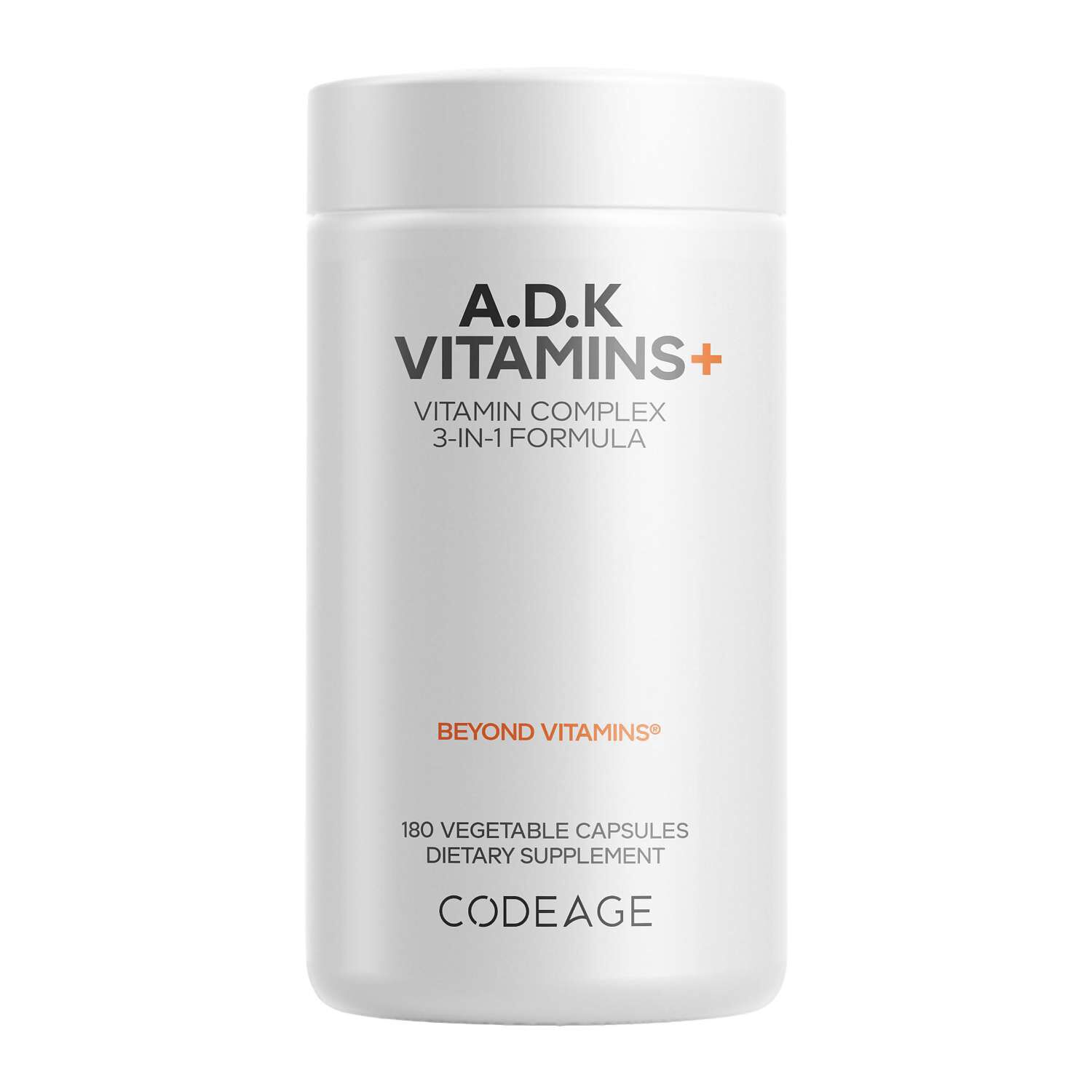





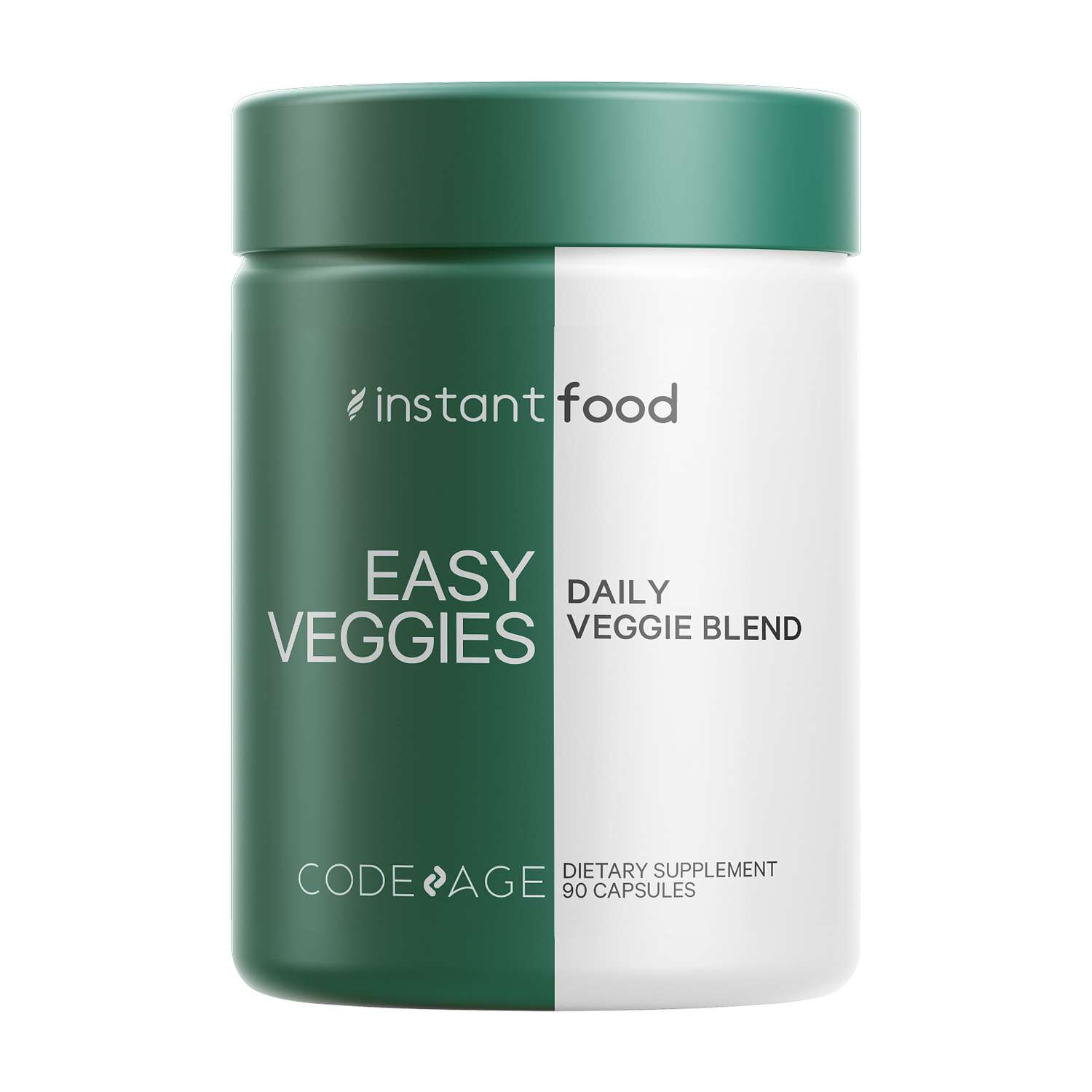

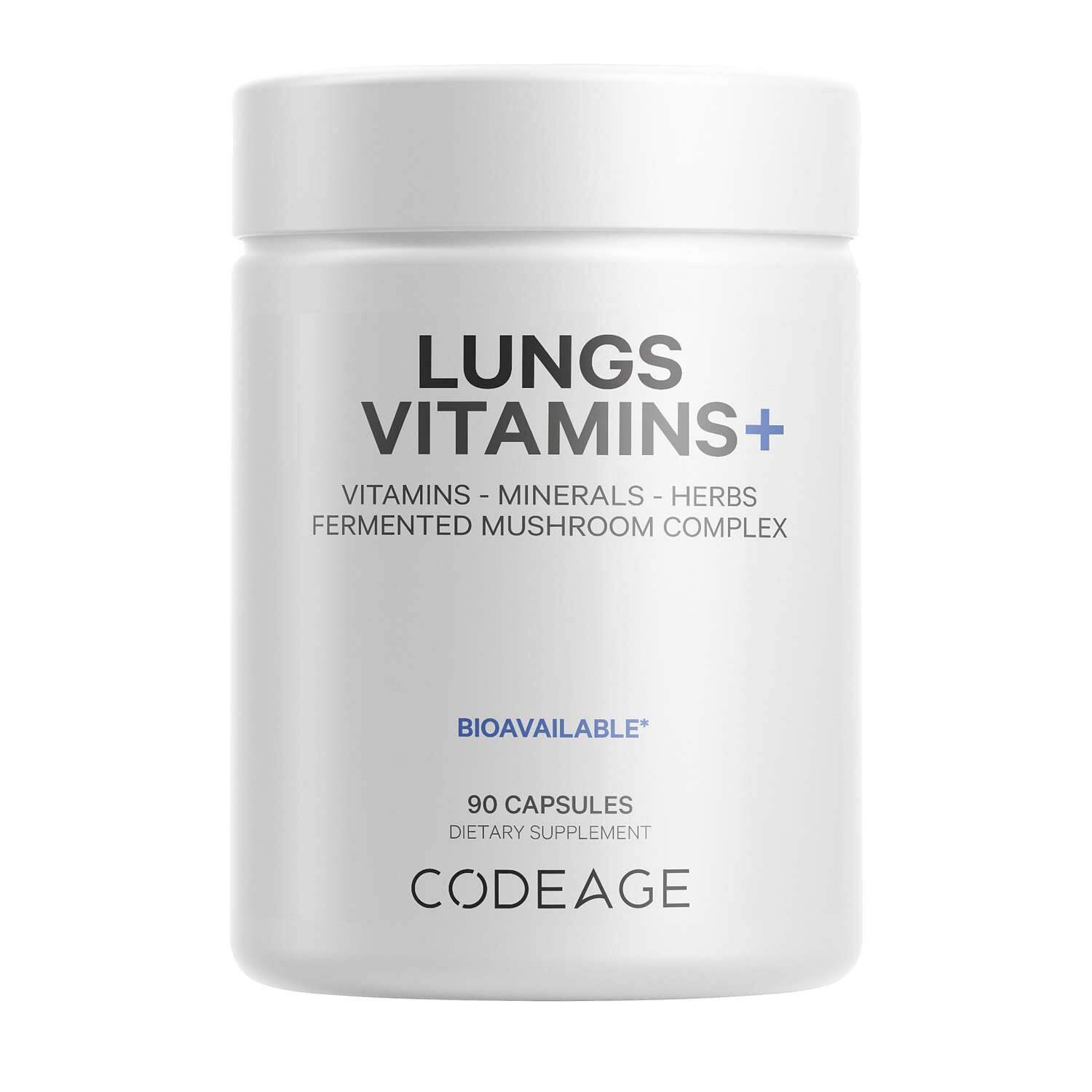
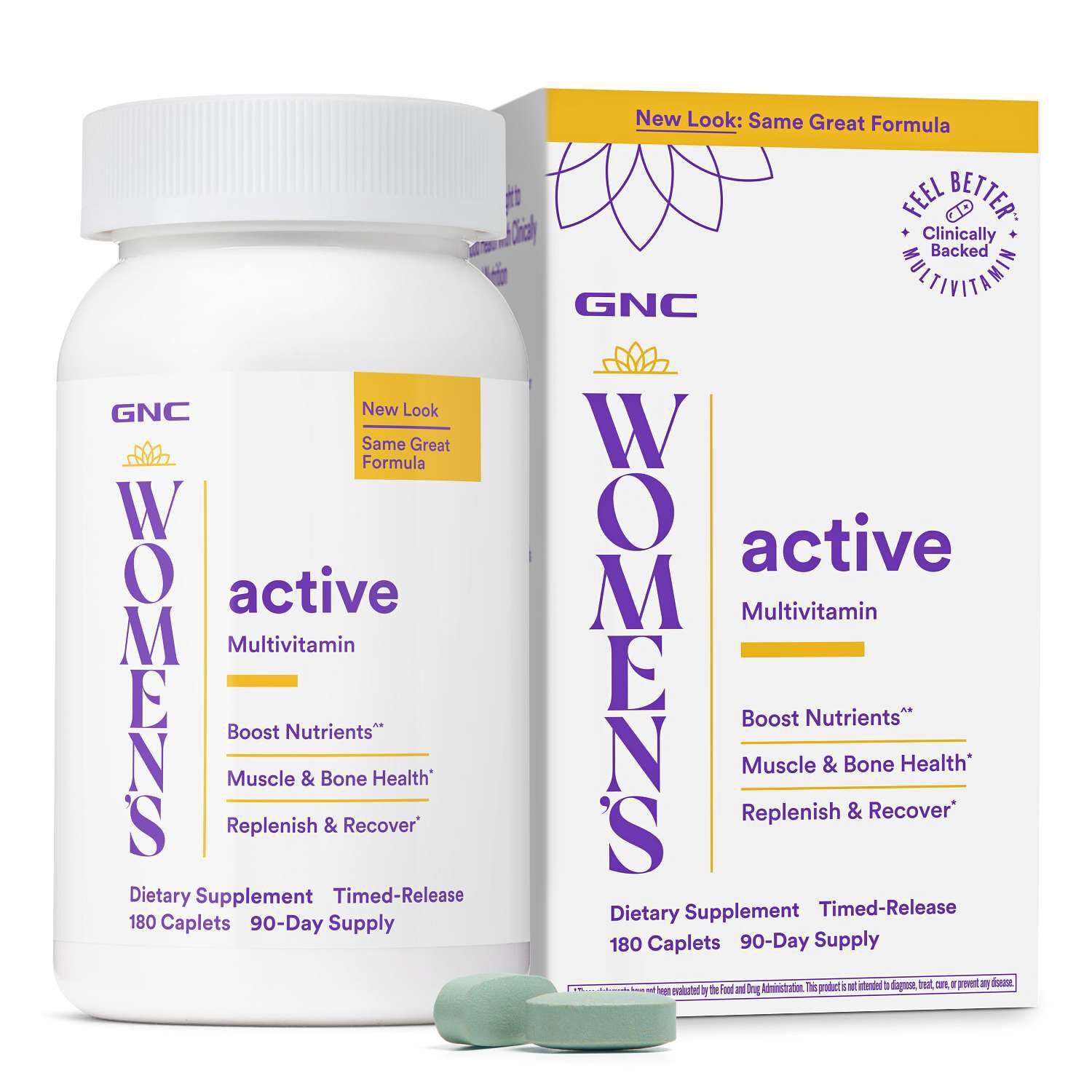
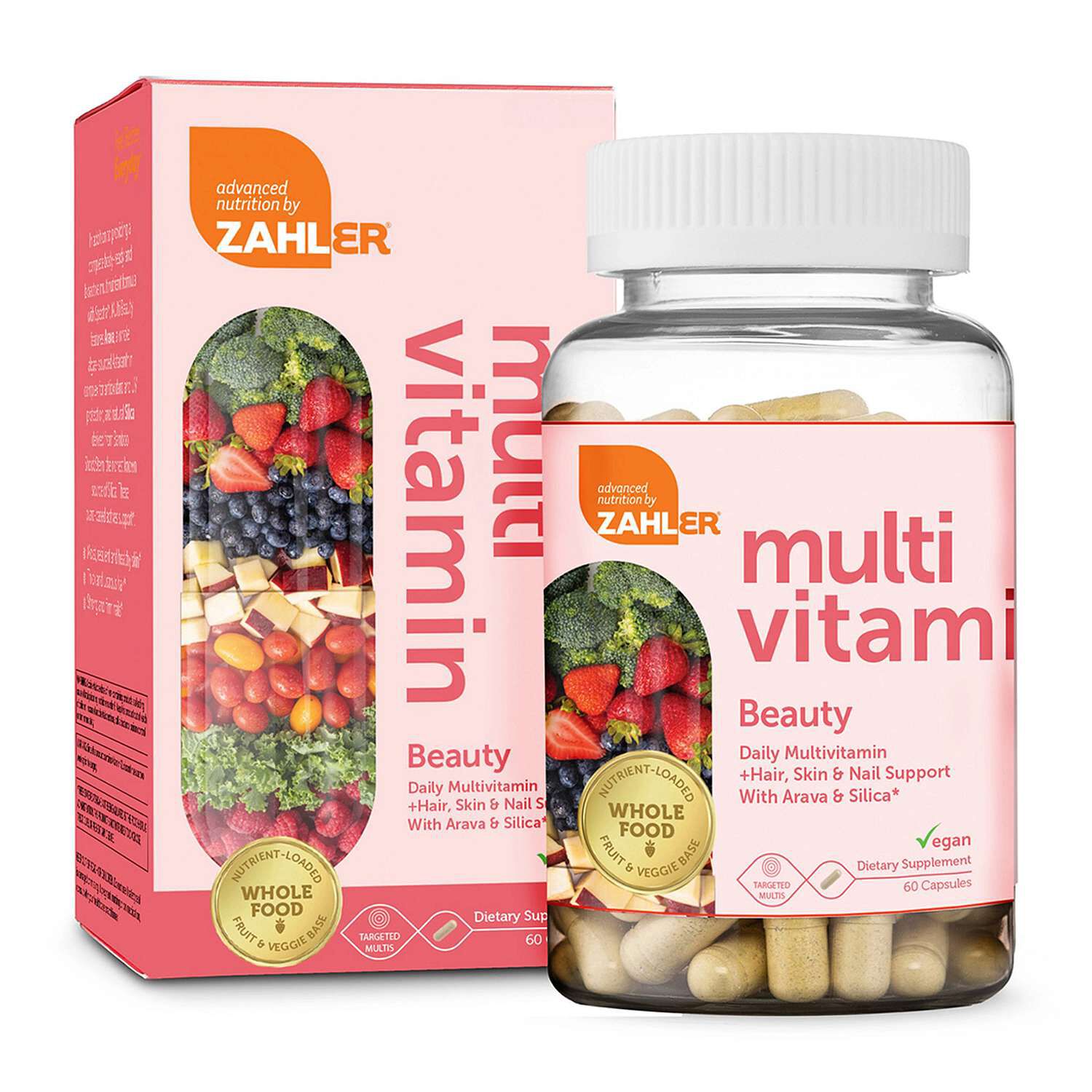


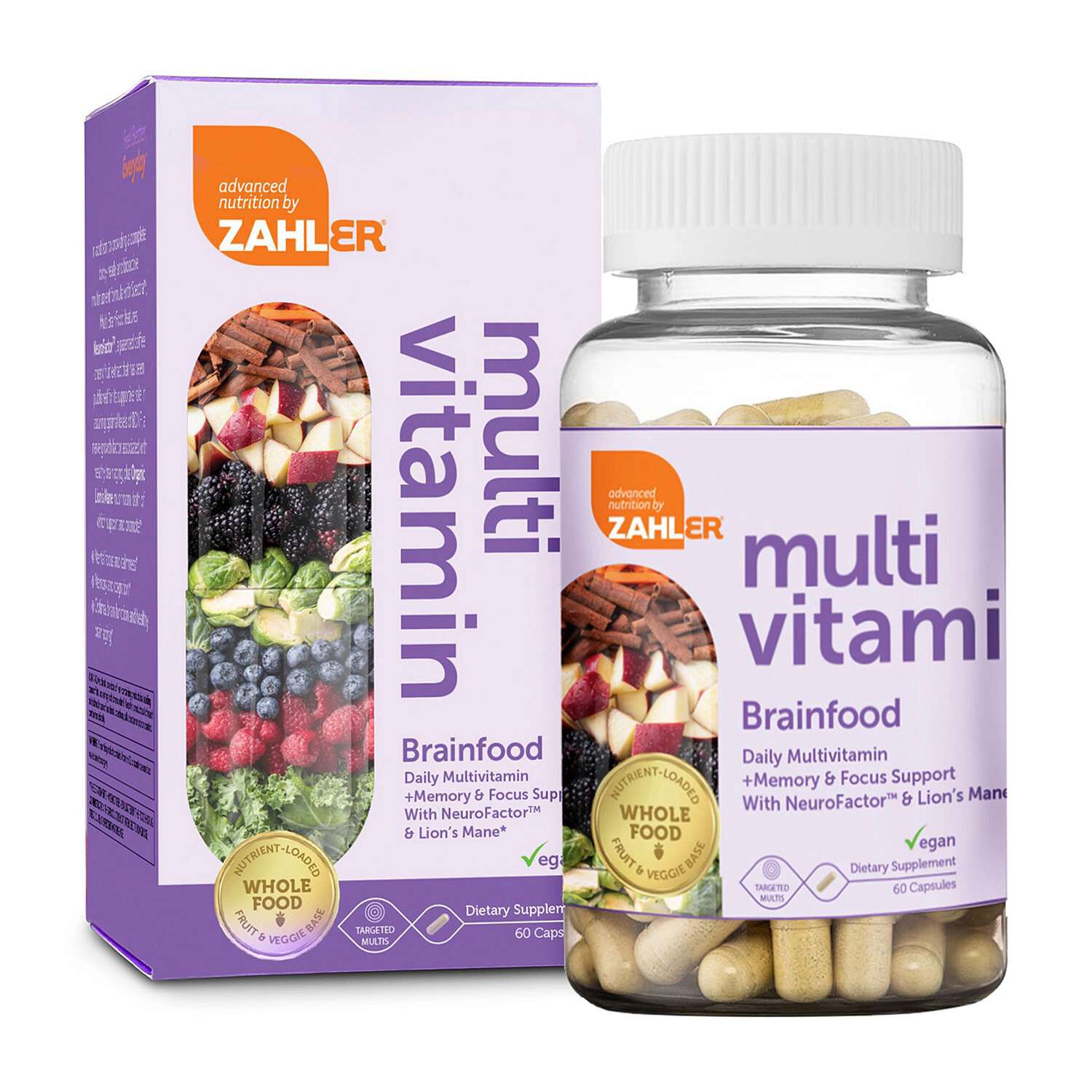
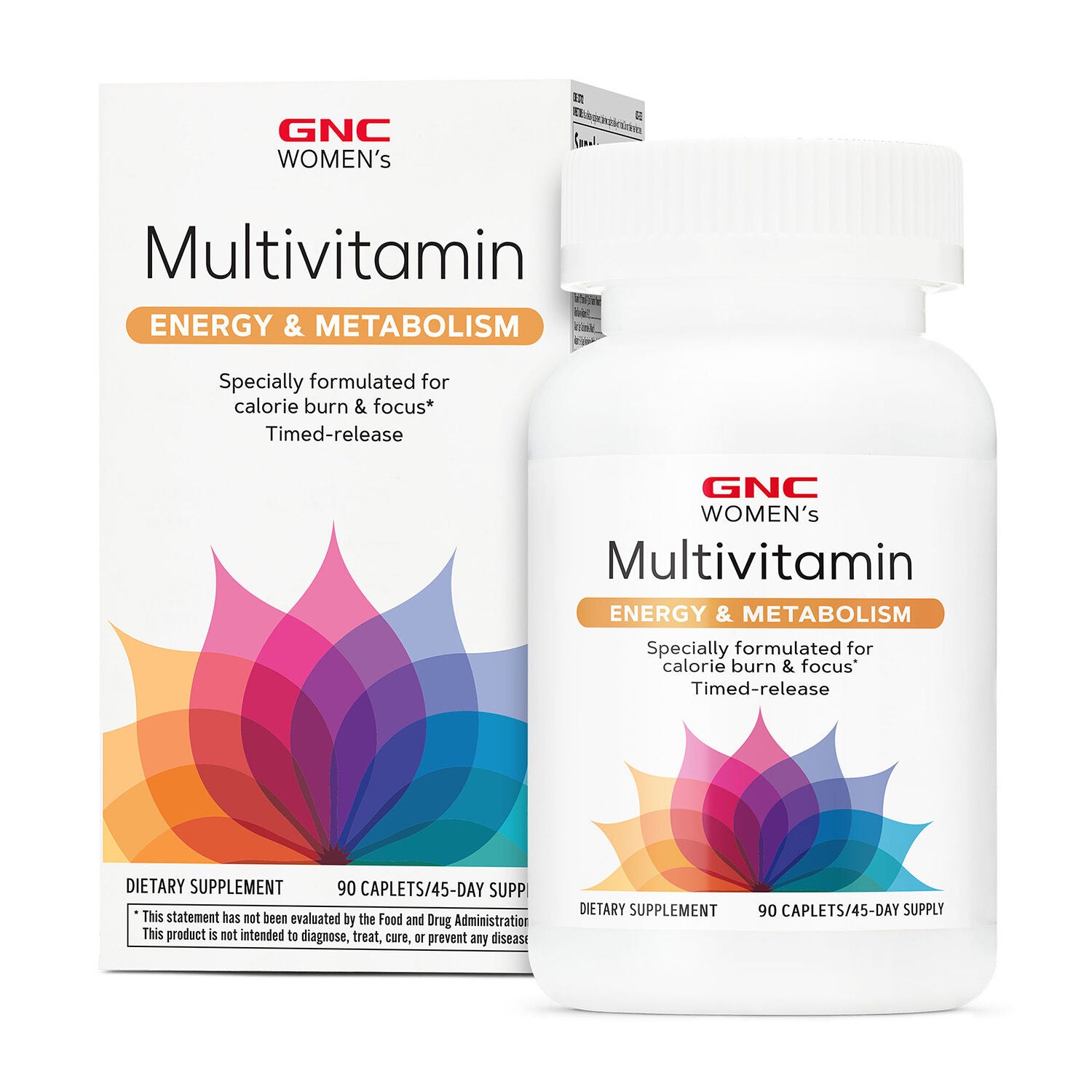
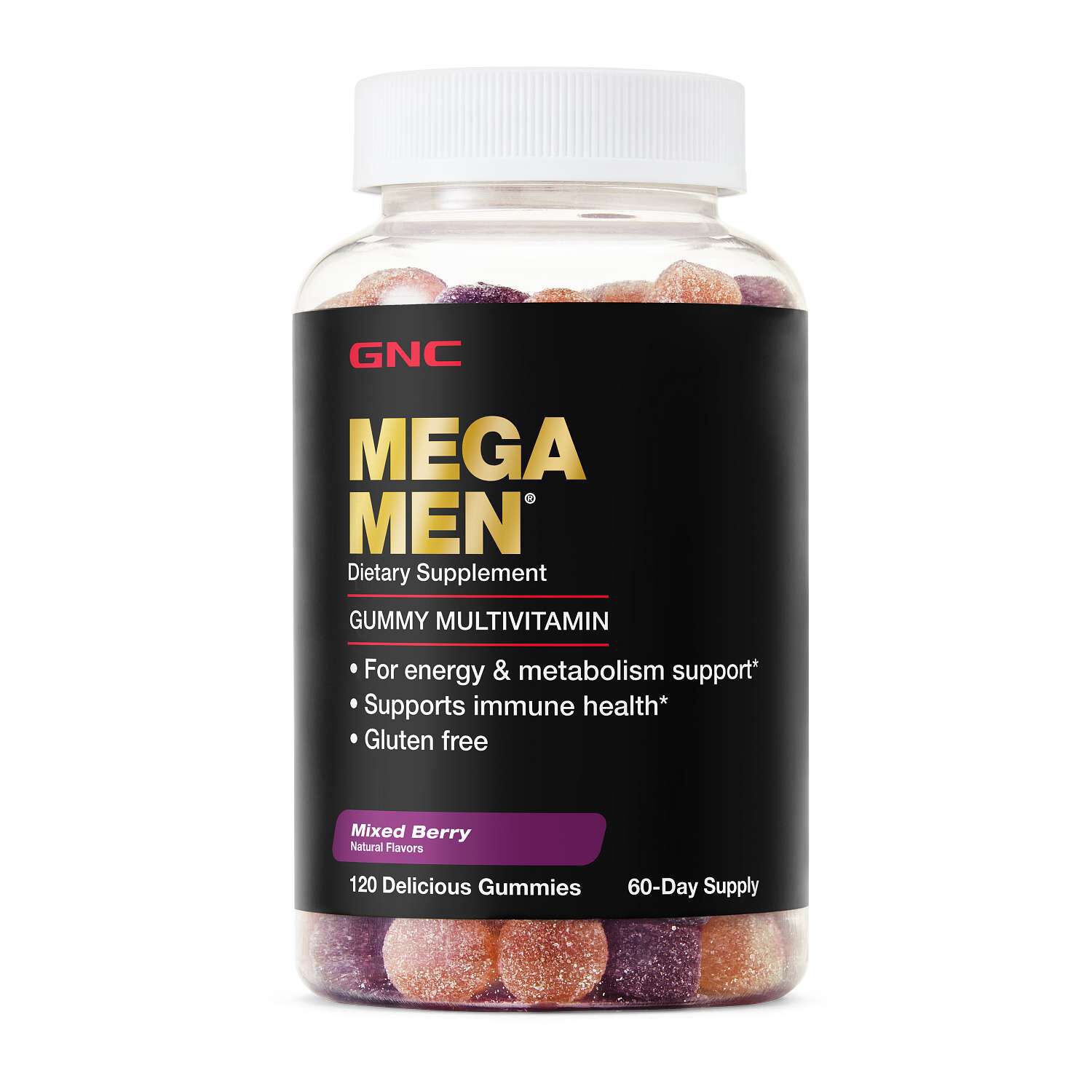
Multivitamin capsules for summer travel bring a familiar supplement format to a packing list built around changing locations, lighter luggage, and days away from home. Whether the destination is a coastal rental, a lakeside cabin, or a warm-weather getaway during the cooler months, the category centers on adult multivitamin formulas in a capsule shell rather than a tablet, gummy, or drink mix. Capsules contain measured portions of ingredients inside a shell, commonly made from gelatin or a plant-derived material such as cellulose. Shell composition matters to shoppers with dietary preferences, while capsule dimensions matter to those who already know which sizes they prefer. A smaller capsule does not necessarily mean a smaller serving: some formulas call for one capsule, while others list several capsules per serving. That distinction also affects packing space. A bottle containing 30 capsules represents 30 servings only when the labeled serving size is one capsule. For a longer stay or a trip with several overnight stops, the number of servings is a more useful comparison than the capsule count alone. Container dimensions, closure design, and the amount of unused space inside the bottle are other practical details when a personal bag already holds sunglasses, charging cords, and a paperback. A compact bottle may suit a weekend away, while a longer itinerary calls for closer attention to how many labeled servings the container holds. Multivitamin capsules are intended to supplement a diet, not replace meals, and travel does not change that purpose. Their appeal in this setting is less about a special vacation formula and more about finding a format that fits an established routine. For adults who already use a multivitamin, comparing serving size, shell material, ingredient information, and packaging offers a grounded way to distinguish similar-looking options without assuming that every capsule formula is interchangeable.
The ingredient panel provides a more meaningful comparison than the size of the bottle or the number of nutrients named on the front. Adult multivitamin capsules can contain combinations of vitamins A, C, D, E, and K, along with B vitamins and minerals such as zinc, iodine, and selenium; the actual ingredients and amounts vary by formula. Some contain iron, while others do not, and calcium or magnesium amounts can differ substantially between products. A capsule format alone says little about the breadth or quantity of its contents. The Supplement Facts panel identifies the serving size, nutrient amounts, and percent Daily Value where established, making it useful for comparing formulas on the same basis. The other ingredients list adds a different kind of detail, including capsule shell components, coloring ingredients, and ingredients used during manufacturing. A plant-derived shell does not, by itself, establish that every ingredient in the formula is suitable for a vegan diet. Likewise, dietary preferences and allergen considerations call for attention to the full label rather than assumptions based on the capsule’s appearance. Formulas labeled for different adult age groups or for men or women can also have different compositions. Those distinctions relate to intended use, not to whether the itinerary includes a beach chair, a museum visit, or a long drive. Directions matter just as much as the ingredient list: a serving intended to be taken with a meal fits differently into a morning with a hotel breakfast than into an early departure before the kitchen opens. The label remains the reference for use, even when the daily schedule changes. For someone who also packs a separate vitamin or mineral supplement, comparing the ingredient lists makes overlapping nutrients visible. More ingredients or larger amounts are not automatically a better match for travel. A clearly labeled formula that aligns with established preferences may be a more practical choice than changing several parts of a routine immediately before leaving home.
Packaging and storage deserve particular attention when multivitamin capsules spend time in transit. A bottle that sits neatly on a kitchen shelf faces different conditions inside a crowded carry-on, a humid bathroom, or a car parked in the sun. Storage directions vary, but many capsule supplements specify a cool, dry location and a tightly closed container. A beach tote left on hot sand or a glove compartment during an afternoon stop may not meet those directions. Capsule shells can be sensitive to moisture and temperature, so protection from those conditions matters beyond keeping the label readable. Original packaging keeps the ingredient panel, directions, lot information, and expiration date together. A snug closure also matters when a bag is moved repeatedly between an overhead bin, a hotel room, and a rental car. Small organizers may take up less space, but their compartments do not necessarily offer the same protection from humidity as the original container. Any packaging choice still needs to respect the product’s storage instructions and keep supplements out of children’s reach. For flights and international travel, current transportation and destination requirements are worth checking before choosing a container; rules for bringing supplements into another country can differ from airport screening rules. There is no need to assume that a familiar capsule is treated identically everywhere. At the destination, a dry storage spot away from direct sunlight is generally a better match for common label directions than a windowsill or steamy bathroom counter. Format preferences also remain relevant once the suitcase is unpacked. Capsules have a different texture and method of use from chewable options, and shoppers comparing the two can explore Men's Multivitamin Chews for Summer Travel as a separate format. Capsule size, labeled serving count, dietary suitability, and container design remain the central considerations within this category. Together, those details make the comparison specific to the traveler’s luggage and established habits, whether the journey involves a single weekend bag or several weeks away.