





Multivitamin Gummies With No Artificial Colors
(0 Results)
Multivitamin gummies with no artificial colors may offer a convenient and enjoyable way to support your daily wellness routine. These gummies are thoughtfully crafted for those who prefer options that align with their lifestyle preferences. With a variety of fruity flavors and easy-to-chew formats, multivitamin gummies with no artificial colors could make it simple to incorporate key vitamins and minerals into your day. Explore options that fit seamlessly into your routine while prioritizing ingredients you feel good about.
-
-
-
-
 $18.99
-
 $18.99
-

-

-
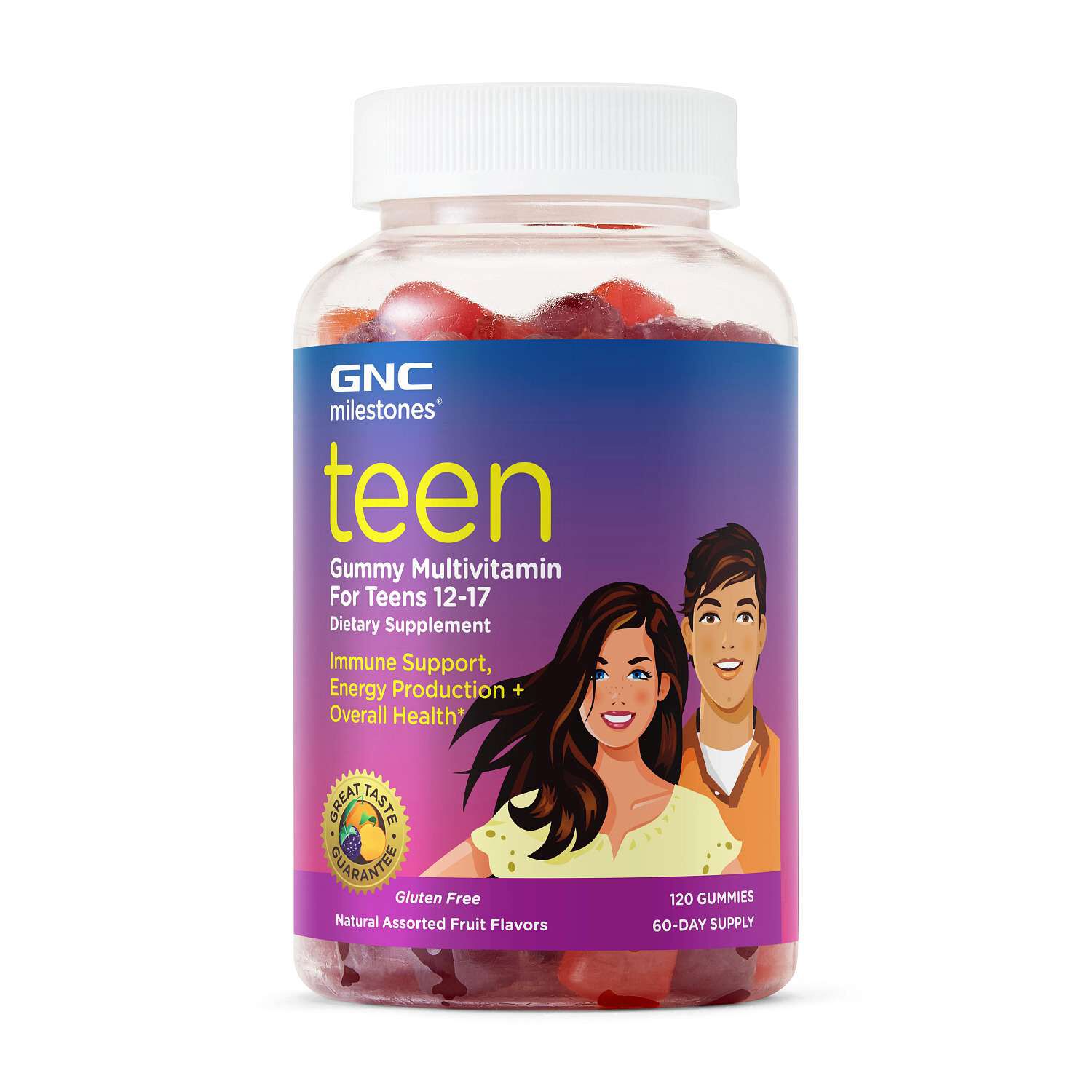
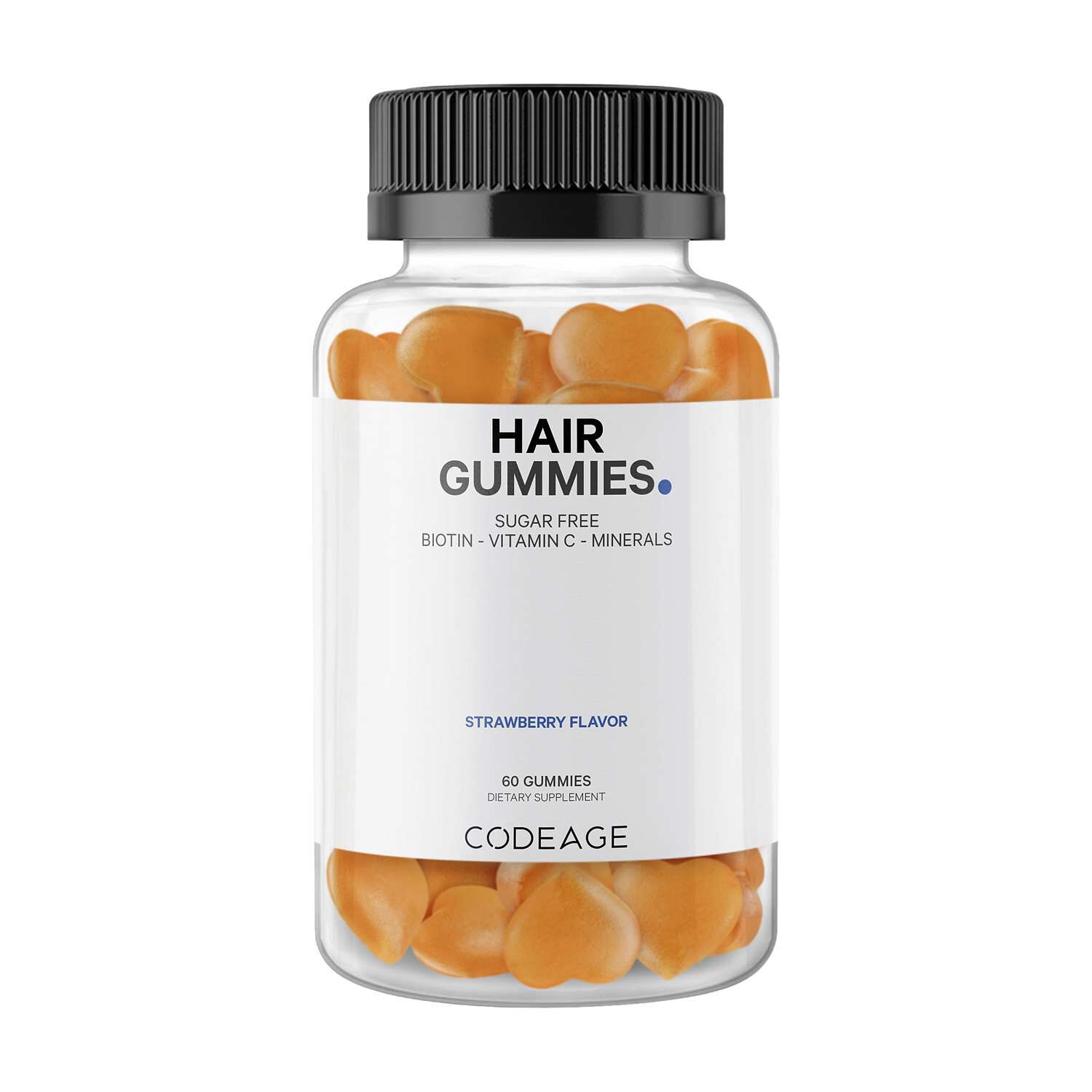


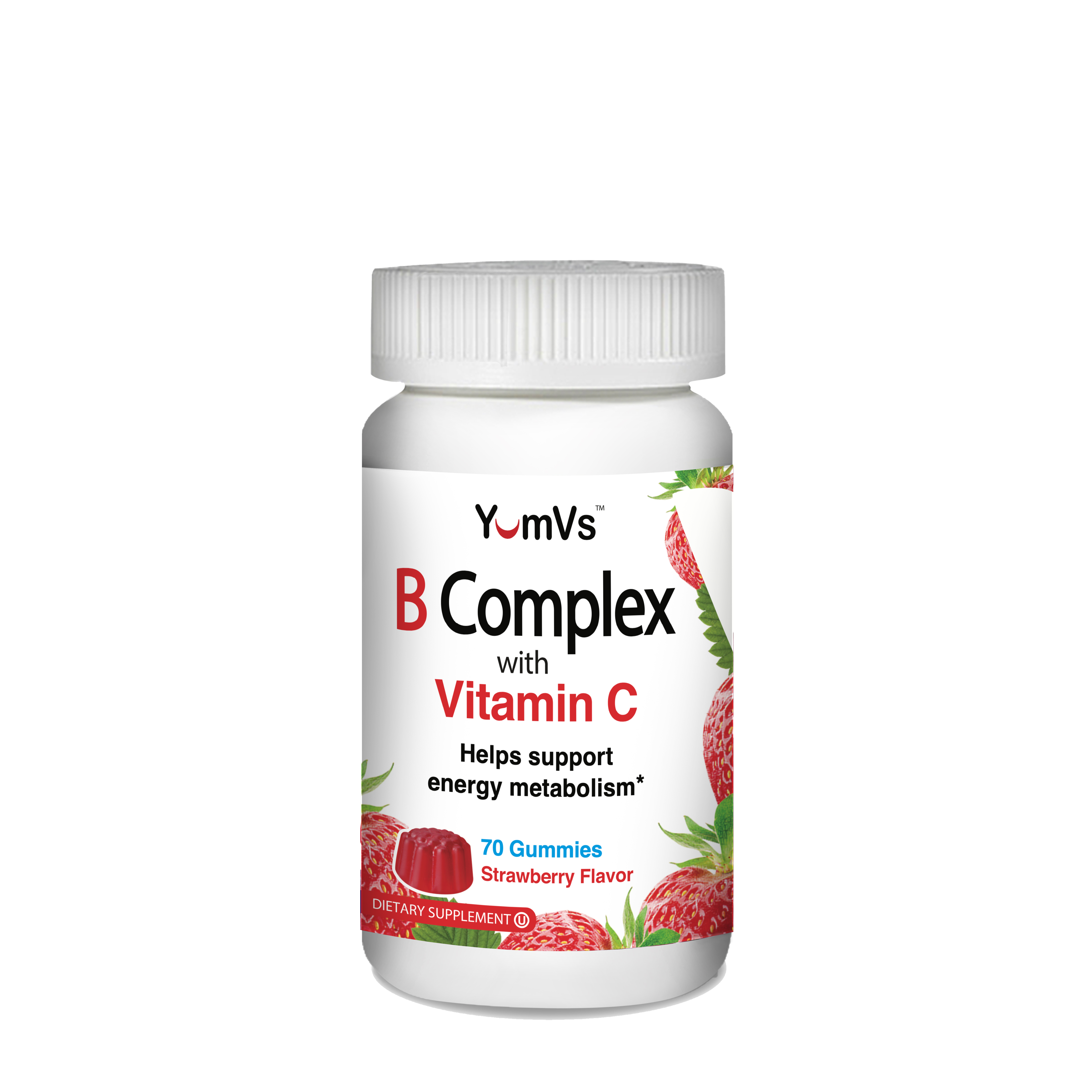
Multivitamin gummies with no artificial colors bring together a chewable supplement format and a preference for formulas made without artificial dyes. These dietary supplements contain a combination of vitamins and minerals, with ingredient selections and amounts that differ by formula and intended age group. Their color may come from sources such as fruit and vegetable juice concentrates, beet juice, black carrot juice, annatto, or turmeric rather than synthetic coloring ingredients. Some gummies have pale, muted shades, while others have richer colors derived from their listed ingredients. Appearance alone does not establish which coloring sources a formula uses; the package description and ingredient list provide more useful details. Wording such as “no artificial colors” or “no synthetic colors” identifies the coloring approach, while the ingredient list names the ingredients used. That distinction matters because a berry-colored gummy does not necessarily contain a meaningful amount of whole fruit, and a fruit flavor does not identify the source of its color. Likewise, the absence of artificial colors does not automatically mean a formula is organic, vegan, made without gelatin, or made without artificial flavors. Those are separate attributes that require their own label information. For shoppers comparing multivitamin gummies without artificial dyes, the most useful context extends beyond the front of the bottle: color sources, flavorings, sweeteners, and the gummy base all contribute to the formula. A preference for fruit and vegetable coloring can sit alongside other priorities, such as a particular flavor assortment or a plant-derived gummy base, but no single label statement answers every ingredient question. Even formulas with similar names may differ in these details. Looking at the full ingredient list alongside the Supplement Facts panel makes those differences easier to understand without relying on a brightly colored package or a familiar fruit image. This approach keeps the focus on what the gummies contain and how closely their ingredient choices match the shopper’s preferences.
Taste and texture are practical considerations for a supplement intended to become part of a familiar routine. Gummies may have a soft, springy, or firmer chew depending on the formula, and some have a smooth surface while others have a sugar coating. Pectin and gelatin are common gummy-base ingredients, but they come from different sources: pectin is plant-derived, while gelatin is animal-derived. A formula made with pectin is not necessarily vegan, since other ingredients also matter. For example, some formulas contain beeswax, and vitamin sources can vary. Sweeteners deserve a separate look as well. Multivitamin gummies with no artificial colors can still contain added sugars, glucose syrup, or sugar alcohols, so a coloring preference does not establish the sweetener profile. The Supplement Facts panel lists serving size and any declared added sugars, making it a useful companion to the ingredient list. When comparing formulas, the number of gummies in one serving matters just as much as the amounts printed beside each nutrient. A serving might consist of more than one gummy, and a bottle’s gummy count is not the same as its number of servings. Nutrient amounts may be expressed in milligrams or micrograms, with percent Daily Value providing additional context for the age group named on the label. Formulas may include vitamins A, C, D, E, and several B vitamins, along with selected minerals, but the exact combination varies. A gummy format does not imply that every vitamin or mineral is included, or that two formulas provide matching amounts. Some shoppers prefer a straightforward multivitamin, while others prioritize particular dietary attributes; those preferences are best considered alongside the actual nutrient list rather than color or flavor alone. A multivitamin may complement a varied eating pattern, but gummies are dietary supplements rather than replacements for meals or ordinary foods. Their fruit-inspired taste and candy-like appearance do not change their intended use or labeled serving directions.
Age labeling is another important distinction when browsing this category. Adult multivitamin gummies and children’s multivitamin gummies can differ in nutrient amounts, serving sizes, and intended users, even when their flavors or shapes look similar. A shared preference for no artificial colors does not make an adult formula interchangeable with a children’s formula. For families narrowing their search by intended user, Multivitamins for Girls With No Artificial Colors provides a more focused category to explore, with each formula’s age range and directions still worth checking. In a household with several supplement containers, keeping gummies in their original packaging preserves access to the ingredient list, serving directions, and age information. That is especially useful when two bottles have similar berry flavors or nearly identical gummy shapes. A dedicated storage spot out of children’s reach helps distinguish supplements from snacks, while an adult-managed routine keeps attention on the labeled serving. Storage conditions also matter for the gummy format. Package directions may call for a dry location away from direct sunlight, and a tightly closed lid may help preserve the intended texture. A bottle left in a steamy bathroom or a parked car may develop sticky or misshapen gummies; the product’s storage instructions remain the reference for appropriate handling. For use away from home, original packaging keeps the supplement’s identity and directions together rather than separating the gummies into an unmarked snack bag. Package size, closure style, flavor assortment, and the number of gummies per serving are all practical details to weigh alongside ingredient preferences. Someone who prefers one familiar flavor may approach the assortment differently from someone who enjoys variety, while a household sharing storage space may place more importance on clearly distinguishable containers. Multivitamin gummies with no artificial colors offer a category defined by a specific ingredient preference, with meaningful differences in composition, format, and intended use still worth comparing.

