Multivitamins For Girls With No Artificial Colors
(0 Results)
Multivitamins for girls with no artificial colors offer a thoughtful approach to daily nutrition support. With options designed to fit different lifestyles and preferences, these multivitamins may appeal to those seeking products made without artificial coloring agents. Explore a variety of choices that could help support your wellness journey and discover options that align with your family’s values. Find multivitamins for girls with no artificial colors that fit seamlessly into your routine.
-

-
-
-

-
-
 10$17.99
-
-
 $24.99
-
-

-
-
-

-
-
-
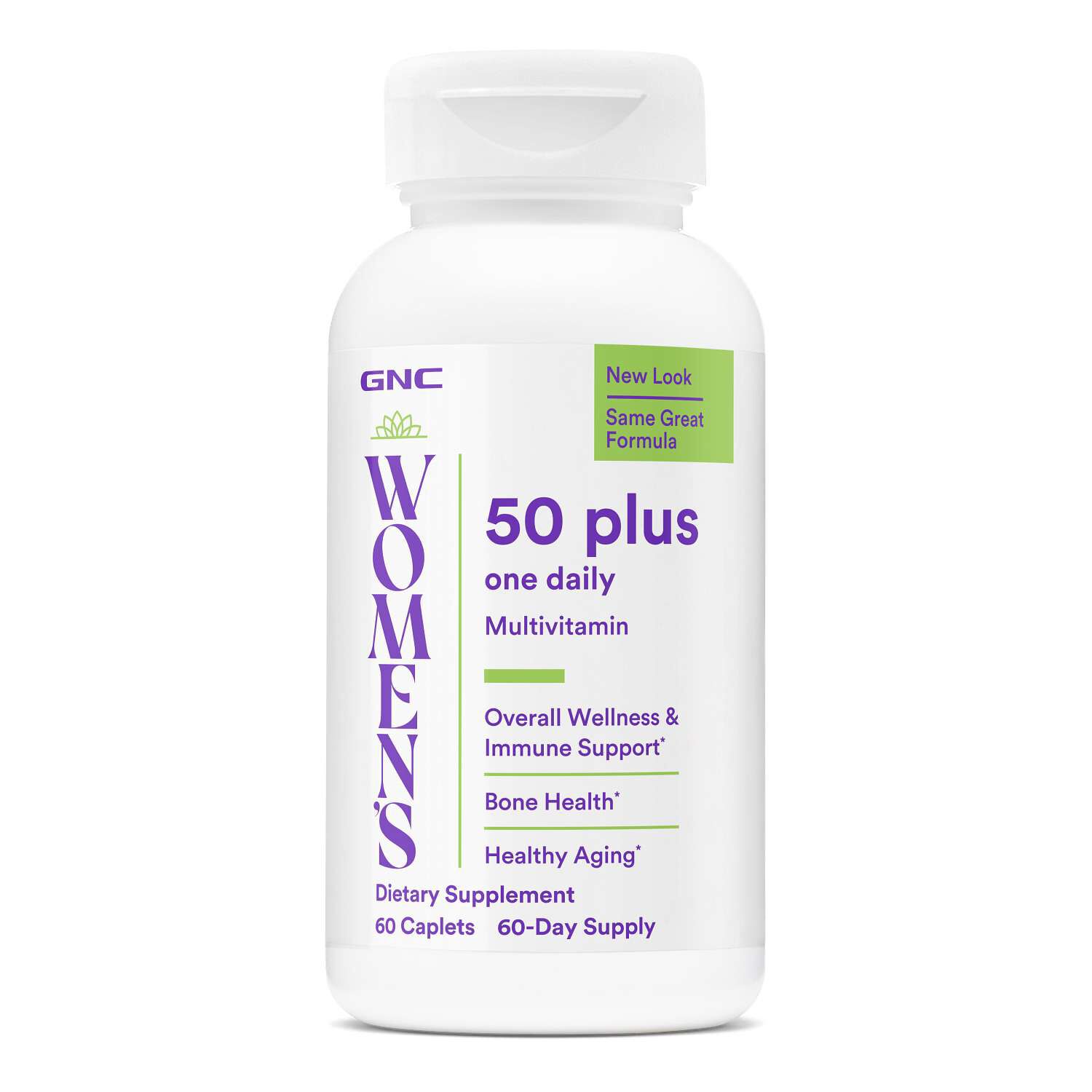
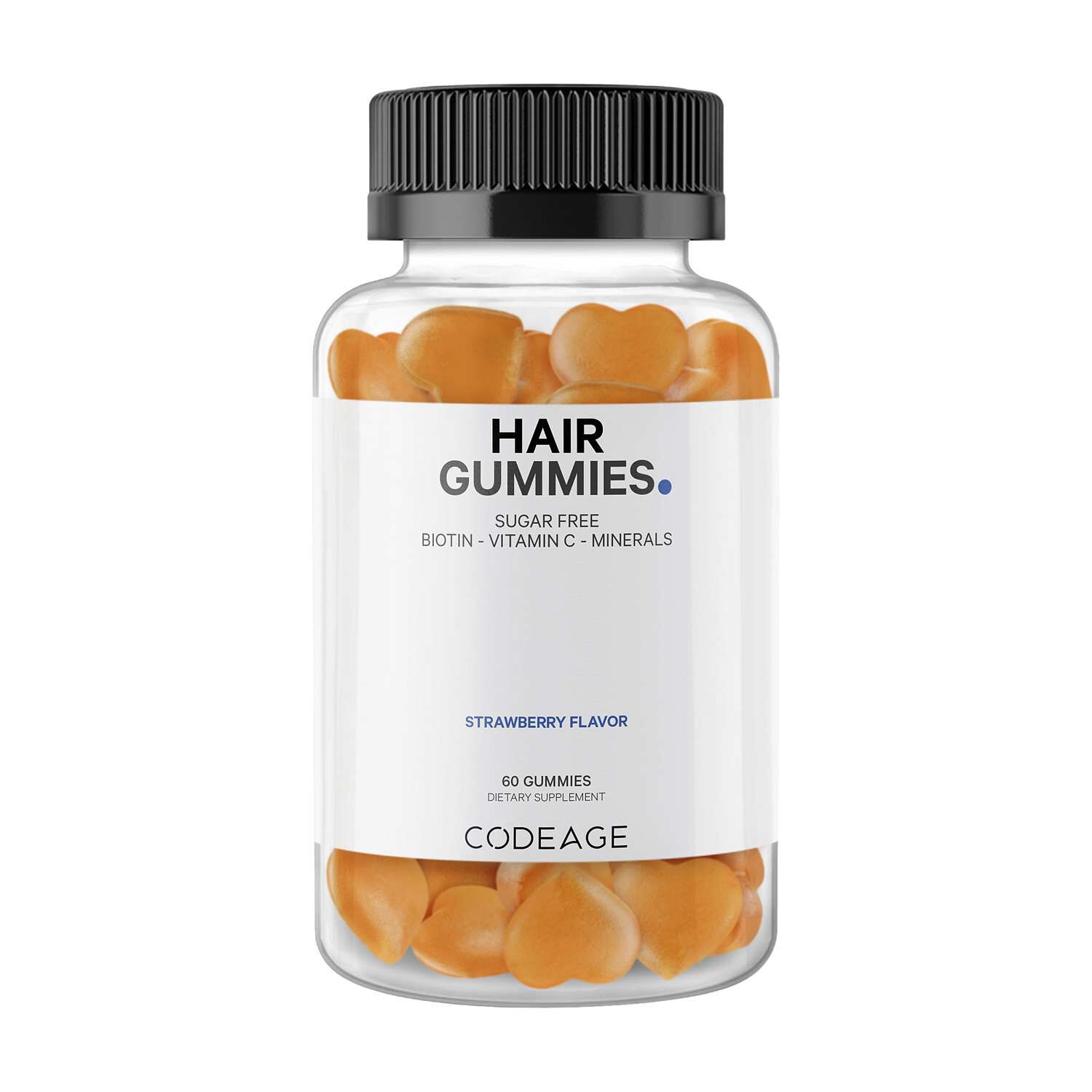


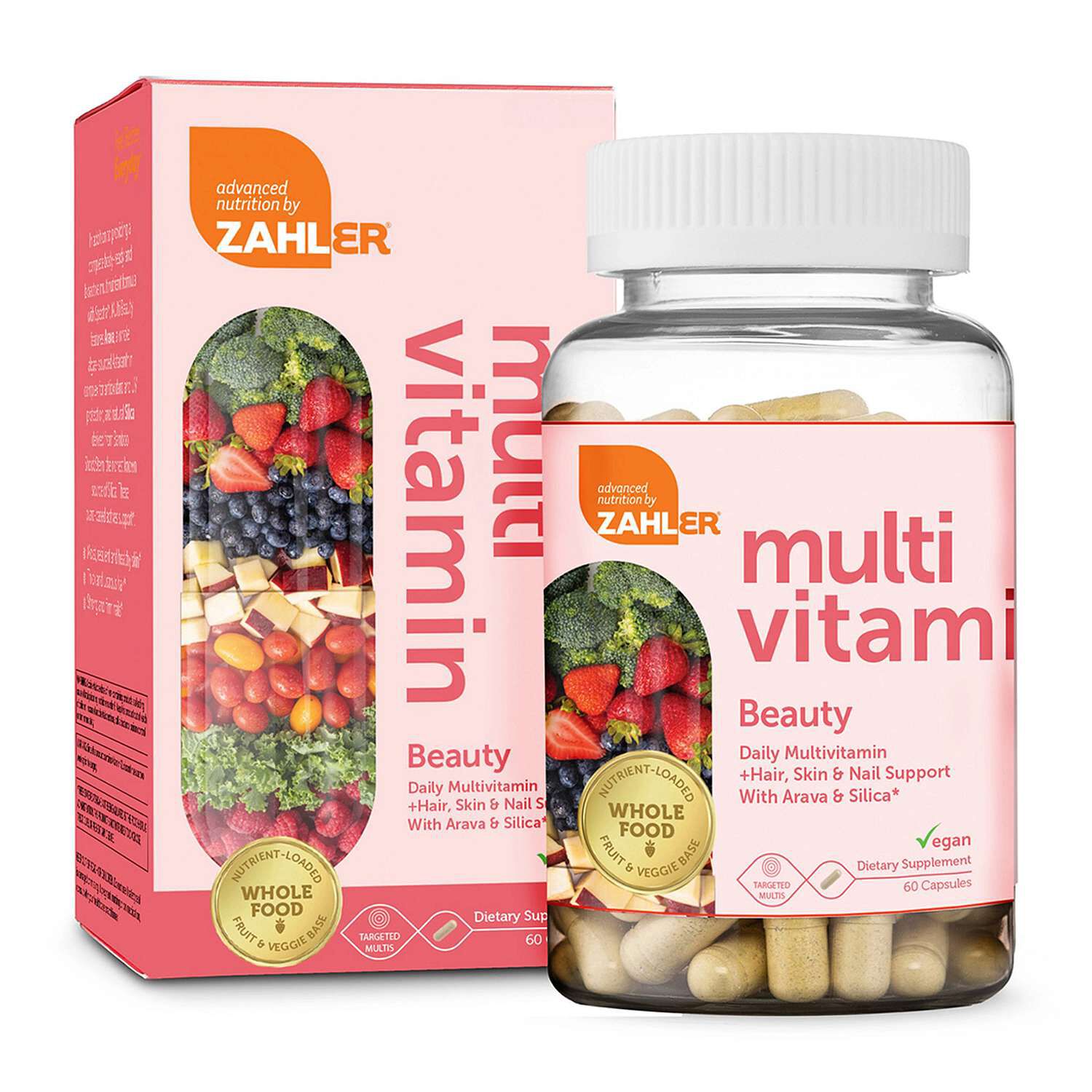
Multivitamins for girls with no artificial colors are dietary supplements made without added artificial coloring ingredients. The description addresses how a formula is colored, not whether it contains every nutrient, uses only plant ingredients, or has no added sugar. For families who prefer to leave artificial colors out of an everyday routine, that distinction makes the ingredient list especially useful. A gummy or chewable can still have a pink, orange, or purple appearance when its color comes from fruit or vegetable concentrates or other naturally sourced ingredients. Depending on the formula, a label might name carrot juice concentrate, annatto, or another color source. Other formulas may have a more muted appearance because of their ingredients. Neither a bright shade nor a subtle one tells the whole story about the nutrients inside. The Supplement Facts panel identifies the vitamins and minerals, while the other ingredients list provides details about color sources, flavors, sweeteners, and ingredients used to create the finished texture. Statements about artificial flavors, preservatives, vegetarian ingredients, or added sugars are separate considerations; the absence of artificial colors does not establish any of those characteristics. Age labeling is another important distinction within this category. A multivitamin intended for a younger girl and one labeled for a teen may differ in serving size, nutrient amounts, and format, even when both share the same color-related description. An adult formula is not interchangeable with a children’s or teen formula simply because the ingredient names look familiar. Girls’ multivitamins may complement a varied eating routine, but they are not replacements for meals or snacks. The most meaningful comparisons bring together the labeled age range, serving information, ingredient details, and intended use rather than relying on a colorful package or a familiar fruit flavor. This gives parents and caregivers a clearer picture of what the category description does—and does not—say about a formula.
Format adds another layer to the comparison, especially when a girl has strong preferences about texture or taste. Gummies, chewable tablets, and swallowable forms have distinct characteristics, and the package identifies the intended way to use each one. Gummies often have a soft, springy texture, while chewable tablets may be firmer or more crumbly. Capsules and caplets offer a different format, with their own labeled age ranges and directions. A preference for a berry-flavored gummy does not establish whether its serving size or formulation matches a particular age group. Gummy ingredient lists may include pectin or gelatin, which are relevant to families comparing plant-based ingredients with animal-derived ingredients. Pectin alone, however, does not establish that every ingredient in a formula is plant-derived. Sweeteners also vary: some formulas contain sugar or syrups, while others use ingredients such as sugar alcohols or monk fruit extract. The Nutrition Facts or Supplement Facts information, together with the ingredient list, provides a more precise description than flavor names alone. For a closer look at that particular format, Multivitamin Gummies With No Artificial Colors brings the same color preference into focus. Across formats, nutrient combinations can differ considerably. Vitamin A, vitamin C, vitamin D, vitamin E, and B vitamins may appear alongside minerals such as zinc or iodine. Some blends include iron; others do not. Calcium and magnesium amounts may also differ, so the word “multivitamin” does not describe a uniform nutrient profile. Serving size deserves equal attention because the listed amounts apply to the labeled serving, which may consist of more than one gummy or tablet. Two containers with the same number of pieces can therefore represent different numbers of servings. These details explain why similar-looking packages can contain quite different formulations, even when their front labels share an age group, a fruit flavor, and a statement about no artificial colors.
Everyday use also involves practical details beyond the formula itself. At a breakfast table with cereal bowls, lunch bags, and a full school schedule, clear labeling matters more than decorative packaging. In a household with siblings of different ages, distinct containers and visible age information may make routines easier to organize. A teen who prefers a swallowable format may have different preferences from a younger sister who favors a chewable, and the same household may have different ingredient requirements for each child. Package details such as the serving directions, storage instructions, best-by date, and closure design help describe how a supplement fits into that setting. The original container keeps the ingredient list, nutrient information, lot details, and directions together rather than separating the contents from their identifying information. Storage requirements belong to the individual formula, and a gummy’s appearance or texture is not a substitute for those directions. A securely closed container stored out of children’s reach is particularly relevant when the contents resemble fruit snacks or candy. Multivitamins remain supplements regardless of their shape, flavor, or color source. For parents comparing formulas, clearly stated ingredients and readable serving information offer more substance than broad descriptions such as “natural.” A short ingredient list is not automatically a better match, just as a longer one does not explain the purpose of every ingredient without closer attention to the label. Families may prioritize different attributes: one may focus on a vegetarian formulation, another on added sugar, and another on a clearly identified color source. Those preferences can coexist with the same interest in avoiding artificial colors. Taken together, age-specific labeling, nutrient amounts, format, ingredient transparency, and practical packaging provide a useful foundation for comparing girls’ multivitamins without treating one formulation feature as a stand-in for all the others.