Multivitamins For Women With No Artificial Flavors
(0 Results)
Multivitamins for women with no artificial flavors offer a straightforward approach to daily nutrition support. These options are created with a focus on simplicity, leaving out artificial flavors to align with your preferences. Whether you’re looking to complement your balanced diet or seeking a convenient addition to your wellness routine, multivitamins for women with no artificial flavors may fit seamlessly into your lifestyle. Explore selections designed to suit a variety of needs and goals.
-

-
-
-

-
-

-

-
-
-
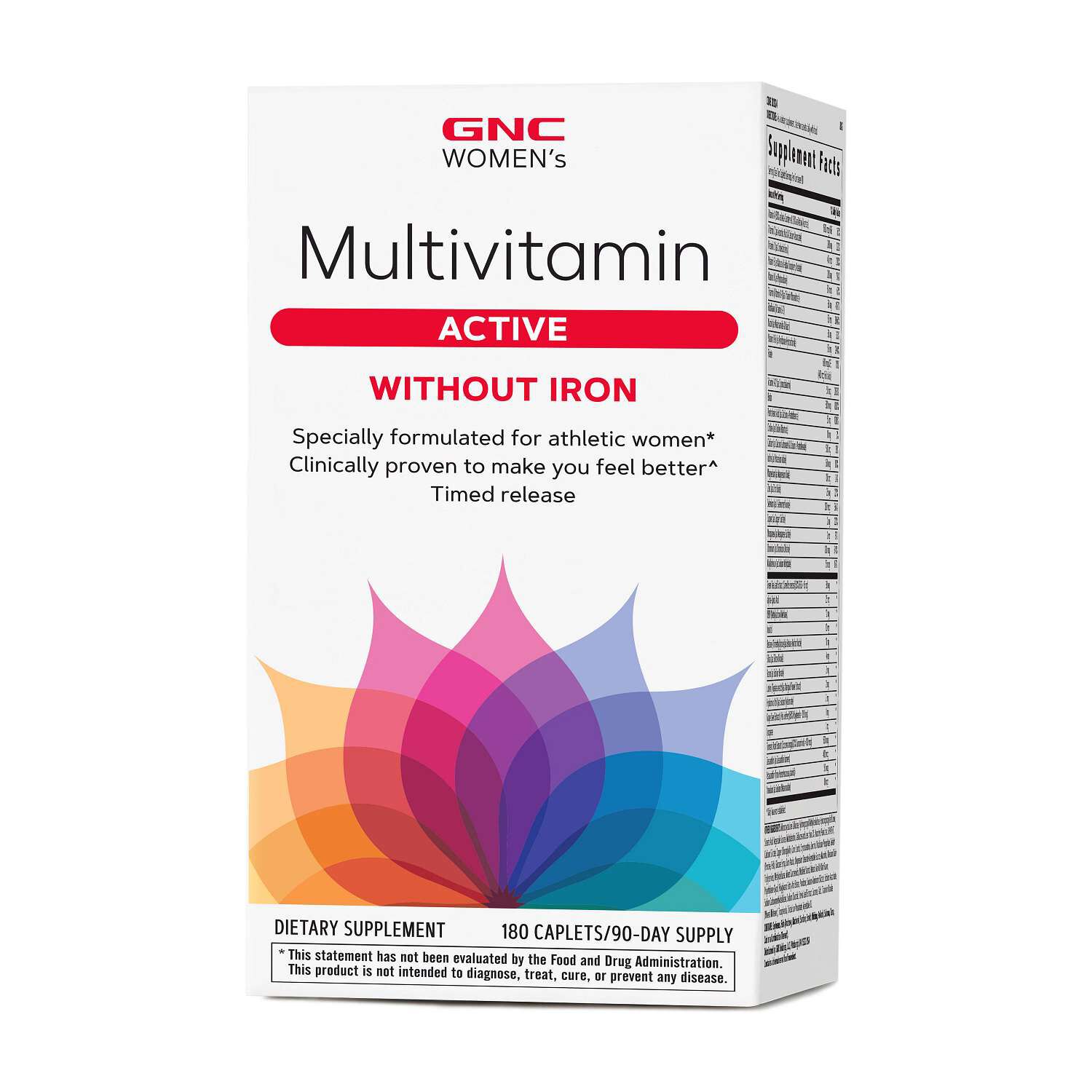
-
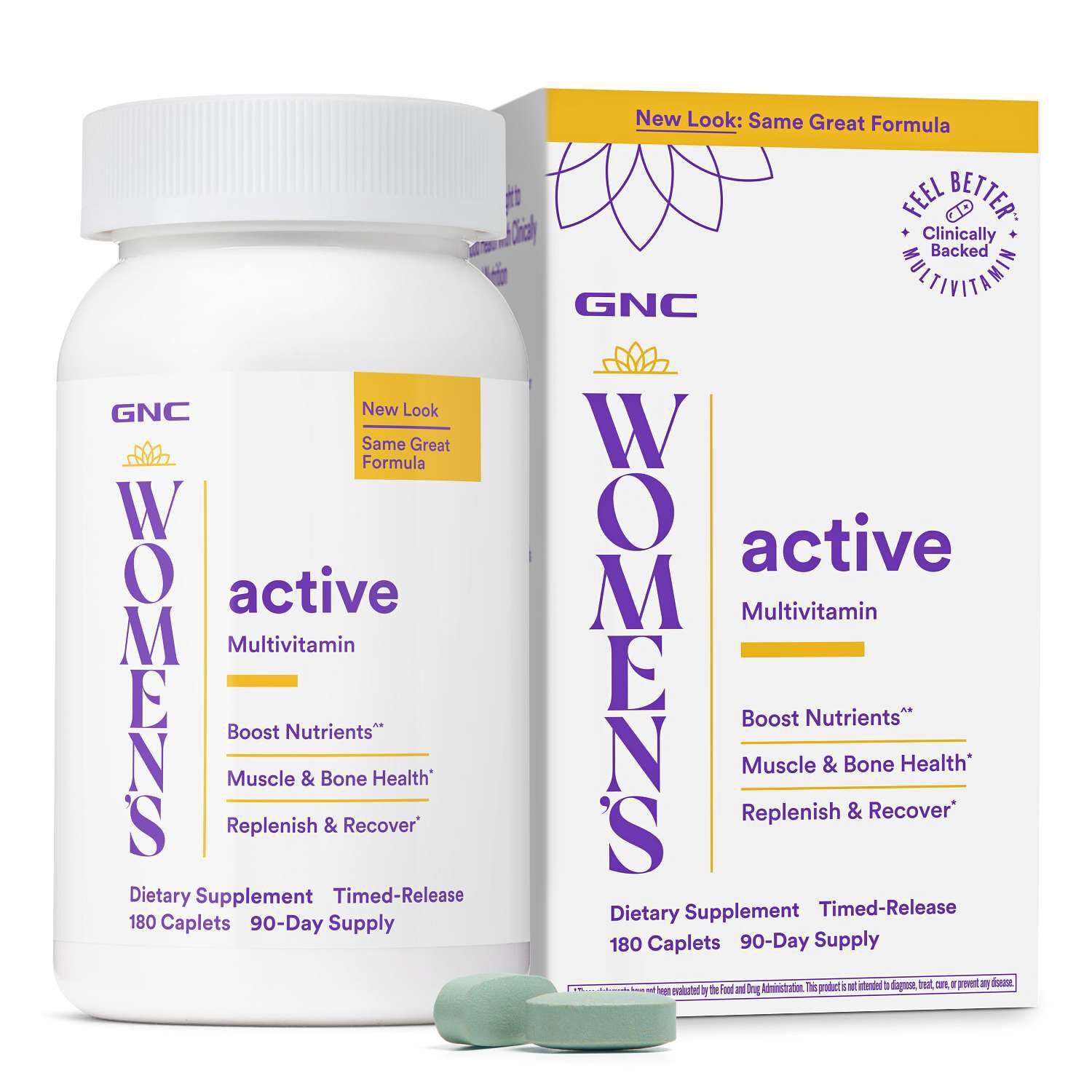
-
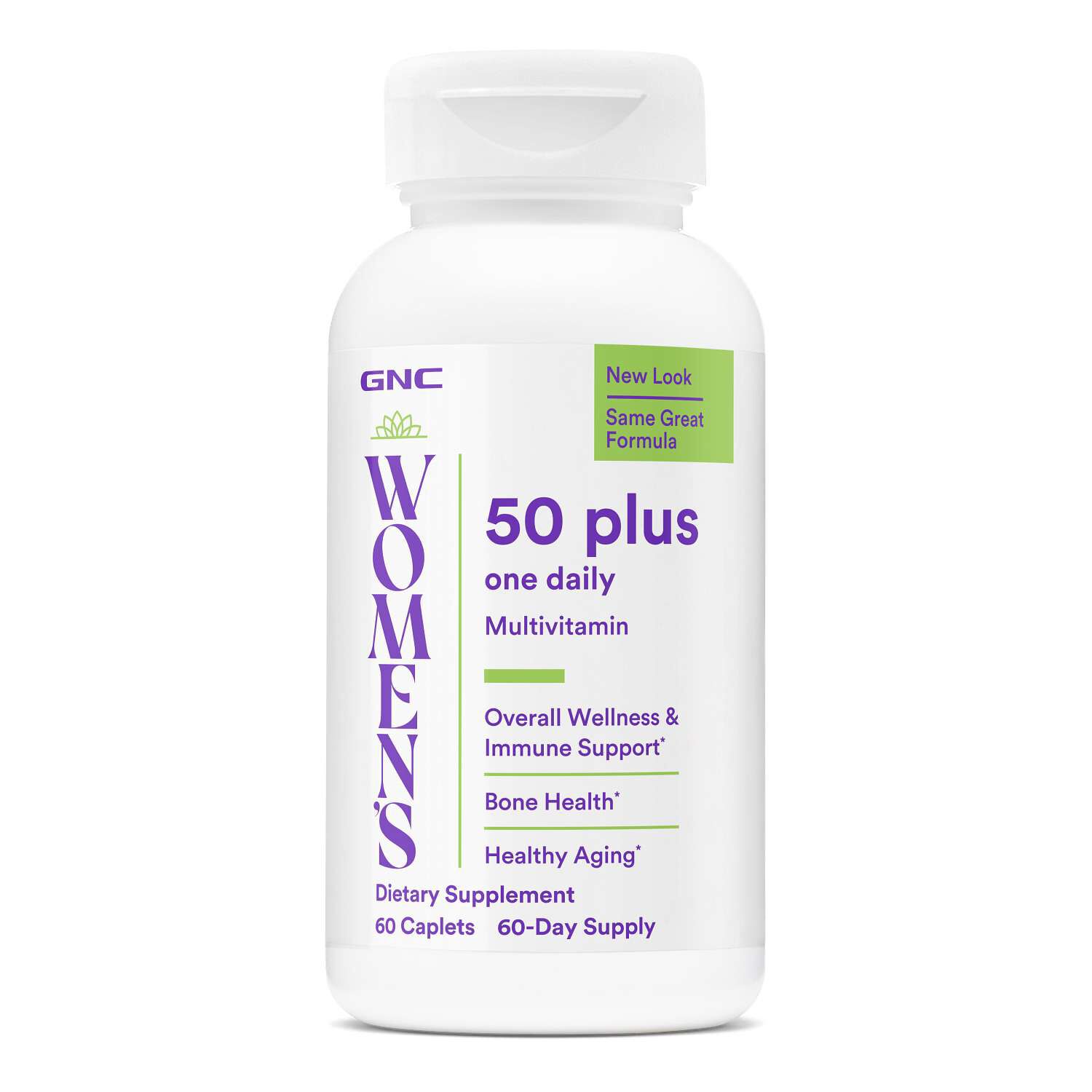
-
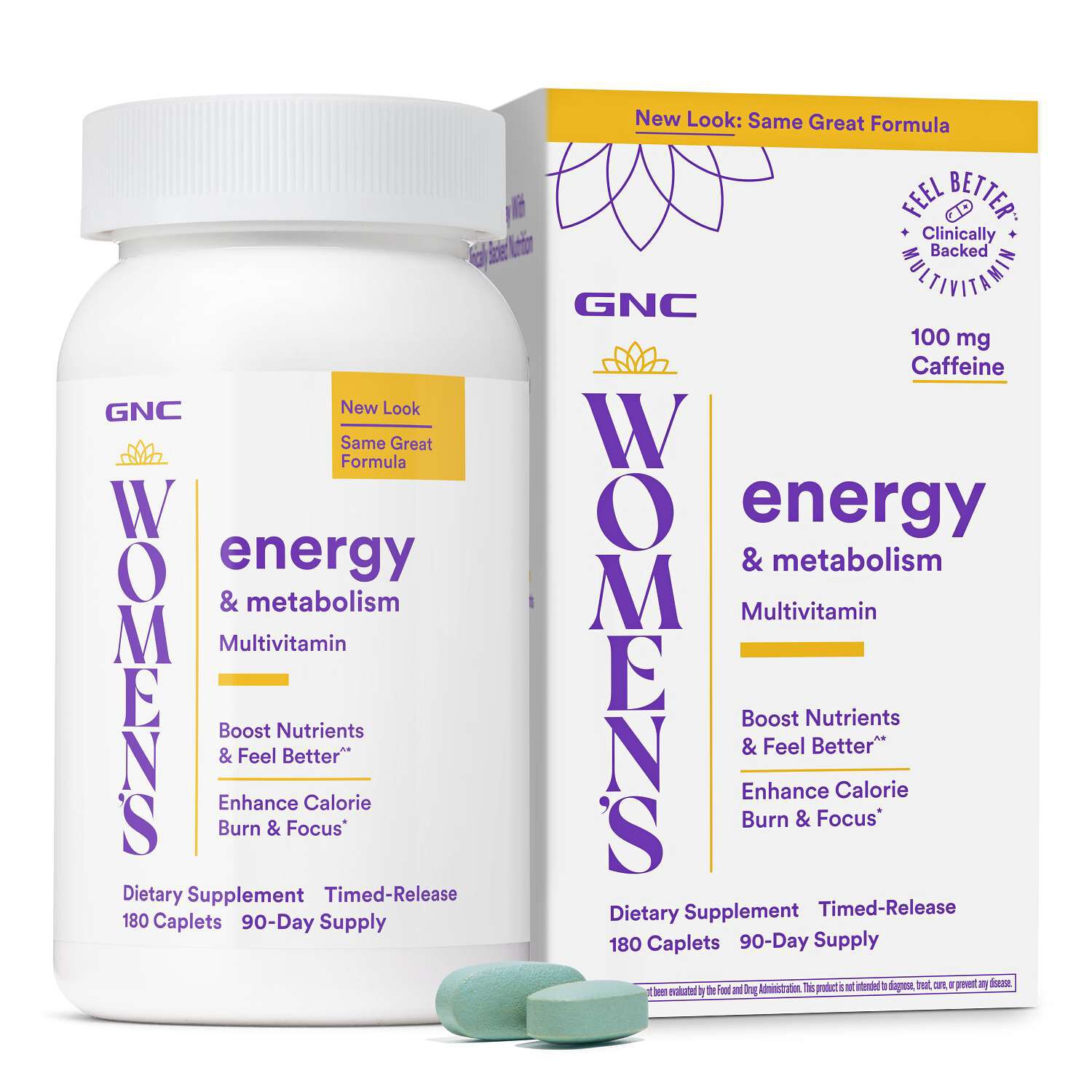
-
-
-

-
-
 $18.99
-
 NDS Nutrition$49.99

Multivitamins for women with no artificial flavors are dietary supplements formulated without artificial flavoring ingredients. This preference concerns how a formula is flavored, not which vitamins and minerals it contains or whether it has a noticeable taste. An unflavored tablet or capsule may still have an aroma or taste from its ingredients, while a gummy made with natural flavors may have a distinct fruit flavor. Neither format is automatically a match for every other ingredient preference. A statement about no artificial flavors does not, by itself, establish that a formula also contains no artificial colors, sweeteners, preservatives, or animal-derived ingredients. Those details belong to separate label statements and ingredient disclosures. Common nutrients in women’s multivitamins include vitamins A, C, D, and E, several B vitamins, and minerals such as zinc or iodine, although the exact combination and amounts vary by formula. Iron and calcium content also differ, making the Supplement Facts panel more useful for comparing composition than the format or flavor alone. Amounts are listed per serving, so a serving of two gummies should not be confused with a single gummy when comparing nutrient quantities. The same distinction matters for tablets and capsules: a daily serving is not necessarily one piece. Alongside the Supplement Facts panel, the other ingredients list identifies components such as capsule materials, coatings, flavorings, sweeteners, and ingredients used to create texture. Women who prefer a shorter ingredient list may approach this category differently from those who enjoy a flavored chewable, even when both share the same preference for no artificial flavors. The category is defined by that specific formulation choice, rather than by a single texture, nutrient profile, or eating style. A women’s multivitamin is intended for supplemental use, not as a meal or a replacement for a varied diet. Its label provides the clearest description of what a serving contains and how the manufacturer intends it to be used.
Format is often where an ingredient preference meets the practical details of an everyday routine. Tablets have a compressed structure and may include an outer coating; capsules have a shell whose composition is identified among the ingredients. Gummies have a chewable texture and typically include additional ingredients that create their shape, consistency, and flavor. For someone who prefers little flavor during breakfast, a tablet or capsule may be a better fit than a fruit-flavored gummy. Someone who dislikes taking tablets may prefer a chewable format, provided its ingredient list and serving directions match their preferences. No artificial flavors does not mean unsweetened, so sugars and other sweetening ingredients remain separate considerations. Texture matters, too: a chewy gummy, a smooth coated tablet, and a capsule are different experiences, even before their nutrient contents are compared. Serving size adds another practical distinction. A bottle containing many individual pieces may represent fewer daily servings than its piece count suggests, and the labeled servings per container clarify that difference. Directions may also specify use with food or other handling details. These details matter in familiar settings, whether breakfast is eaten at the kitchen table or packed alongside a lunch for the office. A routine built around a labeled serving has different storage and carrying considerations from one that leaves a bottle at home. Original packaging keeps the ingredient information, directions, expiration date, and any lot information together. Storage instructions deserve attention because the care requirements for a gummy may differ from those for a capsule or tablet. A bathroom cabinet, a sunny windowsill, and a bag left in a car present different moisture, light, and temperature conditions. The package’s storage directions provide the relevant requirements for that particular formula. Keeping the closure secured and retaining the original label also preserves access to the details needed for later comparisons. Texture, packaging, and serving instructions are practical parts of the purchase, not just finishing details after the nutrient list.
Women’s multivitamins without artificial flavors may appeal to adults who prefer less added flavor, those who favor a particular capsule or tablet format, or those who enjoy naturally flavored gummies but want a clearly stated ingredient distinction. Preferences within the same household may be quite different. One person may want a neutral-tasting capsule, while another may value a chewable texture and a fruit flavor. Age designations and intended-user descriptions add another layer: a formula labeled for one adult age group is not necessarily identical to a formula labeled for another, even when the front labels share similar wording. The nutrient amounts, serving size, and other ingredients establish those differences. Dietary preferences require their own review as well. A formula described as having no artificial flavors is not automatically vegetarian or vegan, and a plant-derived capsule shell does not establish the source of every ingredient inside it. Statements concerning gluten, dairy ingredients, or other dietary considerations are likewise separate from flavor claims. Natural flavors also do not identify a specific fruit source unless the label supplies that information; a berry flavor description is not the same as a statement about fruit content. For households comparing different adult categories, Multivitamins for Men With No Artificial Colors provides a related selection organized around a different ingredient preference. Artificial colors and artificial flavors serve different purposes, so a statement about one should not be read as a statement about the other. Across these comparisons, the most useful distinctions are concrete: which nutrients appear on the panel, how much is listed per serving, what creates the format and flavor, and what the package says about intended use. Those details keep the focus on the formula itself, allowing women’s multivitamins with no artificial flavors to be compared by composition, everyday practicality, and clearly described preferences rather than broad label language alone.