Multivitamins For Adults With No Artificial Sweeteners
(0 Results)
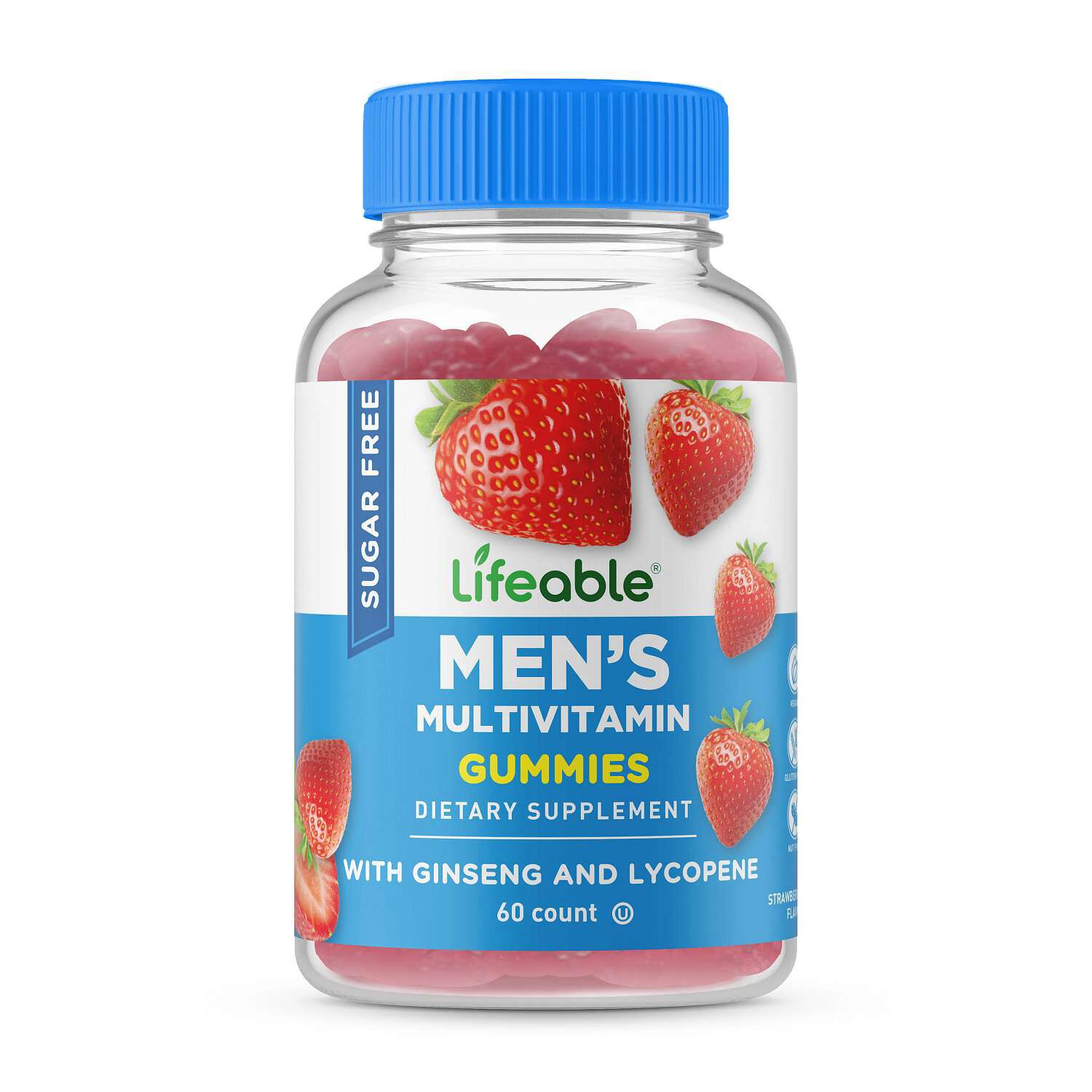
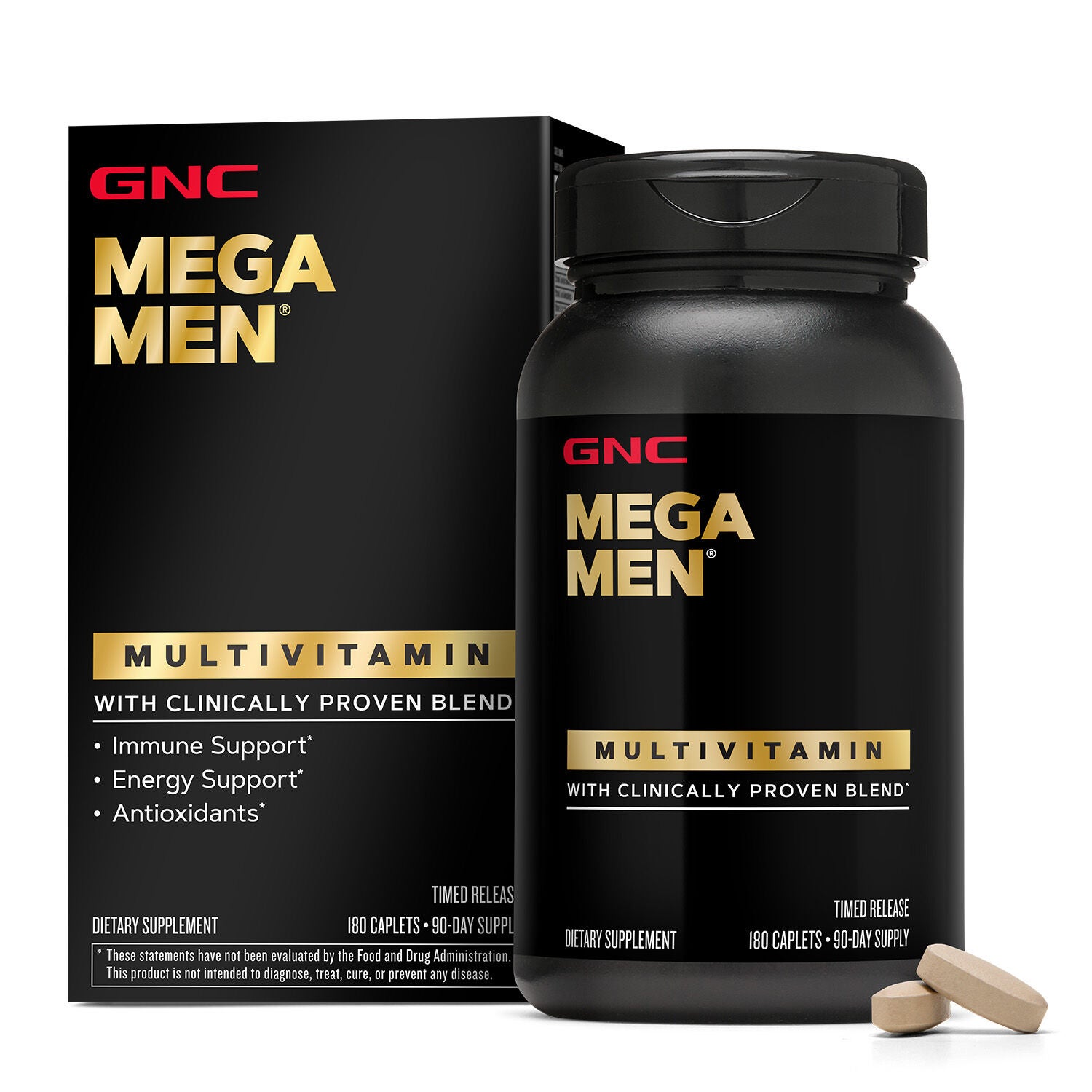
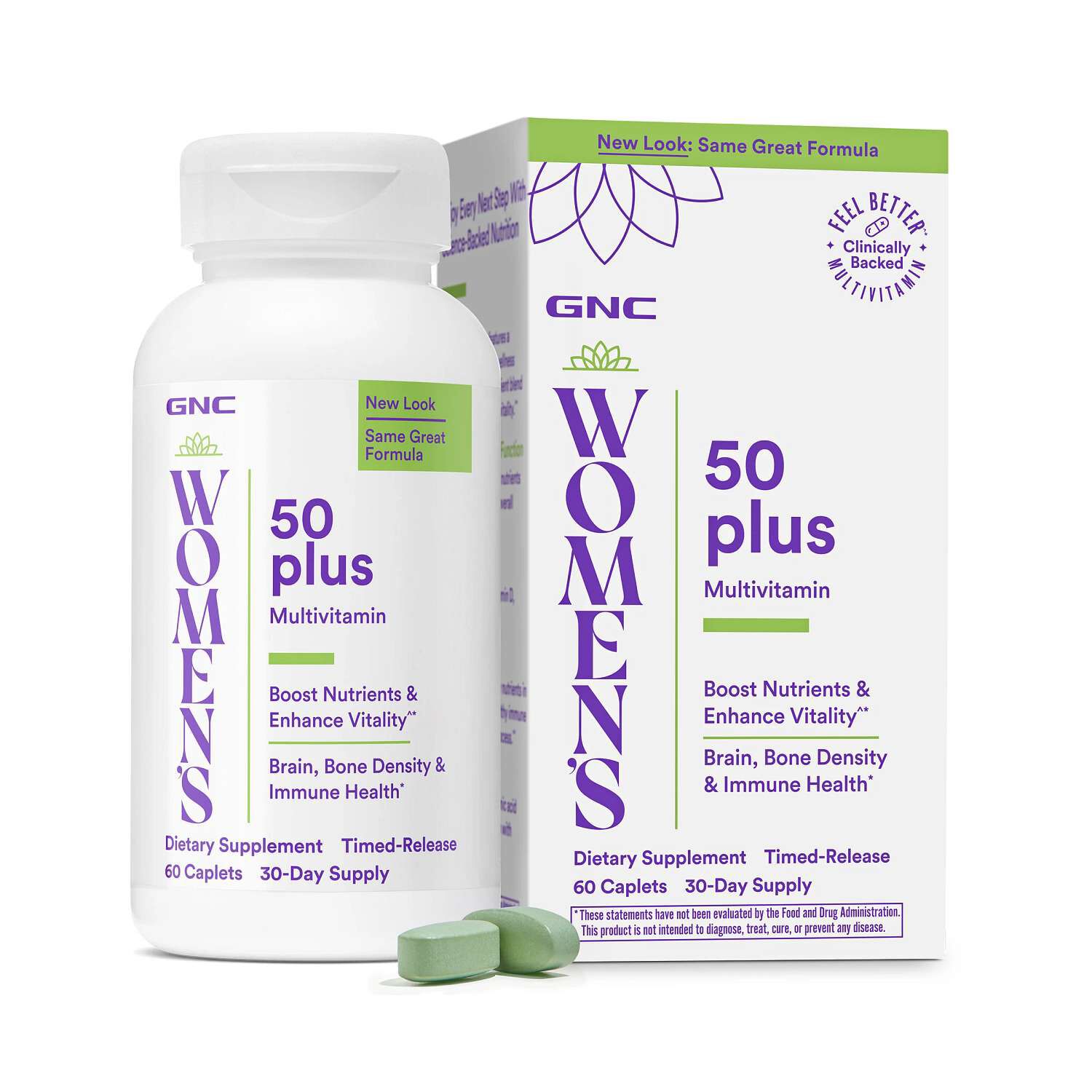
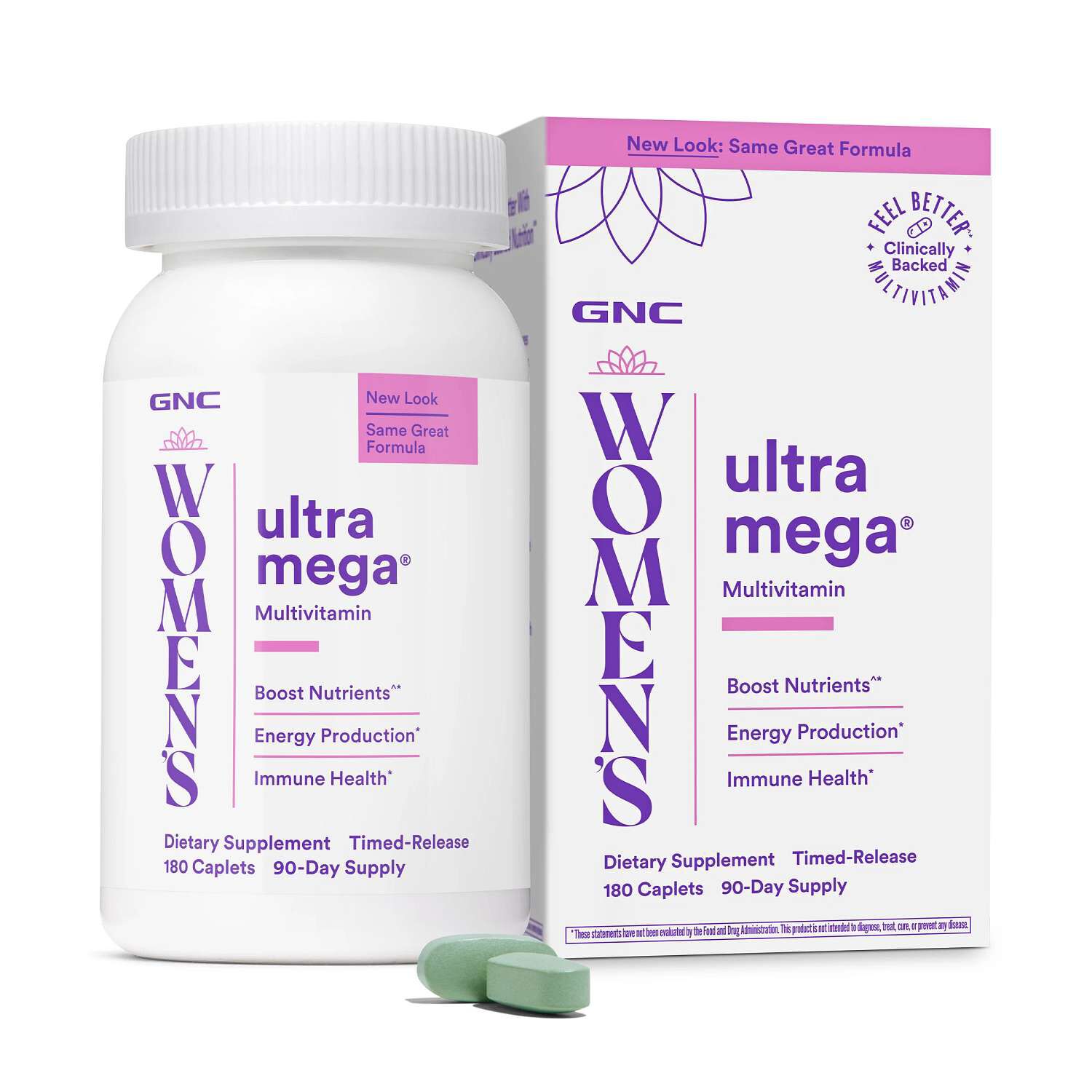
Multivitamins for adults with no artificial sweeteners may offer a thoughtful option for those looking to support their daily wellness routines. These multivitamins are crafted without the inclusion of artificial sweeteners, making them a popular choice among individuals who prefer a more straightforward approach to their supplement regimen. Explore a wide variety of options designed to fit your unique lifestyle and nutritional preferences. Multivitamins for adults with no artificial sweeteners could be a convenient way to help fill potential nutrient gaps and support your overall well-being.
-

-
-
-
-
 $18.99
-
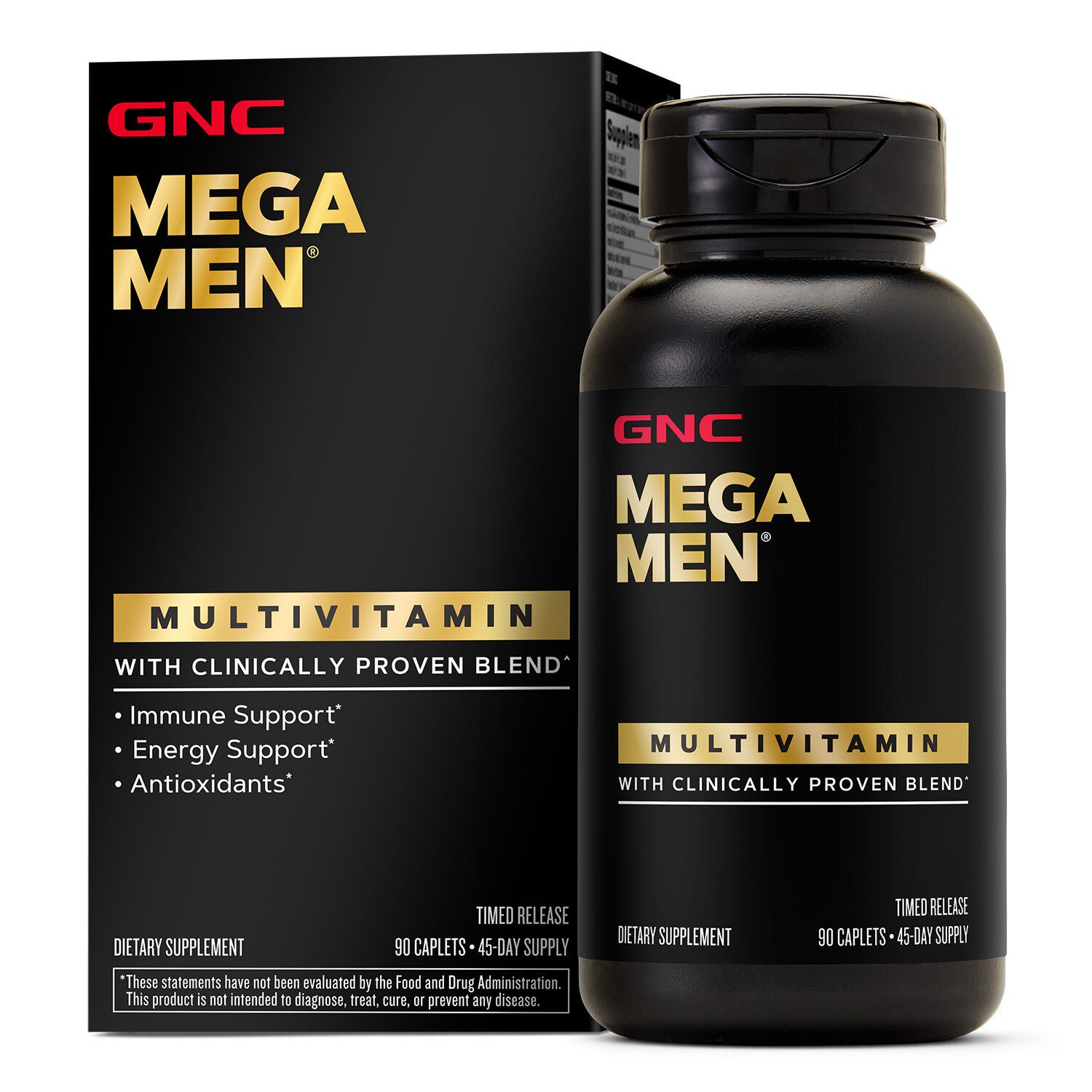 GNC Mega Men$34.99
-

-
 $18.99
-
-
-
-
-

-

-
-

-
-
-
-
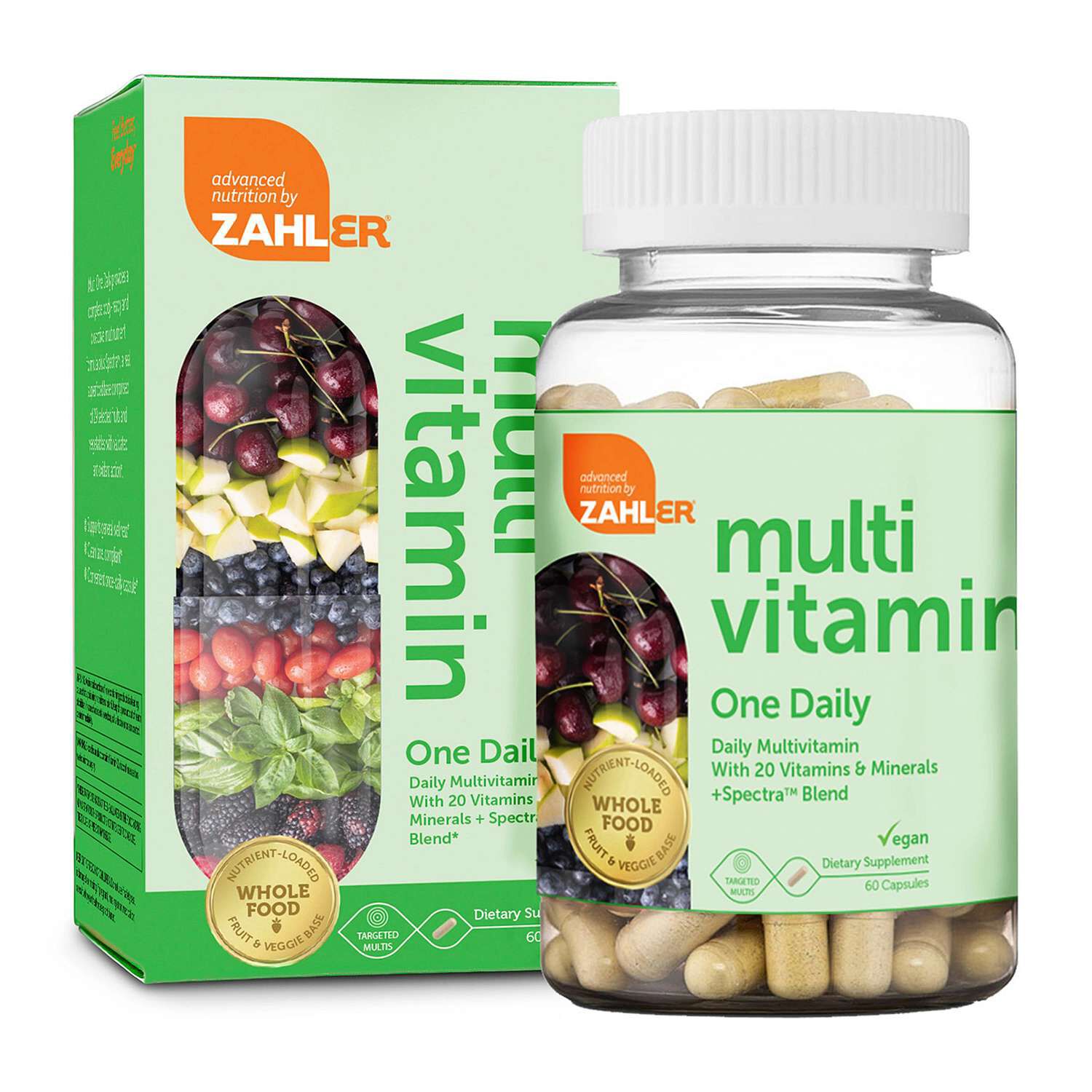
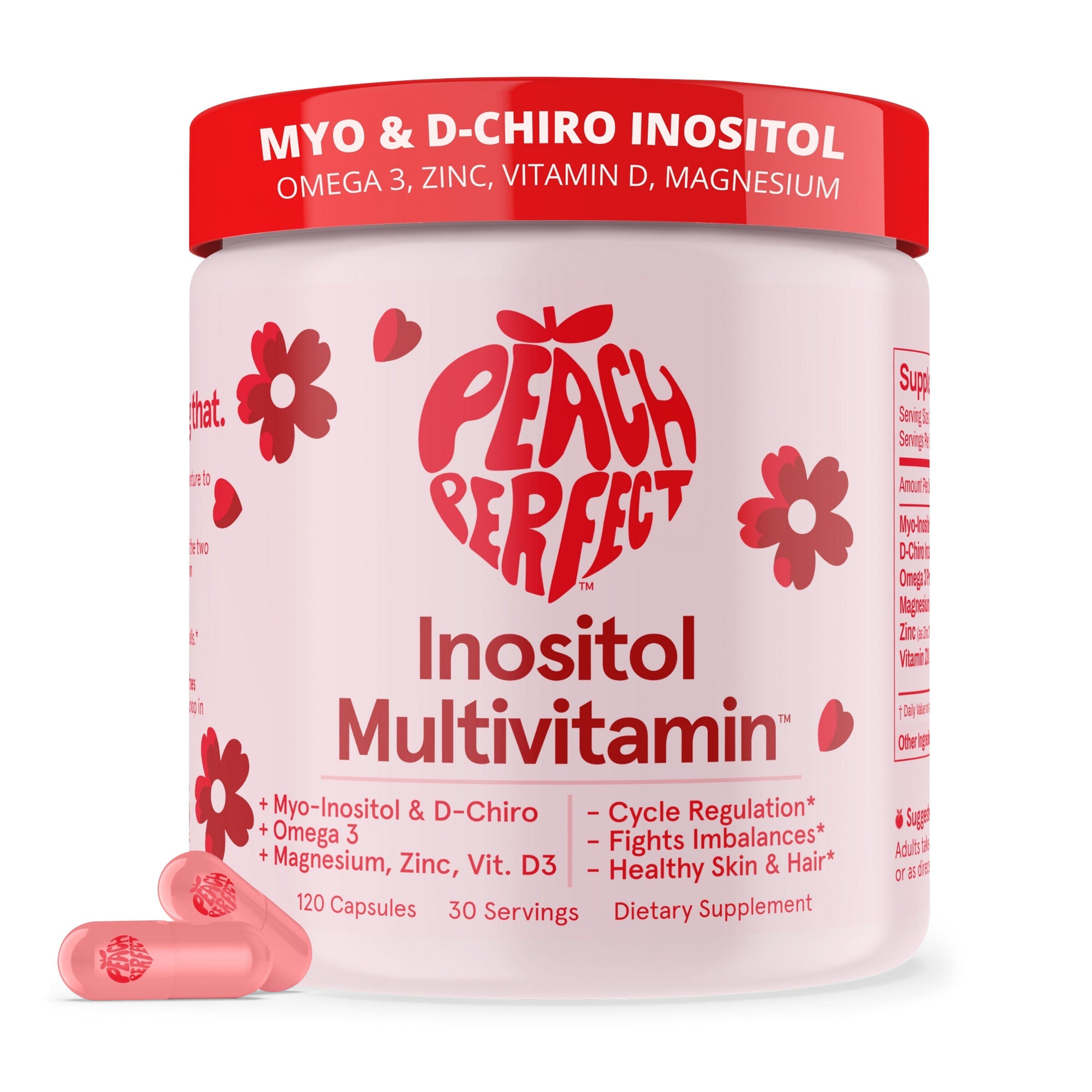
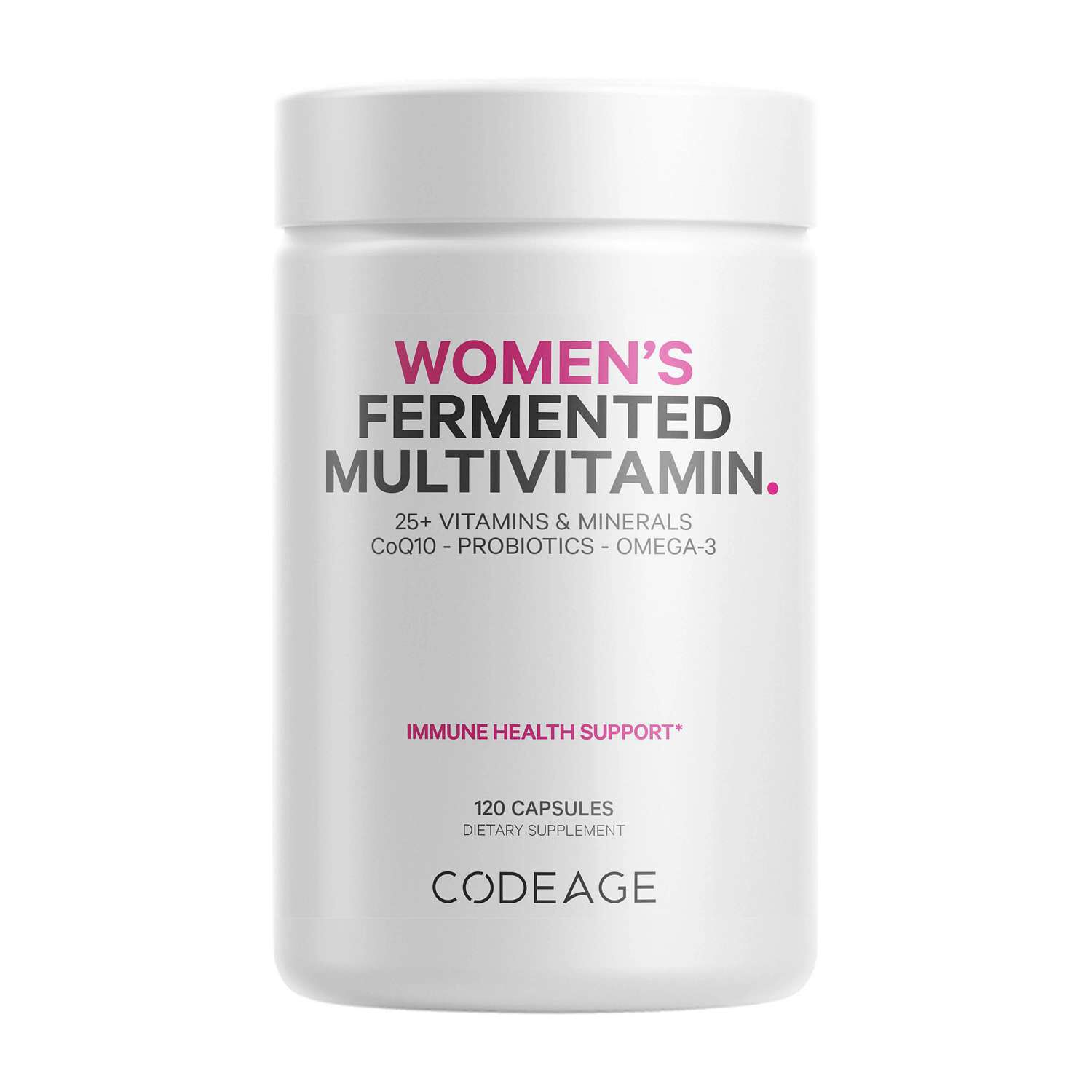
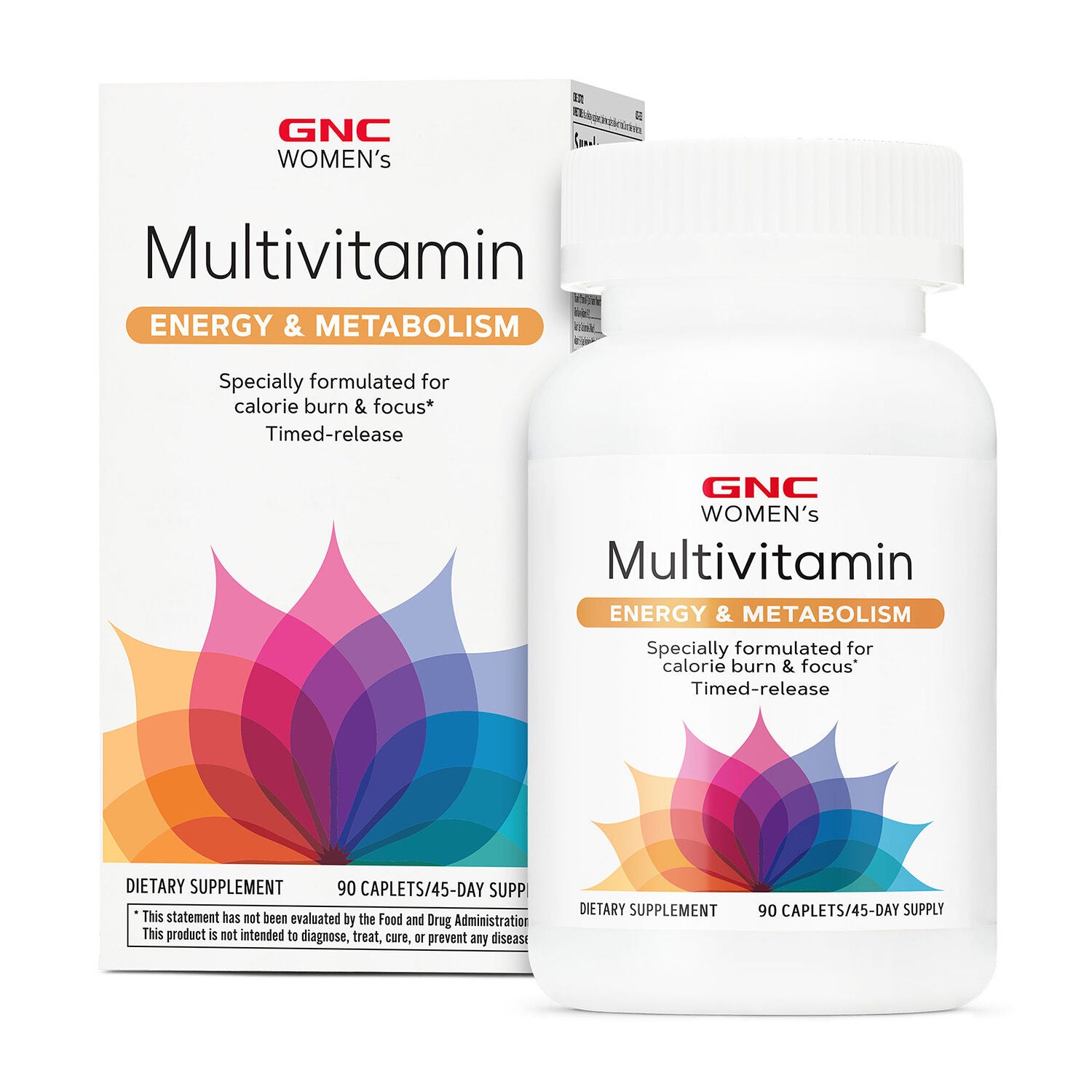
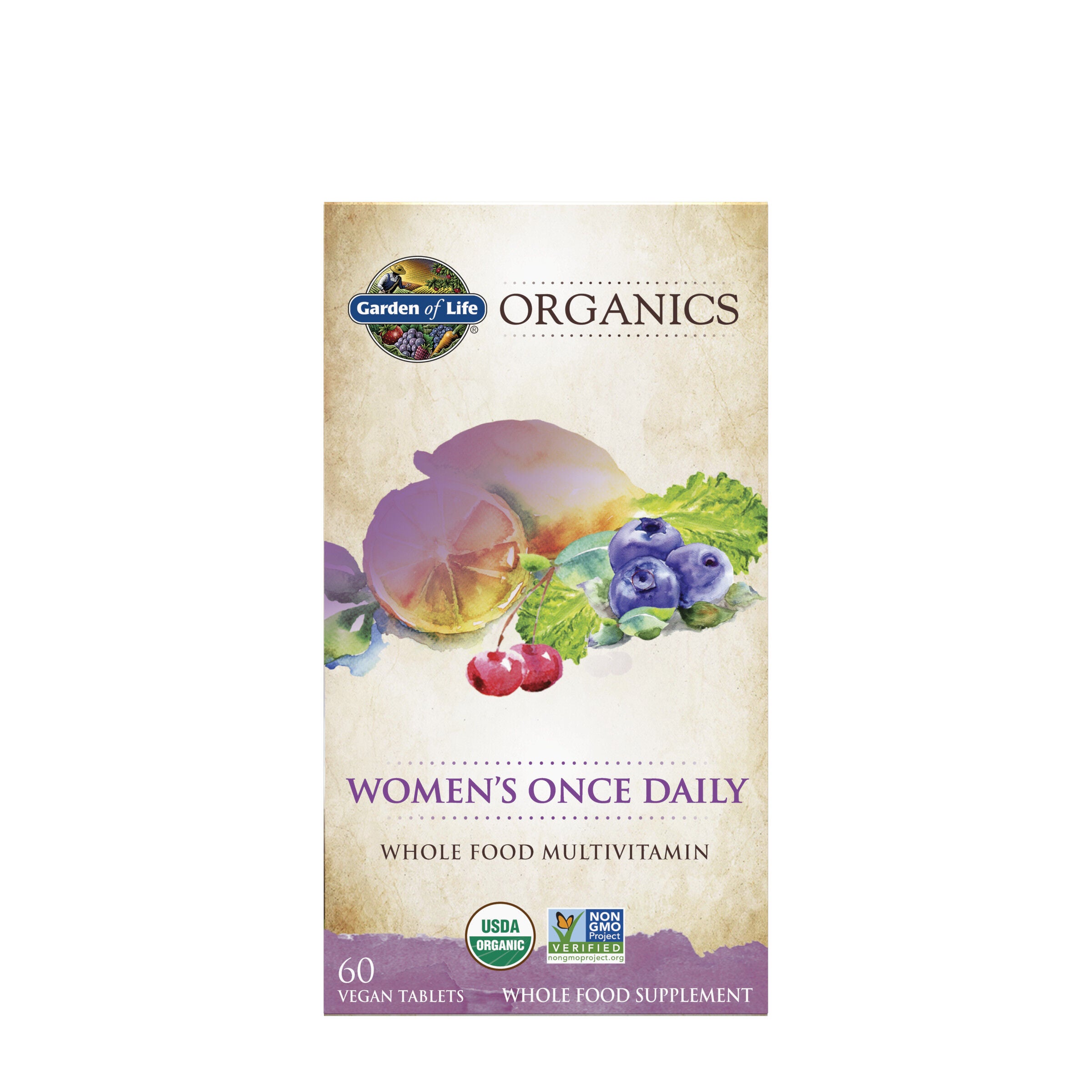
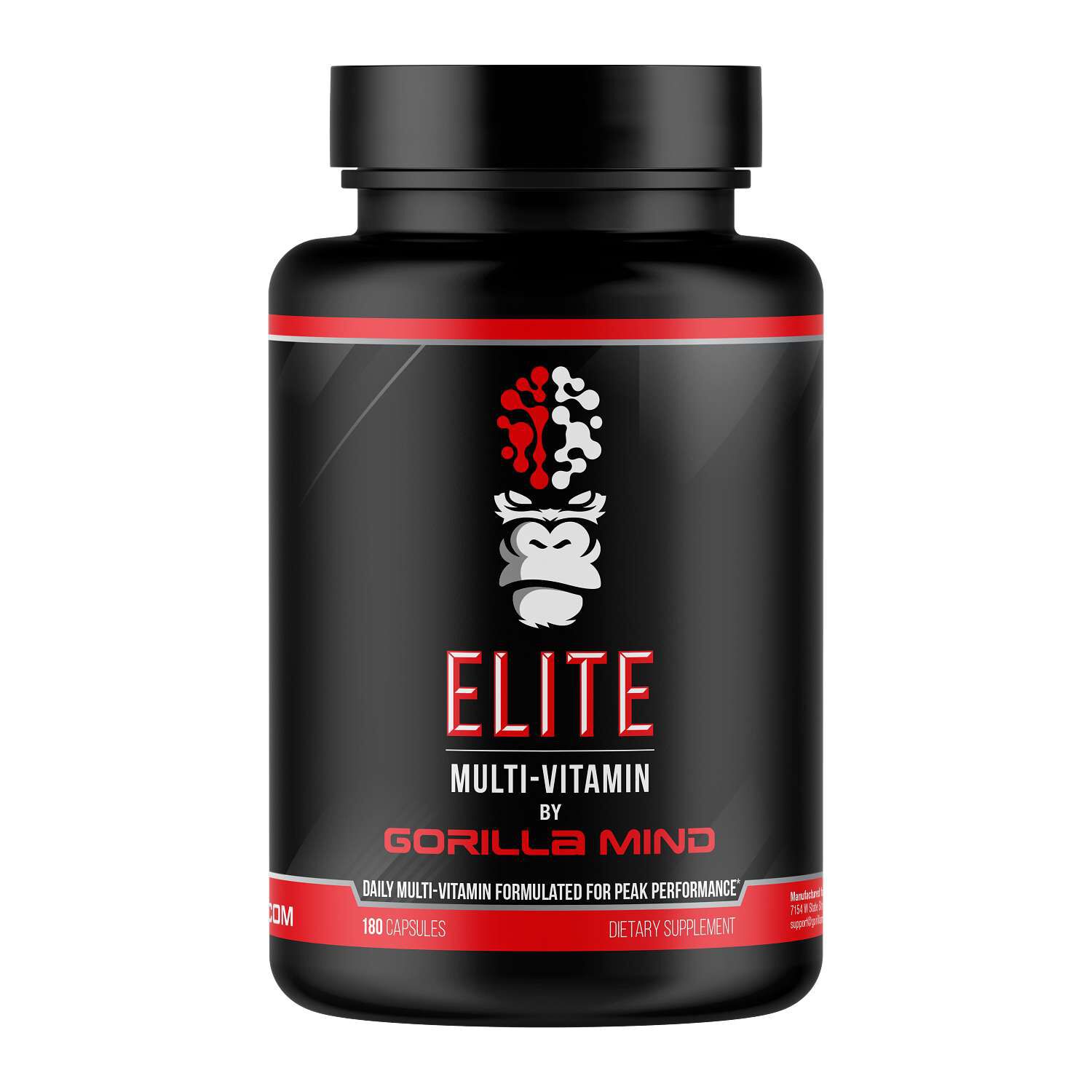
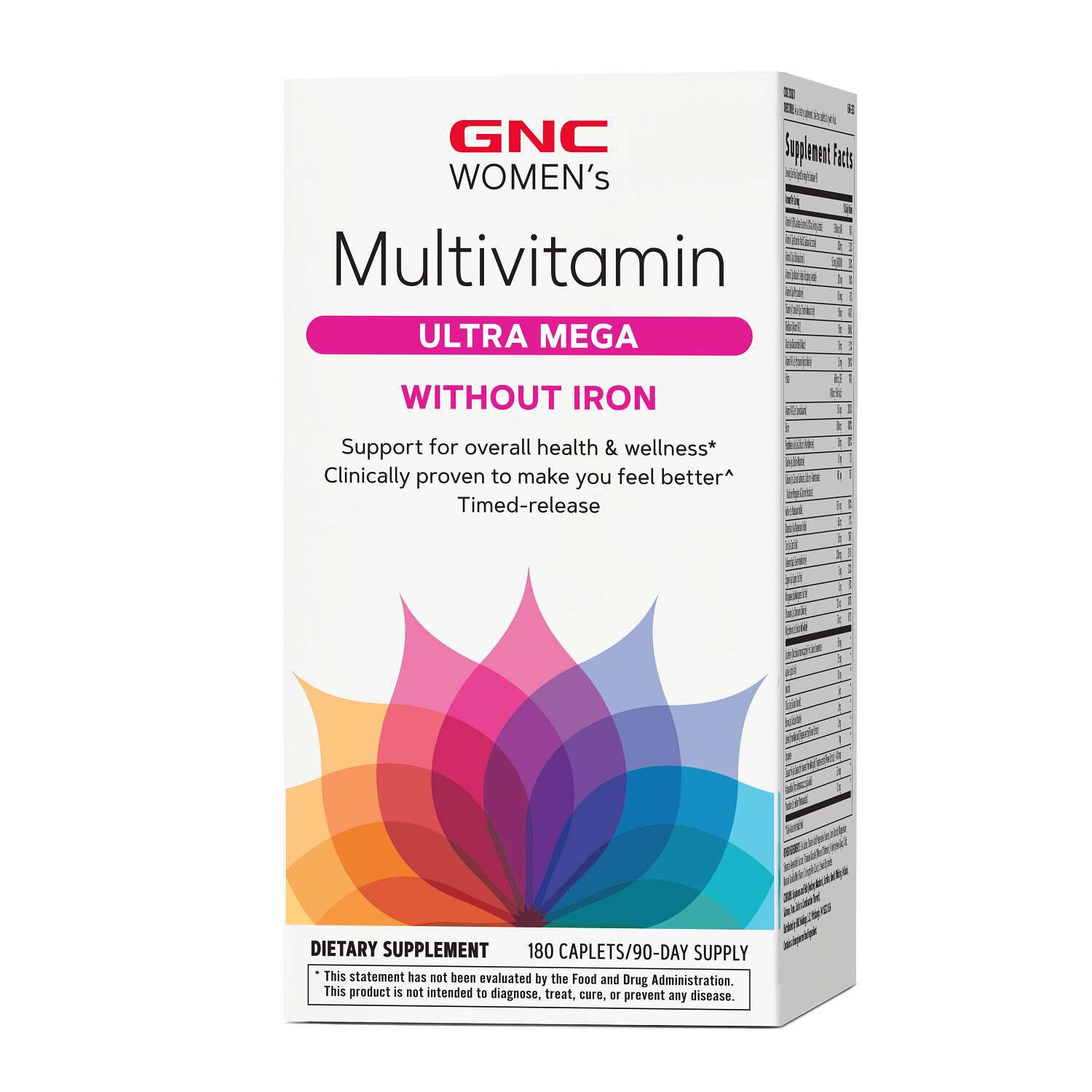
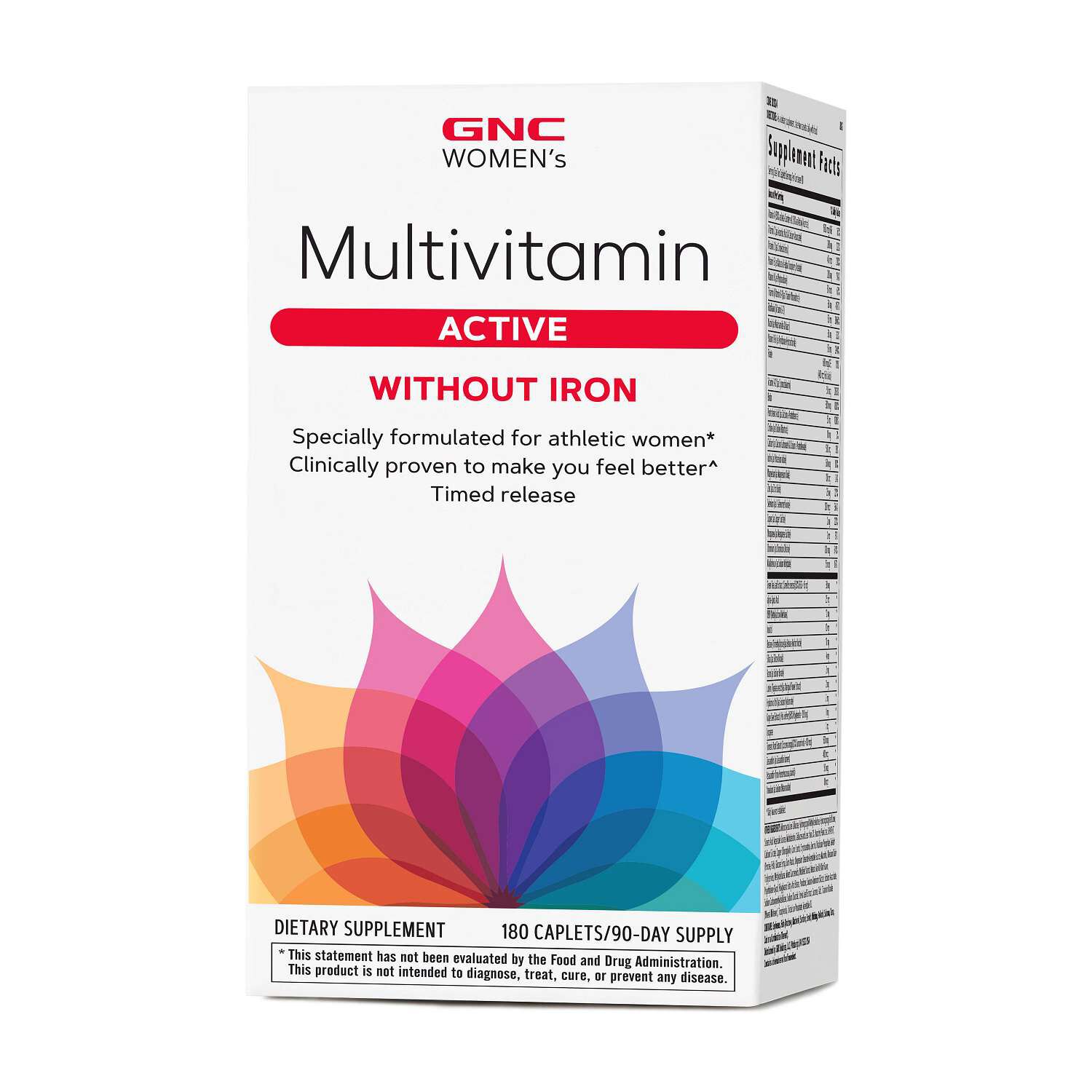
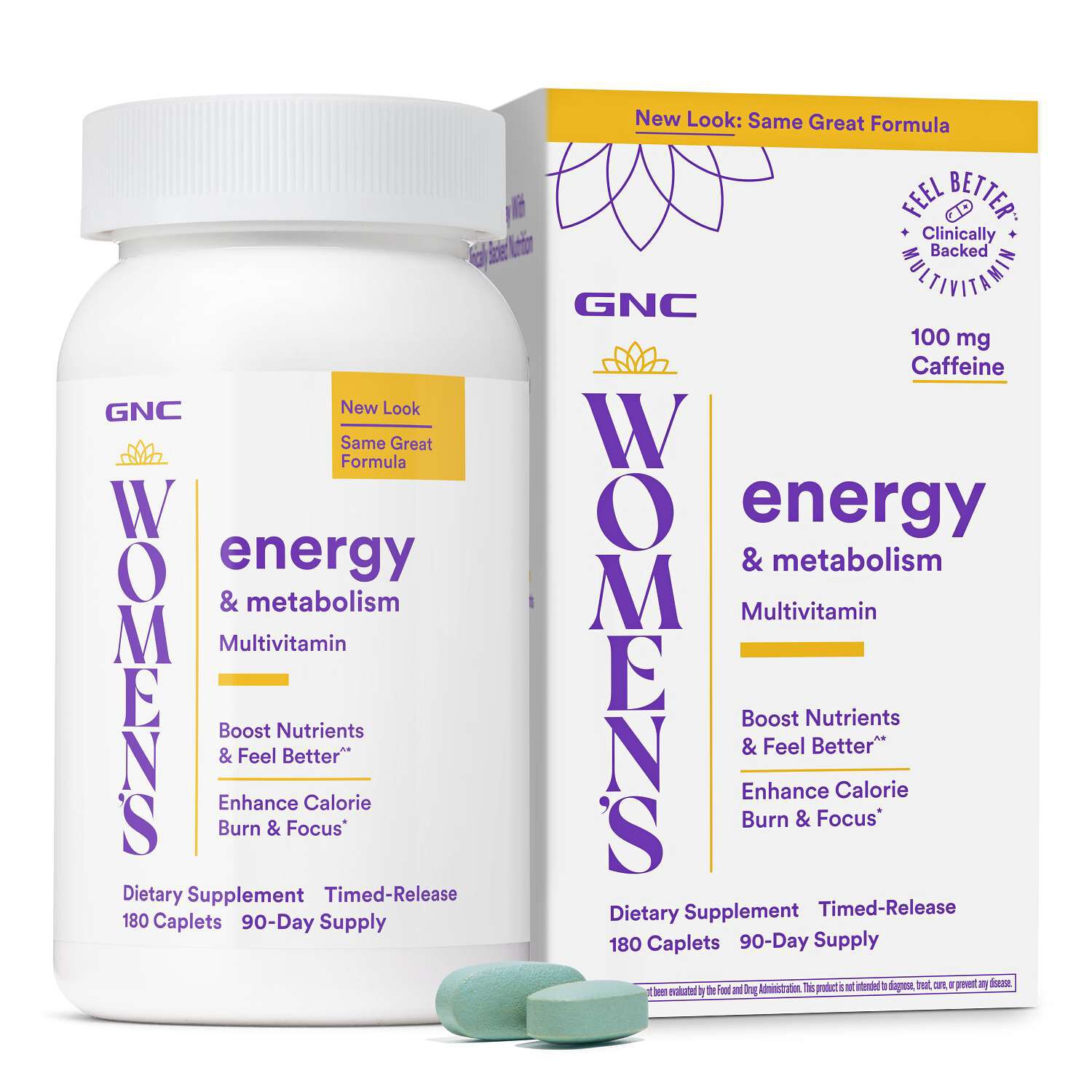
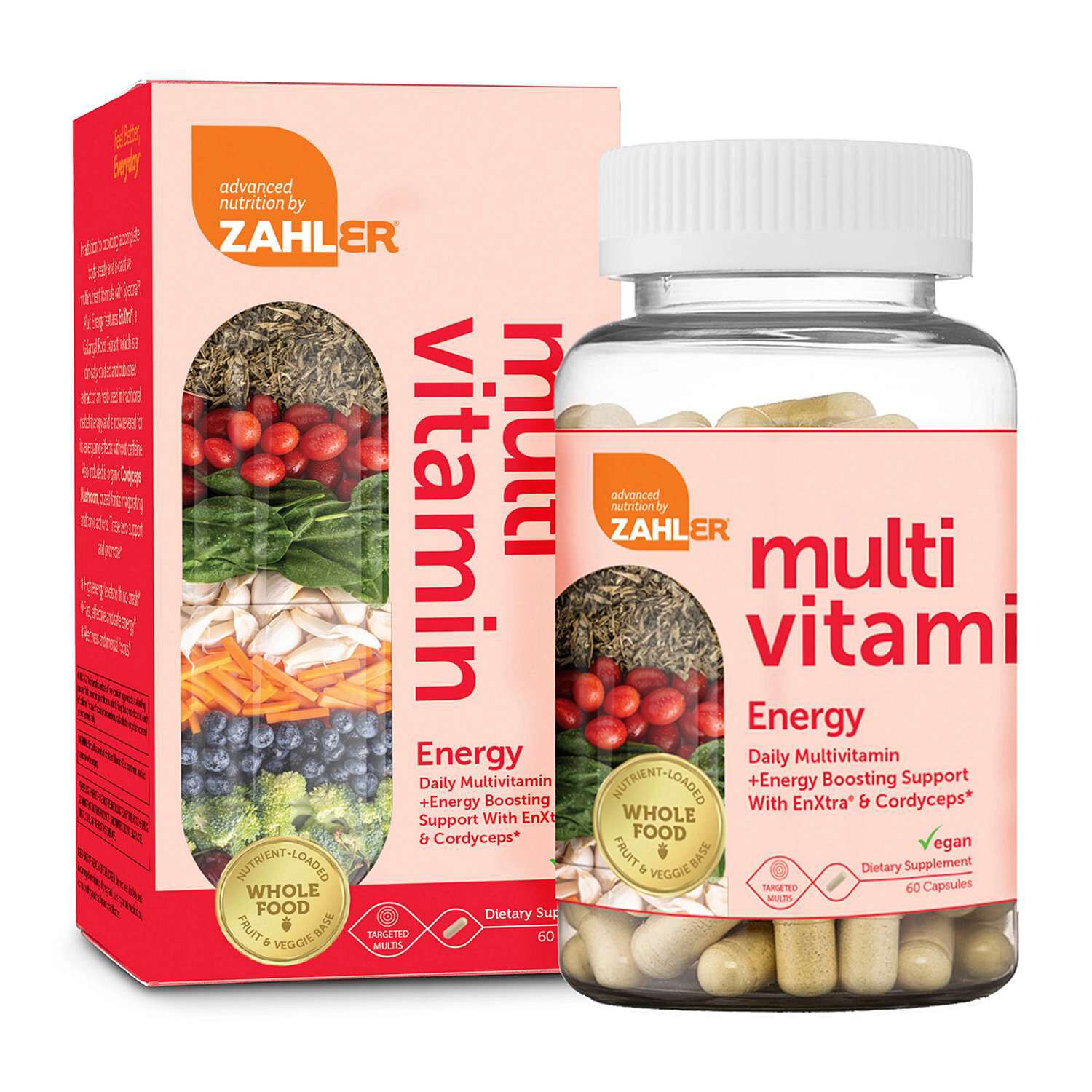
Multivitamins for adults with no artificial sweeteners are dietary supplements formulated without sweetening agents such as aspartame, sucralose, saccharin, or acesulfame potassium. These formulas combine vitamins and minerals in formats intended for adult use, with ingredient profiles that reflect different preferences for taste, texture, and daily routines. The distinction is specific: no artificial sweeteners does not necessarily mean no sugar, no added sugar, or no sweetening ingredients. A gummy or chewable formula might contain cane sugar, fruit juice concentrate, stevia, monk fruit, or a sugar alcohol, so its sweetness can come from ingredients outside the artificial sweetener category. The Supplement Facts panel and ingredient list provide different parts of that picture. The panel lists nutrients and serving information, while the ingredient list identifies ingredients used for flavor, texture, coatings, and capsule construction. Tablets and capsules are often a practical starting point for adults who prefer a format that is swallowed rather than chewed, but the format alone does not establish whether a formula contains sweeteners. Coated tablets, flavored capsules, and chewable preparations still warrant individual label review. Gummies offer a different eating experience, with fruit flavors and a soft texture that may appeal to someone who dislikes traditional pills. Their ingredient lists commonly include a gelling agent, such as pectin or gelatin, along with ingredients that create sweetness and texture. Powders and liquids bring their own considerations, including flavor intensity, mixing directions, and the amount measured for each serving. Across these formats, the most useful distinction is between an explicitly stated ingredient exclusion and an assumption based on appearance. A plain-looking tablet is not automatically made without artificial sweeteners, just as a fruit-flavored gummy is not automatically made with them. For adults with a particular ingredient preference, clear labeling matters more than the color, shape, or format of the supplement. Likewise, a statement about artificial sweeteners says nothing by itself about artificial flavors or colors; each attribute has its own place on the label.
Beyond sweeteners, adult multivitamins vary in their nutrient combinations, serving sizes, and intended audiences. Some formulas are labeled for adults generally, while others are labeled for men, women, or adults in a particular age group. These distinctions appear alongside differences in ingredients such as vitamins A, C, D, E, and the B vitamins, as well as minerals such as zinc, iodine, or iron. Not every multivitamin contains the same nutrients, and a longer ingredient list does not automatically make one formula a better match for every adult. Serving information is especially relevant when comparing formats. A bottle containing sixty capsules represents a different number of servings when the labeled serving is one capsule versus two. Similarly, a gummy serving might include several pieces rather than one, and the nutrient amounts shown on the panel apply to that stated serving. Milligrams, micrograms, and Daily Value percentages give context to the listed amounts, making side-by-side comparisons more meaningful than bottle size alone. Ingredient preferences also extend to the capsule shell and supporting ingredients. Gelatin capsules use animal-derived material, while some capsule shells use plant-derived cellulose. Gummies may use gelatin or pectin, and tablets may contain binders, coatings, or other ingredients needed to hold their shape. A preference for no artificial sweeteners is separate from a preference for vegan ingredients, particular allergen exclusions, or no artificial flavors. Each characteristic needs its own label confirmation rather than being inferred from another claim. For a related ingredient preference, Multivitamins for Women With No Artificial Flavors offers a separate category to explore; that description addresses flavoring ingredients rather than sweetening agents. The distinction is useful for shoppers comparing several priorities at once, especially when a household includes adults who prefer different formats. One person may favor an unflavored capsule, while another may prefer a chewable with a clearly identified source of sweetness. The relevant details remain the labeled audience, nutrient amounts, serving size, and full ingredient list.
Everyday use also involves practical details that are easy to overlook when comparing nutrient panels. Tablet dimensions, capsule size, texture, and the number of pieces in a serving all shape how a multivitamin fits into an established routine. A single daily tablet may appeal to someone who prefers fewer steps, while another adult may prefer a measured liquid or a gummy format. Package directions specify the intended serving and any instructions about taking the supplement with food or preparing a powder. A format intended to be swallowed is different from one labeled for chewing or mixing, and those directions remain relevant even when the ingredients otherwise look similar. For someone carrying a supplement between home and work, the container’s closure, serving instructions, and storage requirements are part of the comparison. The original packaging keeps the ingredient list, lot information, and expiration date together, which is useful when checking details later. Storage directions deserve the same attention as serving directions: moisture, an improperly closed lid, or storage outside the labeled conditions may affect a product’s texture or condition. Gummies, tablets, capsules, powders, and liquids can have different handling requirements, including instructions that apply after opening. Keeping the container securely closed and beyond the reach of children is part of ordinary supplement storage. Quality information adds another point of comparison. When a package carries an independent certification mark, the organization’s stated testing criteria explain what that mark covers; it should not be treated as a statement about every attribute of the formula. An artificial sweetener exclusion, for example, is still a specific ingredient claim to confirm on the label. Multivitamins are intended to supplement the diet, not replace varied meals. Within that role, adult multivitamins with no artificial sweeteners offer a focused way to compare formulas around a defined ingredient preference, while leaving room for differences in format, nutrient composition, texture, and daily use.