





Multivitamins For Heart Health
(0 Results)
Discover a range of multivitamins for supporting your cardiovascular wellness journey. Carefully formulated to provide a blend of nutrients, these multivitamins may complement a balanced diet and active lifestyle. Whether looking to fill nutritional gaps or support overall well-being, explore options that could contribute to maintaining a healthy lifestyle. Prioritize your health with multivitamins for potential cardiovascular benefits.
-

-
-

-
-
-

-

-

-
-
-
-

-
-
-

-
-

-
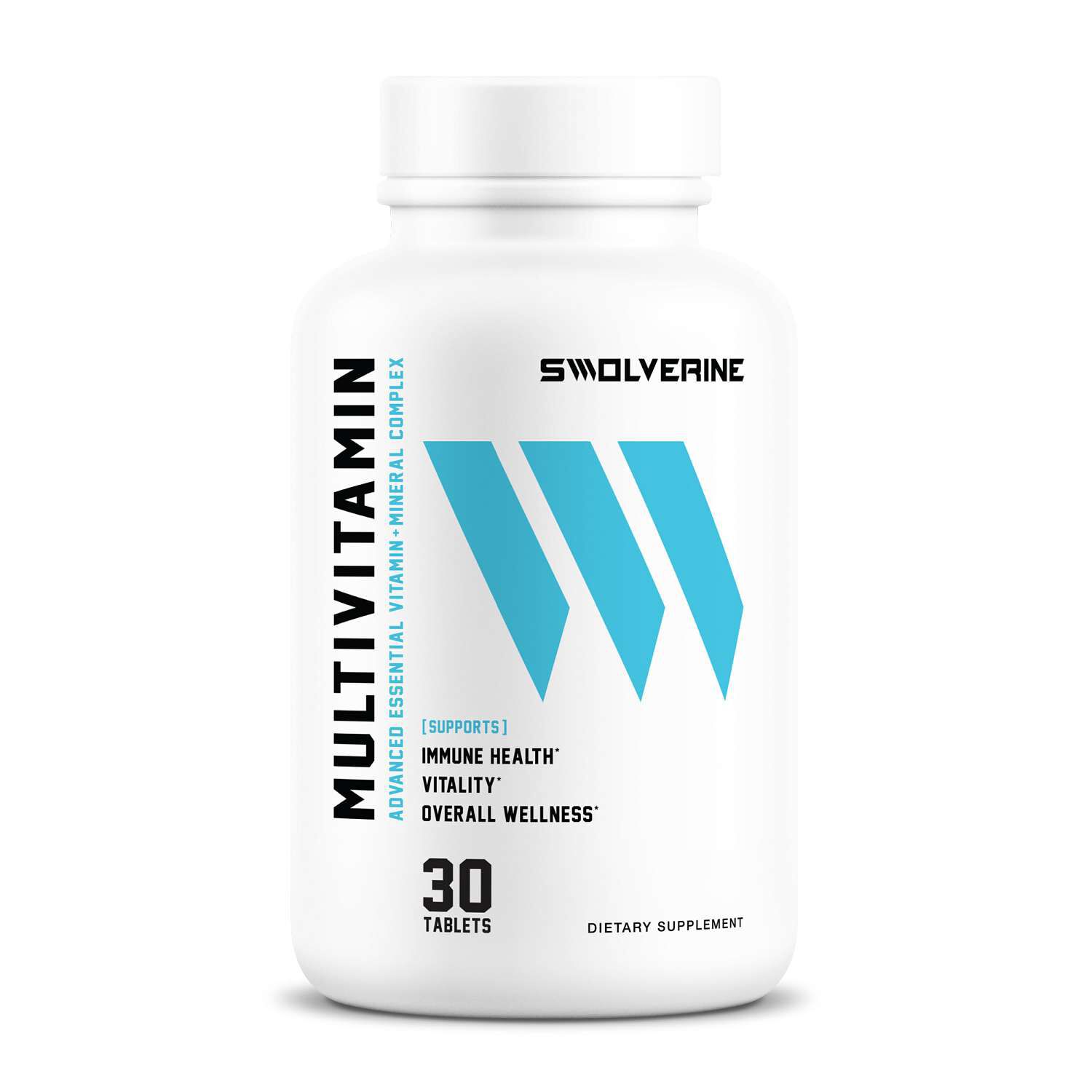 Swolverine$22.99
 -

-

-
-

-

Multivitamins for heart health can fit into a broader approach to everyday wellness, particularly for adults who want help covering common dietary gaps. These formulas may provide a selection of vitamins and minerals that support normal body functions, although a daily multivitamin should not be viewed as a way to prevent or treat heart disease. Large studies have not shown that standard multivitamins lower the chance of a heart attack or stroke, and no supplement can take the place of nourishing food, regular movement, restorative sleep, or care from a qualified healthcare professional. A thoughtful routine often begins at the grocery aisle: colorful fruits and vegetables, beans, whole grains, nuts, seeds, fish, and other minimally processed foods may contribute valuable nutrients as part of a varied eating pattern. Salmon, sardines, and other oily fish may be sources of omega-3 fatty acids, while leafy greens, berries, citrus, oats, and legumes can bring a wide range of naturally occurring nutrients to the plate. A supplement may be useful as a convenient addition to that routine, but it should not be used to offset smoking, an unbalanced diet, high cholesterol, diabetes, or other personal health concerns. For a closer look at ingredient categories and shopping considerations, explore Best Vitamins For Heart Health.
When comparing multivitamins, start with the Supplement Facts panel rather than the front label. Look for the serving size, the number of tablets or capsules per day, the form of each nutrient, and any ingredients you prefer to avoid. Some shoppers appreciate a once-daily format that slips easily beside a coffee mug or water bottle, while others prefer a smaller serving spread across the day. A capsule, tablet, gummy, powder, or liquid may suit different routines, and the best format could be the one that feels simple enough to follow consistently. It may also help to check whether a formula is designed for a particular age group or lifestyle, such as adults over 50, active adults, or women and men with different nutritional preferences. Consider dietary needs as well, including vegetarian, vegan, gluten-free, or allergen-aware options, and review flavor, texture, storage instructions, and serving size before placing an order. More ingredients do not automatically make a formula a better choice, and taking several products with overlapping nutrients could lead to an unnecessarily complicated routine. Anyone who takes prescription or over-the-counter medication, manages a health condition, is pregnant or nursing, or expects to have a procedure may wish to ask a physician, pharmacist, or registered dietitian about suitable ingredients and timing. Professional guidance may also help shoppers decide whether a general multivitamin or a targeted nutrient product makes sense for their circumstances.
These products may appeal to people building steadier habits during busy stretches of the year, when travel, work schedules, school activities, or cooler weather can make regular meals less predictable. A multivitamin could be a practical addition to a desk drawer, gym bag, or kitchen cabinet, provided it is stored as directed and used according to the label. Many people pair their serving with a familiar daily moment, such as breakfast or brushing their teeth, so the routine becomes as natural as setting out a favorite mug in the morning. Multivitamins may also make considerate gifts for a parent, partner, college student, frequent traveler, or friend who enjoys organizing a wellness routine, especially when the recipient’s dietary preferences and supplement habits are known. Gift shoppers may want to choose a straightforward format, check expiration information, and include the receipt when appropriate, since personal preferences can vary widely. A supplement cannot replace meals, physical activity, sleep, or personalized healthcare, and it may not provide a direct cardiovascular benefit. Instead, it could serve as one small, convenient part of a lifestyle that includes walking through the neighborhood, preparing a colorful dinner, choosing whole grains, enjoying fish or plant-based protein, and staying connected with a healthcare professional. As the weather shifts from warm afternoons to cooler days, simple routines that remain realistic may be easier to maintain than dramatic changes, helping each shopper choose products that align with personal goals, dietary preferences, and everyday life.
Best Sellers
-
 Universal Nutrition
 -
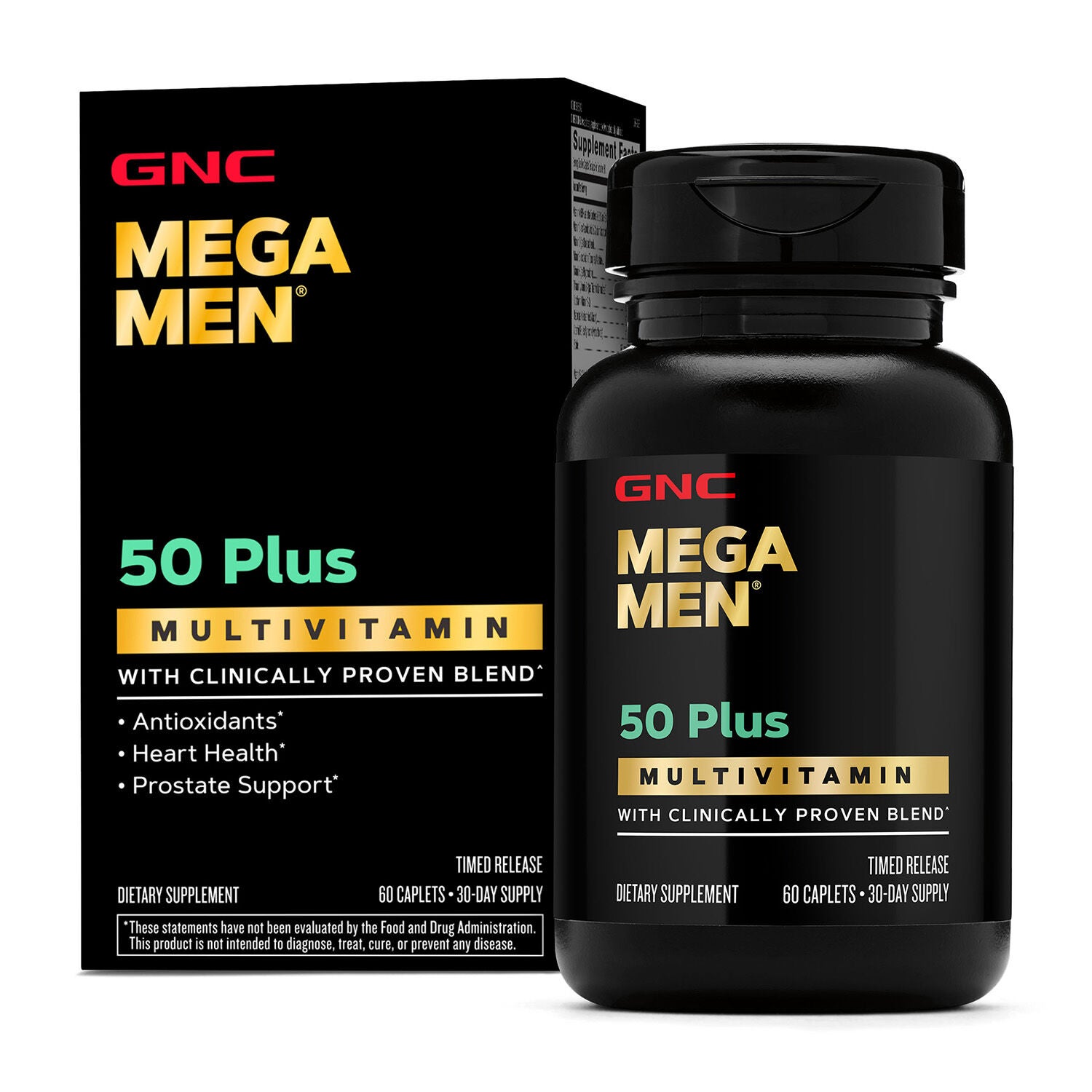
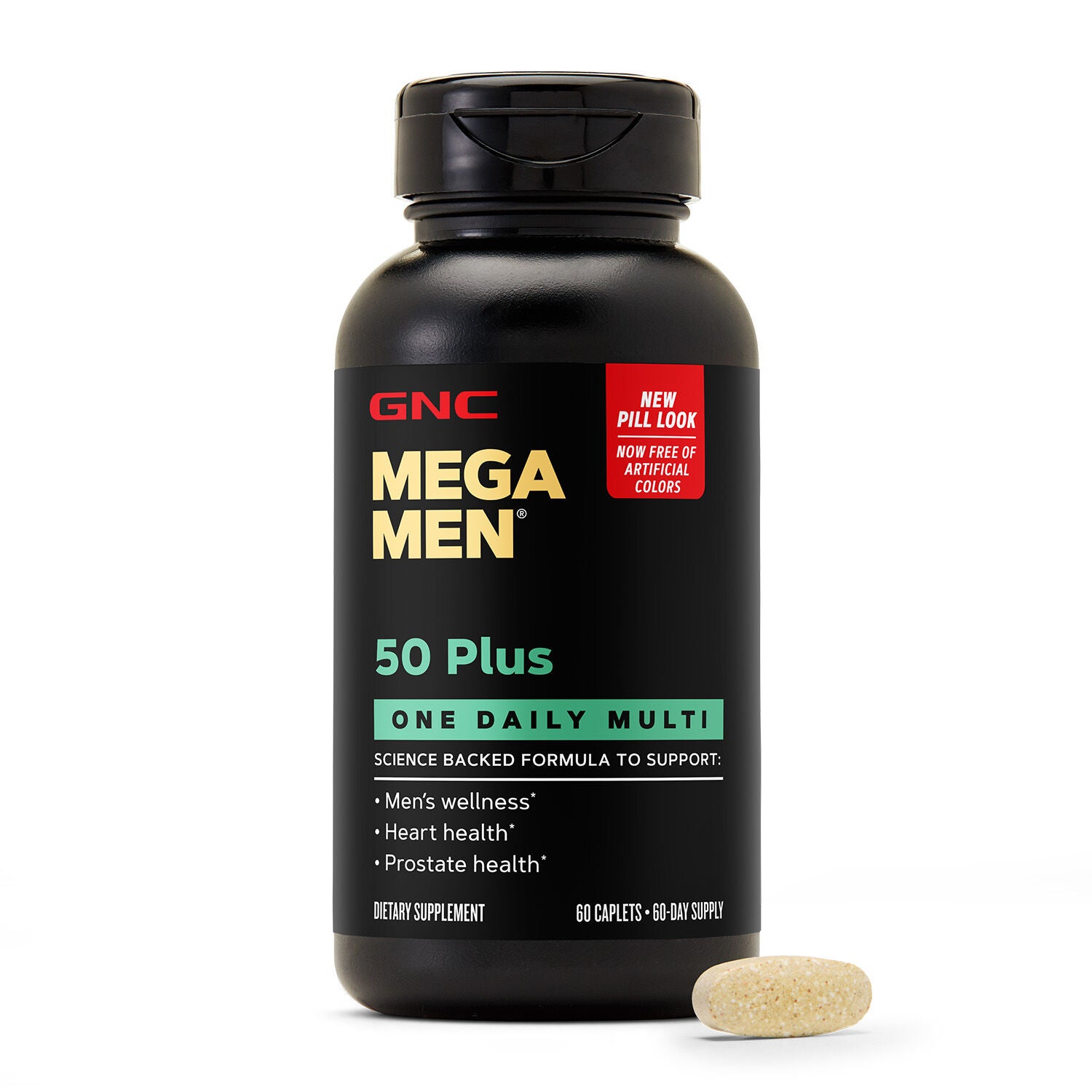
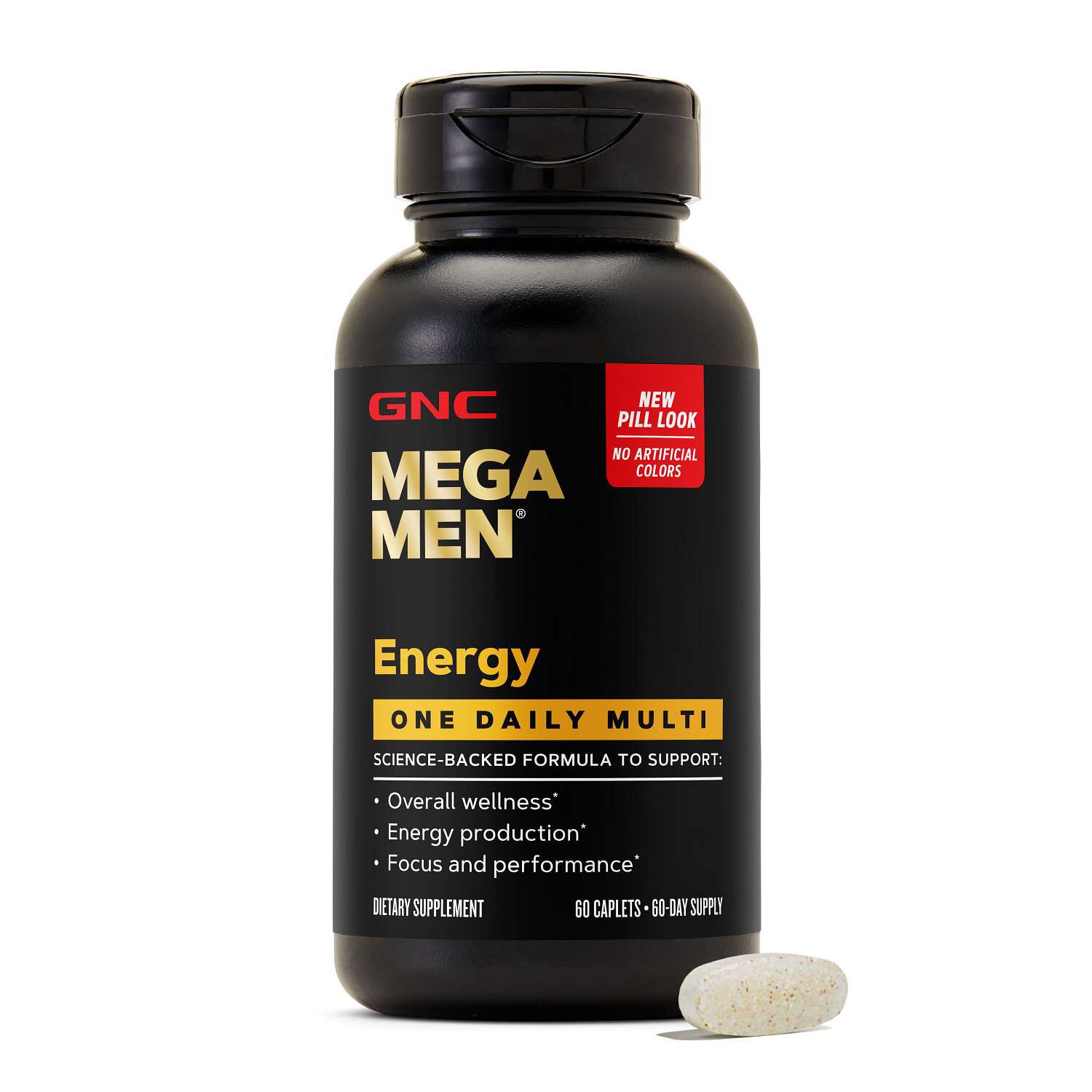 GNC Mega Men
 -
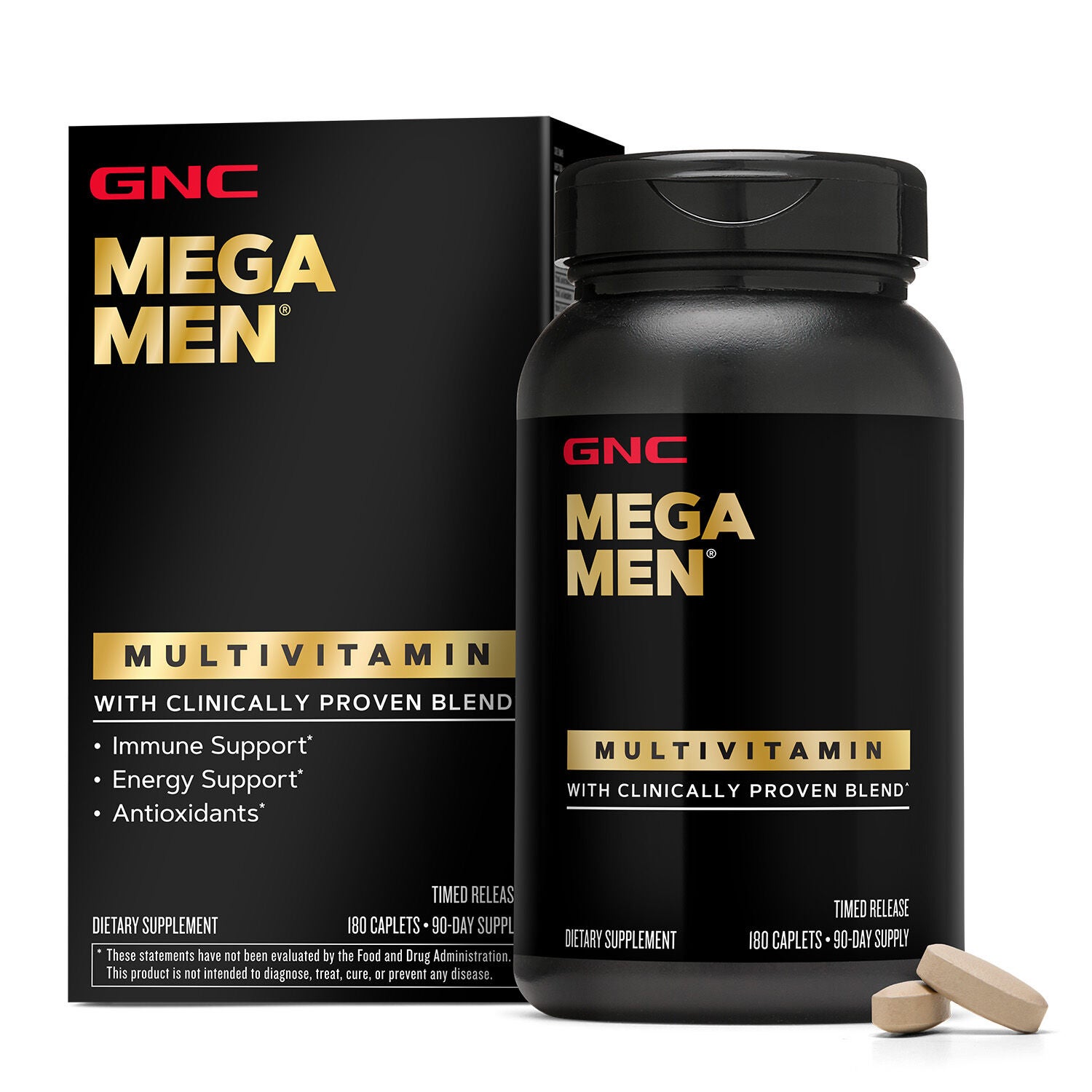
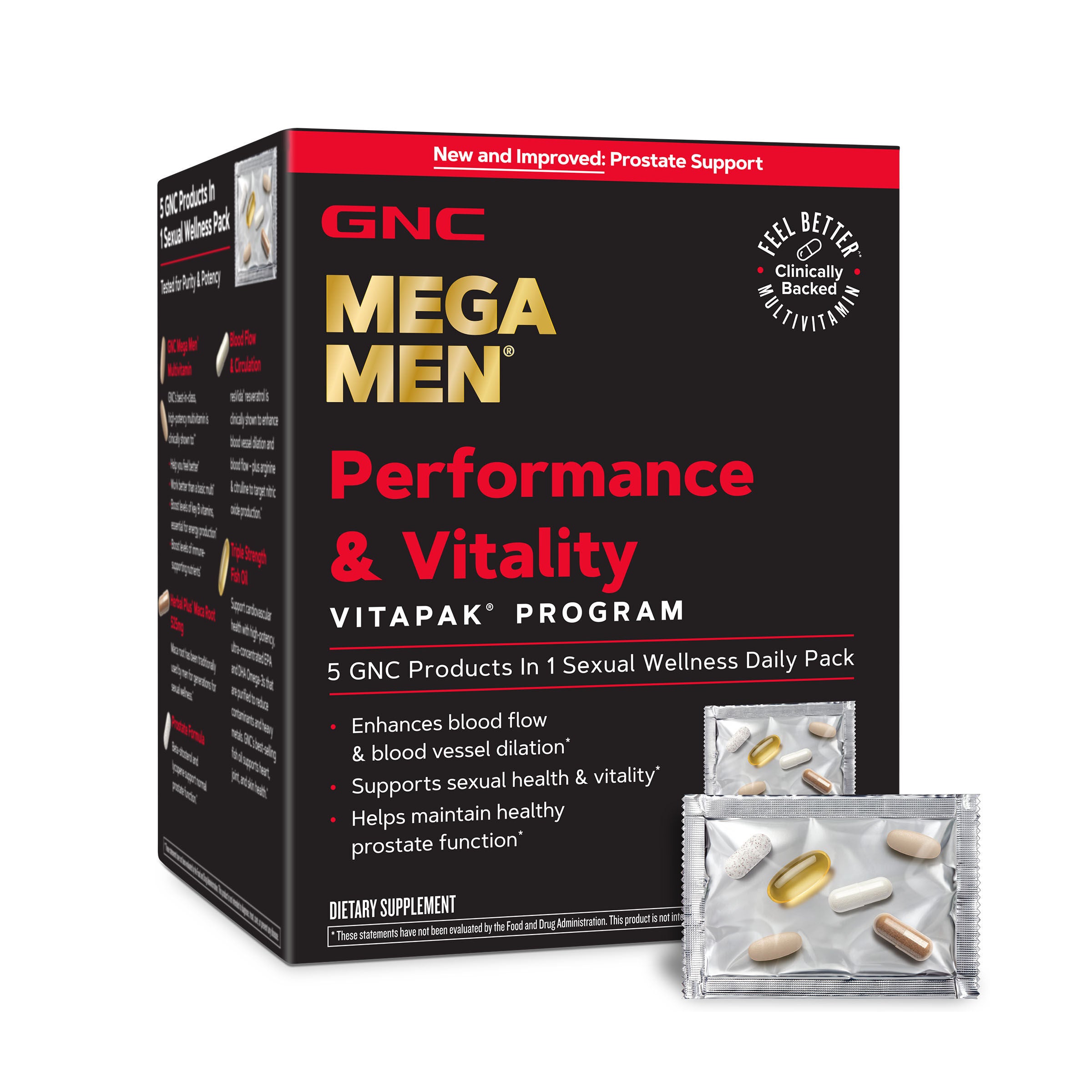
GNC Mega Men
Related Pages

Top Collections
- Daily Collagen Supplements | Top Brands & Deals | GNC
- Natural Collagen Supplements | Top Brands & Deals | GNC
- Top Rated Collagen | Shop Customer Favorites | GNC
- Cortisol Supplements
- Vitamins For Hair Loss
- Spirulina Tablets
- NAD+ Supplement Tablets
- Peptide Supplements
- Best Brand of Magnesium Glycinate
- Vitamins That Help Support Weight Gain