





Best Vitamins For Heart Health
(0 Results)
Supporting your cardiovascular system could be as simple as incorporating certain vitamins into your daily routine. A variety of nutrients may play a crucial role in maintaining a healthy lifestyle, potentially aiding in everything from blood circulation to overall cardiac wellness. Whether you're looking to support your body during workouts or simply aiming to maintain a balanced diet, exploring options that may contribute to your cardiovascular health is always a step in a positive direction. Dive into a selection of vitamins that might help keep your ticker in top shape and discover how they could become an integral part of your wellness journey.
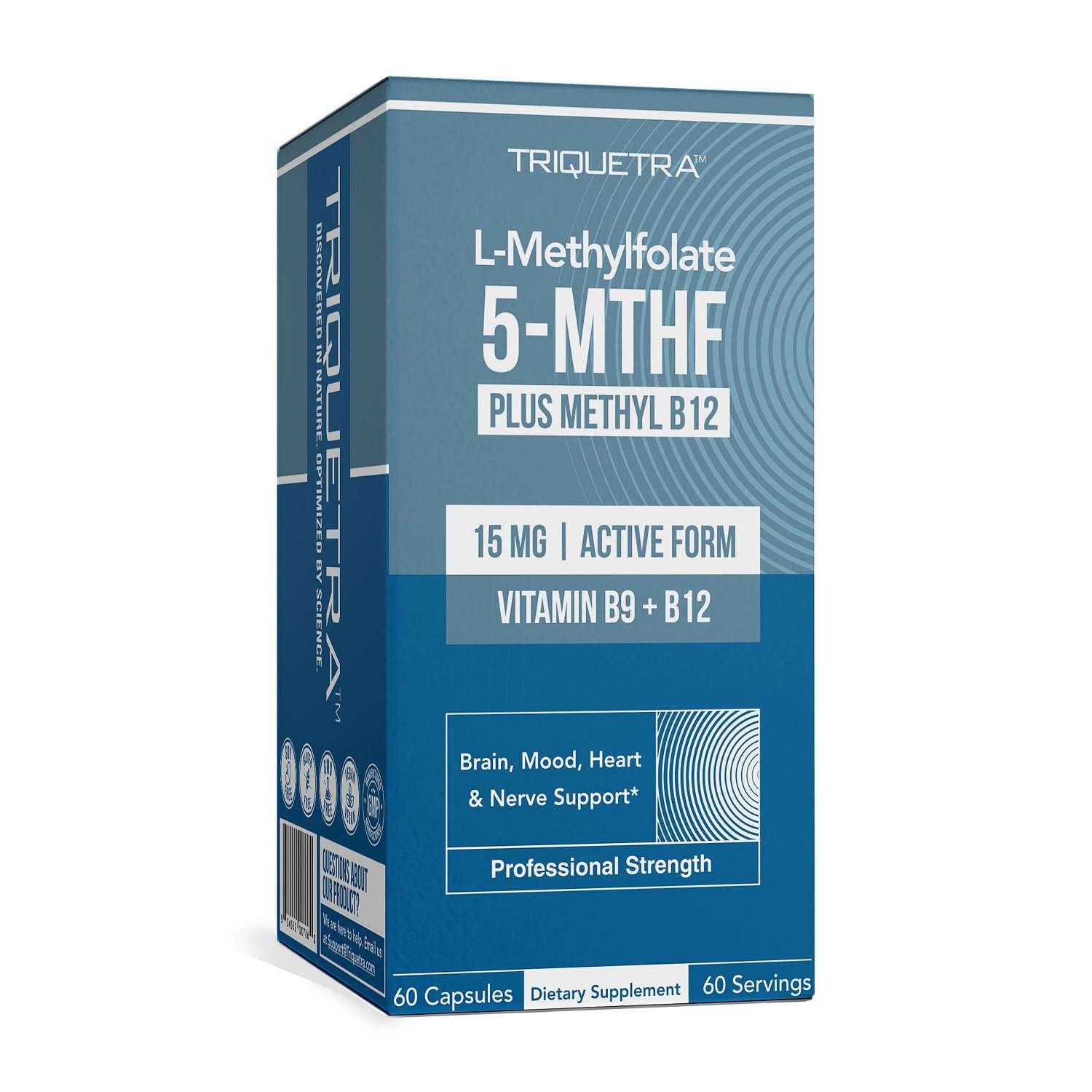



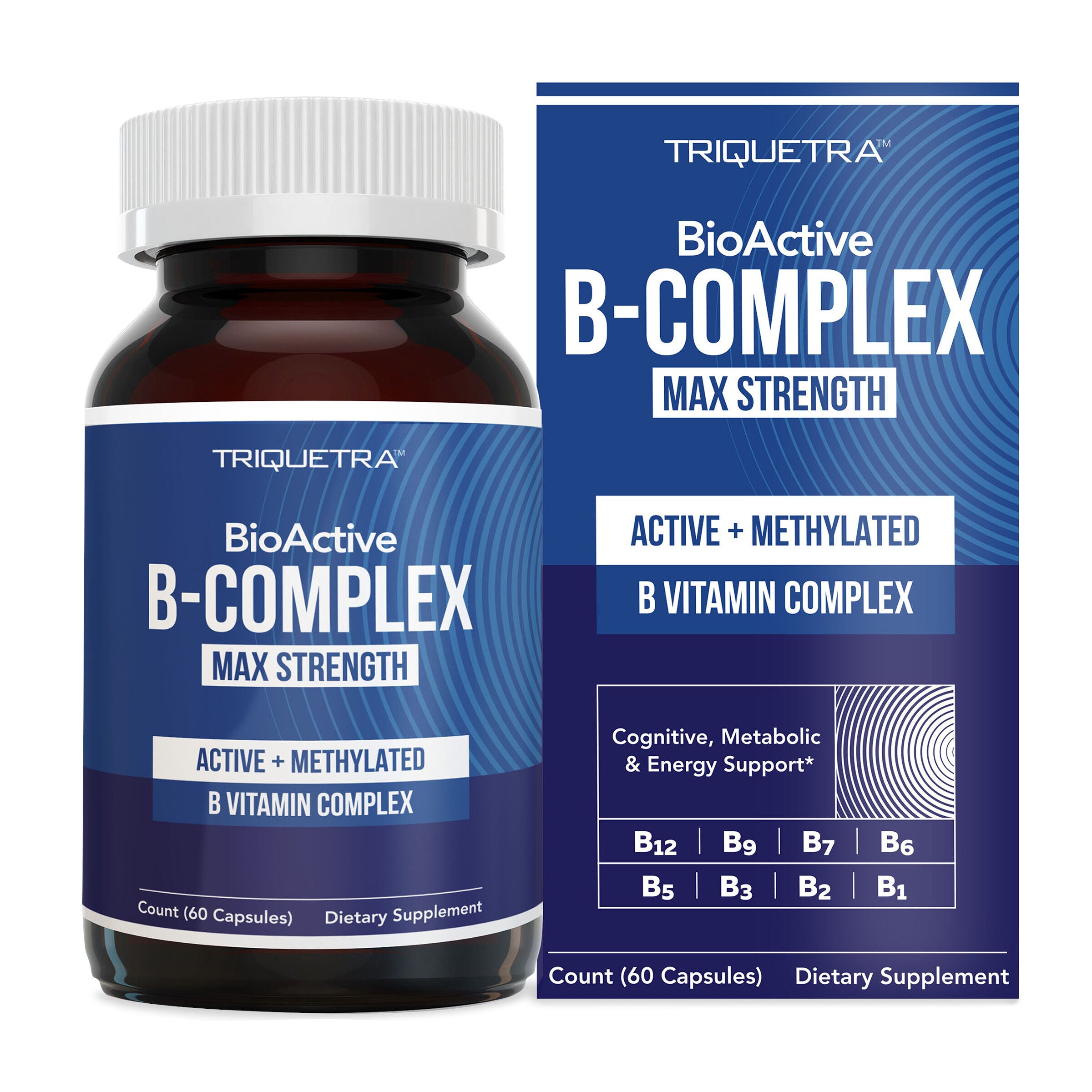
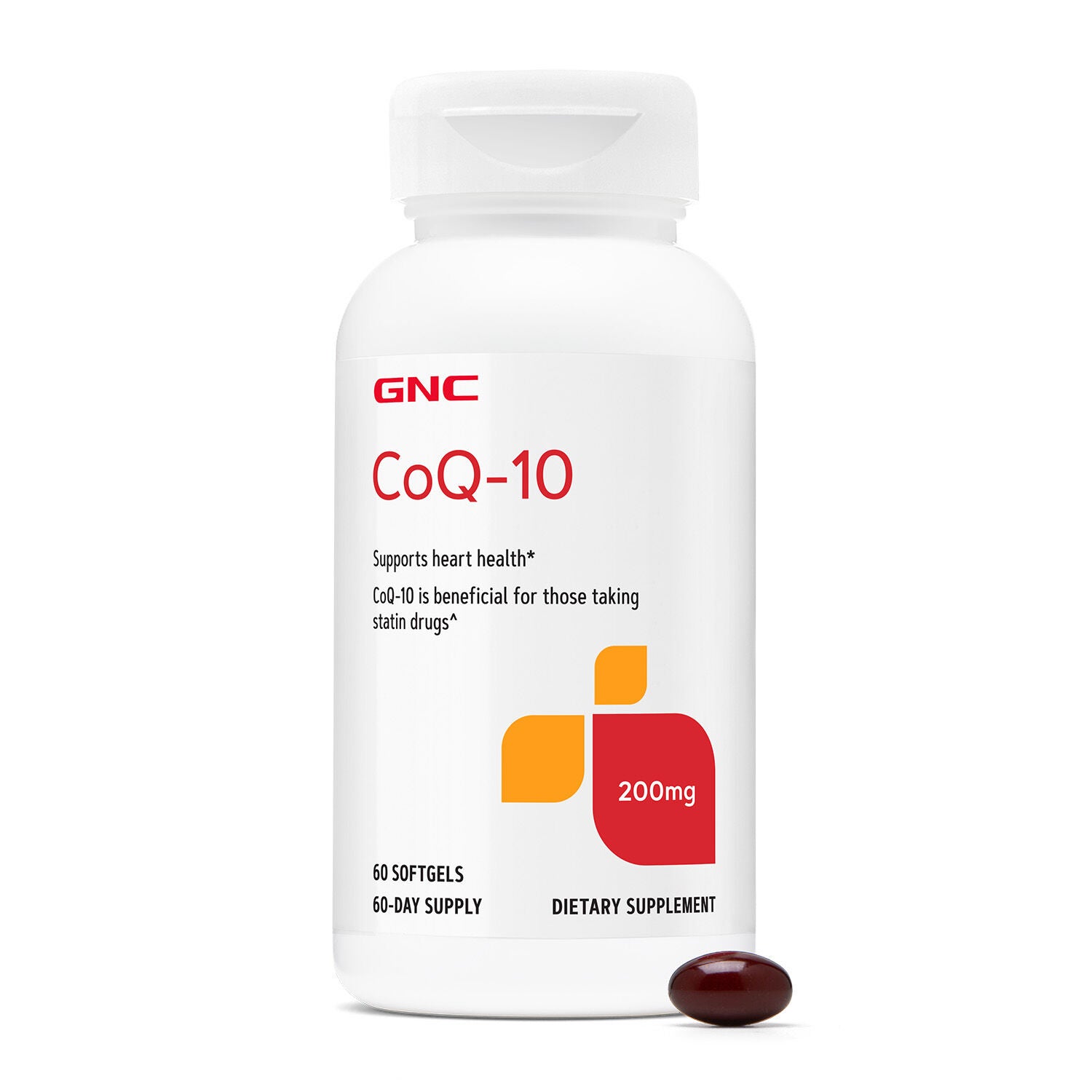
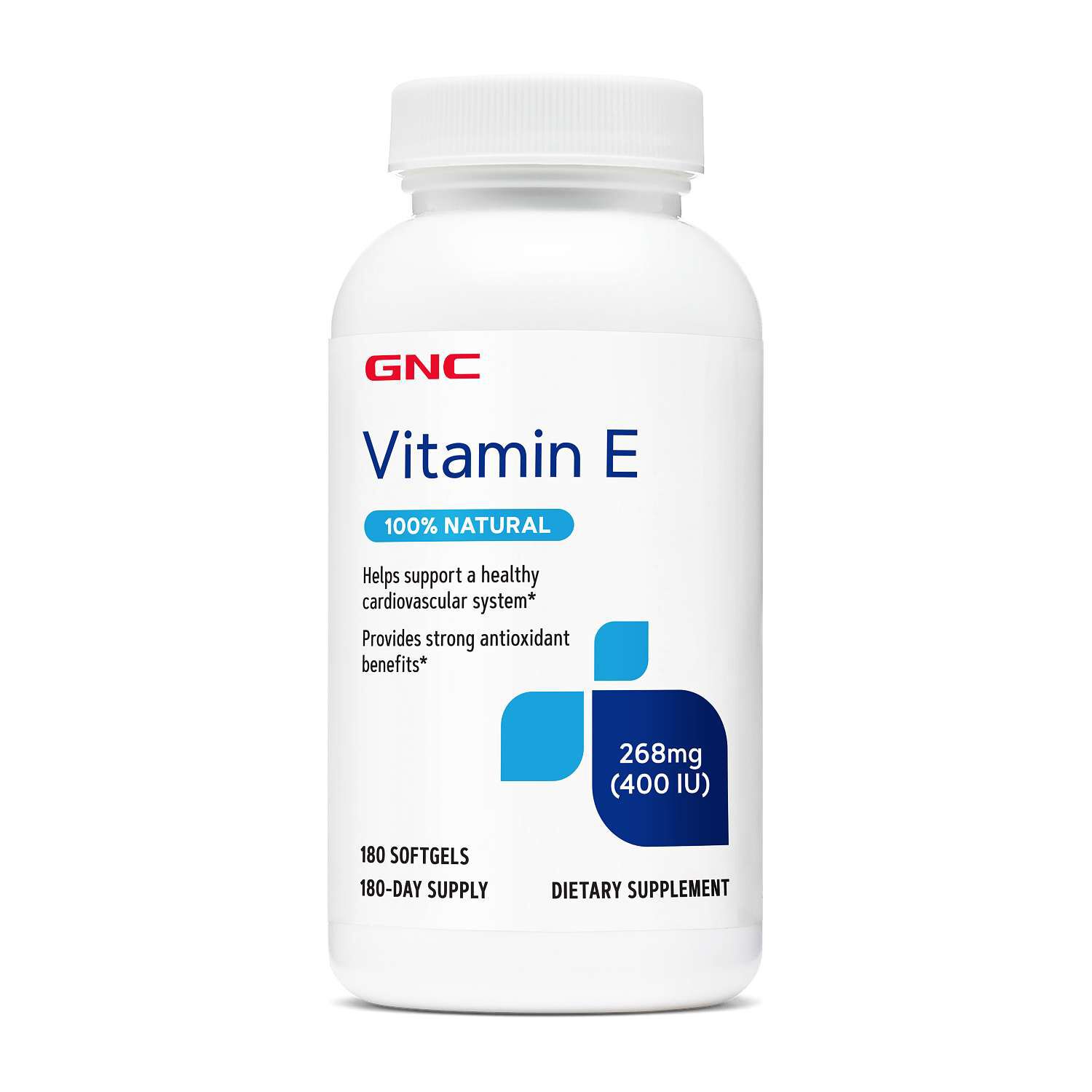
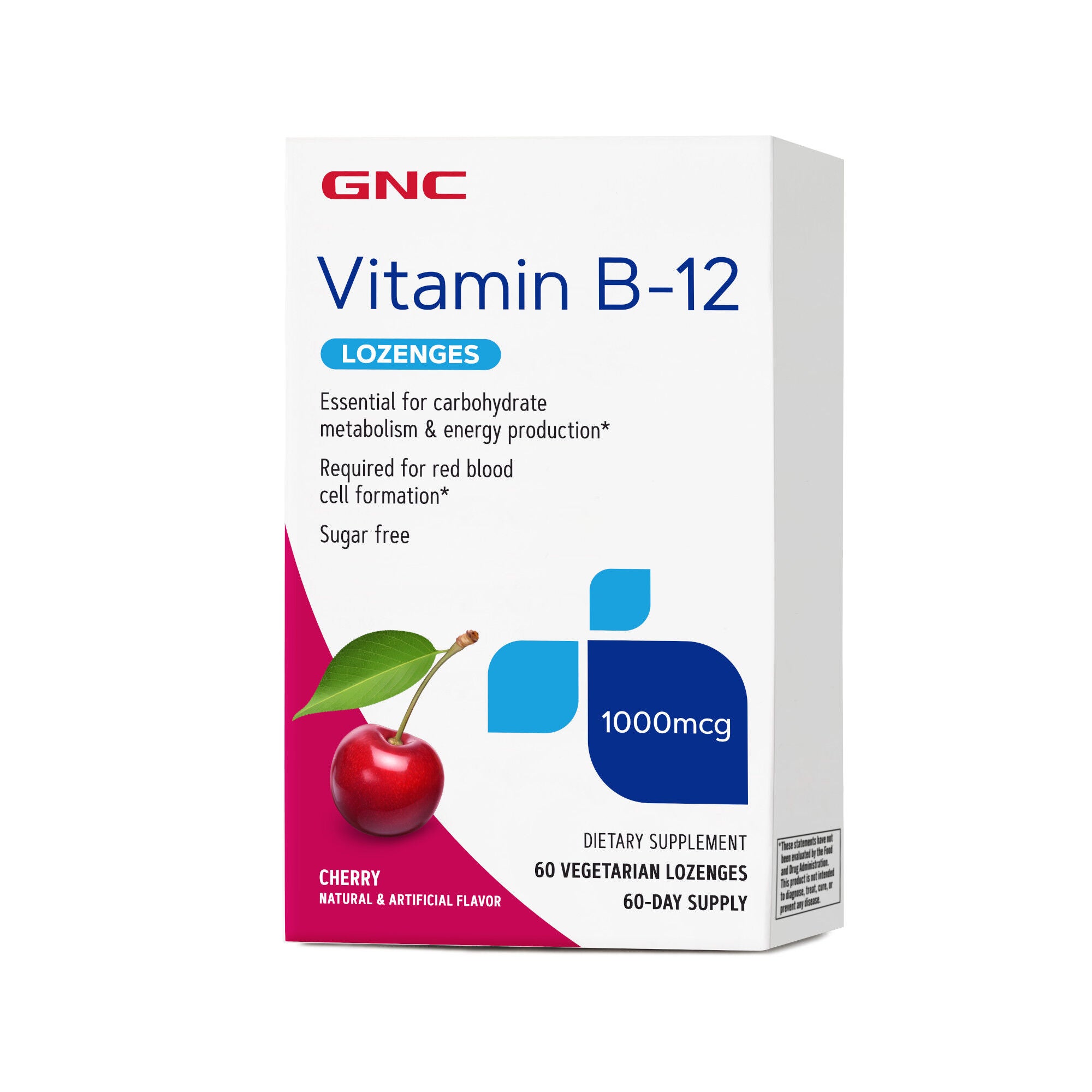
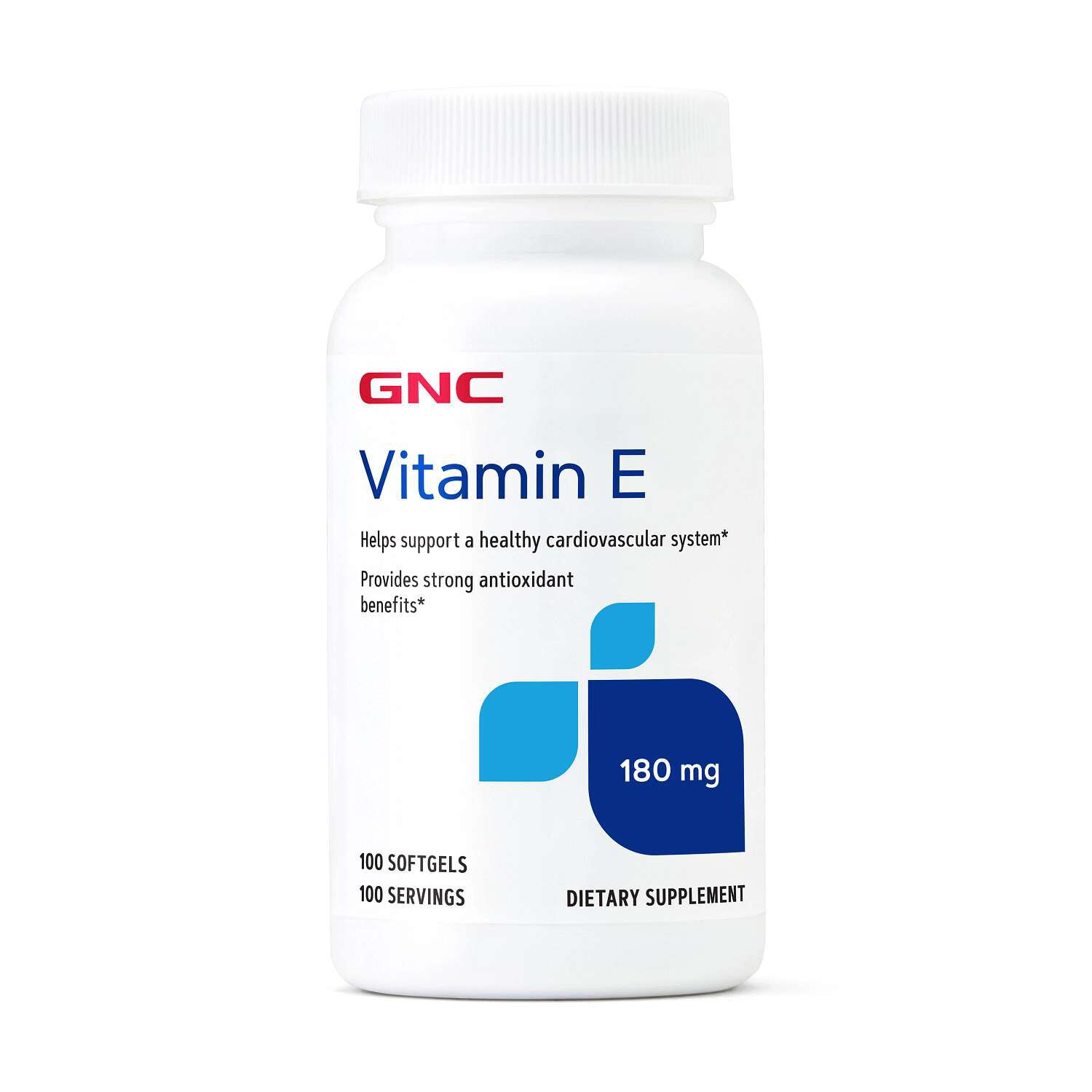
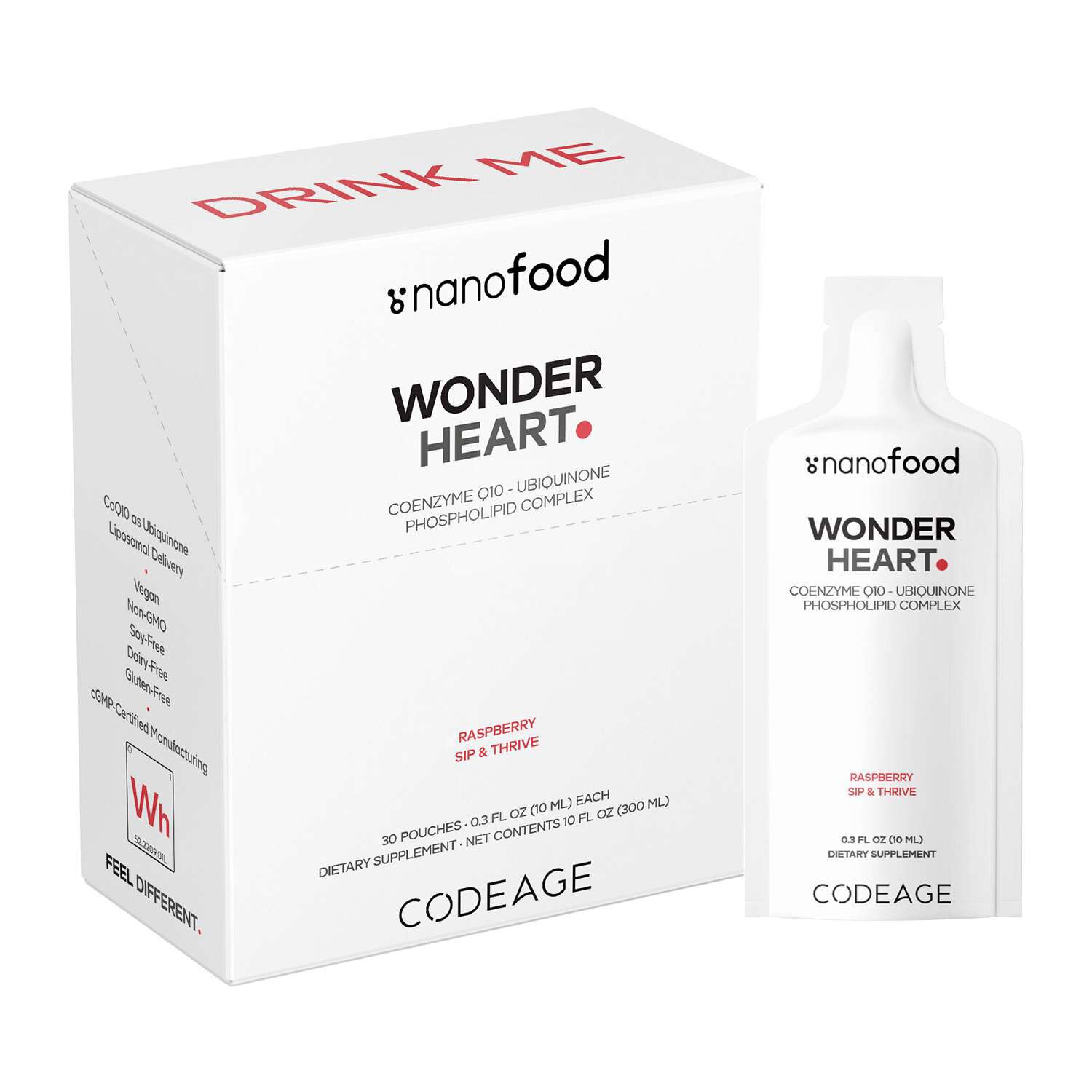
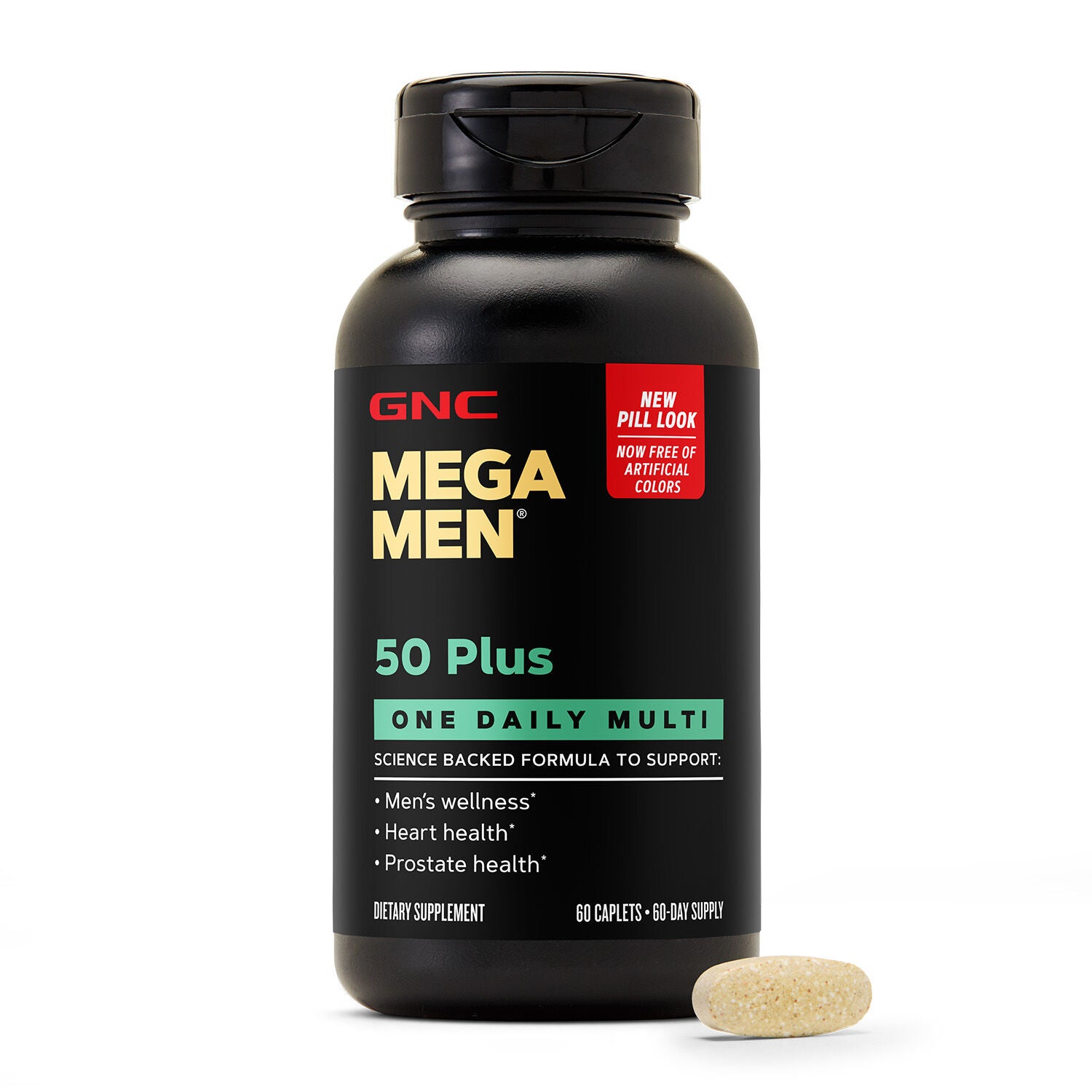

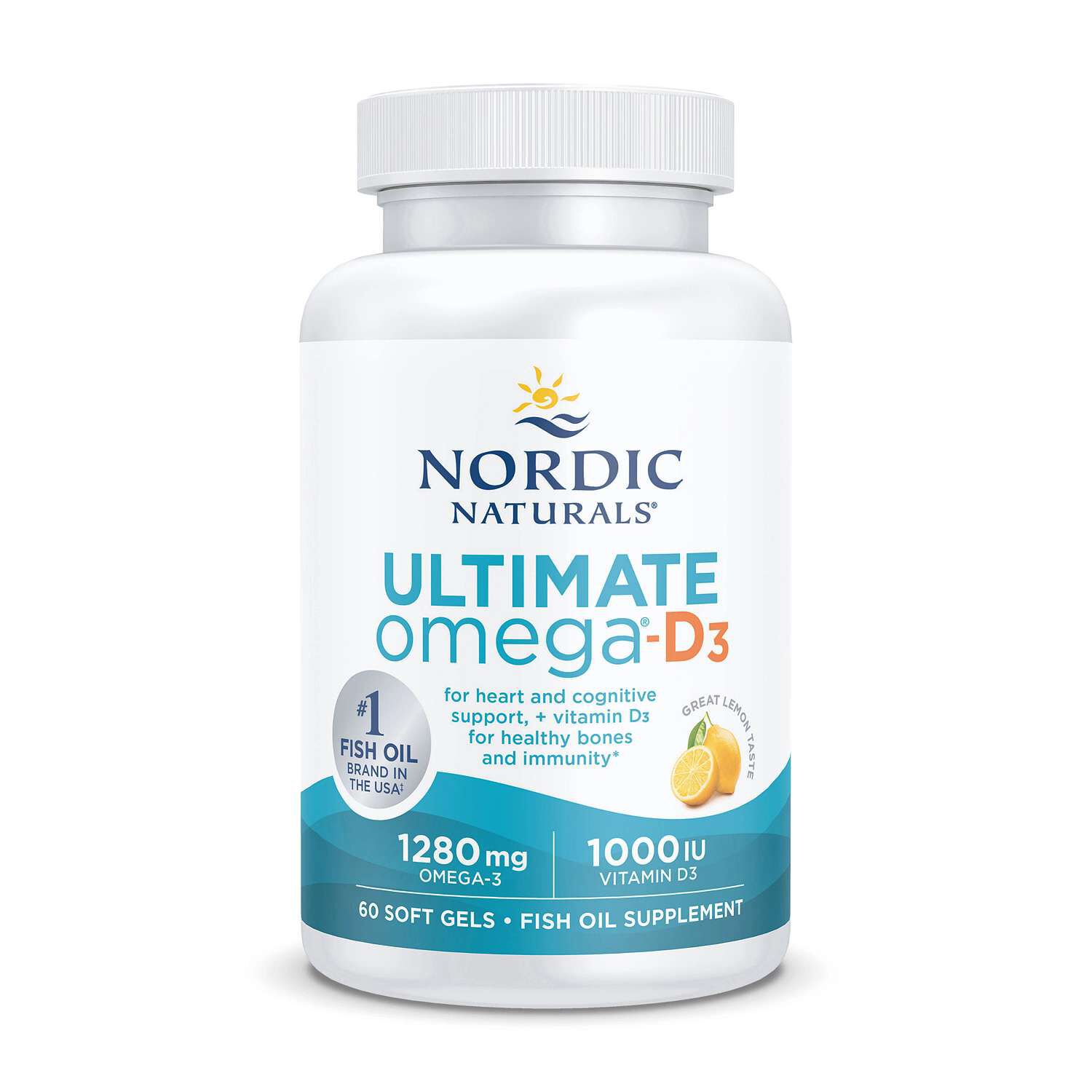


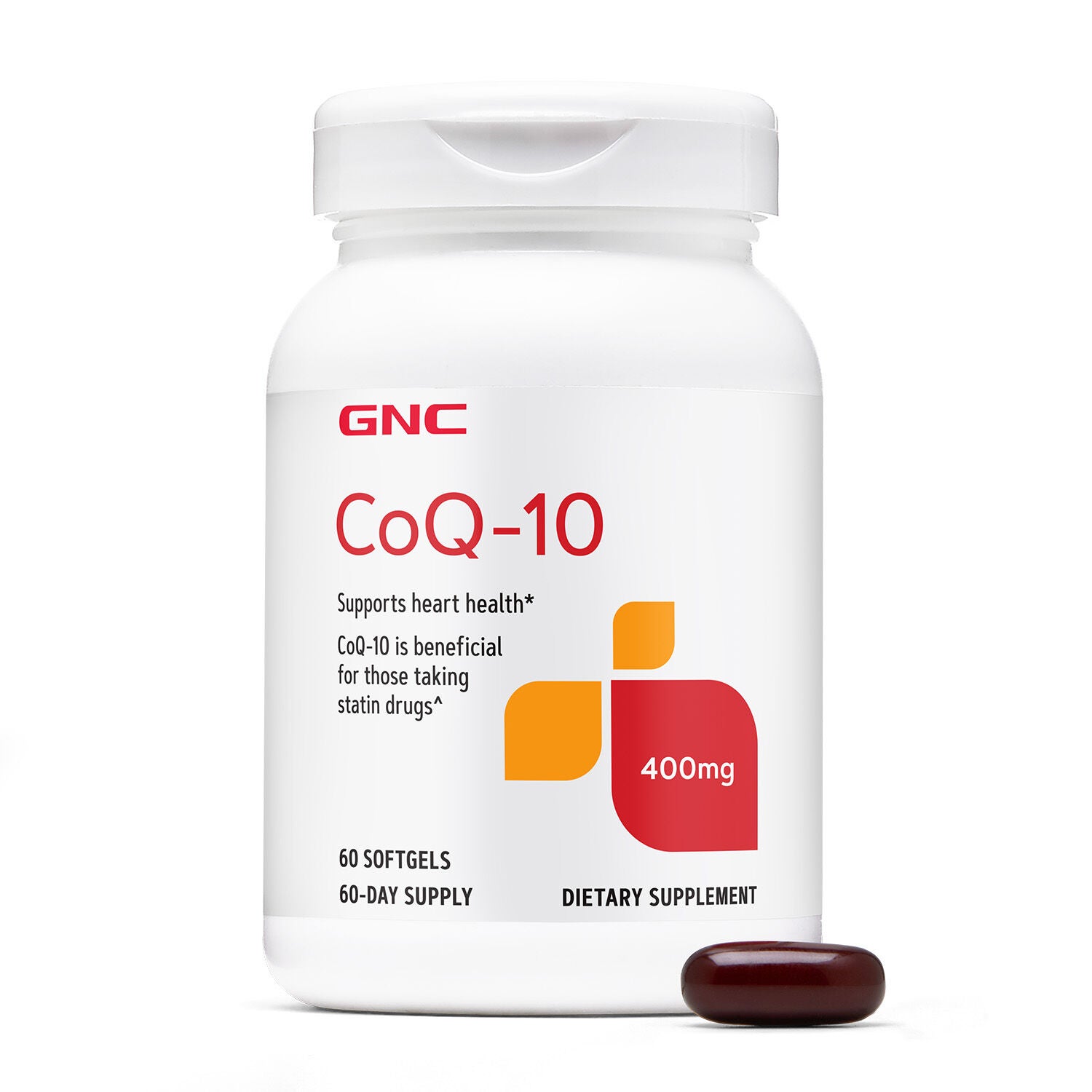
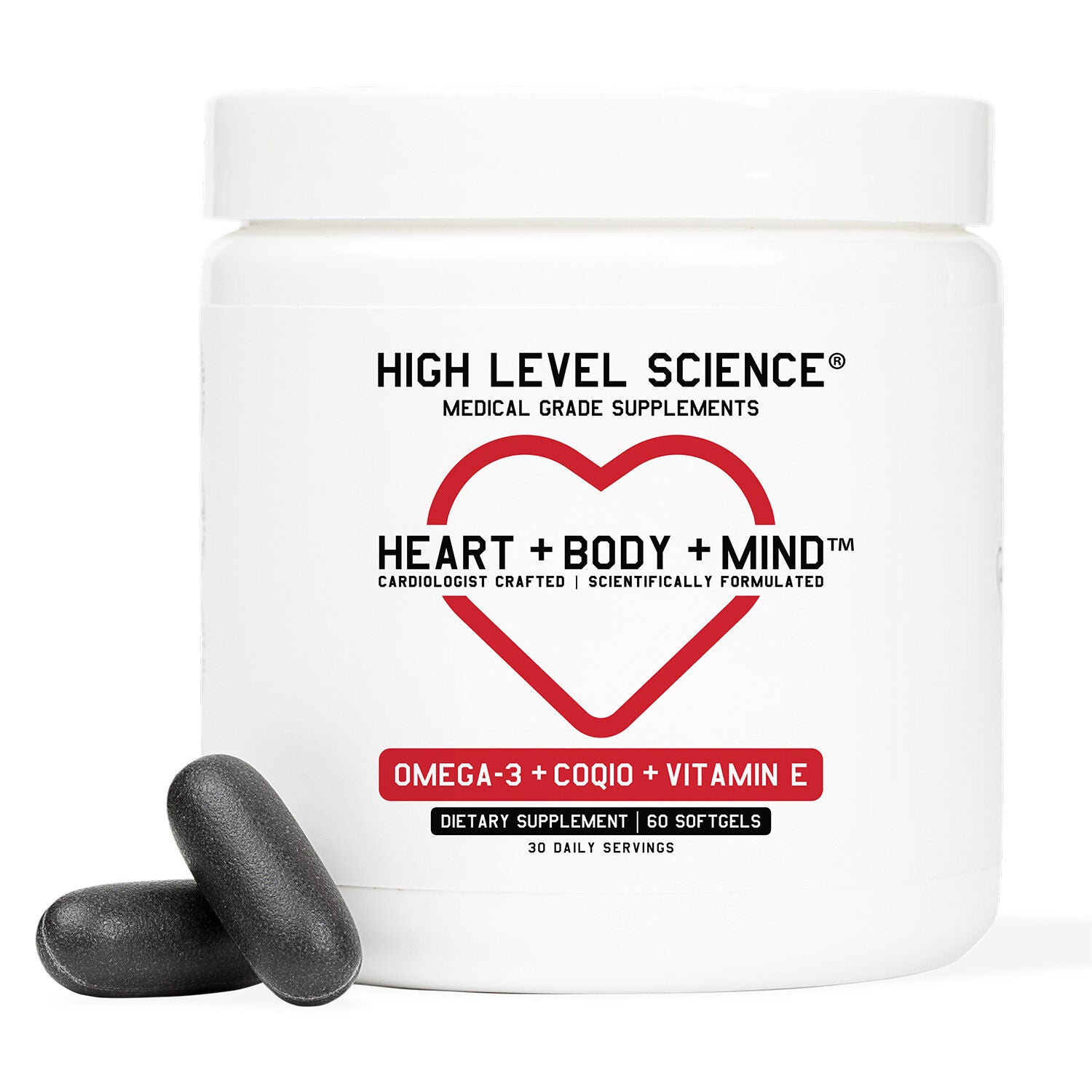
Choosing among the best vitamins for heart health may feel easier when the product list is organized around familiar nutrients and practical daily habits. Shoppers often look for omega-3 fatty acids, CoQ10, magnesium, vitamin D, and B vitamins when building a general wellness routine focused on cardiovascular support. Omega-3 supplements may support normal heart and blood vessel function, while CoQ10 may support the body’s natural cellular energy processes. Magnesium may support normal muscle, nerve, and heart function, and vitamin D may support bones, muscles, and general immune wellness. B vitamins such as B6, B12, and folate may support normal energy metabolism and the body’s processing of homocysteine, an amino acid involved in everyday metabolism. These nutrients appear in a range of formats, including softgels, capsules, tablets, gummies, and combination formulas, so shoppers can choose an option that fits comfortably into an established routine. A look at the Heart Health Supplements selection may help narrow the choices by nutrient, format, serving size, and intended use. When comparing products, consider the amount supplied per serving, the number of servings in each container, ingredient preferences, storage directions, and whether the format suits the person taking it. Some people prefer a softgel that can sit beside a morning meal, while others find a tablet, powder, or gummy easier to remember later in the day. Reading the Supplement Facts panel can help shoppers understand which nutrients are included and how the serving size fits with other products already in the cupboard. A simple routine often begins with a familiar anchor, such as taking a supplement with breakfast or placing it near a water bottle used during the workday. Following the package directions may help support consistent use, and taking products with food may be appropriate for some formulas, depending on the label. Anyone who takes prescriptions, manages an ongoing health concern, is pregnant or nursing, or has questions about combining supplements may wish to speak with a qualified healthcare professional before adding a new product. A professional may also help determine whether a single-nutrient formula or a broader blend makes sense for an individual’s personal routine. Supplements may complement balanced meals, regular movement, restful sleep, and routine appointments, but they should not be treated as a substitute for those habits or for personalized care.
These products may appeal to adults who want to be more intentional about everyday wellness, people establishing a consistent supplement routine during the cooler months, or shoppers looking for a thoughtful gift for a parent, partner, relative, or friend. A heart-focused supplement can be a considerate gift when the recipient already enjoys wellness products and has shared a preference for a particular nutrient or format. Because supplement preferences can be personal, gifting works best when the recipient’s dietary needs, allergies, preferred serving style, and current routine are already familiar. A small basket with a labeled supplement, a water bottle, wholesome pantry staples, and a note encouraging time for a morning walk may feel warmer and more personal than choosing a product without context. For personal use, shoppers may want to consider how a formula fits into the rhythm of daily life: a softgel may suit someone who keeps supplements beside a breakfast plate, a tablet may work well for a neatly organized weekly case, and a gummy may be appealing to someone who prefers a chewable format. Omega-3 products may be selected by people seeking a convenient source of fatty acids that can be difficult to include regularly through meals, while CoQ10 may appeal to shoppers interested in cellular energy support. Magnesium products may fit routines centered on normal muscle and nerve function, and vitamin D may be considered by those who spend much of the cooler season indoors. B-vitamin formulas may appeal to adults looking for support for normal energy metabolism. These uses are general wellness considerations, and individual responses may vary. Product labels can provide helpful details about serving instructions, storage, allergen statements, dietary preferences, and whether a formula contains additional ingredients such as flavorings or botanical extracts. Shoppers may also wish to compare capsule size, flavor, container size, and the number of daily servings, especially when selecting a product for someone who travels, works long hours, or prefers a streamlined routine. During seasonal transitions, routines can shift as daylight changes and schedules become fuller, making a visible, convenient storage spot useful for remembering a daily serving. Keeping supplements away from excessive heat and moisture, and storing them as directed on the label, may help preserve product quality. With thoughtful selection and attention to personal preferences, vitamins and supplements may become one practical part of a broader approach to everyday heart-focused wellness.
Best Sellers
-
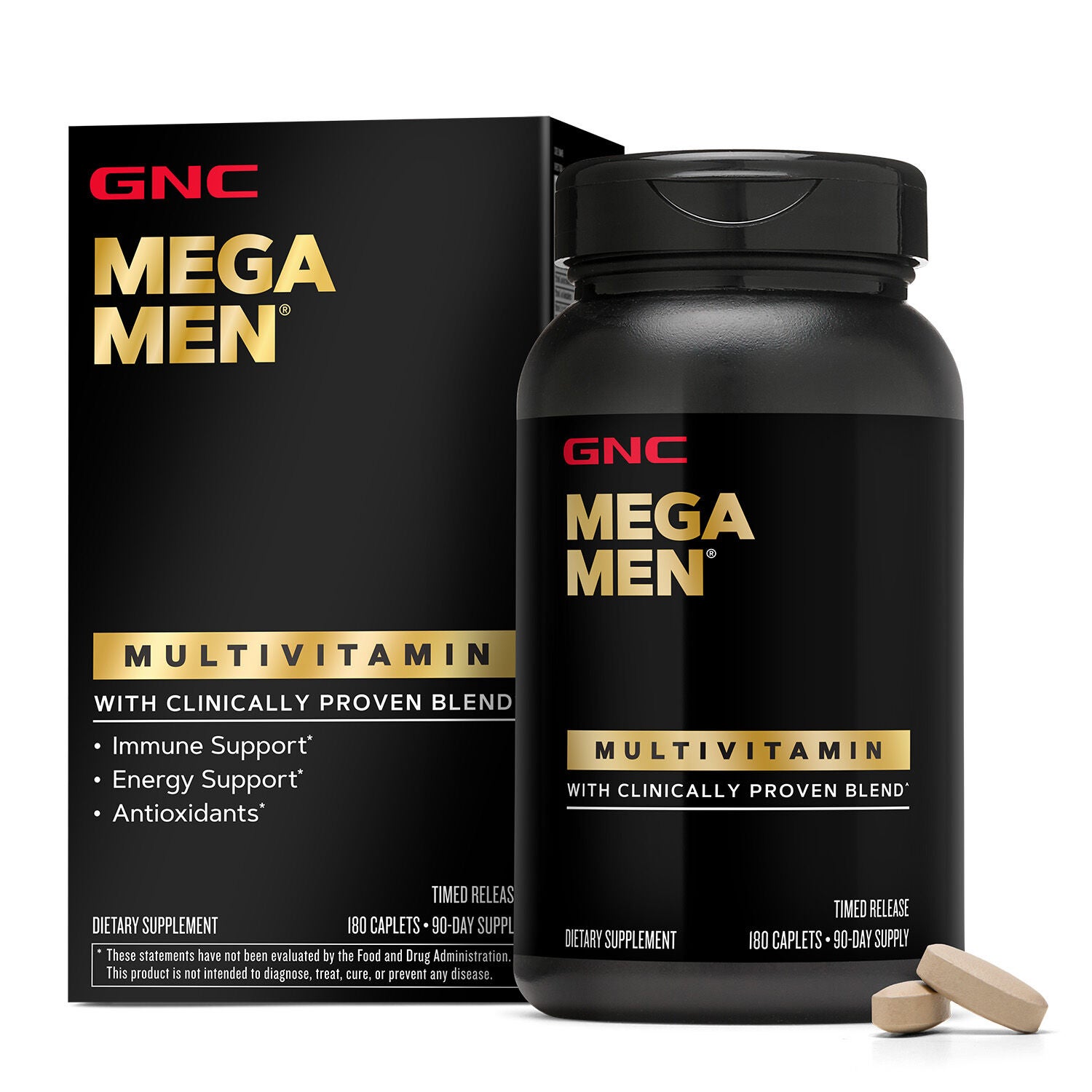 GNC Mega Men
 -
 GNC Mega Men
 -
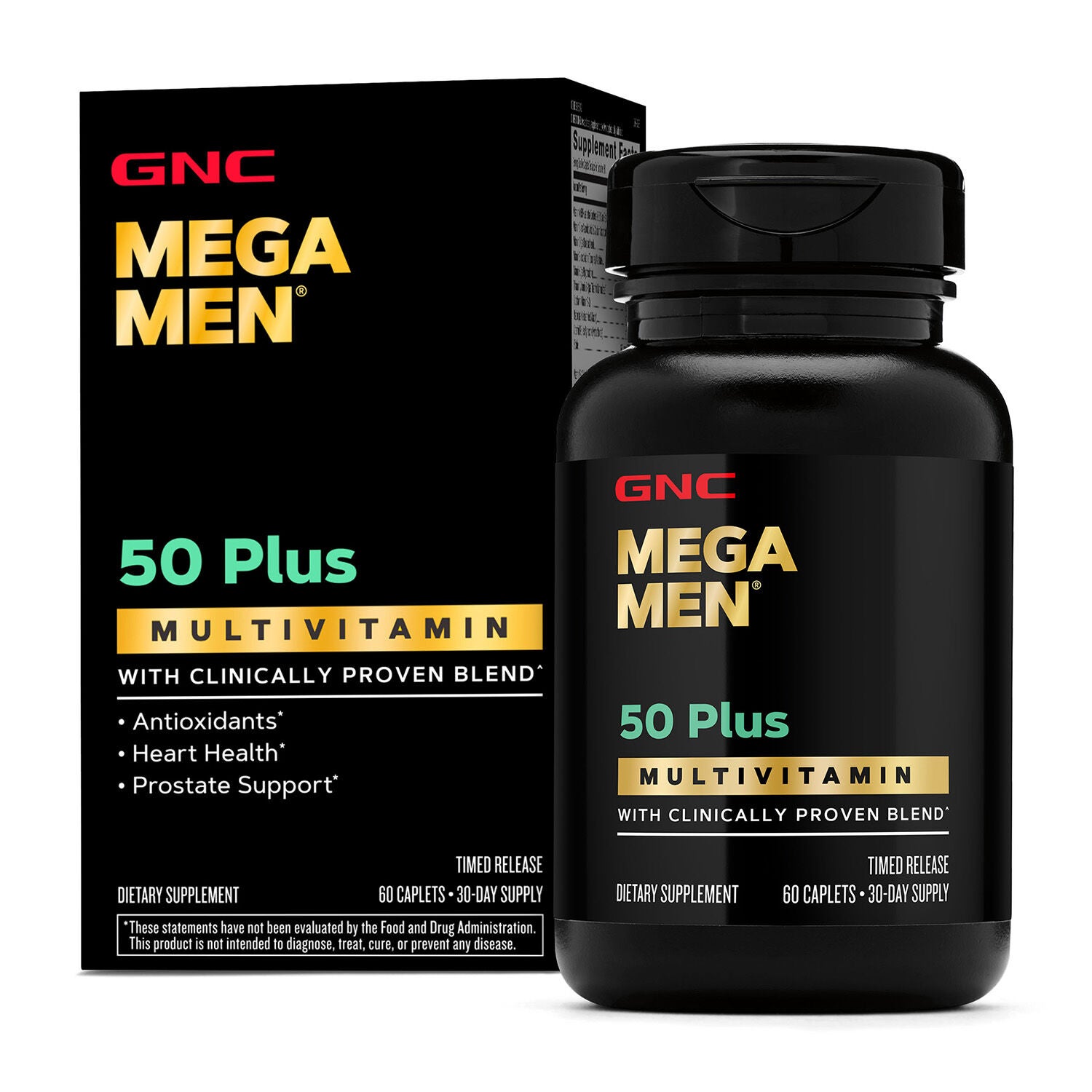 GNC Mega Men
 -
 GNC Mega Men
Related Pages


Top Collections
- Daily Collagen Supplements | Top Brands & Deals | GNC
- Natural Collagen Supplements | Top Brands & Deals | GNC
- Top Rated Collagen | Shop Customer Favorites | GNC
- Cortisol Supplements
- Vitamins For Hair Loss
- Spirulina Tablets
- NAD+ Supplement Tablets
- Peptide Supplements
- Best Brand of Magnesium Glycinate
- Vitamins That Help Support Weight Gain