





Supplements For Heart And Bone Health
(0 Results)
Supplements for heart and bone health could support your wellness goals by providing essential nutrients that may benefit both cardiovascular and skeletal systems. Whether you’re looking to maintain an active lifestyle or simply seeking ways to nourish your body, exploring supplements for heart and bone health might be a valuable addition to your daily routine. Discover a variety of options designed to help you prioritize these important aspects of overall well-being.
-

-

-
-
-

-

-

-
 Portions Master$24.99
 -
-

-
-
 $17.99
 -

-
-

-
-
-

-

-
-

-


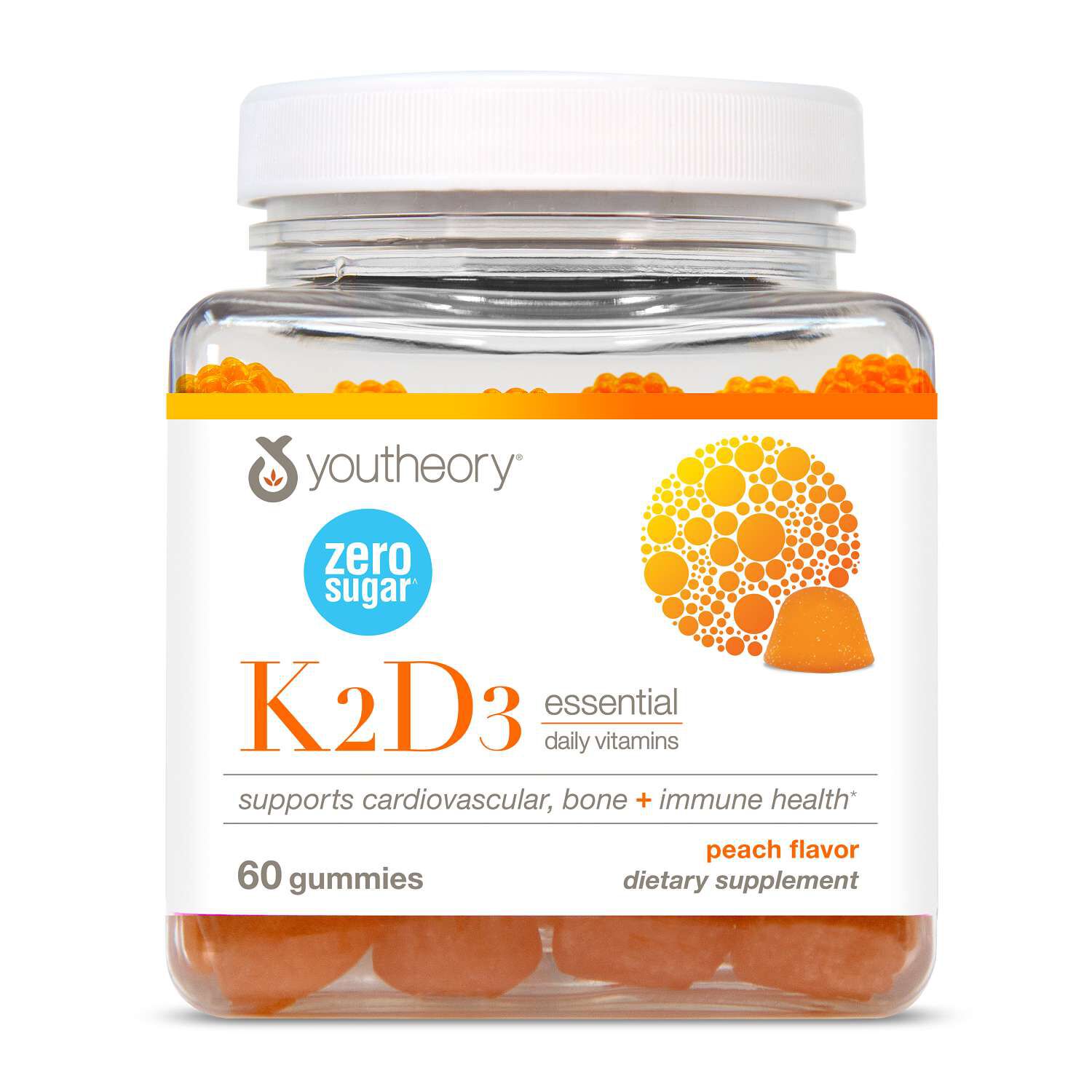
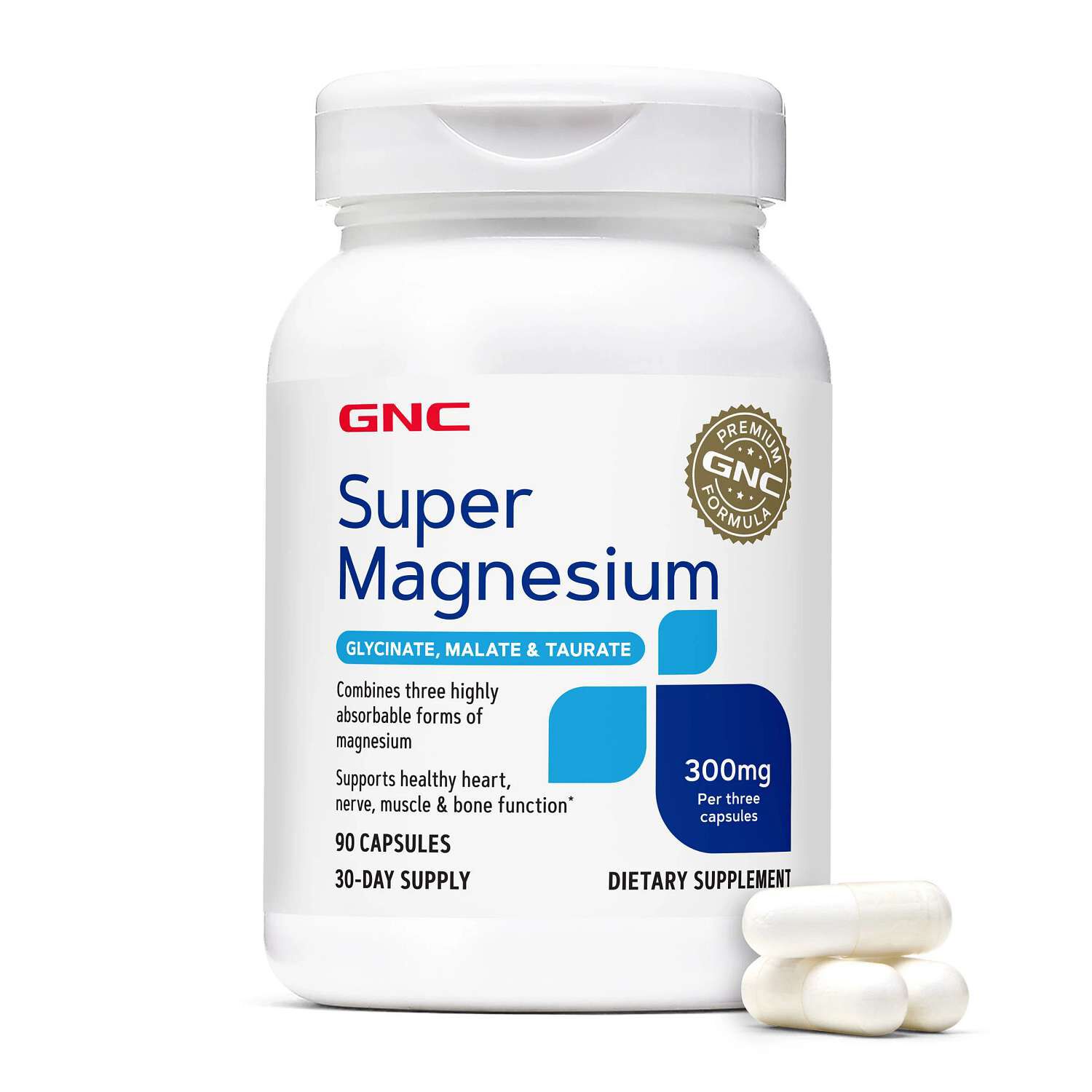
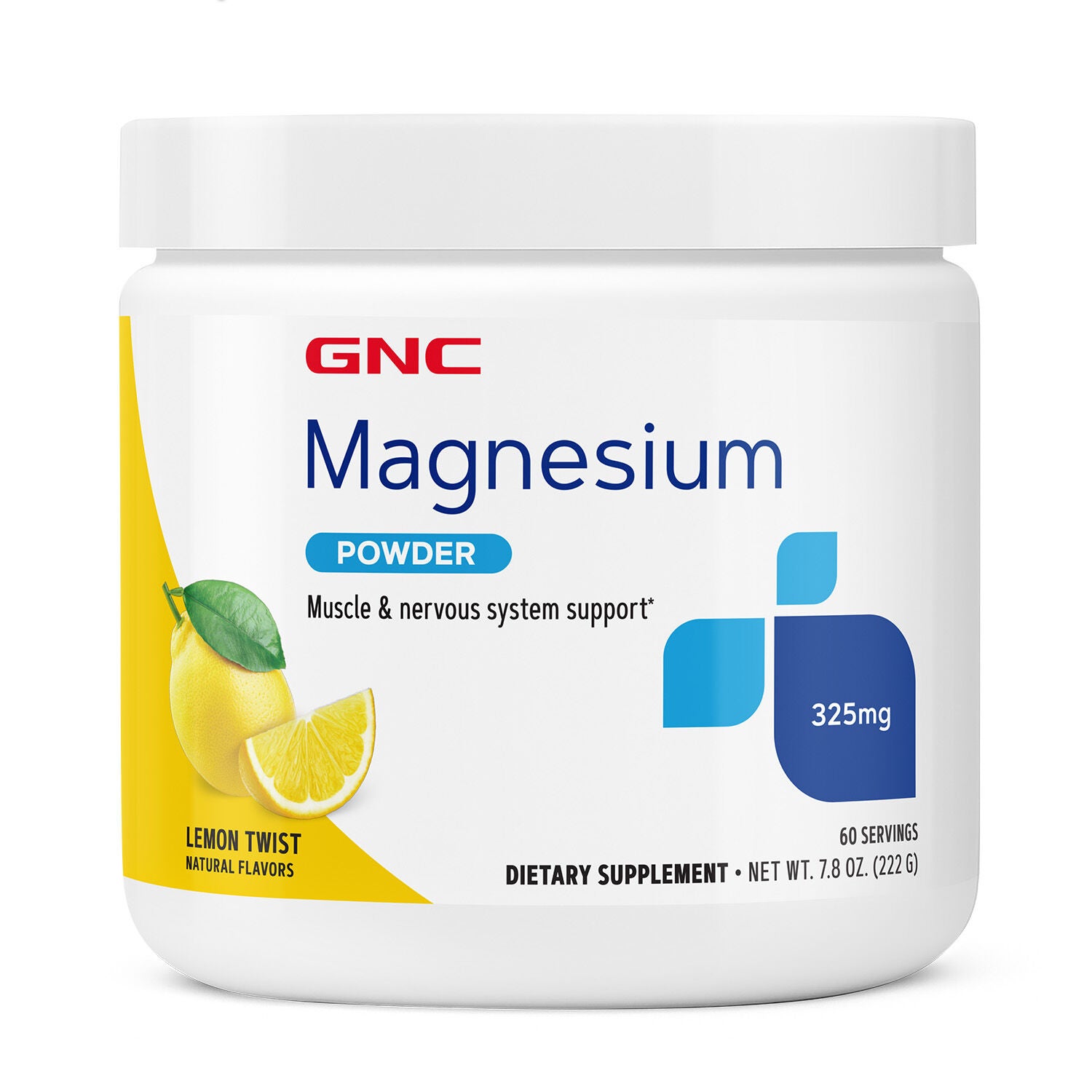
Supplements for heart and bone health may appeal to shoppers building a thoughtful wellness routine around everyday nutrition, active living, and long-term well-being. This collection may include familiar nutrients such as magnesium, vitamin D, vitamin K, calcium, and omega-3 fatty acids, each selected for a different role in a balanced diet. Magnesium may support normal muscle and nerve function, including the muscles involved in a regular heartbeat, while also working alongside calcium and vitamin D in the body’s maintenance of bone structure. Vitamin D may help the body absorb calcium, which could make it a consideration for adults who spend less time outdoors during cooler months or whose diets provide limited sources of this nutrient. Vitamin K may contribute to normal bone maintenance, and omega-3 fatty acids may be chosen by shoppers seeking nutritional support for cardiovascular wellness. These products are not interchangeable, and a formula that suits one household may not suit another. When comparing options, consider the ingredient list, serving size, nutrient amounts, dietary preferences, source materials, and whether the product fits with an existing daily routine. Calcium deserves particular attention: many people may prefer to receive it through foods such as dairy products, fortified alternatives, leafy greens, beans, seeds, or fish with edible bones, then consider a supplement only when their personal nutrition plan calls for one. Products containing calcium, vitamin D, magnesium, or vitamin K may be used separately or together, but combining several formulas can make it easier to take more than intended. Reading the Supplement Facts panel and following the label directions may help shoppers make a more informed selection. Anyone who takes prescription medicines, uses blood-thinning medicines, has been advised to limit a nutrient, or manages a heart or bone-related concern should speak with a qualified healthcare professional before adding a new supplement. Professional guidance may also be helpful for adults who are pregnant, nursing, preparing for a procedure, or choosing supplements for someone else. A pharmacist or healthcare professional may review the full list of supplements and prescriptions, helping identify ingredients that may not be a good fit together.
Choosing supplements for heart and bone health can also be a practical way to create a considerate gift for a parent, grandparent, partner, or friend who enjoys keeping a well-organized wellness cabinet. Shoppers looking for options for older adults may wish to browse Heart Health Supplements For Seniors and pay close attention to ease of use, serving format, and label readability. A gift does not need to be elaborate: a straightforward capsule, softgel, tablet, powder, or chewable format may fit naturally beside a morning beverage, packed lunch, or evening meal, depending on the directions on the label. Some people may appreciate a smaller container that travels easily, while others may prefer a larger format that reduces the need for frequent reordering. During the cooler months, routines often shift as outdoor time changes and busy schedules move indoors, so a simple daily habit may feel especially convenient. Still, convenience should not replace personal fit. Consider allergies, dietary patterns, swallowing preferences, flavor, added ingredients, and whether the recipient already uses a multivitamin or another nutrient formula. Fish-based omega-3 products may not suit people who avoid seafood, while vegetarian or vegan shoppers may look for plant-based sources or clearly identified alternatives. Calcium products may vary by form and serving size, and magnesium products may differ in the amount and type of magnesium provided. Vitamin D products may also come in different strengths, so label comparison and professional input may be worthwhile. For a more personal gift, pair the supplement with a reusable pill organizer, a simple water bottle, or a handwritten note encouraging consistent self-care without making assumptions about the recipient’s health. The best choice may be one that fits comfortably into established habits, reflects the person’s food preferences, and supports a balanced approach that includes nourishing meals, regular movement as appropriate, restful sleep, and routine conversations with a healthcare professional.
Best Sellers
-
 Rho Nutrition
 -
 Qualia Life Sciences
Related Pages


Top Collections
- Daily Collagen Supplements | Top Brands & Deals | GNC
- Natural Collagen Supplements | Top Brands & Deals | GNC
- Top Rated Collagen | Shop Customer Favorites | GNC
- Cortisol Supplements
- Vitamins For Hair Loss
- Spirulina Tablets
- NAD+ Supplement Tablets
- Peptide Supplements
- Best Brand of Magnesium Glycinate
- Vitamins That Help Support Weight Gain