





Multivitamins For Men With Dietary Restrictions
(0 Results)
Multivitamins for men with dietary restrictions offer a convenient way to help support daily wellness goals while accommodating unique nutritional needs. Whether you follow a vegetarian, vegan, gluten-free, or allergen-sensitive diet, there are options that may fit seamlessly into your lifestyle. Explore a variety of formulas designed with careful attention to ingredient sources and potential allergens, so you can find the multivitamin that might best complement your personal dietary preferences.
-

-
-

-

-

-
-
-
-

-

-

-
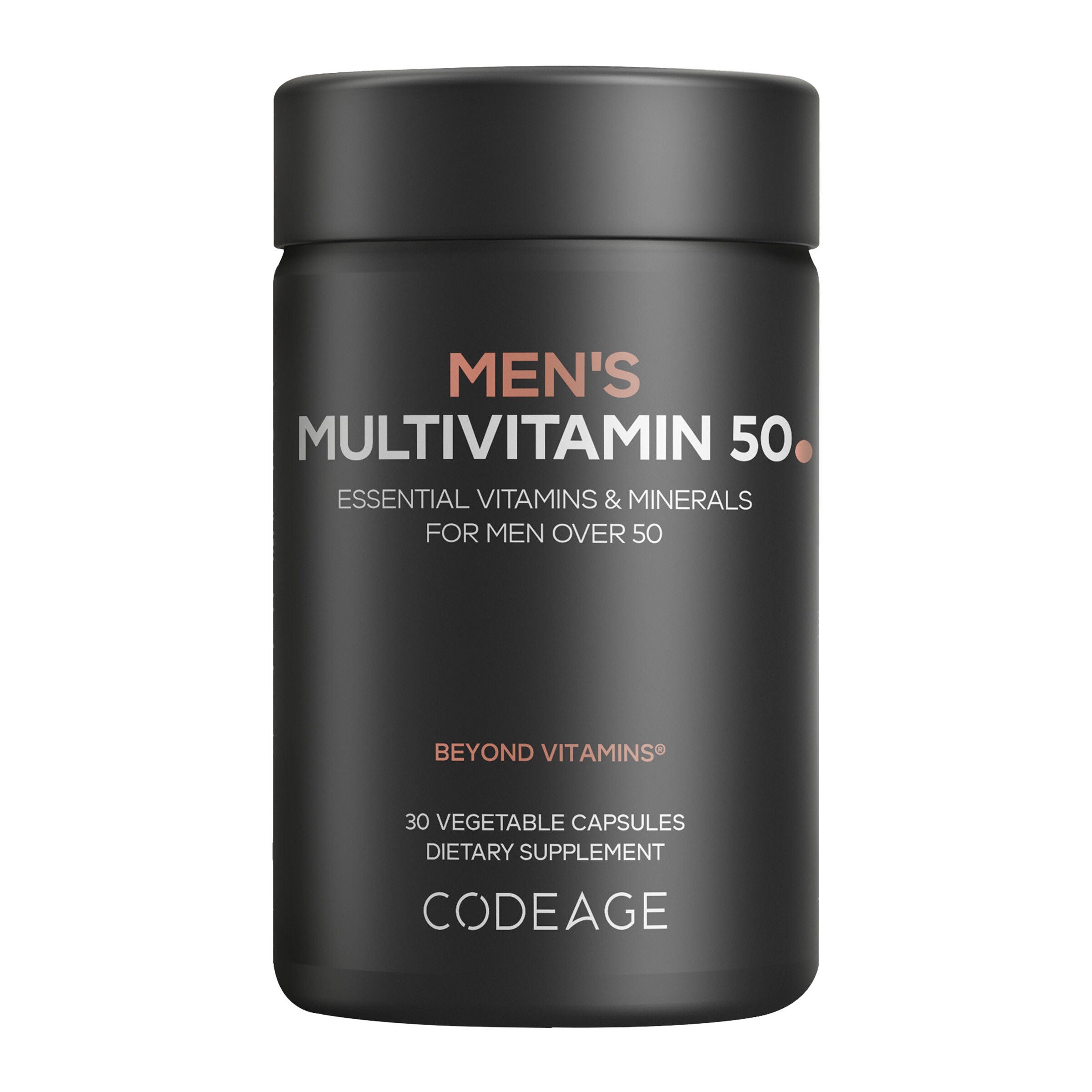
-
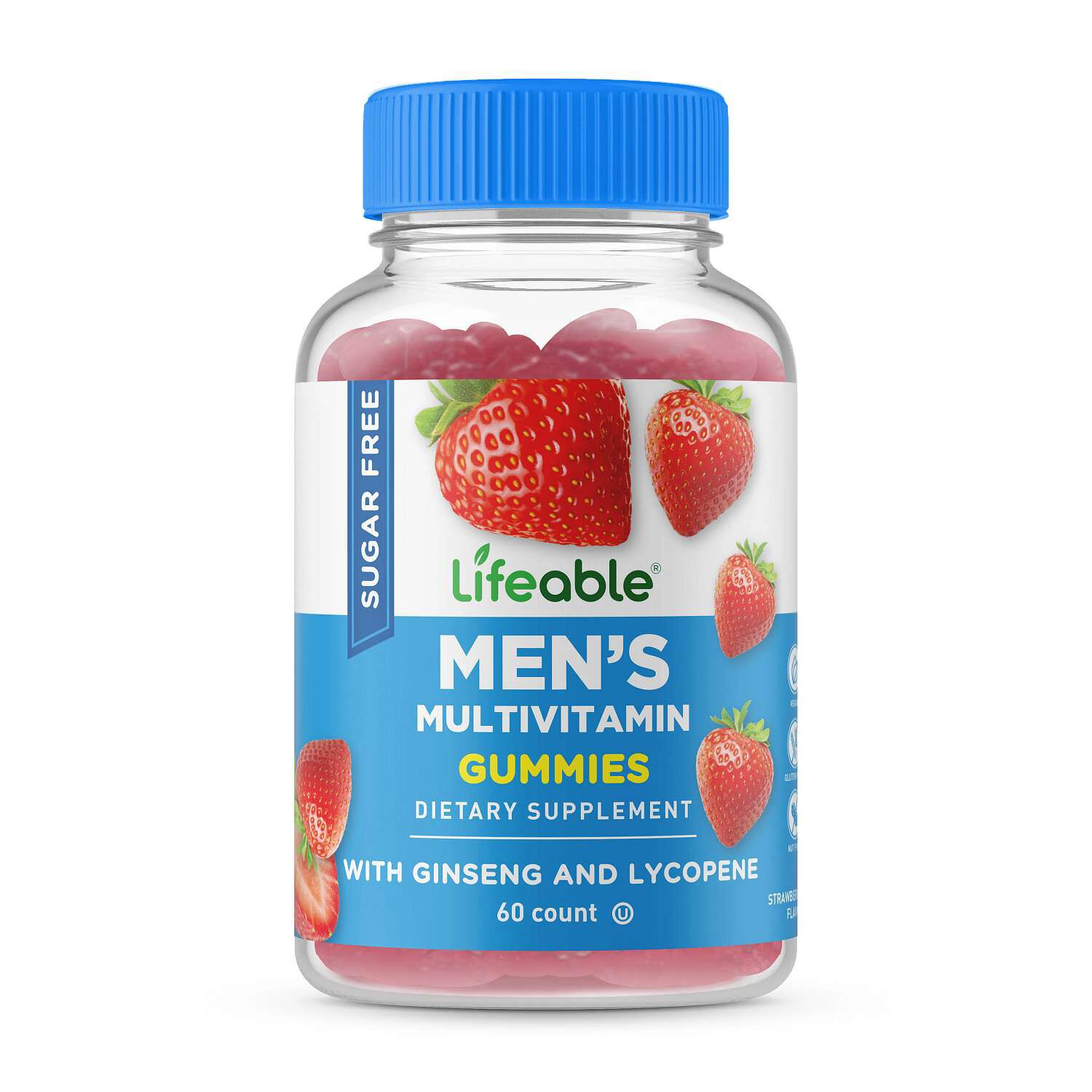 $18.99
-
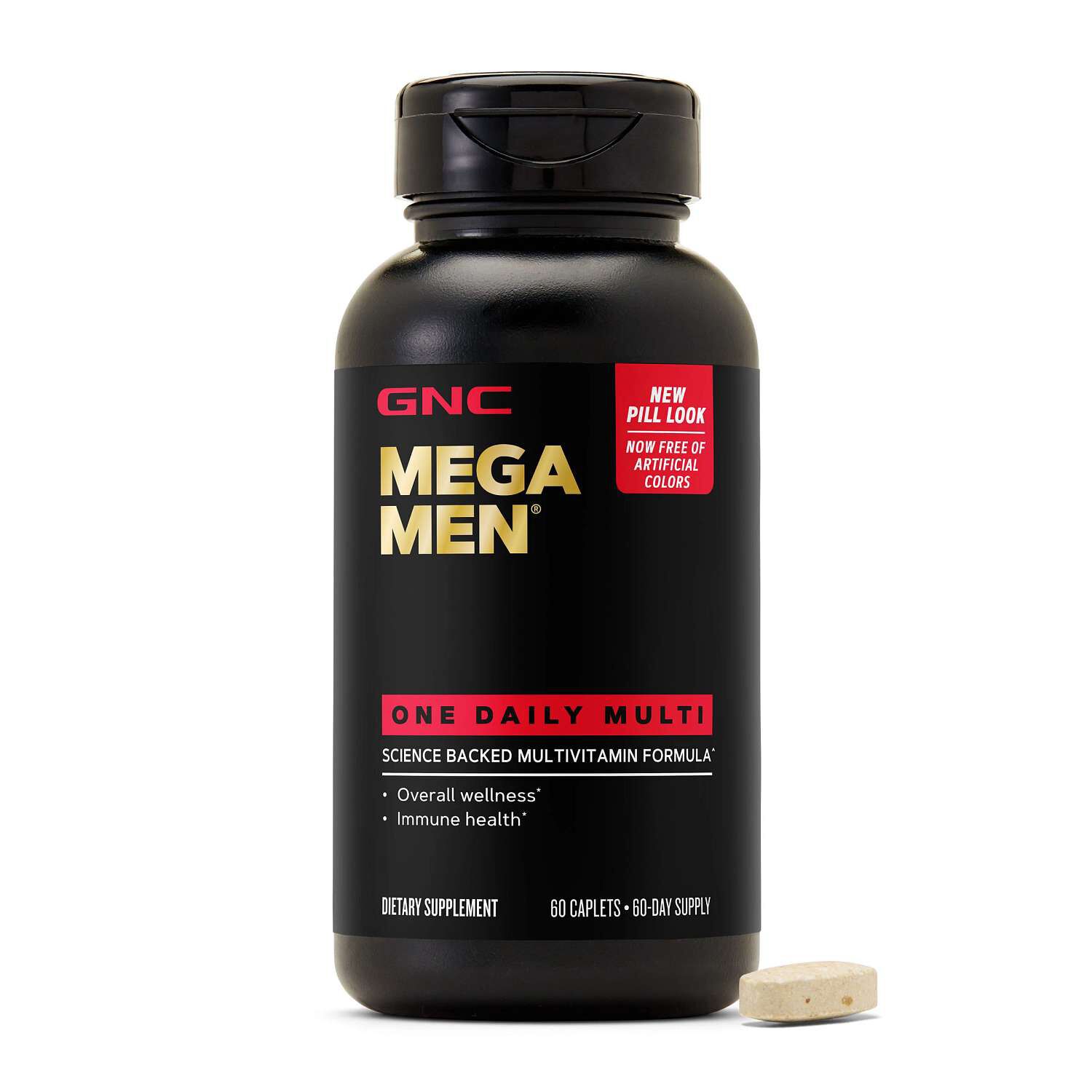
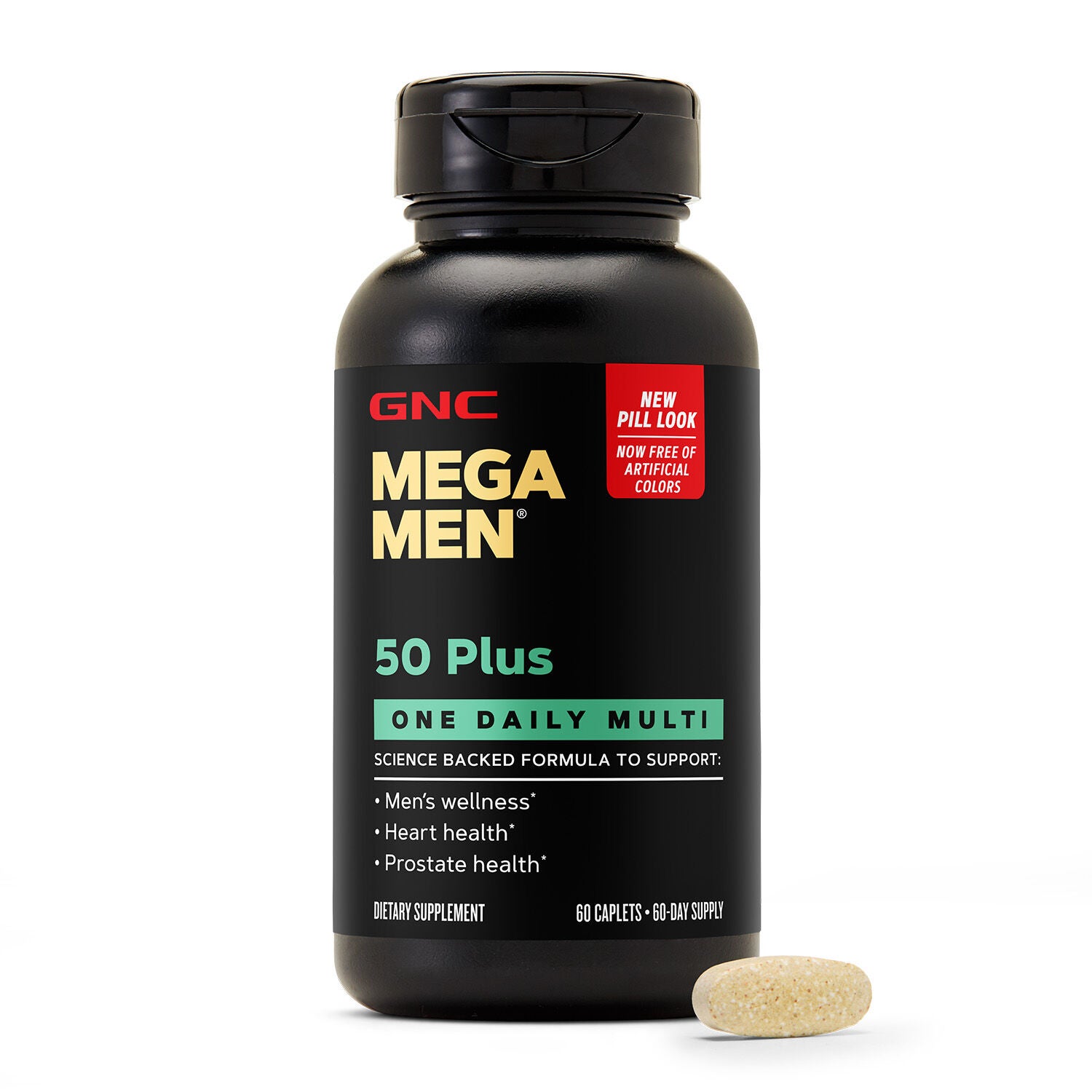
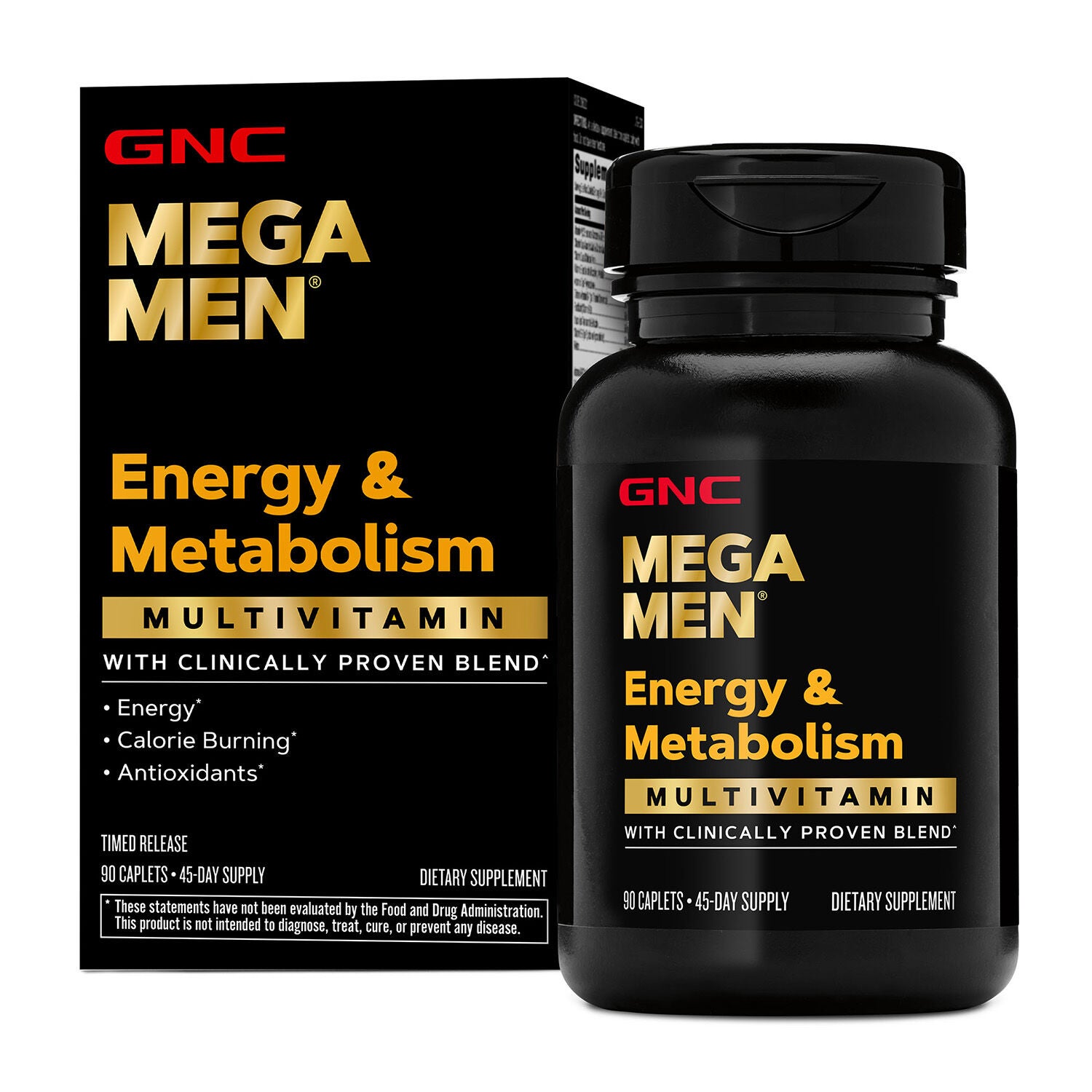
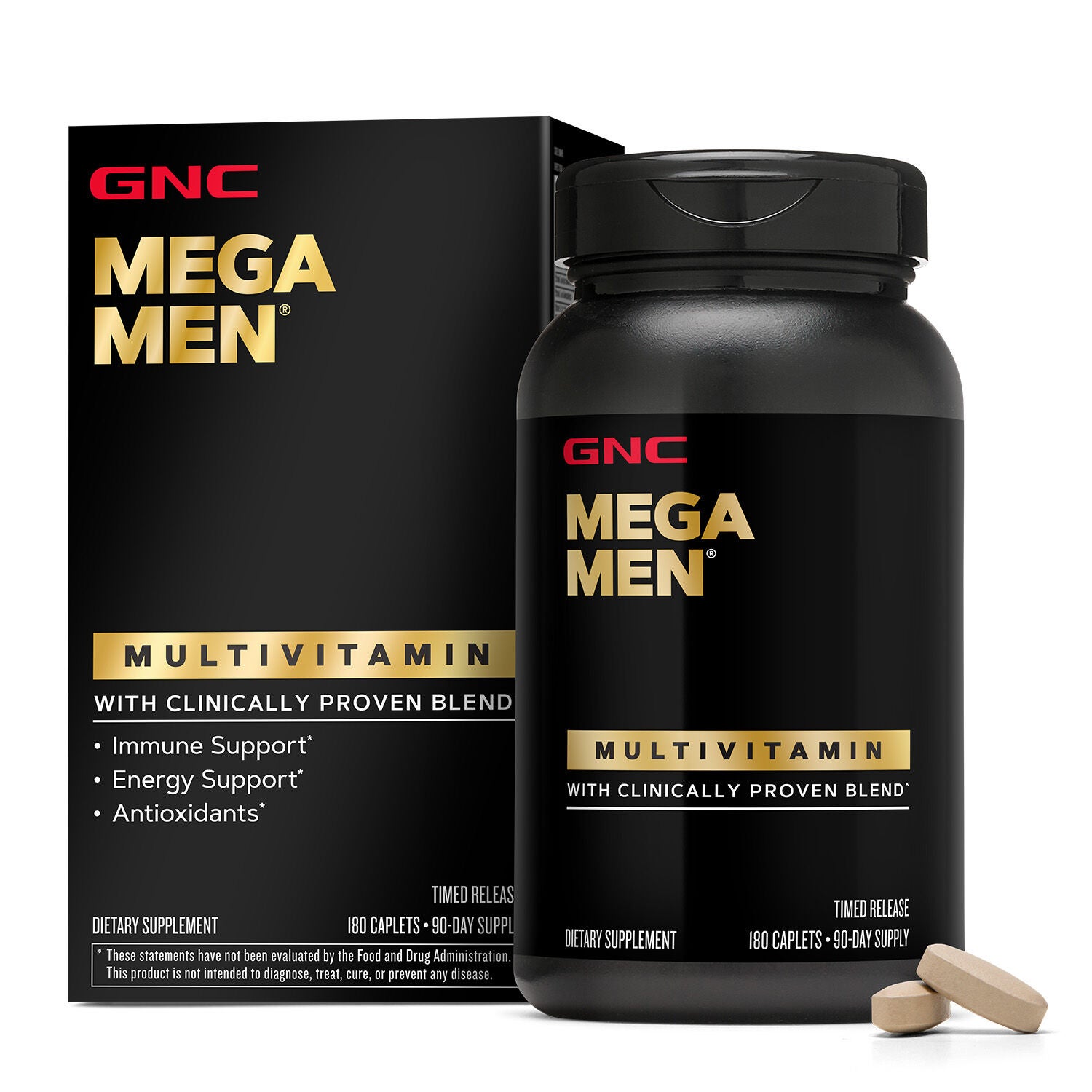
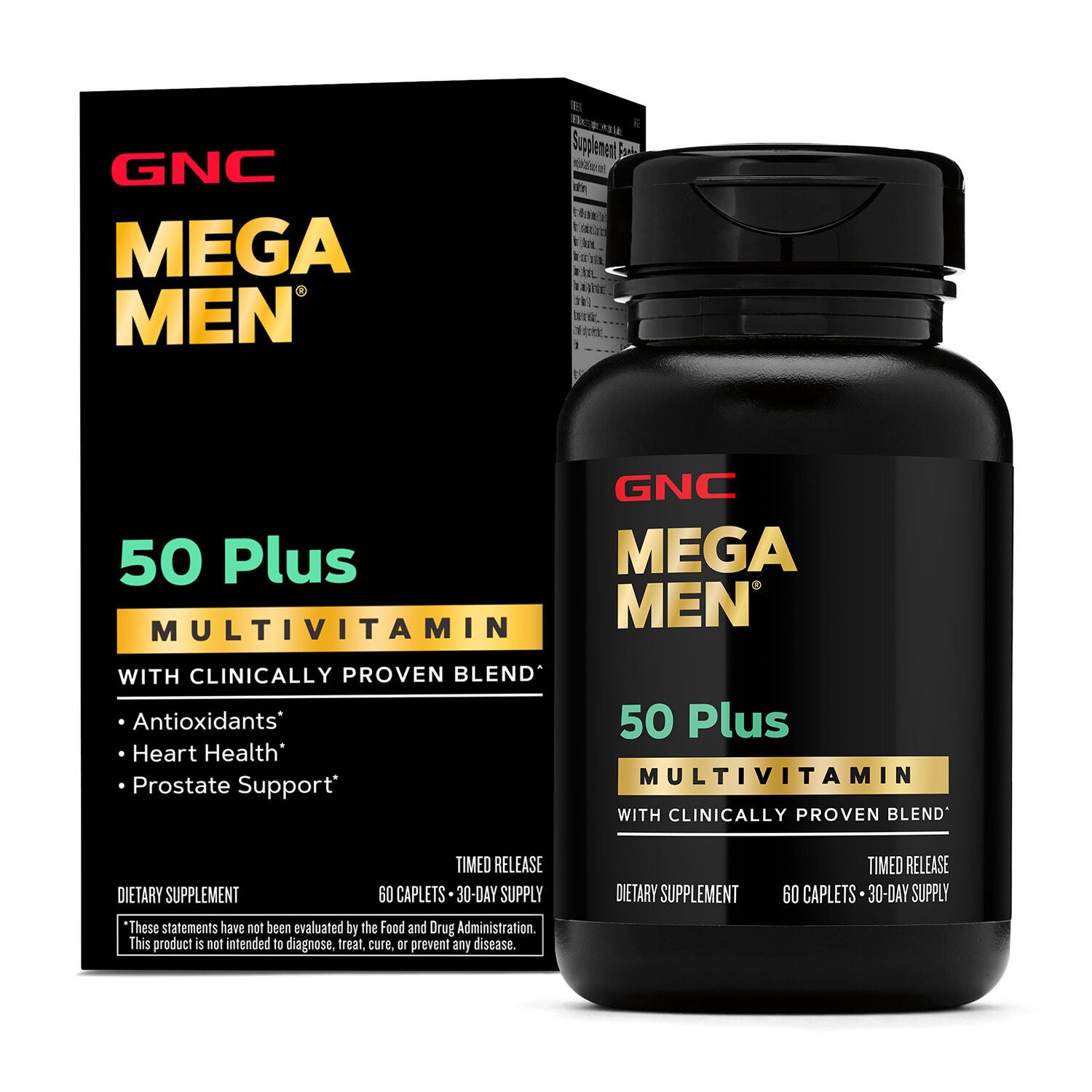
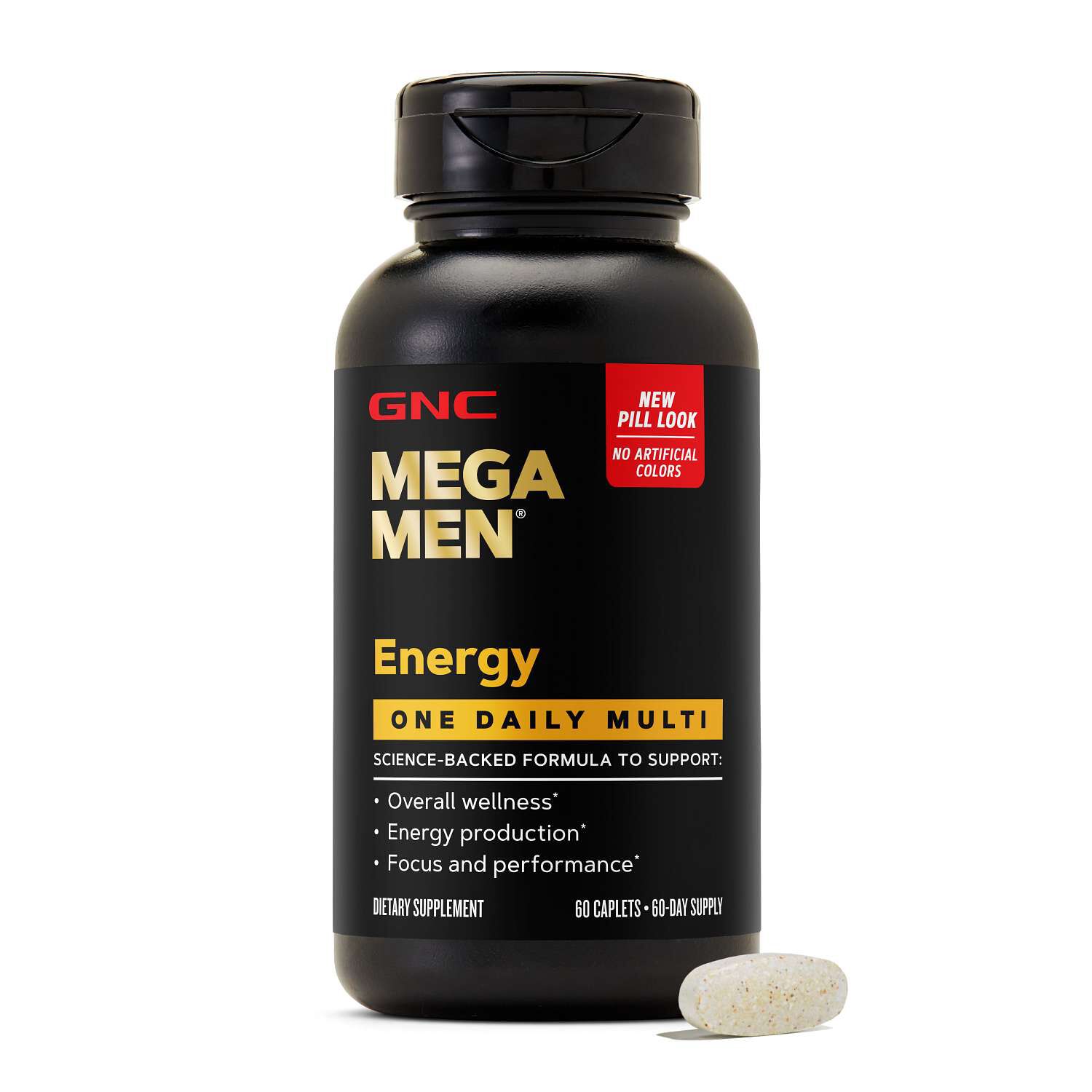
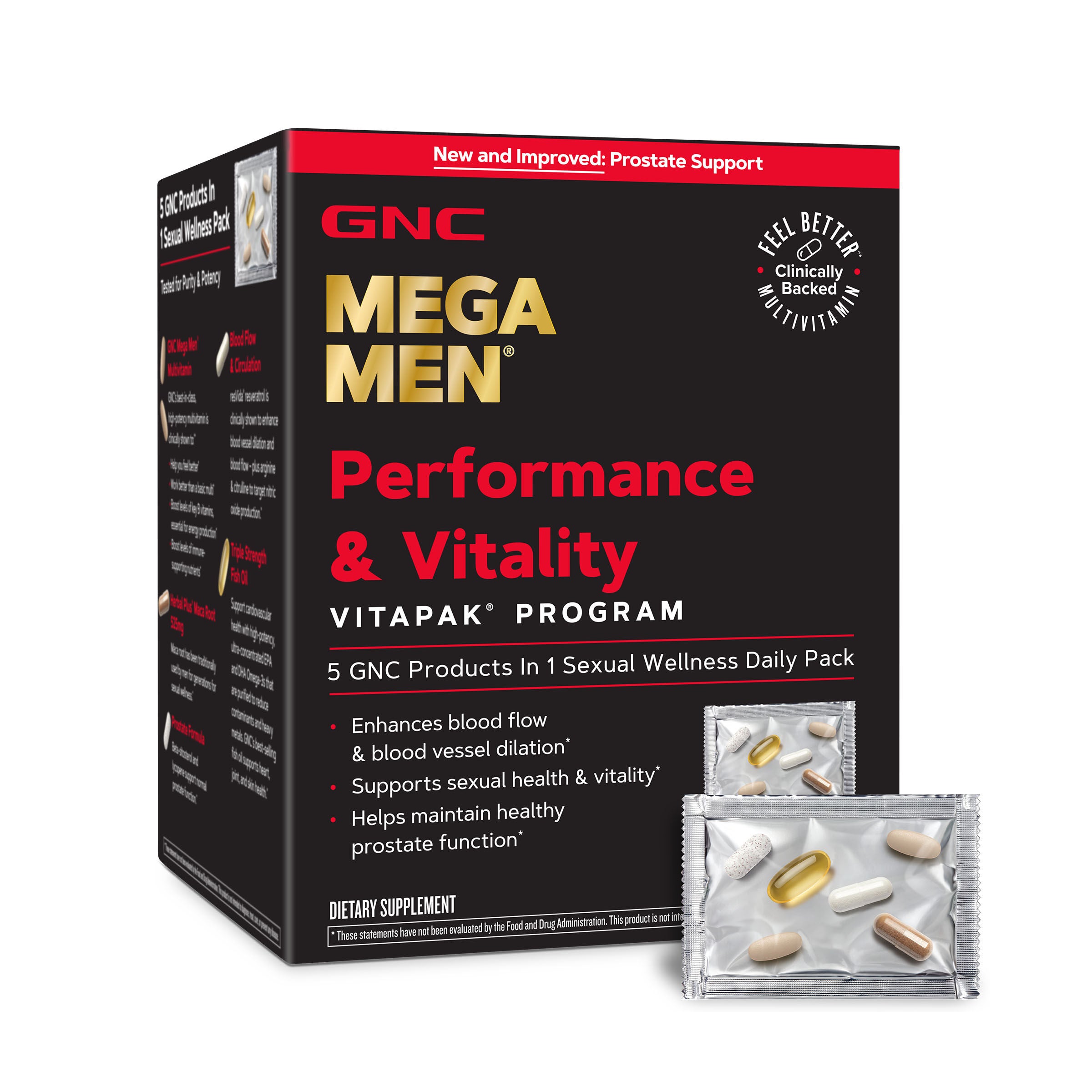
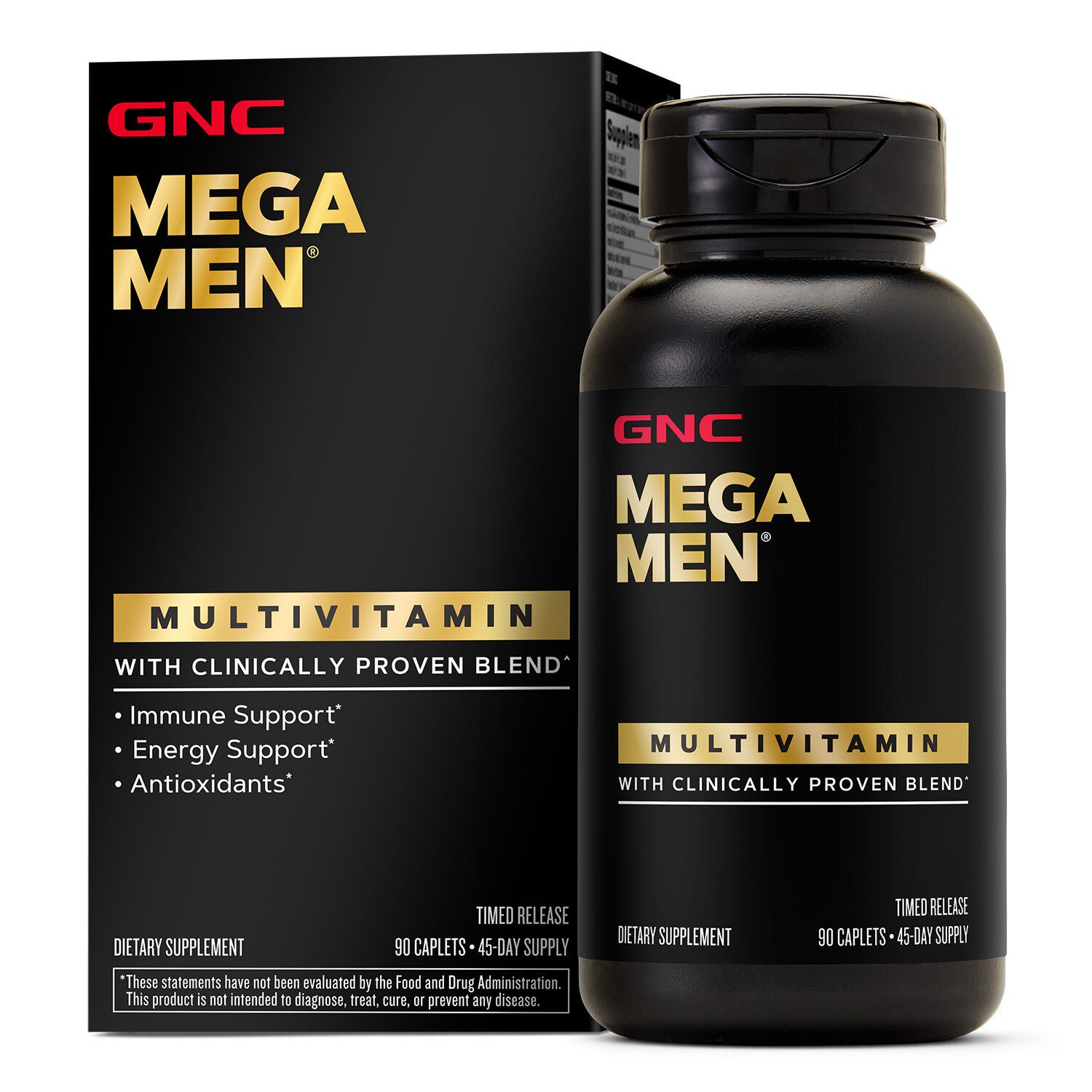 GNC Mega Men$34.99
-
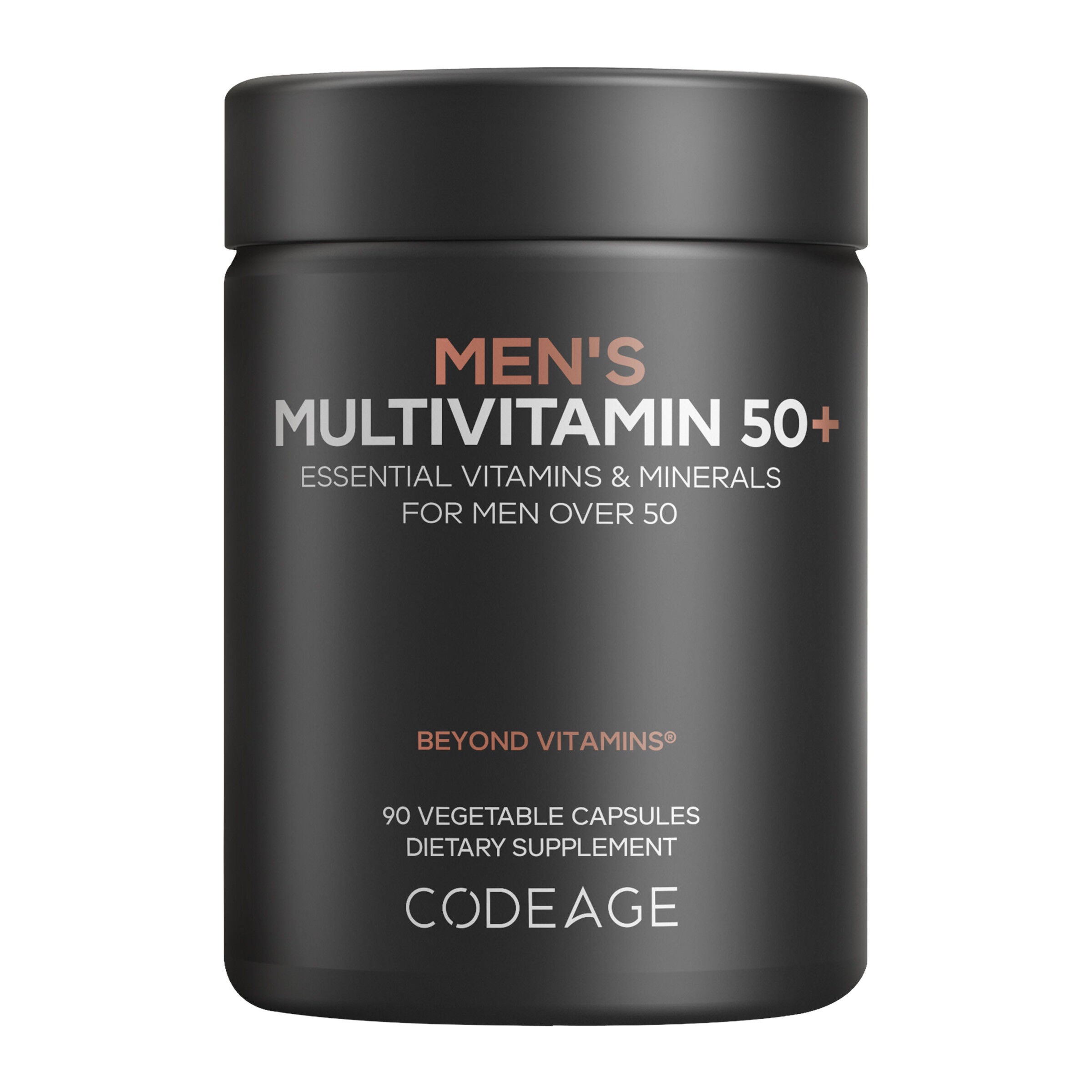 $42.99
-
$29.99
-

-
-
-
-

-


Multivitamins for men with dietary restrictions involve more than the vitamins and minerals named on the front of a bottle. Ingredient sources, capsule materials, allergen information, and dietary certifications all belong in the comparison. For men who follow vegan or vegetarian eating patterns, animal-derived ingredients can appear in places that are easy to overlook. Gelatin, often used in capsule shells and some gummies, can come from bovine, porcine, or fish sources. Vitamin D3 can come from wool-derived lanolin or from lichen, so the nutrient name alone does not establish whether a formula fits a vegan preference. Cellulose capsules and pectin-based gummies are alternatives to gelatin-based formats, although the remaining ingredients still matter. A plant-derived capsule shell says something about the shell, not necessarily every ingredient inside it. Likewise, a vegetarian designation is not interchangeable with a vegan designation. Men avoiding milk, eggs, soy, wheat, peanuts, tree nuts, fish, shellfish, or sesame have another set of details to consider, including ingredient lists, allergen statements, and any shared-equipment information. Wheat exclusions and gluten exclusions are different considerations; wording about one does not automatically establish the other. Religious dietary preferences add another distinction, with kosher or halal certification providing information beyond a general description of ingredients. For someone who avoids porcine ingredients, for example, knowing that a capsule contains gelatin is only part of the picture; its source and any relevant certification also matter. Clear sourcing statements are particularly useful when an ingredient name does not reveal its origin. The same applies to flavorings, coatings, and other ingredients that are separate from the nutrient blend. Men’s multivitamins suited to dietary restrictions are therefore defined by the entire formula, rather than a single prominent claim. The strongest match between a supplement and an eating pattern rests on specific label details that address the restriction itself, whether that means animal sourcing, an excluded ingredient, or a recognized dietary certification.
Nutrient composition is a separate consideration from dietary compatibility. Two multivitamins can share a vegan designation or similar ingredient exclusions while containing different vitamins, minerals, and serving sizes. The Supplement Facts panel lists amounts per serving, making the serving definition important when comparing bottles. One formula might list a serving as one tablet, while another lists several capsules or gummies. A larger number on the front label does not necessarily describe the number of servings inside. Men’s formulas also vary in their inclusion of iron, calcium, magnesium, iodine, zinc, and vitamin D; the category name alone does not establish which nutrients are present or in what amounts. Iron deserves a direct label check rather than an assumption that every men’s multivitamin omits it. Similarly, a long vitamin list does not establish that a formula contains substantial amounts of every mineral. For a man whose meals center on beans, vegetables, grains, nuts, and seeds, ingredient sourcing and the amounts of nutrients such as vitamin B12 and vitamin D may be relevant points of comparison. Someone avoiding dairy may be interested in the calcium content, while also noticing that calcium amounts differ considerably among multivitamin formats. These are composition details, not a basis for assuming what any individual needs. A multivitamin may complement a varied eating pattern, but it is not a replacement for meals or for the range of ingredients found in food. Dietary restrictions also do not mean that every nutrient should be present in a larger amount. The relevant comparison includes what a formula contains, what it leaves out, and how that overlaps with other supplements already in a routine. Familiar ingredient names, clearly stated quantities, and transparent serving information provide a more concrete basis for browsing than broad front-label language. That distinction matters when two bottles look similar but their panels describe quite different formulations.
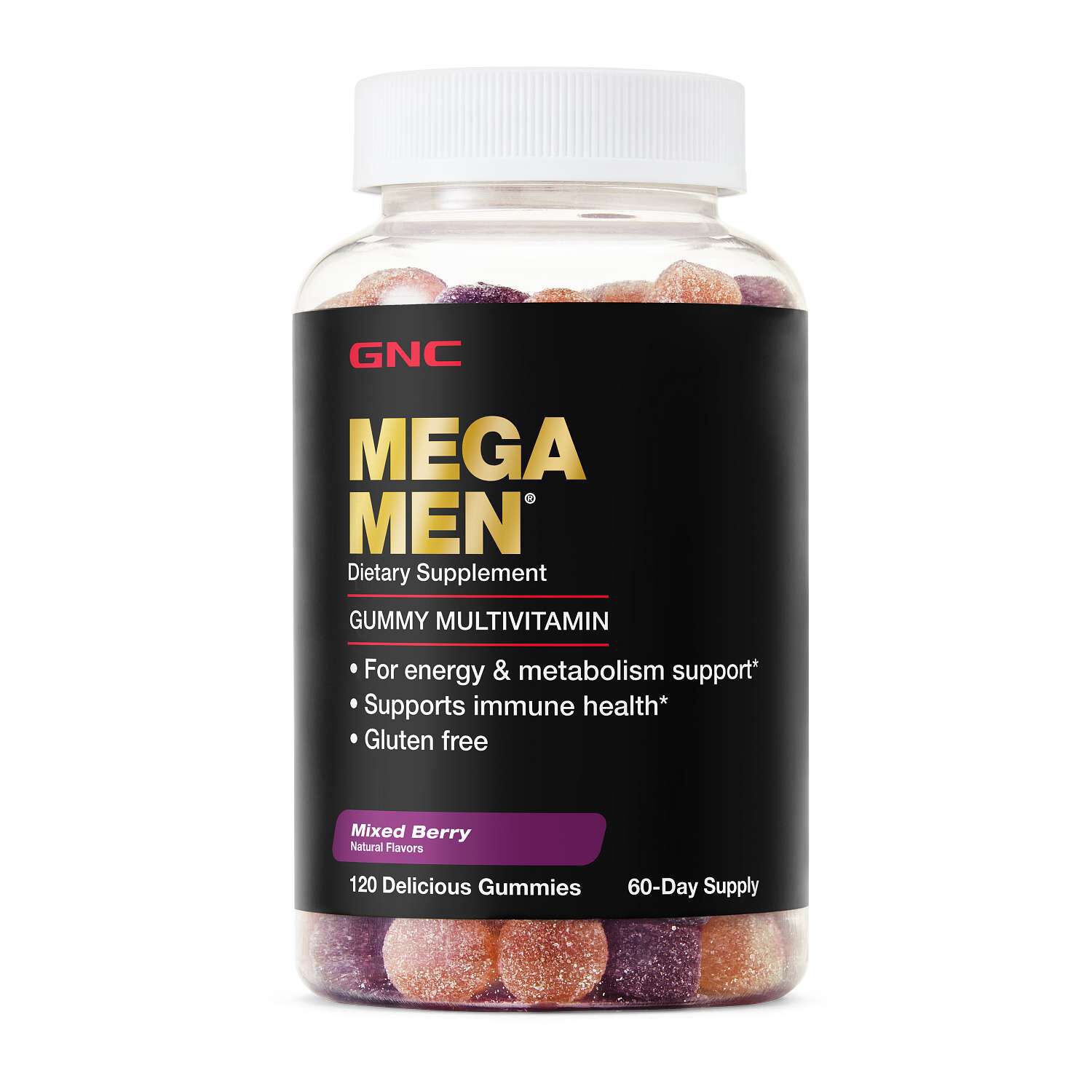
Format adds another dimension to finding a multivitamin that fits everyday preferences. Tablets, capsules, softgels, and gummies differ in size, texture, ingredients, and the number of pieces in a labeled serving. A tablet may appeal to someone who prefers a format without a sweet flavor, while a gummy may suit someone who prefers a chewable option. Neither format alone establishes dietary compatibility. Tablet coatings, capsule shells, gummy bases, colors, and sweeteners all contribute to the ingredient list. Gummies can contain gelatin or pectin, along with sugars, sugar alcohols, or other sweetening ingredients, depending on the formula. For shoppers interested in that format, Multivitamin Gummies For Adults With Dietary Restrictions provides a related category to explore alongside the same sourcing and label considerations. Texture and flavor preferences remain separate from nutrient content: a fruit flavor does not describe the vitamin blend, and a particular gummy base does not establish the source of vitamin D. Daily logistics matter as well. A bottle used at a kitchen counter, kept in a desk drawer, or packed for regular travel has different practical demands, but the package’s storage directions remain relevant in each setting. Moisture, light exposure, and closure instructions are part of caring for the supplement as packaged, and the printed date provides another useful reference. Keeping the ingredient information accessible may make later comparisons easier, especially when a household includes people with different food exclusions. Packaging changes and formula updates are also reasons to review the label on a new bottle rather than relying only on its familiar appearance. For men balancing several dietary preferences at once, a practical fit brings together the nutrient panel, ingredient sourcing, certifications, serving size, and preferred format. Those details distinguish a multivitamin that merely sounds compatible from one whose labeling meaningfully addresses the way someone eats and organizes a daily routine.
Best Sellers
-
GNC Mega Men
-
GNC Mega Men
-
GNC Mega Men
-
 GNC Mega Men
Related Pages



Top Collections
- GLP 1 Support For Adults
- Supplements For Yoga Joint Flexibility
- Joint Mobility Supplement Packs
- Supplements For Balance
- Zinc Supplements For Men
- Chronic Fatigue Supplements
- Capsule Supplements For Energy And Stamina
- Zinc Supplements | Top Brands at Great Prices | GNC
- Supplements For Anxiety Relief Support
- Adult Mobility Supplements