Multivitamins For Women With Dietary Restrictions
(0 Results)
Multivitamins for women with dietary restrictions offer a convenient way to help fill potential nutrient gaps while supporting your wellness journey. Whether you follow a vegetarian, vegan, gluten-free, or allergen-conscious lifestyle, these options are designed to align with your unique needs. Explore multivitamins for women with dietary restrictions that could fit seamlessly into your daily routine and help you stay on track with your health goals.
-
-
-
-

-
-
 $18.99
-
-
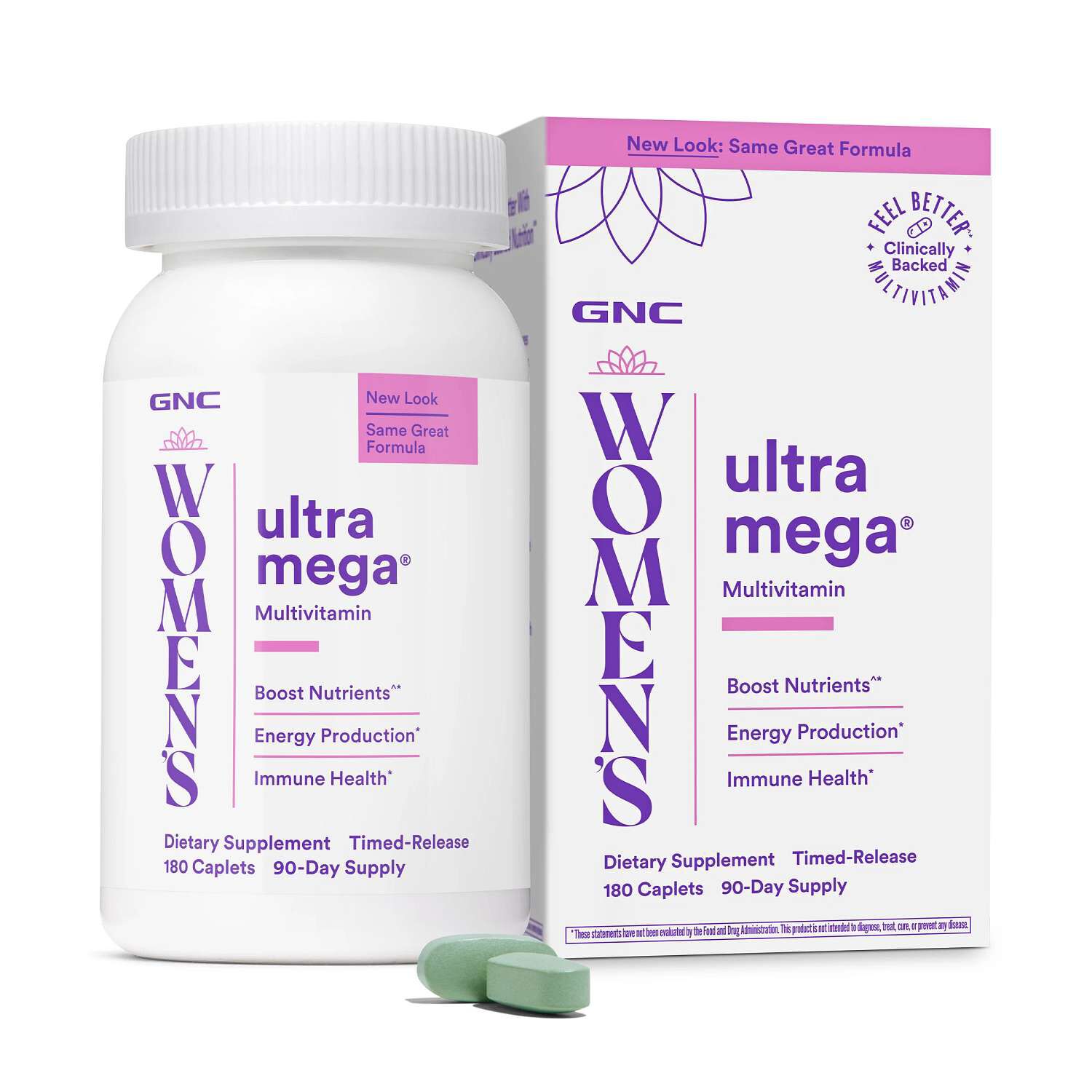
-
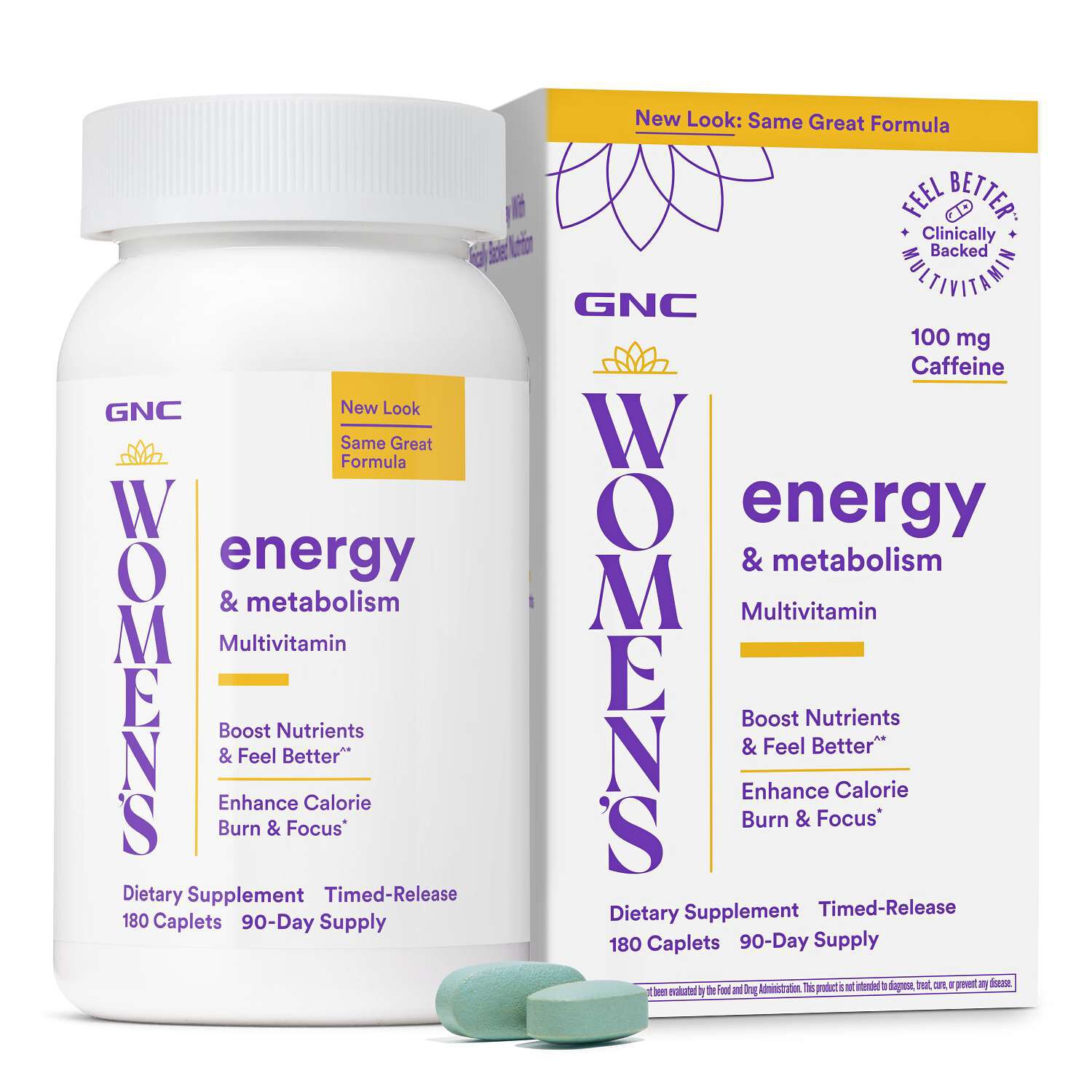
-
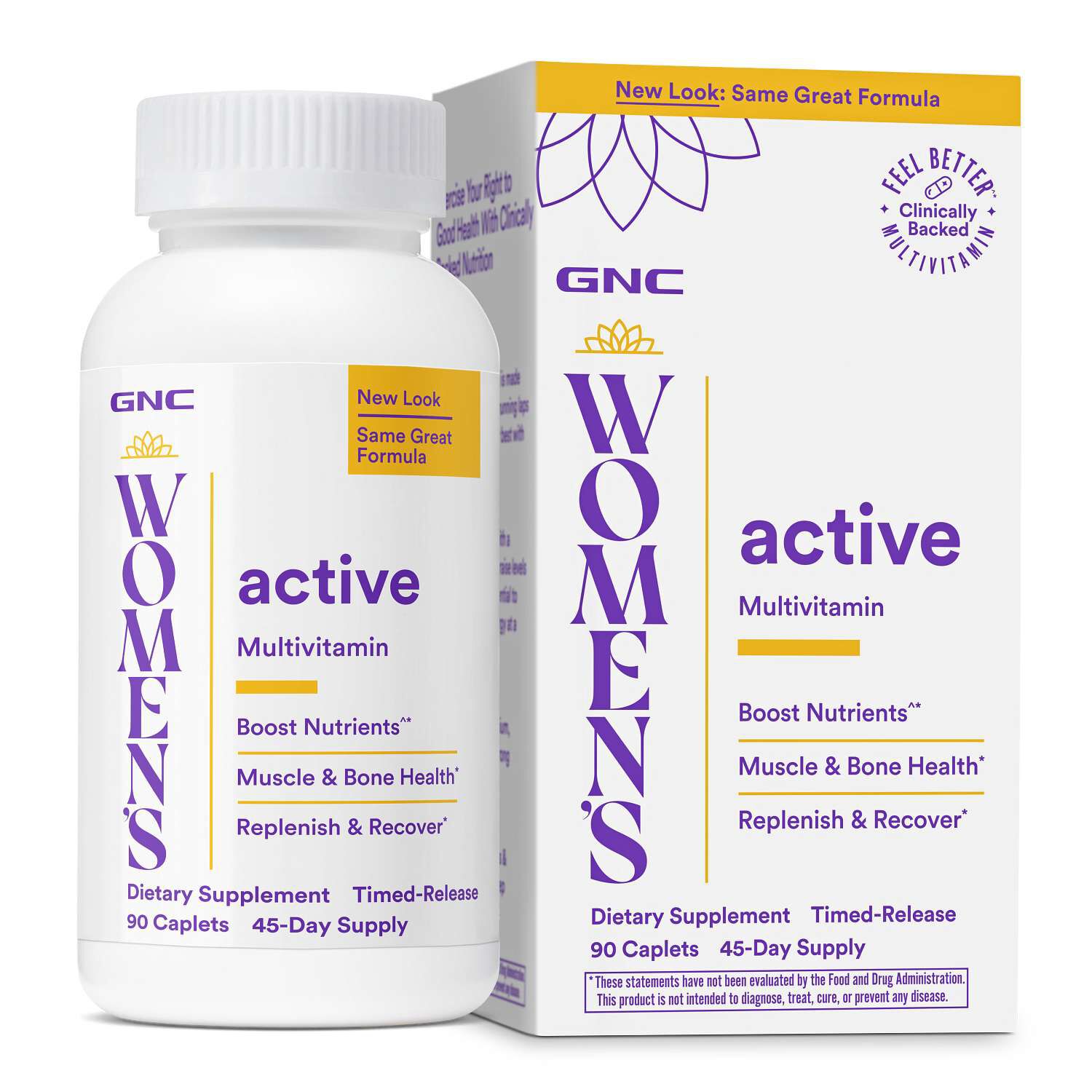
-
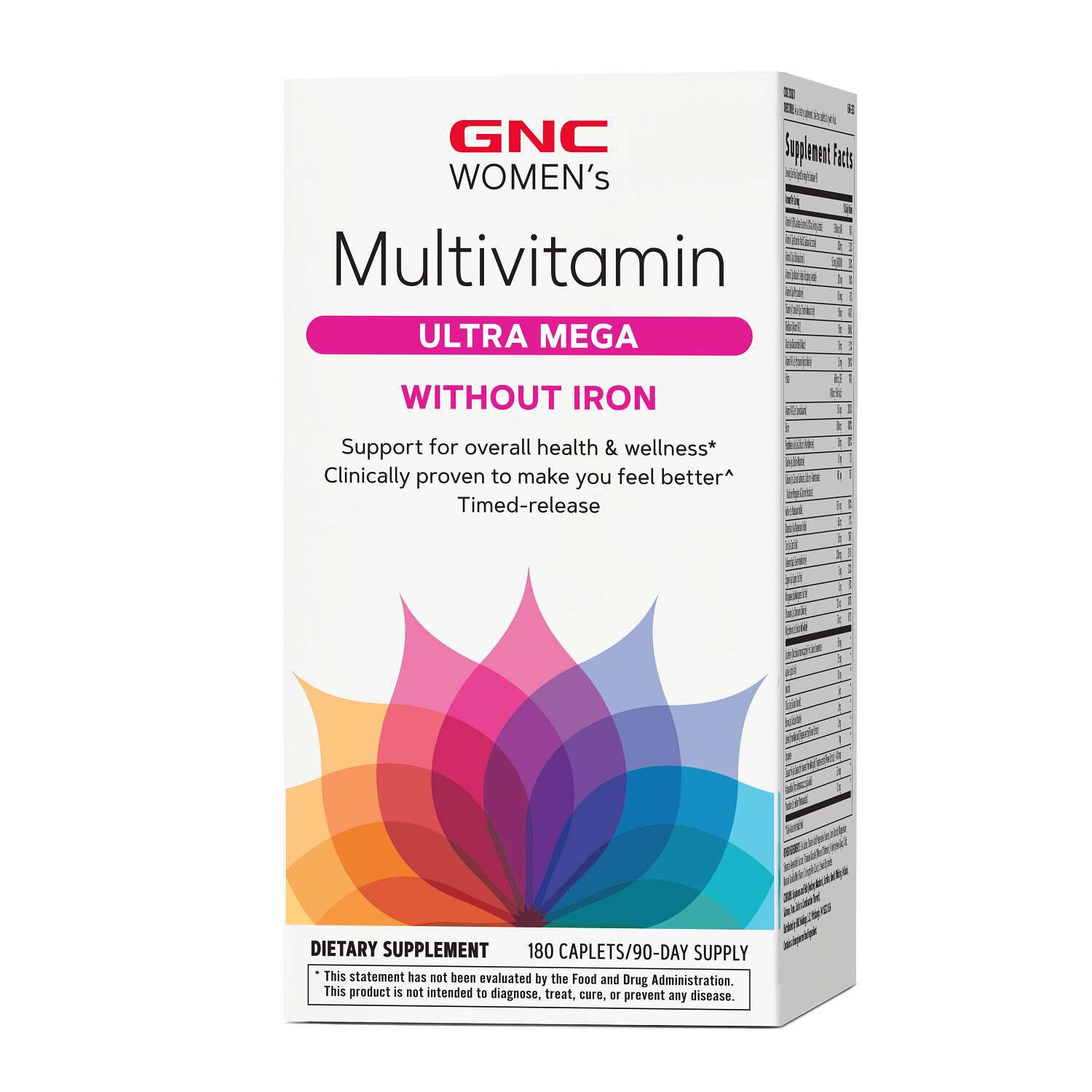
-

-
-
-
-
-
$29.99
-

-
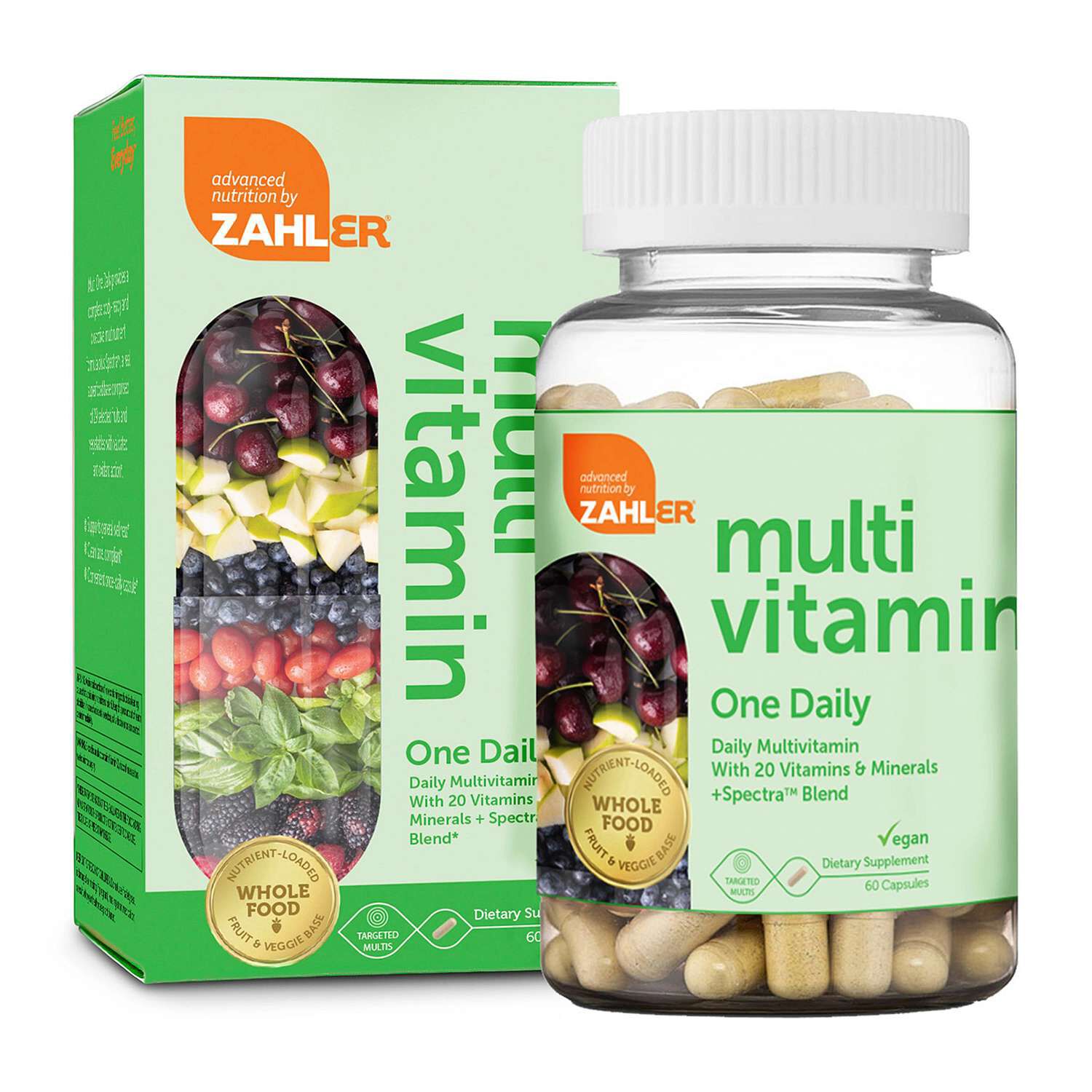
-
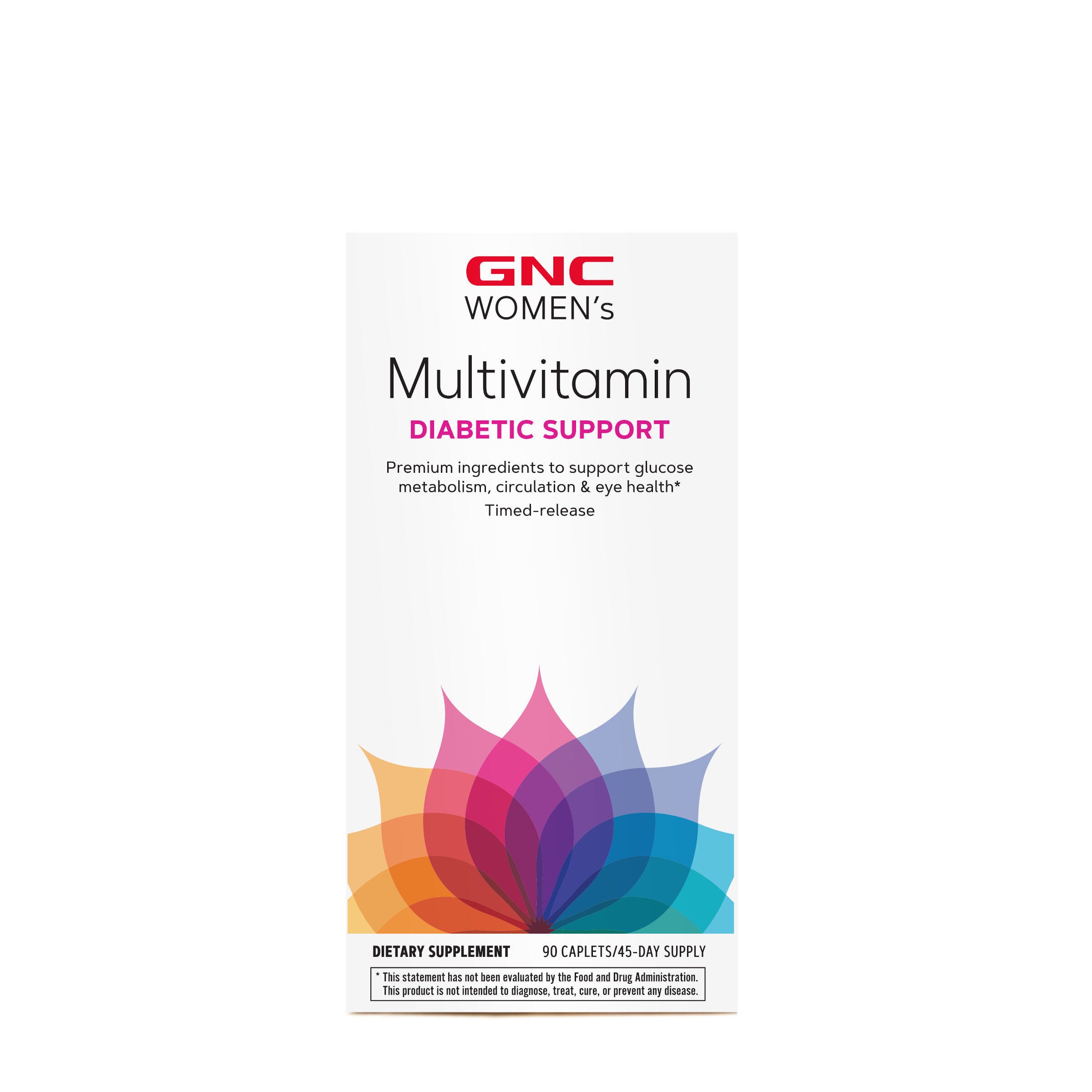
-
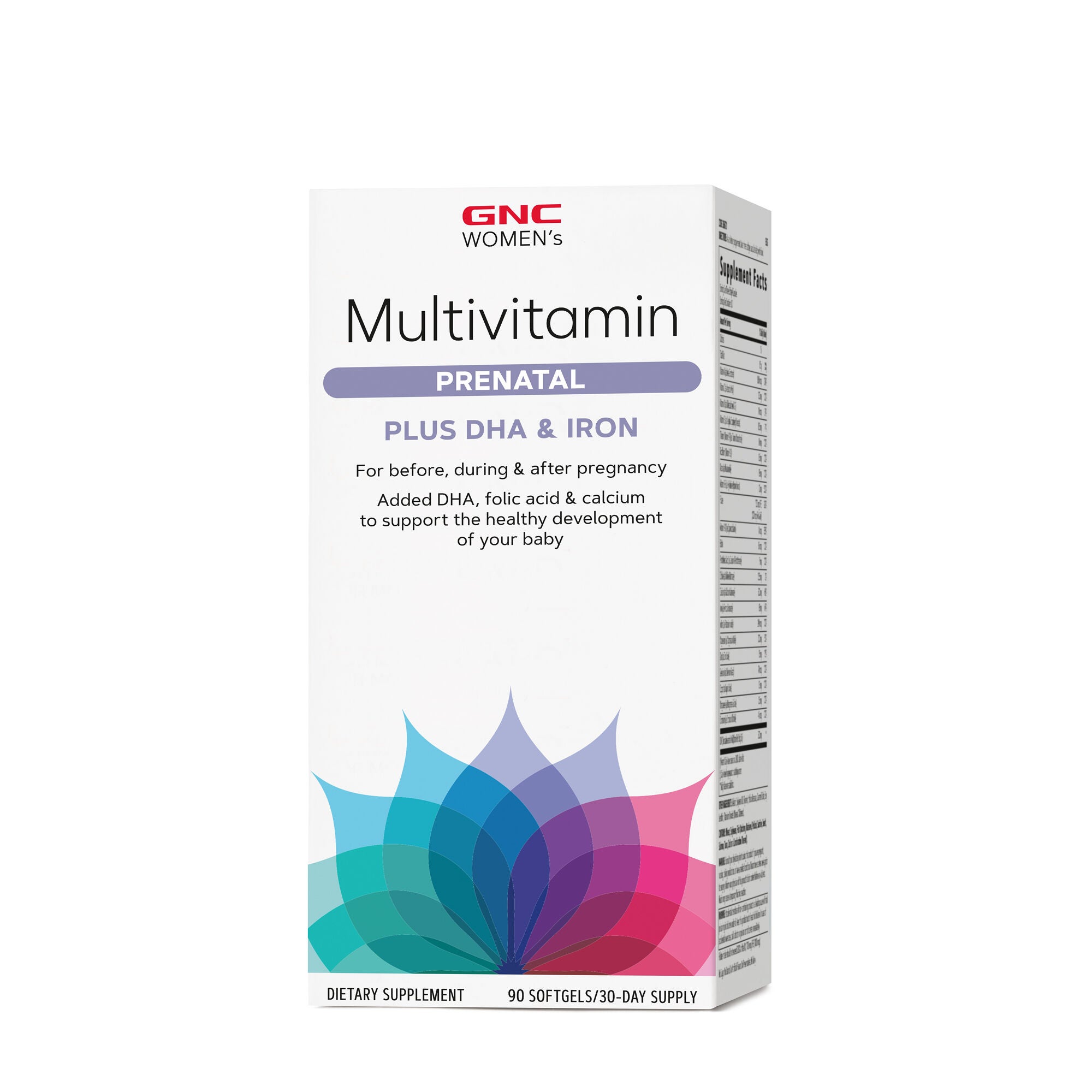
-
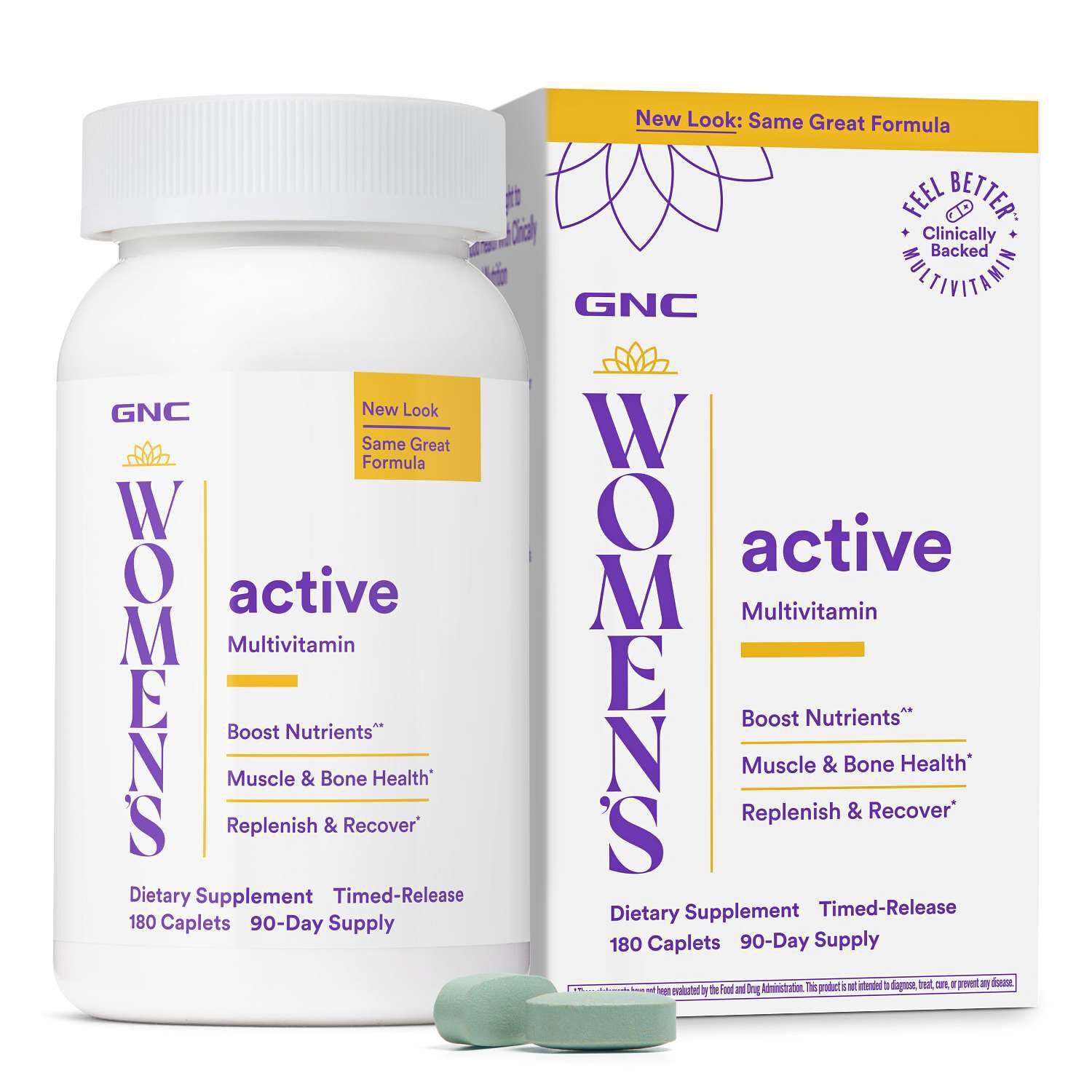


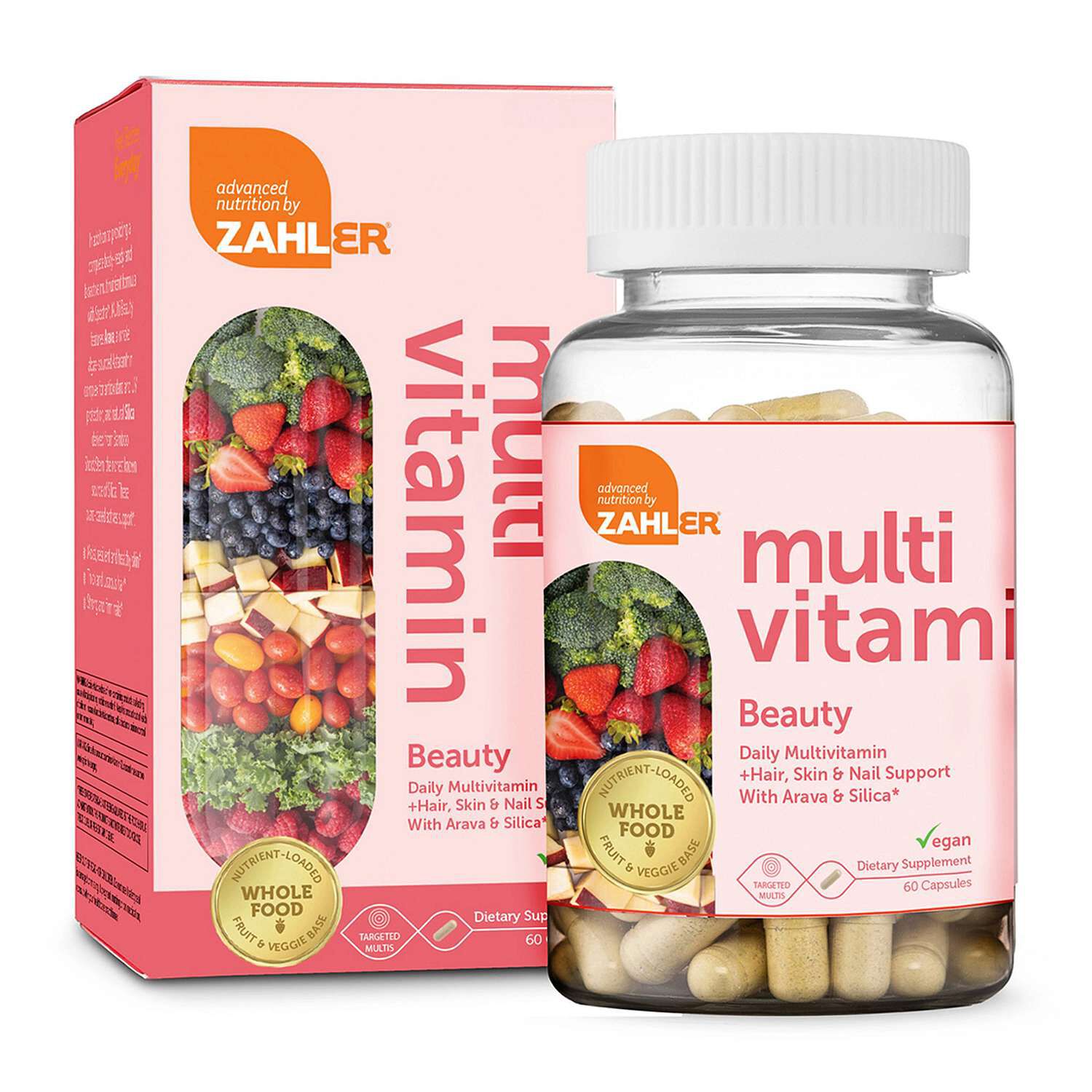
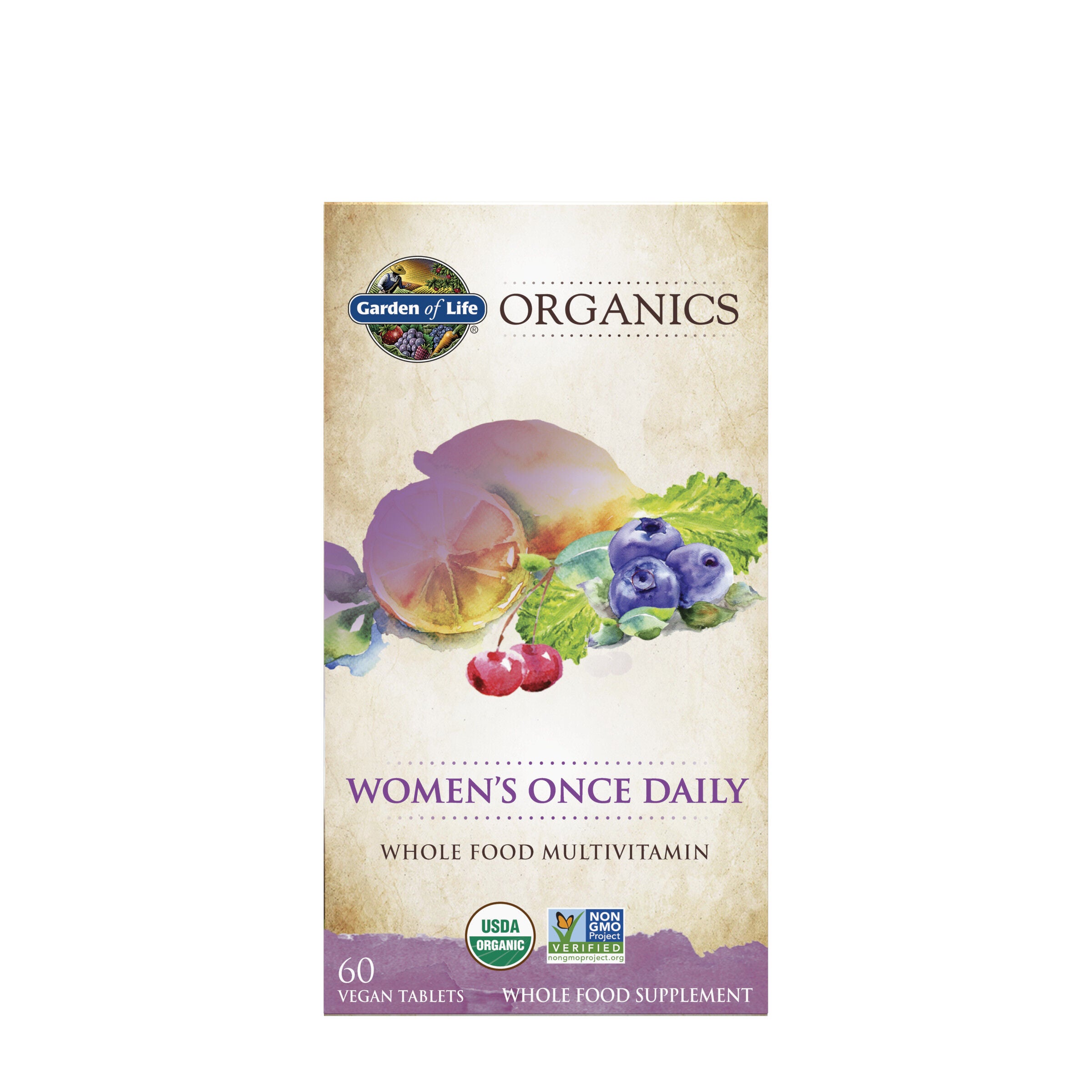
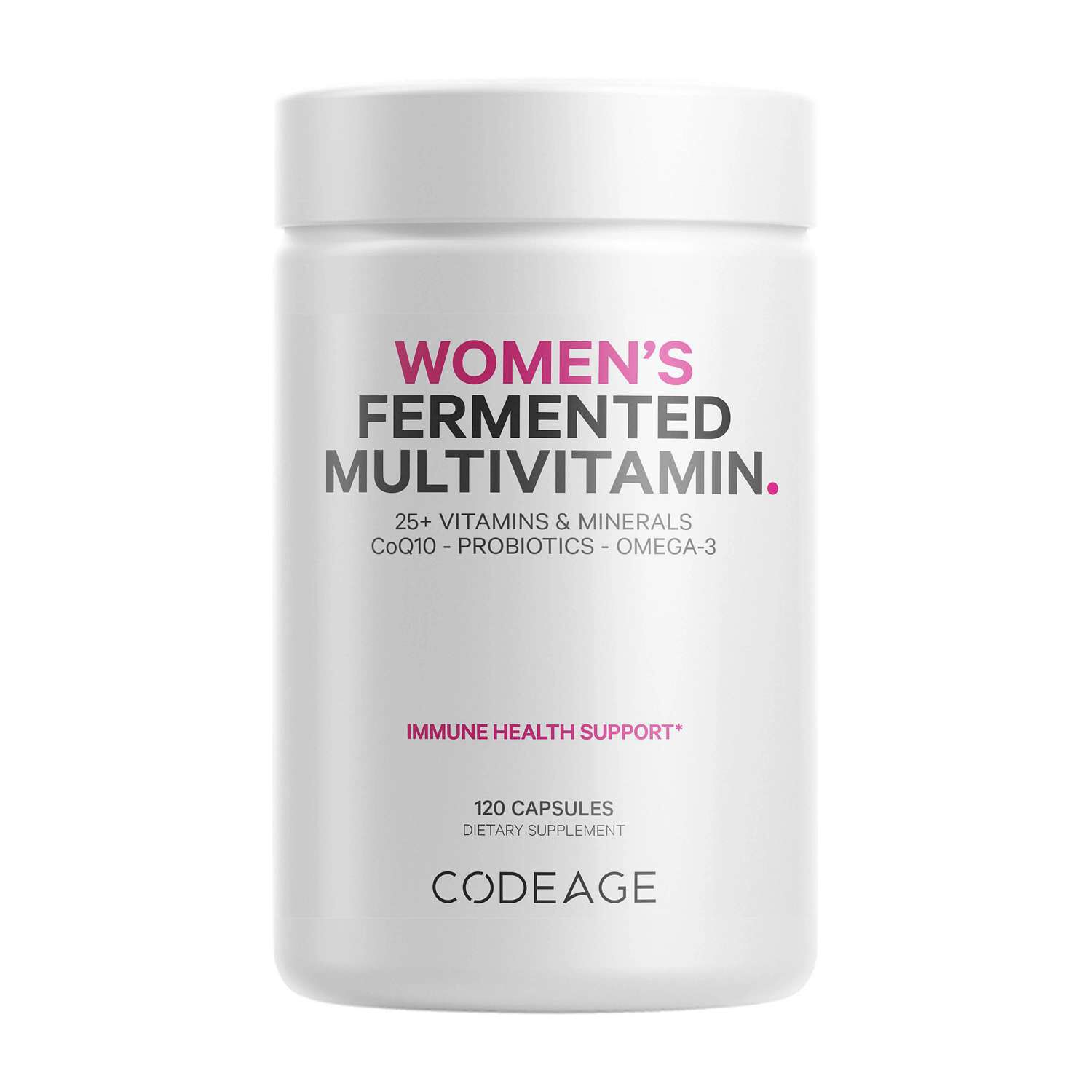
Multivitamins for women with dietary restrictions bring together two important shopping considerations: the nutrients in a formula and the ingredients used to make it. A multivitamin may help supplement nutrients that are less represented in an everyday eating pattern, but suitability for a particular diet depends on more than the front label. For women who avoid animal-derived ingredients, dairy, gluten, soy, or other ingredients, the capsule shell, flavoring, and manufacturing disclosures can matter just as much as the vitamin and mineral list. The Supplement Facts panel shows the nutrients and amounts per serving, while the other ingredients list describes components such as binders, coatings, sweeteners, and capsule materials. These details distinguish formulas that might otherwise look similar. A plant-based eating pattern, for example, can mean different things to different shoppers: one woman may exclude all animal-derived ingredients, while another includes eggs or dairy but avoids meat. Vegetarian and vegan descriptions are therefore not interchangeable. Gelatin is animal-derived, while capsules made with cellulose offer a different construction; gummies may use gelatin or pectin to create their texture. Vitamin sources also vary. Some vitamin D3 comes from lanolin, while other D3 ingredients come from lichen, making source information relevant to shoppers who exclude animal-derived materials. Nutrients such as vitamin B12, vitamin D, iron, zinc, and iodine are useful points of comparison across formulas, without assuming that every woman following a similar diet wants the same combination. A multivitamin does not replace the variety of foods in an eating pattern, and a longer nutrient list does not automatically make a formula a better match. The strongest fit is a product whose documented ingredients, serving format, and intended audience align with the shopper’s preferences. This makes women’s multivitamins a category where a few carefully described label details often carry more meaning than broad language about everyday wellness.
Dietary restrictions also call for distinctions between ingredients that sound related but are not equivalent. Lactose is a sugar found in milk, whereas milk proteins are separate components; a statement about lactose alone does not describe whether a formula contains milk-derived proteins. Similarly, a wheat exclusion does not by itself establish the absence of gluten from sources such as barley or rye. For shoppers comparing multivitamins made without particular ingredients, clear ingredient disclosures and explicit product labeling provide more useful information than assumptions based on flavor, color, or format. A fruit-flavored gummy can still contain gelatin, and a capsule with plant-derived shell material can still contain nutrients from animal sources. A vegan designation also does not establish that a formula excludes soy, wheat, or nuts. Manufacturer statements about shared equipment or facilities add another layer of context because an ingredient list and a production-environment disclosure describe different things. Independent certifications can offer additional documentation, although the meaning depends on what the certification actually evaluates. Testing for ingredient identity or nutrient amounts is different from certification addressing a particular dietary standard. Within the nutrient panel, serving size matters: the listed amounts may apply to several gummies or capsules rather than one piece. Percent Daily Value provides a common reference for comparing labels, not a personalized description of what every woman needs. Formulas also differ in their inclusion of iron, calcium, magnesium, and other minerals, and women’s labeling alone does not establish which combination suits an individual. Some products contain iron and others omit it; calcium and magnesium amounts can vary substantially across formats. These differences are worth recognizing without treating one formula as universally preferable. For a woman who excludes dairy, for instance, the relevant comparison includes both the milk-related ingredient statement and the actual nutrient amounts, rather than an assumption that any women’s multivitamin has the same mineral profile. Clear labeling keeps these separate considerations visible and makes product comparisons more meaningful.
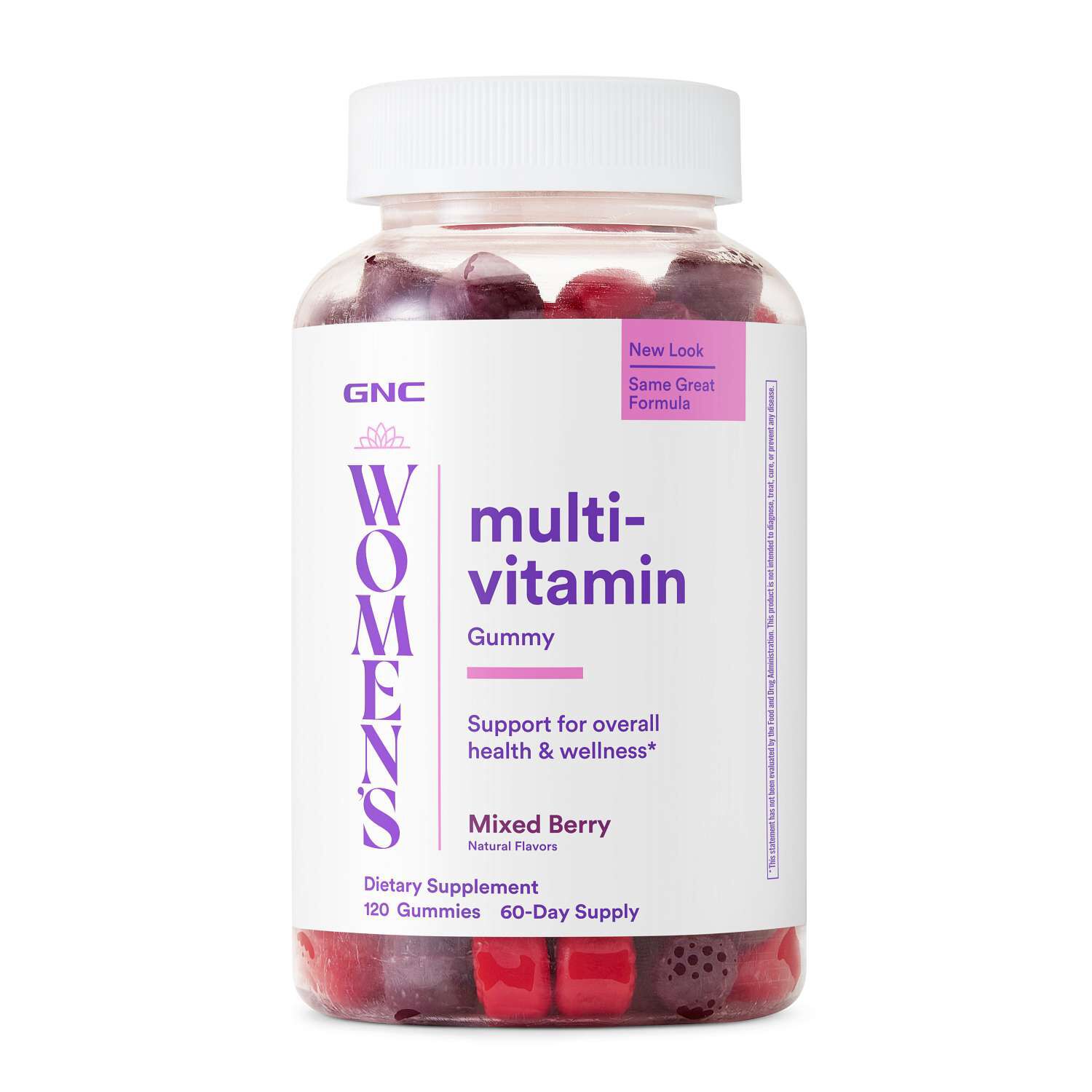
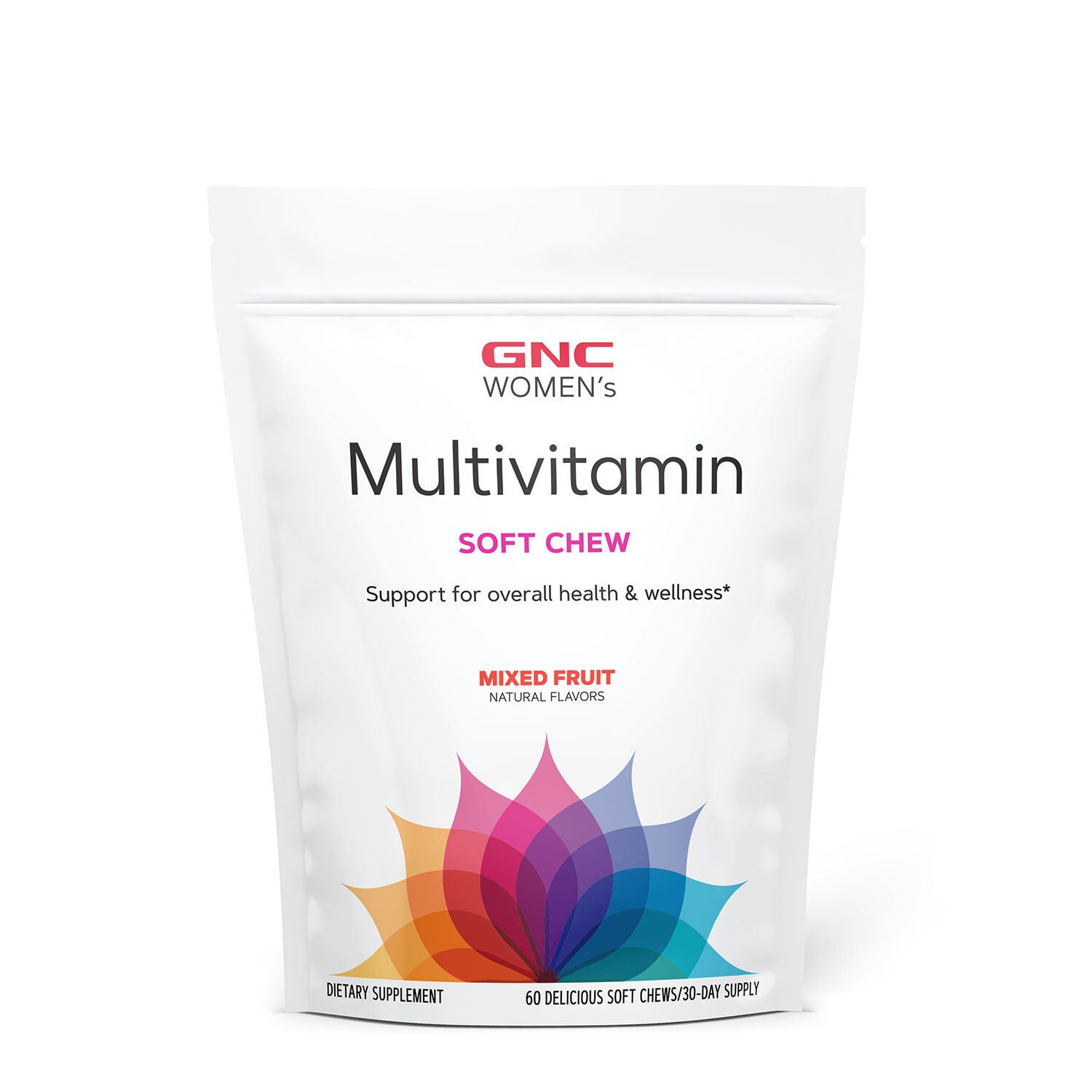
Everyday fit extends beyond the nutrient list to texture, portion size, packaging, and the practical details of use. Tablets, capsules, and gummies offer different experiences, even when their labels feature many of the same nutrients. Tablets vary in size, shape, and coating, while capsules vary in shell material and dimensions. Gummies add considerations such as chewiness, flavor, sweeteners, and the number of pieces in a serving. Some use added sugars, some use sugar alcohols, and others use a combination of sweetening ingredients; these distinctions can matter to women whose eating preferences extend beyond avoiding certain food sources. Shoppers interested in a chewable format can also compare Multivitamin Gummies For Adults With Dietary Restrictions with women’s formulas, keeping the intended audience, ingredient statements, and serving amounts in view. A gummy format does not automatically offer the same nutrient selection as a tablet, just as a smaller capsule does not necessarily represent a one-capsule serving. Bottle count and serving count are different measurements, so packaging details help show how a product fits into an established routine. Someone who prefers a single daily serving may approach the category differently from someone comfortable with several pieces taken according to the label. For a shared household, keeping products in their original, clearly labeled containers preserves access to ingredient information and helps distinguish one person’s formula from another’s. Care centers on the package directions, a properly closed container, and attention to the printed date and storage instructions. Clear print, a closure that works for the intended user, and accessible serving directions are practical details that can make a format more convenient to handle. Personal purchase is often more straightforward than gifting in this category because dietary exclusions and ingredient preferences can be highly specific. When a multivitamin is selected for someone else, an explicitly requested formula or clearly stated preferences provide a better starting point than age or lifestyle alone. Across formats, the most relevant distinctions remain tangible: what the formula contains, what it excludes, how those details are documented, and how comfortably the format fits the intended user’s everyday habits.