





Multivitamins For Women Over 30
(0 Results)
Multivitamins for women over 30 may support wellness goals as nutritional needs may change with age. Whether you’re balancing a busy lifestyle, focusing on fitness, or simply looking to maintain your daily routine, exploring a range of multivitamins for women over 30 could be a helpful step. Discover options that fit your preferences and routines, and find the right addition to your wellness journey.

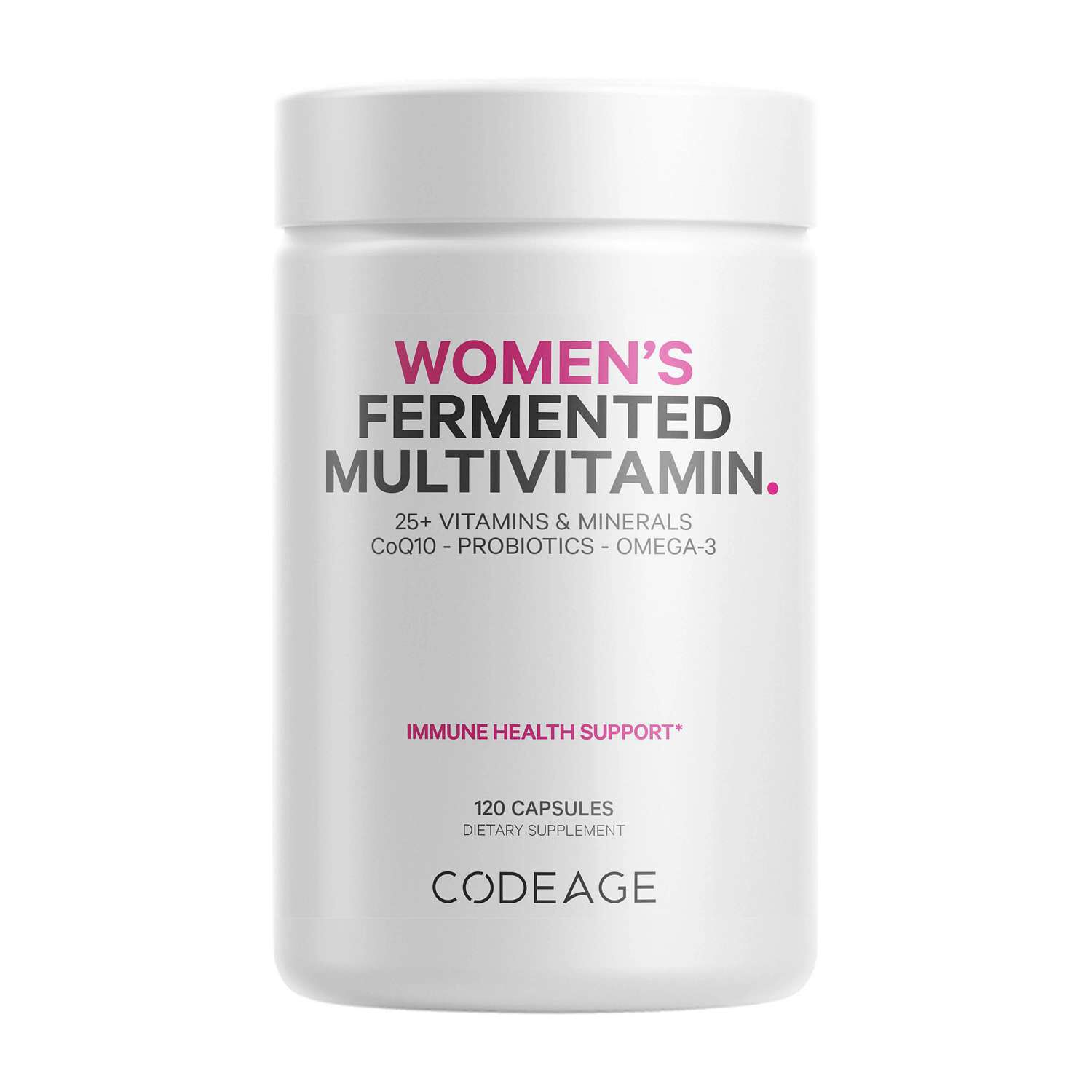
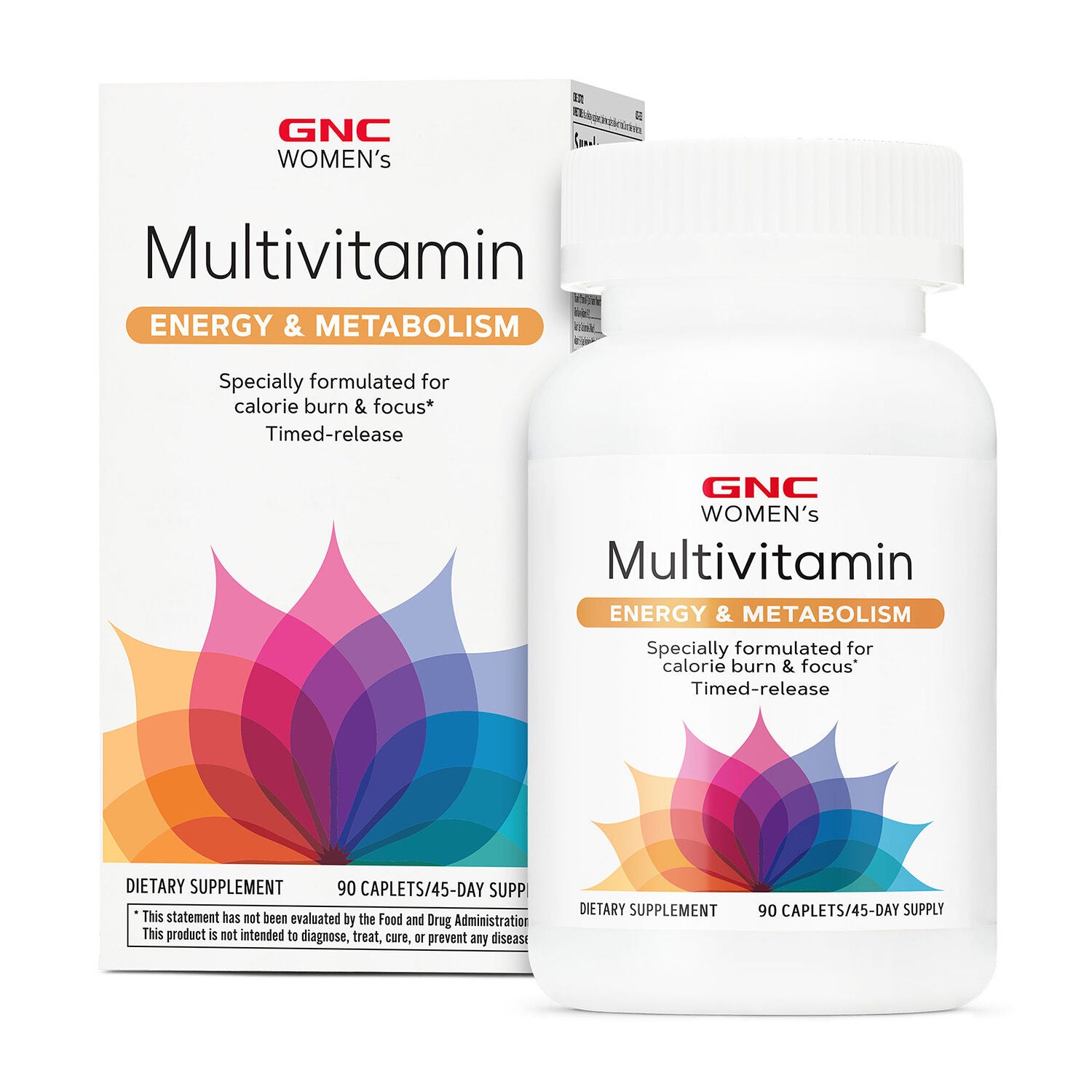

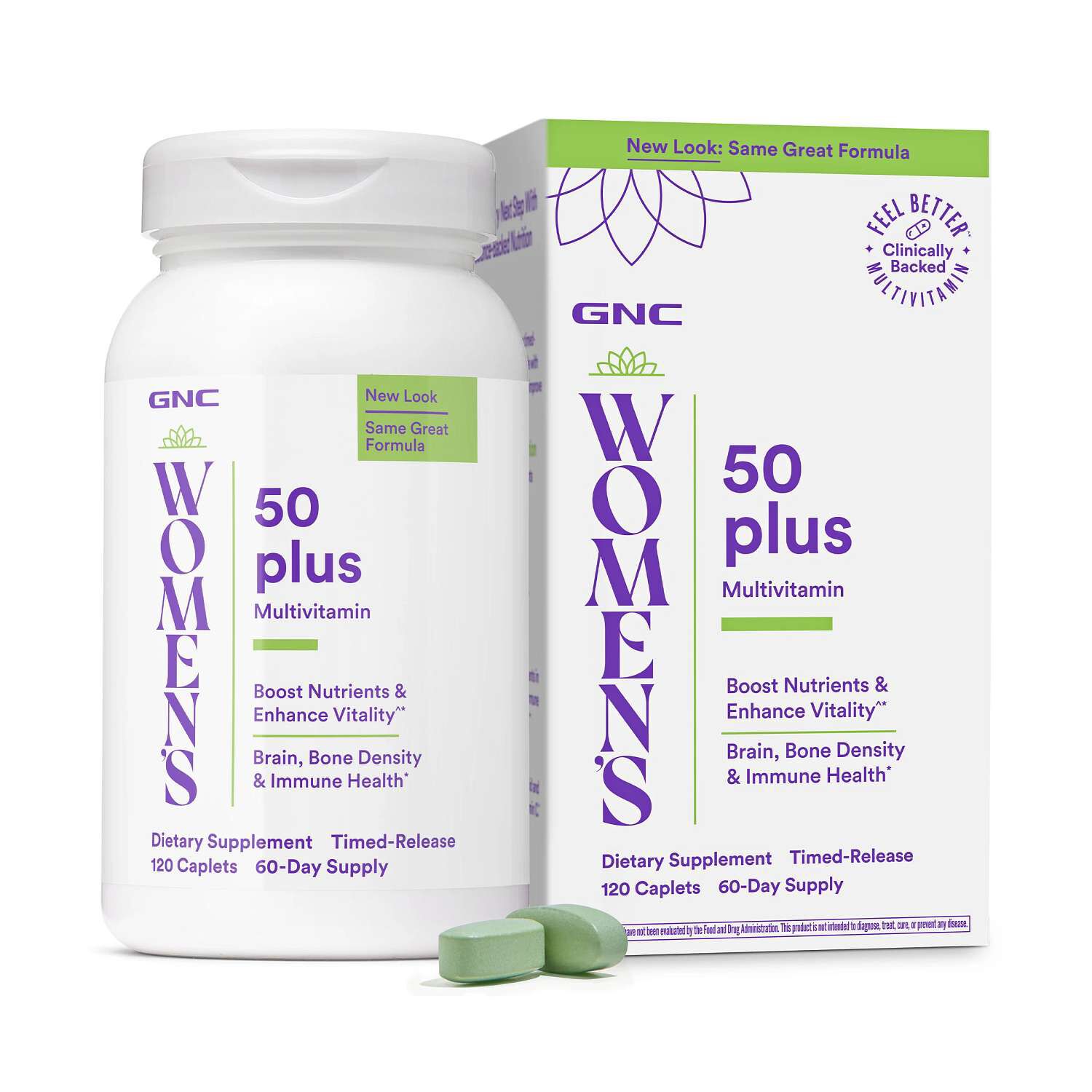
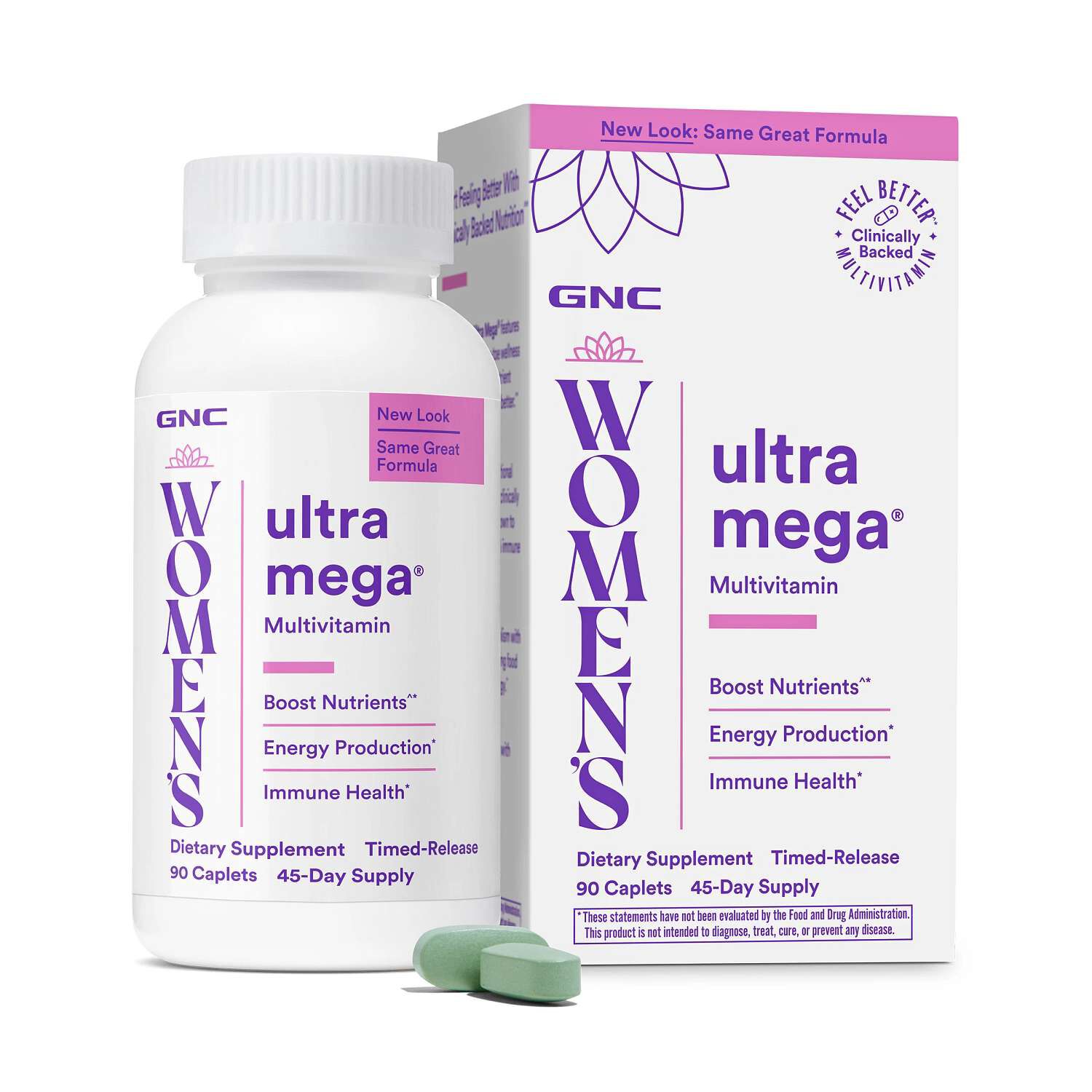
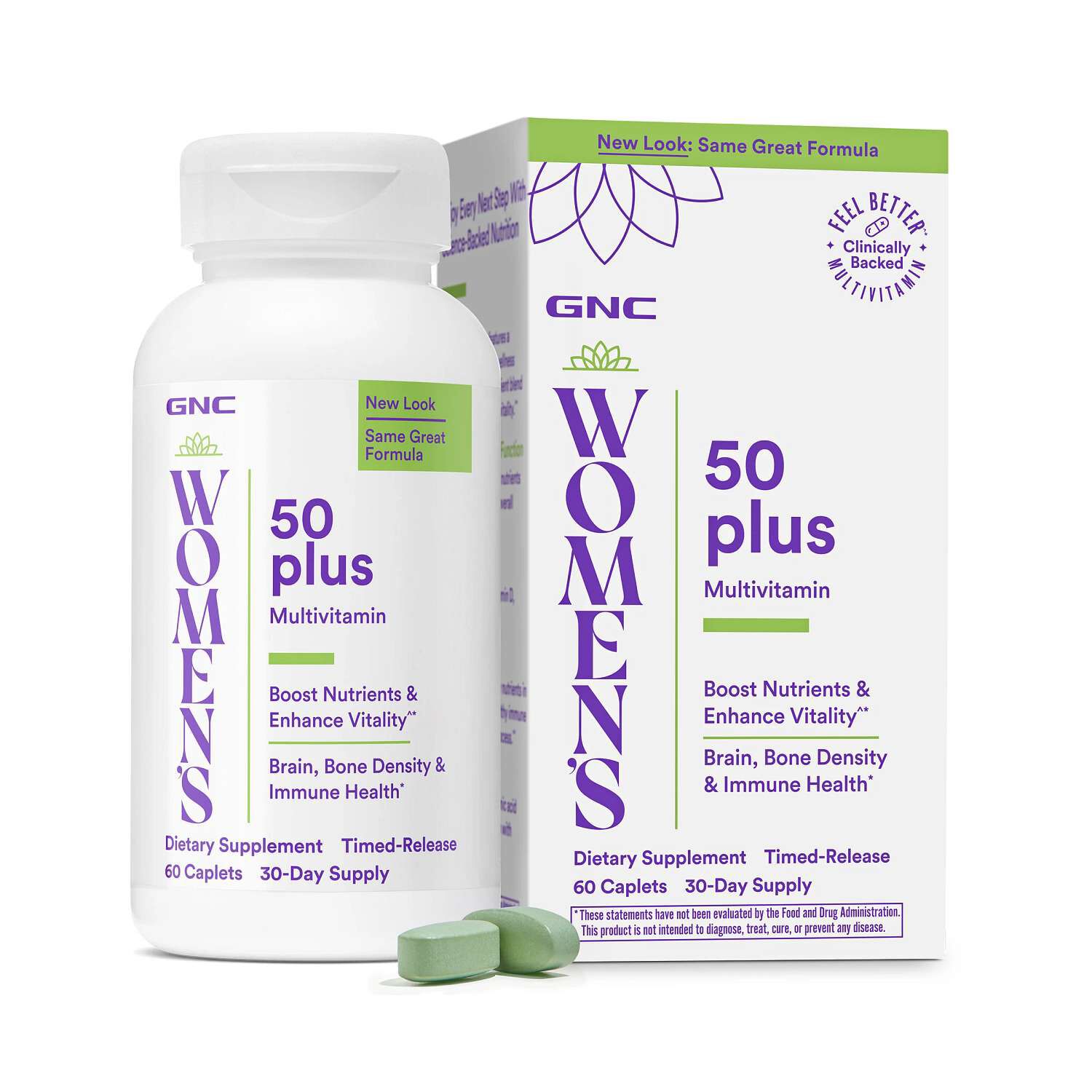


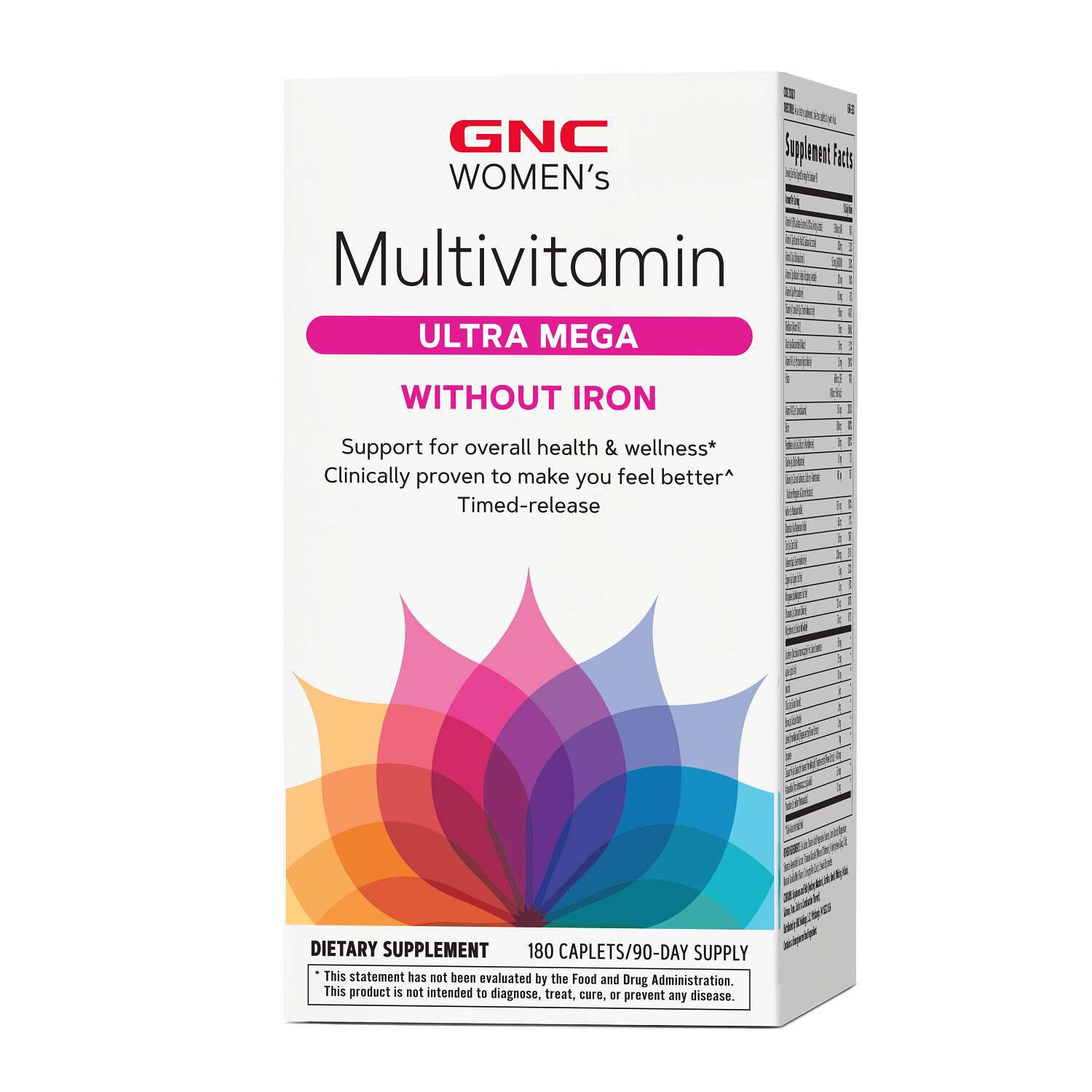
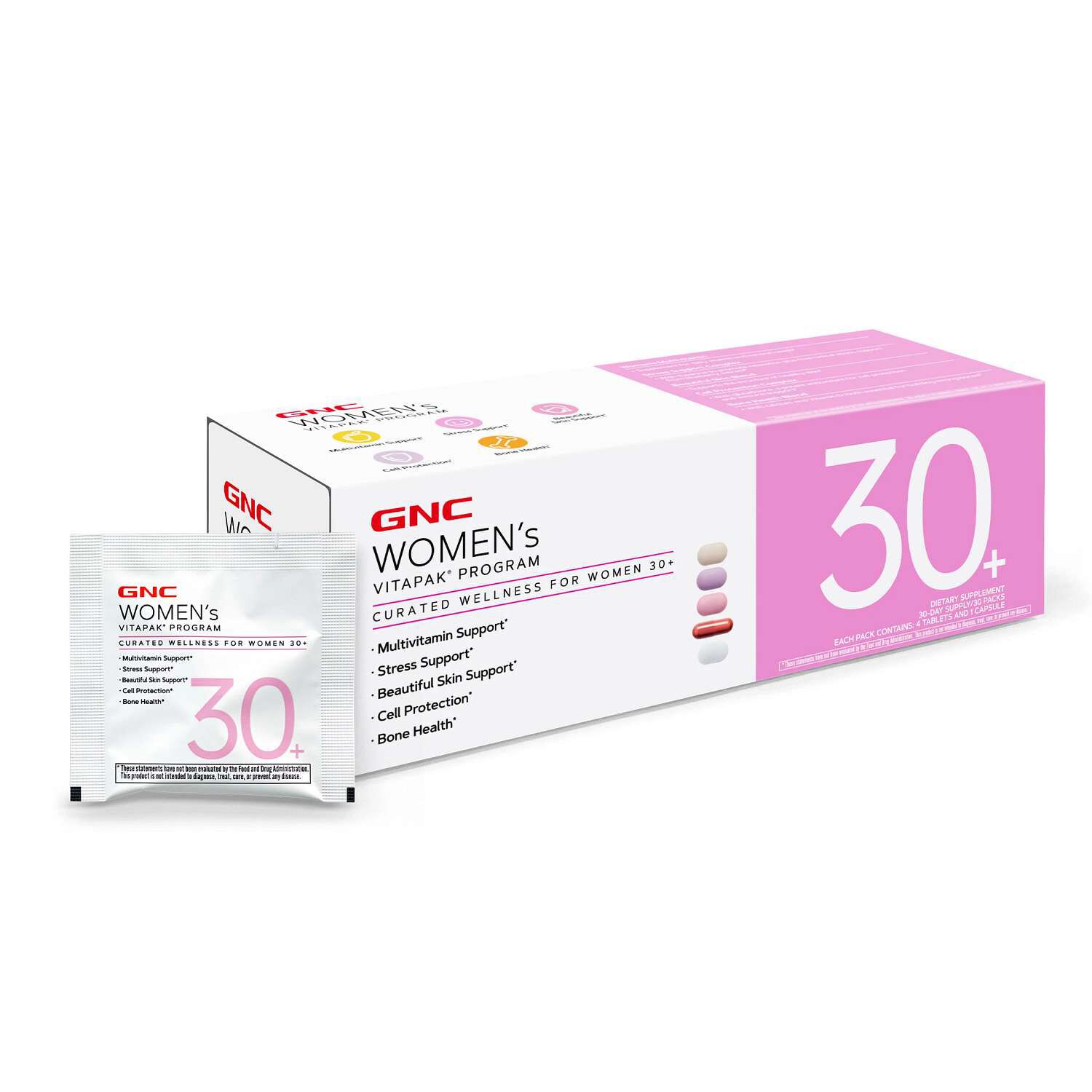

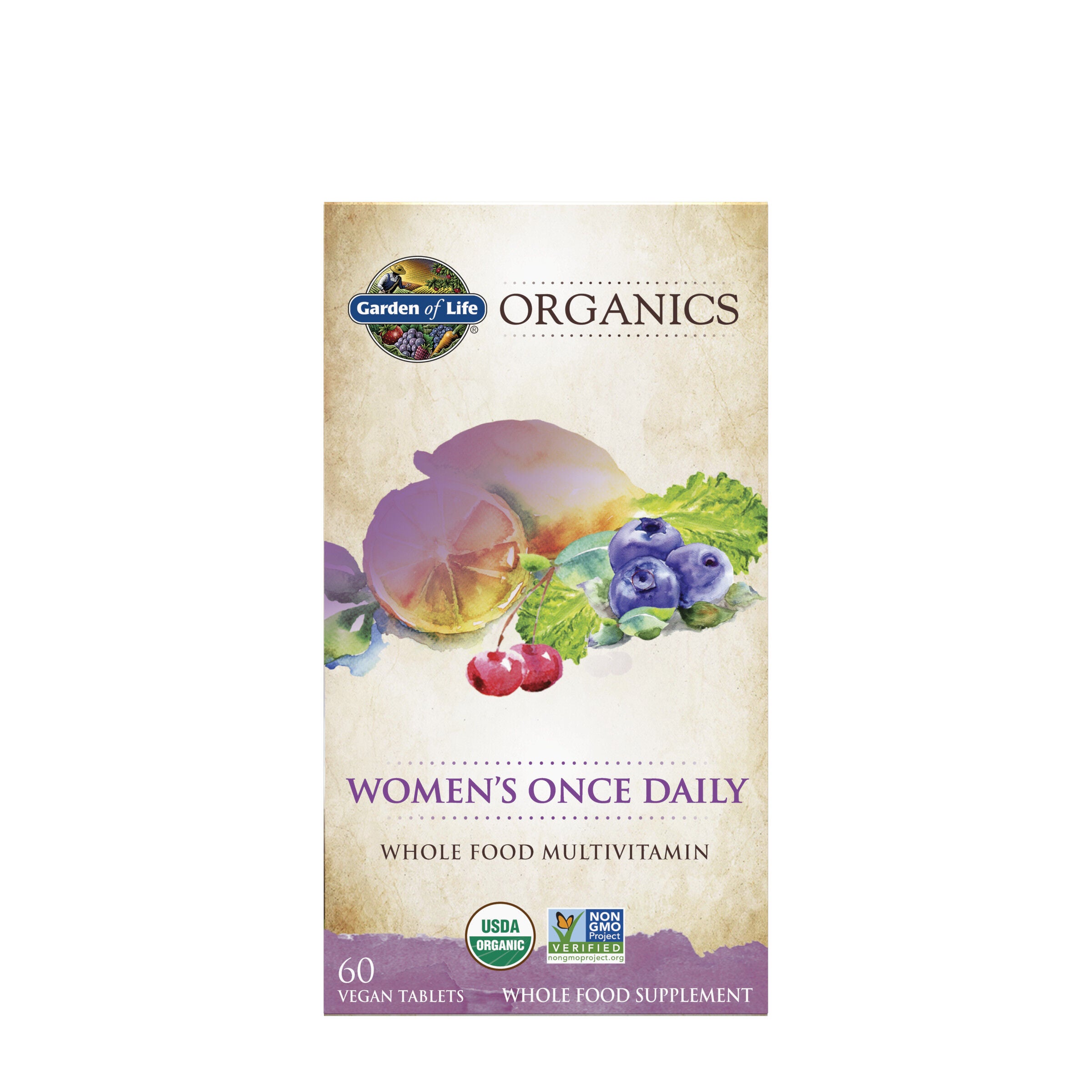

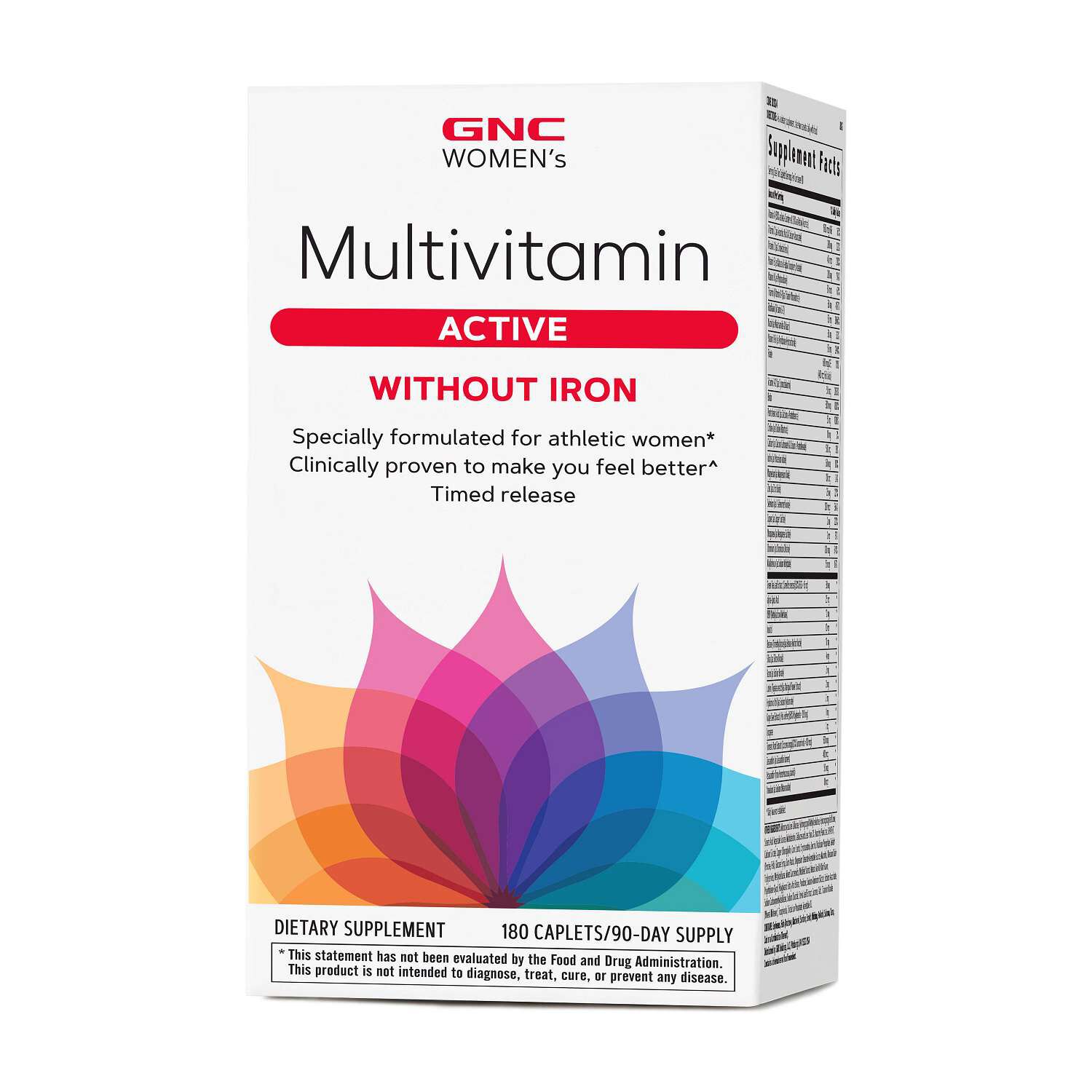
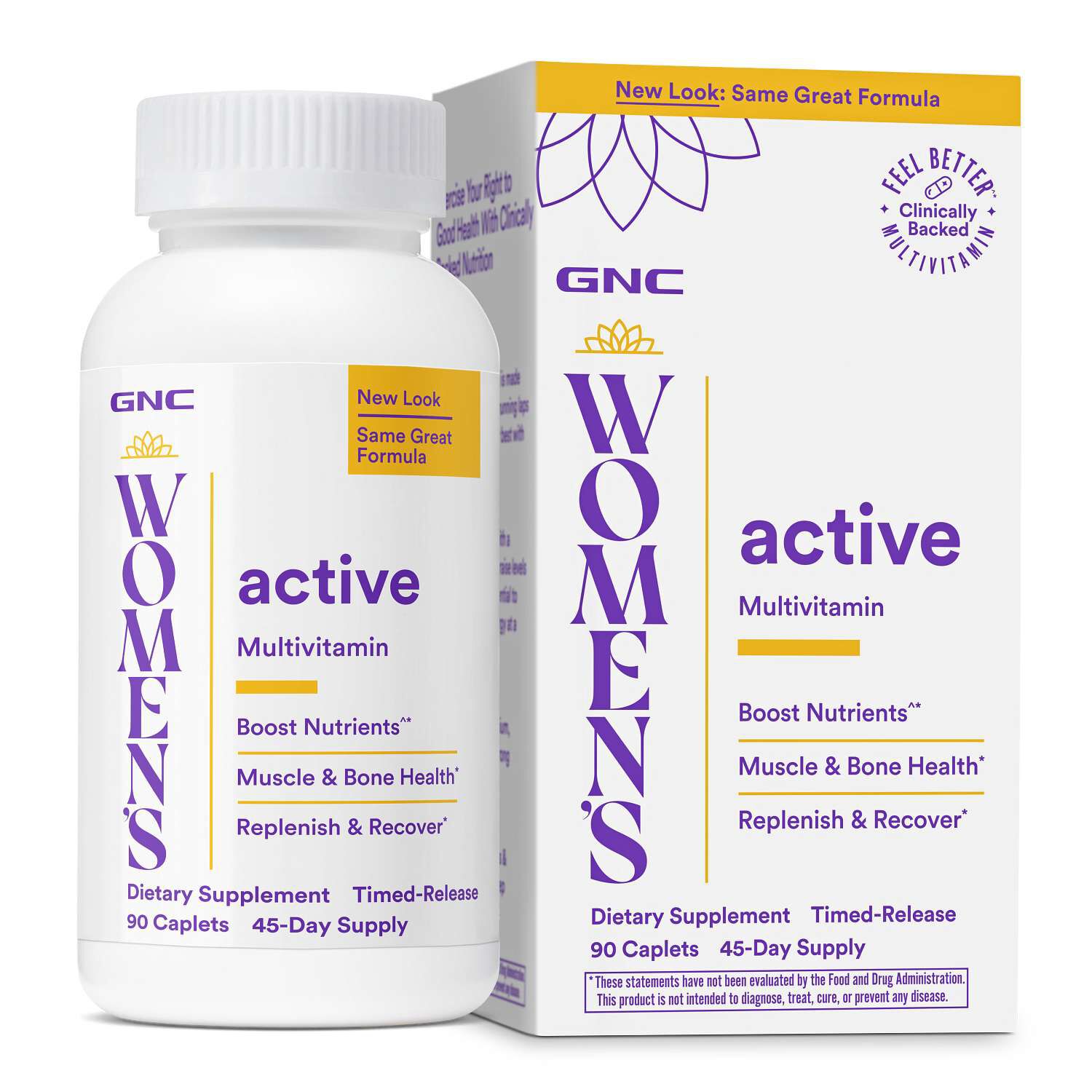


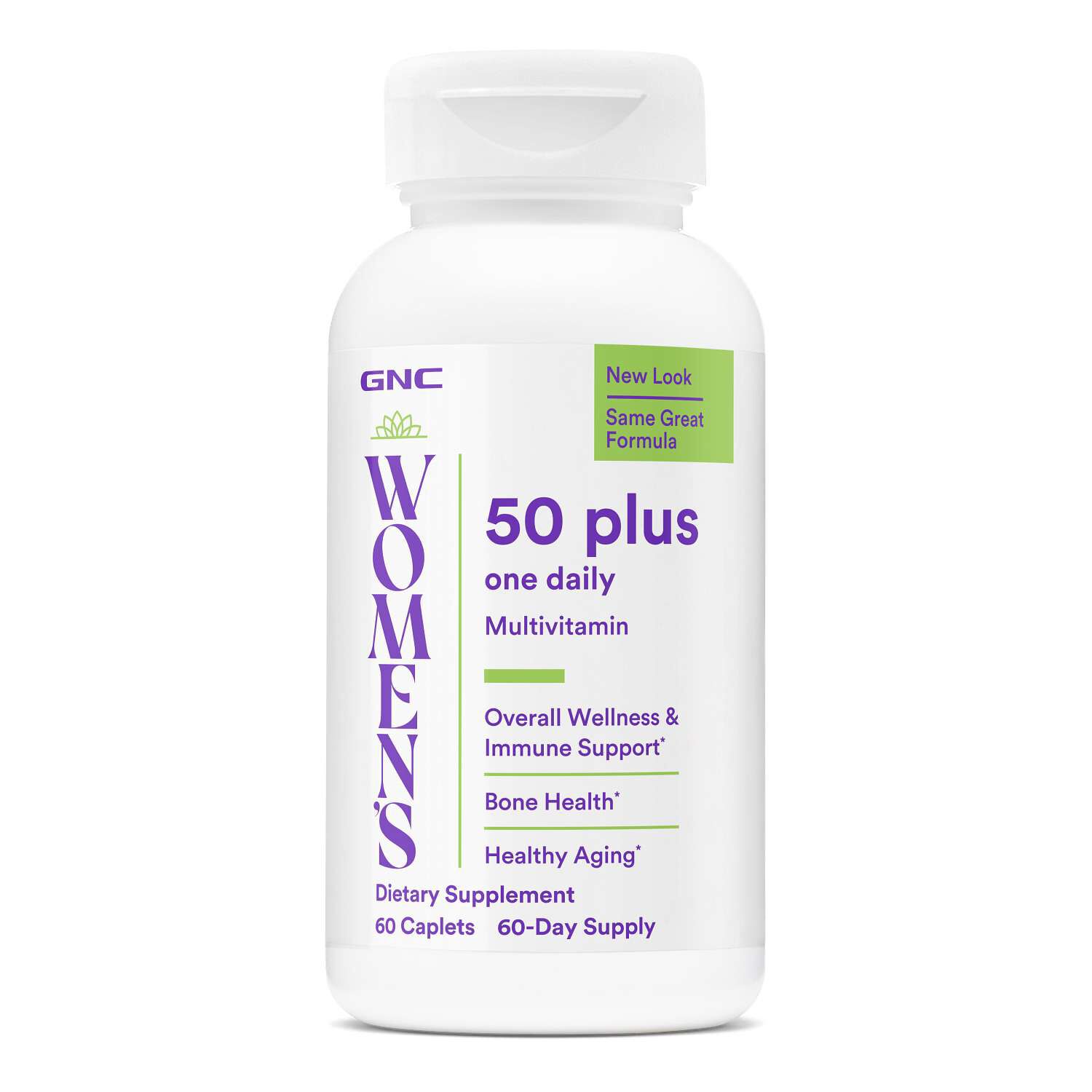
Multivitamins for women over 30 are dietary supplements that combine vitamins and minerals in formats designed for everyday routines. Depending on the formula, they may help complement dietary intake of nutrients such as vitamin D, calcium, iron, folate, and vitamin B12. These nutrients often appear in women’s multivitamins, but their amounts and combinations vary, so the category name alone does not describe everything inside the bottle. Some formulas include iron, while others omit it. Calcium content can differ considerably, and a multivitamin should not be assumed to contain the same amount as a separate calcium supplement. Folate may appear under names such as folic acid or methylfolate, while vitamin B12 may be listed as cyanocobalamin or methylcobalamin. Those ingredient names describe different forms rather than a universal ranking of formulas. Women’s multivitamins may also contain vitamins A, C, E, and K, along with minerals such as zinc, iodine, and selenium. The Supplement Facts panel identifies the nutrients, their amounts per serving, and their percentages of Daily Value. Those percentages provide a standardized reference for comparing labels, not a personalized assessment of someone’s diet. Food preferences give that comparison useful context: leafy greens and beans contribute folate, dairy foods and certain fortified beverages provide calcium, and vitamin B12 appears in animal-derived foods and some fortified foods. A daily menu built around home-cooked meals may look different from one shaped by early commutes, restaurant lunches, or frequent travel. Even among women of the same age, eating patterns and preferences can vary substantially. Multivitamins belong alongside that broader food picture, rather than standing in for the variety, texture, and nourishment of meals. For women in their 30s and 40s, the category offers a way to compare nutritional formulas without assuming that a birthday creates one uniform set of requirements.
Format is another meaningful distinction among multivitamins for women over 30, particularly when a supplement becomes part of a familiar breakfast or evening routine. Tablets have a compressed structure and may include a coating; capsules have a shell containing powdered or other prepared ingredients; and softgels generally have a flexible shell surrounding a liquid or oil-based filling. Size, shape, coating, and the number of pieces in a labeled serving all contribute to the everyday experience. A bottle labeled for daily use does not necessarily mean one tablet or capsule per serving. Gummies offer a chewable format, with differences in firmness, flavor, sweetness, and serving count. Their recipes may use gelatin or pectin, and the ingredient list identifies sweeteners, colors, flavors, and other components beyond the vitamins and minerals. A pleasant flavor does not describe nutrient content, just as a compact tablet does not reveal how many nutrients it contains. The Supplement Facts panel remains the reference point across formats. Vegetarian and vegan preferences also involve more than the word “capsule” or “gummy”: shell materials and the sources of certain nutrients can differ. Clearly stated dietary attributes and ingredient disclosures provide more useful detail than assumptions based on appearance. For shoppers with food-related preferences, information about milk, soy, wheat, or other ingredients may also be relevant to the comparison. Added botanical blends or other ingredients create further distinctions, but a longer ingredient list is not automatically a better match for a straightforward multivitamin routine. Some shoppers prefer a formula focused on vitamins and minerals, while others are interested in additional ingredients that are clearly identified on the label. Packaging descriptions, serving directions, and ingredient transparency help define what each format actually involves, from the texture of a chewable serving to the space a bottle occupies beside the breakfast dishes.
Everyday practicality extends beyond the formula to packaging, storage, and intended use. A multivitamin bottle may spend much of its time in a kitchen cabinet, while individually packaged servings may suit a travel bag or a desk drawer. The package’s labeled storage directions matter because heat, moisture, and light can affect ingredients and texture. A steamy bathroom, a sunny windowsill, or a parked car may not match those directions. Original packaging keeps the ingredient list, serving information, date markings, and storage details together, with the closure secured as directed and the contents kept out of children’s reach. Gummies and softgels may change texture under unsuitable conditions, while tablets and capsules also have storage requirements that deserve attention. Package durability is therefore a practical consideration, especially for a bottle that is handled every day or transported frequently. Serving count is another useful detail: the number of tablets, capsules, or gummies in a package is not always the number of daily servings. Directions about serving size and whether a formula is intended to accompany food also distinguish one routine from another. A breakfast at home, lunch packed for the office, or dinner after an evening walk creates different moments in which a labeled routine might fit. Activity interests do not necessarily change the basic shopping priorities of clear ingredients, understandable serving information, and a manageable format. Age-focused categories provide additional context, including Multivitamins For Active Women Over 50, which centers on a different age range and activity focus. That distinction underscores why age descriptions are a starting point for browsing rather than a substitute for reading the formula details. Within multivitamins for women over 30, meaningful differences come down to the nutrients included, their amounts and forms, the other ingredients, and how the labeled serving fits an established routine. Those concrete details give the category its useful variety, whether the preference is a simple capsule, a coated tablet, or a chewable format.
What are multivitamins for women over 30?
Multivitamins for women over 30 are dietary supplements that contain a blend of vitamins and minerals, often formulated with nutrients that may be relevant as women age.
How do multivitamins for women over 30 differ from general multivitamins?
Multivitamins for women over 30 often include nutrients that may be important for women as they age, such as calcium, vitamin D, and B vitamins, in amounts tailored to this life stage.
When is a good time to take a multivitamin for women over 30?
Many people choose to take their multivitamin with a meal, as this might help with absorption of certain nutrients. However, it's always best to follow the instructions on the product label.
Can multivitamins for women over 30 be taken with other supplements?
Some individuals choose to combine multivitamins with other supplements. Reviewing all supplement labels and consulting with a healthcare provider if you have questions about combining products may be helpful.
What ingredients are commonly found in multivitamins for women over 30?
Common ingredients may include vitamins A, C, D, E, K, B vitamins, calcium, magnesium, zinc, and sometimes additional nutrients like biotin or folic acid.
Best Sellers
Related Pages
Top Collections
- Daily Collagen Supplements | Top Brands & Deals | GNC
- Joint Mobility Supplement Packs
- Zinc Supplements | Top Brands at Great Prices | GNC
- GLP 1 Support For Adults
- Supplements For Yoga Joint Flexibility
- Supplements For Balance
- Capsule Supplements For Energy And Stamina
- Adult Mobility Supplements
- Chronic Fatigue Supplements
- Vitamins For Hair Loss