





Muscle Toning Powders
(0 Results)
Unlock the potential of your fitness journey with muscle toning powders, designed to complement your workout regimen and support your body's goals. These specialized powders could offer a convenient way to incorporate important nutrients into your diet, potentially aiding in muscle definition and overall performance. Whether you're hitting the gym or enjoying an active lifestyle, muscle toning powders might provide the nutritional support needed to help you achieve a more sculpted physique. Explore a variety of options to find the perfect addition to your fitness routine.


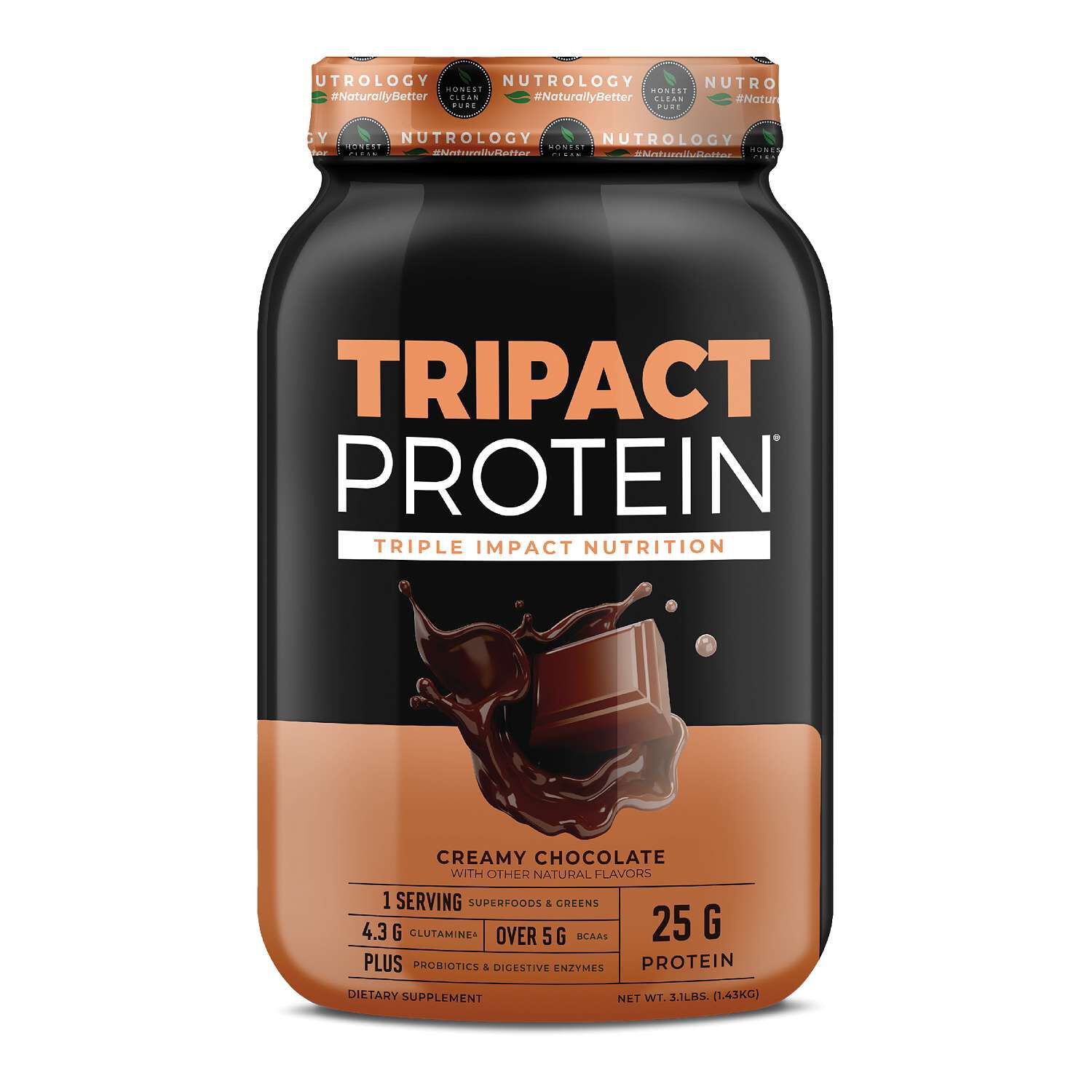

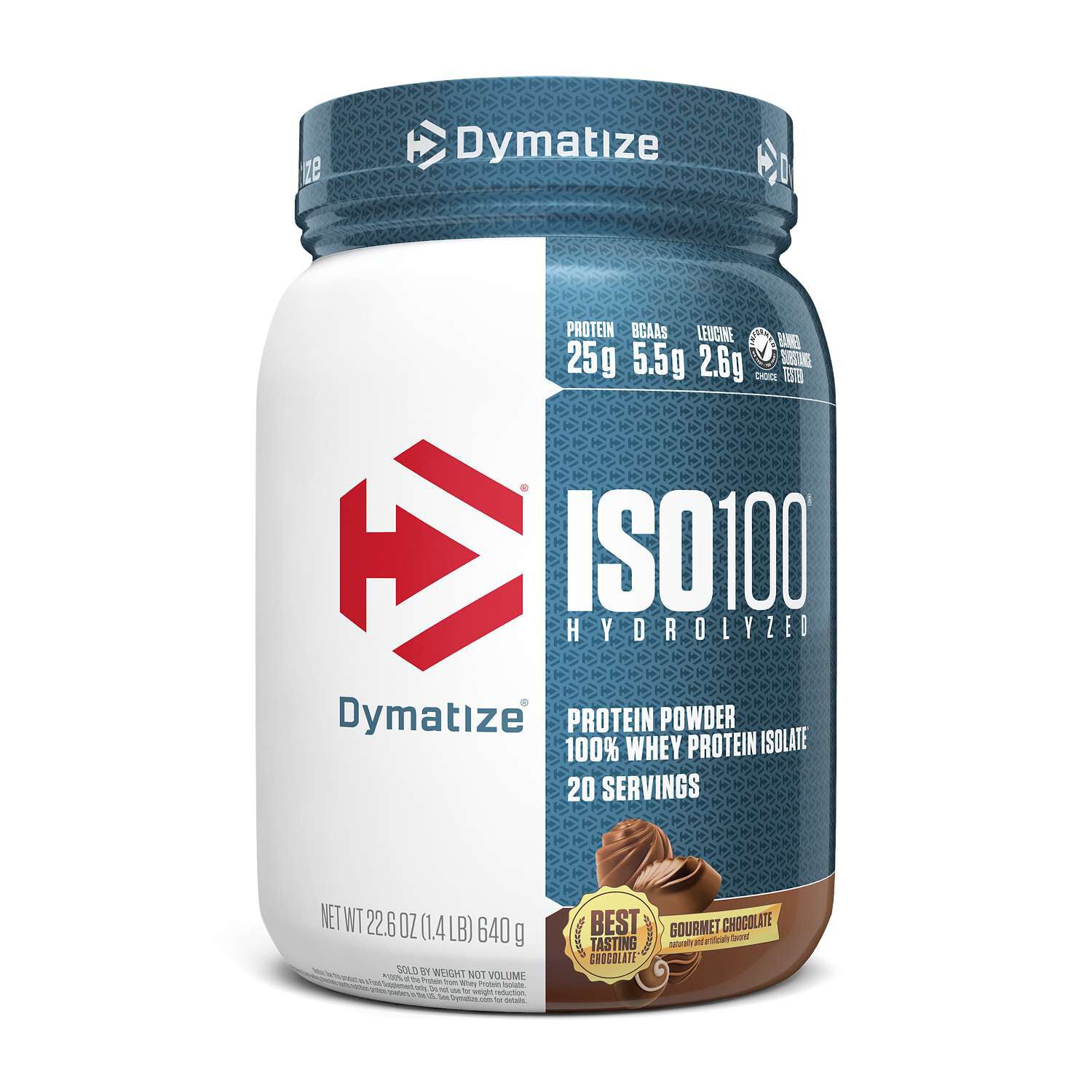
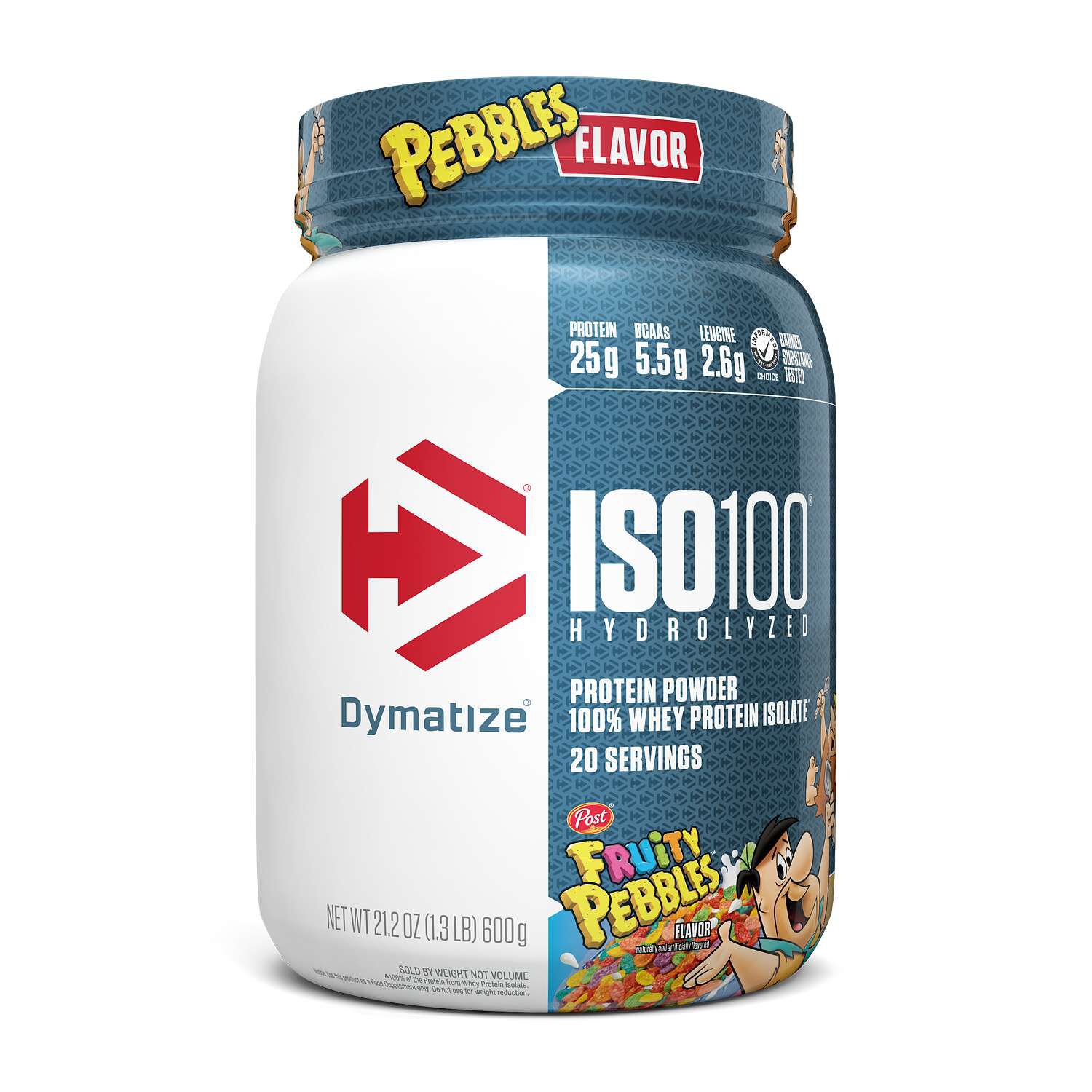
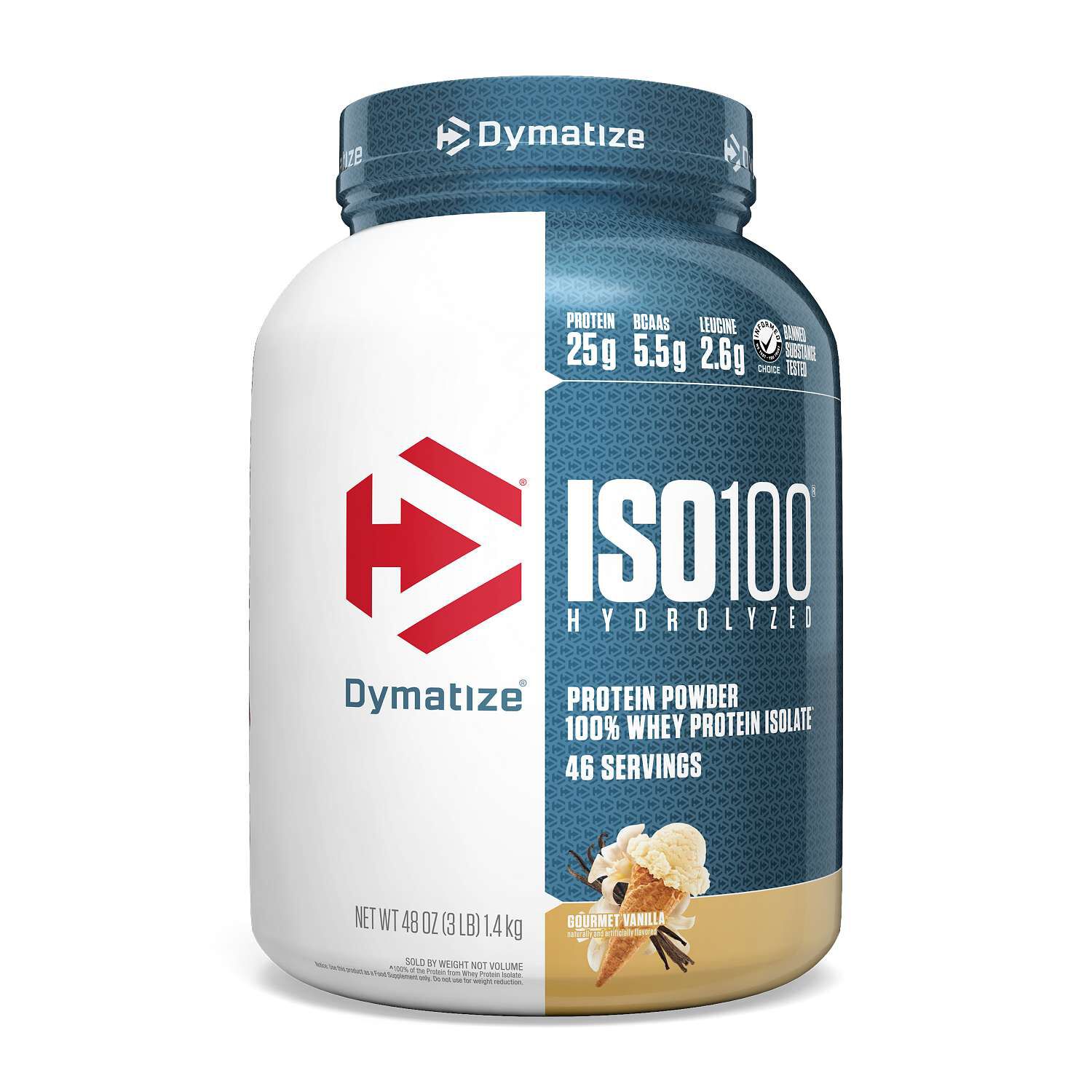

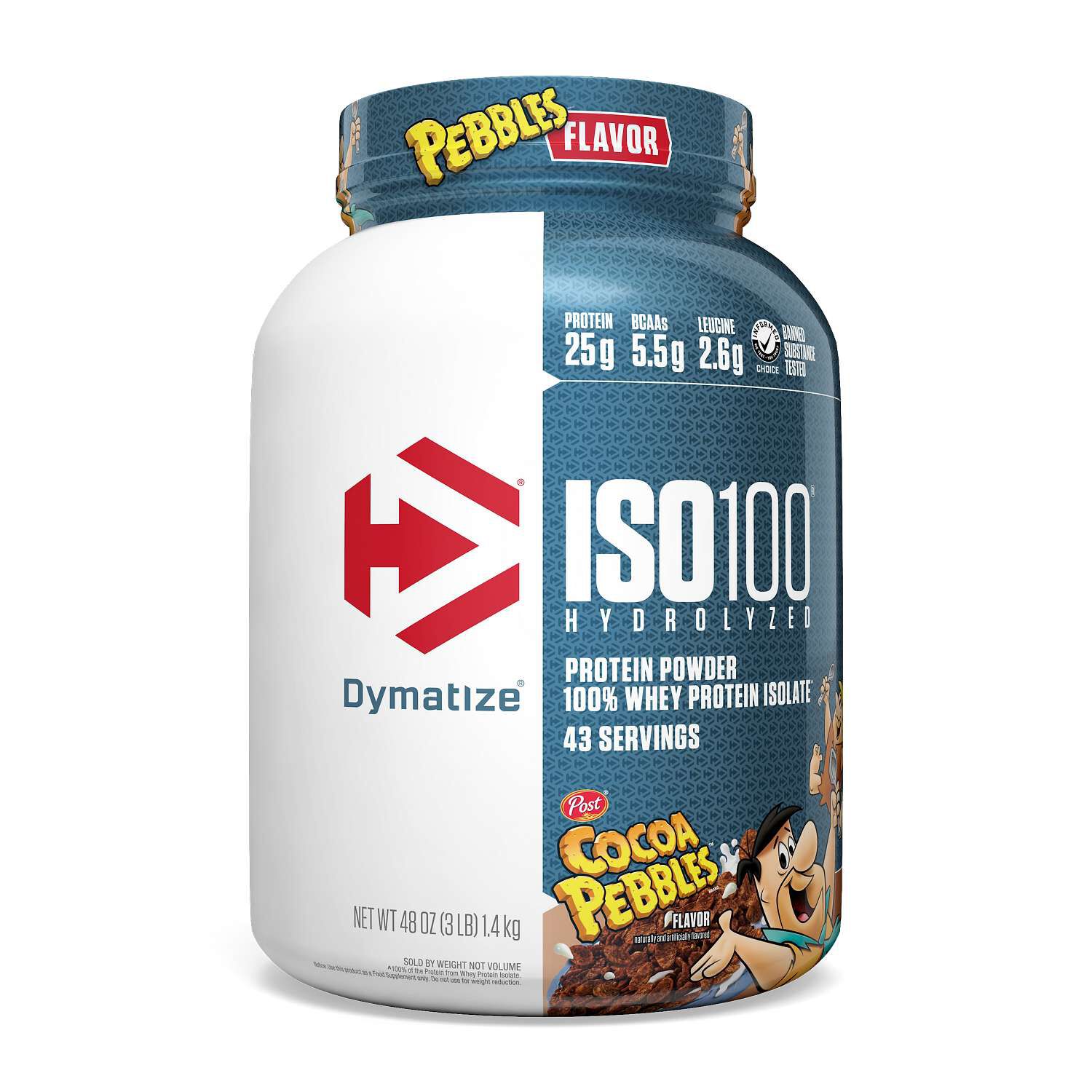
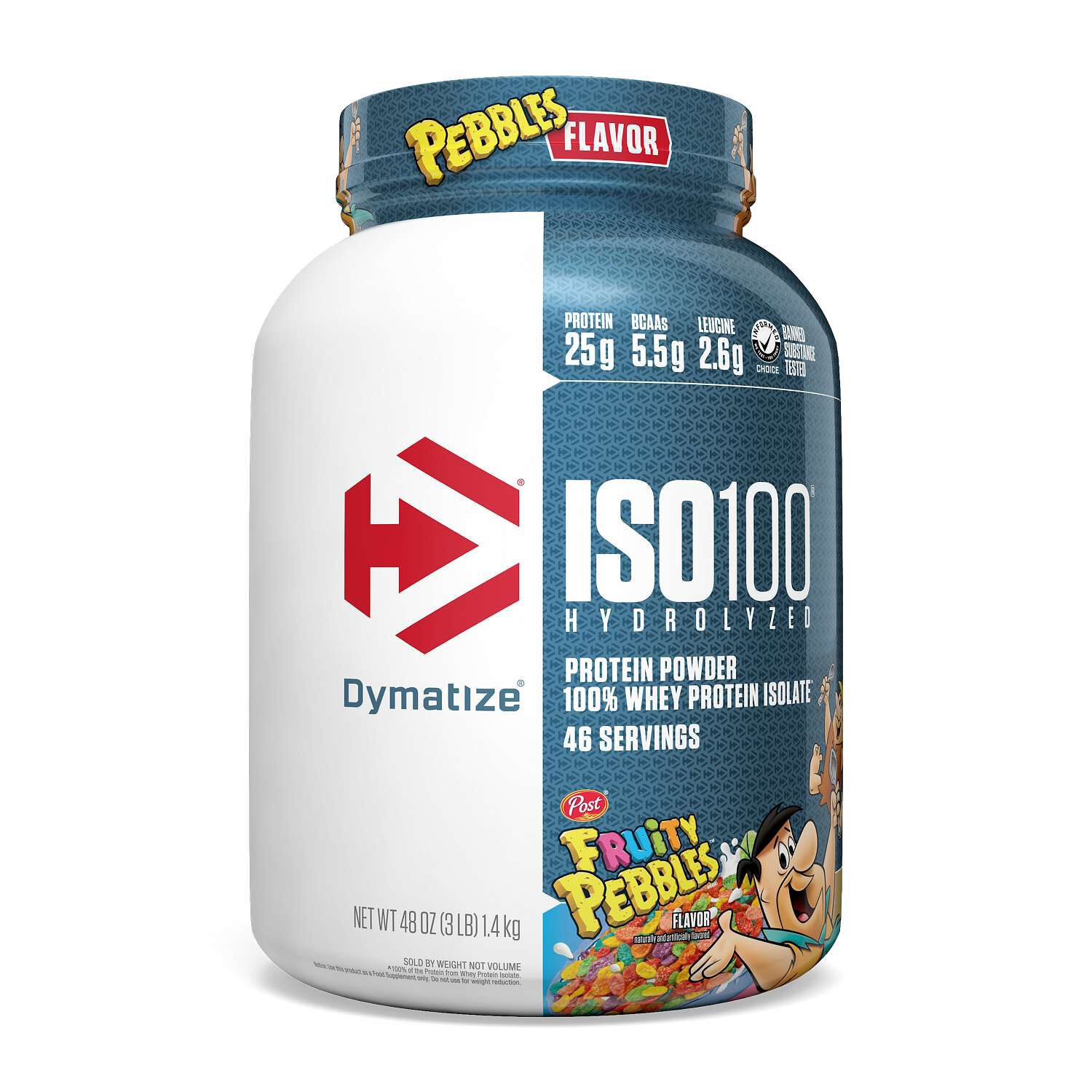
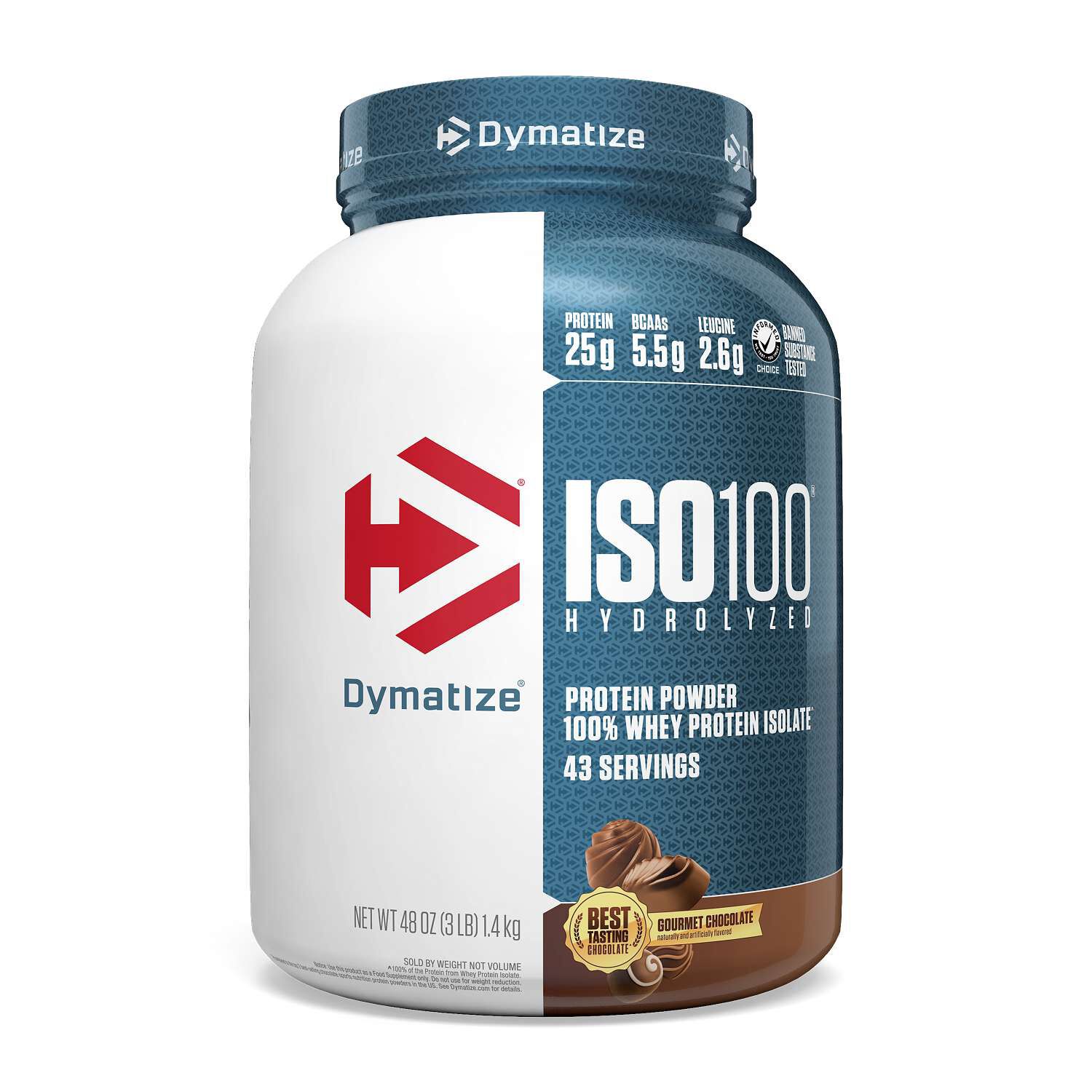
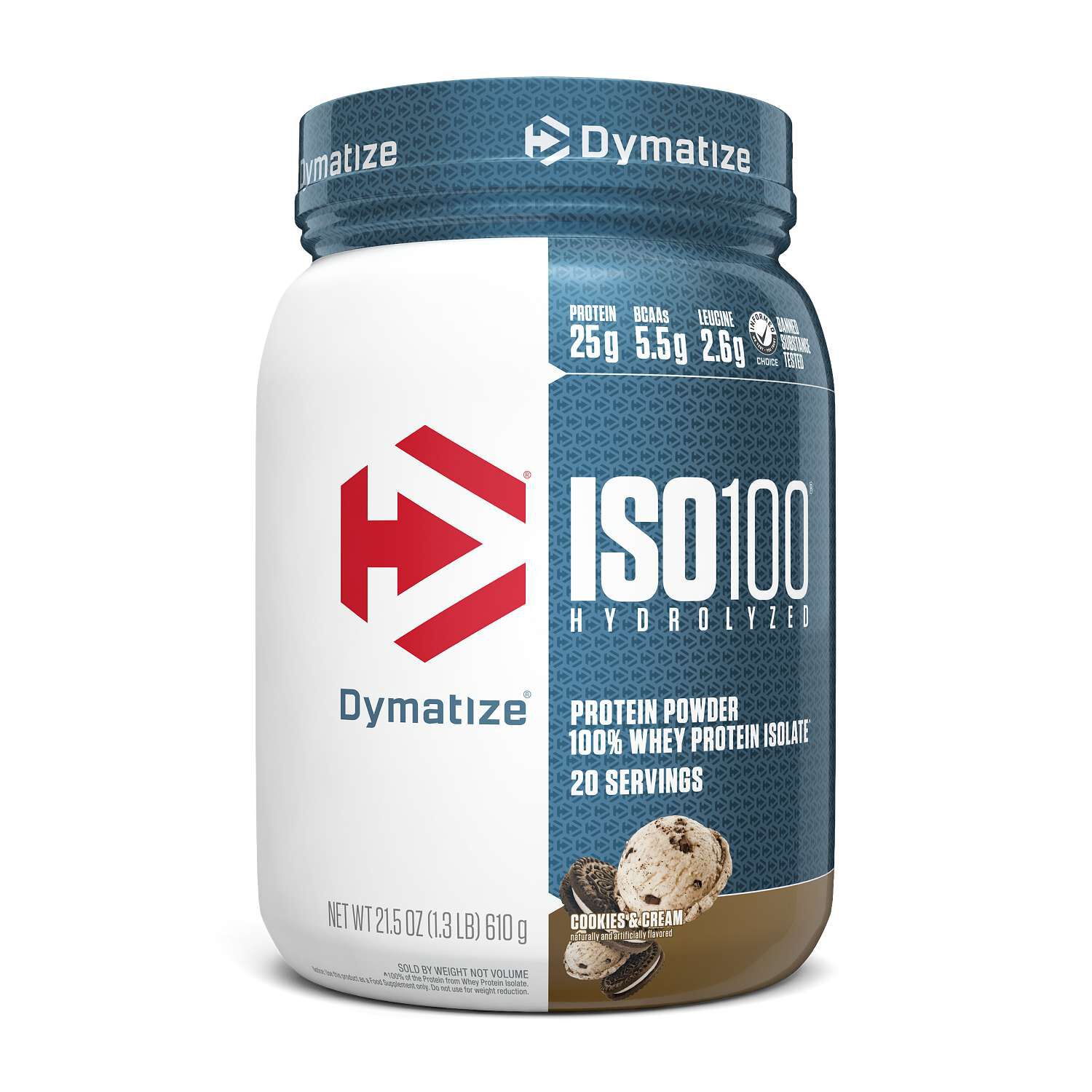


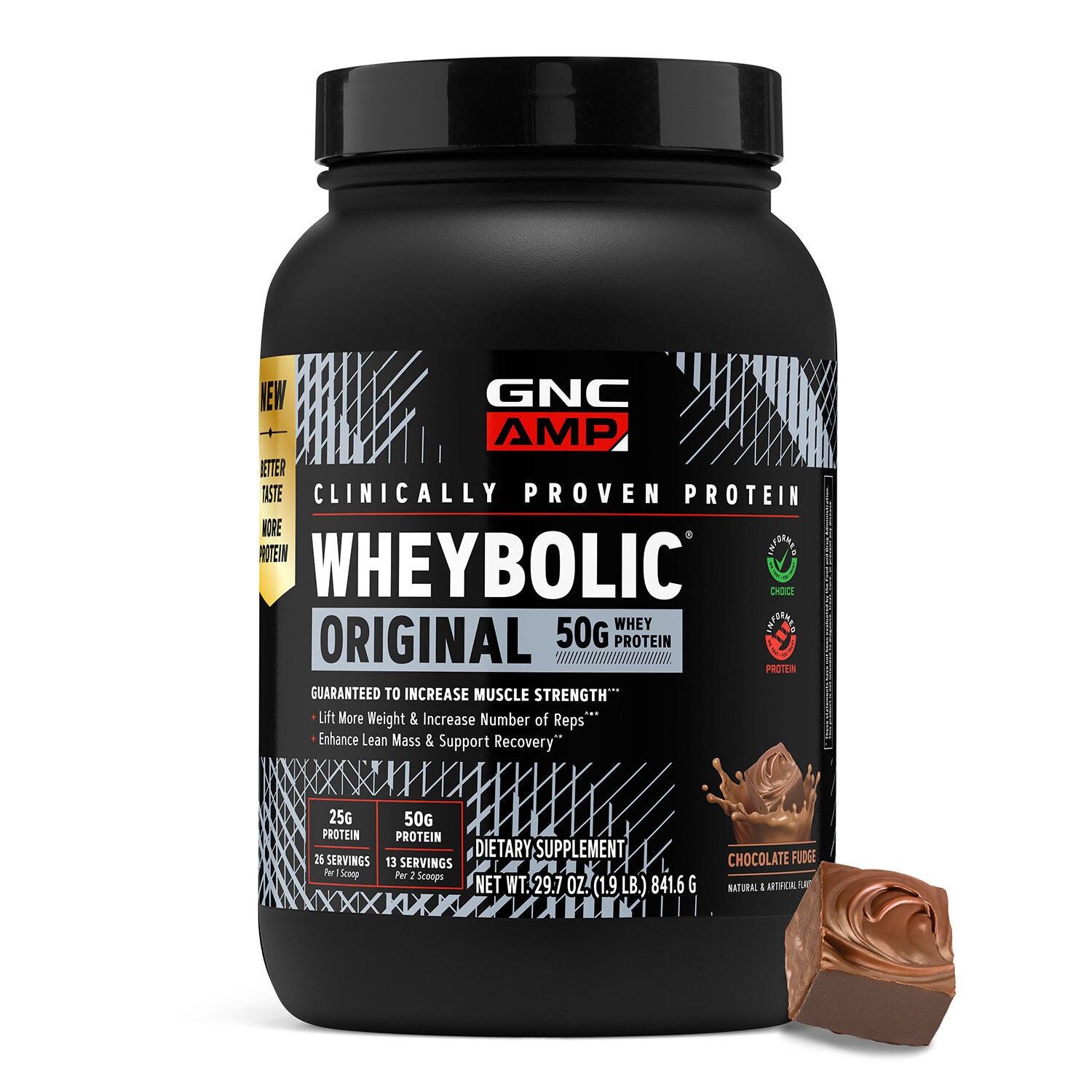


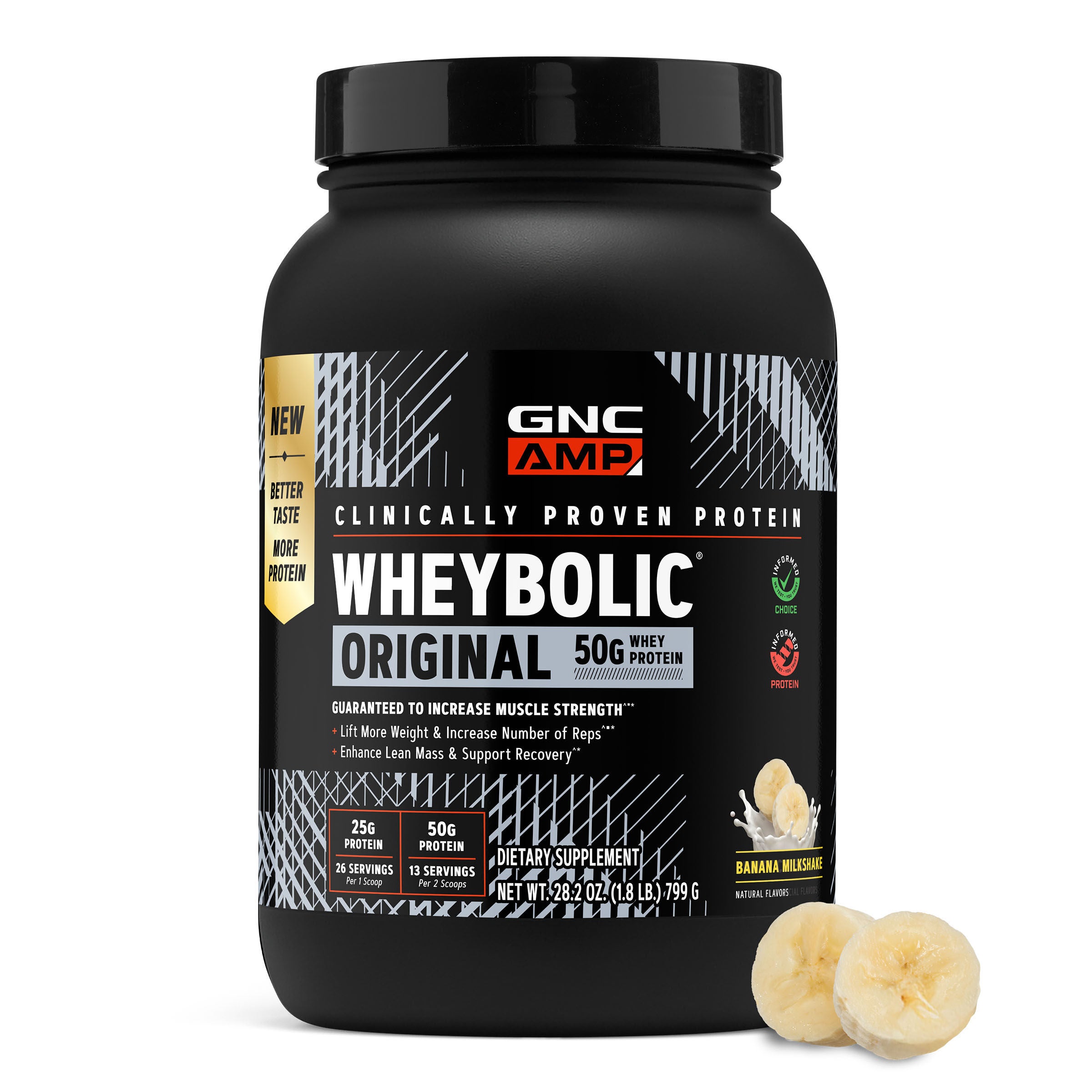

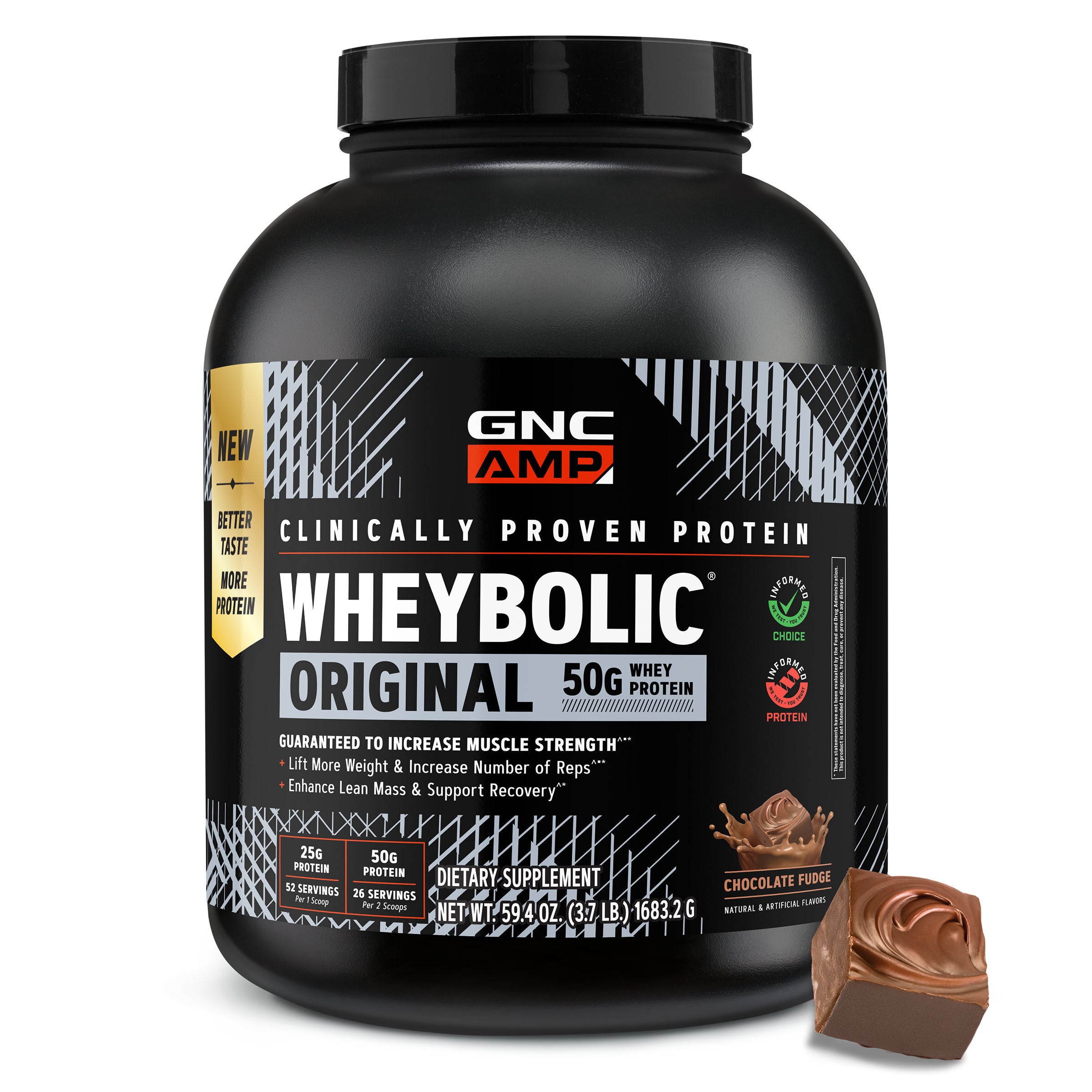
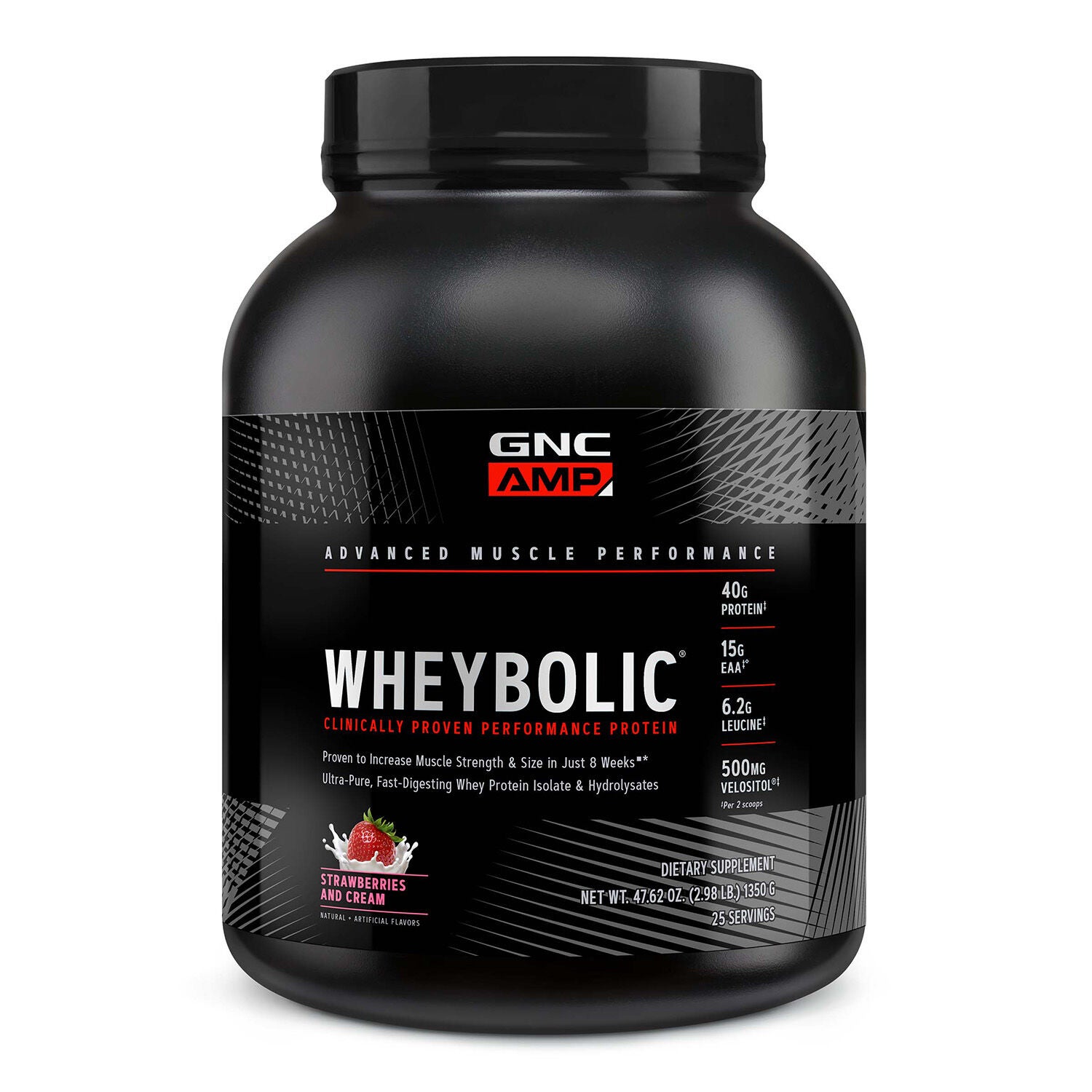
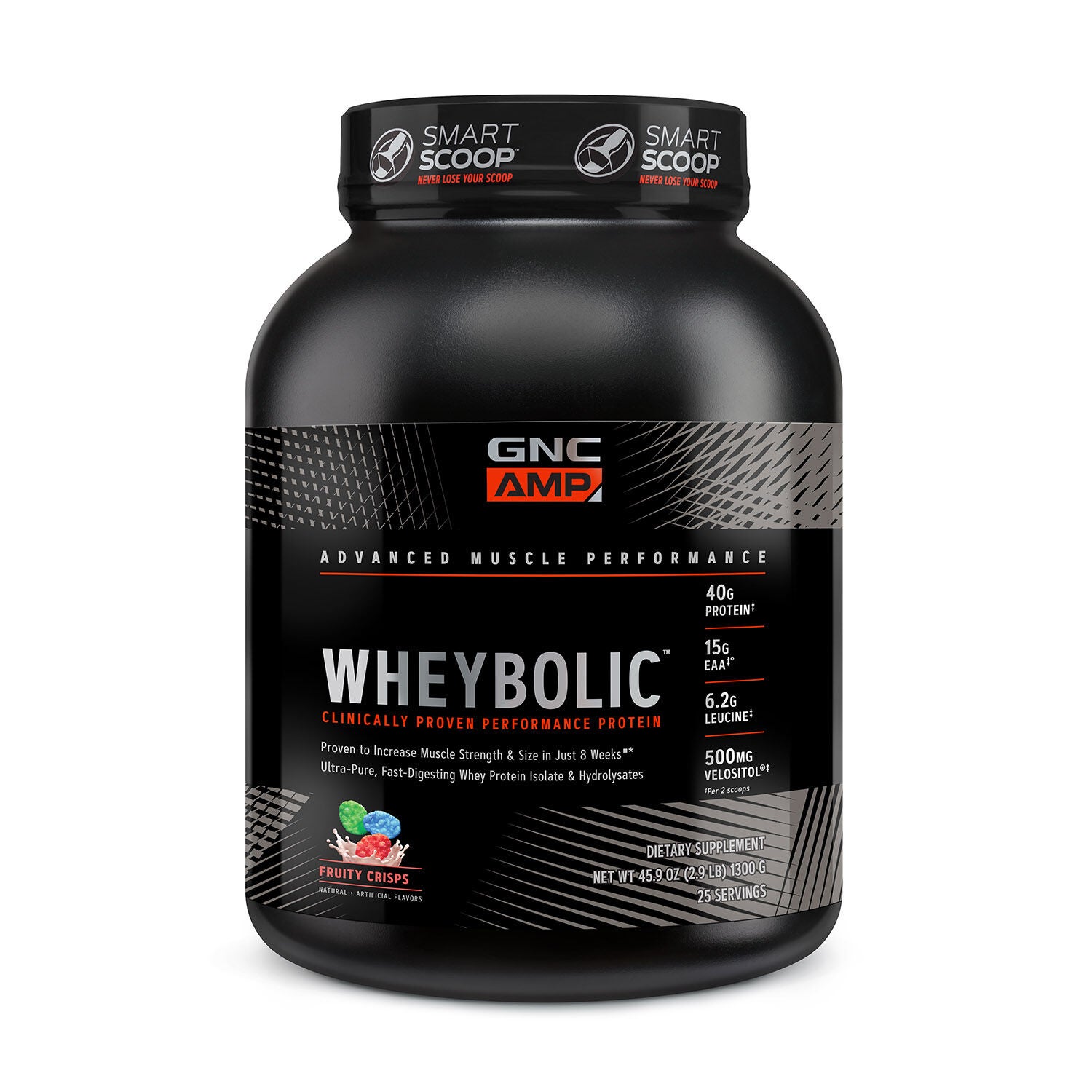
Muscle toning powders are powdered supplements, including protein powders, creatine powders, and workout blends, that may support muscle development, strength, or recovery when paired with resistance training and consistent eating habits. “Toning” describes a fitness goal rather than a standardized supplement formula, so products grouped under this term may have different ingredients and intended uses. Protein powders center on dietary protein, while creatine powders and other workout blends serve different purposes within a training routine. For someone working toward a more defined appearance, that distinction matters more than a flavor name or an athletic-looking container. A protein shake may help supplement everyday protein intake, particularly when a busy schedule leaves little time between a workout and the next meal. Whey, casein, egg, soy, pea, and rice are common protein sources, each with its own ingredient profile and preparation characteristics. Whey concentrate and whey isolate are both milk-derived, though their protein concentration and amounts of lactose and fat may differ by formula. Casein powders often have a thicker consistency, while plant-based blends may combine several sources with different amino acid profiles. Ingredient preferences are personal: one shopper may favor a short ingredient list and an unflavored powder for oatmeal, while another may prefer a chocolate shake mixed with water after lifting. Milk, soy, and other declared allergens deserve attention, as do sweeteners and ingredients that affect texture. The amount of protein per serving, the serving size, and the grams of added sugar provide more useful context than the size of the scoop alone. Calories also vary, especially between a straightforward protein powder and a blend containing substantial carbohydrate or fat. Comparing those details helps distinguish a powder intended to supplement a meal from one designed around a larger shake. These differences are relevant to new gym members, experienced lifters, and people returning to a regular exercise routine, even when their preferred flavors or training schedules look very different. The most relevant comparison is between formulas with a similar purpose, rather than between every powder in the same category.
Creatine is another common ingredient in muscle toning powders, but it is not a protein source. Creatine monohydrate is a widely studied form that may support performance during repeated, short bouts of high-intensity exercise, such as lifting weights or sprinting. Alongside resistance training, creatine supplementation may also support gains in muscle strength and lean mass. Those potential effects are different from the role of protein powder, which may help provide amino acids used in muscle maintenance and repair. Some workout powders combine creatine with amino acids, carbohydrates, caffeine, or other ingredients, so the front-of-container description tells only part of the story. A blend labeled for use before exercise may have a very different composition from a plain protein powder or an unflavored creatine powder. Caffeine content is particularly relevant to shoppers who prefer an evening workout or who already drink coffee throughout the day. Someone who wants a straightforward addition to an existing shake may prefer a single-ingredient format, while someone who enjoys a flavored workout drink may be interested in a blend with clearly listed ingredient amounts. Neither format is automatically a better match for every routine. The Supplement Facts or Nutrition Facts panel, ingredient list, and labeled directions give context for comparing them. Separate powders also make it easier to distinguish how much of each ingredient a serving contains, whereas a combined formula puts several ingredients into one measured portion. When several supplements share ingredients, the combined amounts warrant attention rather than treating each container as unrelated. Categories such as Strength Powders offer another way to browse products associated with resistance-training goals, with the same need to distinguish protein, creatine, and multi-ingredient formulas. A recognizable ingredient name is useful, but its amount per serving and place within the full formula are equally relevant. Expectations should remain grounded in the product’s intended use: powders may complement training and food choices, rather than stand in for either. A lifting routine, regular meals, and adequate rest remain meaningful parts of the broader fitness picture.
Taste, texture, and preparation are practical considerations for a powder used several times a week. A lightly flavored option may suit a simple shaker bottle, while a richer vanilla or chocolate formula may fit a blended drink with fruit, oats, or yogurt. Unflavored does not necessarily mean tasteless; milk-derived and plant-derived ingredients have their own characteristics, and the liquid used for mixing changes the finished drink. Water generally produces a lighter shake, while milk or a plant-based beverage changes its texture and nutrient content. Some powders disperse readily with shaking, while others have a thicker or grainier feel, particularly in smaller amounts of liquid. A blender offers a different preparation experience from a shaker, especially when other foods are included. For someone heading from the gym to work, a measured portion carried in a separate dry compartment may be more practical than transporting a prepared shake for hours. At home, a powder that mixes into yogurt or a breakfast bowl may suit a routine built around meals rather than drinks. Preparation directions matter because scoop sizes, suggested liquid amounts, and serving sizes differ across formulas. Container design and storage also affect everyday use: a resealable pouch needs a secure closure, and a tub needs a clean rim and a firmly fitted lid. Keeping the scoop dry and following the labeled storage instructions may help preserve the powder’s intended texture and quality. The printed date and any directions for use after opening provide a better reference than appearance alone. Prepared shakes require the same attention to refrigeration as other perishable foods containing similar ingredients. For a shared household, clear labeling and separate scoops may help keep different formulas organized. A gift recipient’s established ingredient preferences and familiar flavors are more useful starting points than assumptions about appearance or fitness goals. Across these choices, a muscle toning powder may fit most naturally when its ingredients, serving format, and preparation requirements align with the way someone already eats and trains.
Best Sellers


Related Pages


Top Collections
- Joint Mobility Supplement Packs
- Daily Collagen Supplements | Top Brands & Deals | GNC
- Supplements For Yoga Joint Flexibility
- Zinc Supplements | Top Brands at Great Prices | GNC
- Supplements For Balance
- Capsule Supplements For Energy And Stamina
- Chronic Fatigue Supplements
- Adult Mobility Supplements
- Vitamins For Hair Loss
- Blood Pressure Support Supplements