





Mushroom Nutrition
(0 Results)
Mushroom nutrition has captured the attention of wellness enthusiasts seeking new ways to support their daily routines. From capsules to powders and blends, these mushroom-inspired options may offer a convenient addition to your supplement lineup. Explore a variety of products designed to fit seamlessly into your lifestyle while tapping into the potential benefits that mushroom nutrition could provide.
-
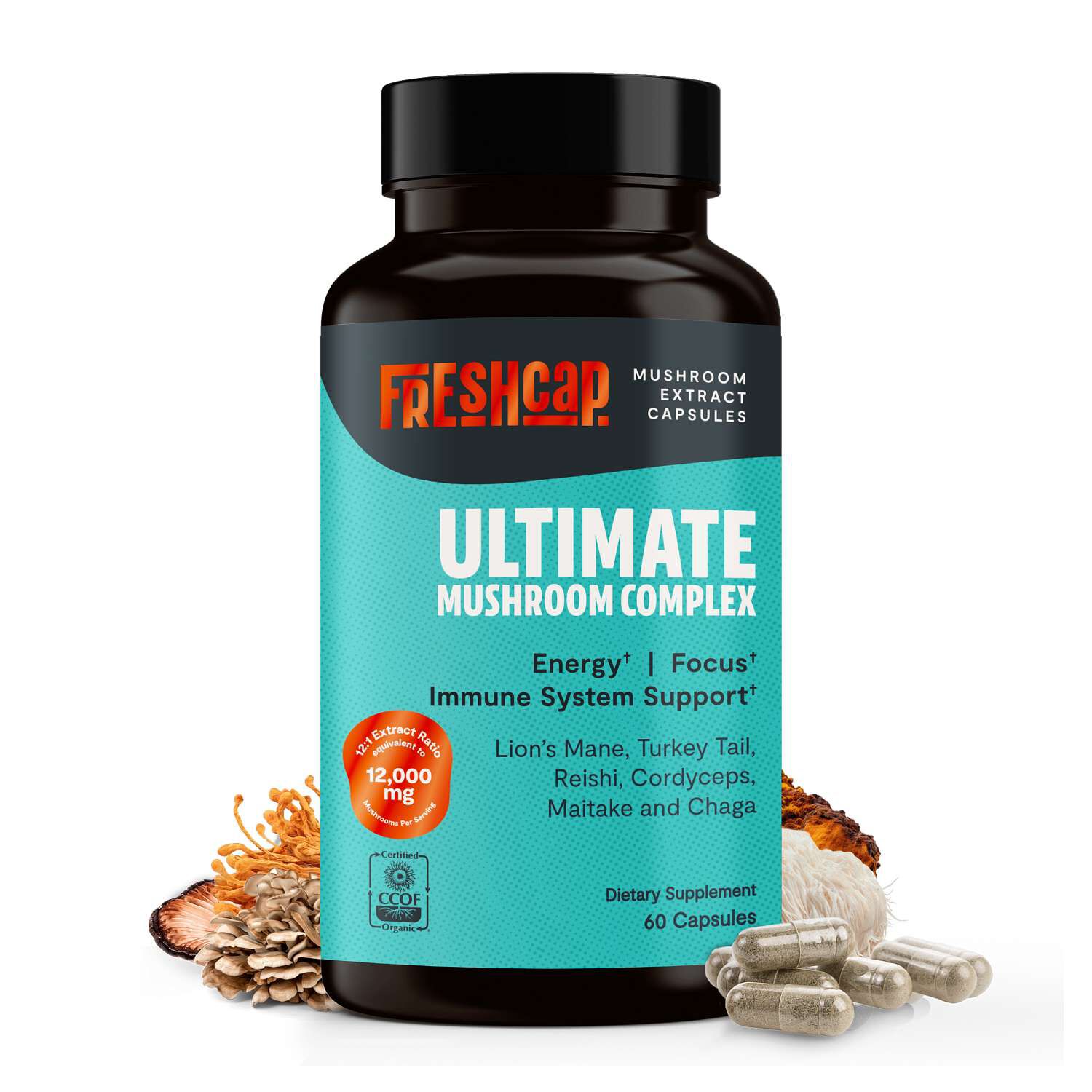
-

-

-

-

-

-

-
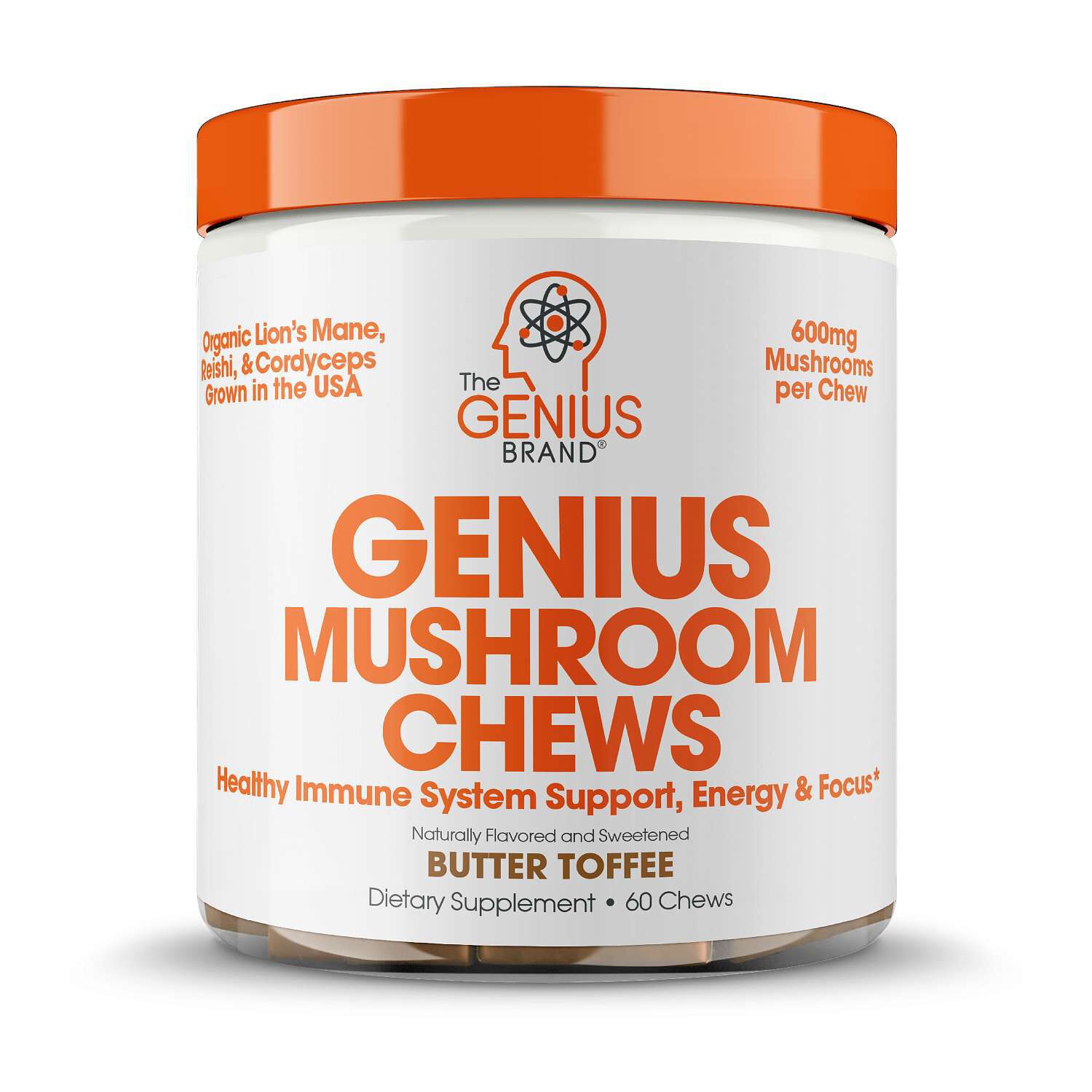 The Genius Brand$29.99
 -
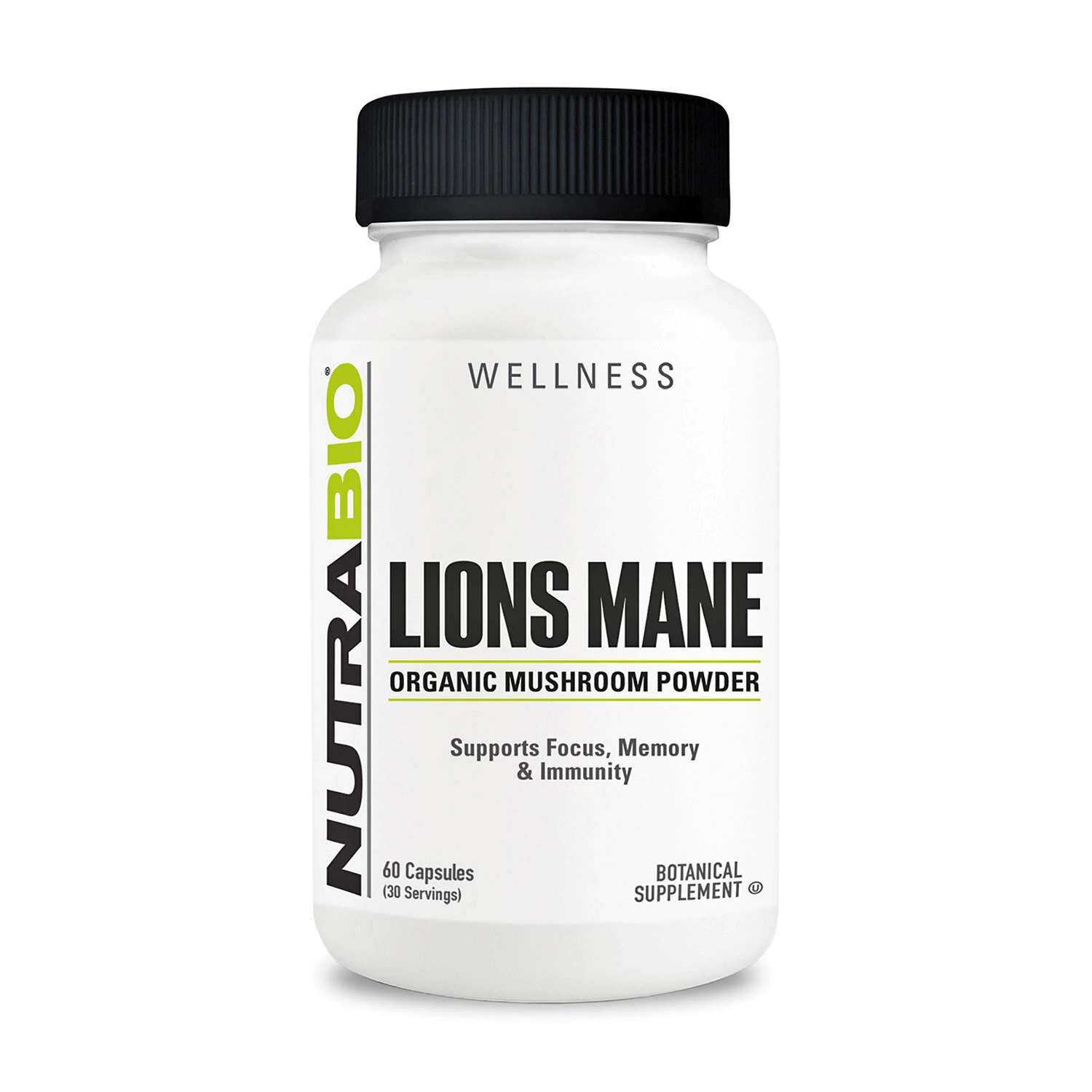 $24.99
 -
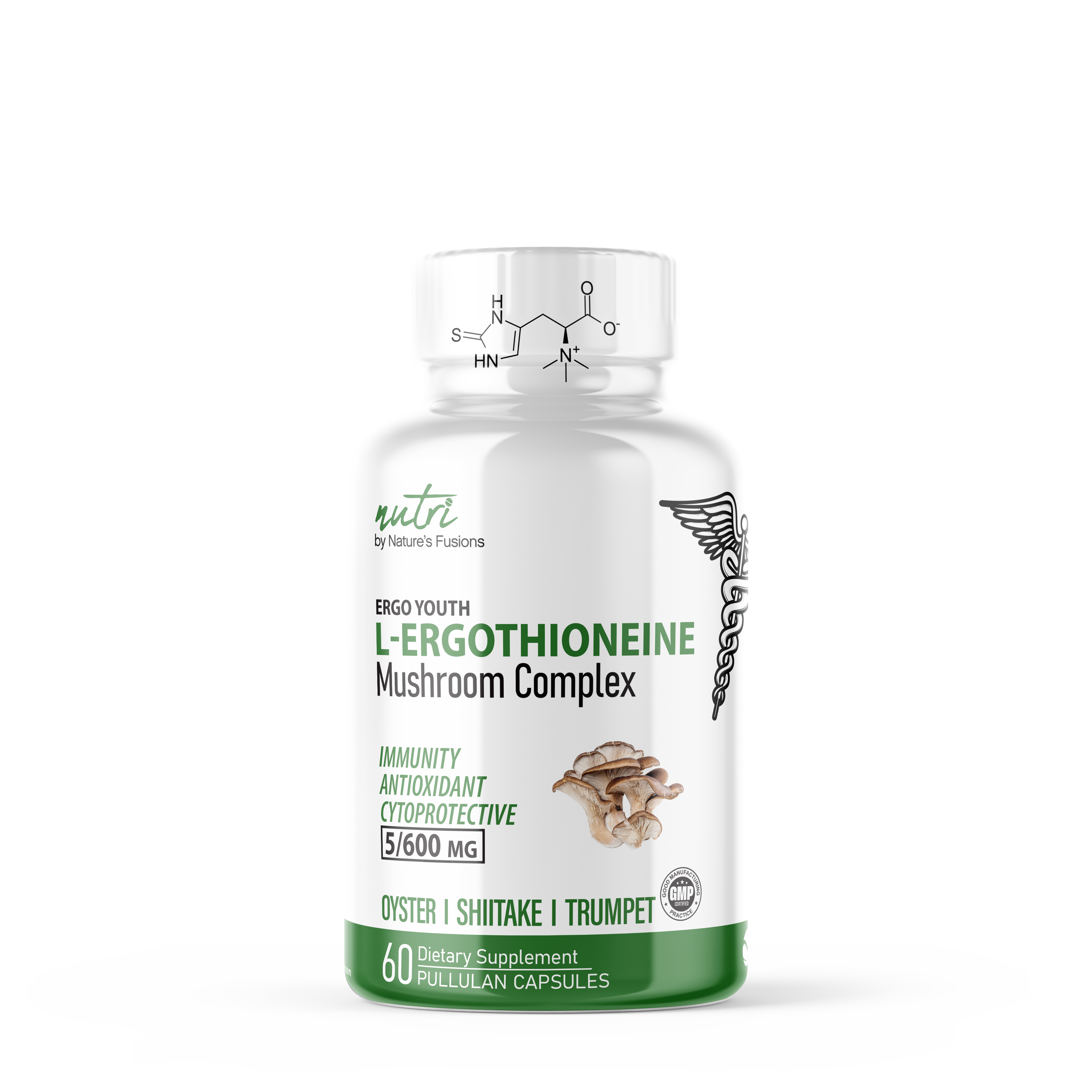 Nature's Fusions$32.99
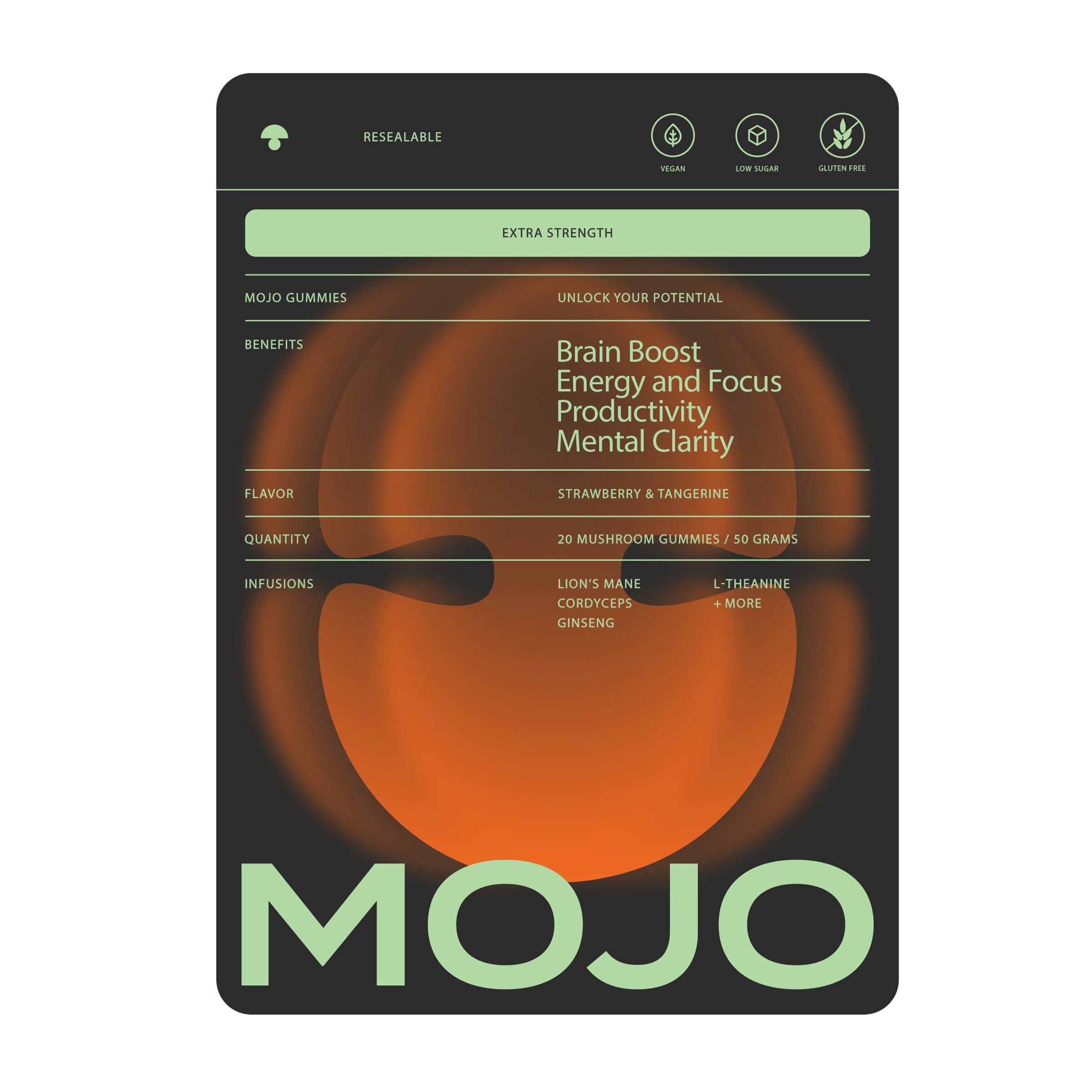
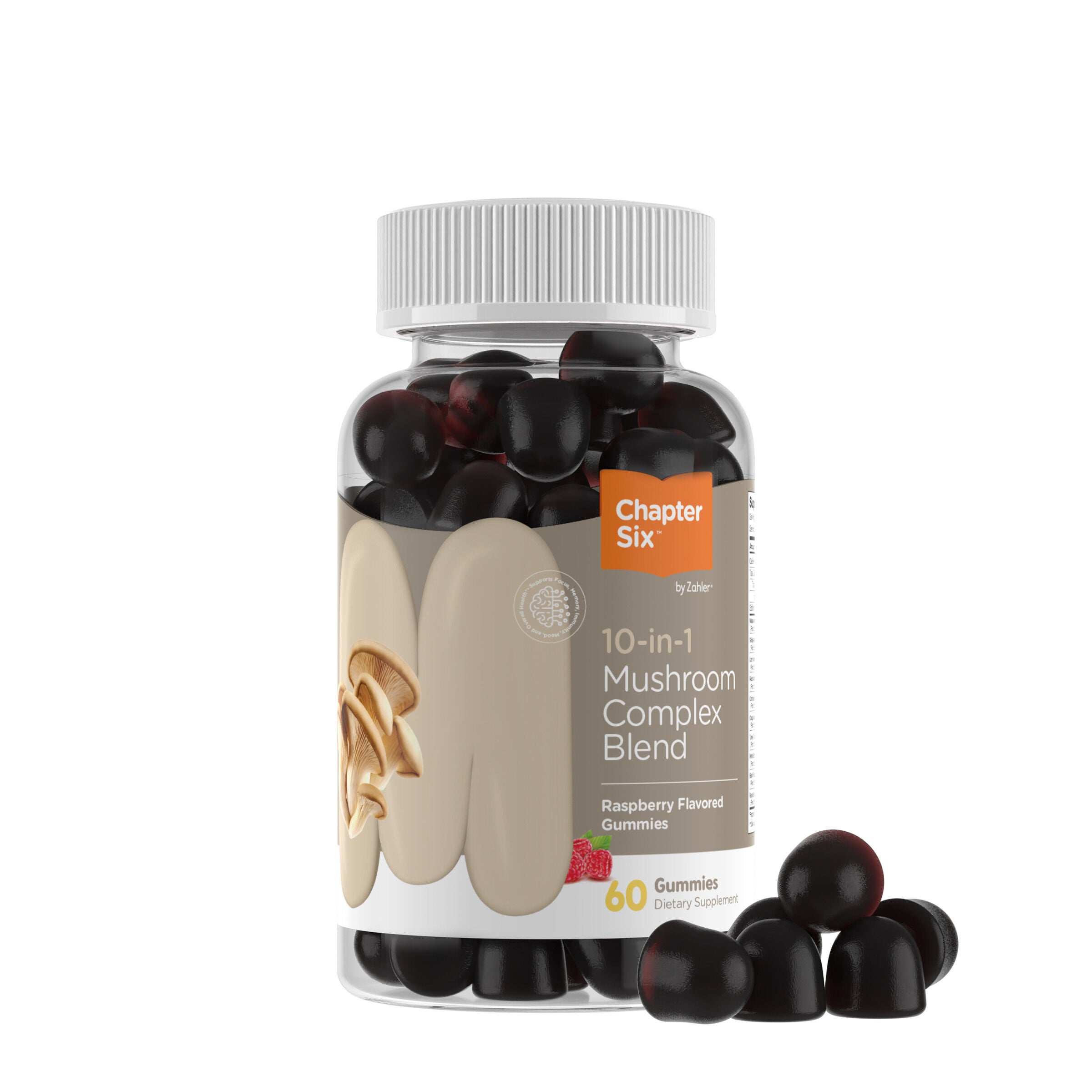
Mushroom nutrition brings together the familiar food value of edible mushrooms and the convenience of mushroom powders, blends, and capsules. The distinction matters: a serving of fresh mushrooms, a spoonful of dried mushroom powder, and a measured mushroom extract are different forms with different nutritional profiles. As a food reference, about 100 grams of raw white button mushrooms contains approximately 22 calories, 3 grams of protein, 3 grams of carbohydrate, 1 gram of dietary fiber, and less than half a gram of fat. That weight is roughly equivalent to one and a half cups of sliced raw mushrooms, depending on how they are cut and packed. Edible mushrooms also contain varying amounts of B vitamins, including riboflavin, niacin, and pantothenic acid, along with minerals such as copper and selenium. Vitamin D content depends on the mushroom variety and growing or processing conditions; exposure to ultraviolet light can increase vitamin D in mushrooms, but the amount is not consistent across all mushroom foods or supplements. These food-based figures provide useful context, not a nutritional estimate for every mushroom formula. Drying removes water, extraction selects certain constituents, and blending introduces other ingredients, so the label on a finished product is the relevant reference for its serving size and declared nutrients. A small capsule serving should not be treated as nutritionally equivalent to a plate of mushrooms. Likewise, a powder containing mushrooms alongside cocoa, grains, or other ingredients has a different composition from a powder made only from dried mushrooms. For anyone browsing mushroom supplements with food nutrition in mind, the most useful distinction is between a product’s mushroom content and the nutrients it actually declares. The word “mushroom” alone does not establish a meaningful amount of protein, fiber, vitamins, or minerals. Looking at the serving information alongside the ingredient list gives a clearer picture of what each format contributes to an everyday eating routine.
Format is often the practical starting point when comparing mushroom nutrition products. Powders suit routines built around mixing and measuring, whether that means stirring a labeled serving into oatmeal or adding it to a beverage when the package directions allow. Capsules offer a measured format without adding mushroom flavor or texture to food. Blends bring several ingredients into the same serving, making the full ingredient list particularly important for shoppers who prefer a straightforward mushroom formula or want to avoid an ingredient that does not fit their eating preferences. Mushroom ingredients may come from fruiting bodies, the recognizable structures commonly associated with mushrooms, or mycelium, the branching network through which a fungus grows. Some formulas identify both the source material and how it was processed. Whole mushroom powders and extracts are not interchangeable terms: a whole powder generally consists of dried, milled mushroom material, while an extract is produced through additional processing to collect selected components. An extraction ratio describes a manufacturing relationship rather than providing a nutrient amount or proving a particular outcome. When a label lists beta-glucans, those are a group of naturally occurring polysaccharides found in fungal cell walls; a stated amount provides more specific composition information than a broad reference to mushroom content. For blended formulas, individual ingredient amounts may or may not be listed separately, so a combined serving weight does not necessarily reveal the quantity of each mushroom ingredient. Shoppers interested in powders with several components can explore Mushroom Powder Blends For Balanced Nutrition while considering how the ingredient list matches their preferred foods and beverages. Other details worth comparing include the serving measurement, servings per container, capsule shell material, added sweeteners, flavorings, and any stated dietary certifications. These specifics help distinguish products that otherwise look similar by name. For someone following a plant-based eating pattern, for example, both the mushroom ingredients and the capsule shell or supporting ingredients matter. A familiar format and a clearly described formula often make comparison more manageable than broad front-label language alone.
Everyday fit also depends on taste, texture, preparation, and storage. Mushroom powders vary from mild and earthy to distinctly savory or bitter, depending on their ingredients and processing. An unflavored powder still has its own character; “unflavored” does not necessarily mean that it disappears into a glass of water. In a kitchen where breakfast usually means warm oats, cocoa, or a smoothie, a powder intended for mixing may fit more naturally than it would in a routine centered on eating on the go. During cooler weather, a mug and a small whisk offer a familiar setting for a beverage-compatible blend, though the preparation directions remain important because not every formula is intended for hot liquids. Fine particles can settle, and some powders disperse rather than dissolve, leaving a texture that differs from instant coffee or a clear drink mix. Mixing with a small amount of liquid first may make a powder easier to distribute before adding the rest, when consistent with package instructions. A dry measuring utensil, a firmly closed lid, and storage away from steam help limit moisture exposure. Containers kept beside a kettle or above a dishwasher encounter different conditions from those stored in a cool, dry cabinet. The printed storage directions and date markings are useful references for product care, while intact seals and packaging designed to close securely matter for both tubs and bottles. For people carrying a supplement to work or packing for a weekend away, container size and clear serving instructions are practical considerations; keeping the original labeling accessible preserves the ingredient and use information. Mushroom nutrition products can appeal to shoppers interested in fungi as food ingredients, those who enjoy experimenting with earthy flavors, or those who prefer a measured supplement format. As a gift, they are most appropriate for someone whose ingredient preferences and established routine are already familiar to the giver, rather than as an unexpected addition to someone else’s diet. Across these uses, the most meaningful comparison stays grounded in the same details: what the formula contains, how much constitutes a serving, how it is intended to be used, and whether its preparation and storage requirements fit comfortably into daily life.