





NAD Plus Supplements For Adults Over 40
(0 Results)
NAD plus supplements for adults over 40 are gaining attention among those looking to support their wellness routines as they age. These supplements may offer a convenient way to help maintain energy levels and overall vitality. Explore a variety of options that could fit seamlessly into your daily regimen and discover how NAD plus supplements for adults over 40 might become a valuable addition to your healthy lifestyle.
-
-
-
-
-
-
-
 GNC Preventive Nutrition22$46.99
-

-
-

-
-
-
 $44.99
-
 $24.99
-
-


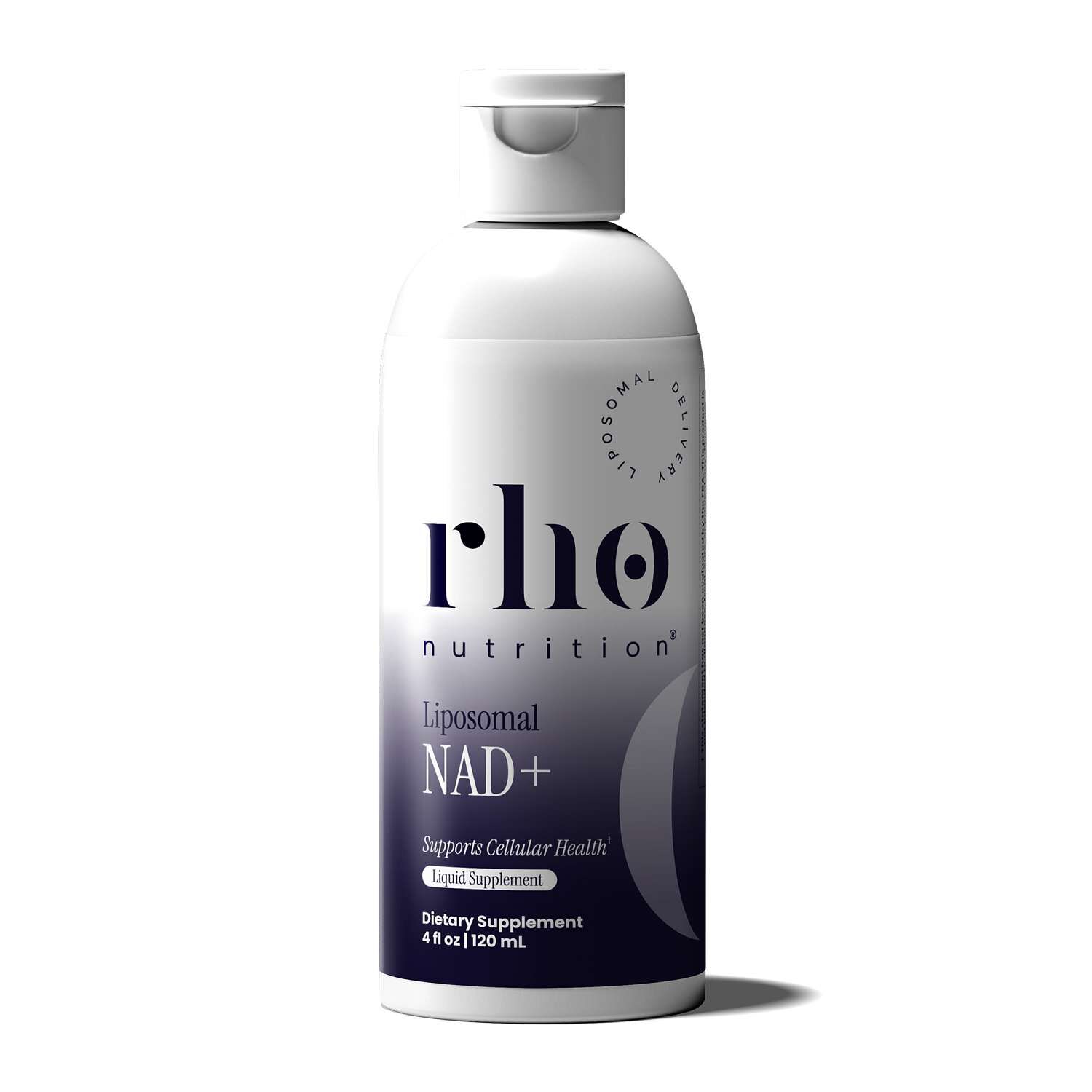
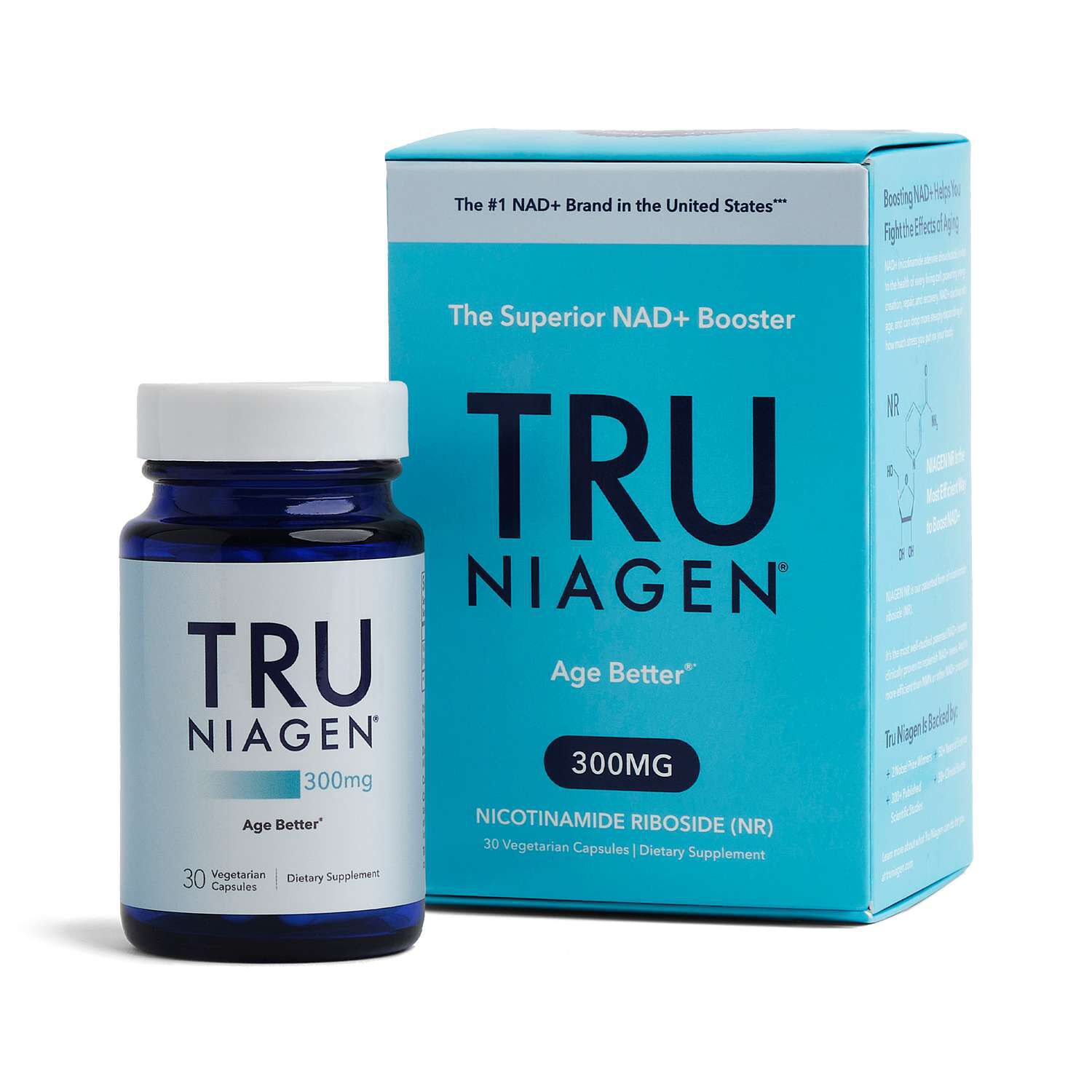
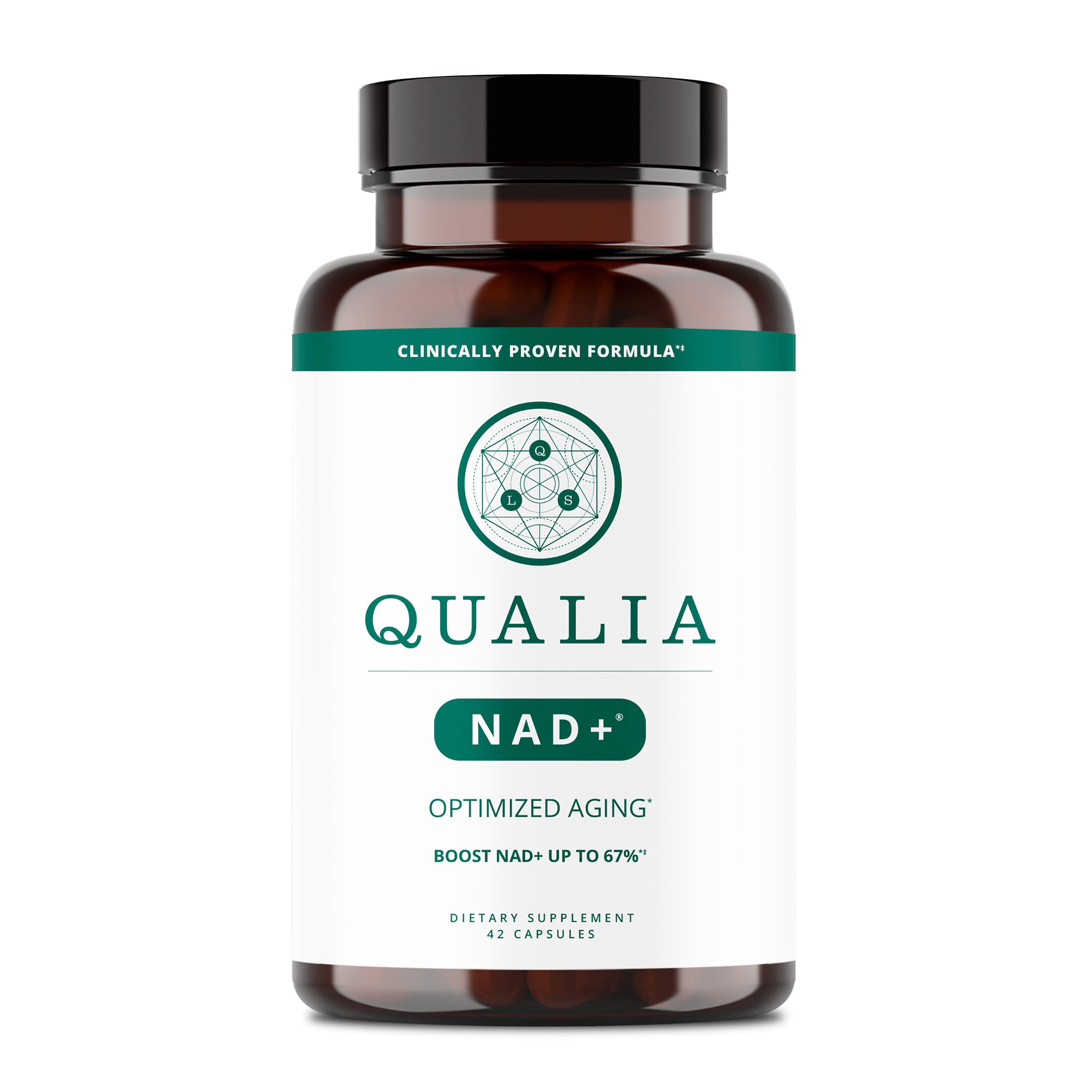
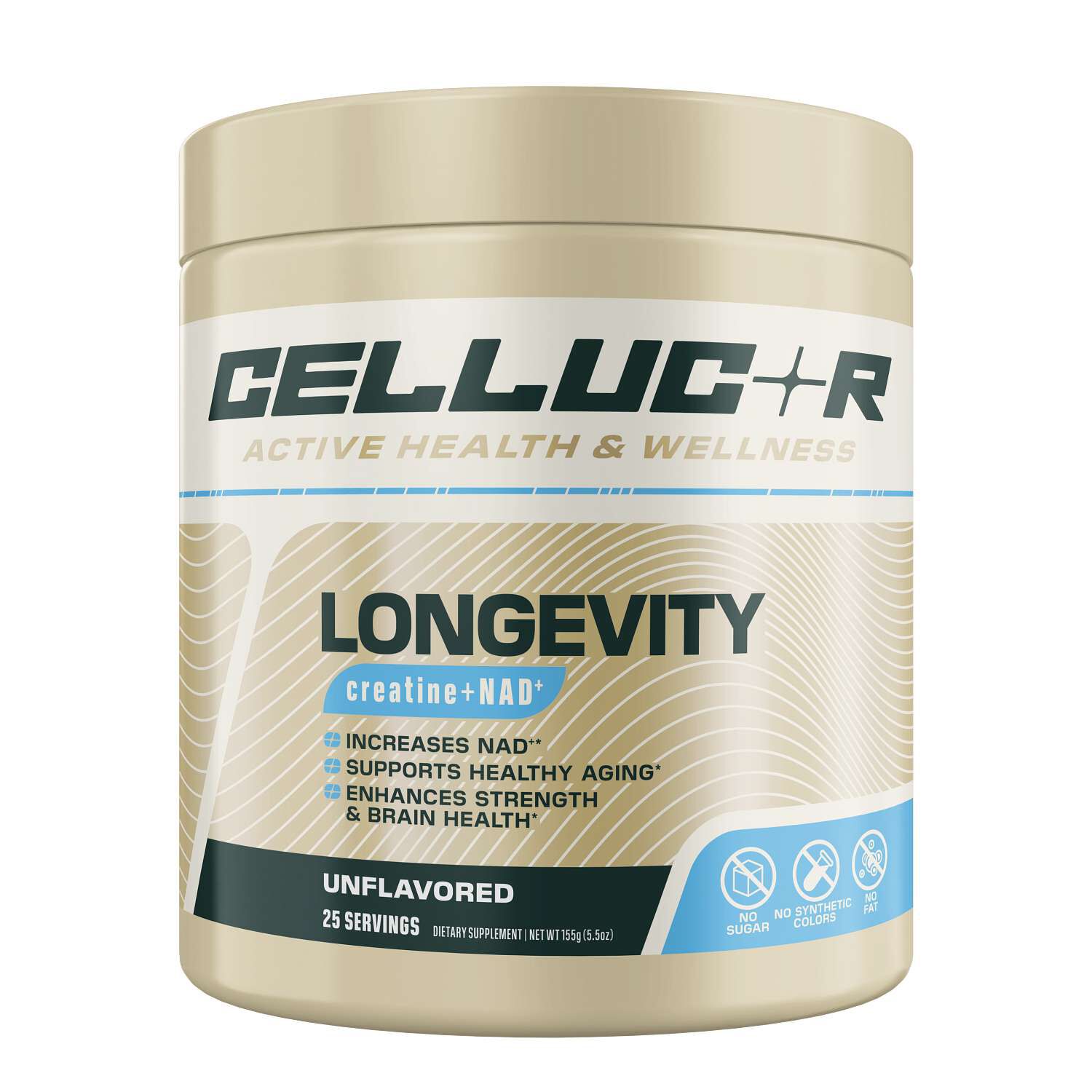
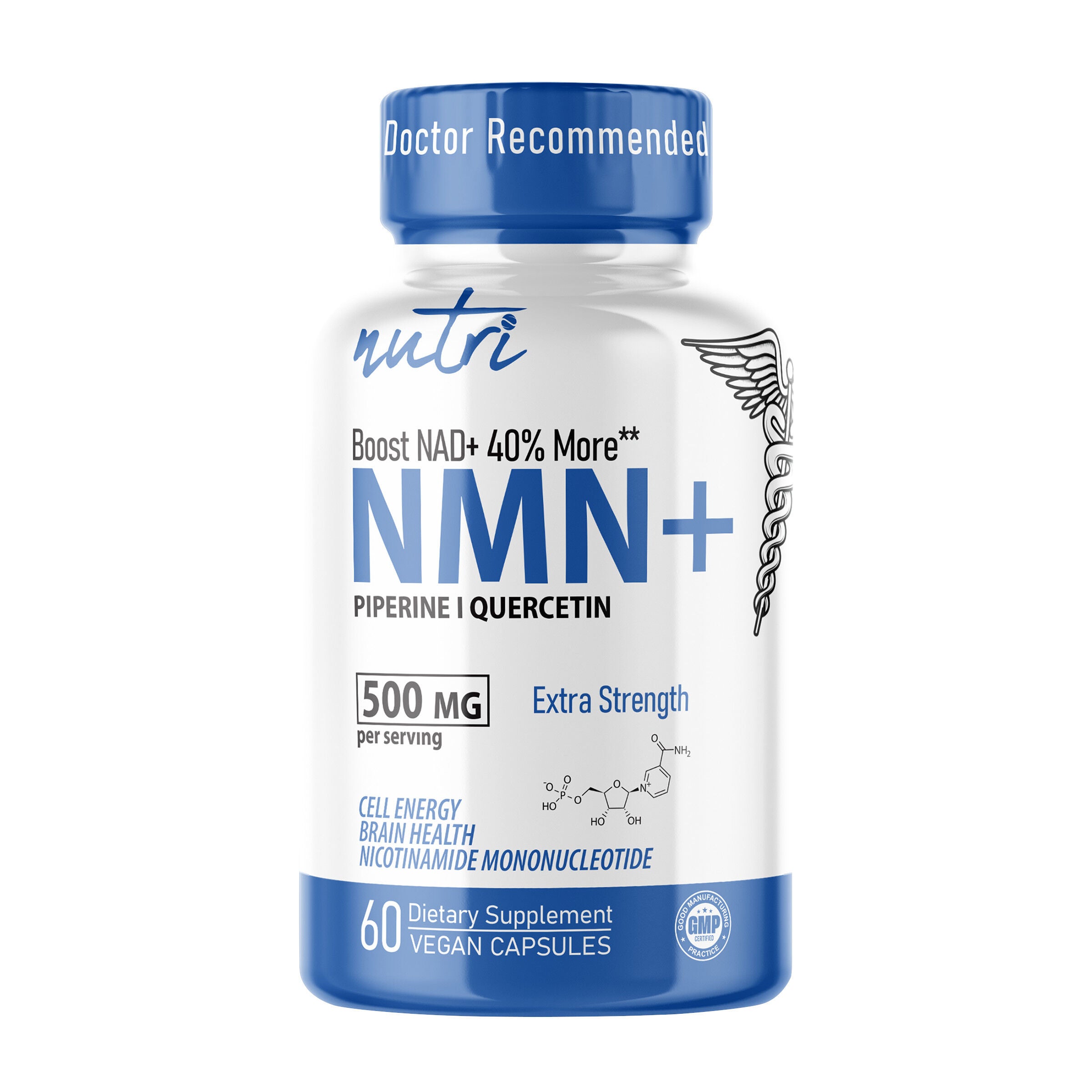
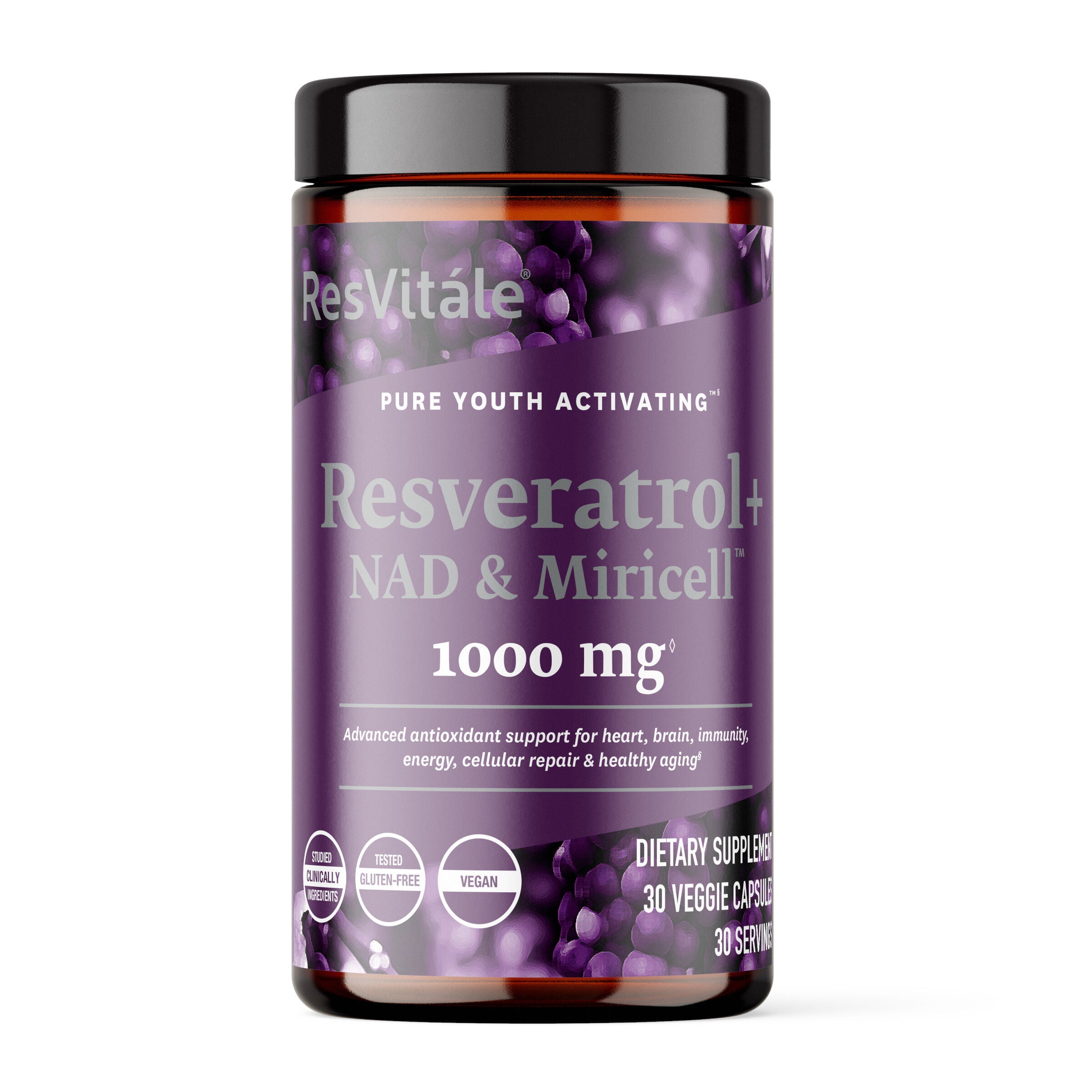
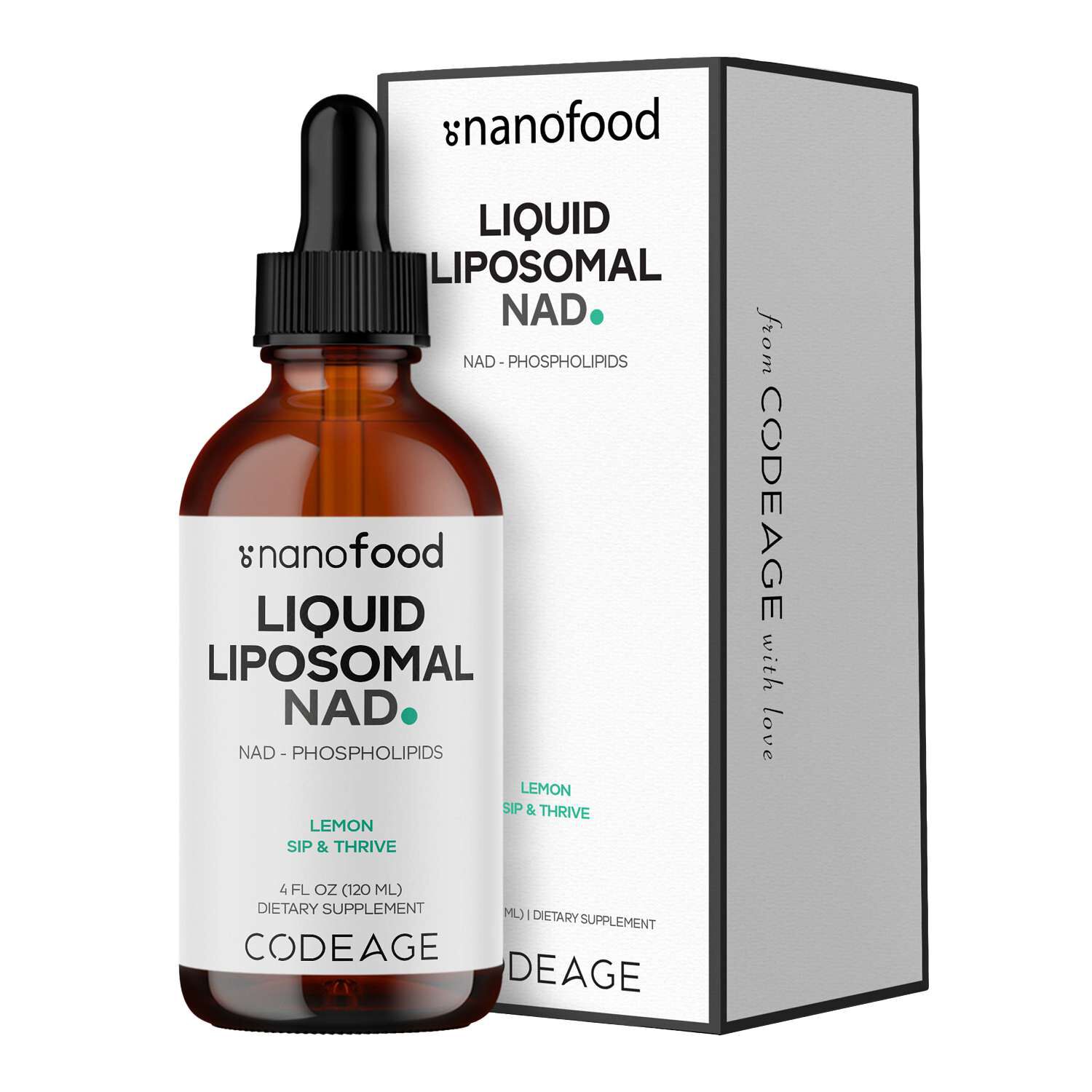
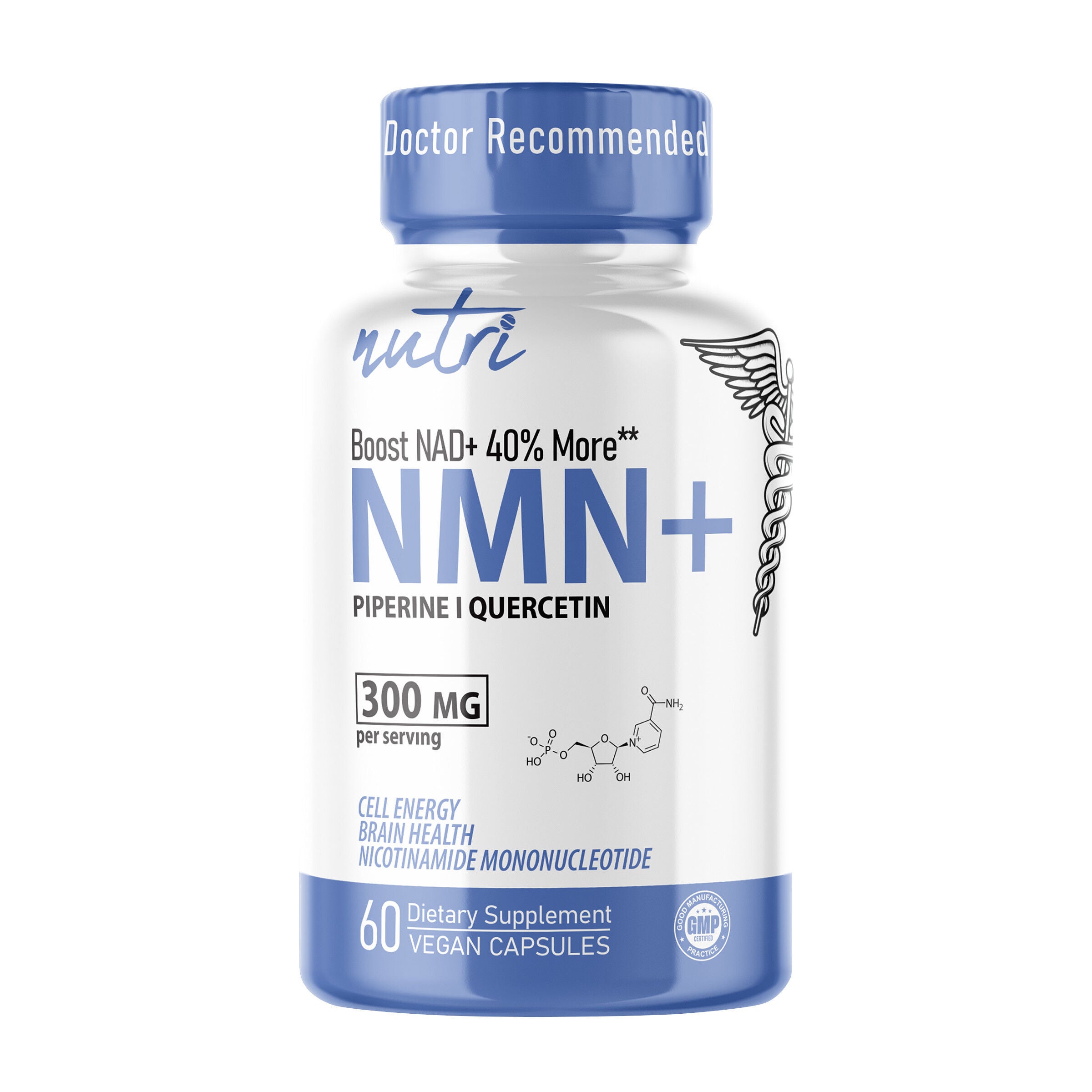
NAD plus supplements for adults over 40 bring together products centered on nicotinamide adenine dinucleotide, commonly written as NAD+. This coenzyme occurs naturally in the body and participates in normal cellular processes, including the conversion of nutrients into usable energy. The plus sign identifies a chemical form of the molecule; it is not a rating of a supplement’s strength. For shoppers exploring this category, the distinction between NAD+ and ingredients associated with its production is an important starting point. Nicotinamide riboside, often abbreviated NR, and nicotinamide mononucleotide, or NMN, are different compounds discussed in research on NAD biology. They are not alternate spellings for NAD+, and their names should not be treated as interchangeable when comparing labels. A precursor is a substance involved in the body’s production of another compound, which explains why precursor ingredients appear in discussions of NAD supplements. Research has examined how NAD biology relates to aging, but an age-focused product description does not establish that a supplement changes the aging process. Likewise, findings about an ingredient do not establish what every finished formula may do, and a change in a laboratory measurement is not the same as a noticeable difference in everyday life. Adults over 40 represent a broad audience with different eating patterns, activity routines, and preferences. Someone managing a busy workday may prioritize a straightforward capsule format, while someone with an established supplement routine may focus on how a formula’s ingredients compare with those already on the kitchen shelf. The most useful category comparisons separate the scientific background from the practical details printed on the package. Ingredient identity, serving size, additional components, and documented quality checks provide a clearer picture than prominent language about vitality or longevity alone. That distinction keeps shopping grounded in what a formula contains and how it is intended to be used, rather than assumptions based on its name or the age group featured in its description.
Comparing NAD plus supplements starts with the Supplement Facts panel and the accompanying ingredient list. The amount listed per serving is not necessarily the amount in a single capsule or tablet, so serving size matters when reading two packages side by side. A bottle containing more capsules does not necessarily provide more servings, either. For example, a formula with a two-capsule serving has a different usage pattern from one with a single-capsule serving, even when the containers look similar. Ingredient amounts are also meaningful only in the context of the compounds being listed; equal milligram amounts of different ingredients do not make two formulas equivalent. Some formulas center on one featured ingredient, while others include vitamins or additional nutritional components. Those additions belong in the comparison rather than disappearing behind the NAD name on the front label. A clearly itemized panel makes it easier to see each listed ingredient and its amount, whereas a grouped blend may offer less detail about individual quantities. Capsule shells, tablet coatings, and other ingredients also matter for shoppers with particular dietary preferences. Gelatin and plant-derived cellulose are examples of capsule materials, but the actual ingredient list—not the capsule’s appearance—identifies what a given formula uses. Vegetarian suitability and statements about particular allergens likewise depend on the package’s specific information. Format is another practical consideration: capsules, tablets, and powders involve different handling, and serving directions can differ between them. Someone who prefers a simple bottle-and-water routine may compare capsule dimensions and the number used per serving, while someone considering a powder may look closely at measuring instructions and preparation requirements. Testing information adds another layer to that comparison. Useful documentation identifies what was evaluated, such as ingredient identity, stated amounts, or selected contaminants, and whether the testing concerned an ingredient or the finished formula. Independent verification can provide information about those attributes without establishing a particular personal outcome. A named testing organization, an identifiable report, and a matching lot number offer more context than an unexplained quality symbol.
Everyday usability also includes packaging, storage, and how clearly a supplement’s directions fit into an existing routine. Product labels specify serving instructions and storage conditions, and those details can vary across formulas. A tightly closing bottle, a readable date, and an intact package seal are practical features to examine. Containers are designed to protect their contents under the stated storage conditions; leaving a bottle beside a steamy shower or transferring capsules into an unmarked jar can make those conditions and identifying details harder to track. Original packaging keeps the ingredient panel, lot information, and directions together, which is useful when several similar-looking bottles share a cabinet. For someone who travels often, the distinction between a compact container and a larger bottle may matter, but convenience does not change the serving instructions. For a household where more than one adult uses supplements, readable labels and separate storage spaces can make each person’s chosen products easier to identify. These everyday considerations are relevant whether the shopper is new to the category or comparing a different format with an established routine. NAD plus supplements for adults over 40 are organized around an age-related shopping interest, not a single set of needs shared by everyone in that age range. Men exploring a related selection can also browse NAD Plus Supplements For Men, while applying the same attention to ingredient identity, serving details, and packaging information. A category name alone does not explain how one formula differs from another, and it does not account for an individual’s circumstances. The clearest comparison brings together the label, the intended use, the formulation, and the available testing documentation. It also leaves room for ordinary preferences: fewer components in a formula, a clearly identified capsule material, or directions that are easy to reference. In a category shaped by scientific terminology, those tangible details help distinguish products without turning research language into an expectation about how someone will feel. The result is a more informed view of NAD-related supplements as packaged nutritional products with specific ingredients and usage instructions, rather than as a shortcut defined by an age milestone.
Best Sellers
-
Rho Nutrition
-
 Rho Nutrition
-
 Doctors' Preferred
