NAD Supplements $50 And Under
(0 Results)
Shop NAD supplements $50 and under to find options within your budget. Compare ingredient lists, serving sizes, and suggested use on each product label to choose a supplement that fits your routine.
-
-
-
 GNC Preventive Nutrition22$46.99
-
 $24.99
-
-
-
 $44.99

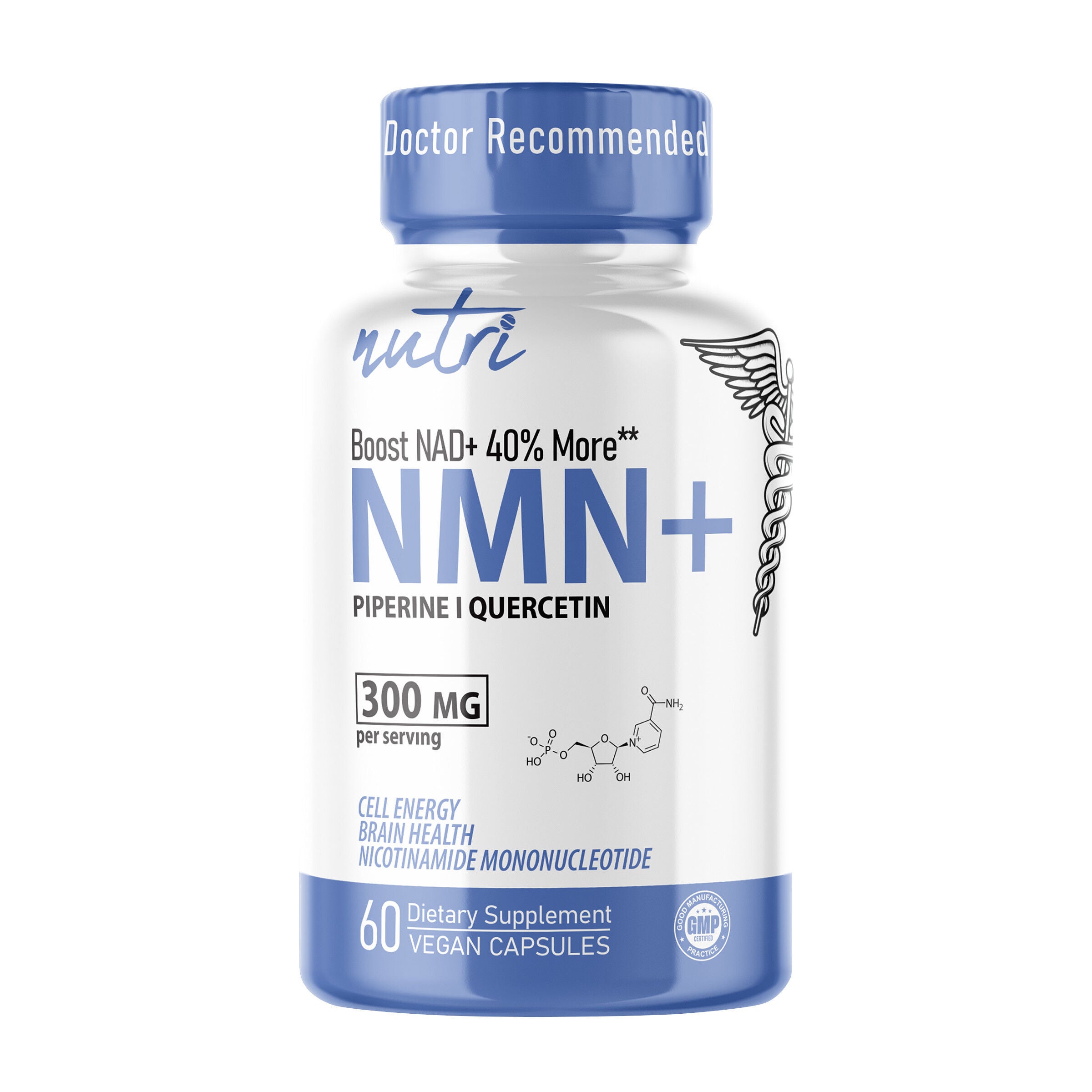
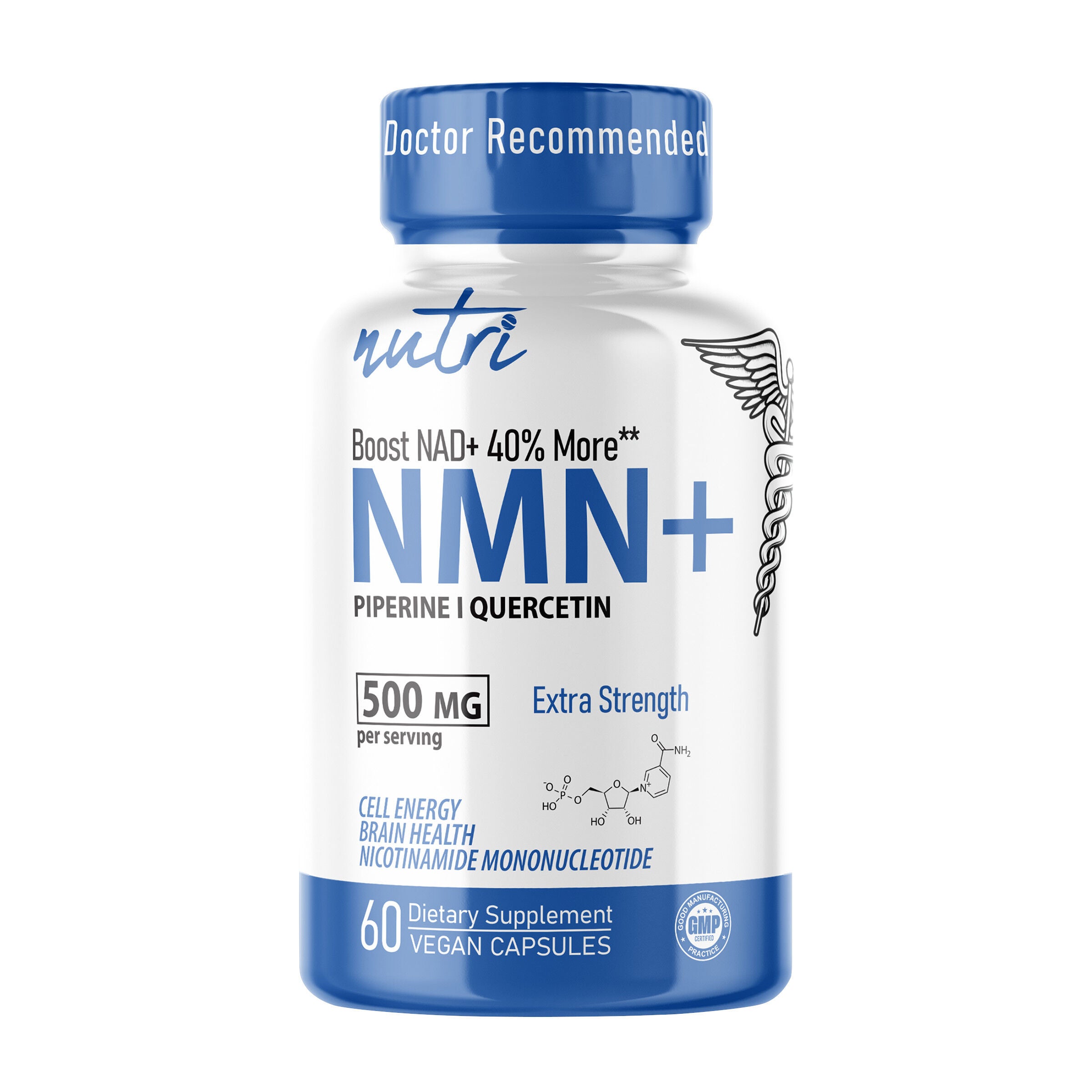
NAD supplements sit within a broader category of nutritional supplements centered on nicotinamide adenine dinucleotide, a coenzyme naturally present in living cells. NAD participates in normal cellular energy metabolism, which helps explain the interest in this category among adults with established wellness routines. The terminology on labels deserves a closer look: NAD and NAD+ refer to forms of the coenzyme, while a precursor is a substance used in the body’s processes for making it. Nicotinamide riboside and niacinamide are names associated with vitamin B3 and NAD-related nutrition, but those names do not describe identical ingredients or interchangeable serving amounts. A formula’s identity comes from its ingredient list and Supplement Facts panel, not simply from a prominent NAD reference on the front of the bottle. Some formulas focus on one featured ingredient, while others combine several nutrients or other dietary ingredients. That distinction matters to someone who prefers a straightforward supplement routine, as well as to someone who already takes a multivitamin or another B-vitamin supplement. Ingredient overlap, serving size, and the amount listed per serving provide useful context without relying on broad claims about what a supplement will do. The broader NAD Supplements and Precursors category brings these related terms together, making the difference between a coenzyme and its precursors especially relevant. For an adult comparing labels at the kitchen counter, the most useful details are often the least dramatic: the exact ingredient name, the form in which it appears, the number of capsules or tablets in a serving, and the directions printed on the container. Those details describe what is inside and how the formula is intended to be used. They also keep expectations grounded in the actual label rather than in the general reputation of a nutrient category. An NAD-related name alone does not establish a particular personal outcome, and a longer ingredient list is not automatically a better match for an individual routine.
Format is another practical part of comparing NAD supplements. Capsules and tablets contain measured portions, but the number needed for a labeled serving can differ between formulas. A bottle’s capsule count is therefore not the same thing as its number of servings. Someone who keeps a compact morning routine may pay close attention to that distinction, while someone who organizes supplements for a trip may focus on container size and the space needed for the original packaging. Capsule dimensions, tablet shape, and any coating also contribute to the experience of using an oral supplement. When a capsule shell is listed, materials such as gelatin or plant-derived cellulose can matter to personal dietary preferences. Other ingredients may include materials used to hold a tablet together, maintain its shape, or help ingredients move through manufacturing equipment. These details belong alongside the featured nutrient when considering a formula, especially for shoppers who prefer a shorter ingredient list or have particular ingredient restrictions. Dietary attributes are best understood through the actual label language rather than assumptions based on capsule color, bottle design, or the word “plant” elsewhere on the package. Where a powdered format is involved, the directions, measuring method, and stated serving size become central details; a scoop’s appearance alone does not establish the amount it contains. Flavor, texture, and whether mixing is required are also relevant to everyday use. A person who wants a supplement that can stay in its original bottle has different practical preferences from someone comfortable measuring a powder into a separate container. Neither format tells the whole story about the formula. The Supplement Facts panel identifies the listed amounts, while the other-ingredients section adds context about the surrounding materials. Reading those sections together creates a clearer picture than comparing front-label descriptions alone. Packaging details such as a readable label, a secure closure, and clear storage directions are worth considering, too, because they remain part of the daily experience long after the initial selection.
The intended use of NAD supplements is as an addition to an adult nutritional routine, not as a replacement for meals, sleep, or the ordinary habits that shape daily life. A desk-based professional, an active retiree, or an adult with a carefully organized supplement cabinet may approach the category with different preferences, yet all have reason to consider how a formula fits alongside what they already use. The practical setting matters: a crowded kitchen shelf, a shared bathroom cabinet, or a small travel bag each presents different storage considerations. Product-specific storage directions take priority, and the original container keeps the ingredient information, serving directions, cautions, and date marking together. A tightly closed bottle stored as directed is a more sensible arrangement than loose capsules left in an unmarked dish. Humid rooms, prolonged exposure to direct sunlight, and containers left in a parked car may not match the conditions specified on the label. The goal is to preserve the condition of the supplement and the readability of the information that accompanies it, rather than treating the packaging as disposable clutter. When comparing bottle sizes, the labeled serving frequency and the number of servings provide context for how a container fits into an established routine; capsule count by itself leaves part of that picture out. Label cautions and statements about intended users also deserve attention, particularly when a supplement is being considered for another person. Supplements are a personal choice, so gifting an NAD formula makes the most sense when the recipient has already expressed an interest in that category and knows their own ingredient preferences. An attractive bottle is less informative than a clearly identified formula with accessible directions. For personal use or a requested gift, thoughtful selection rests on the same concrete details: ingredient identity, serving format, dietary compatibility, packaging, and intended use. Those considerations keep the focus on the actual supplement rather than on sweeping expectations, allowing NAD-related nutrition to remain one considered part of a broader, everyday wellness routine.
- Q: What does NAD stand for?
A: NAD stands for nicotinamide adenine dinucleotide. It is a coenzyme, a molecule that works with enzymes, found naturally in living cells. - Q: What is the difference between NAD+ and NADH?
A: NAD+ and NADH are two chemical forms of the same coenzyme. NAD+ is the oxidized form, while NADH is the reduced form. The plus sign and the H distinguish these forms on labels. - Q: What is an NAD precursor?
A: An NAD precursor is a substance the body uses to make NAD. Examples include nicotinamide riboside, often abbreviated NR, and nicotinamide mononucleotide, often abbreviated NMN. - Q: How do NAD supplements differ from multivitamins?
A: NAD supplements focus on NAD or its precursors, while multivitamins combine a range of vitamins and minerals. Ingredient lists distinguish each formula’s contents, since the two categories may include some overlapping nutrients. - Q: How do the Supplement Facts and Other Ingredients sections differ on NAD supplement labels?
A: The Supplement Facts panel identifies the dietary ingredients in the formula. The Other Ingredients section lists additional components used to make the supplement. Reading both sections provides a fuller picture of what a formula contains.
Best Sellers
-
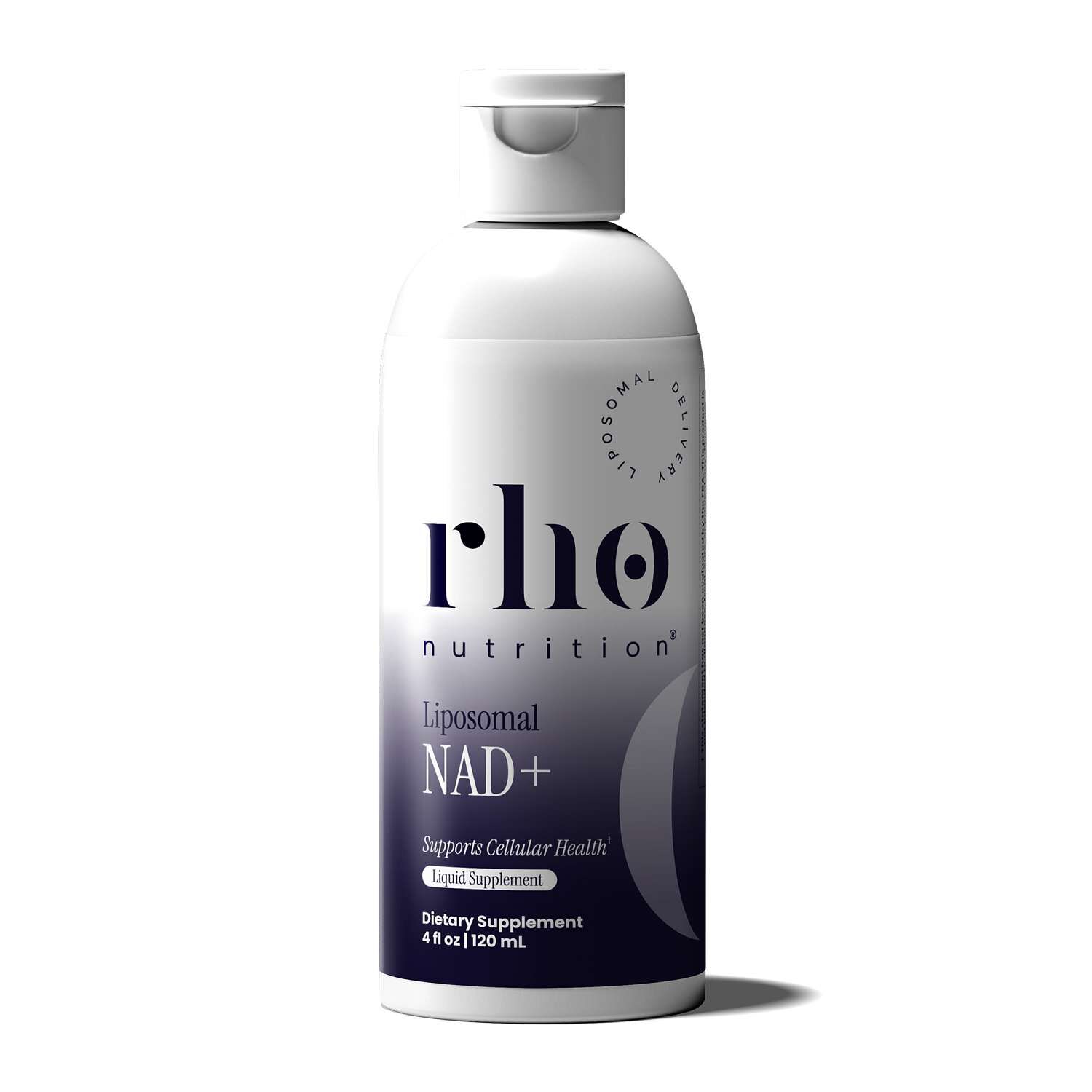 Rho Nutrition
-
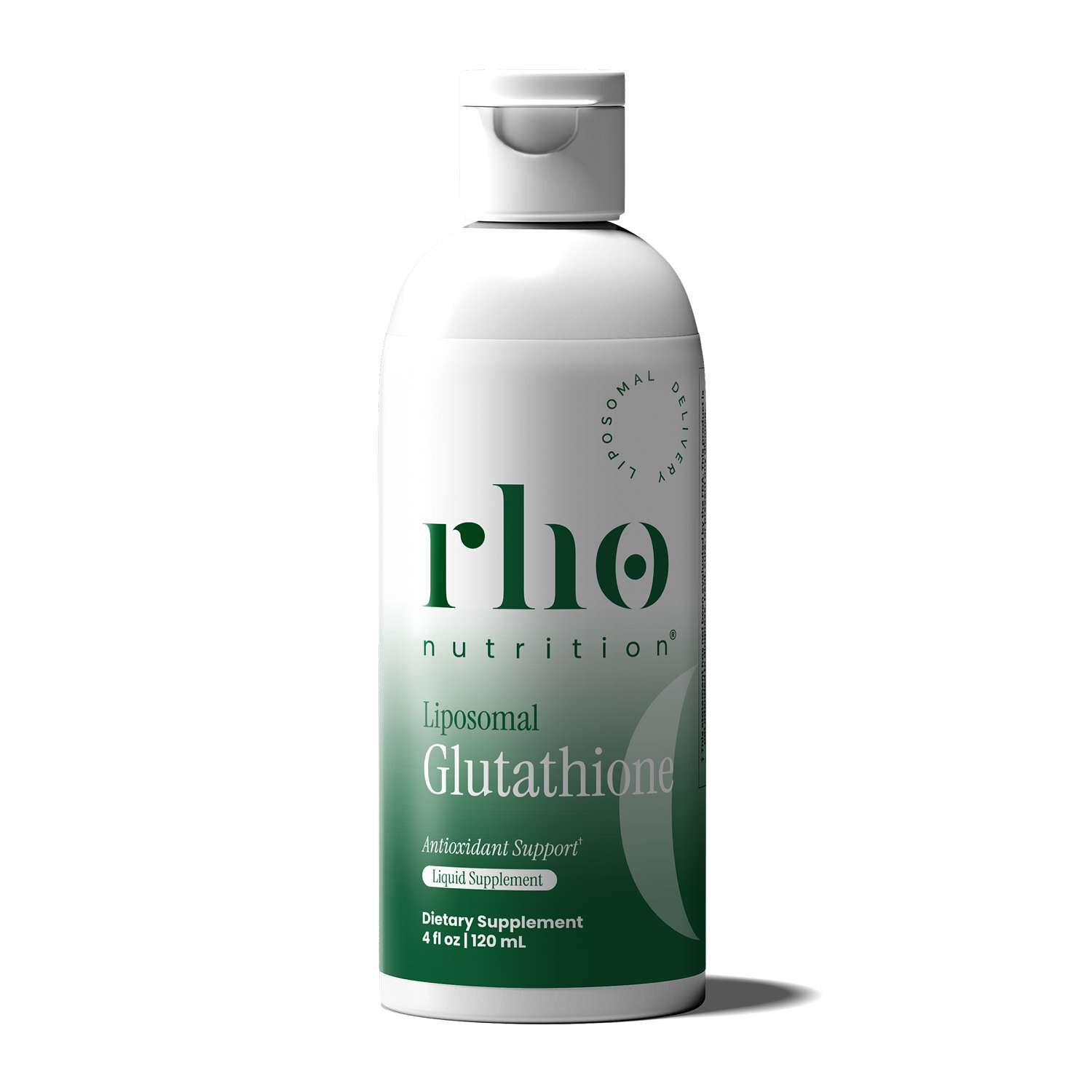 Rho Nutrition
-
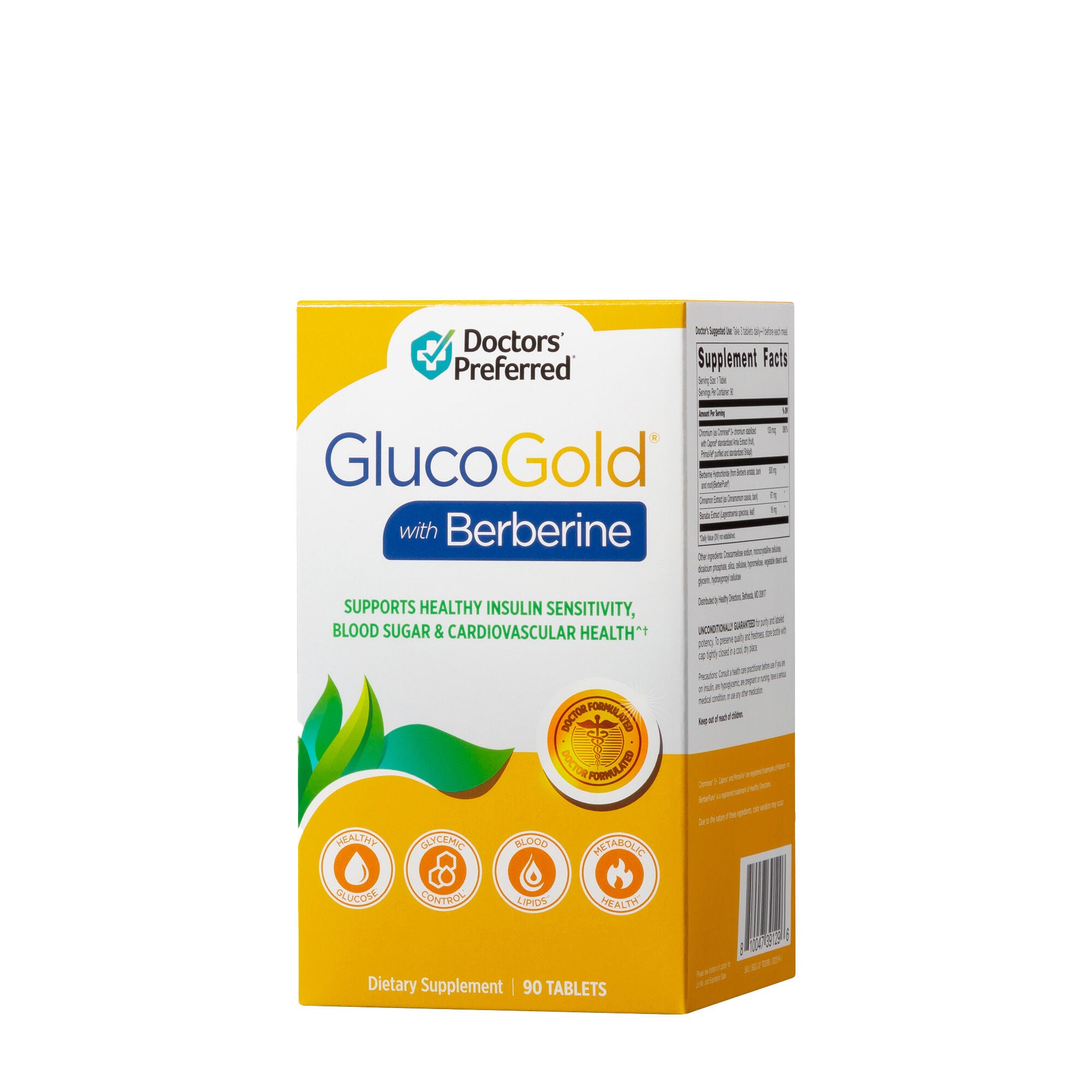 Doctors' Preferred