

Natural Essential Oils
(0 Results)
Discover a world of pure botanical goodness with our collection of Natural Essential Oils. Sourced from nature's finest ingredients, these aromatic oils are carefully extracted to harness their powerful therapeutic properties. Whether you're seeking relaxation, rejuvenation, or simply looking to enhance your daily routine, our range of essential oils offers a natural solution for all your wellness needs. From calming lavender to invigorating peppermint, each bottle is filled with pure plant essence to elevate your mind, body, and spirit. Explore our selection and experience nature's healing touch today.


Natural aromatic oils are concentrated botanical extracts valued for the distinctive scents of flowers, leaves, peels, wood, and other plant materials. Their character begins with the plant itself: a floral aroma can be soft and powdery, a citrus aroma bright and peel-like, and a woody aroma dry, earthy, or resinous. Many of these oils are produced through steam distillation, which separates aromatic compounds from harvested plant material. Others, particularly oils obtained from citrus peels, are extracted through mechanical pressing. The extraction method, plant variety, growing conditions, and part of the plant used all contribute to the finished oil’s identity. Even extracts from the same botanical family can have noticeably different aromas, making the ingredient list more useful than a broad scent description alone. A single-source oil centers on one botanical ingredient, while a blend combines several oils into a layered fragrance. Neither format is inherently more suitable for every setting; the better match depends on the intended use and the scent profile someone enjoys. A person who prefers a clear, recognizable fragrance may gravitate toward one botanical note, while someone who enjoys a rounded composition may prefer a blend with floral, citrus, and woody elements. Natural origin also does not describe every part of a formula. Some preparations contain only aromatic extracts, while others include a carrier oil or additional ingredients for a particular application. Those differences matter when comparing bottles that look similar at a glance. Botanical names, plant parts, extraction details, and directions provide a more informative picture than the front label alone. For shoppers exploring natural plant oils, these details help distinguish a concentrated aromatic extract from a ready-to-use body oil, a home fragrance preparation, or a less aromatic seed oil. Each belongs to a different product format, with its own texture, concentration, and purpose.
Intended use is a practical starting point for comparing aromatic oils. A formula labeled for use in a compatible diffuser is not automatically suitable for application to the body, and a body oil containing botanical fragrance is not automatically appropriate for a diffuser. The directions on both the bottle and the device establish whether they belong together. Diffuser designs vary, including models that use water and models designed for particular oil formats, so compatibility matters more than the shape or size of the bottle. For products labeled for topical use, the formula’s carrier ingredients and application directions deserve close attention. Carrier oils are different from concentrated aromatic extracts: they are typically oils pressed from seeds, nuts, or fruit and form the base of many body oil preparations. Their texture can range from light and fluid to richer and more substantial, which may influence how a finished product feels during application. A ready-to-use preparation also differs from a concentrate that requires preparation according to its label. Choosing between these formats is partly a matter of how much handling fits into an everyday routine. Someone who wants a straightforward addition to personal care may prefer a product already formulated for its stated use, while a shopper familiar with a particular diffuser may focus on oils expressly suited to that device. Scent preference deserves the same attention as format. A crisp botanical fragrance may suit a brief pause between tasks, while a softer floral or resinous composition could lend a different character to a quiet reading space. These are sensory preferences rather than measures of product performance. In shared rooms, consider the preferences of everyone who spends time there, along with any household restrictions concerning fragrance. Small spaces, shared work areas, and rooms used by children or pets call for careful attention to product and device instructions. The most useful choice is one whose labeled purpose, handling requirements, and aroma fit the setting where it will actually be used.
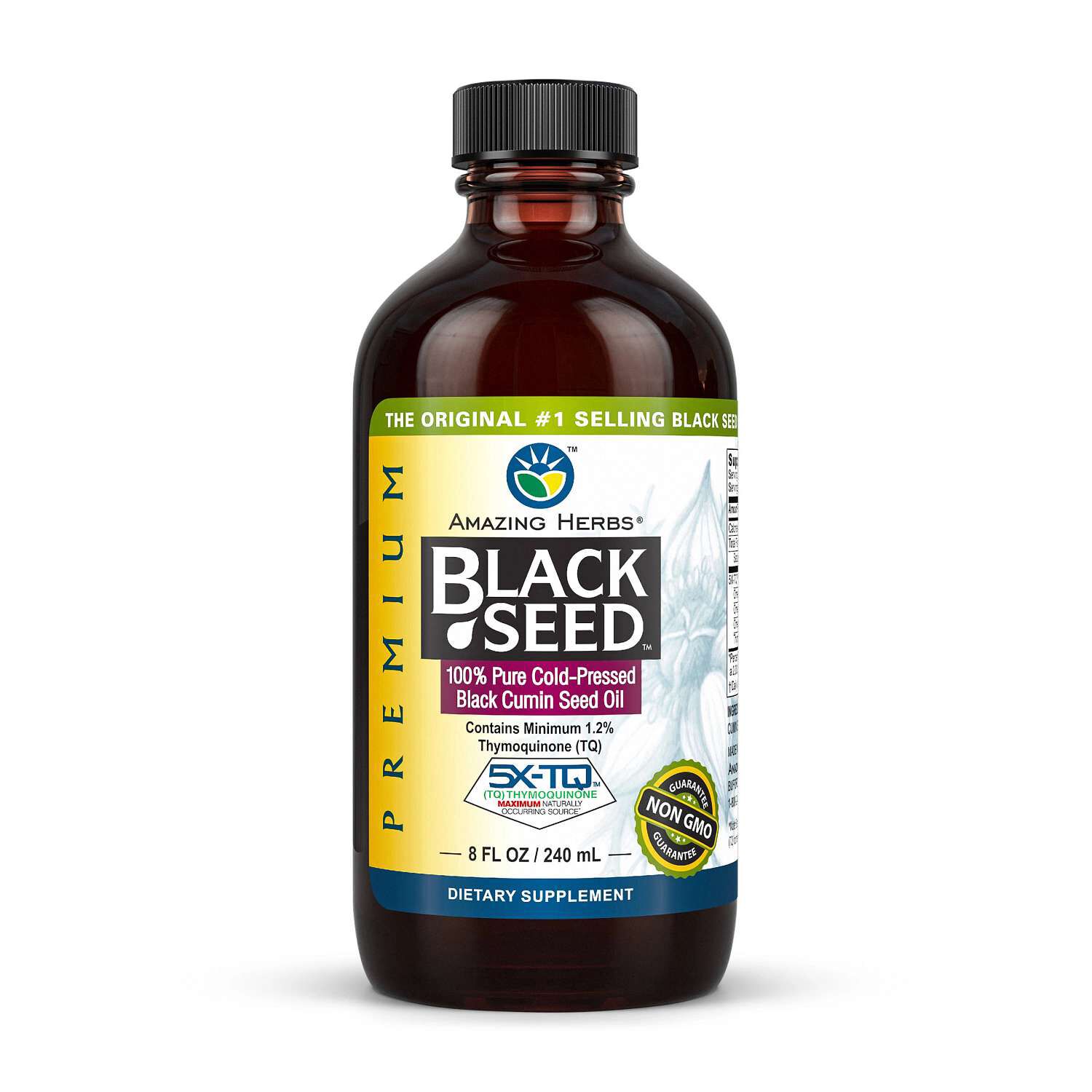
Packaging and care also help distinguish natural aromatic oils beyond their scent descriptions. Many concentrated botanical extracts come in amber or other light-protective glass bottles, often with a dispensing insert or dropper. These details support measured handling and limit unnecessary exposure during use, but no container makes its contents indefinitely lasting. Closure quality, readable labeling, and an easy-to-manage dispenser are practical features for a bottle that will be opened repeatedly. Keep the original label with the product, close the container after use, and follow its storage directions, including any instructions about light exposure. The date information on the package is more useful than assuming that every botanical oil has the same usable life. Some aromatic compounds change with exposure to air and light, so larger bottles are not automatically a better match for occasional use. A smaller format may be more manageable for someone who uses one scent infrequently, while a familiar aroma used regularly may justify a different bottle size. Care extends to surrounding materials as well. Concentrated oils can leave marks on certain surfaces, and a dispenser should be handled where an accidental drip can be addressed according to the surface manufacturer’s instructions. For a diffuser, follow the device’s cleaning directions rather than assuming that one cleaning method suits every material or design. These everyday details are also relevant when choosing an aromatic oil as a gift. A recipient’s known scent preferences, existing device, and comfort with fragrance are more helpful than selecting a bottle for its appearance alone. Someone who enjoys botanical fragrances may appreciate a familiar scent family in a format that fits an established routine; a strongly scented gift is less suitable when those preferences are unknown. Shoppers comparing aromatic extracts with other plant-derived oil categories can also explore Botanical Oils Supplement for a separate product category with different formulations and labeled uses. Aromatic oils and oil-based supplements are not interchangeable simply because both originate from plants. Reading each product’s identity and directions keeps that distinction clear while allowing botanical source, fragrance character, packaging, and intended use to guide a thoughtful selection.